

Los pacientes con infección por SARS-CoV-2 pueden presentar afectación cardiovascular, incluyendo miocarditis, arritmias y prolongación del intervalo QT. Nuestro objetivo fue evaluar el impacto de la COVID-19 y su tratamiento en la repolarización ventricular y el desarrollo de arritmias en pacientes críticos.
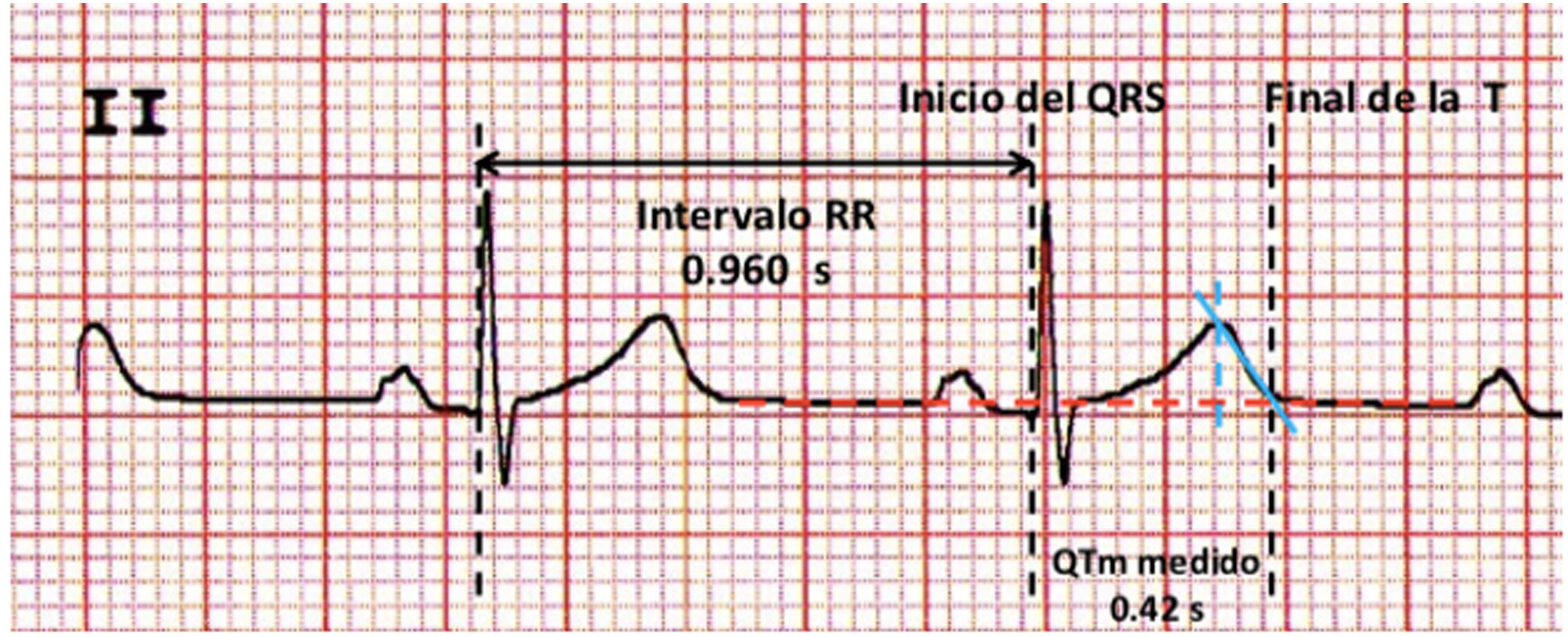
Material y métodosEstudio de cohortes retrospectivo de pacientes críticos con infección confirmada por SARS-CoV-2 durante un periodo de 3meses. Se registraron los datos clínicos relevantes y el tratamiento específico administrado para la COVID-19. Se consideró QTc prolongado cuando medía ≥460ms en mujeres y ≥450ms en hombres. Se registró la incidencia y el tipo de arritmias durante el mismo periodo.
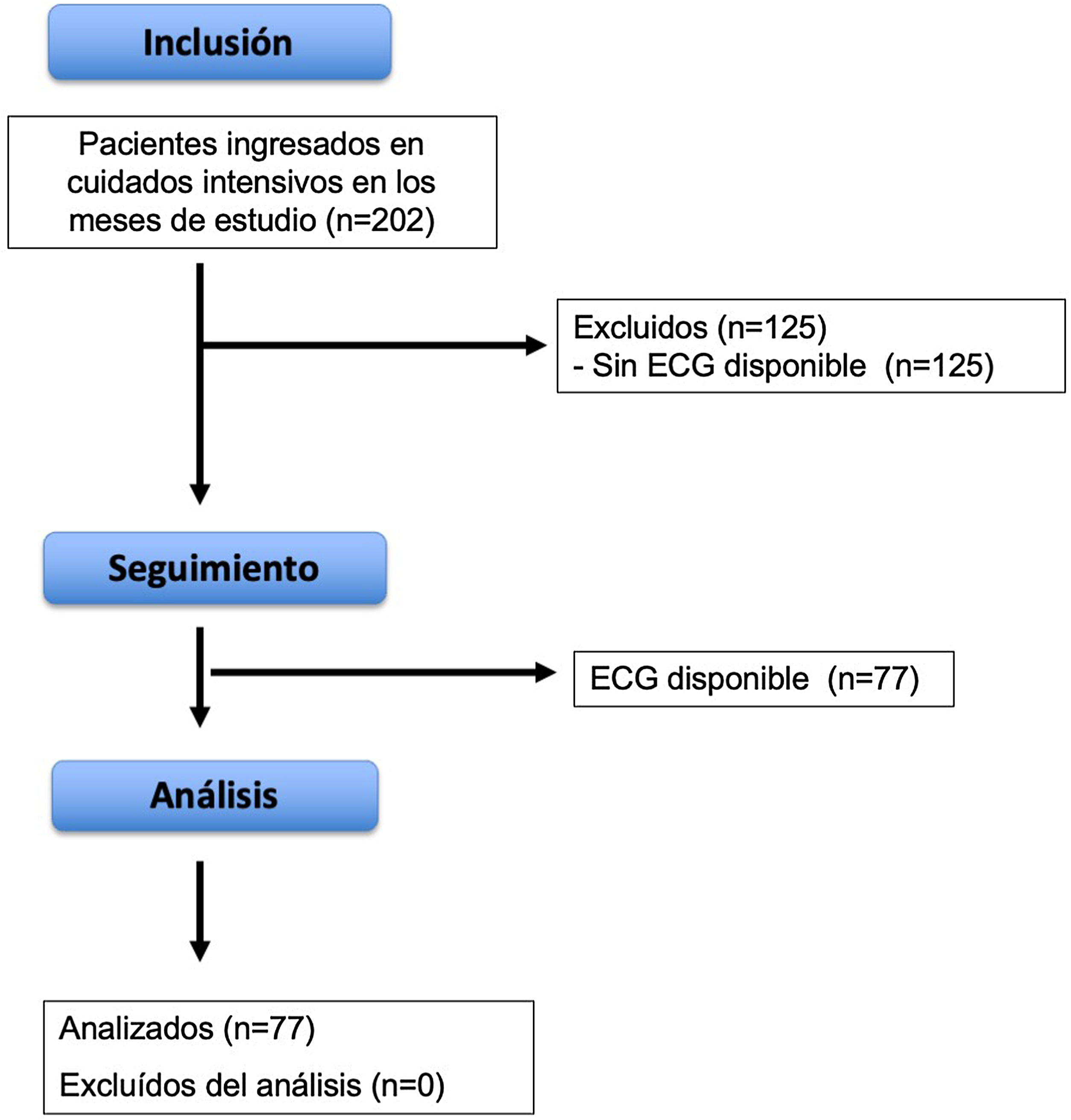
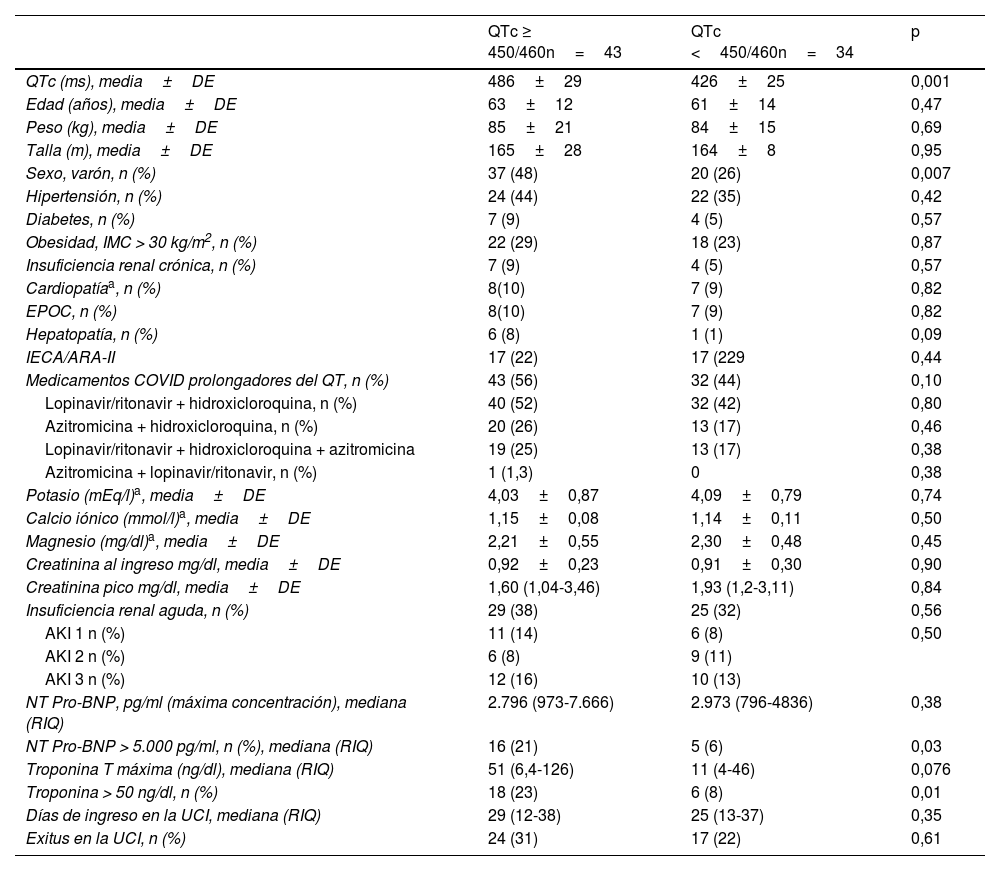
ResultadosSe evaluaron 77 pacientes con una edad media de 62±13años: 20 mujeres y 57 hombres. El 60% de los pacientes eran hipertensos, el 52% presentaban un IMC>30 y el 70% desarrollaron fracaso renal agudo durante el ingreso. El 56% de los pacientes presentaron prolongación del QTc. El 44% presentaron algún tipo de arritmia durante su estancia en la UCI, siendo en el 21% arritmias auriculares. La mortalidad global fue del 53%, sin diferencias entre los pacientes con o sin QTc prolongado.
ConclusionesEn nuestra serie, una elevada proporción de pacientes críticos con COVID-19 han presentado QTc prolongado y arritmias. Los factores implicados se han relacionado con la elevación de biomarcadores cardiacos, la propia afectación miocárdica del virus y la medicación concomitante recibida en la UCI.
Patients with SARS-CoV-2 infection may present cardiovascular involvement including myocarditis, arrhythmias and QT interval prolongation. Our objective was to evaluate the impact of COVID-19 and its treatment on ventricular repolarization and development of arrhythmias in critically ill patients.
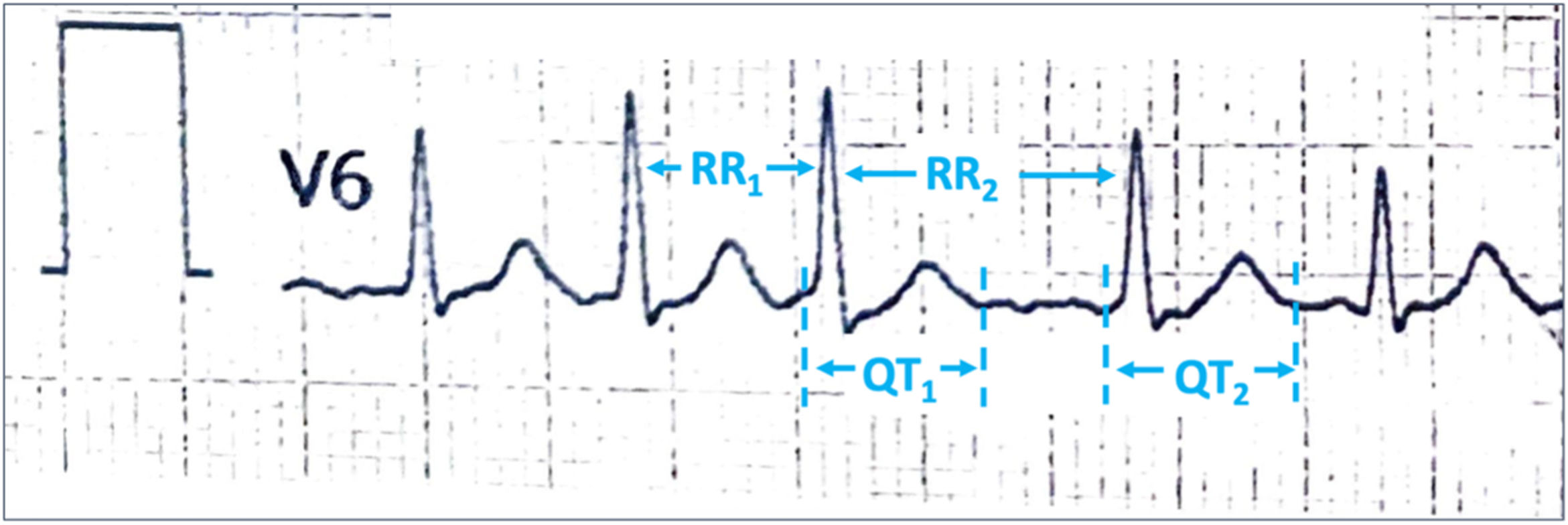
Material and methodsRetrospective cohort study of critically ill COVID-19 patients during a 3-month period in whom at least one ECG was available. Relevant clinical data and specific treatment administered for COVID-19 were recorded. Prolonged QTc was considered prolonged when it measured ≥460ms in women and ≥450ms in men. The incidence and type of arrhythmias during the same period were recorded.
ResultsA total of 77 patients with a mean age of 62±13years, 20 women and 57 men, were evaluated. Sixty percent of the patients were hypertensive, 52% had a BMI>30, and 70% developed acute renal failure during admission. Some 56% of the patients presented QTc prolongation. Forty-four percent presented some type of arrhythmia during their stay in the ICU, 21% of which were atrial arrhythmias. Overall mortality was 53%, with no differences between patients with or without prolonged QTc.
ConclusionsIn our series, a high proportion of critical patients with COVID-19 presented prolonged QTc and arrhythmias. The factors involved have been related to the elevation of cardiac biomarkers, the myocardial involvement of the virus and concomitant medication received in the ICU.