


metricas

Medicina de Familia. SEMERGEN

Sugerencias
Medicina de Familia. SEMERGEN Beyond weight: Exploring the nexus between obesity and osteoarthritis
Información de la revista
Visitas
925
Vol. 51. Núm. 6.
(Septiembre 2025)
Review
Acceso a texto completo

Beyond weight: Exploring the nexus between obesity and osteoarthritis

Más allá del peso: explorando el vínculo entre la obesidad y la osteoartritis
Visitas
925
M.C. Ningtyasa,b, B.A. Ansharullaha,b, H. Sutantoa,b,
Autor para correspondencia
henry.sutanto-2022@fk.unair.ac.id

Corresponding authors.
, J.H. Prajitnoa,c,d,
Autor para correspondencia
jongky-h-p@fk.unair.ac.id

Corresponding authors.
a Internal Medicine Study Program, Department of Internal Medicine, Faculty of Medicine, Universitas Airlangga, Surabaya, Indonesia
b Department of Internal Medicine, Dr. Soetomo General Academic Hospital, Surabaya, Indonesia
c Division of Endocrinology, Metabolic Diseases and Diabetes, Department of Internal Medicine, Faculty of Medicine, Universitas Airlangga, Surabaya, Indonesia
d Department of Internal Medicine, Airlangga University Hospital, Surabaya, Indonesia
Este artículo ha recibido
Información del artículo
Resumen
Texto completo
Bibliografía
Descargar PDF
Estadísticas
Figuras (2)
fig0005
fig0010
Tablas (4)
Table 1. Altered biomechanics of lower extremities due to obesity.
Tablas
Table 2. Roles of adipokines in osteoarthritis.
Tablas
Table 3. Immune cells and inflammatory cytokines/chemokines involved in obesity-induced OA.
Tablas
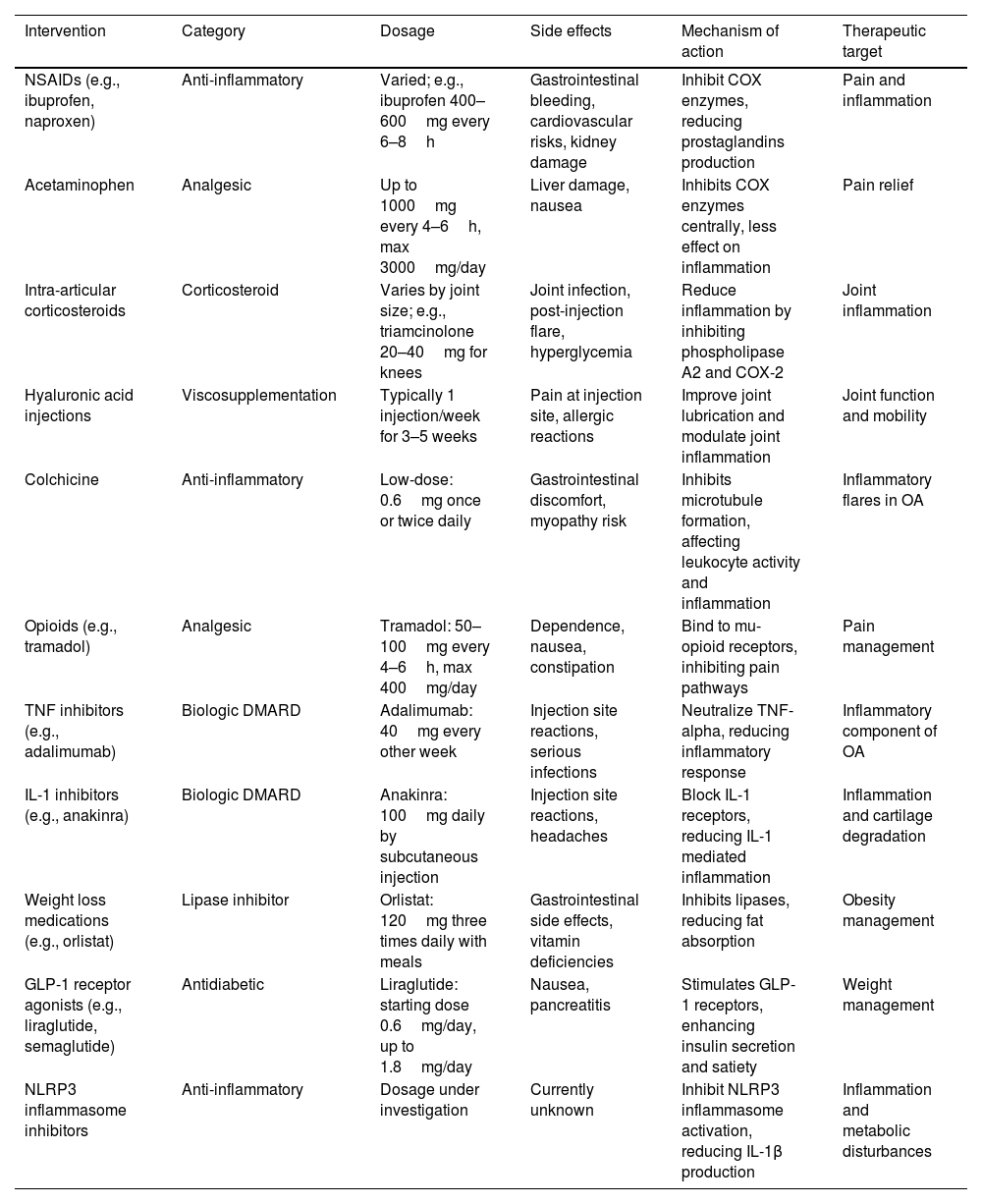
Table 4. Pharmacological modalities for obesity-induced OA.
Tablas
Suplemento especial
Este artículo forma parte de:
Obesidad: La pandemia cardiometabólica del siglo XXI / Obesity: the cardio-metabolic pandemic of the 21st century

Editado por: Dr. Alberto Calderón Montero
(Doctor Pedro Laín Entralgo Health Center, Alcorcon, Spain)
Dr. José Manuel Fernandez Garcia
(Galicia Health Service, Santiago de Compostela, Spain)

Última actualización: Febrero 2026

Más datos
Abstract

Obesity is a well-established risk factor for osteoarthritis (OA), traditionally attributed to increased mechanical stress on weight-bearing joints. However, recent research suggests a more complex interplay, involving metabolic, biomechanical, and inflammatory pathways. This review delves into these multifaceted connections between obesity and osteoarthritis, extending beyond the conventional understanding of weight-bearing stress. It explores the role of adipokines such as leptin, visfatin, adiponectin, and resistin in OA pathogenesis and progression, highlighting their potential as targets for novel therapeutics. The review also examines how obesity alters the biomechanics of lower extremities, contributing to changes in joint load and movement patterns. Systemic effects, including inflammation and metabolic factors, are discussed to elucidate their roles in exacerbating OA beyond joint loading. Furthermore, the impact of bariatric surgery and weight loss strategies on OA symptoms and progression is evaluated. This comprehensive review aims to provide new insights into obesity-induced OA, paving the way for more targeted and effective treatment strategies.

Keywords:
Obesity
Osteoarthritis
Leptin
Inflammation
Weight bearing
Metabolic disease
Resumen

La obesidad es un factor de riesgo bien establecido para la osteoartritis (OA), tradicionalmente atribuida al aumento del estrés mecánico en las articulaciones de carga. Sin embargo, investigaciones recientes sugieren una interacción más compleja, que involucra vías metabólicas, biomecánicas e inflamatorias. Esta revisión profundiza en estas conexiones multifacéticas entre la obesidad y la osteoartritis, yendo más allá de la comprensión convencional del estrés por carga mecánica. Se explora el papel de las adipocinas, como la leptina, la visfatina, la adiponectina y la resistina, en la patogénesis y la progresión de la OA, destacando su potencial como dianas terapéuticas innovadoras. Además, se analiza cómo la obesidad altera la biomecánica de las extremidades inferiores, contribuyendo a cambios en la carga articular y en los patrones de movimiento. Se abordan los efectos sistémicos, incluyendo la inflamación y los factores metabólicos, para esclarecer su papel en la exacerbación de la OA más allá de la sobrecarga articular. Asimismo, se evalúa el impacto de la cirugía bariátrica y las estrategias de pérdida de peso en los síntomas y la progresión de la OA. Esta revisión integral busca proporcionar nuevas perspectivas sobre la OA inducida por obesidad, allanando el camino para estrategias terapéuticas más específicas y eficaces.

Palabras clave:
Obesidad
Osteoartritis
Leptina
Inflamación
Carga mecánica
Enfermedad metabólica
Texto completo
Introduction

Osteoarthritis (OA), the most prevalent joint disease globally, stands as a leading cause of disability and functional impairment, particularly among the aging population. Characterized by joint pain, reduced mobility, and a significant decline in quality of life, OA poses a substantial burden on healthcare systems worldwide. In the United States, symptomatic knee OA affects approximately 6% of adults aged 30 and older, with hip OA present in about 3% of this age group. OA is also highly prevalent across European countries, particularly in aging populations such as Spain. In Spain, the EPISER2016 study found that approximately 29.4% of adults aged 20 and over had symptomatic OA in at least one major joint location. Lumbar spine OA was the most common form at 15.5%, followed by knee (13.8%), cervical spine (10.1%), hand (7.7%), and hip (5.1%) OA. The prevalence was notably higher among women, older adults, those with obesity, and individuals with lower educational levels.1 These findings are consistent with broader European data. The European Project on Osteoarthritis (EPOSA) also confirmed significant rates of OA across countries like Spain, the Netherlands, Italy, Germany, and the United Kingdom.2,3 The EPOSA study investigated OA prevalence among older adults (aged 65–85) across six European countries using standardized clinical criteria. The study revealed considerable variation in OA prevalence, with southern European countries generally showing higher rates. Spain reported the highest overall prevalence of clinical OA at 38.7%, followed closely by Italy at 36.2%. Germany showed a prevalence of 32.6%, while the Netherlands and the United Kingdom had lower rates at 28.5% and 25.4%, respectively. Sweden had the lowest recorded prevalence at 21.7%. These differences likely reflect a combination of demographic, environmental, and healthcare system factors, despite the study's efforts to harmonize data collection and diagnostic methods across countries.3 Meanwhile, the overall prevalence of OA in Asia varies widely, with estimates ranging from 20.5% to 68.0%, particularly for knee OA, which is the most commonly affected joint. In countries such as China, India, Thailand, Korea, and Singapore, the prevalence of knee OA alone ranges from 13.1% to over 70%, depending on population age and setting (urban vs. rural).4 A systematic review of low- and middle-income Asian countries found pooled OA prevalence to be 16.4% in South Asia and 15.7% in East Asia and the Pacific, with wide heterogeneity across studies.5 Major risk factors include advanced age, female gender, obesity, physical inactivity, and occupational stressors, particularly in rural communities with physically demanding labor.6

Notably, the incidence and severity of OA are increasing due to the dual factors of an aging population and a rise in obesity, a major risk factor for knee and hip OA.7 While OA predominantly affects weight-bearing joints such as the knees and hips, it is not exclusive to these areas and can impact non-weight-bearing joints as well. The link between obesity and OA is well-established, traditionally attributed to the increased mechanical load exerted on weight-bearing joints by excess body weight. However, recent research suggests a more intricate relationship, implicating metabolic, inflammatory, and biomechanical factors in the pathogenesis of OA in individuals with obesity (Fig. 1). Adipose tissue, particularly in obesity, functions not merely as a passive store of energy but as an active endocrine organ, releasing a variety of bioactive substances known as adipokines. These adipokines, including leptin, adiponectin, and resistin, are implicated in the systemic inflammation and metabolic dysregulation associated with obesity and have been found to influence OA pathology beyond mere mechanical loading.8 This review aims to explore these non-mechanical aspects of the obesity–OA connection, delving into the roles of adipokines, systemic inflammation, and altered biomechanics in the development and progression of OA in the context of obesity. Understanding these pathways not only sheds light on the complex etiology of OA but also opens avenues for more targeted and effective interventions, moving beyond the conventional focus on weight reduction and joint stress alleviation. As the prevalence of obesity continues to rise globally, and with it the burden of OA, elucidating these connections becomes ever more critical in formulating comprehensive management strategies for this debilitating condition.

Figure 1.

Mechanistic and inflammatory pathways linking obesity to osteoarthritis. On the mechanical side (left), increased biomechanical load due to excess body weight leads to altered gait patterns, joint biomechanics, and kinematics of the extremities, ultimately resulting in joint stress and pain. These changes are influenced by skeletal muscle adaptation, characterized by changes in muscle architecture, recruitment, and mitochondrial function. On the inflammatory side (right), obesity induces secretion of adipokines (e.g., leptin, adiponectin, visfatin), which activate intracellular pathways (e.g., PPARα, MAPK, PKA), leading to increased production of pro-inflammatory cytokines. These cytokines drive macrophage polarization, matrix metalloproteinase (MMP) synthesis, and systemic metabolic changes. Both pathways converge on skeletal muscle adaptation and contribute to the pathophysiology of osteoarthritis.

Altered biomechanics in obesity

Obesity significantly influences the biomechanics of lower extremities (Table 1), affecting both the kinematics and kinetics of movement.9–15 The increased body weight in individuals with obesity leads to altered joint mechanics during daily activities, which can contribute to musculoskeletal issues and joint pathologies. Individuals with obesity often demonstrate different gait patterns compared to their normal-weight counterparts. They typically exhibit slower walking speeds, shorter and wider steps, longer stance durations, and greater toe-out angles, indicative of altered movement strategies.15 These changes in gait are likely adaptations to manage the additional load and to maintain balance and stability. The biomechanical load on lower extremity joints is significantly higher in individuals with obesity, primarily due to the increased body mass. This additional load can lead to joint stress and an elevated risk of developing OA, especially in weight-bearing joints like the knees and hips. The altered gait patterns in individuals with obesity, characterized by increased knee valgus angles and wider step widths, contribute further to abnormal joint loading and increased risk of skeletal malalignments.10 Furthermore, obesity impacts the kinetics of the lower extremities during movement. Studies have shown that individuals with obesity exhibit different kinematic patterns during stair ascent and descent, with increased biomechanical load on the hip, knee, and ankle joints. For example, during stair descent, individuals with obesity may demonstrate higher knee extensor moments, indicating a greater demand on the knee joint during this activity.16 Additionally, the distribution of body mass, whether central or peripheral, can differentially affect biomechanics and muscle recruitment during activities like sit-to-stand movements.17

Table 1.

Altered biomechanics of lower extremities due to obesity.

Aspect  Impact of obesity  Key findings 
Gait biomechanics  Altered walking patterns  Individuals with obesity exhibit increased knee valgus angles and step width, with accompanying muscular dysfunctions impeding compensation for these alterations. 
Joint stress & pain  Increased lower-extremity joint stress  The additional loading on the locomotor system in obesity results in aberrant mechanics and the potential for musculoskeletal injury. 
Skeletal muscle adaptations  Contractile dysfunction and altered recruitment patterns  Obesity-induced adaptations within skeletal muscle may influence kinematics and joint kinetics, contributing to biomechanical alterations and increased injury risk. 
Lower extremity torque and power  Not consistently increased with obesity  Despite greater weight, individuals with obesity do not necessarily exhibit increased knee joint torque and power during level walking, suggesting adaptive biomechanical strategies. 
External loading effects  Alters kinetics, kinematics, and muscle activity  Central and peripheral loading due to increased body mass in obesity affects lower extremity joint mechanics in specific manners during transitions from stair descent to level walking. 
Skeletal muscle adaptation in obesity

Obesity also induces adaptations in skeletal muscle function, which can affect lower extremity biomechanics. These adaptations include changes in muscle size, architecture, and fiber type, as well as alterations in muscle recruitment patterns and contractile function. Such changes can influence joint kinematics and kinetics, possibly contributing to the development of musculoskeletal injuries or lower extremity joint OA.12 Specifically, obesity leads to changes in skeletal muscle mitochondria, including impairments in mitochondrial content and function. Mitochondria in obesity are affected by processes like biogenesis, fusion, fission, and mitophagy. Dysregulated macroautophagy and mitochondrial turnover in skeletal muscles during obesity are crucial factors in the observed reductions in mitochondrial content and function.18,19 Obesity modifies the stoichiometry of mitochondrial proteins in a manner that is distinct to the subcellular localization of the mitochondria within skeletal muscle, affecting key metabolic processes such as the tricarboxylic acid (TCA) cycle and electron transport chain components differently in subsarcolemmal and intermyofibrillar mitochondria.20 This is further complicated by dysregulation in mitochondrial dynamics and quality control mechanisms, including fusion and fission processes, which are crucial for maintaining mitochondrial health and metabolic homeostasis.21 The imbalance in these processes contributes to the mitochondrial dysfunction observed in obesity, characterized by excessive beta-oxidation, impaired substrate switching, and incomplete fatty acid oxidation, leading to insulin resistance.22 Obesity also induces a shift in skeletal muscle fiber types, leading to a faster and more oxidative phenotype, even in muscles with different fiber-type composition and antagonist functions. This discrepancy between morphological, contractile, and metabolic characteristics is significant and comparable across different muscle types.23 Moreover, obesity is associated with increased plasma levels of proinflammatory cytokines, which can impact muscle function. Inflammation and metabolic dysregulation in skeletal muscle are interlinked, affecting muscle adaptations and overall health.24

Adipokines and their role in osteoarthritis

Adipokines are bioactive cytokines produced predominantly by adipose tissue, playing crucial roles in various physiological and pathological processes. In OA, the role of adipokines such as leptin, visfatin, adiponectin, and resistin has gained significant interest (Table 2).25–29 Each of these adipokines has unique properties and roles, particularly in the context of inflammation, metabolism, and diseases. Leptin is primarily involved in regulating energy balance and is known for its role in controlling appetite and metabolism. It has been implicated in various inflammatory processes and is associated with the pathogenesis of rheumatoid arthritis and other chronic inflammatory conditions. Leptin levels are typically higher in individuals with obesity and contribute to the development of insulin resistance and metabolic syndrome. Visfatin, also known as nicotinamide phosphoribosyltransferase (NAMPT), is involved in the biosynthesis of nicotinamide adenine dinucleotide (NAD). It has pro-inflammatory properties and is implicated in the pathogenesis of several inflammatory and autoimmune diseases, including rheumatoid arthritis and OA. Visfatin levels are often elevated in obesity and metabolic syndrome. Unlike leptin and visfatin, adiponectin generally exhibits anti-inflammatory and insulin-sensitizing properties. It is inversely correlated with body fat percentage in adults, meaning lower levels are often observed in individuals with obesity. Adiponectin plays a protective role against atherosclerosis and has been studied for its implications in various metabolic and inflammatory disorders. Resistin is linked to insulin resistance and has been studied extensively in the context of obesity and type 2 diabetes. It is also involved in inflammatory processes and has been associated with autoimmune diseases like rheumatoid arthritis. Resistin levels are typically higher in individuals with obesity-related disorders. Each of these adipokines interacts with specific receptors and signaling pathways, influencing various physiological and pathological processes.30–32

Table 2.

Roles of adipokines in osteoarthritis.

Adipokine  Role in OA  Other roles  Key findings in OA 
Leptin  Pro-inflammatory, cartilage degradation  Regulates appetite and energy balance, promotes Th1 immune response  Leptin is associated with OA severity, inducing pro-inflammatory responses and cartilage degradation. 
Adiponectin  Pro- and anti-inflammatory, cartilage maintenance  Insulin sensitizing, anti-inflammatory effects in metabolic diseases  Adiponectin shows mixed effects in OA, potentially protective in cartilage maintenance but also pro-inflammatory. 
Resistin  Pro-inflammatory, joint damage  Linked to insulin resistance and diabetes, inflammatory diseases  Resistin is implicated in OA pathogenesis through pro-inflammatory actions contributing to joint damage. 
Visfatin  Pro-inflammatory, cartilage degradation  Plays a role in energy metabolism, insulin mimetic  Visfatin is involved in OA by promoting inflammation and cartilage degradation. 
Osteopontin  Pro-inflammatory, bone remodeling  Involved in bone remodeling, immune responses, and cell survival  Osteopontin contributes to OA pathogenesis by facilitating pro-inflammatory responses and influencing bone remodeling. 
Chemerin  Pro-inflammatory, chondrocyte apoptosis  Regulates adipogenesis, immune cell migration  Chemerin plays a role in OA by inducing inflammation and promoting chondrocyte apoptosis. 
Omentin  Anti-inflammatory, cartilage protection  Enhances insulin sensitivity, anti-inflammatory effects  Omentin appears to have a protective role in OA, exerting anti-inflammatory effects and contributing to cartilage protection. 

Beyond their metabolic functions, these adipokines are now recognized as key players in the pathogenesis of OA (Table 2).33 Adipokines, through their pro-inflammatory and catabolic effects, contribute significantly to the development and progression of OA. Leptin, for instance, is not only involved in regulating energy balance but also plays a significant role in inflammatory and degenerative processes in joints. Leptin is implicated in cartilage degradation by stimulating the production of inflammatory mediators and matrix metalloproteinases (MMPs) in chondrocytes. Studies have shown that leptin and its receptor (Ob-Rb) are expressed at higher levels in advanced OA cartilage compared to minimal OA, suggesting a role in cartilage destruction. Leptin has been found to induce pro-inflammatory cytokines like IL-1beta and metalloproteinases (i.e., MMP-9 and MMP-13), which are known to degrade cartilage.34 Further research indicates that leptin can act synergistically with other pro-inflammatory stimuli like interleukin (IL)-1, enhancing the degradation of cartilage through upregulation of proteolytic enzymes. This suggests a significant catabolic role of leptin in cartilage metabolism and highlights the potential of targeting leptin pathways as a therapeutic approach in OA.35 Interestingly, although leptin is often implicated in the pathogenesis of OA, several studies suggest it may also play a protective or regulatory role under certain conditions. Preclinical studies have shown that intra-articular administration of leptin in rats can stimulate anabolic activities in chondrocytes, including increased synthesis of proteoglycans and upregulation of growth factors like insulin-like growth factor 1 (IGF-1) and transforming growth factor beta 1 (TGF-β1), both of which are critical for cartilage repair and maintenance.36,37 Further supporting its potential protective role, leptin was found to induce the expression of these growth factors in both mRNA and protein forms, enhancing chondrocyte metabolic activity and promoting cartilage integrity.38 In this context, leptin appears to contribute to cartilage repair rather than degradation, suggesting a dose- and context-dependent duality in its biological action. Moreover, this anabolic influence may be particularly important in the early stages of OA or in regions of cartilage not yet severely damaged, aligning with findings that leptin expression varies depending on the degree of cartilage destruction.39 Altogether, these mechanistic insights highlight leptin's complex role in OA, where it may support cartilage metabolism and regeneration through stimulation of growth factor pathways and anabolic processes. However, this protective effect is likely dependent on the local joint environment, leptin concentration, and stage of disease progression.

Adiponectin, a hormone predominantly secreted by adipose tissue and traditionally known for its anti-inflammatory effects, has been shown to have both pro-inflammatory and catabolic actions in OA, potentially exacerbating the disease process. Adiponectin exhibits a functional duality in OA, acting as a systemic anti-inflammatory agent while displaying pro-inflammatory effects locally within the joint. Systemically, adiponectin plays a protective role by modulating immune responses, enhancing insulin sensitivity, and suppressing inflammatory cytokines. Central to its anti-inflammatory action is the activation of AMP-activated protein kinase (AMPK), a key regulator of cellular energy homeostasis. Upon binding to its receptors, AdipoR1 and AdipoR2, adiponectin stimulates AMPK phosphorylation, which in turn inhibits the nuclear factor kappa B (NF-κB) signaling pathway – a critical regulator of pro-inflammatory gene expression. By inhibiting NF-κB, adiponectin reduces the production of inflammatory cytokines such as tumor necrosis factor-alpha (TNF-α), IL-6, and C-reactive protein (CRP), thereby exerting systemic anti-inflammatory effects.40 In addition to AMPK activation, adiponectin also influences the peroxisome proliferator-activated receptor alpha (PPARα) and the cAMP–protein kinase A (PKA) pathways. Through PPARα, adiponectin promotes fatty acid oxidation and downregulates inflammatory gene transcription. PPARα activation further suppresses NF-κB signaling and reduces macrophage infiltration in tissues, thereby mitigating chronic inflammation commonly associated with obesity and metabolic syndrome.41 Simultaneously, adiponectin-induced increases in intracellular cAMP levels lead to activation of PKA, which also suppresses NF-κB and enhances the expression of anti-inflammatory cytokines such as IL-10, reinforcing an anti-inflammatory state. Moreover, adiponectin influences immune cell function. It inhibits the transformation of macrophages into the pro-inflammatory M1 phenotype and promotes the anti-inflammatory M2 phenotype. This immunomodulatory effect is crucial in reducing low-grade chronic inflammation seen in obesity, type 2 diabetes, and cardiovascular disease. Adiponectin also enhances the phagocytic activity of macrophages without promoting inflammation, thus contributing to tissue homeostasis.42 These properties are particularly evident in metabolic and cardiovascular contexts, where higher adiponectin levels are associated with reduced inflammation and improved endothelial function.41 Furthermore, systemic adiponectin levels are often inversely correlated with obesity and positively associated with better physical performance in OA patients, suggesting its potential as a biomarker for disease severity and systemic metabolic health.43 However, within the joint environment, adiponectin demonstrates paradoxical pro-inflammatory behavior. Studies have found that in the synovial membrane and cartilage of OA patients, adiponectin can upregulate the expression of matrix-degrading enzymes and inflammatory mediators, contributing to cartilage breakdown and joint inflammation.42 One of the primary mechanisms involves adiponectin-induced activation of the NF-κB pathway in joint cells. Local adiponectin stimulation increases the expression of MMPs – such as MMP-1, MMP-3, and MMP-13 – as well as aggrecanases (ADAMTS-4 and -5), which are key enzymes responsible for cartilage extracellular matrix breakdown.44 This catabolic response is mediated through both NF-κB and mitogen-activated protein kinase (MAPK) signaling, including p38 and ERK1/2, which are activated following adiponectin binding to its receptors – particularly AdipoR1, which is expressed in higher levels in joint tissues. Furthermore, adiponectin promotes the production of pro-inflammatory cytokines such as IL-6, IL-8, and nitric oxide (NO) in synovial fibroblasts and chondrocytes. These inflammatory mediators not only enhance local inflammation but also recruit immune cells to the synovial membrane, exacerbating joint damage.42 The globular isoform of adiponectin, in particular, has been implicated in stronger pro-inflammatory effects compared to the full-length form, suggesting that the local isoform ratio within the joint plays a crucial role in determining its impact. Notably, in OA patients, higher local expression of adiponectin in synovial fluid has been correlated with increased disease severity, stiffness, and cartilage loss. This may be due to a feedback loop, where adiponectin amplifies inflammation and catabolism, promoting further joint degradation.45 This suggests that while adiponectin may protect against systemic inflammation, its local actions in joint tissues can promote OA pathogenesis. The differential expression of adiponectin isoforms (e.g., high molecular weight vs. globular forms) and distinct receptor signaling (AdipoR1 vs. AdipoR2) may explain this duality, although more research is needed to fully understand these mechanisms.44

Visfatin and resistin, similarly, have been associated with increased inflammation and cartilage breakdown.25,29 In joint tissues – particularly in synovial fibroblasts and chondrocytes – visfatin promotes the production of key inflammatory cytokines such as IL-6 and TNF-α. This response is mediated by the activation of MAPK signaling pathways, including ERK, JNK, and p38. Specifically, visfatin represses miR-199a-5p, a microRNA known to inhibit these cytokines, thereby amplifying inflammatory signaling in human OA synovial fibroblasts. In chondrocytes, visfatin stimulates the release of prostaglandin E2 (PGE2), a mediator of cartilage degradation, by activating the insulin receptor (IR) pathway and influencing NAMPT enzymatic activity. Inhibition of NAMPT with APO866 markedly reduces PGE2 synthesis, suggesting that both the receptor-mediated and enzymatic functions of visfatin are integral to its catabolic effects.46 Additionally, visfatin enhances the expression of intercellular adhesion molecule-1 (ICAM-1) and increases monocyte adhesion in synovial fibroblasts via AMPK and p38 signaling, while suppressing miR-320a, another microRNA with anti-inflammatory effects.47 Visfatin also promotes angiogenesis in OA through upregulation of vascular endothelial growth factor (VEGF) in synovial fibroblasts. This occurs via inhibition of miR-485-5p and subsequent activation of the PI3K/Akt signaling cascade, facilitating endothelial progenitor cell migration and neovessel formation within inflamed joint tissues.48 Furthermore, visfatin alters intracellular mechanics by disrupting cytoskeletal elements in chondrocytes via p38-mediated inactivation of glycogen synthase kinase 3β (GSK3β). This contributes to reduced cell elasticity and increased catabolic activity, including COX-2 upregulation and matrix breakdown.49 Meanwhile, elevated levels of resistin are consistently found in both the serum and synovial fluid of OA patients, where it correlates with joint inflammation, cartilage degradation, and disease severity. One key mechanism by which resistin drives inflammation in OA is through activation of the NF-κB and p38-MAPK pathways via its interaction with Toll-like receptor 4 (TLR4) and the CAP1 (adenylyl cyclase-associated protein 1) receptor. Binding to these receptors triggers transcription of pro-inflammatory genes such as IL-6, TNF-α, MMP-1, MMP-3, and MMP-13, leading to extracellular matrix breakdown and inhibition of cartilage repair.50 This catabolic response is further exacerbated by downstream suppression of anti-inflammatory microRNAs like miR-149 and miR-381, which normally act to dampen cytokine production.51 Additionally, resistin promotes monocyte chemoattractant protein-1 (MCP-1) expression via the PI3K/Akt/mTOR pathway, enhancing monocyte recruitment to inflamed joints, further amplifying synovial inflammation and joint degradation.52 These molecular actions are supported by clinical data showing that higher resistin levels are associated with synovitis, cartilage defects, and bone marrow lesions in OA patients, highlighting its role in both soft tissue and structural joint pathology.53 In non-weight-bearing joints such as the hand, the presence of OA in individuals with obesity suggests a systemic inflammatory role mediated by adipokines. This systemic influence underscores the complexity of OA pathogenesis, where both mechanical and metabolic factors are intricately linked.54

Systemic inflammation: a link between obesity and osteoarthritis

Obesity's contribution to OA extends beyond mechanical joint loading, encompassing systemic inflammation and metabolic factors significantly influencing the disease's pathogenesis. Obesity is characterized by chronic low-grade systemic inflammation, which is a critical factor in the development and progression of OA. Adipose tissue, particularly in obesity, functions as an active endocrine organ, releasing adipokines which, along with cytokines like IL-6 and TNF-α, contribute to systemic inflammation and have been implicated in the pathogenesis of OA (Fig. 2). The inflammatory milieu, characterized by an increased level of pro-inflammatory cytokines (Table 3), impacts joint tissues, accelerating cartilage degradation and contributing to OA progression, not only in weight-bearing joints but also in non-weight-bearing joints like the hands. This suggests a systemic, metabolic component to OA that is independent of mechanical stress factors.55 The metabolic disruptions associated with obesity, such as insulin resistance, dyslipidemia, and type 2 diabetes, are also implicated in OA pathogenesis. These metabolic conditions result in altered lipid metabolism and hyperglycemia, which can directly affect cartilage health. For instance, lipid abnormalities can lead to ectopic lipid deposition in joint tissues, contributing to cartilage damage. Hyperglycemia exacerbates OA through local effects like oxidative stress and the production of advanced glycation end-products (AGEs), which are detrimental to cartilage. These metabolic alterations, coupled with systemic inflammation, create a toxic internal environment that exacerbates joint degeneration, indicating that OA in the context of obesity is a systemic metabolic disease.56 On the whole, the elevated levels of pro-inflammatory cytokines and adipokines contribute to a pro-inflammatory state in the joints, exacerbating cartilage degradation and OA progression. Simultaneously, the increased mechanical load due to obesity results in altered biomechanics of weight-bearing joints, contributing to the development and progression of OA. This includes changes in joint alignment and increased stress on the cartilage, accelerating its degradation. The coexistence of altered joint biomechanics and systemic inflammation creates a vicious cycle, where mechanical stress leads to cartilage damage, which in turn is exacerbated by inflammatory processes. This synergistic effect underscores the need for comprehensive management strategies in individuals with obesity and OA, addressing both mechanical and inflammatory components of the disease.57

Figure 2.

Metabolic and immune differences between lean and hypertrophic adipose tissue. Lean adipose tissue is characterized by an anti-inflammatory immune profile, including M2 macrophages, eosinophils, Th2, and T regulatory (T reg) cells. These cells primarily rely on oxidative phosphorylation for energy production, maintaining tissue homeostasis. In contrast, hypertrophic adipose tissue in individuals with obesity exhibits a pro-inflammatory immune profile with M1 macrophages, neutrophils, Th1, and CD8+ T cells. Immune cells in hypertrophic adipose tissue predominantly use glycolysis, leading to lactate production and increased secretion of inflammatory cytokines such as IL-6, TNFα, and IL-1β, which contribute to adipose tissue inflammation.

Table 3.

Immune cells and inflammatory cytokines/chemokines involved in obesity-induced OA.

Category  Mediator  Role in OA pathogenesis  Association with obesity 
Immune cellsMacrophages  Produce pro-inflammatory cytokines, involved in inflammation  Infiltration into adipose and joint tissue increased in obesity 
T cells  Mediate inflammatory responses, can contribute to cartilage damage  Altered activity and levels in obesity-related OA 
B cells  Produce antibodies, can contribute to inflammation  Role in obesity-related OA under investigation 
Inflammasome  NLRP3 inflammasome  Activates caspase-1, leading to the maturation of pro-inflammatory cytokines IL-1β and IL-18  Activation enhanced by obesity-related factors such as fatty acids and adipokines 
CytokinesIL-1β  Promotes cartilage degradation, inhibits cartilage matrix synthesis  Obesity increases systemic levels 
IL-6  Contributes to inflammation, cartilage degradation  Elevated in individuals with obesity 
IL-18  Promotes inflammation and contributes to joint degradation  Elevated levels due to NLRP3 inflammasome activation in obesity 
TNF-α  Promotes inflammation, cartilage destruction  Higher levels in obesity 
ChemokinesMCP-1 (CCL2)  Recruits monocytes to sites of inflammation, involved in pain  Increased in obesity-related OA 
RANTES (CCL5)  Promotes recruitment of T cells, monocytes, and eosinophils  Levels can be elevated in obesity 
Matrix metalloproteinases (MMPs)MMP-1, MMP-3  Degrade collagen and other extracellular matrix components in cartilage  Expression induced by obesity-associated factors 
MMP-13  Degrades type II collagen in cartilage  Elevated in OA, potentially influenced by obesity 
Growth factors  TGF-β  Involved in cartilage repair and osteophyte formation  Dysregulated in OA, potentially impacted by obesity 
Other factorsNitric oxide (NO)  Contributes to inflammation and cartilage damage  Production increased by adipokines in obesity 
Reactive oxygen species (ROS)  Cause oxidative stress and damage to cartilage cells  Increased production in individuals with obesity 
Caspase-1  Cleaves pro-IL-1β and pro-IL-18 to their active forms  Activation is mediated by NLRP3 inflammasome, linked to obesity-induced inflammation 
Pharmacological management of osteoarthritis in obesity

The management of OA in patients with obesity presents unique challenges due to the interplay between obesity-related systemic inflammation and joint loading. Pharmacological interventions aim to alleviate pain, reduce inflammation, and improve joint function while taking into consideration the patient's overall health (Table 4). Non-steroidal anti-inflammatory drugs (NSAIDs) are commonly used for pain relief in OA. They act by reducing the production of prostaglandins, which are involved in the pain and inflammation process. However, their use can be limited in patients with obesity due to increased risks of cardiovascular and gastrointestinal side effects. Therefore, the selection and dosage of NSAIDs should be carefully considered, and their use should be monitored closely in individuals with obesity.58 Acetaminophen (Paracetamol) is often recommended as a first-line pharmacological agent for the management of OA pain. It has fewer gastrointestinal and cardiovascular side effects compared to NSAIDs, making it a safer option for many patients with obesity. However, its effectiveness in reducing pain is generally less potent than that of NSAIDs.59 Intra-articular corticosteroids are used for short-term pain relief in OA, particularly for knee OA. They provide anti-inflammatory effects directly within the joint. While effective, their repeated use can lead to joint damage, and their efficacy in the long term is limited.60 Topical NSAIDs and capsaicin can be useful, especially for patients with localized OA pain who cannot tolerate systemic NSAIDs. These agents have the advantage of lower systemic absorption, thereby reducing the risk of systemic side effects.61 Research is ongoing into developing disease-modifying OA drugs (DMOADs) that could potentially modify the underlying OA pathology. Currently, there are no DMOADs approved for clinical use, but they represent a promising area of future pharmacological intervention in OA. Importantly, in managing OA pharmacologically in patients with obesity, it is essential to consider the presence of comorbidities such as cardiovascular disease, diabetes, and hypertension. The choice of medication should be guided by the patient's overall health profile and potential drug interactions.62

Table 4.

Pharmacological modalities for obesity-induced OA.

Intervention  Category  Dosage  Side effects  Mechanism of action  Therapeutic target 
NSAIDs (e.g., ibuprofen, naproxen)  Anti-inflammatory  Varied; e.g., ibuprofen 400–600mg every 6–8Gastrointestinal bleeding, cardiovascular risks, kidney damage  Inhibit COX enzymes, reducing prostaglandins production  Pain and inflammation 
Acetaminophen  Analgesic  Up to 1000mg every 4–6h, max 3000mg/day  Liver damage, nausea  Inhibits COX enzymes centrally, less effect on inflammation  Pain relief 
Intra-articular corticosteroids  Corticosteroid  Varies by joint size; e.g., triamcinolone 20–40mg for knees  Joint infection, post-injection flare, hyperglycemia  Reduce inflammation by inhibiting phospholipase A2 and COX-2  Joint inflammation 
Hyaluronic acid injections  Viscosupplementation  Typically 1 injection/week for 3–5 weeks  Pain at injection site, allergic reactions  Improve joint lubrication and modulate joint inflammation  Joint function and mobility 
Colchicine  Anti-inflammatory  Low-dose: 0.6mg once or twice daily  Gastrointestinal discomfort, myopathy risk  Inhibits microtubule formation, affecting leukocyte activity and inflammation  Inflammatory flares in OA 
Opioids (e.g., tramadol)  Analgesic  Tramadol: 50–100mg every 4–6h, max 400mg/day  Dependence, nausea, constipation  Bind to mu-opioid receptors, inhibiting pain pathways  Pain management 
TNF inhibitors (e.g., adalimumab)  Biologic DMARD  Adalimumab: 40mg every other week  Injection site reactions, serious infections  Neutralize TNF-alpha, reducing inflammatory response  Inflammatory component of OA 
IL-1 inhibitors (e.g., anakinra)  Biologic DMARD  Anakinra: 100mg daily by subcutaneous injection  Injection site reactions, headaches  Block IL-1 receptors, reducing IL-1 mediated inflammation  Inflammation and cartilage degradation 
Weight loss medications (e.g., orlistat)  Lipase inhibitor  Orlistat: 120mg three times daily with meals  Gastrointestinal side effects, vitamin deficiencies  Inhibits lipases, reducing fat absorption  Obesity management 
GLP-1 receptor agonists (e.g., liraglutide, semaglutide)  Antidiabetic  Liraglutide: starting dose 0.6mg/day, up to 1.8mg/day  Nausea, pancreatitis  Stimulates GLP-1 receptors, enhancing insulin secretion and satiety  Weight management 
NLRP3 inflammasome inhibitors  Anti-inflammatory  Dosage under investigation  Currently unknown  Inhibit NLRP3 inflammasome activation, reducing IL-1β production  Inflammation and metabolic disturbances 

The efficacy of orlistat, semaglutide, and tirzepatide in managing obesity-induced OA is an area of growing interest due to the complex interplay between obesity and OA. While specific studies directly linking these drugs to OA management are limited, their effects on weight loss and metabolic control suggest potential benefits in OA management for patients with obesity. Orlistat, a lipase inhibitor, reduces intestinal fat absorption and promotes weight loss. Studies indicate that weight loss achieved through orlistat therapy can lead to improvements in the clinical manifestations of knee OA in patients with obesity. These improvements include reduced pain intensity and enhanced functional ability. The impact of orlistat on weight loss and consequent OA symptom relief highlights its potential role in OA management among patients with obesity.63 A study assessed the effectiveness and safety of orlistat in managing knee OA in women with obesity. Fifty women aged 45–65 with moderate OA (Kellgren-Lawrence stage II–III) and BMI >30 were divided into two groups: one received orlistat (120mg, 3 times daily) plus a low-calorie diet and exercise, while the other received only the diet and exercise. After 6 months, the orlistat group achieved significant weight loss (10.07%) compared to minimal loss (0.84%) in the non-drug group. This weight reduction led to substantial improvements in OA symptoms: pain decreased by 52.5%, stiffness by 48%, and functional limitations by 51.5%, along with a 52% improvement in quality of life (EQ-5D index). Additionally, orlistat use reduced the need for NSAIDs by 4.6 times, whereas NSAID use remained high in the non-drug group. Orlistat was well tolerated, with only mild, manageable side effects.64

Semaglutide, a glucagon-like peptide-1 (GLP-1) receptor agonist (GLP-1A), is effective in inducing weight loss in individuals with obesity. Its role in significant weight reduction can potentially alleviate OA symptoms in patients with obesity by reducing joint stress and improving metabolic health. Its impact on weight management and metabolic improvement suggests potential indirect benefits in managing OA.65,66 Direct evidence of its efficacy in OA management has been documented in STEP 9 trial.67 This 68-week randomized controlled trial investigated the effect of once-weekly semaglutide (2.4mg) on knee OA symptoms in adults with obesity (BMI ≥30) and moderate-to-severe knee OA. The study included 407 participants, primarily women (81.6%), with a mean age of 56 and mean BMI of 40.3. Participants receiving semaglutide, alongside lifestyle counseling, experienced a significant mean weight loss of 13.7%, compared to 3.2% in the placebo group. Importantly, semaglutide also led to greater improvements in OA-related pain, with a mean reduction of 41.7 points in the Western Ontario and McMaster Universities Osteoarthritis Index (WOMAC) pain score versus 27.5 points with placebo. Physical functioning, assessed by the SF-36 survey, also improved more with semaglutide (mean increase of 12.0 points vs. 6.5). The safety profile was acceptable, though a slightly higher rate of discontinuation due to gastrointestinal side effects occurred in the semaglutide group.67 Furthermore, a systematic review analyzed 11 studies – 7 pre-clinical and 4 human – on the role of GLP-1As in OA. Pre-clinical studies consistently showed that GLP-1As offer chondroprotective, anti-inflammatory, and analgesic effects, largely by inhibiting the NF-κB pathway, a key driver of inflammation and cartilage damage. These effects appeared to be dose-dependent. In human studies, although limited in number, GLP-1As also demonstrated potential benefits for both structural and symptomatic outcomes in OA. Overall, the evidence suggests that GLP-1As may protect joint structures, reduce inflammation, and alleviate pain in OA, but more high-quality clinical trials are needed to confirm their therapeutic role, especially given the growing overlap between obesity and OA.68

Tirzepatide, a dual incretin receptor agonist, has also shown promising results in weight loss, which could indirectly benefit patients with obesity-induced OA. Tirzepatide's efficacy in reducing body weight is significant and might help in alleviating the mechanical stress on joints, thereby potentially reducing OA symptoms. Its role in weight management in diabetes suggests a possible benefit in reducing OA symptoms related to obesity.69 A retrospective cohort study evaluated the impact of anti-obesity medications (AOMs) on the risk of developing OA among nearly 40,000 patients with obesity. Using data from 2022 to 2024, the study compared users of tirzepatide, semaglutide, and liraglutide to over 72,000 non-users. Overall, AOM use was associated with a 27% lower risk of OA compared to non-users (HR=0.73). Tirzepatide stood out, showing the greatest protective effect, with a 43% lower risk of OA compared to semaglutide (HR=0.57) and a 63% lower risk compared to liraglutide (HR=1.63 for liraglutide vs. tirzepatide). These findings suggest that, beyond managing weight, tirzepatide may offer superior benefits in reducing OA risk, making it a promising candidate for OA prevention in people with obesity.70 An ongoing clinical trial, titled Effect of Subcutaneous Tirzepatide Once-weekly in Patients with Obesity and Knee Osteoarthritis (STOP KNEE-OA), is currently investigating the potential of tirzepatide to delay or prevent the need for knee replacement surgery in individuals with both obesity and knee osteoarthritis. In this randomized, double-blind, placebo-controlled study, participants receive either a weekly injection of tirzepatide or a placebo over a 72-week period. The primary aim is to assess whether tirzepatide can reduce the proportion of patients who progress to requiring knee replacement, offering insight into its potential as a disease-modifying therapy in osteoarthritis.71 In summary, while orlistat, tirzepatide, and semaglutide are primarily used for weight management and diabetes control, their potential indirect benefits in managing obesity-induced OA are grounded in their efficacy in reducing body weight and improving metabolic profiles. Direct studies exploring these drugs’ specific roles in OA are needed to fully understand their therapeutic potential in this context.

Impact of bariatric surgery and weight loss on osteoarthritis

Bariatric surgery and weight loss have significant implications for the management of OA, particularly in patients with obesity. Bariatric surgery, by inducing substantial weight loss, can have profound effects on the biomechanics and systemic inflammation associated with OA. It improves gait biomechanics and, in patients with severe obesity and OA, leads to improved pain and joint function. This improvement is attributable to reduced mechanical stress on the weight-bearing joints and decreased systemic inflammation due to weight loss. Substantial weight loss can alleviate the mechanical burden on joints, thereby slowing the progression of OA and improving symptoms. Studies have shown that weight loss following bariatric surgery leads to significant improvements in OA symptoms, particularly in the knee. These improvements are observed in various patient-reported outcomes, such as the WOMAC and the Knee Osteoarthritis Outcome Score (KOOS). However, the degree of symptom relief and functional improvement varies among individuals, and long-term outcomes are still under investigation.72

A systematic review examining the effects of bariatric surgery on knee symptoms in patients with obesity analyzed 13 studies encompassing 3837 participants. The findings indicated significant improvements in knee pain, physical function, and stiffness following bariatric surgery in most assessments. While the quality of evidence varied, the overall results suggest that substantial weight loss after bariatric surgery is likely to alleviate knee symptoms in adults with obesity.73 Similarly, a systematic review and meta-analysis investigating the impact of bariatric surgery on rheumatic diseases found that the procedure notably improved outcomes for patients with musculoskeletal disorders, particularly OA. The pooled mean difference in the WOMAC function and pain scores demonstrated significant post-surgical improvement.74 Further supporting these findings, a network meta-analysis comparing various weight loss interventions for OA symptom relief in individuals with obesity identified bariatric surgery as one of the most effective options, significantly reducing knee pain. The study highlighted that for every 1% reduction in body weight, WOMAC pain, function, and stiffness scores improved by approximately 2 percentage points.75 Additionally, another systematic review assessed the effectiveness of bariatric surgery in improving OA symptoms in large weight-bearing joints, such as the hip and knee. The review found a consistent trend suggesting that marked weight loss following bariatric surgery leads to improvements in OA-related pain and function in these joints.76

Joint arthroplasty as a management of osteoarthritis in obesity

Total joint arthroplasty (TJA) is a surgical procedure aimed at replacing a diseased or damaged joint with a prosthetic implant, most commonly performed on the hip and knee. The procedure begins with preoperative planning, where the surgeon assesses the patient's anatomy, joint condition, and implant selection. Intraoperatively, the joint is exposed through an incision, and the damaged bone and cartilage are meticulously resected to prepare for the prosthetic components. Proper alignment, soft tissue balancing, and fixation of the implant – either cemented, uncemented, or hybrid – are critical to the long-term success of the surgery.77

Joint arthroplasty, particularly total knee arthroplasty (TKA), is a well-established intervention for managing OA, including in patients with obesity. The American Academy of Orthopaedic Surgeons (AAOS) guidelines affirm that TKA effectively relieves pain and improves function and mobility in OA patients. While obesity is a known risk factor for OA, TKA can still provide substantial relief. However, the guidelines recommend prioritizing noninvasive treatments, such as weight loss and exercise, before considering surgery, especially in patients with obesity.78 The relationship between obesity and joint arthroplasty outcomes has been explored in various studies. One study assessed the impact of obesity on lower limb biomechanics and found that while TJA improves pain and joint function, it does not typically lead to significant weight loss. In contrast, bariatric surgery has been shown to improve gait biomechanics and enhance pain relief and joint function in patients with severe obesity and OA. However, evidence supporting bariatric surgery before TJA remains limited and presents conflicting results.79 Another study identified obesity as an independent risk factor for OA due to both mechanical and inflammatory factors, noting that weight loss can slow OA progression and reduce postoperative complications. It also found that bariatric surgery enables significant, sustained weight loss and comorbidity resolution, suggesting potential benefits when performed before TJA.80 Additionally, research has shown that six months after undergoing primary TKA for knee OA, patients with obesity experienced greater improvements in quality of life compared to overweight and normal-weight patients.81 Collectively, these findings highlight that joint arthroplasty can be an effective option for OA management in patients with obesity. However, the best outcomes are often achieved through a comprehensive approach that includes weight management strategies to optimize both surgical success and long-term joint health.

Summary

OA, increasingly prevalent due to aging populations and rising obesity rates, is a leading cause of disability globally. Traditionally linked to obesity due to greater joint load, recent studies show a more complex relationship involving metabolic, inflammatory, and biomechanical factors. Adipokines from adipose tissue are key in this interaction, affecting joint movement patterns and load, thereby increasing OA risk. These adipokines, including leptin, visfatin, adiponectin, and resistin, promote inflammation and joint degradation while disrupting metabolic regulation. OA in individuals with obesity is also driven by chronic low-grade inflammation and metabolic disturbances like insulin resistance. Treating OA in patients with obesity is challenging due to systemic inflammation and joint loading. Common treatments include NSAIDs, acetaminophen, corticosteroids, and topical agents, but their efficacy varies in patients with obesity. Hence, research into DMOADs is vital. Significant weight loss, especially post-bariatric surgery, can reduce OA symptoms by lessening mechanical stress and systemic inflammation. TKA is effective for OA in obesity, with pre-surgical bariatric surgery improving outcomes. Future research should focus on adipokines and systemic inflammation in OA and develop integrated treatments combining weight management, metabolic control, and pharmacology to improve life quality for those with obesity-related OA.

Funding

This research receives no external funding.

Declaration of competing interest

The authors have no competing interests to declare.

References
[1]
F.J. Blanco, M. Silva-Díaz, V. Quevedo Vila, D. Seoane-Mato, F. Pérez Ruiz, A. Juan-Mas, et al.
Prevalence of symptomatic osteoarthritis in Spain: EPISER2016 study.
Reumatol Clin, 17 (2021), pp. 461-470
[2]
The EPOSA Research Group, L.A. Schaap, G.M. Peeters, E.M. Dennison, S. Zambon, T. Nikolaus, et al.
European Project on Osteoarthritis (EPOSA): methodological challenges in harmonization of existing data from five European population-based cohorts on aging.
BMC Musculoskelet Disord, 12 (2011), pp. 272
[3]
S. Van Der Pas, M.V. Castell, C. Cooper, M. Denkinger, E.M. Dennison, M.H. Edwards, et al.
European project on osteoarthritis: design of a six-cohort study on the personal and societal burden of osteoarthritis in an older European population.
BMC Musculoskelet Disord, 14 (2013), pp. 138
[4]
N.A.A. Zamri, S. Harith, N.A. Mohd Yusoff, N. Mat Hassan, Y.Q. Ong.
Prevalence, risk factors and primary prevention of osteoarthritis in Asia: a scoping review.
Elderly Health Journal, 5 (2019), pp. 19-31
[5]
I. Yahaya, T. Wright, O.O. Babatunde, N. Corp, T. Helliwell, L. Dikomitis, et al.
Prevalence of osteoarthritis in lower middle- and low-income countries: a systematic review and meta-analysis.
Rheumatol Int, 41 (2021), pp. 1221-1231
[6]
M. Fransen, L. Bridgett, L. March, D. Hoy, E. Penserga, P. Brooks.
The epidemiology of osteoarthritis in Asia.
Int J Rheum Dis, 14 (2011), pp. 113-121
[7]
D. Felson, R. Lawrence, P. Dieppe, R. Hirsch, C. Helmick, J. Jordan, et al.
Osteoarthritis: new insights. Part 1: The disease and its risk factors.
Ann Intern Med, 133 (2000), pp. 635-646
[8]
D. Felson.
Weight and osteoarthritis.
Am J Clin Nutr, 633 (1995), pp. 430-432
[9]
J.I. Kessler, C. Koebnick, N. Smith, A. Adams.
Childhood obesity is associated with increased risk of most lower extremity fractures.
Clin Orthop Relat Res, 471 (2013), pp. 1199-1207
[10]
B. Horsak, C. Schwab, A. Baca, S. Greber-Platzer, A. Kreissl, S. Nehrer, et al.
Effects of a lower extremity exercise program on gait biomechanics and clinical outcomes in children and adolescents with obesity: a randomized controlled trial.
Gait posture, 70 (2019), pp. 122-129
[11]
S. Wearing, E. Hennig, N. Byrne, J. Steele, A. Hills.
The biomechanics of restricted movement in adult obesity.
[12]
L. Bollinger.
Potential contributions of skeletal muscle contractile dysfunction to altered biomechanics in obesity.
Gait Posture, 56 (2017), pp. 100-107
[13]
P. Devita, T. Hortobágyi.
Obesity is not associated with increased knee joint torque and power during level walking.
J Biomech, 36 (2003), pp. 1355-1362
[14]
A. Ransom, M. Walaszek, R. Shapiro, L. Bollinger.
External loading alters lower extremity kinetics, kinematics, and muscle activity in a distribution-specific manner during the transition from stair descent to level walking.
Clin Biomech, 69 (2019), pp. 71-78
[15]
J. Runhaar, B. Koes, S. Clockaerts, S. Bierma-Zeinstra.
A systematic review on changed biomechanics of lower extremities in obese individuals: a possible role in development of osteoarthritis.
Obes Rev, 12 (2011), pp. 1071-1082
[16]
N.H. Law, J. Li, N.Y. Law, D. Varin, M. Lamontagne.
Effects of body mass and sex on kinematics and kinetics of the lower extremity during stair ascent and descent in older adults.
Sports Med Health Sci, 3 (2021), pp. 165-170
[17]
M. Walaszek.
Central and peripheral weight gain affect trunk kinematics and lower-extremity muscle activation differently during sit-to-stand.
(2016),
[18]
C. Pileggi, G. Parmar, M. Harper.
The lifecycle of skeletal muscle mitochondria in obesity.
Obes Rev, 22 (2021), pp. e13164
[19]
T. Fu, Z. Xu, L. Liu, Q. Guo, H. Wu, X. Liang, et al.
Mitophagy directs muscle-adipose crosstalk to alleviate dietary obesity.
Cell Rep, 23 (2018), pp. 1357-1372
[20]
K.A. Kras, P. Langlais, N. Hoffman, L. Roust, T.R. Benjamin, E.D. Filippis, et al.
Obesity modifies the stoichiometry of mitochondrial proteins in a way that is distinct to the subcellular localization of the mitochondria in skeletal muscle.
Metab Clin Exp, 89 (2018), pp. 18-26
[21]
D. Dahlmans, A. Houzelle, P. Schrauwen, J. Hoeks.
Mitochondrial dynamics, quality control and miRNA regulation in skeletal muscle: implications for obesity and related metabolic disease.
Clin Sci, 13011 (2016), pp. 843-852
[22]
T. Koves, J. Ussher, R. Noland, D. Slentz, M. Mosedale, O. Ilkayeva, et al.
Mitochondrial overload and incomplete fatty acid oxidation contribute to skeletal muscle insulin resistance.
Cell Metab, 7 (2008), pp. 45-56
[23]
L. Acevedo, A. Raya, R. Ríos, E. Aguilera-Tejero, J. Rivero.
Obesity-induced discrepancy between contractile and metabolic phenotypes in slow- and fast-twitch skeletal muscles of female obese Zucker rats.
J Appl Physiol, 1231 (2017), pp. 249-259
[24]
P.S. Eisele, C. Handschin.
Functional crosstalk of PGC-1 coactivators and inflammation in skeletal muscle pathophysiology.
Semin Immunopathol, 36 (2013), pp. 27-53
[25]
J. Calvet, C. Orellana, N.A. Giménez, A. Berenguer-Llergo, A. Caixàs, M. García-Manrique, et al.
Differential involvement of synovial adipokines in pain and physical function in female patients with knee osteoarthritis. A cross-sectional study.
Osteoarthritis Cartilage, 26 (2017), pp. 276-284
[26]
C. Zhang, Y. Lin, C. Yan, W. Zhang.
Adipokine signaling pathways in osteoarthritis.
Front Bioeng Biotechnol, 10 (2022), pp. 865370
[27]
D. Azamar-Llamas, G. Hernández-Molina, B. Ramos-Ávalos, J. Furuzawa-Carballeda.
Adipokine contribution to the pathogenesis of osteoarthritis.
Mediators Inflamm, 2017 (2017), pp. 5468023
[28]
C. Xie, Q. Chen.
Adipokines: new therapeutic target for osteoarthritis?.
Curr Rheumatol Rep, 21 (2019), pp. 71
[29]
V. Francisco, T. Pérez, J. Pino, V. López, E. Franco, A. Alonso, et al.
Biomechanics, obesity, and osteoarthritis. The role of adipokines: when the levee breaks.
J Orthop Res, 36 (2017), pp. 594-604
[30]
M. Otero, R. Lago, R. Gómez, F. Lago, C. Diéguez, J. Gómez-Reino, et al.
Changes in plasma levels of fat-derived hormones adiponectin, leptin, resistin and visfatin in patients with rheumatoid arthritis.
Ann Rheum Dis, 65 (2006), pp. 1198-1201
[31]
T. Nakajima, Y. Yamada, T. Hamano, K. Furuta, T. Gotoda, H. Katai, et al.
Adipocytokine levels in gastric cancer patients: resistin and visfatin as biomarkers of gastric cancer.
J Gastroenterol, 44 (2009), pp. 685-690
[32]
R. Wiest, L. Moleda, S. Farkas, M. Scherer, A. Kopp, U. Wönckhaus, et al.
Splanchnic concentrations and postprandial release of visceral adipokines.
Metab Clin Exp, 59 (2010), pp. 664-670
[33]
C. Tu, J. He, B. Wu, W. Wang, Z. Li.
An extensive review regarding the adipokines in the pathogenesis and progression of osteoarthritis.
Cytokine, 113 (2019), pp. 1-12
[34]
T. Simopoulou, K. Malizos, D. Iliopoulos, N. Stefanou, L. Papatheodorou, M. Ioannou, et al.
Differential expression of leptin and leptin's receptor isoform (Ob-Rb) mRNA between advanced and minimally affected osteoarthritic cartilage; effect on cartilage metabolism.
Osteoarthritis Cartilage, 15 (2007), pp. 872-883
[35]
W. Hui, G. Litherland, M. Elias, G. Kitson, T. Cawston, A. Rowan, et al.
Leptin produced by joint white adipose tissue induces cartilage degradation via upregulation and activation of matrix metalloproteinases.
Ann Rheum Dis, 71 (2011), pp. 455-462
[36]
D. Mainard, H. Dumont, N. Presle, L.B. Terlain, L. Galois, D. Loeuille, et al.
Role of leptin in the pathogenesis of osteoarthritis: a clinical and experimental study.
Orthop Proc, 90-B (2008), pp. 254-255
[37]
Z. Liu, W. Xie, H. Li, X. Liu, Y. Lu, B. Lu, et al.
Novel perspectives on leptin in osteoarthritis: focus on aging.
Genes Dis, 11 (2023), pp. 101159
[38]
H. Dumond, N. Presle, B. Terlain, D. Mainard, D. Loeuille, P. Netter, et al.
Evidence for a key role of leptin in osteoarthritis.
Arthritis Rheum, 48 (2003), pp. 3118-3129
[39]
B. Terlain, H. Dumond, N. Presle, D. Mainard, A. Bianchi, D. Loeuille, et al.
Is leptin the missing link between osteoarthritis and obesity?.
Ann Pharm Fr, 63 (2005), pp. 186-193
[40]
X. Chen, J. Lu, J. Bao, J. Guo, J. Shi, Y. Wang.
Adiponectin: a biomarker for rheumatoid arthritis?.
Cytokine Growth Factor Rev, 24 (2013), pp. 83-89
[41]
K. Sun, P.E. Scherer.
Metabolic roles of adiponectin.
Encyclopedia of biological chemistry: Second Edition, Elsevier, (2013), pp. 72-75
[42]
E. Toussirot, D. Binda, C. Gueugnon, G. Dumoulin.
Adiponectin in autoimmune diseases.
CMC, 19 (2012), pp. 5474-5480
[43]
W. Udomsinprasert, P. Manoy, P. Yuktanandana, A. Tanavalee, W. Anomasiri, S. Honsawek.
Decreased serum adiponectin reflects low vitamin D, high interleukin 6, and poor physical performance in knee osteoarthritis.
Arch Immunol Ther Exp, 68 (2020), pp. 16
[44]
M. Ruscica, L. Steffani, P. Magni.
Adiponectin interactions in bone and cartilage biology and disease.
[45]
E. Kontny, A. Zielińska, U. Skalska, K. Księżopolska-Orłowska, P. Głuszko, W. Maśliński.
Distinct secretory activity and clinical impact of subcutaneous abdominal adipose tissue in women with rheumatoid arthritis and osteoarthritis.
Inflammation, 40 (2017), pp. 106-116
[46]
C. Jacques, M. Holzenberger, Z. Mladenovic, C. Salvat, E. Pecchi, F. Berenbaum, et al.
Proinflammatory actions of visfatin/nicotinamide phosphoribosyltransferase (nampt) involve regulation of insulin signaling pathway and nampt enzymatic activity.
J Biol Chem, 287 (2012), pp. 15100-15108
[47]
Y.Y. Law, Y.M. Lin, S.C. Liu, M.H. Wu, W.H. Chung, C.H. Tsai, et al.
Visfatin increases ICAM-1 expression and monocyte adhesion in human osteoarthritis synovial fibroblasts by reducing miR-320a expression.
Aging, 12 (2020), pp. 18635-18648
[48]
C.H. Tsai, S.C. Liu, W.H. Chung, S.W. Wang, M.H. Wu, C.H. Tang.
Visfatin increases VEGF-dependent angiogenesis of endothelial progenitor cells during osteoarthritis progression.
[49]
S.F. Chang, K.C. Huang, K.H. Lee, Y.C. Chiang, W.R. Lee, R.Z. Hsieh, et al.
Effects of visfatin on intracellular mechanics and catabolism in human primary chondrocytes through glycogen synthase kinase 3β inactivation.
[50]
C.W. Zhao, W.X. Song, B. Liu, Y.H. Gao, L. Ding, Y.F. Huang, et al.
Resistin induces chemokine and matrix metalloproteinase production via CAP1 receptor and activation of p38-MAPK and NF-κB signalling pathways in human chondrocytes.
Clin Exp Rheumatol, 40 (2022), pp. 501-513
[51]
W.C. Chen, C.Y. Lin, S.J. Kuo, S.C. Liu, Y.C. Lu, Y.L. Chen, et al.
Resistin enhances VCAM-1 expression and monocyte adhesion in human osteoarthritis synovial fibroblasts by inhibiting MiR-381 expression through the PKC, p38, and JNK signaling pathways.
[52]
W.C. Chen, S.W. Wang, C.Y. Lin, C.H. Tsai, Y.C. Fong, T.Y. Lin, et al.
Resistin enhances monocyte chemoattractant protein-1 production in human synovial fibroblasts and facilitates monocyte migration.
Cell Physiol Biochem, 52 (2019), pp. 408-420
[53]
W. Han, D. Aitken, S. Zheng, B. Wang, A.E. Wluka, Z. Zhu, et al.
Higher serum levels of resistin are associated with knee synovitis and structural abnormalities in patients with symptomatic knee osteoarthritis.
J Am Med Dir Assoc, 20 (2019), pp. 1242-1246
[54]
F. Berenbaum, F. Eymard, X. Houard.
Osteoarthritis, inflammation and obesity.
Curr Opin Rheumatol, 25 (2013), pp. 114-118
[55]
F. Iannone, G. Lapadula.
Obesity and inflammation – targets for OA therapy.
Curr Drug Targets, 11 (2010), pp. 586-598
[56]
C. Ding.
Metabolic triggered inflammation in osteoarthritis.
Semin Arthritis Rheum, 41 (2011), pp. 90-91
[57]
R. Issa, T. Griffin.
Pathobiology of obesity and osteoarthritis: integrating biomechanics and inflammation.
Pathobiol Aging Age Relat Dis, 2 (2012),
[58]
R. Altman.
New guidelines for topical NSAIDs in the osteoarthritis treatment paradigm.
Curr Med Res Opin, 26 (2010), pp. 2871-2876
[59]
A. Gelber.
Osteoarthritis.
Ann Intern Med, 161 (2020), pp. 1
[60]
K.H. Fibel, H. Hillstrom, B. Halpern.
State-of-the-art management of knee osteoarthritis.
World J Clin Cases, 3 (2015), pp. 89-101
[61]
C. Balmaceda.
The impact of ethnicity and cardiovascular risk on the pharmacologic management of osteoarthritis: a US perspective.
Postgrad Med, 127 (2015), pp. 51-56
[62]
A. Scheen.
Drug selection guided by known and newly diagnosed comorbidities in a multi-risk patient.
Rev Med Liege, 6311 (2008), pp. 693-696
[63]
E. Strebkova, L. Alekseeva.
SAT0510 Effect of pharmacological and non-pharmacological therapy of obesity on the clinical manifestations of osteoarthritis.
Ann Rheum Dis, 76 (2017), pp. 968-969
[64]
E. Strebkova, L. Alekseeva.
Thu0456 Evaluation of the use of orlistat in the complex treatment of obesity in patients with knee osteoarthritis.
Ann Rheum Dis, 78 (2019), pp. 518
[65]
E. Lazzaroni, M.B. Nasr, C. Loretelli, I. Pastore, L. Plebani, M.E. Lunati, et al.
Anti-diabetic drugs and weight loss in patients with type 2 diabetes.
Pharmacol Res, 171 (2021), pp. 105782
[66]
H. Zhu, L. Zhou, Q. Wang, Q. Cai, F. Yang, H. Jin, et al.
Glucagon-like peptide-1 receptor agonists as a disease-modifying therapy for knee osteoarthritis mediated by weight loss: findings from the Shanghai Osteoarthritis Cohort.
Ann Rheum Dis, 82 (2023), pp. 1218-1226
[67]
H. Bliddal, H. Bays, S. Czernichow, J.U. Hemmingsson, J. Hjelmesæth, T.H. Morville, et al.
Once-weekly semaglutide in persons with obesity and knee osteoarthritis.
N Engl J Med, 391 (2024), pp. 1573-1583
[68]
J. Cheng, T. Solomon, M. Estee, F.M. Cicuttini, Y.Z. Lim.
Effect of glucagon-like peptide-1 receptor agonists in osteoarthritis: a systematic review of pre-clinical and human studies.
Osteoarthritis Cartilage Open, 7 (2025), pp. 100567
[69]
J. Frias, M. Davies, J. Rosenstock, F.P.P. Manghi, L.F. Landó, B. Bergman, et al.
Tirzepatide versus semaglutide once weekly in patients with type 2 diabetes.
N Engl J Med, 385 (2021), pp. 503-515
[70]
O. Baser, K. Rodchenko, E. Vivier, I. Baser, Y. Lu, M. Mohamed.
The impact of approved anti-obesity medications on osteoarthritis.
Expert Opin Pharmacother, 25 (2024), pp. 1565-1573
[71]
University of Melbourne.
Effect of subcutaneous tirzepatide once-weekly in patients with obesity and knee osteoarthritis (STOP KNEE-OA): a randomized, double-blind, placebo-controlled trial. clinicaltrials.gov.
(2025),
[72]
C. Edwards, A. Rogers, S.A. Lynch, T.K. Pylawka, M. Silvis, V. Chinchilli, et al.
The effects of bariatric surgery weight loss on knee pain in patients with osteoarthritis of the knee.
Arthritis, 2012 (2012), pp. 504189
[73]
V. Groen, V.A. Graaf, V.A. Scholtes, S. Sprague, B. Wagensveld, R. Poolman.
Effects of bariatric surgery for knee complaints in (morbidly) obese adult patients: a systematic review.
Obes Rev, 16 (2015), pp. 161-170
[74]
M. Moly, B. Combe, T. Barnetche, C. Daien, C. Gaujoux-Viala, C. Lukas, et al.
SAT0569 Impact of bariatric surgery on rheumatic diseases: a systematic review and meta-analysis.
Ann Rheum Dis, 77 (2018), pp. 1138-1139
[75]
S. Panunzi, S. Maltese, A.D. Gaetano, E. Capristo, S. Bornstein, G. Mingrone.
Comparative efficacy of different weight loss treatments on knee osteoarthritis: a network meta-analysis.
Obes Rev, 22 (2021), pp. e13230
[76]
R. Gill, D. Al-Adra, X. Shi, A. Sharma, D. Birch, S. Karmali.
The benefits of bariatric surgery in obese patients with hip and knee osteoarthritis: a systematic review.
Obes Rev, 12 (2011), pp. 1083-1089
[77]
D.A. Dennis.
Principles of total knee arthroplasty.
Semin Arthroplasty, 2 (1991), pp. 2-11
[78]
K. Weber, D. Jevsevar, B. McGrory.
AAOS clinical practice guideline: surgical management of osteoarthritis of the knee: evidence-based guideline.
J Am Acad Orthop Surg, 24 (2016), pp. 94-96
[79]
B. Springer, J. Carter, A. McLawhorn, K.R. Scharf, M. Roslin, K.J. Kallies, et al.
Obesity and the role of bariatric surgery in the surgical management of osteoarthritis of the hip and knee: a review of the literature.
Surg Obes Relat Dis, 13 (2017), pp. 111-118
[80]
K. Mellion, B.T. Grover.
Obesity, bariatric surgery, and hip/knee arthroplasty outcomes.
Surg Clin North Am, 1012 (2021), pp. 295-305
[81]
D.A. McQueen, M.J. Long, A.M. Algotar, J.R. Schurman 2nd, V.G. Bangalore.
The effect of obesity on quality-of-life improvement after total knee arthroplasty.
Am J Orthop (Belle Mead NJ)., 36 (2007), pp. E117-E127
Copyright © 2025. Sociedad Española de Médicos de Atención Primaria (SEMERGEN)
Opciones de artículo
Herramientas

