


metricas

Gastroenterología y Hepatología

Sugerencias
Gastroenterología y Hepatología Duration of smoking cessation in patients with inflammatory bowel disease
Información de la revista
Vol. 47. Núm. 6.
Páginas 553-672 (Junio - Julio 2024)
Cita
Cita
Compartir
Descargar PDF
Más opciones de artículo
Visitas
2895
Vol. 47. Núm. 6.
Páginas 553-672 (Junio - Julio 2024)
Original Article
Acceso a texto completo

Duration of smoking cessation in patients with inflammatory bowel disease

Duración del abandono del hábito tabáquico en pacientes con enfermedad inflamatoria intestinal
Visitas
2895
Carlos González-Muñoza, Cristina Gely, Jordi Gordillo, Federico Bertoletti, Antonio Giordano, Alberto López-Faba, Esther García-Planella
Autor para correspondencia
egarciapl@santpau.cat

Corresponding author.
Hospital Santa Creu i Sant Pau, Barcelona, Catalonia, Spain
Este artículo ha recibido
Información del artículo
Resumen
Texto completo
Bibliografía
Descargar PDF
Estadísticas
Figuras (1)
fig0005
Tablas (2)
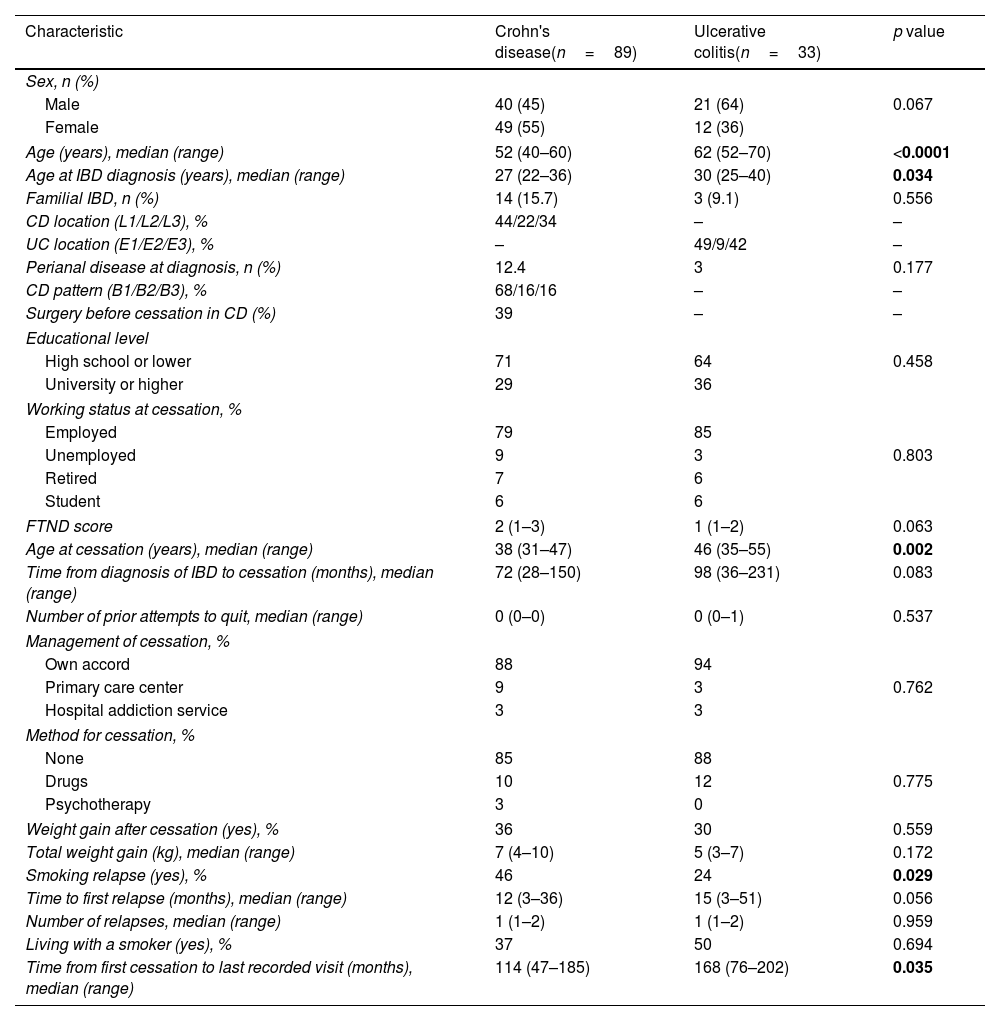
Table 1. Demographic, clinical, and smoking-related data of the ex-smoker patients (n=122).
Tablas
Table 2. Results of the univariate analysis (n=122).
Tablas
Abstract
Background and objectives

Smoking can worsen inflammatory bowel disease (IBD), although evidence regarding the duration of cessation is scarce. The objectives of the study were to determine the duration of abstinence and identify the characteristics of relapse in IBD patients.

Patients and methods

Using the local database of a nationwide registry of patients with IBD, we identified patients who were active smokers at the time of IBD diagnosis and invited them to participate in the study. Patients were asked about their smoking habit and those who were ex-smokers constituted the study cohort. We obtained clinical and smoking-related data of ex-smokers from medical records and telephone interviews. We measured nicotine dependence using the Fagerström Test for Nicotine Dependence (FTND).

Results

We enrolled 121 IBD patients who were ex-smokers: 89 patients with Crohn's disease (CD) and 33 patients with ulcerative colitis (UC). The median age at cessation was lower in patients with CD (38 years) than in patients with UC (46 years) (p=0.002). Follow-up time was shorter in CD patients than in UC patients (114 vs. 168 months, p=0.035). No difference was found in the FTND score. Relapse was more common in CD patients (46%) than in UC patients (24%) (p=0.029), although time to first relapse was similar in both groups of patients (12 and 15 months, respectively; p=0.056). Nicotine dependence was the only independent factor associated with relapse.

Conclusions

The risk of smoking relapse was high, especially in CD patients, although their dependence level was similar to that of UC patients.

Keywords:
Inflammatory bowel disease
Crohn's disease
Ulcerative colitis
Smoking cessation
Resumen
Antecedentes y objetivos

El hábito tabáquico puede empeorar la enfermedad inflamatoria intestinal (EII). Sin embargo, hay pocos datos sobre la duración del abandono del tabaco. Los objetivos del estudio fueron determinar la duración de la abstinencia y definir las características de la recaída en pacientes con EII.

Pacientes y métodos

Utilizando la base de datos local de un registro nacional de pacientes con EII, se identificó a los pacientes que eran fumadores activos en el momento del diagnóstico y se les invitó a participar en el estudio. Se les preguntó por su hábito tabáquico; los pacientes considerados exfumadores constituyeron la cohorte del estudio. Se obtuvieron los datos clínicos y de abandono del hábito tabáquico de los pacientes exfumadores mediante la revisión de las historias clínicas y una entrevista telefónica. El grado de dependencia de la nicotina se midió con el test de Fagerström para la dependencia de la nicotina (FTND).

Resultados

Participaron 89 pacientes con enfermedad de Crohn (EC) y 33 pacientes con colitis ulcerosa (CU). La mediana de edad al abandono fue menor en los pacientes con EC (38 años) que en los pacientes con CU (46 años) (p=0,002). El seguimiento fue más corto en los pacientes con EC que en aquellos con CU (114 vs. 168 meses; p=0,035). No se encontraron diferencias en la puntuación del FTND. La recaída fue más frecuente en los pacientes con EC (46%) que en los pacientes con CU (24%) (p=0,029), aunque el tiempo hasta la primera recaída fue similar en ambos grupos de pacientes (12 y 15 meses, respectivamente; p=0,056). La dependencia de la nicotina fue el único factor independiente asociado con la recaída.

Conclusiones

El riesgo de recaída en el hábito tabáquico fue alto, especialmente en pacientes con EC, aunque su nivel de dependencia fue similar al de los pacientes con CU.


Palabras clave:
Enfermedad inflamatoria intestinal
Enfermedad de Crohn
Colitis ulcerosa
Abandono del hábito tabáquico
Texto completo
Introduction

Inflammatory bowel diseases (IBDs), specifically Crohn's disease (CD) and ulcerative colitis (UC), are chronic conditions that mostly affect the gastrointestinal tract. Their prevalence is higher than 0.3% in North America and many European countries.1 In Spain, the overall cumulative incidence of IBD was 16 cases/100000 person-years, with 7.5 cases for CD and 8 cases for UC.2

Smoking is a key modifiable factor affecting the course of IBD and seems to have different effects in CD and UC. Smoking is related to disease relapse in CD. In particular, active smokers present more relapses than ex-smokers and non-smokers, whose disease follows a similar course.3 Smoking is also more frequently related to a greater need for surgery, IBD-related hospitalization, and peripheral arthritis in patients with CD than in patients with UC.4 In addition, smoking is more frequent in patients with CD.4 Furthermore, as patients with IBD have an increased risk of colorectal cancer (CRC), cigarette smoking may further increase this risk.5 In addition, smoking may decrease the efficacy of IBD therapy such as anti-TNF agents in patients with CD.6 Regarding UC, it had been postulated that smoking might improve disease course,4 but recent evidence indicates that smoking has no beneficial effects in IBD.7 Thus, smoking decreases patients’ quality of life and increases disease-related costs in IBD. Smoking cessation is highly recommended for patients with IBD (both CD and UC), as stated in a recent consensus of the International Organization for the Study of Inflammatory Bowel Diseases.7

Considering the clinical relevance of smoking cessation and maintaining abstinence for IBD patients, we designed a cross-sectional observational study with the objectives of determining the duration of smoking abstinence and relapse-associated factors in patients with both CD and UC.

MethodsStudy population

Our research was based on the IBD database of Hospital de la Santa Creu i Sant Pau, which is part of the nationwide prospective ENEIDA registry of IBD patients8 and which we used to identify patients who were active smokers at diagnosis of IBD. Between February and August 2019, patients were contacted by telephone and invited to participate in the survey. In the same telephone interview, patients were asked about their smoking habit. Those patients who had not smoked a cigarette for at least the previous 6 months were considered ex-smokers9 and they constituted the study cohort.

Study variables

For ex-smokers, we obtained demographic, clinical, and smoking-related data from the medical records and telephone interviews and entered the data into an electronic case report form.

As regards IBD history, we recorded family background and age at diagnosis. Disease location and behavior were described according to the Montreal classification. Surgeries were also recorded.

As for smoking-related data, we assessed dependence level at the time of cessation using the Spanish version of the Fagerström Test for Nicotine Dependence (FTND)10 during the telephone interviews. The FTND is a 5-item questionnaire whose score ranges between 0 and 10 points, with a higher score indicating greater dependence. A score of 1–4 points indicates low nicotine dependence, while scores of 5–6 points and 7–10 points indicate medium and high dependence, respectively.10 The main reason for cessation, prior cessation attempts, and management and method of cessation were also registered during the interviews. From the clinical records, we registered age at quitting smoking, time from IBD diagnosis to smoking cessation, weight gain, household smokers, smoking relapses, time to first smoking relapse and time from first smoking cessation to last visit. Smoking relapse was defined as smoking any number of cigarettes daily for a month.11 Follow-up was performed by telephone interviews and review of clinical records.

Statistical analyses

Qualitative variables were expressed as frequency and percentage, whereas quantitative variables were reported as median and range. Comparisons were made using the chi-square test/Fisher exact test for qualitative variables and the t test and Mann–Whitney U test for quantitative variables. A multivariate analysis was performed to identify independent factors related to smoking relapse and survival curves were obtained using Kaplan–Meier test and long rank test. Moreover, a p value <0.05 was considered statistically significant. All analyses were performed using IBM® SPSS® Statistics for Windows, Version 20.0 (IBM Corp., Armonk, NY, USA).

Results

From the local ENEIDA registry, we identified 421 patients (39.8%) with CD (n=265) or UC (n=156) who were active smokers at diagnosis of their IBD. All of them agreed to participate in the study and were enrolled.

Most patients (176 with CD and 123 with UC) were current smokers at enrollment. However, 122 patients (29%) had quit smoking (89 patients with CD and 33 patients with UC). The general characteristics of the ex-smokers are described extensively in Table 1. The percentage of male patients was lower in the CD group (45% vs. 64%), although the difference was not statistically significant. Also in the CD group, patients were younger at the moment of the study (p<0.0001). No statistically significant differences were found in educational level and working status.

Table 1.

Demographic, clinical, and smoking-related data of the ex-smoker patients (n=122).

Characteristic  Crohn's disease(n=89)  Ulcerative colitis(n=33)  p value 
Sex, n (%)
Male  40 (45)  21 (64)  0.067 
Female  49 (55)  12 (36)   
Age (years), median (range)  52 (40–60)  62 (52–70)  <0.0001 
Age at IBD diagnosis (years), median (range)  27 (22–36)  30 (25–40)  0.034 
Familial IBD, n (%)  14 (15.7)  3 (9.1)  0.556 
CD location (L1/L2/L3), %  44/22/34  –  – 
UC location (E1/E2/E3), %  –  49/9/42  – 
Perianal disease at diagnosis, n (%)  12.4  0.177 
CD pattern (B1/B2/B3), %  68/16/16  –  – 
Surgery before cessation in CD (%)  39  –  – 
Educational level
High school or lower  71  64  0.458 
University or higher  29  36   
Working status at cessation, %
Employed  79  85   
Unemployed  0.803 
Retired   
Student   
FTND score  2 (1–3)  1 (1–2)  0.063 
Age at cessation (years), median (range)  38 (31–47)  46 (35–55)  0.002 
Time from diagnosis of IBD to cessation (months), median (range)  72 (28–150)  98 (36–231)  0.083 
Number of prior attempts to quit, median (range)  0 (0–0)  0 (0–1)  0.537 
Management of cessation, %
Own accord  88  94   
Primary care center  0.762 
Hospital addiction service   
Method for cessation, %
None  85  88   
Drugs  10  12  0.775 
Psychotherapy   
Weight gain after cessation (yes), %  36  30  0.559 
Total weight gain (kg), median (range)  7 (4–10)  5 (3–7)  0.172 
Smoking relapse (yes), %  46  24  0.029 
Time to first relapse (months), median (range)  12 (3–36)  15 (3–51)  0.056 
Number of relapses, median (range)  1 (1–2)  1 (1–2)  0.959 
Living with a smoker (yes), %  37  50  0.694 
Time from first cessation to last recorded visit (months), median (range)  114 (47–185)  168 (76–202)  0.035 

IBD, inflammatory bowel disease; CD, Crohn's disease; UC, ulcerative colitis; L1, ileal; L2, colonic; L3, ileocolonic; E1, ulcerative proctitis; E2, left-sided UC or distal UC; E3, extensive colitis or pancolitis. B1, non-stricturing, non-penetrating; B2, stricturing; B3, penetrating; FTND, Fagerström Test for Nicotine Dependence.

Figures in bold are statistically significant.

Regarding IBD-related data, we found a statistically significant difference in age at diagnosis, with CD patients being younger than those with UC (p<0.034). The main location was L1 in patients with CD and E1 in patients with UC. Perianal disease was more common in patients with CD, although the difference was not statistically significant. Median follow-up time after diagnosis was 9.5 years in patients with CD and 14 years in patients with UC (p=0.035).

Median age at cessation was lower in patients with CD (38 years) than in patients with UC (46 years) (p=0.0002). The FTND score indicated low nicotine dependence in both groups, albeit with no statistically significant differences. Median time between diagnosis of IBD and cessation was 6 years in patients with CD and 8 years in those with UC, although the difference was not statistically significant. The main reasons for quitting were medical advice as the first specific therapy (31%) and general health advice (23%) for patients with CD; the main reason for patients with UC was general health advice (45%). No patients reported active or past smoking of cigars or pipes or using other tobacco products. Regarding management of cessation, 90% of the cohort quit smoking without help, and only 11% required drug therapy (nicotine-containing products, e.g. patches and chewing gum, and medication, e.g. varenicline and bupropion). Use of psychotherapy/psychological support was marginal. We did not find statistically significant differences between CD and UC patients for weight gain after smoking cessation, time to first relapse, number of relapses, and percentage of patients living with a smoker.

Forty per cent of patients relapsed after a median of 12 months (3–36). The cumulative probability of relapse after 1, 3, and 5 years was 25%, 41%, and 45% in patients with CD and 12%, 18%, and 22% in patients with UC. The probability of remaining free of relapse was higher in patients with UC up to 5 years after cessation (p=0.015) (Fig. 1). Moreover, 39% of patients who smoked again reported living with a smoker at the time of their relapse. The univariate analysis showed that the factors associated with higher risk of smoking relapse were female sex, CD, and a higher FTND score (Table 2). However, in the multivariate analysis, only the FTND score was associated with an increased risk of relapse (odds ratio, 1.30 [95% CI] 1.02–1.65).

Figure 1.

Probability of maintaining smoking abstinence up to 5 years after cessation in patients with Crohn's disease (n=89) or ulcerative colitis (n=33).

Table 2.

Results of the univariate analysis (n=122).

Variable  Relapse(n=50)  No relapse(n=72)  p value 
Sex, n (%)
Men  19 (31)  42 (69)  0.042 
Women  31 (51)  30 (49)   
Type of IBD, n (%)
CD  41 (46)  48 (54)  0.029 
UC  9 (24)  24 (76)   
FTND score, points  2.40  1.75  0.027 

IBD, inflammatory bowel disease; CD, Crohn's disease; UC, ulcerative colitis; FTND, Fagerström Test for Nicotine Dependence.

Figures in bold are statistically significant.

Discussion

We present the results of a survey of patients with IBD who were smokers at the time of diagnosis and currently reported to be ex-smokers. According to a review of smoking trends in IBD worldwide, the prevalence of smoking among patients with CD and UC has decreased in developed countries, particularly in Europe, in recent decades.12 Even so, the prevalence of smoking remains high in patients with IBD. Among 1050 patients in 9 European countries including Spain, current smoking was more common in patients with CD than in those with UC (63.1% vs. 54.1%, p=0.012).13 In our study, the percentage of smokers at diagnosis was also higher among patients with CD (61.3%) than in those with UC (25%), as was that of current smokers (40.7% in patients with CD and 19.3% in patients with UC). These percentages, particularly in patients with CD, were higher than in the general population. In the TackSHS Project, a survey on smoking in 12 European countries, 25.9% of respondents were current smokers. In Spain, this percentage was higher (31.8%), although still lower than in patients with IBD.14

Smoking relapse was frequent among the study participants. In the Spanish general population, only 21.0% of former smokers had relapsed within 10 years.15 However, in our study, 45% of patients with CD and 22% of patients with UC had relapsed at 5 years after cessation.

Nicotine dependence, as measured with the FTND test, was the only factor associated with smoking relapse in the multivariate analysis. According to the FTND test, there was no difference in nicotine dependence between patients with CD and those with UC. However, smoking relapse was more frequent in patients with CD. In our opinion, this higher smoking relapse in CD patients may be related to several factors. First of all, the disease course in CD and UC are different. UC is limited to bowel, from proctitis to pancolitis, but CD can have extraintestinal manifestations,31 reduce quality of life32 and cause disability.33 In addition, in CD there could be a need for surgery, sometimes multiple surgeries,2 as well as therapy failure.34 Finally, anxiety and depression are common in CD patients.22 All these factors can increase the risk of smoking relapse for CD patients.

Smoking relapse is associated with several factors other than nicotine dependence.16,17 An important factor for smoking cessation, maintenance and relapse could be psychological status, mainly depression and anxiety as in the general population, having a psychological disorder predicted smoking relapse, even after only 1 year of abstinence.15 The relevance of anxiety and depression in IBD is increasingly recognized.18,19 Prevalence of anxiety and depression symptoms in patients with IBD is 32.1% and 25.2%, respectively. This prevalence is twice as high in women, especially those with CD, as in men. Prevalence is also higher in patients with active disease.20 Smoking cessation could reduce anxiety and depression symptoms,21 although patients with mood disorders have low motivation to quit smoking and interventions aimed at cessation can be less effective than in the general population.22 Furthermore, several questions related to anxiety and depression in patients with IBD remain unresolved.23 At the moment, and according to a recent consensus of the International Organization for Study of Inflammatory Bowel Diseases, symptoms of anxiety and depression, as well as psychosocial stressors, should be assessed in all patients, and appropriate treatment should be initiated, including referral to mental health services if necessary.7 It would be interesting to assess psychological factors related to smoking habit, cessation, and relapse in a future study in our population of IBD patients.

Furthermore, we analyzed potential differences in weight gain after cessation between CD patients and UC patients, because weight increase is common after cessation25 and it can be associated with smoking relapse.26 However, no statistically significant differences were found in percentage of patients with increased weight or the total weight gain between CD and UC groups. In addition, weight gain was not identified as a factor related to relapse in our study. Another factor that could impact on quitting smoking is educational level. In the Spanish general population, having university studies has been related to an increased quit rate,27 but we did not find statistically significant differences in our CD and UC patients.

Despite the deleterious consequences of smoking for IBD patients, helping patients to quit smoking is not part of standard practice. Main reasons for cessation in our study were medical advice as first treatment for CD, medical advice after surgery for CD and medical advice related to general health. Counseling by gastroenterologists for CD patients was different from that for UC patients. Harmful effects of smoking on evolution and management of the disease were highlighted for CD patients, while smoking as cardiovascular risk factor was the main argument to quit smoking for UC patients. In our hospital, all smokers with IBD are referred to the smoking cessation units (SCU) at their primary care centers to decide the most appropriate therapeutic approach. In our experience, around 85% of IBD patients are able to quit smoking by themselves after being assessed at a SCU. This percentage coincides with our findings: 85% of CD patients and 88% of UC patients quit smoking without using drugs or psychotherapy. Nevertheless, there is a need to a more proactive approach to the relationship between IBD and smoking. In a Spanish IBD unit, only 50% of patients with CD were asked if they smoked, 36% received information on the harmful effects of smoking, and only 29% received counseling on cessation.28 However, successful outcomes have been reported for minor interventions, such as a telephone-based motivational intervention using the 5 R's model (relevance, risks, rewards, roadblocks, and repetition) and administered in Spain.29 An algorithm for the management of IBD in smokers has been proposed, offering a series of cessation strategies.30 The support of a multidisciplinary team can facilitate the implementation of various interventional measures, including use of products for nicotine replacement, drugs such as bupropion and varenicline, weight control, and management of psychiatric comorbidities. It is also recommended to address factors that can co-exist with smoking and worsen quality of life and disease course. These factors include psychiatric disorders.30

The main strength of our study is that it shows differences in smoking relapse between CD and UC patients. Despite a similar level of tobacco dependence in both groups of patients, relapse after cessation was more frequent in CD patients. This finding can be useful in clinical practice to focus efforts to maintain smoking abstinence in CD patients. Regarding limitations, our study has a cross-sectional design. Data may not be included in the clinical records and information provided by the patients could not be accurate. However, in our experience, smokers and ex-smokers have clear memories of facts and dates related to smoking. Another limitation of our study is that the FTND assesses only physiological dependence, not psychological and behavioral aspects of nicotine dependence.24 Therefore, we did not evaluate these other aspects, although it would be interesting to study them for a better understanding of the process underlying smoking cessation and permanence in patients with CD and UC.

Conclusion

The risk of smoking relapse was high, especially in CD patients. Dependence level was the only factor related to relapse, but it was similar in both CD and UC patients. Therefore, more research is needed to identify factors that might be responsible for this difference in relapse between CD and UC patients. Understanding these factors could help to develop strategies to avoid smoking relapse in IBD patients.

Ethical approval

Ethics committee approval was unnecessary, as all patient data were anonymized.

Funding

This study has received no specific funding from public, private or non-profit organizations.

Conflicts of interest

CGM has received financial support for educational activities from AbbVie, MSD, Pfizer, Takeda, Janssen, Ferring, Norgine, and Kern Pharma. CG has received financial support for educational activities from Janssen. JG has received financial support for educational activities from Pfizer, Dr. Falk Pharma, and Janssen. FB has received financial support for educational activities and travel from AbbVie, Dr. Falk Pharma, Ferring, Janssen, Kern Pharma, MSD, Norgine, Pfizer, Takeda, and Tillots Pharma. He has also received honoraria as a speaker for Pfizer. ALF has not received financial support for educational activities. EGP has received financial support for educational activities from AbbVie, Faes Farma, Ferring, Gebro, Jansen, Kern, MSD, Pfizer, Shire Pharmaceuticals, Takeda, and Tillotts Pharma.

Acknowledgment

Writing and editorial assistance was provided by Content Ed Net (Madrid, Spain).

References
[1]
S.C. Ng, H.Y. Shi, N. Hamidi, F.E. Underwood, W. Tang, E.I. Benchimol, et al.
Worldwide incidence and prevalence of inflammatory bowel disease in the 21st century: a systematic review of population-based studies.
Lancet, 390 (2017), pp. 2769-2778
[2]
M. Chaparro, A. Garre, A. Núñez Ortiz, M.T. Diz-Lois Palomares, C. Rodríguez, S. Riestra, et al.
Incidence, clinical characteristics and management of inflammatory bowel disease in Spain: large-scale epidemiological study.
J Clin Med, 10 (2021), pp. 2885
[3]
T. Nunes, M.J. Etchevers, V. García-Sánchez, D. Ginard, E. Martí, M. Barreiro-de Acosta, et al.
Impact of smoking cessation on the clinical course of Crohn's disease under current therapeutic algorithms: a multicenter prospective study.
Am J Gastroenterol, 111 (2016), pp. 411-419
[4]
P.C. Lunney, V.C. Kariyawasam, R.R. Wang, K.L. Middleton, T. Huang, C.P. Selinger, et al.
Smoking prevalence and its influence on disease course and surgery in Crohn's disease and ulcerative colitis.
Aliment Pharmacol Ther, 42 (2015), pp. 61-70
[5]
K.W.J. van der Sloot, J.L. Tiems, M.C. Visschedijk, E.A.M. Festen, H.M. van Dullemen, R.K. Weersma, et al.
Cigarette smoke increases risk for colorectal neoplasia in inflammatory bowel disease.
Clin Gastroenterol Hepatol, 20 (2022), pp. 798-805
[6]
S. Lee, M.E. Kuenzig, A. Ricciuto, Z. Zhang, H.H. Shim, R. Panaccione, et al.
Smoking may reduce the effectiveness of anti-TNF therapies to induce clinical response and remission in crohn's disease: a systematic review and meta-analysis.
J Crohn's Colitis, 15 (2021), pp. 74-87
[7]
A.N. Ananthakrishnan, G.G. Kaplan, C.N. Bernstein, K.E. Burke, P.J. Lochhead, A.N. Sasson, et al.
Lifestyle, behaviour, and environmental modification for the management of patients with inflammatory bowel diseases: an International Organization for Study of Inflammatory Bowel Diseases consensus.
Lancet Gastroenterol Hepatol, 7 (2022), pp. 666-678
[8]
Y. Zabana, J. Panés, P. Nos, F. Gomollón, M. Esteve, V. García-Sánchez, et al.
The ENEIDA registry (nationwide study on genetic and environmental determinants of inflammatory bowel disease) by GETECCU: design, monitoring and functions.
Gastroenterol Hepatol, 43 (2020), pp. 551-558
[9]
A. Hyland, Q. Li, J.E. Bauer, G.A. Giovino, C. Steger, K.M. Cummings.
Predictors of cessation in a cohort of current and former smokers followed over 13 years.
Nicotine Tob Res, 6 (2004), pp. S363-S369
[10]
E. Becoña, F.L. Vázquez.
The Fagerström Test for Nicotine Dependence in a Spanish sample.
Psychol Rep, 83 (1998), pp. 1455-1458
[11]
Anon. World Health Organization. Quitting tobacco. Available from: https://www.who.int/activities/quitting-tobacco [accessed 09.08.23].
[12]
T. Thomas, J.S. Chandan, V.S.W. Li, C.Y. Lai, W. Tang, N. Bhala, et al.
Global smoking trends in inflammatory bowel disease: a systematic review of inception cohorts.
PLoS One, 14 (2019), pp. e0221961
[13]
C. Le Berre, L. Loy, S. Lönnfors, L. Avedano, D. Piovani.
Patients’ perspectives on smoking and inflammatory bowel disease: an online survey in collaboration with European Federation of Crohn's and Ulcerative Colitis Associations.
World J Gastroenterol, 26 (2020), pp. 4343-4355
[14]
S. Gallus, A. Lugo, X. Liu, P. Behrakis, R. Boffi, C. Bosetti, et al.
Who smokes in Europe? Data from 12 European countries in the TackSHS survey (2017–2018).
J Epidemiol, 31 (2021), pp. 145-151
[15]
F.J. Álvarez Gutiérrez, M. Ferrer Galván, A. Ruiz Bernal, J.F. Medina Gallardo, B. Romero Romero, A. Sáez Díaz, et al.
Predictors of 10-year smoking abstinence in smokers abstinent for 1 year after treatment.
Addiction, 111 (2016), pp. 545-551
[16]
F. El-Khoury Lesueur, C. Bolze, M. Melchior.
Factors associated with successful vs. unsuccessful smoking cessation: data from a nationally representative study.
Addict Behav, 80 (2018), pp. 110-115
[17]
R. Rodríguez-Cano, A. López-Durán, C. Martínez-Vispo, E. Becoña.
Causes of smoking relapse in the 12 months after smoking cessation treatment: affective and cigarette dependence-related factors.
Addict Behav, 119 (2021), pp. 106903
[18]
R. Rodríguez-Cano, D.J. Paulus, A. López-Durán, C. Martínez-Vispo, E. Fernández Del Río, E. Becoña, et al.
The interplay of history of depression and craving in terms of smoking relapse among treatment seeking smokers.
J Addict Dis, 36 (2017), pp. 175-182
[19]
E. Arana-Chicas, A.P. Cupertino, K. Goggin, K.P. Richter, K.J. Harris, D. Catley.
Stress, depression and quit attempt outcomes among unmotivated smokers.
Subst Use Misuse, 56 (2021), pp. 1564-1568
[20]
B. Barberio, M. Zamani, C.J. Black, E.V. Savarino, A.C. Ford.
Prevalence of symptoms of anxiety and depression in patients with inflammatory bowel disease: a systematic review and meta-analysis.
Lancet Gastroenterol Hepatol, 6 (2021), pp. 359-370
[21]
G.M.J. Taylor, N. Lindson, A. Farley, A. Leinberger-Jabari, K. Sawyer, R. Te Water Naudé, et al.
Smoking cessation for improving mental health.
Cochrane Database Syst Rev, 2021 (2021),
[22]
P. Santus, D. Radovanovic, D. Raiteri, S. Pini, G. Spagnolo, G. Maconi, et al.
The effect of a multidisciplinary approach for smoking cessation in patients with Crohn's disease: results from an observational cohort study.
Tob Induc Dis, 18 (2020), pp. 29
[23]
W. Lai, S. Cai.
Comment on “Prevalence of anxiety and depression in patients with inflammatory bowel disease”.
Can J Gastroenterol Hepatol, 2018 (2018), pp. 6747630
[24]
A. Dijkstra, D. Tromp.
Is the FTND a measure of physical as well as psychological tobacco dependence?.
J Subst Abuse Treat, 23 (2002), pp. 367-374
[25]
H.J. Aubin, A. Farley, D. Lycett, P. Lahmek, P. Aveyard.
Weight gain in smokers after quitting cigarettes: meta-analysis.
BMJ, 345 (2012), pp. e4439
[26]
R.A. Krukowski, Z. Bursac, M.A. Little, R.C. Klesges.
The relationship between body mass index and post-cessation weight gain in the year after quitting smoking: a cross-sectional study.
PLoS One, 11 (2016), pp. e0151290
[27]
A. Montes Martínez, M. Pérez-Ríos, C. Ortiz, Gtt-See, I. Galán Labaca, et al.
Changes in smoking cessation in Spain, 1987–2020.
Med Clin (Barc), 160 (2023), pp. 237-244
[28]
M.J. Casanova, M. Chaparro, J.P. Gisbert.
Errors in the care of inflammatory bowel disease patients: “Errata” study.
Gastroenterol Hepatol, 43 (2020), pp. 233-239
[29]
E. Navarro Correal, F. Casellas Jorda, N. Borruel Sainz, V. Robles Alonso, C. Herrera de Guise, A. Ibarz Casas, et al.
Effectiveness of a telephone-based motivational intervention for smoking cessation in patients with Crohn disease.
Gastroenterol Nurs, 44 (2021), pp. 418-425
[30]
S. Nicolaides, A. Vasudevan, T. Long, D. van Langenberg.
The impact of tobacco smoking on treatment choice and efficacy in inflammatory bowel disease.
Intest Res, 19 (2021), pp. 158-170
[31]
J. Satsangi, M.S. Silverberg, S. Vermeire, J.F. Colombel.
The Montreal classification of inflammatory bowel disease: controversies, consensus, and implications.
[32]
P. Bernabéu Juan, P. Cabezos Sirvent, L. Sempere Robles, A. van-der Hofstadt Gomis, J. Rodríguez Marín, C.J. van-der Hofstadt Román.
Differences in the quality of life of patients recently diagnosed with Crohn's disease and ulcerative colitis.
Int J Environ Res Public Health, 20 (2023), pp. 6576
[33]
G. Bastida Paz, O. Merino Ochoa, M. Aguas Peris, M. Barreiro-de Acosta, Y. Zabana, D. Ginard Vicens, et al.
The risk of developing disabling Crohn's disease: validation of a clinical prediction rule to improve treatment decision making.
Dig Dis, 23 (2023), pp. 1-11
[34]
K.M. Scheurlen, M.A. Parks, A. Macleod, S. Galandiuk.
Unmet challenges in patients with Crohn's disease.
J Clin Med, 12 (2023), pp. 5595
Copyright © 2023. Elsevier España, S.L.U.. All rights reserved
asdasdasd
Opciones de artículo
Herramientas
