

Tinnitus is a prevalent subjective auditory sensation affecting over 740 million people worldwide and often co-occurs with various systemic diseases. To date, the relationship between tinnitus and thyroid hormones has not been thoroughly studied. This study aimed to investigate the association between tinnitus and thyroid hormone levels in US adults.
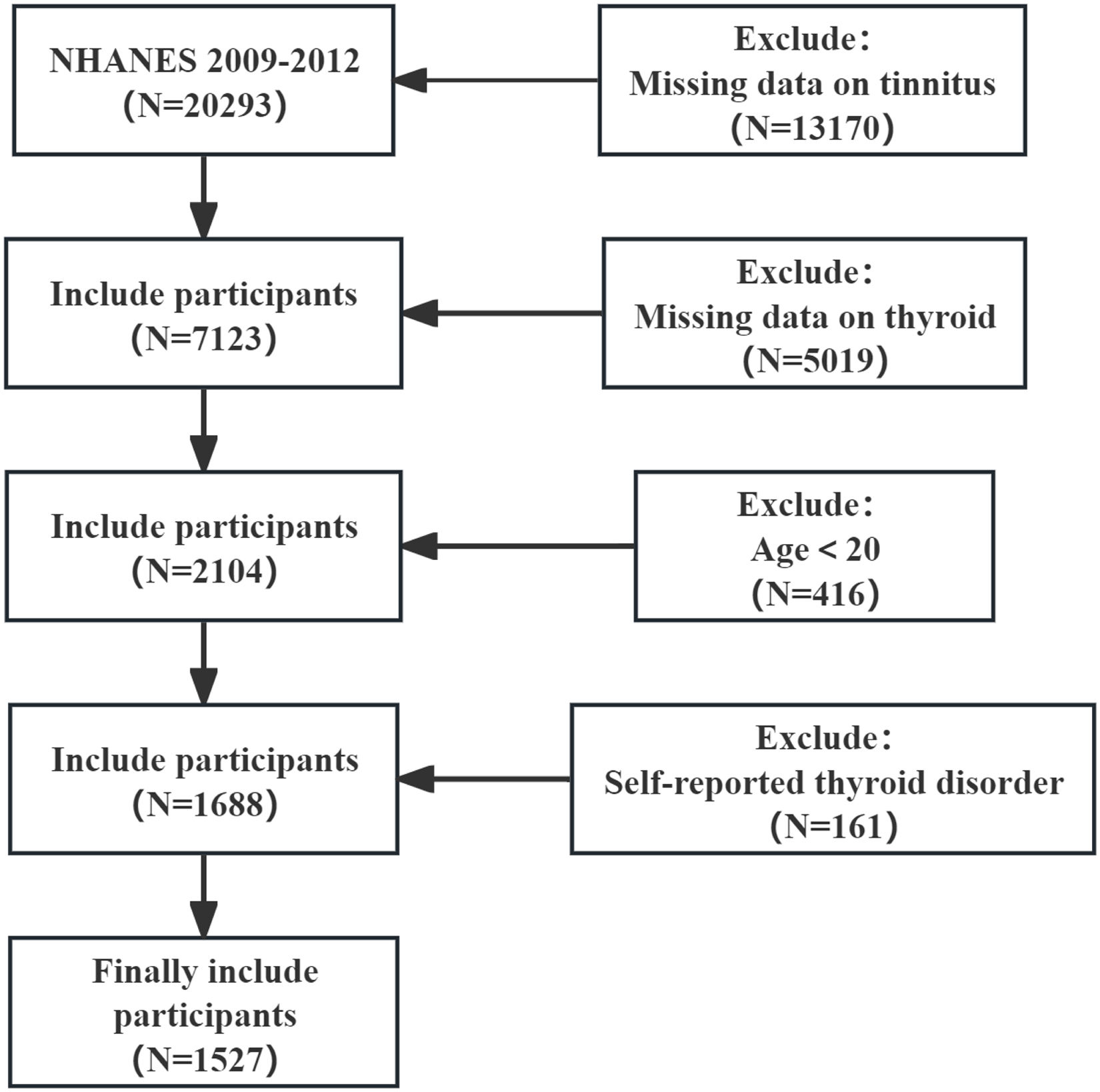
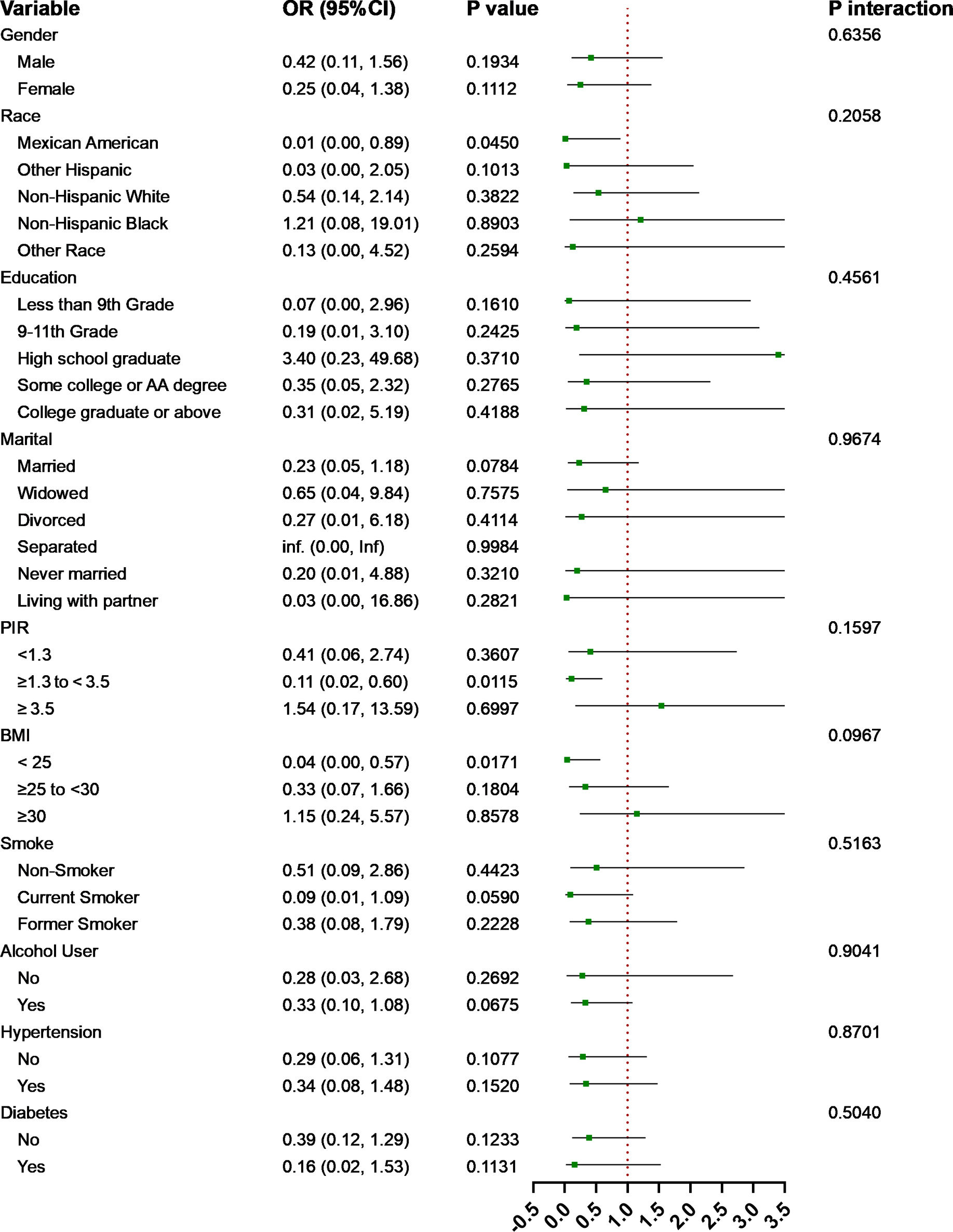
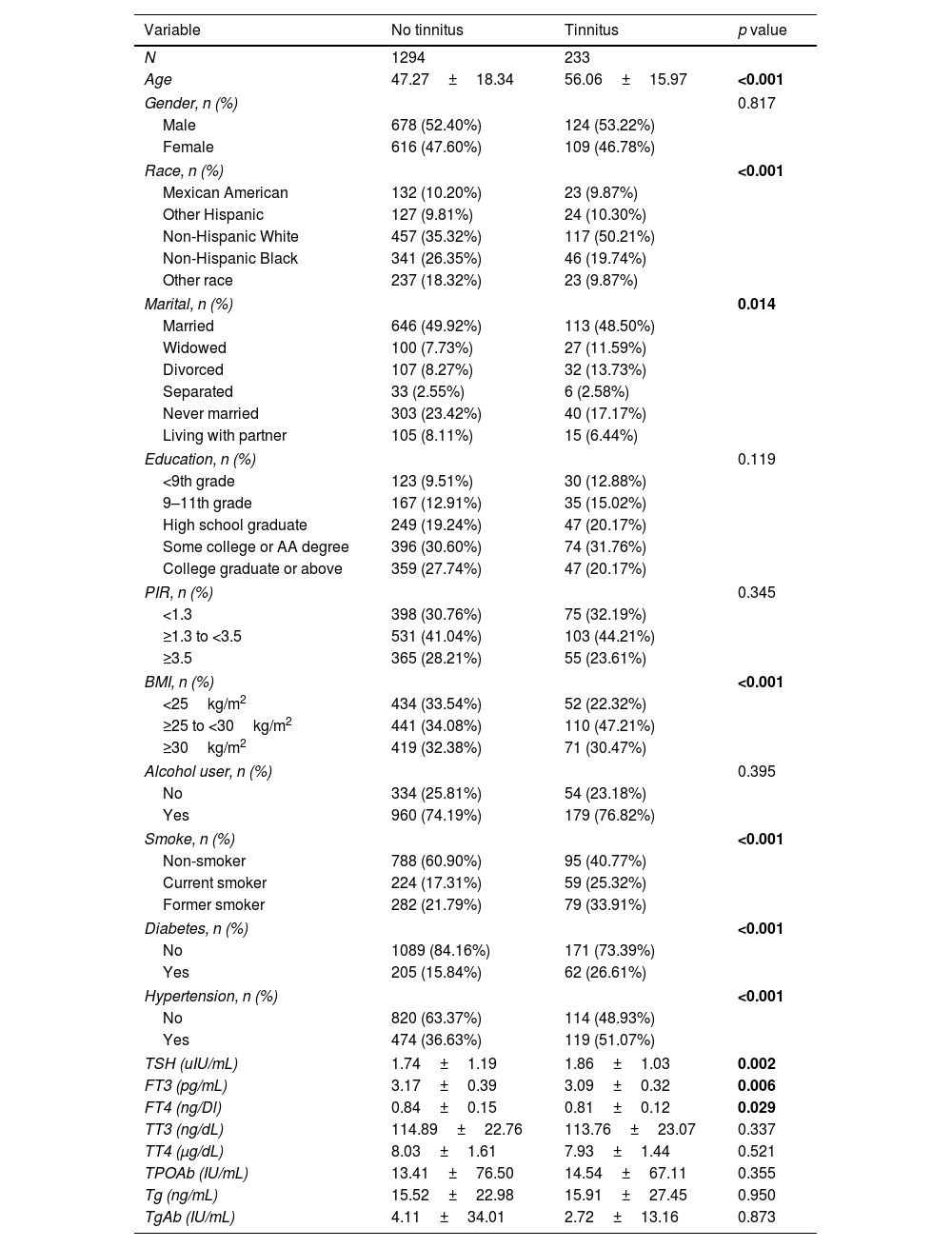
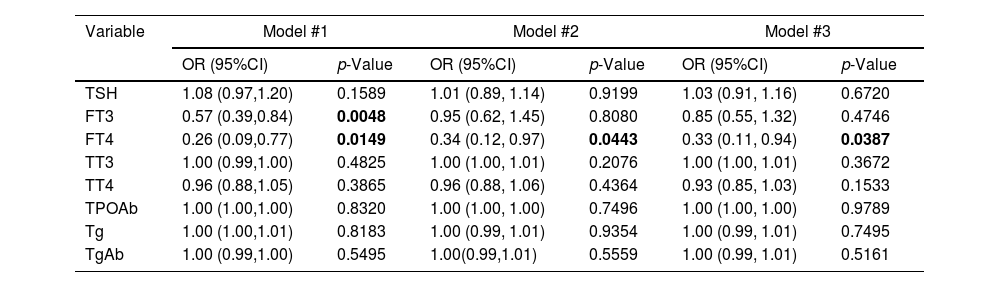
MethodsWe used data from the 2009–2012 National Health and Nutrition Examination Survey (NHANES). A total of 1527 participants were included and stratified by the presence or absence of tinnitus. Logistic regression analysis was performed to assess the association between thyroid hormone levels and tinnitus. Furthermore, subgroup analyses were performed to explore the relationship between FT4 levels and tinnitus in different subgroups.
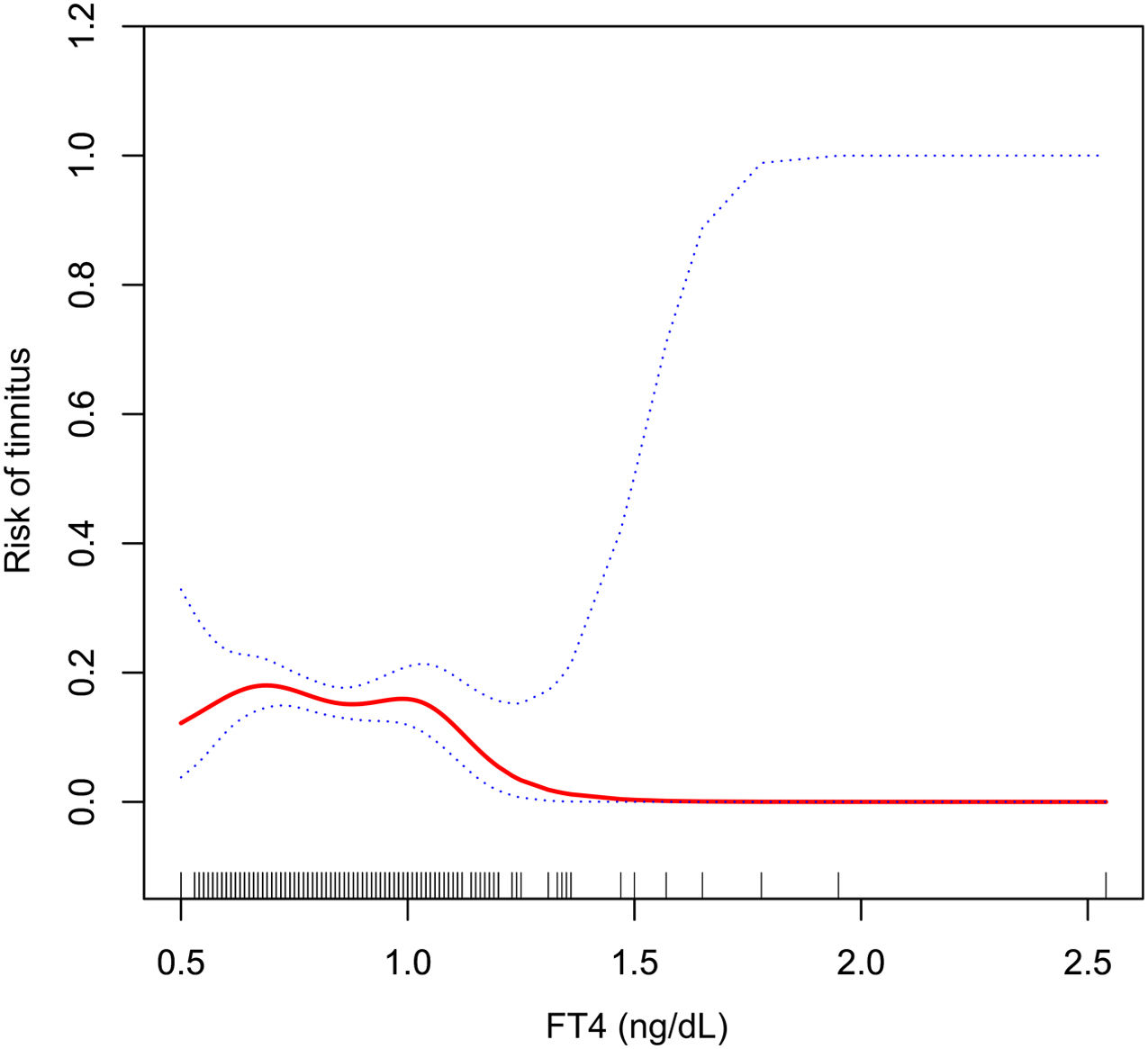
ResultsEach 1ng/dL increase in FT4 was associated with approximately 67% lower odds of tinnitus (adjusted OR, 0.33; 95%CI, 0.11–0.94, p=0.0387). FT3 and TSH showed no significant association with tinnitus after adjustment.
ConclusionLower FT4 levels were independently associated with higher tinnitus prevalence.
El tinnitus es una sensación auditiva subjetiva muy frecuente que afecta a más de 740 millones de personas en todo el mundo y que a menudo se presenta junto con diversas enfermedades sistémicas. Hasta la fecha, la relación entre el tinnitus y las hormonas tiroideas no se ha estudiado en profundidad. El objetivo de este estudio fue investigar la asociación entre el tinnitus y los niveles de hormonas tiroideas en adultos estadounidenses.
MétodosSe utilizaron datos de la Encuesta Nacional de Examen de Salud y Nutrición (NHANES) de 2009-2012. Se incluyó a un total de 1527 participantes, que se estratificaron según la presencia o ausencia de tinnitus. Se realizó un análisis de regresión logística para evaluar la asociación entre los niveles de hormonas tiroideas y el tinnitus. Además, se realizaron análisis de subgrupos para explorar la relación entre los niveles de T4L y el tinnitus en diferentes subgrupos.
ResultadosCada aumento de 1 ng/dL en T4L se asoció con una probabilidad aproximadamente un 67% menor de padecer tinnitus (OR ajustado=0,33; IC del 95%: 0,11-0,94, p=0,0387). T3L y TSH no mostraron ninguna asociación significativa con el tinnitus tras el ajuste.
ConclusiónLos niveles más bajos de T4L se asociaron de forma independiente con una mayor prevalencia de tinnitus.