



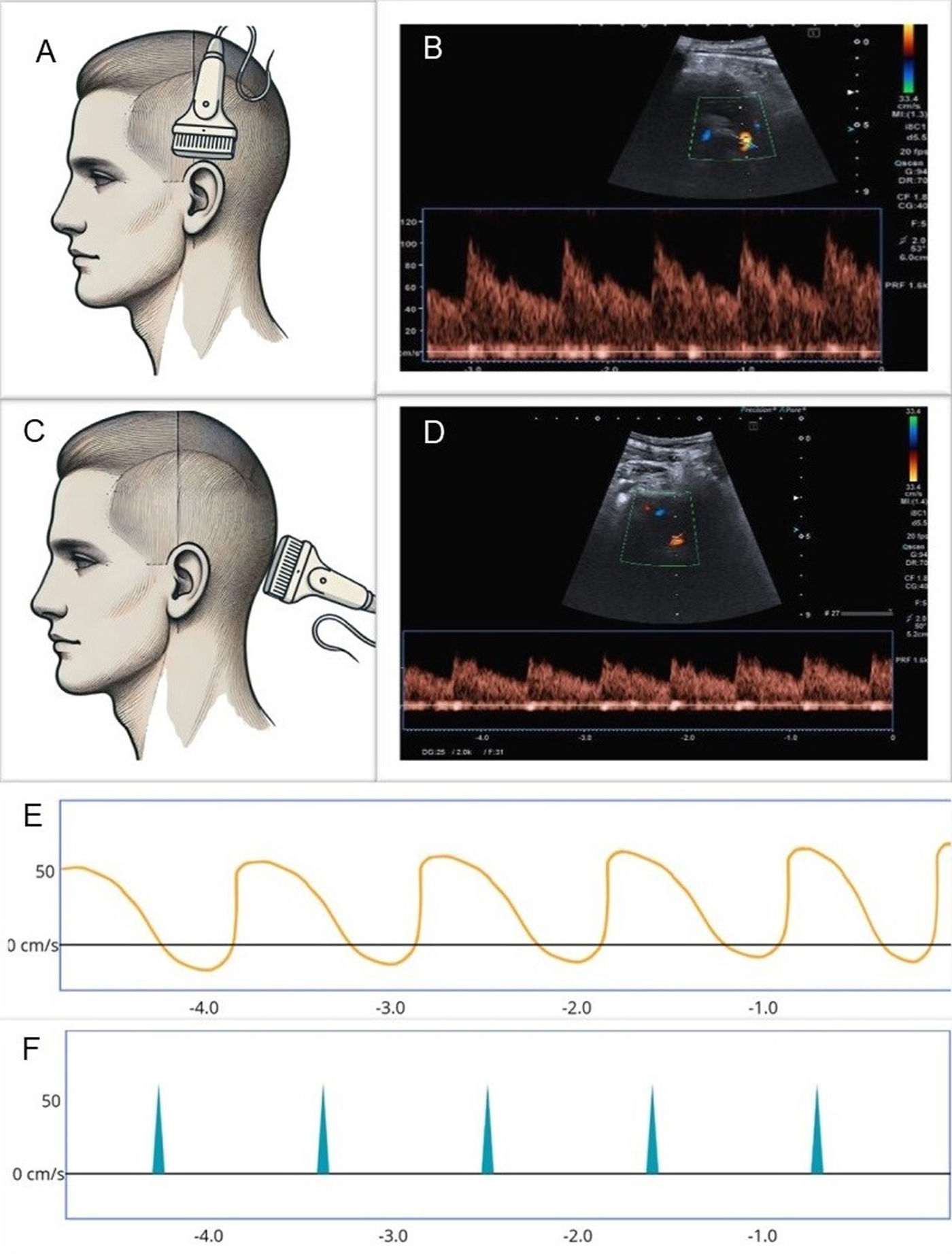
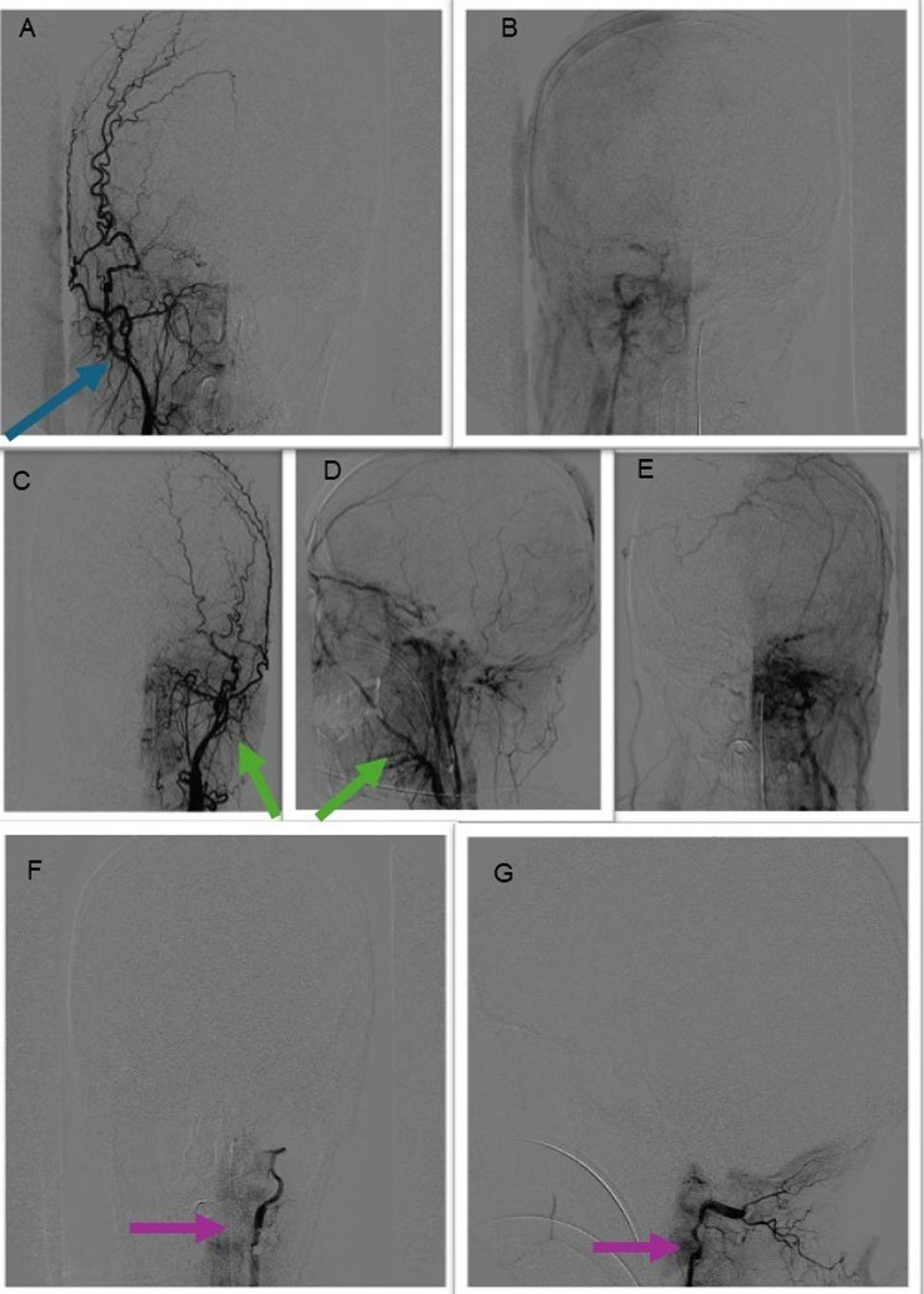
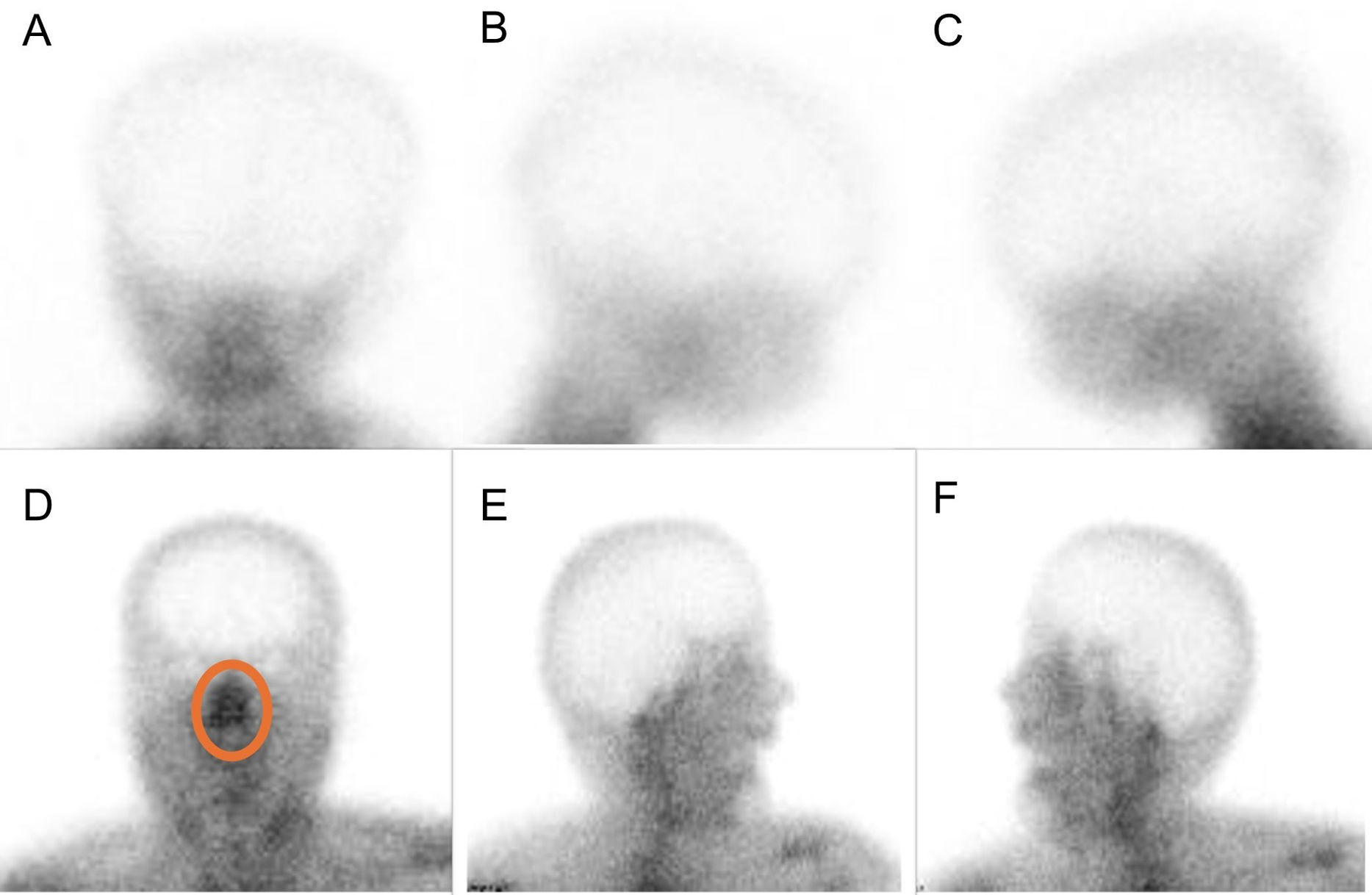
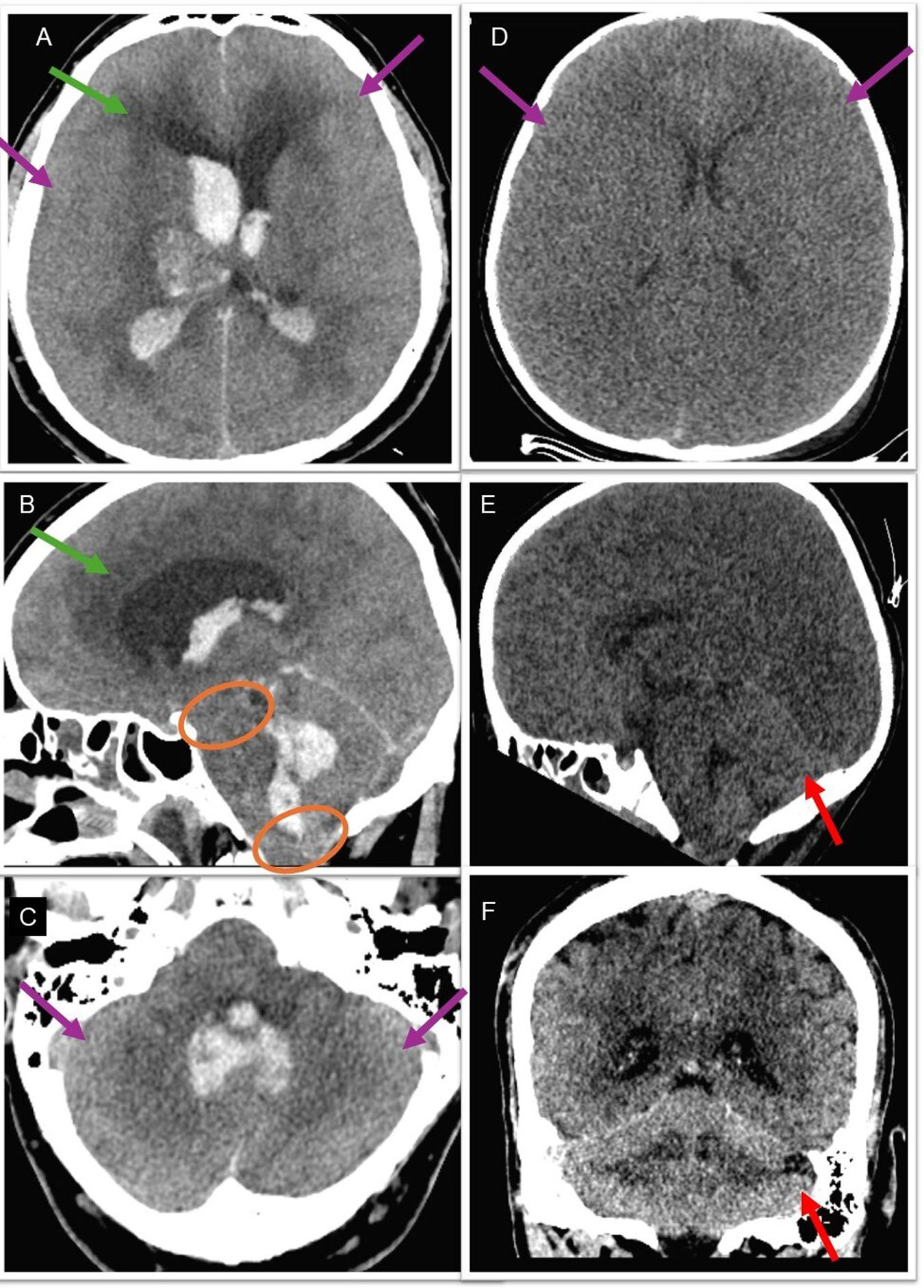
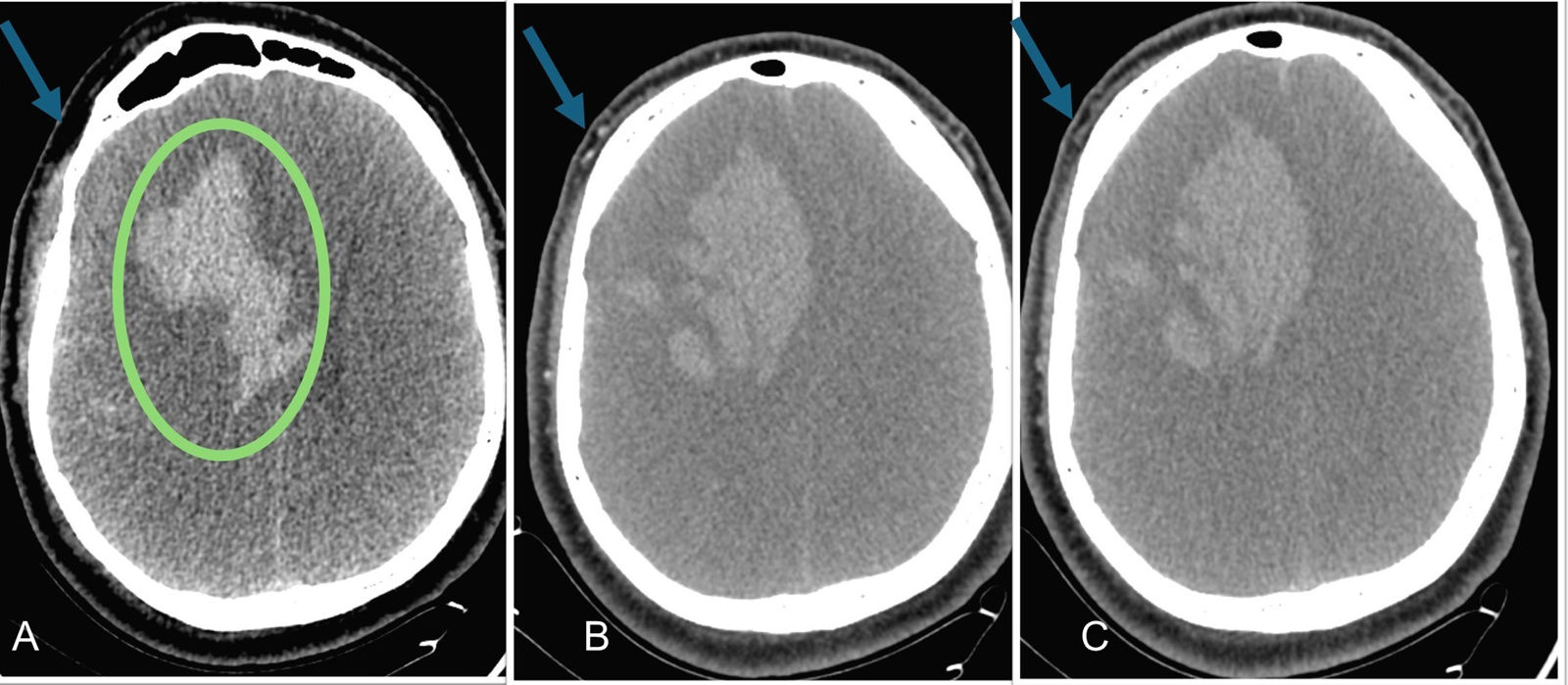
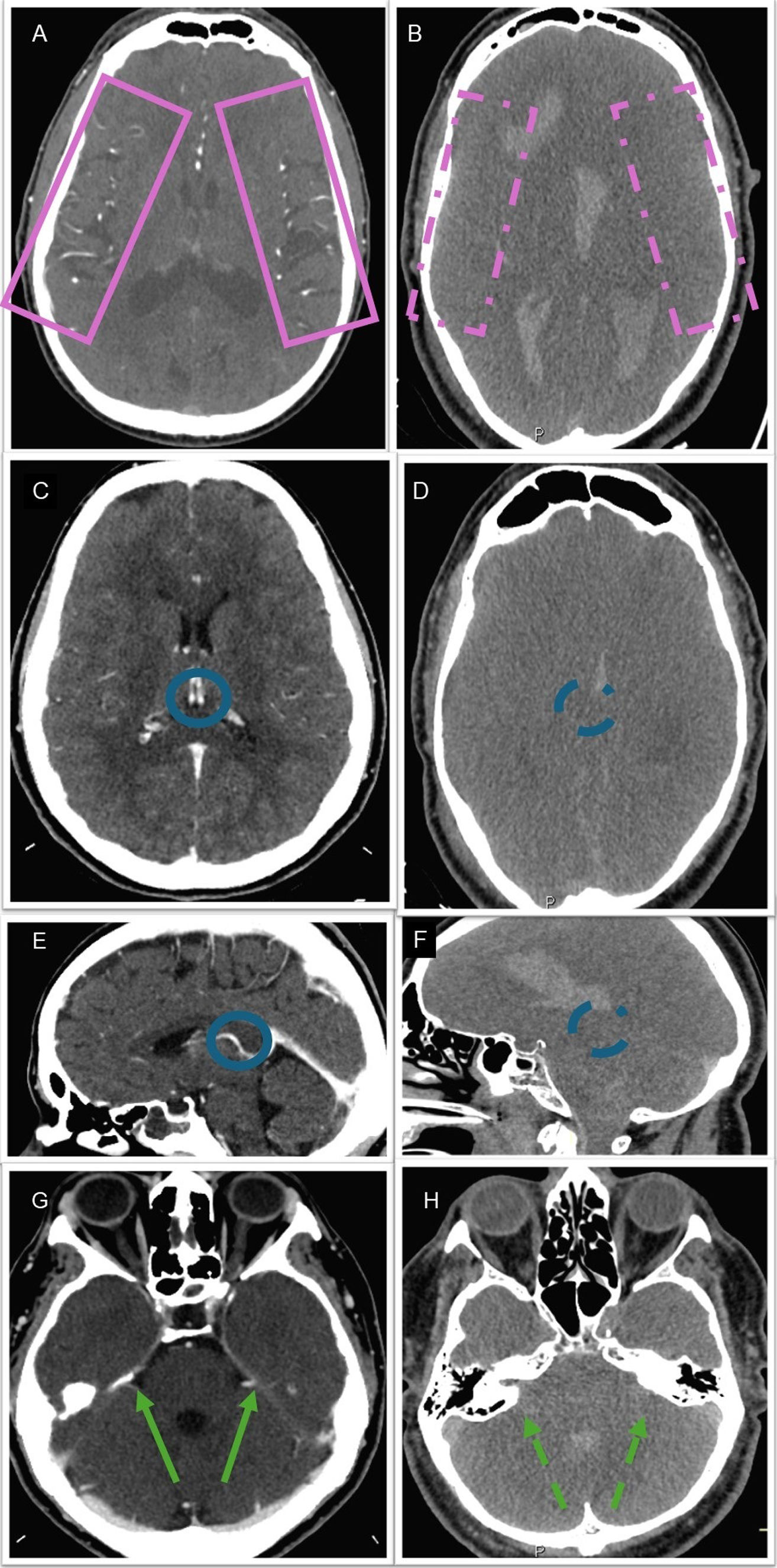
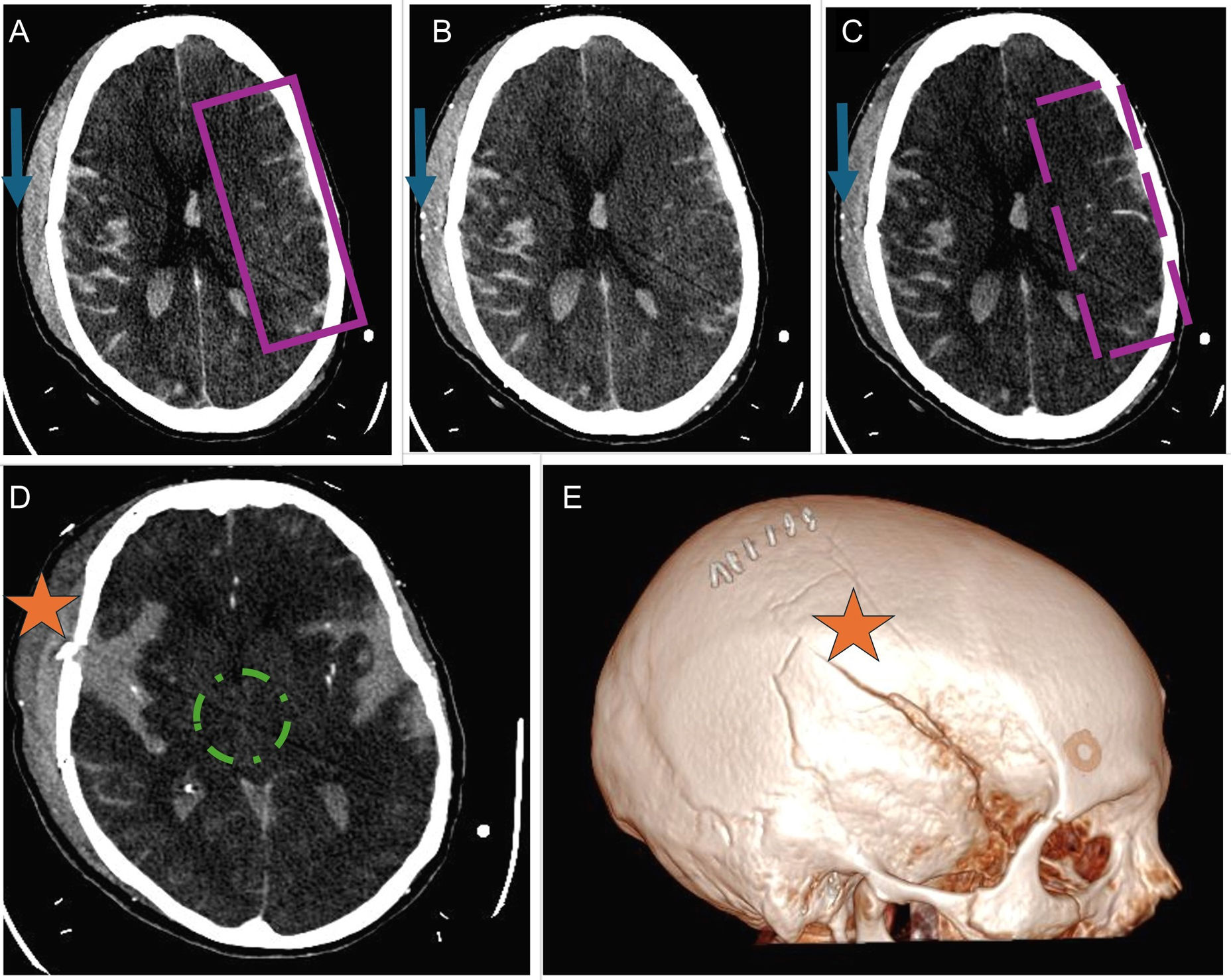
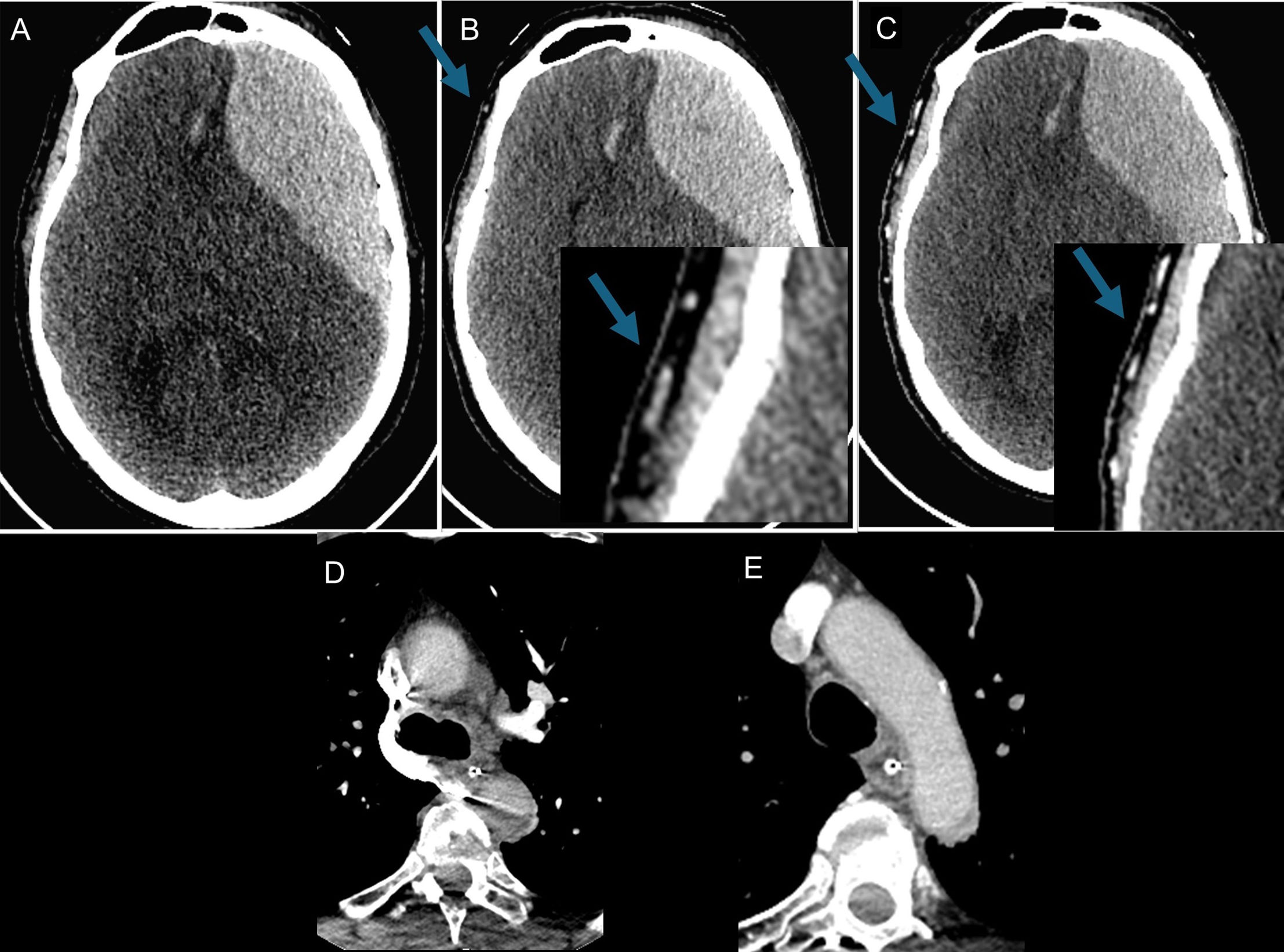
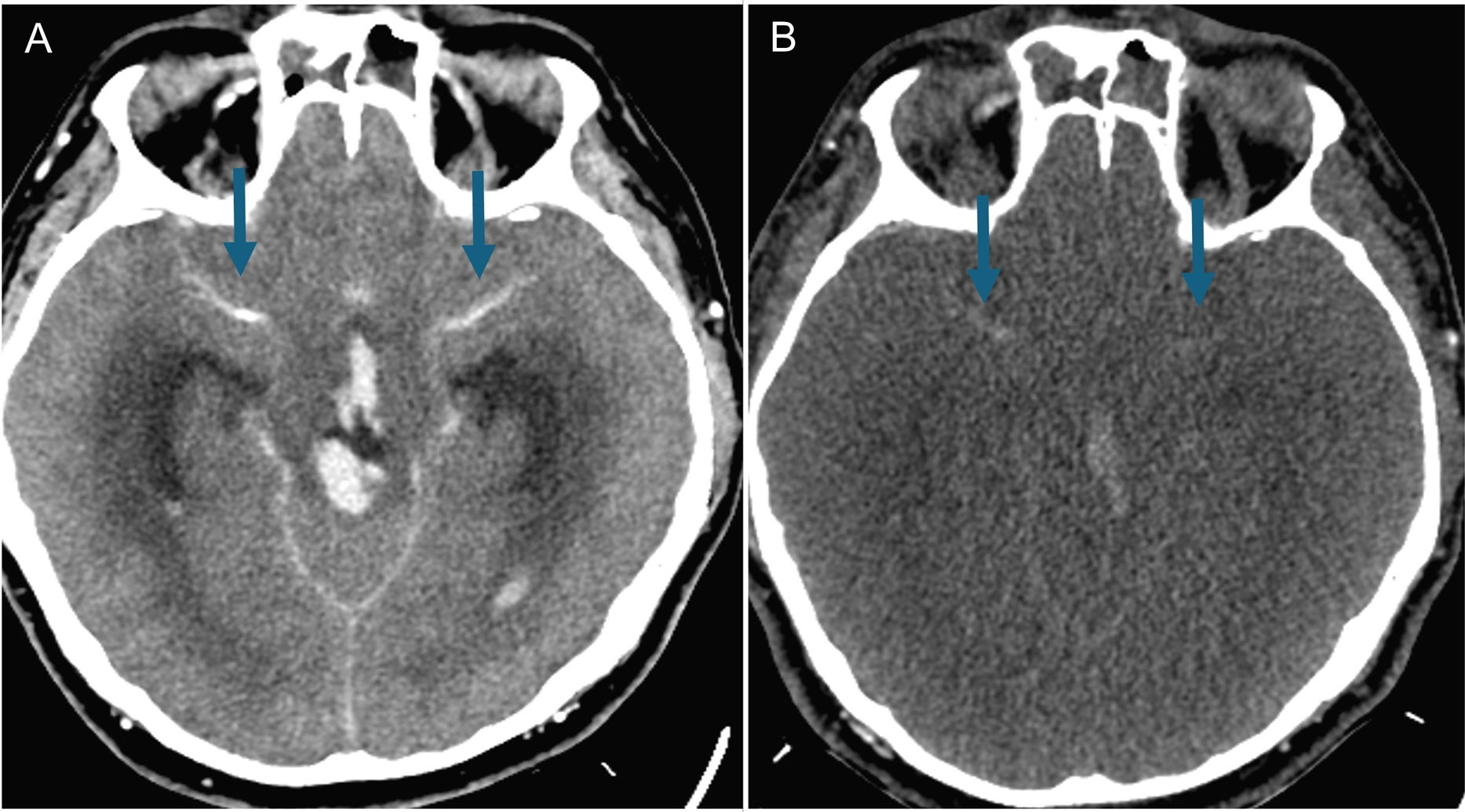

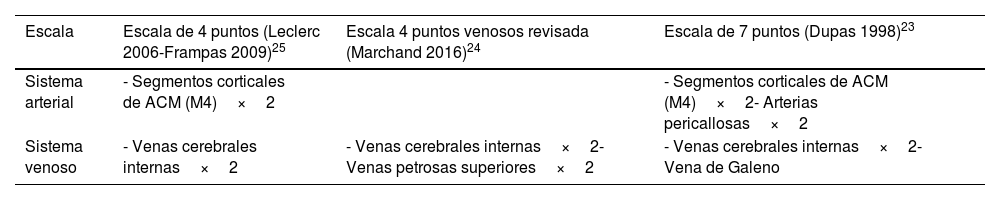
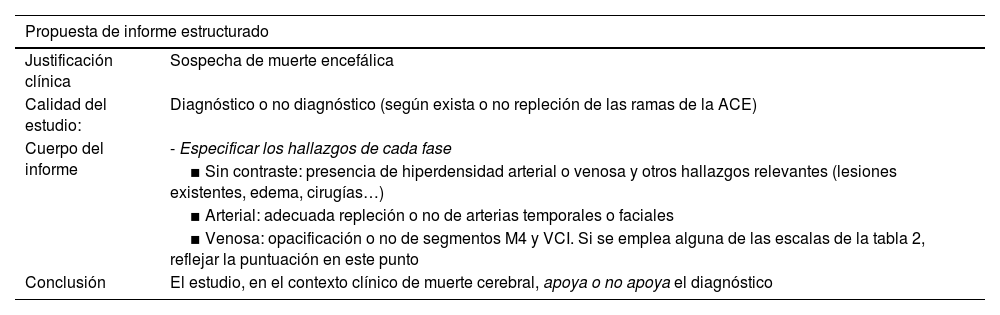
La muerte encefálica (ME) es un diagnóstico clínico complejo con importantes implicaciones médico-legales que, en ocasiones, requiere la utilización de pruebas instrumentales (PI) que permitan confirmar la ausencia de actividad eléctrica o flujo sanguíneo cerebral (FSC). Entre las PI que evalúan el FSC se encuentran: la ecografía Doppler transcraneal, la angiografía cerebral con sustracción digital, la angio-tomografía computarizada (angio-TC), la angio-resonancia magnética y la gammagrafía. En el presente artículo se lleva a cabo una revisión de estas pruebas, con especial énfasis sobre la angio-TC, su protocolo multifásico, los hallazgos que pueden apoyar el diagnóstico de ME, las recomendaciones para la redacción del informe radiológico y los posibles errores de interpretación. Asimismo, se abordan las consideraciones específicas en Pediatría y las controversias entre las diferentes sociedades científicas internacionalmente sobre el uso de las PI, tanto en la población pediátrica como adulta.
Brain death is a complex clinical diagnosis with significant medical and legal implications that sometimes requires the use of ancillary tests to confirm the absence of electrical activity or cerebral blood flow (CBF). Among the ancillary tests used to assess CBF are: transcranial Doppler ultrasound, digital subtraction cerebral angiography, CT angiography (CTA), MR angiography, and scintigraphy. This article reviews these techniques, with particular emphasis on CTA, its multiphase protocol, the imaging findings that support the diagnosis of brain death, recommendations for radiology report writing, and potential pitfalls in interpretation. We also review specific considerations for paediatric patients and the discrepancies between international societies on the use of ancillary tests both in adults and children.


