










The national digital economy innovation and development pilot zone represents a pivotal digital policy that significantly accelerates digital economic growth. This study analyzed its impact on high-quality economic development using urban-level panel data from China and a difference-in-differences (DID) approach. Our results revealed that the pilot zone significantly promotes high-quality economic development, which remained robust following placebo tests and propensity score matching. Our analysis revealed significant heterogeneity in the pilot zone’s impact, which is influenced by urban attributes and factors. Non-linear regression analysis indicated that the pilot zone yielded a more pronounced positive effect in cities with higher initial levels of high-quality economic development, while spatial tests revealed an adverse spatial spillover effect on surrounding areas. The study identified green technological innovation, industrial agglomeration, and reduced capital misallocation as key mechanisms through which the pilot zone contributed to high-quality economic development. Despite an objective trend of regional convergence, the pilot zone did not positively contribute to this process. Taken together, the findings of this study provide important theoretical support for the implementation of digital policies and the formulation of strategies to foster high-quality economic development.
Since its reform and opening-up, China has achieved remarkable economic growth (Chen et al., 2019; Guo et al., 2023), emerging as the world's second-largest economy and a global manufacturing hub (Deng et al., 2023; Yang & Tian, 2023). However, this rapid expansion has exposed structural challenges, including low value-added production and innovation deficits (Fan et al., 2021). As the economy transitions to a structural slowdown phase, the strategic priority has shifted from speed to quality. Consequently, pursuing sustainable, coordinated, and high-quality development has emerged as a critical strategic imperative. In response, the Chinese government has formally prioritized high-quality economic development over rapid growth (Gu et al., 2021; Guo & Sun, 2023). High-quality economic development refers to sustainable development that mitigates environmental damage costs through efficient resource allocation, generates high production output benefits, and better satisfies the living needs of the population. This represents a fundamental transition from a traditional speed-prioritized growth model. Enhancing the quality of economic development is pivotal in shaping the future trajectory of China's economic progress (Yin et al., 2023), serving as a cornerstone for healthy, sustainable development and a key focus in the modernization of its economic system. Therefore, high-quality development, as an elevated demand for national economic growth, carries significant and unique value (Song et al., 2022).
Meanwhile, the Chinese government has consistently emphasized the importance of building a digital economy with data as a core element. Guided by new development principles of innovation, coordination, green development, openness, and sharing, the government is driving the digital transformation of industries and fostering the deep integration of the digital and real economies (Han & Wang, 2022). Location-oriented policies are a crucial instrument of macroeconomic regulation in China, widely implemented to promote high-quality regional economic growth (Qian et al., 2018). In the digital economy era, the global economic system is increasingly characterized by digital features, with digital productivity emerging as a defining hallmark (Tong et al., 2022). In 2019, at the sixth World Internet Conference held in Wuzhen, the national digital economy innovation and development pilot zone was officially launched, with six pilot zones approved in Hebei Province (Xiong'an New Area), Zhejiang Province, Fujian Province, Guangdong Province, Chongqing City, and Sichuan Province. The conference also unveiled the National Digital Economy Innovation and Development Pilot Zone Implementation Plan, which underscores that each pilot zone should leverage its unique strengths and structural transformation characteristics to explore innovative approaches. The focus will be on optimizing the allocation of digital economy elements, improving circulation mechanisms, and fostering new production relationships. These pilot zones are positioned as pioneering demonstration areas for the spatial layout, industrial clusters, and ecological environments of the digital economy, offering significant exploratory and innovative value for China's digital development.
China's economy is currently undergoing a critical transition toward high-quality development, with emerging digital technologies, particularly big data, serving as key transformation drivers (Ding et al., 2022). As a pivotal digital economy initiative, the national digital economy innovation and development pilot zone is essential for advancing regional digital technologies. Therefore, the primary research question of this study focuses on whether the implementation of the national digital economy innovation and development pilot zone significantly enhances high-quality economic development. If so, what are the underlying mechanisms driving this impact? Besides, does the implementation of the pilot zone exhibit heterogeneity and significant spatial spillover effects on high-quality economic development? Investigating these questions in depth will elucidate the relationship between digital technology and high-quality economic development, while expanding the evaluation framework for assessing the effects of digital policies. Besides, our findings will provide valuable decision-making insights for achieving high-quality economic development goals.
This paper uses the establishment of the national digital economy innovation and development pilot zone as a natural experiment to investigate how digital policy affects high-quality development of the economy, making contributions in the following four areas: (1) First, it systematically examines the effects of the pilot zone on economic transformation and development using city-level empirical evidence. This provides new insights and a valuable supplement to research on digital economy institutional construction and high-quality economic development. (2) Second, by treating the pilot zone as an exogenous shock, this study constructs a DID model using city panel data to address endogeneity and data measurement issues, offering new empirical insights. Furthermore, the study employs the Spatial Durbin Model with DID (SDMDID) and a convergence model to analyze the spatial spillover and convergence effects of the digital policy, providing a more comprehensive analysis of its policy outcomes. (3) Third, this study identifies green technological innovation, industrial agglomeration, and resource allocation efficiency as intermediate pathways through which digital policy positively impacts high-quality development of the economy and offers valuable recommendations for achieving sustainable economic development goals. (4) Finally, by taking into account urban attributes and urban scale, the present study measures the diverse impacts of digital policy on high-quality development of the economy, uncovering the uneven characteristics of current development. These findings provide valuable guidance for future government digital policy aimed at promoting balanced regional development.
The subsequent sections of this study are structured as follows: Section 2 provides a comprehensive review of relevant literature and formulates research hypotheses. Section 3 outlines the research design and methodology. Section 4 presents and discusses the empirical results. Finally, Section 5 concludes the study by summarizing the findings and discussing their policy implications.
Literature review and hypotheses developmentLiterature reviewSince its inception, the concept of high-quality economic development has generated extensive scholarly debate regarding its connotation and measurement (Zhang & Bi, 2022). Connotation studies typically define it as an efficient, inclusive, and sustainable growth model that addresses key social issues and meets rising public expectations (Zhang et al., 2019). Besides, Hong et al. (2022) further characterized high-quality economic development in terms of technological innovation, institutional reform, industrial transformation and upgrading, and development efficiency. Building on this conceptual understanding, some scholars have employed single indicators to measure high-quality economic development. For instance, Gao et al. (2023) utilized total factor productivity (TFP) as a proxy for the level of high-quality economic development. However, single indicators often capture only one dimension of economic development and fail to fully reflect the multifaceted nature of high-quality economic development (Yang & Tian, 2023). Consequently, other researchers have developed comprehensive evaluation frameworks to assess high-quality economic development (Guo & Sun, 2023; Zhou et al., 2022). In this regard, Kong et al. (2021) constructed an economic quality index system based on efficiency, stability, and sustainability. Similarly, Li et al. (2021) established a three-tier indicator system encompassing economic growth structure, economic efficiency, the ecological environment, and social coordination.
Existing research on factors influencing high-quality economic development focuses on several key areas, including environmental regulation (Liu et al., 2021; Song et al., 2022), human capital (Ji et al., 2023), technological innovation (Deng et al., 2023), green finance (Yang et al., 2021), foreign trade (Lou & Qu, 2023; Zhang et al., 2023a), and clean energy investment (Zhuang & Pan, 2022). For example, Song et al. (2022) conducted an empirical analysis of the impact of environmental regulation on high-quality economic development using a spatial Durbin model, with the Huai River Economic Belt as a case study. Yang et al. (2021) utilized provincial-level panel data in China to empirically examine the role of green finance in promoting high-quality economic development, finding that green finance significantly contributes to this goal. In terms of industrial agglomeration, Guo and Sun (2023) found that manufacturing agglomeration influences local high-quality economic development and generates positive spatial spillover effects. Zhuang and Pan (2022) explored the impact of clean energy investment on high-quality economic development, arguing that such investment, through the adoption of low-emission technologies, serves as an effective pathway to achieving this goal. Deng et al. (2023) used urban-level panel data to study the role of collaborative innovation in promoting high-quality economic development, concluding that collaborative innovation within urban agglomerations fosters high-quality economic development both within and around cities. Finally, Zhang et al. (2023a) examined the impact of foreign direct investment on high-quality economic development by adopting a partial least squares structural Eq. model.
In summary, the existing literature on high-quality economic development offers valuable insights into the relationship between digital policies and high-quality economic development. However, research on the national digital economy innovation and development pilot zone, a key component of digital policy, remains relatively limited, and the pathways through which it influences high-quality economic development are not yet fully understood. To address this gap, this study establishes a comprehensive analytical framework to investigate how digital policies can drive high-quality economic development. While previous studies using proxy variables for empirical analysis often encounter issues of endogeneity and estimation bias (Cheng et al., 2019; Qiu et al., 2021), this paper leverages the national digital economy innovation and development pilot zone as a quasi-natural experiment and employs the DID model to examine the policy effects and transmission mechanisms of digital policies on high-quality economic development. Furthermore, by focusing on Chinese cities as the research subject, this study explores the logical relationship between digital policy and high-quality economic development at a more granular spatial scale.
Hypotheses developmentBuilding on endogenous growth theory, this study develops an analytical framework examining the impact of digital policies on high-quality economic development through three mechanisms: green technology innovation, resource allocation efficiency, and industrial agglomeration.
The national digital economy innovation and development pilot zone advances high-quality economic development through aligned objectives, mission orientation, and operational mechanisms. The Implementation Plan for the National Digital Economy Innovation and Development Pilot Zone, issued by the National Development and Reform Commission and the Central Cyberspace Administration, explicitly states that the pilot zone should adhere to the new development philosophy and drive high-quality development. The establishment of the pilot zone focuses on key tasks such as activating new production factors, fostering new growth drivers, exploring new governance models, and constructing new infrastructure, all aimed at enhancing the level of high-quality economic development. The data-driven operational model of the pilot zone aligns with the inherent requirements of high-quality economic development, emphasizing the central role of data as a critical production factor and exploring the construction of a new economic paradigm characterized by data-driven innovation. Based on this analysis, this study proposes the following research hypotheses:
H1 The implementation of digital policy facilitates high-quality economic development in pilot regions.
Digital policies, such as the national digital economy innovation and development pilot zone, compel governments to strengthen top-level design and integrated planning for the digital economy. This includes enhancing local policy support, increasing R&D investment, and providing foundational support for green technology innovation. Specifically, the pilot zone facilitates the flow of innovative and technological elements, mitigates information asymmetry, and reduces technological innovation costs (Qi et al., 2023), thereby improving the quality of green technology innovation. Furthermore, the continuous influx of innovative elements enhances regional competitiveness through competitive effects and stimulates green innovation vitality within industries and enterprises.
Within high-quality economic development frameworks, resource scarcity and environmental constraints are increasingly critical (Guo et al., 2023). High-quality economic development fundamentally necessitates green technology innovation. On the one hand, green technology innovation directly generates economic value (Du & Li, 2019) by driving technological advancements, facilitating the transformation of theoretical research into practical applications, enhancing total factor productivity, and expanding the boundaries of production activities. As a result, it significantly reduces the environmental impact of production and consumption while conserving production resources (Wang et al., 2021). On the other hand, green technology innovation transforms or even eliminates high-consumption and high-pollution industries, fostering the emergence of low-energy, environmentally friendly industries and enabling continuous upgrades and optimization of the industrial structure. This, in turn, improves the ecological environment and elevates the level of high-quality economic development. Based on this analysis, the following research hypothesis is proposed:
H2 The implementation of digital policy facilitates high-quality economic development through the enhancement of green technology innovation.
The national digital economy innovation and development pilot zone accelerates digital-real economy integration, supplying firms with diverse access to digital elements, innovation resources, and service functions. This fosters industrial agglomeration while transforming production modes and organizational structures through the digital economy's virtual, low-cost, instant-communication nature, thereby reshaping macro-level agglomeration patterns. The externalities of industrial agglomeration are critical for promoting high-quality economic development (Zang and Xue, 2023). On the one hand, industrial agglomeration fosters a diversified division of labor and cooperation, generating knowledge and technology spillovers through external effects, which enhance productivity (Andersson & Lööf, 2011; Ciccone, 2002). On the other hand, industrial agglomeration concentrates factors such as labor, capital, and technology, promoting specialized division of labor, optimizing the allocation of limited factor resources, and elevating the level of high-quality economic development (Fan & Scott, 2003). Zheng and He (2022) utilized panel data from 16 cities in the Chengdu-Chongqing Economic Zone to examine the impact of industrial agglomeration on high-quality economic development, concluding that industrial agglomeration positively influences high-quality economic development. Based on the above analysis, this study proposes the following hypothesis:
H3 The implementation of digital policy facilitates high-quality economic development through the promotion of industrial agglomeration.
The national digital economy innovation and development pilot zone can significantly enhance resource allocation efficiency by leveraging the valuable information embedded in data. Data elements improve the synergy among production factors, optimizing their allocation (Cai & Ma, 2021). Furthermore, the pilot zone can integrate idle goods or services, offering products at lower prices. The integration of big data across online and offline resources enables the complete separation of ownership and usage rights of traded goods, weakens the property ownership of traded items, facilitates the circulation of production factors, and enhances resource allocation efficiency. Acemoglu & Restrepo (2018) found that digital technologies improve the efficiency of labor and capital allocation by reducing temporal and spatial barriers for workers. The improvement in resource allocation efficiency has significant implications for promoting high-quality economic development, and substantial room for this enhancement currently exists in China. Resource misallocation is a critical factor contributing to the loss of resource allocation efficiency, as it can hinder innovation, delay industrial upgrading, and alter input-output structures, thereby diminishing the quality of economic development (David & Emmanuel, 2020). Based on these insights, we propose the following hypotheses:
H4 The implementation of digital policy facilitates high-quality economic development through the enhancement of resource allocation efficiency.
The DID method is an econometric approach for evaluating the effects of policy implementation. By treating policy variables as exogenous in a quasi-natural experiment, it effectively addresses the endogeneity problem of new policies as explanatory variables (Li et al., 2018; Qiu et al., 2021). To examine the impact of the national digital economy innovation and development pilot zone on high-quality economic growth, this paper considers the pilot zone as a quasi-natural experiment and constructs a DID model based on the methodology by Beck et al. (2010).

Here, I and t represent the city and year, respectively; HQED denotes the level of high-quality economic development; DIDit = Treati × Time, where Treati indicates whether a city belongs to the national digital economy innovation and development pilot zone, with a value of 1 signifying inclusion in the pilot zone and 0 for non-inclusion; Timet is a time dummy variable, taking a value of 1 if the city in the experimental group implemented the national digital economy innovation and development pilot zone in that year, and 0 if the national-level big data comprehensive experimental zone has not yet been implemented; X represents a set of control variables; γiand μtare individual fixed effects and time effects, respectively, and εit is a random error term.
The econometric model described above primarily evaluates the impact of the national digital economy innovation and development pilot zone on the expected conditions of high-quality economic development. This approach, based on mean regression, is susceptible to outliers. Moreover, for non-conditional distributions, the mean may not fully capture the overall characteristics of the conditional distribution. Traditional methods often involve grouping the entire sample based on specific statistical measures and analyzing it using grouped mean regression techniques. Although such sample segmentation can reveal information about the tails of the distribution, it inevitably introduces selection bias and sample loss due to truncated regression. In contrast, the quantile regression model addresses these limitations by utilizing the entire dataset without subjective sample grouping. By modeling different quantiles separately, it provides a more comprehensive understanding of the distribution's overall characteristics.
Assume that the distribution function of the random variable Y is as follows:

Then, the τ-th quantile of Y is:

For a random sample of Y,{y1,y2,⋯,yn}, its τ-th quantile can be obtained by solving the following Eq.:

For a general linear conditional quantile function, there is:

Parameter estimates can be obtained by solving the following Eq.:

For any τ in the interval (0,1), the estimated value β̂(τ) is referred to as the regression coefficient estimate at the τ-th quantile.
To accurately characterize the complete statistical properties of the conditional distribution and effectively evaluate the impact of the national digital economy innovation and development pilot zone across the entire distribution of high-quality economic development, especially at its tails, this study examines the dynamic evolution of the policy’s marginal effects throughout the process of high-quality economic development. Drawing on the methodology of Wang & Shao (2023), this paper constructs a quantile regression model. This model conceptualizes the dependent variable as a functional distribution and estimates the effects of independent variables at specific conditional quantiles by minimizing a weighted sum of absolute residuals.

Herein, τ (0<τ<1) represents different quantiles of the conditional distribution, specifically 0.1, 0.25, 0.5, 0.75, and 0.9; the core coefficientβ1(τ) reveals the marginal impact of the national digital economy innovation and development pilot zone on high-quality economic development at different quantile points.
Tobler's First Law of Geography posits that everything is related to everything else, but near things are more related than distant things (Tobler, 1969). The traditional DID method is suitable for estimating scenarios where policy shocks do not have spillover effects. However, due to the existence of spatial economic linkages, policy shocks from the national digital economy innovation and development pilot zone may have spillover effects to some extent. Therefore, considering the potential spatial effects of the pilot zone on high-quality economic development, this paper, drawing from the approach of Sunak & Madlener (2016), employs the Spatial Durbin Model with DID (SDMDID) to further analyze the spatial effects of the pilot zone on high-quality economy. The econometric model is as follows:

Herein, W represents the spatial weight matrix. In spatial models, the neighborhood structure of spatial locations is represented by the spatial weight matrix, which assigns greater weight to regions that are closer in distance (Xu et al., 2023). Consequently, this paper employs a geographic distance spatial weight matrix in the baseline regression, with the specific calculation as follows:


Herein, Wij is the matrix element in the i-th row and j-th column; dij represents the geographic distance between spatial unit i and spatial unit j, with Wij′d denoting the normalized spatial weight. Concurrently, an economic distance spatial weight matrix is used for robustness checks (Guo & Sun, 2023), with its specific calculation as follows:

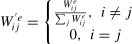
Wherein, Wijerepresents the economic distance spatial weight matrix, Yi‾ denotes the average per capita GDP of the i-th region within the sample period, and Y¯ represents the average per capita GDP within the sample period. ρ is the spatial spillover coefficient; the meanings of the other variables are the same as in Eq. (1).
Finally, building on the theoretical analysis, this paper further verifies the mechanism of action of the national digital economy innovation and development pilot zone on high-quality economy. Drawing on existing research (Li & Du, 2021; Yin & Miao, 2024), we have established the following model:

Herein, Mechit it represents the mechanism variables, including green technology innovation, industrial agglomeration, and resource allocation efficiency.
Data and variable definitionVariable and definitionDependent variable: High-quality economic development (HQED). While the definition of HQED varies, most studies agree on two core dimensions: the quality of the economic development process and the quality of the economic development outcome (Gang & Zhao, 2025; Lin & Xu, 2025; Zhao, 2024). Considering the differences in economic development stages, high-quality economic development connotes two dimensions: the quality of the economic development process and the quality of the economic development outcome. The quality of the economic development process is primarily characterized by energy consumption in economic development, resource allocation efficiency, and the vitality of economic entities, among other factors. It reflects the dynamic process of economic development and primarily examines changes in various economic indicators, such as the reduction in energy consumption per unit of GDP, the increase in the urbanization rate, the rise in income levels, and the upgrading of the industrial structure. In contrast, the quality of the economic development outcome mainly encompasses the efficiency of economic growth and the levels of various economic indicators. It reflects the results of economic development and focuses on the final state of these economic indicators, such as energy consumption per unit of GDP, the urbanization rate, income levels, and the status of the industrial structure. Based on the new development philosophy, this paper evaluates the relative development quality of China’s urban economy under the premise of attaching importance to the quality of the economic development process.
Innovation, coordination, green development, openness, and sharing are fundamental to achieving high-quality economic development (Guo & Sun, 2023; Yang et al., 2019). This model is characterized by a shift from extensive growth to a focus on quality, emphasizing the efficient and precise allocation of resources. Guided by a people-centered approach, this model seeks to establish a modern industrial system, drive innovation, optimize industrial structure, enhance value chains, and accelerate the green, low-carbon transition, ultimately boosting economic, ecological, and social outcomes. Building on existing research and adhering to the principles of systematic construction and data availability, this study constructs an index system for evaluating high-quality economic development (Song et al., 2022; Zhou et al., 2020).
Given the complexity and multiplicity of indicators involved in the comprehensive assessment of high-quality economic development, it is essential to determine indicator weights and perform data dimensionality reduction. Compared with the principal component analysis method, the entropy method reduces subjective interference in determining index weights. The entropy method is a mathematical technique for creating a composite index from various factors. It measures variation in an indicator, assigning a higher weight to indicators with less variation since they contain more information. The TOPSIS rule is a quantitative sorting technique that ranks measured objects based on their proximity to an optimal solution. It is both reasonable and computationally simple. The entropy-TOPSIS method combines the advantages of the above two methods. Based on the methodology of Yu (2021a) and drawing on the more accurate measurement capabilities of the entropy method as noted by Wang et al. (2022), this study employs the entropy method to assign weights to indicators of high-quality economic performance and calculates a composite index of high-quality economic development. The specific composition of the index system is detailed in Table 1.
Evaluation index.
Core independent variable: National digital economy innovation and development pilot zone. This study employs the establishment of the national digital economy innovation and development pilot zone as a proxy for digital policy intervention. Accordingly, a dummy variable is constructed: cities designated as pilot zones are assigned a value of 1, while non-pilot cities are assigned a value of 0. Furthermore, the variable takes the value of 1 from the year of the pilot zone’s establishment onward, and 0 for the period prior to the policy implementation.
Mechanism variables: Green Technology Innovation (GTI). The classification of green patents strictly conforms to the standards established by the World Intellectual Property Organization. A comprehensive collection and screening of patent data from both the National Intellectual Property Administration and Google Patents was conducted, leading to the compilation of a green patent dataset at the prefecture-level city scale. In accordance with the patent categorization guidelines issued by the National Intellectual Property Administration, utility model patents are subject to relatively lower requirements for creativity, whereas invention patents must demonstrate both novelty and inventiveness, and are subject to more stringent application and examination procedures. As an output indicator of regional innovation input, patent data reflect valuable information concerning regional innovation endowments, such as research personnel, funding, and capabilities, and serve as a direct measure of regional innovation capacity. Therefore, following established scholarly practices (Gao et al., 2022; Lin & Ma, 2022), this study adopts the number of green invention patent applications per ten thousand people within each region as a proxy variable for the level of green technology innovation.
Industrial Agglomeration (IA): Industrial agglomeration refers to the geographic concentration of a specific industry within a particular region. Common measurement indicators include location entropy (Keeble et al., 1991; Zhang et al., 2023b), the Gini coefficient (Wen, 2004), and the EG index (Lin et al., 2011), among others. When selecting an appropriate measurement approach, it is necessary to account for variations in the administrative area sizes of different cities and their relative positions within the national context. Therefore, this paper adopts the geographic concentration method to quantify industrial agglomeration.
Resource Allocation Efficiency (RAE): Hsieh and Klenow (2009) studies have pointed out that distortions in the allocation of production factors result in differences in the marginal costs of capital and labor factors among regions, making it challenging for resources to flow freely, leading to low resource allocation efficiency. Therefore, this paper draws inspiration from Hsieh and Klenow (2009) and calculates the Capital Misallocation Index (CM) and Labor Misallocation Index (LM) as proxies for resource allocation efficiency.
Control variables: To minimize the potential influence of omitted variable bias, this study introduces a set of control variables into the model, including urban scale (SU), human capital (HC), population size (PS), and infrastructure level (UF), in accordance with prior research (Guo & Sun, 2023; Ma et al., 2023; Wang & Li, 2019). Specifically, urban scale is measured by the logarithm of land area. Human capital, which contributes significantly to technological research and development and thereby enhances productivity and labor efficiency, is proxied by the number of college students per ten thousand people. Population size is represented using the logarithm of the registered population, following the approach adopted by Guo et al. (2023). Infrastructure development is measured by the logarithm of the year-end actual urban road area, consistent with the methodology of Yu (2021b).
Descriptive StatisticsTable 2 reports the descriptive statistics of all variables. The index of high-quality economic development ranges from 0 to 0.1390, with a mean of 0.0053 and a standard deviation of 0.0138, suggesting considerable heterogeneity in economic development quality across the sample during the study period. A comparative analysis between the experimental and control groups reveals that the former exhibits a notably higher level of high-quality economic development. Furthermore, the descriptive statistics for the remaining control variables fall within reasonable ranges and are generally consistent with theoretical expectations.
Descriptive statistics for the variables.
Furthermore, we plotted comparative trend lines to visualize the evolution of high-quality economic development in both the experimental and control groups. As shown in Fig. 1, following the implementation of the national digital economy innovation and development pilot zone, the disparity in high-quality economic development between these two groups has steadily increased. This pattern offers visual evidence of the policy’s potential positive effect on economic development quality. Nevertheless, given that average-based trend analyses may be confounded by underlying time trends or other unobserved factors, the causal influence of the pilot zone policy on high-quality economic development cannot be definitively established through graphical means alone. To more rigorously identify this relationship, we proceed to econometric model estimation for robust empirical identification.
ResultsBenchmark model regression
This study employs the DID approach to evaluate the policy effects of the national digital economy innovation and development pilot zone on high-quality economic development. To ensure the robustness of the baseline regression, control variables are incrementally added one by one (Shao et al., 2019). The specific regression results are presented in Table 3. Model 1, which includes city fixed effects and year fixed effects, regresses solely on the national digital economy innovation and development pilot zone as the explanatory variable. The coefficient is significantly positive at the 5 % level, indicating that the pilot zone significantly promotes high-quality economic development, thereby validating Hypothesis 1 (H1). The findings of this study align with those of Kong et al. (2023), who similarly demonstrated the impact of digital economic development on high-quality economic growth. However, their study employed a constructed digital economy evaluation index system to assess this relationship.
Benchmark regression results.
| Variables | (1) | (2) | (3) | (4) | (5) |
|---|---|---|---|---|---|
| DID | 0.031∗∗(2.03) | 0.030∗∗(2.00) | 0.032∗∗(2.04) | 0.042∗∗∗(2.69) | 0.037∗∗(2.12) |
| SU | 0.075(1.29) | 0.088(1.46) | 0.193∗∗∗(2.99) | 0.195∗∗∗(3.05) | |
| HC | 0.014(0.95) | 0.009(0.59) | 0.010(0.60) | ||
| PS | -0.153∗∗∗(-4.59) | -0.164∗∗∗(-5.04) | |||
| FS | 0.028∗∗(2.09) | ||||
| City FE | Yes | Yes | Yes | Yes | Yes |
| Year FE | Yes | Yes | Yes | Yes | Yes |
| Observations | 3336 | 3336 | 3336 | 3336 | 3336 |
| R-squared | 0.9877 | 0.9877 | 0.9865 | 0.9878 | 0.9891 |
Note: ∗p < 0.1,
Current evidence suggests that the national digital economy innovation and development pilot zone exerts a significant positive effect on high-quality economic growth, primarily attributable to two factors. First, the pilot zone is designed to foster emerging industries, secure future development opportunities, and serve as a critical platform for advancing mass entrepreneurship and innovation, as well as expanding the new economic frontier. It also plays a pivotal role in deepening supply-side structural reforms and promoting the high-quality development of traditional industries. Besides, the data-driven model of the pilot zone aligns with the inherent requirements of high-quality economic development. By emphasizing data as a key production factor, it facilitates a new economic paradigm characterized by data-driven innovation. Indeed, digital technologies have permeated all sectors, giving rise to emerging economic models such as the online economy, sharing economy, and platform economy. These new economic forms facilitate the development of technology-intensive industries and support the digital transformation of traditional sectors (Huang et al., 2019; Wang & Shao, 2024). Furthermore, the implementation of the national digital economy innovation and development pilot zone has enabled a more comprehensive exploration of consumer demand, eliminated geographical barriers to goods and services, and streamlined consumer purchasing behavior. By enhancing price transparency and fostering standardized, lower pricing mechanisms, these zones promote consumption-driven high-quality economic growth (Yang, 2022).
Models 2 to 5 present the regression results after sequentially introducing control variables. The coefficients for the national digital economy innovation and development pilot zone remain significantly positive across these models, demonstrating the robustness of the regression results. Furthermore, the regression results for the control variables are generally consistent with economic theory.
Parallel trend testA primary challenge in policy evaluation stems from the potential non-random selection of pilot areas. Such selection bias may distort the estimated policy effects and undermine the credibility of the findings (Song et al., 2020; Roth, 2022). To enhance the validity of the research conclusions, this paper employs the following model to perform a parallel trend test:

In Eq. (14), the value of Ii,tt−setyeari=n is determined as follows: it takes a value of 1 when t−setyeari=n, and 0 otherwise. Here, t represents the year, and setyeariindicates the year in which city i became a pilot city for the national digital economy innovation and development pilot zone. The other variables are consistent with those in Eq. (1).
The parallel trend test results, presented in Fig. 2, show that prior to the implementation of the national digital economy innovation and development pilot zone, the experimental and control groups exhibited no statistically significant difference in the level of high-quality economic development. However, after the policy was introduced, the pilot zone exerted a significant positive effect on high-quality economic development. These findings suggest that the parallel trends assumption was largely satisfied between the two groups before the policy intervention. Therefore, the application of the DID model in this study is methodologically justified.
Placebo test
The comparability between the control group and the treatment group constitutes a fundamental prerequisite for applying the DID method to evaluate the impact of the national digital economy innovation and development pilot zone on high-quality economic development. Specifically, in the absence of the policy intervention, the difference in high-quality economic development levels between the experimental and control groups should remain stable over time. To test this assumption, this study adopted the methodologies of Yang et al. (2020) and Li et al. (2016) and performed 1,000 random samplings within the research sample. In each iteration, a randomly selected subset of pilot cities was assigned to a virtual treatment group, with the remaining cities constituting the control group. The modified policy variables were then reintroduced into the baseline regression model. Regression results from these placebo samples were systematically compared to assess the robustness of the policy effects. As shown in Fig. 3, the absolute values of the t-statistics for most estimates are less than 2, with associated p-values exceeding 0.1. This suggests that the estimated policy effect is unlikely to be driven by random chance or omitted variable bias, and the placebo test is therefore passed.
Robustness test based on PSM-DID method
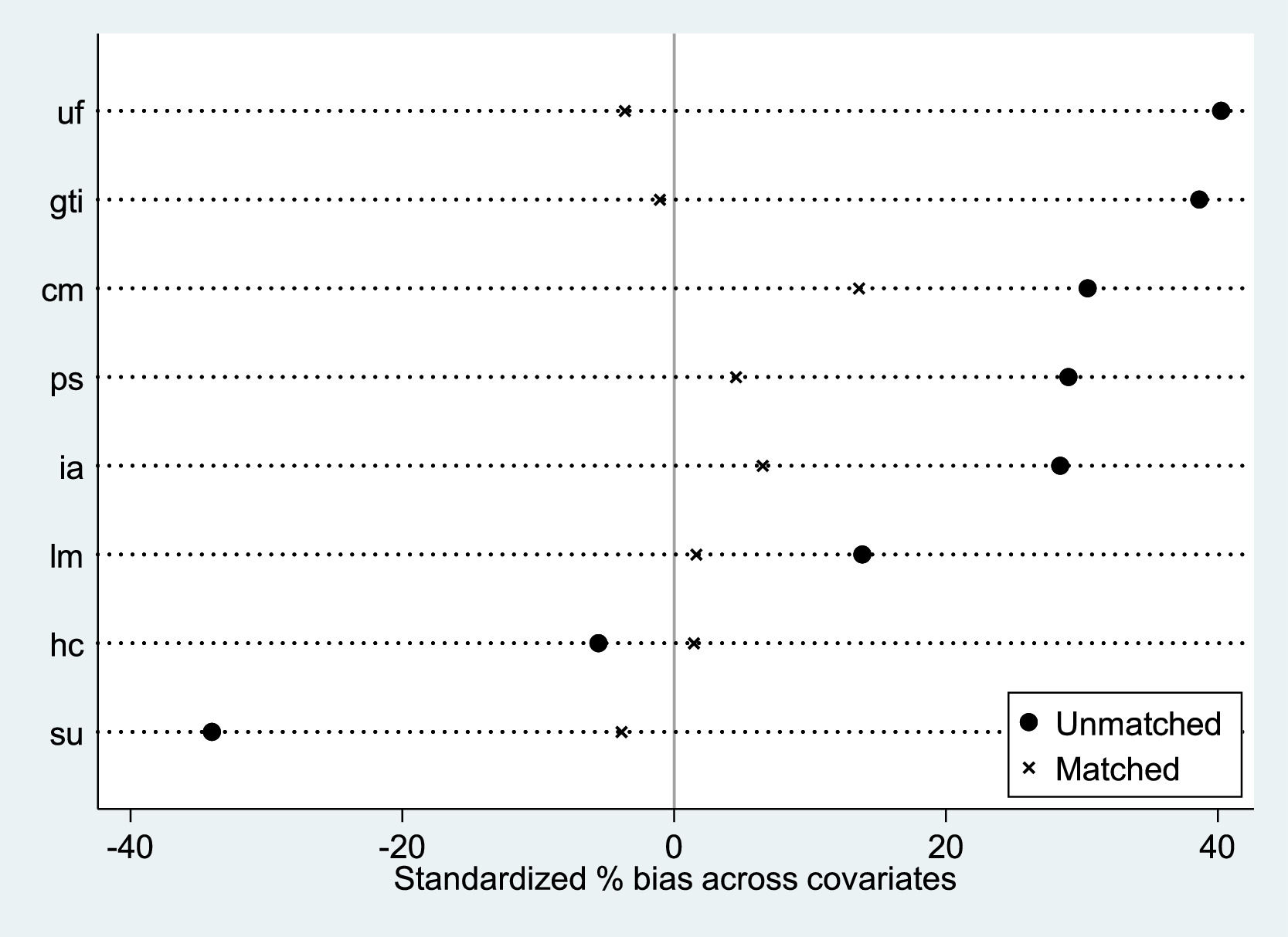
Another essential prerequisite for applying the DID method is the random assignment of treatment and control groups. Although, in principle, the selection of the national digital economy innovation and development pilot zone is unlikely to be influenced by the level of local high-quality economic development, it remains necessary to conduct empirical robustness checks. Therefore, drawing on established literature, this study incorporates mechanism variables and control variables as covariates and employs one-to-one nearest neighbor propensity score matching (PSM) to match samples between the treatment and control groups, thereby reducing selection bias (Li et al., 2022; Zhang et al., 2022). The validity of the propensity score matching approach hinges on the balancing assumption, which requires that the distributions of observed covariates be similar between the treatment and control groups after matching. To verify whether this condition is satisfied, the study examines the balance of covariates post-matching. As presented in Table 4, after matching, there are no statistically significant differences in the means of covariates between the treatment and control groups. Moreover, as visually displayed in Fig. 4, although considerable covariate bias exists between the two groups before matching, the standardized differences are closely aligned near zero after matching. These results indicate that the propensity score matching procedure has effectively eliminated systematic differences between the groups, thus ensuring a high degree of comparability across the matched sample.
Results of the common support hypothesis test.

The regression results in Table 5 demonstrate that the coefficient of the core explanatory variable, the national digital economy innovation and development pilot zone, remains substantively unchanged compared to the baseline regression results after propensity score matching. This indicates that the findings of this study are highly robust.
Excluding the impacts of other policiesTo obtain more robust empirical findings, this study further addresses potential confounding effects from other public policies. Given that the implementation periods of the national big data comprehensive pilot zone (NBD), smart city construction (SMC), and national innovative city pilot policy (NIC) overlap with that of the national digital economy innovation and development pilot zone, these initiatives may influence the outcomes of this study. To mitigate such concerns, this paper follows established empirical practices by incorporating dummy variables representing each of these policies as additional controls and reestimates the baseline model (Wang & Wang, 2023; Wang et al., 2022). The robustness check results, presented in Table 6, show that the signs and statistical significance of the core explanatory variable, as well as those of the control variables, remain consistent with the baseline estimates. This provides further evidence supporting the robustness of the main empirical findings.
Estimation results excluding the effect of other policies.
| Variables | (1) | (2) | (3) | (4) |
|---|---|---|---|---|
| DID | 0.037∗∗(2.12) | 0.038∗∗(2.17) | 0.036∗∗(2.08) | 0.038∗∗(2.14) |
| NBD | Yes | No | No | Yes |
| SMC | No | Yes | No | Yes |
| NIC | No | No | Yes | Yes |
| Control variables | Yes | Yes | Yes | Yes |
| City FE | Yes | Yes | Yes | Yes |
| Year FE | Yes | Yes | Yes | Yes |
| Observations | 3336 | 3336 | 3336 | 3336 |
| R-squared | 0.9891 | 0.9891 | 0.9891 | 0.9891 |
Note: ∗p < 0.1,
Indeed, China's vast geographical expanse and complex social attributes account for significant differences across cities in terms of natural geography, economic development, and resource endowments (Ma & Lin, 2023). Therefore, studying the varying effects of the national digital economy innovation and development pilot zone on high-quality economic development has become a central focus for understanding this heterogeneity. Furthermore, this paper primarily analyzes this heterogeneity from the perspectives of city attributes and city size. First, cities are categorized into non-resource-based cities and resource-based cities based on the classification criteria in the "National Resource-Based City Sustainable Development Plan" (2013-2020) (Tang & Zhang, 2024; Zhang et al., 2023c). Secondly, following a 2014 notice issued by the State Council regarding the adjustment of city sizes, and referencing existing research, the sample cities are classified into small and medium-sized cities and large cities (Wang et al., 2023; Wu et al., 2022). Moreover, since the effectiveness of digital policy implementation does not solely depend on the policy itself but also on local government capacity and the institutional environment, this paper further categorizes cities into those with a high degree of marketization and those with a low degree of marketization based on their level of marketization.
As shown in columns (1) and (2) of Table 7, the national digital economy innovation and development pilot zone yielded a positive and significant impact on the high-quality economic development of non-resource-based cities, but not on resource-based cities. One possible explanation for this disparity is that resource-based cities are heavily reliant on resource-intensive industries, making industrial restructuring more challenging. These cities may also experience path dependency, lock-in effects (Lyu et al., 2024; Qin et al., 2023), and competition for resources, talent, and funding in emerging industries, which exacerbates the resource curse (Abraham, 2021; Che & Wang, 2022). Besides, traditional resource-based industries may not seamlessly integrate with digital technologies, and their level of association with and dependence on these technologies may be limited, thereby diminishing the promotional effect of the pilot zone.
Heterogeneity analysis results.
| City resource endowment | City size | Degree of marketization | ||||
|---|---|---|---|---|---|---|
| Variables | Non-resource | Resource | Small and medium | Large | High | Low |
| (1) | (2) | (3) | (4) | (5) | (6) | |
| DID | 0.067∗∗(2.50) | -0.005(-0.74) | 0.007(0.62) | 0.133∗∗(1.96) | 0.059∗∗(2.02) | 0.008(0.48) |
| Control variables | Yes | Yes | Yes | Yes | Yes | Yes |
| City FE | Yes | Yes | Yes | Yes | Yes | Yes |
| Year FE | Yes | Yes | Yes | Yes | Yes | Yes |
| Observations | 2217 | 1119 | 2710 | 626 | 1565 | 1771 |
| R-squared | 0.9874 | 0.9604 | 0.9817 | 0.9877 | 0.9892 | 0.9777 |
Note: ∗p < 0.1,
As shown in columns (3) and (4) of Table 7, the pilot zone yielded a positive and statistically significant impact on the high-quality economic development of large cities at the 5 % significance level, while its effect on small and medium-sized cities was not statistically significant. On the one hand, large cities benefit from economic agglomeration effects and talent concentration (Henderson & Abdel-Rahman, 1997), which enhance high-quality economic development through optimized resource allocation (Frick & Rodriguez-Pose, 2018). On the other hand, the national digital economy innovation and development pilot zone can mitigate congestion effects in large cities during economic development, thereby laying a solid foundation for high-quality urban economic growth (Guo et al., 2023).
As indicated in columns (5) and (6) of Table 7, the national digital economy innovation and development pilot zone exerts a positive impact on the high-quality economic development of cities with a high degree of marketization at the 5 % significance level, whereas its impact on cities with a low degree of marketization is not significant. Pilot zones with a high degree of marketization are better able to balance the roles of the government and the market. In the implementation of digital policies, the government can better play its guiding and service-oriented roles, creating a sound policy environment and institutional guarantees for market entities, while giving full play to the decisive role of the market to stimulate market vitality and creativity. For instance, the government can formulate reasonable policies and regulations to standardize the order of the digital economy market and promote the market-oriented reform of data elements, while the market guides resource allocation through competitive mechanisms and price mechanisms. The two work in conjunction to jointly drive the high-quality economic development of the pilot zone.
In summary, the national digital economy innovation and development pilot zone can significantly promote the high-quality economic development of non-resource-based cities, large cities, and cities with a relatively high degree of marketization. However, their promotional effect on resource-based cities, small and medium-sized cities, and cities with a relatively low degree of marketization is not evident. Non-resource-based cities, with their service-oriented economic foundations, exhibit greater inherent demand for digital transformation, creating a synergistic relationship with the policy objectives of the pilot zone. Unencumbered by dependence on mineral or energy extraction, these cities more readily overcome path dependency, enabling strategic allocation of policy resources towards digital R&D and talent cultivation. In contrast, resource-intensive cities frequently experience a siphoning effect within their extractive industries, disproportionately channeling capital and human resources into low-digitalization sectors. This structural tendency substantially diminishes the policy efficacy of the pilot zones in such localities.
Large cities have achieved economies of scale due to prior investments in 5G infrastructure, data centers, and intelligent transportation systems (Guo et al., 2023). This enables the national digital economy innovation and development pilot zone policies to be seamlessly integrated with existing facilities, facilitating a rapid realization of policy dividends. In contrast, smaller cities face structural constraints: lower population density and smaller economic scale result in higher per-unit costs for deploying 5G base stations and cloud computing facilities, coupled with limited application scenarios. Moreover, current pilot zone policies predominantly replicate templates designed for large cities, failing to account for the fundamental disparities in industrial foundations across city tiers.
The core of the national digital economy innovation and development pilot zone policy lies in advancing high-quality development by optimizing the development environment for the digital economy and unleashing the potential of digital technologies. Cities with a high degree of marketization are highly compatible with the development needs of the digital economy in terms of factor allocation, vitality of market entities, institutional environment, and infrastructure, enabling them to more fully undertake and transform policy dividends. In contrast, cities with a low degree of marketization struggle to give full play to the driving role of the policy due to issues such as impeded factor mobility, insufficient motivation of market entities, and an underdeveloped institutional environment. Therefore, enhancing marketization and optimizing the institutional environment are crucial to ensuring that the digital economy pilot zone policy delivers tangible results in more cities.
Nonlinear analysisThe baseline econometric model used in this study primarily characterizes the average effect of the national digital economy innovation and development pilot zone on high-quality economic development, yet it does not account for potential behavior in the extreme regions of the distribution. In practice, the influence of the pilot zone may exhibit heterogeneous or non-linear characteristics across different levels of economic development. To more accurately capture these potential asymmetric effects and better represent the tail properties of the distribution, this study adopts a quantile regression approach. Specifically, we estimate a series of conditional quantile functions to evaluate the impact of the pilot zone at the 0.1, 0.25, 0.5, 0.75, and 0.9 quantiles.
As indicated by the regression results in Table 8, the quantile regression coefficient of the national digital economy innovation and development pilot zone changes from negative to positive as the quantile level increases, with its absolute value rising consistently. This pattern suggests that the marginal effect of the Pilot Zone evolves dynamically across the distribution of high-quality economic development, demonstrating a strengthening influence at higher quantiles. Specifically, the policy effect is more substantial in regions with more advanced economic development, while remaining limited in those at lower developmental stages. This heterogeneity may be attributed to two main factors. First, cities with weaker economic foundations often experience capability traps, becoming entrenched in traditional and inefficient development models that create strong path dependence. Although digital policies offer new opportunities, these cities frequently struggle to escape outdated paradigms due to structural capability deficits, such as shortages of digital talent and outdated management practices. In contrast, cities with stronger economic foundations have developed dynamic capabilities that enable them to adapt quickly to digital policy incentives. Second, cities at more advanced stages of high-quality economic development tend to possess greater absorptive capacity. Their well established industry university research networks and efficient information channels facilitate rapid knowledge dissemination. As a result, digital policies can permeate local enterprises more effectively through these networks, generating significant scale effects. Such structural advantages allow these cities to capitalize more fully on digital transformation opportunities compared to their less developed counterparts.
Spatial spillover effect testThe preceding analysis has demonstrated that the national digital economy innovation and development pilot zone significantly promotes high-quality economic development. However, the DID model implicitly assumes no spatial correlation between entities, which can lead to biased estimation results. To address this issue, this study further examines the impact of the national digital economy innovation and development pilot zone on both local and neighboring high-quality economic development using the SDMDID model. To confirm the suitability of the SDMDID model, a spatial econometric model simplification test was conducted following the methodology proposed by Elhorst (2014). As shown in Table 9, both the Wald test and the likelihood ratio (LR) test rejected the null hypothesis, confirming the appropriateness of the SDMDID model. Based on the Hausman test results, a fixed-effects model with both time and spatial fixed effects was used for estimation. Besides, given that the ordinary least squares (OLS) estimation can introduce bias in spatial autoregressive models due to potential endogeneity, this study utilizes maximum likelihood estimation for the SDMDID model.
Table 10 presents the regression results for models (1) and (2), which use geographical distance and economic distance spatial weight matrices, respectively. Both sets of regression results indicate a positive coefficient for DID, consistent with the baseline regression results. However, the estimated coefficient for ∑W DID is negative, indicating that while the national digital economy innovation and development pilot zone contributes to high-quality economic development locally, it inhibits improvement in the surrounding areas. Besides, the significantly positive regression coefficients for Spatial rho confirm the presence of spatial correlation in high-quality economic development (Song et al., 2022).
SDMDID regression results.
| Variables | (1) | (2) |
|---|---|---|
| DID | 1.719∗∗∗(3.52) | 0.148∗(1.92) |
| ∑WDID | -0.259∗(-1.88) | -0.558∗∗(-2.50) |
| Spatial-rho | 0.694∗∗∗(8.41) | 0.427∗∗∗(12.94) |
| sigma2_e | 0.820∗∗∗(39.40) | 0.779∗∗∗(38.96) |
| Direct effect | 4.520∗∗∗(2.69) | 0.120(1.43) |
| Indirect effect | -0.238∗(-1.78) | -0.745∗∗(2.12) |
| Control variables | Yes | Yes |
| City FE | Yes | Yes |
| Year FE | Yes | Yes |
| R-squared | 0.3534 | 0.3560 |
| Observations | 3120 | 3120 |
Note:
Since the coefficients of the SDMDID model cannot directly reflect the spatial spillover effects, a reliance on them for spatial effect analysis may lead to inaccurate conclusions. Therefore, following established literature, this study uses a partial differentiation method to decompose the spatial spillover effects into direct and indirect effects (Lesage & Pace, 2009). The decomposition results, as shown in Table 10, reveal that the coefficients for the direct effects are all significantly positive, while the coefficients for the indirect effects are significantly negative. This suggests that the national digital economy innovation and development pilot zone generates a siphon effect on neighboring areas, inhibiting their high-quality economic development. The primary reason for this effect may be that the implementation of the pilot zone creates a policy vacuum, promoting resource agglomeration and intensifying resource competition, thereby constraining the high-quality economic development of surrounding regions.
From a specific perspective, the siphoning effect within pilot zones fundamentally represents factor agglomeration dynamics within the digital economy. While digital technologies (e.g., 5G, big data, cloud computing) have weakened traditional geographical constraints on economic activity, they have simultaneously accelerated the unidirectional flow of high-end production factors towards these zones, creating a magnetic field-like agglomeration effect. This process aligns closely with increasing returns to scale and knowledge spillover mechanisms in agglomeration economics, yet it exhibits distinct digital-era characteristics. Conversely, this siphoning effect facilitates the accumulation of digital capital, establishing centers of digital innovation. For instance, the pilot zones in Beijing and Shanghai, leveraging their concentrations of universities and research institutions, now host over 70 % of China's artificial intelligence enterprises. Their technological innovation capacity and application scenario diversity far surpass other regions. The relationship between the pilot zones' siphoning effect, agglomeration economies, and the digital divide essentially reflects the dialectic between efficiency and equity in digital economic development. Theoretically, agglomeration economies enhance overall efficiency through scale effects, yet the siphoning effect may exacerbate inequality. While digital technologies' non-rivalrous nature should theoretically promote inclusive growth, the uneven distribution of factors, in practice, has paradoxically widened developmental disparities.
To further analyze from the perspectives of unintended competitive spillover effects and strategic agglomeration-driven externalities: Unintended competitive spillover effects refer to the passive negative impacts on surrounding areas resulting from factor competition as a national digital economy innovation and development pilot zone promotes local resource agglomeration. Such effects are not the intended outcome of policy design but rather an objective outcome of resource competition under market mechanisms. For instance, the pilot zone’s attraction of high-end digital talents can increase labor costs in related industries within surrounding cities. In contrast, strategic agglomeration-driven externalities stem from the institutional design of the pilot zone as a policy pilot. Through targeted policy support, these externalities proactively guide factors to concentrate in the pilot zone, creating a “policy depression” effect. This type of externality is a product of the active role of policy instruments, serving the strategic layout of regional digital economies. For example, the pilot zone attracts the convergence of data resources from surrounding enterprises through the establishment of data exchanges, thereby forming a strategic agglomeration of data factors.
In the short term, negative effects are likely to continue intensifying. Due to time lags in the construction of digital infrastructure, talent cultivation, and other such areas, surrounding regions struggle to develop the capacity to compete with the pilot zone in the short run, and the trend of unidirectional factor flows will be exacerbated by path dependence. Long-term effects may gradually ease or diverge. If surrounding regions achieve adjustments through industrial synergy and differentiated development, factor flows may shift from unidirectional siphoning to bidirectional complementarity. Through the above distinctions, we further clarify that the siphoning effect identified in this study is essentially a superposition of two mechanisms: in the short term, it is dominated by unintended competitive spillovers; in the long term, it encompasses strategic agglomeration-driven externalities.
Mechanism analysisTo date, robust evidence indicates that the national digital economy innovation and development pilot zone significantly promotes high-quality economic development. This study now explores the mechanisms through which the pilot zone influences high-quality economic development. As shown in column (1) of Table 11, the establishment of a national digital economy pilot zone exerts a significant positive impact on green technology innovation. The establishment of the national digital economy innovation and development pilot zone serves as the key driver, having significantly reduced costs related to spatiotemporal information transmission, data sharing, and information acquisition. This measure has effectively eliminated spatio-temporal constraints on knowledge dissemination, reduced the costs associated with green innovation elements, and ultimately enhanced urban innovation capacity (Tian & Lu, 2023), thereby validating Hypothesis 2. The second column demonstrates that the national digital economy innovation and development pilot zone significantly promotes industrial agglomeration. On the one hand, the establishment of the pilot zone provides a more robust digital environment for industrial economic entities, laying a solid foundation for industrial agglomeration. On the other hand, the pilot zone has transformed the production and operational models of industries, driving the formation of macro-level industrial agglomeration patterns, which further enhance high-quality economic development, thereby validating Hypothesis 3.
The third and fourth columns present the regression results for the capital misallocation index and labor misallocation index, respectively. These results indicate that the national digital economy innovation and development pilot zone significantly alleviates capital misallocation but does not effectively mitigate labor misallocation. The primary reason for this disparity may lie in the varying rates at which the pilot zone permeates different factors. Currently, digital technology's influence on capital factors has matured, and capital factors are characterized by low mobility costs and high liquidity. As a result, the national digital economy innovation and development pilot zone can effectively enhance capital returns, reduce misallocation levels, and positively contribute to high-quality economic development. In contrast, the national digital economy innovation and development pilot zone has failed to play its expected role in alleviating labour market mismatch. The primary reasons are twofold: Firstly, institutional constraints such as employment regulations, the household registration system, and lagging reforms in social security systems continue to hinder labour mobility. These structural barriers to inter-regional labour flows cannot be effectively resolved in the short term (Guo, 2024). Secondly, the national digital economy innovation and development pilot zone may have exacerbated labour mismatch through the technology siphon effect, potentially drawing skilled workers away from other regions.
In summary, the national digital economy innovation and development pilot zone can foster high-quality economic development through green technology innovation and industrial agglomeration. When examining the pathway of resource allocation efficiency, it is evident that the pilot zone enhances high-quality economic development by reducing capital misallocation levels.
Further analysisFirst, imbalanced and inadequate economic development remains a fundamental challenge in China. The national digital economy innovation and development pilot zone represents a significant strategic opportunity to optimize the spatial allocation of resources and enhance regional economic coordination. As established in previous analysis, the pilot zone has already demonstrated initial effectiveness in promoting high-quality economic development. This leads to two critical questions: Does high-quality economic development exhibit convergence? Moreover, can the pilot zone serve as an accelerator for regional economic convergence? Addressing these questions will help elucidate the pilot zone’s pivotal role in fostering regionally coordinated development and provide practical insights for its further advancement. To investigate these issues, this study employs a convergence model for empirical analysis. Specifically, this section first examines the convergence characteristics of high-quality economic development in China during the sample period using a β-convergence model. It then empirically evaluates the impact of the pilot zone policy on the convergence rate of high-quality economic development across regions, with the aim of revealing the deeper mechanisms through which the policy promotes regional coordination.
To analyze the regional convergence of high-quality economy, absolute β-convergence and conditional β-convergence models are constructed as follows:


Herein, T denotes the time span of the period under examination, and β is the convergence coefficient. In Eq.s (15) and (16), if β<0, it respectively indicates the existence of absolute β-convergence and conditional β-convergence. Based on this, a conditional β-convergence test model is constructed to examine the impact of the national digital economy innovation and development pilot zone on high-quality economic development:

If β<0, it indicates the presence of conditional β-convergence, implying a trend towards a stable state in high-quality economic development. If, after incorporating DID, β<0 and its absolute value is greater than that in Eq. (16), it suggests that the national digital economy innovation and development pilot zone contributes to accelerating regional convergence in high-quality economic development.
Table 12 reports the regression results for both absolute and conditional β-convergence. Column (1) shows a negative and statistically significant coefficient for absolute β-convergence, indicating the presence of significant convergence in high-quality economic development. Column (2) demonstrates that, in the absence of the national digital economy innovation and development pilot zone, the convergence coefficient is -0.225 and significant at the 1 % level, confirming conditional β-convergence. The results in Column (3) further reveal that the conditional β coefficient remains at -0.225 and statistically significant even after incorporating the pilot zone policy, suggesting that the conditional convergence pattern persists. However, the fact that the magnitude of the coefficient remains unchanged implies that although the pilot zone enhances the level of high-quality economic development, it does not accelerate its convergence.
β convergence test results.
| Variables | (1) | (2) | (3) |
|---|---|---|---|
| Absolute β | -0.112∗∗∗(-39.22) | ||
| Conditional β | -0.225∗∗∗(-18.63) | -0.225∗∗∗(-18.63) | |
| DID | No | Yes | |
| Control variables | No | Yes | Yes |
| City FE | Yes | Yes | Yes |
| Year FE | Yes | Yes | Yes |
| R-squared | 0.8230 | 0.2799 | 0.2799 |
| Observations | 2860 | 2860 | 2860 |
Note: ∗p < 0.1, ∗∗p < 0.05,
Promoting high-quality economic development constitutes a core challenge in global economic advancement. As the world's largest developing economy, China has transitioned from rapid growth toward quality-focused development. Within this context, data elements emerge as critical enablers of high-quality economic development. The national digital economy innovation and development pilot zone provides a strategic policy framework for examining data-driven development impacts. This study consequently explores theoretical mechanisms through which the pilot zone facilitates high-quality economic development achievement, while empirically examining digital policy effects by treating the zone's establishment as a quasi-natural experiment. Using a DID methodology, we test how data-centric policies influence development quality. Collectively, this research advances theoretical understanding of digital policy efficacy in fostering high-quality economic development, offering both conceptual foundations and actionable policy insights.
The present study yields the following conclusions: (1) The national digital economy innovation and development pilot zone significantly promotes high-quality economic development. This finding remains robust even after rigorous validation through placebo tests and propensity score matching combined with DID methods. One of the core objectives of the national digital economy innovation and development pilot zone is to integrate cutting-edge technologies such as the Internet of Things, artificial intelligence, and big data into the real economy. This integration not only drives the digital transformation of traditional industries but also promotes industrial development in the digital domain (Lin et al., 2025), ultimately enhancing the level of high-quality economic development. (2) Heterogeneity analysis indicates that the pilot zone can significantly promote the high-quality economic development of non-resource-based cities, large cities, and cities with a relatively high degree of marketization. However, their promotional effect on resource-based cities, small and medium-sized cities, and cities with a relatively low degree of marketization is not significant. (3) Non-linear regression results suggest that the pilot zone's promotional effect is more pronounced in regions with higher initial levels of high-quality economic development, while its impact on regions with lower levels remains limited. (4) Spatial econometric tests reveal that while the pilot zone benefits local high-quality economic development, it generates a slight inhibitory effect on the high-quality economic development of surrounding areas. Digital factors inherently possess the attribute of mobility, characterized by cross-temporal and spatial reach, rapid diffusion, extremely low costs of replication and transfer, as well as minimal constraints. Consequently, they exhibit spatial spillover effects (Deng et al., 2024). (5) Mechanism analysis demonstrates that the pilot zone fosters high-quality economic development through green technology innovation and industrial agglomeration. The pilot policy explicitly requires that all pilot regions leverage core digital technologies as a breakthrough point to vigorously promote the development of the innovative digital economy. Existing empirical studies also indicate that a sound ecological environment can enhance both the quantity and quality of green technological innovation (Song et al., 2024). Within the national digital economy innovation and development pilot zone, policy guidance encourages close collaboration between various economic entities and innovation factors, while fostering a high-quality investment environment to attract the agglomeration of emerging industries (Meng et al., 2022). These conditions can consolidate new economic growth poles in a relatively short period, thereby increasing urban economic density and creating broader market opportunities. From the perspective of resource allocation efficiency, the pilot zone enhances high-quality economic development by reducing capital misallocation. (6) Further analysis shows that regional convergence in high-quality economic development objectively exists. Although the pilot zone contributes to elevating the level of high-quality economic development, it does not positively promote its convergence.
In summary, as a national policy, the national digital economy innovation and development pilot zone policy not only encompasses digital economic activities but also stimulates the vitality of regional digital technology innovation. Taking it as the research object is conducive to a more comprehensive understanding of the impacts of digital economy policies and related policy measures.
Policy implicationsBased on the research findings presented above, this study puts forward specific policy recommendations to enhance the operational mechanisms of the national digital economy innovation and development pilot zone and to advance high-quality economic development. First, it is essential to systematically summarize the development experience and effective practices within the pilot zones to facilitate their broader replication and application, thereby contributing to the strategic advancement of "Digital China." On one hand, the initiative should be integrated with other digital development policies to form a coordinated policy mix that synergistically promotes high-quality economic development. To achieve this, policymakers must leverage the synergistic effects of various policy instruments and ensure that policy dividends are fully realized. On the other hand, in light of the initial achievements of the pilot zones, consideration should be given to authorizing a second batch of pilot zones in a phased and evidence-based manner. Expansion should proceed gradually, beginning in selected regions and progressively extending the coverage of the national digital economy innovation and development pilot zone.
Secondly, a phased and context-sensitive implementation of the national digital economy innovation and development pilot zone should be advocated, with an emphasis on adaptability to local conditions and opportunities. Local governments should formulate and implement digital policies tailored to their unique regional characteristics. Dynamic and differentiated policy approaches are essential to ensure optimal outcomes across diverse regions. For instance, in non-resource-based cities and major metropolitan areas, efforts should focus on accelerating the deployment of large-scale data center clusters and promoting technology-driven industrial upgrading. It is advisable to prioritize the development of computing infrastructure hubs, establish cross-regional digital technology sharing platforms, and encourage enterprises to increase investment in digital R&D through tax incentives. These measures can amplify their positive impact on high-quality economic development. In resource-based cities and small-to-medium-sized cities, priorities should include improving network coverage and broadband performance, as well as advancing the digital transformation of traditional industries. These regions should actively leverage opportunities presented by the national "East Data West Computing" project to narrow the digital infrastructure gap with more developed areas. Simultaneously, emphasis should be placed on synergizing digital transformation with industrial transition. The establishment of a dedicated transformation fund is recommended to support the low-carbon upgrading of traditional industries. For cities with relatively low marketization levels, policy efforts should center on improving the institutional environment and stimulating digital vitality. Specifically, reforms aimed at integrating digital markets should be advanced, with local governments encouraged to remove unreasonable market access barriers for digital enterprises. A cross-regional cooperation mechanism for digital market regulation should also be established. Furthermore, evaluations of local governments’ digital governance capabilities should be introduced, incorporating metrics such as data openness and sharing, as well as the transparency of digital policies, into the assessment system.
Furthermore, this study underscores the critical need to maximize the spillover effects of the national digital economy innovation and development pilot zone. Policymakers should provide incentives and guidance to enhance collaboration and integration between the pilot zones and neighboring regions. Encouraging healthy competition among regions at similar developmental stages can generate mutually beneficial outcomes and facilitate coordinated progress. For instance, to achieve a regionally balanced distribution of digital infrastructure, the government ought to prioritize the deployment of high-speed broadband, 5G networks, and data centers in remote and less developed areas. This would prevent the overconcentration of digital resources in already advanced urban centers. Additionally, policy instruments such as tax benefits and housing subsidies could be implemented to attract digital talent toward non-core regions, thereby alleviating the talent siphon effect and promoting more equitable regional development.
Lastly, this study explores multidimensional pathways through which the national digital economy innovation and development pilot zone can promote high-quality economic development. On the one hand, it emphasizes the role of data elements in breaking down barriers and facilitating efficient resource flows, thereby mitigating the adverse effects of resource misallocation on high-quality economic development. On the other hand, it highlights the importance of fostering interregional green innovation cooperation to enhance the efficiency of translating new green innovations into practical applications. Additionally, it advocates for strengthening collaboration among industries both within and across regions, dismantling administrative barriers imposed by local governments, reducing market fragmentation, and promoting industrial agglomeration. These efforts collectively aim to accelerate the achievement of high-quality economic development goals.
Limitations and future researchAlthough this study addresses several important questions, certain limitations remain that merit further investigation. First, the generalizability of our findings may be constrained beyond the Chinese context due to the unique institutional and socioeconomic characteristics of China. Second, our reliance on city-level secondary data may introduce measurement biases and limit the analytical granularity. Third, although we employ both DID and SDMDID methodologies, their validity hinges on stringent assumptions. Future research could advance this field in several directions. One promising approach would be to develop an institutional-technological-spatial tripartite framework to systematically quantify the effects of digital policies across different governance regimes. Additionally, the synthetic control method could be adopted to construct more credible counterfactuals and alleviate the reliance on the parallel trends assumption in DID models. The SDMDID framework could also be enhanced by incorporating dynamic adjustment mechanisms for spatial weight matrices to better capture real-world spatial interdependencies. Finally, further studies could focus on the heterogeneous impacts of the national digital economy innovation and development pilot zone policy across sectors, such as manufacturing and services. Constructing an industry-level digital transformation index may help uncover the structural mechanisms behind differential policy effects. Comparative analyses across varying institutional environments could also provide valuable empirical insights for global digital governance.
FundingThis work was supported by the National Social Science Foundation of China (No. 23CJY028; 22&ZD095); Doctoral Faculty Scientific Research Support Project of Jiangsu Normal University (No. 24XFRS042); Ministry of Education Humanities and Social Sciences Research Project: Study on the Formation Mechanism and Implementation Path of Digital Technology Empowering the Development of Enterprises' New-Quality Productive Forces; Jiangsu Provincial Social Science Fund Project: Study on the Mechanism, Effect and Promotion Path of Digital Technology Innovation Empowering the High-Quality Development of Jiangsu's Low-Altitude Economy
CRediT authorship contribution statementLianghu Wang: Writing – original draft, Software, Conceptualization. Jun Shao: Writing – review & editing, Supervision, Conceptualization.
The author(s) declared no potential conflicts of interest with respect to the research, authorship, and/or publication of this article.
Lianghu Wang received the Ph.D. degree in economics from the School of Economics and Management, Southeast University, Nanjing, China, in 2024. He is currently a Lecturer with the Business School, Jiangsu Normal University, Xuzhou, China. His research interests include environmental and energy economics. He has published more than 20 papers in journals such as Socio-Economic Planning Sciences, Energy, Energy & Environment, Environment Development and Sustainability. Dr. Wang has participated in 2 Major programs of National Social Science Foundation of China, 1 National Natural Science Foundation Program. Dr. Wang also is a reviewer of Socio-Economic Planning Sciences, Corporate Social Responsibility and Environmental Management, Management Decision, Cities, Environmental and Resource Economics, Emerging Markets Finance and Trade, Energy, Journal of Environmental Planning and Management, Energy & Environment, Environment Development and Sustainability. With a commitment to advancing knowledge in environmental and energy economics, Wang is focused on contributing impactful research that addresses pressing global challenges.
Jun Shao received the Ph.D. degree in management science and engineering from the School of Economics and Management, Southeast University, Nanjing, China, in 2007. He is currently a Full Professor with the School of Economics and Management, Southeast University, Nanjing, China. Meanwhile, he is also a visiting professor in the Department of Finance at the Gabelli School of Business, Fordham University, USA, and the Chief Expert of a Major Project Funded by the National Social Science Fund. His research interests include environmental and energy economics, digital economy, digital transformation. He has published over 100 academic papers in journals such as Economic Research Journal, Technological Forecasting and Social Change, Energy Policy, China & World Economy, Journal of Cleaner Production, Energy, Energy & Environment, Environment Development and Sustainability. Professor Shao has presided over many national and provincial scientific research projects, such as Major programs of National Social Science Foundation of China, the National Natural Science Foundation project of China, and some of his research outcomes have been adopted by government departments. His work has been recognized with several provincial and ministerial awards, reflecting his significant contributions to both academia and policy practice in China and beyond.
