


Disseminated histoplasmosis is a common infection in people living with human immunodeficiency virus (HIV) in Latin America and the Caribbean.
AimsTo examine the clinical characteristics and outcomes of disseminated histoplasmosis in people living with HIV focusing on delayed diagnoses.
MethodsA descriptive study in a public hospital in Santa Fe (Argentina) was conducted between 2017 and 2023. Disseminated histoplasmosis was diagnosed through direct examination and/or culture of blood, respiratory secretions, bone marrow, or skin samples.
ResultsTwenty-one patients were included (median age: 34 years; 61.9% male). Ten (47.6%) patients were under antiretroviral therapy, but were non-adherent. The median CD4+ count was 10cells/mm3. Fever was the prevailing symptom (19, 90.5%), with a median duration of 30 days. Visceromegalies were observed in 11 patients (52.4%), lymphadenopathy in 10 (47.6%), and skin lesions in 11 (52.4%). All patients had anemia, and 13 (61.9%) had liver function abnormalities. Diagnosis was made through the scraping of mucocutaneous lesions in 11 patients (52.4%). Eight patients (38.1%) were admitted to the Intensive Care Unit, and six (28.6%) died. Five patients (23.8%) had delayed diagnoses.
ConclusionsDisseminated histoplasmosis may be underdiagnosed due to its subacute course and nonspecific clinical presentation. A high index of suspicion is essential, particularly in people living with the HIV.
La histoplasmosis diseminada es una infección frecuente en personas que viven con el virus de la inmunodeficiencia humana (VIH) en Latinoamérica y el Caribe.
ObjetivosExaminar en personas que viven con el VIH con histoplasmosis diseminada sus características clínicas y evolución, con mayor enfoque en los diagnósticos tardíos.
MétodosEstudio descriptivo en un hospital público de Santa Fe (Argentina) entre los años 2017 y 2023. El diagnóstico de la histoplasmosis diseminada se realizó mediante examen directo o cultivo de muestras de sangre, secreciones respiratorias, médula ósea o cutáneas.
ResultadosSe incluyó a 21 pacientes (mediana: 34 años, 61,9% hombres). Diez pacientes (47,6%) recibían terapia antirretroviral, sin adherencia terapéutica. La mediana del recuento de linfocitos CD4+fue de 10 cél/mm3. El síntoma más frecuente fue la fiebre (19 pacientes, 90,5%), con una mediana de 30 días. Se observaron visceromegalias en 11 pacientes (52,4%), adenopatías en 10 (47,6%) y lesiones cutáneas en 11 (52,4%). Todos presentaban anemia y 13 pacientes (61,9%) alteración del hepatograma. Se realizaron 11 diagnósticos (52,4%) por escarificado de lesiones cutáneo-mucosas. Ocho pacientes (38,1%) fueron admitidos en la Unidad de Cuidados Intensivos y seis(28,6%) fallecieron. Otros cincopacientes (23,8%) tuvieron un diagnóstico tardío.
ConclusionesLa histoplasmosis diseminada puede ser subdiagnosticada si tiene curso subagudo y clínica inespecífica, por lo que se debe contar con un elevado índice de sospecha, especialmente en pacientes que viven con el VIH.
Fever is a common and heterogeneous finding in people living with the human immunodeficiency virus (HIV). Historical series estimate a prevalence of 3.4–21% of fever of unknown origin in these patients, which becomes more frequent as CD4+ count decreases.14 However, this prevalence is lower in developed countries and after the introduction of highly active antiretroviral therapy.1
Histoplasmosis, an endemic systemic mycosis caused by the dimorphic fungus Histoplasma capsulatum,25 is an opportunistic infection of high prevalence in our region, with high morbidity and mortality.10,12,27 In Latin America and the Caribbean (LAC), disseminated histoplasmosis is a neglected infection, diagnosed infrequently and late due to its polymorphic presentation, low clinical suspicion and the uneven distribution of diagnostic methods.3,4,11,25,26,33 It is the third most frequent fungemia,17 affects especially people with low CD4+ counts,2 and may be among the primary causes of fever of unknown origin in people living with the HIV.35
A study conducted in Guatemala used urine antigen testing to screen Histoplasma among people living with HIV, and reported a 7.4% incidence of probable histoplasmosis. This figure exceeds previous estimates, which had already suggested that histoplasmosis incidence surpassed that of tuberculosis in some LAC countries. These findings underscore the importance of improved diagnostic tools in detecting histoplasmosis.4,22
We conducted a descriptive and retrospective study that included people living with HIV (over 18 years old) admitted to a public hospital with disseminated histoplasmosis from 2017 to 2023. The aim was to examine the clinical characteristics and progression of these patients in an Argentine tertiary-care center. Diagnosis was made by direct examination using Giemsa staining and/or blood samples (by lysis-centrifugation), respiratory secretions, bone marrow or skin cultures. The samples were seeded on Sabouraud agar with cycloheximide, incubated at 28°C and 37°C, and observed weekly. The data collected from patients’ clinical files were kept confidential; this trial received the approval from the Scientific and Teaching Committee of JB Iturraspe Hospital.
We included 21 patients [13 (61.9%) males] with a median age of 34 years (IQR 30.5–41.5). All were in the AIDS stage, 10 (47.6%) were receiving antiretroviral therapy, but only 3 (14.3%) showed good therapeutic adherence. Three (14.3%) had a previous episode of disseminated histoplasmosis. The median CD4+ count was 10cells/mm3 (IQR 4.3–19.3). The frequency of symptoms and findings on physical examination, as well as the laboratory results, are shown in Table 1.
Frequencies of the main clinical findings and results of the primary laboratory relevant determinations, at the time of admission.
| Clinical findings | |
|---|---|
| Sign or symptom | n (%) |
| Fever | 19 (90.5%) |
| Weight loss | 15 (71.4%) |
| Cough | 12 (57.1%) |
| Asthenia | 10 (47.6%) |
| Abdominal pain | 4 (19%) |
| Visceromegaly | 11 (52.4%) |
| Lymphadenopathy | 10 (47.6%) |
| Skin lesions | 11 (52.4%) |
| Pancytopenia | 10 (47.6%) |
| Laboratory results | |
|---|---|
| Parameter | Median (IQR) |
| Serum hemoglobin (g/dL) | 8.1 (IQR 6.5–9.9) |
| Leukocytes (cell/mm3) | 3870 (IQR 2520–4300) |
| Lymphocytes (cell/mm3) | 470 (IQR 286–895) |
| Platelets (cell/mm3) | 148000 (IQR 82000–206000) |
| Serum total bilirubin (mg/dL) | 0.57 (IQR 0.38–1.1) |
| AST (UI/L) | 48 (31.5–126) |
| ALT (UI/L) | 41 (21.0–78.5) |
| Alkaline phosphatase (UI/L) | 472 (IQR 135–1218) |
| Lactic dehydrogenase (UI/L) | 732 (IQR 313–3015) |
Fourteen patients (66.7%) had lung infiltrates. Among the 18 patients with a chest X-ray, one had a lobar infiltrate, seven a micronodular pattern, and five ground-glass opacities. Three patients out of eight with a normal chest X-ray had lung involvement based on computed tomography images (one patient with ground-glass opacities, two patients with nodules, and one patient with a cavity).
In 11 cases (52.4%) the diagnosis was made by examining scrapings from mucocutaneous lesions. Five (23.8%) diagnoses were made by means of bronchoalveolar lavage, one of which also matched with a positive mucocutaneous scraping in one patient. Blood cultures provided diagnosis in four cases (19%), and two patients (9.5%) were diagnosed by analyzing bone marrow samples. In samples from bronchoalveolar lavage and bone marrow, H. capsulatum was identified by both direct examination and culture. Among the 19 patients that were treated, 15 (79%) received amphotericin B in the induction phase, while the rest received itraconazole.
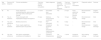
Eight patients (38.1%) suffered coinfections: meningeal cryptococcosis (n=4), esophageal candidiasis (n=3), dysentery caused by Salmonella (n=1), and diarrhea caused by Isospora belli (n=1). Eight patients (38.1%) required intensive care, six of whom (28.6%) died from the following causes: septic shock (n=3), respiratory distress (n=2) and spontaneous bowel perforation (n=1). Two of the patients that died had the concomitant diagnosis of meningeal cryptococcosis. It is important to highlight that five patients (23.8%) had a late diagnosis (Table 2), defined as a delay in complementary examination or empirical treatment due to the overlapping with other presumptive diagnoses.
Clinical data of the five patients who had a delayed diagnosis.
| Age (years) | Previous HIV diagnosis | Clinical manifestation | Time from symptom onset to consultation | Interim diagnosis | Hospital discharge previous to DH diagnosis | Time from consultation to diagnosis | Reason for new consultation | Diagnostic method | Outcome |
|---|---|---|---|---|---|---|---|---|---|
| 45 | No | Fever, weight loss, lymphadenopathies, splenomegaly and cough without radiological findings | >1 month | HIV-related fever (discarded) | Yes | 21 days | Fever, abdominal pain and diarrhea | Bronchoalveolar lavage | Hospital discharge |
| 30 | Yes, no treatment | Fever, pharyngitis with hepatosplenomegaly.Pancytopenia | 21 days | Infectious mononucleosis (confirmed) | Yes | 14 days | Rectal bleeding | Bronchoalveolar lavage | Died |
| 57 | Yes, poor adherence | Bilateral pneumonia | 14 days | PCP (discarded) | No | 5 days | – | Bronchoalveolar lavage | Died |
| 33 | Yes, no treatment | Fever, cough, weight loss, abdominal pain and jaundice | 14 days | Choledocal syndrome; PCP (discarded); cryptococcemia (confirmed) | No | 10 days | – | Bronchoalveolar lavage | Hospital discharge |
| 29 | Yes, poor adherence | Skin lesions, esophageal candidiasis and bicytopenia | 7–14 days | Cutaneous histoplasmosis | Yes (pending results) | 1 month | Symptoms persistence | Skin scraping cytology | Hospital discharge |
DH: disseminated histoplasmosis.
Disseminated histoplasmosis is a frequent opportunistic infection among people living with HIV in LAC countries. However, due to the underdiagnosis, low registry and lack of national electronic records, series are relatively small. Age, male predominance and low CD4+ count in our study coincided with those of previous series.5 Fever, mucocutaneous manifestations, liver and spleen enlargement and blood cytopenia, as well as coinfections, were frequent, as previously described.5,7–9,12,29 Patients were moderately to severely ill, thus there was a high rate of Intensive Care Unit stay and mortality. The severity of the included cases explains the predominant use of amphotericin B in the induction phase.22,24 When the clinical picture was remarkable there were early suspicion and rapid diagnosis, but disseminated histoplasmosis was not suspected in five cases, two of which had an ominous evolution. In one case the prolonged fever was attributed to the HIV infection itself, as disseminated histoplasmosis had not been yet diagnosed. This reinforces the fact that the diagnosis of fever due to HIV infection must only be reached after excluding other causative agents, as stated previously.19 Literature on fever of unknown origin in people living with HIV is heterogeneous, and LAC countries are underrepresented.1,14–16,19,20,23,28,30,31 In some Latin American countries disseminated histoplasmosis may be one of the primary etiologies of fever in people living with the HIV,35 although more studies are needed.
In two of the cases the first suspected diagnosis was Pneumocystis jirovecii pneumonia. Since direct visualization of the microorganism in the bronchoalveolar lavage sample depends on the pathologist's experience,32 and there is limited availability of molecular methods, the empirical treatment of P. jirovecii seems reasonable, but differential diagnosis of other etiologies is essential, either as a single diagnosis or in association.
In one patient the diagnosis of disseminated histoplasmosis was considered unlikely in the absence of pulmonary or skin manifestations, and systemic manifestations were attributed to infectious mononucleosis even when, in the literature, up to 50% of disseminated histoplasmosis cases do not evidence pulmonary involvement.6 In our series, whenever scraping a mucocutaneous lesion was possible, the diagnosis was easily reached, and invasive procedures were avoided whenever possible, a medical decision previously described.5 Indeed, one study from Argentina highlighted the difficulties of diagnosing disseminated histoplasmosis in the absence of mucocutaneous lesions and without access to urine antigen testing. In that study those patients had delayed diagnoses and higher mortality.21 Recently, urine histoplasmosis antigen test, which increases the diagnostic yield by 50% and could have avoided the observed delayed diagnoses, has become available in our setting.11,13,18,24,34
In this series, both the importance of early diagnosis and the availability of easy-to-use commercial diagnostic methodologies stand out, the latter requiring proper funding and research.
FundingThis research received no funding.
Conflicts of interestThe authors declare no conflicts of interest.