


metricas

Revista Colombiana de Psiquiatría

Sugerencias
Revista Colombiana de Psiquiatría Barriers to Access to Mental Health Services in Pregnant Women With Mental Patho...
Información de la revista
Vol. 54. Núm. 3.
Páginas 365-532 (Julio - Septiembre 2025)
Cita
Cita
Compartir
Descargar PDF
Más opciones de artículo
Visitas
1139
Vol. 54. Núm. 3.
Páginas 365-532 (Julio - Septiembre 2025)
Original Article
Acceso a texto completo

Barriers to Access to Mental Health Services in Pregnant Women With Mental Pathology Residing in Colombia

Barreras de acceso a servicios de salud mental en gestantes con patología mental residentes en Colombia
Visitas
1139
Santiago Mora Martínez
Autor para correspondencia
smora553910@cue.edu.co

Corresponding author.
, Jorge Eliécer Gaitán Sánchez, Nathaly Berrío García, Mauricio Mora Ladino, Marta Cecilia Ceballos Giraldo, Daniela Katherin Rodríguez Chacón, Eilyn Dahiana Herrera Franco, Juan Sebastian Restrepo Marroquín, Sergio Daniel Hurtado Rivera, Susana Cadena Correa, Mariana García Peláez, Lizeth Páez Hernández, Valentina Villanueva Escobar, María José Álvarez Arbeláez, John Alexander Arango Enrriquez, Laura Alejandra González Montoya, Luis David Saldarriaga Agamez, Valentina Galeano Medina
Corporación Universitaria Empresarial Alexander von Humboldt, Colombia
Este artículo ha recibido
Información del artículo
Resumen
Texto completo
Bibliografía
Descargar PDF
Estadísticas
Tablas (4)
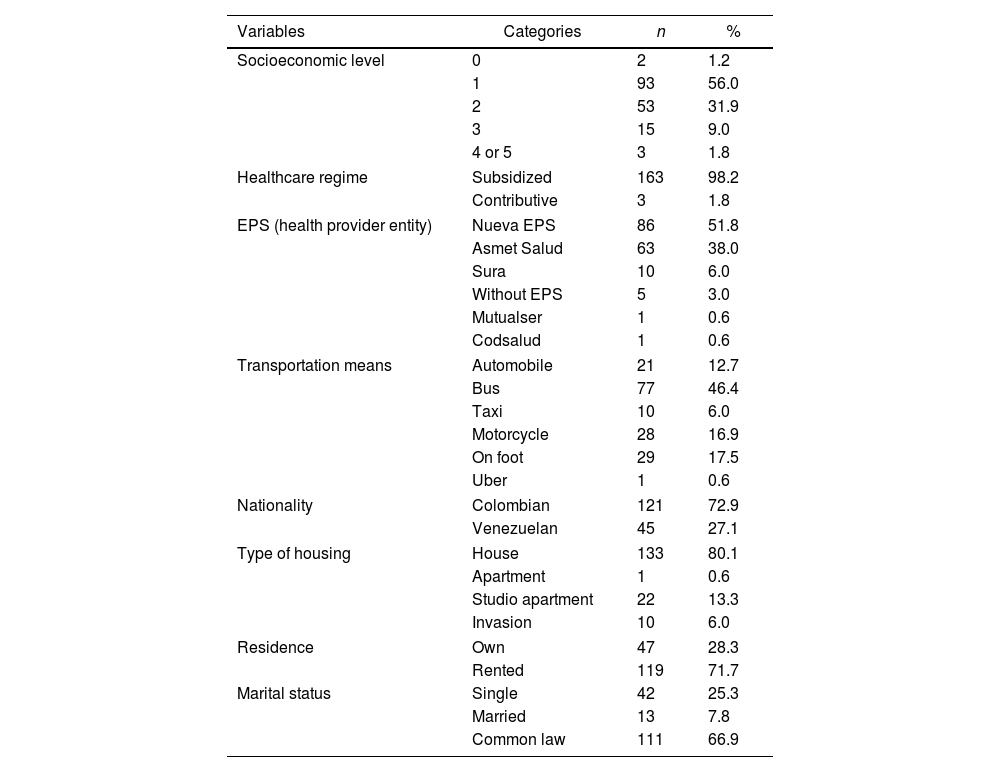
Table 1. Sociodemographic characterization of the pregnant women.
Tablas
Table 2. Incidence proportions for anxiety and gestational depression.
Tablas
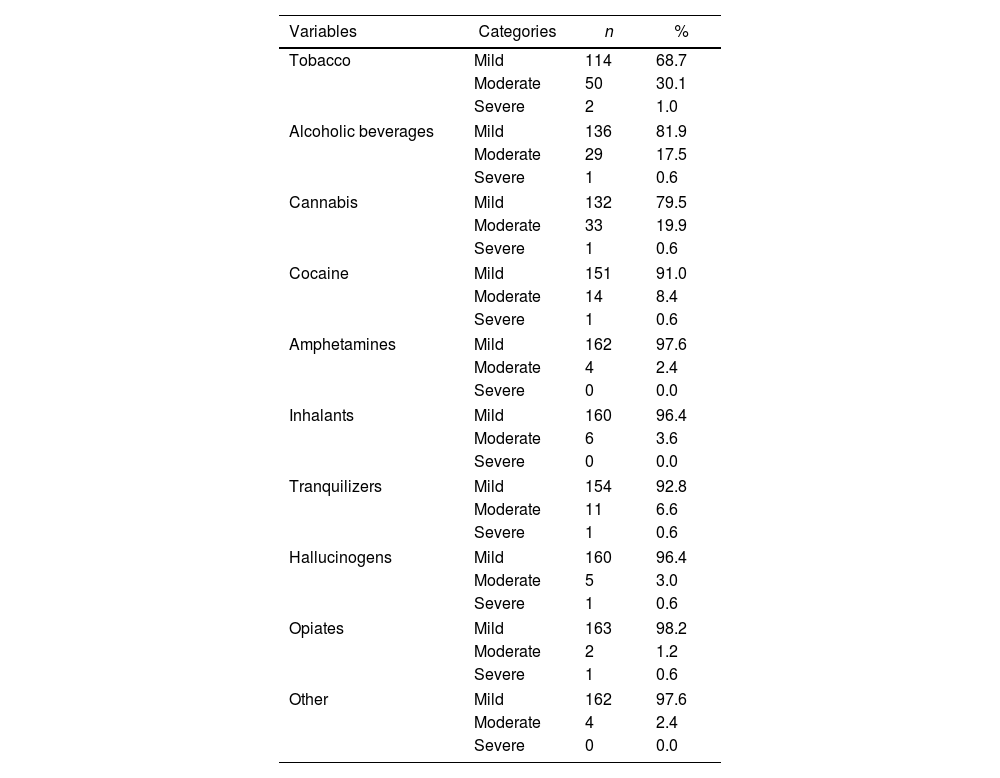
Table 3. Percentage distribution of consumption of psychoactive substances.
Tablas
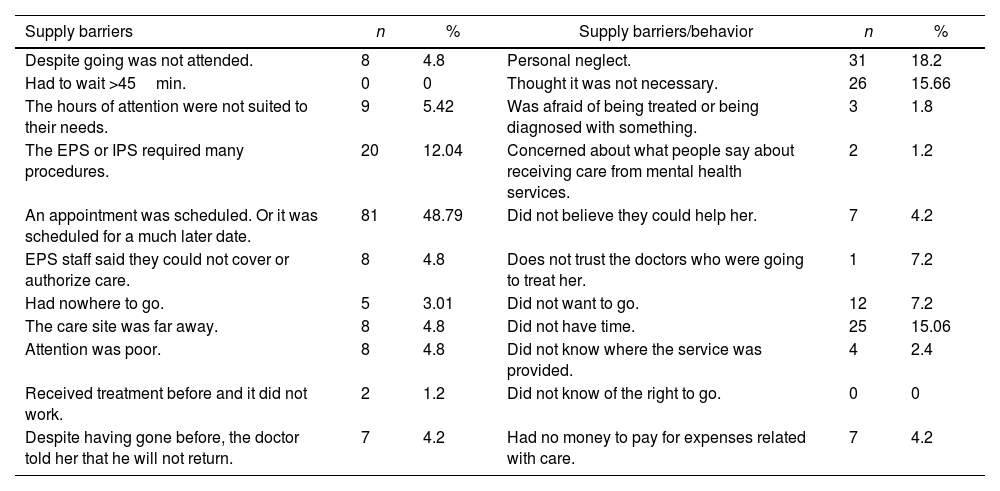
Table 4. Percentage distribution of barriers experienced during care.
Tablas
Abstract
Introduction

Pregnancy is associated with multiple physiological changes. Anxiety, depression, suicide, and consumption of psychoactive substances during gestation have been phenomena rarely studied by Colombian academia. These disorders are among the principal causes of maternal morbidity–mortality; however, the presence of barriers to care constitutes a public health problem that must be studied.

Method

A prospective longitudinal observational descriptive study was conducted, during one year, with 166 pregnant women. The prevalence of these diseases was evaluated and the most significant supply and demand barriers were identified, for which a battery of mental health measurement instruments was applied to identify the risk of consuming psychoactive substances, depression, and anxiety.

Results

The most-frequent mental pathology was gestational depression, occurring in 57.22% of the sample; the second most-frequent pathology was gestational anxiety, diagnosed in 46.98% of the patients. The disorder due to consumption of most-frequent substances was smoking; followed by cannabis and alcohol. Access barriers, both in supply and demand, were present in most of the population; 53.01% of the pregnant women were not evaluated by psychology. The principal supply barrier was not assigning appointments or, failing that, these were assigned for a very distant date.

Conclusions

A clear relationship exists among depression and anxiety, number of children and age, and supply barriers and access to specialized mental health care. Our findings suggest a high frequency of access barriers in the gestating population with mental pathology.

Keywords:
Pregnancy
Mental health
Psychotropic
Depressive disorder
Anxiety disorders
Resumen
Introducción

El embarazo se asocia con cambios fisiológicos. La ansiedad, la depresión, el suicidio y el consumo de sustancias psicoactivas durante la gestación han sido fenómenos escasamente estudiados en Colombia. Estos trastornos son una de las principales causas de morbimortalidad materna; sin embargo, la presencia de barreras para la atención, constituyen una problemática de salud pública que debe ser estudiada.

Método

Se ejecutó un estudio descriptivo observacional longitudinal prospectivo, durante un año, con 166 gestantes. Se evaluó la prevalencia de estas enfermedades, y se identificaron las barreras de oferta y demanda más significativas, para ello se aplicó una batería de instrumentos de medición de salud mental para identificar el riesgo de consumo de sustancias psicoactivas, depresión y ansiedad.

Resultados

La depresión gestacional ocurrió en el 57,22% de la muestra; la ansiedad gestacional se presentó en el 46,98% de las pacientes. El trastorno por consumo de sustancias más frecuentes fue el tabaquismo; seguido del cannabis y el alcohol. Se presentaron barreras de acceso en la mayoría de la población. El 53,01% de las gestantes no fueron valoradas por psicología. La principal barrera de oferta fue el no agendamiento de citas.

Conclusiones

Existe una relación entre depresión y ansiedad, número de hijos y edad, y barreras de oferta y acceso a atención especializada en salud mental. Nuestros hallazgos sugieren una alta frecuencia de barreras de acceso en la población gestante con enfermedad mental.


Palabras clave:
Embarazo
Salud mental
Psicotrópicos
Trastorno depresivo
Trastornos de ansiedad
Texto completo
Introduction

Pregnancy is associated with physiological and psychological changes.1 In Colombia, anxiety occurs in 24.8–61.4% of pregnant women; while depression affect 24.6–40.07% of this population.2,3 Gestation has been described as a risk factor for depression, consumption of psychoactive substances, anxiety, and suicide.1 Although these disorders are among the principal causes of maternal morbidity–mortality in Colombia, their precise prevalence and incidence is unknown. To date, gestational psychiatric conditions have been an anecdotal topic in national academia. The National Study on Psychoactive Substance Consumption reported a rise in the global use of illegal substances in the general population, going from 8.8% to 12.2%. A 3.2% increase was also reported in cocaine consumption. Marihuana is the psychoactive substance most consumed in the country, with Antioquia and the Coffee Region being the most-affected areas.4

Mental disease during the peri-gestational period is associated with complications, like preeclampsia, infections, miscarriage, placental abruption, preterm labor, neurodevelopmental malformations and alterations.5 Multiple tools have been proposed for the timely diagnosis of these disorders. The Edinburgh Post-natal Depression Scale (EPDS),6 Beck's Anxiety Inventory,7 and the Alcohol, Smoking and Substance Involvement Screening Test (ASSIST) are the most-representative examples.8 Despite international indications, these instruments are not applied during usual prenatal control, thus, mental pathologies are underdiagnosed during pregnancy.1 Although the national healthcare model establishes a focus based on universality, solidarity, and equity, timely approach to mental disease is limited. Supply and demand barriers have been described that configure a complex situation for national public health.9,10 This study was conducted to estimate the incidence of these conditions in a population screened in a primary care center monitored during six months to identify the most-frequent supply and demand barriers in the gestating population.

Materials and methods

An observational study with a prospective longitudinal descriptive design was conducted in 2022. The research was endorsed by the bioethics and research committee of the Alexander von Humboldt University and the research committee of the primary healthcare institution after confirming compliance with all the guidelines of the Helsinki Declaration. The screened population was obtained from a primary care center located in the southern part of the city of Armenia, Quindío (Colombia). The research subjects were pregnant women who attended prenatal check-ups during the first six months of the year. In this study, confirmed pregnancy was defined as one that was verified by transvaginal or transabdominal obstetric ultrasound accompanied by a positive quantitative or qualitative serum hCG test. The population that met the inclusion criteria described below was followed by the research team for six months. Closed telephone interviews were conducted over six months to identify supply and demand access barriers. The access barriers were defined and classified based on studies conducted by Hernández et al., Bran piedraita et al. and Kissoon et al.9–11

The population was selected through non-probabilistic sampling of consecutive cases. Inclusion criteria for follow-up and analysis were: 1. Moderate to high risk of PAS consumption (moderate for alcohol: 11–26; moderate risk for other substances: 14–26; high risk of consumption: >27); 2. Risk of depression, according to the Edinburgh scale (>10); and risk of anxiety (Beck's Inventory >16 for pregnant women, according to figures validated by a study carried out in Medellín). Given the lack of specific cut-off points for pregnant women; anxiety was sub-classified according with the values used in the general population (mild: 0–16; moderate: 22–35; severe: ≥36); 3. Having received at least three follow-up sessions by the research team; 4. Not having died, aborted, or abandoned the city during the course of the study; 5. The study did not consider participants under the age of consent, women previously diagnosed with any mental disorder as indicated in the DSM-V, or pregnant women under psychiatric treatment, guided by a professional, at the time of the initial assessment. Also, the study excluded patients previously diagnosed with any disorder associated with consumption of psychoactive substances.

Recruitment was carried out from Monday to Friday during six months. Prior to selecting the population, four general medicine physicians, unrelated to the research, performed routine prenatal check-ups. After the usual care, research aides assigned, supervised by three main researchers, invited the pregnant women to participate in the study. Previously trained support staff obtained the informed consent and collected the sociodemographic variables of interest (Table 1). Beck's Anxiety Inventory, the ASSIST scale and the Edinburgh Postpartum Depression Scale were applied. In case of being screened as positive, the research leader, the head nurse of the care facility and the treating physician were notified. The sample with moderate to high risk of PAS consumption (ASSIST >11 for alcohol; >14 for other substances), risk of depression (Edinburgh scale >10) or risk of anxiety (Beck's Inventory >16) was referred to psychiatry and psychology. The sample of interest was given a physical copy of the informed consent, explaining their rights and duties, and specifying the contact information in case they wished to withdraw from the study. Thereafter, the consents were transferred to be digitized and kept by the team leader in an institutional bank.

Table 1.

Sociodemographic characterization of the pregnant women.

Variables  Categories  n 
Socioeconomic level1.2 
93  56.0 
53  31.9 
15  9.0 
4 or 5  1.8 
Healthcare regimeSubsidized  163  98.2 
Contributive  1.8 
EPS (health provider entity)Nueva EPS  86  51.8 
Asmet Salud  63  38.0 
Sura  10  6.0 
Without EPS  3.0 
Mutualser  0.6 
Codsalud  0.6 
Transportation meansAutomobile  21  12.7 
Bus  77  46.4 
Taxi  10  6.0 
Motorcycle  28  16.9 
On foot  29  17.5 
Uber  0.6 
NationalityColombian  121  72.9 
Venezuelan  45  27.1 
Type of housingHouse  133  80.1 
Apartment  0.6 
Studio apartment  22  13.3 
Invasion  10  6.0 
ResidenceOwn  47  28.3 
Rented  119  71.7 
Marital statusSingle  42  25.3 
Married  13  7.8 
Common law  111  66.9 

Descriptive analyses were performed with frequencies and percentages for qualitative variables. For quantitative variables, normality tests were performed with the Shapiro–Wilk statistic, and correlations between the different variables of interest were analyzed using the Spearman's Rho method. The statistical analysis was conducted with the Statistical Package for the Social Sciences (SPSS) program, version 28 CUE License and R-Studio.

Results

The study screened 226 patients; however, it excluded 60 pregnant women. Motives for exclusion were: 1. Inability to maintain contact, 2. Insufficient number of follow-ups, 3. Abortion or delivery prior to three follow-ups, and 4. Change of city. In all, 166 pregnant women complied with the criteria designated to be analyzed. Mean age was 26 years, ranging from 18 to 46 years of age (95% CI 25.14–27.01; SD 6.10). The patients had an average of four follow-ups (95% CI 4.48–4.88; SD 1.32). Most of the population experienced barriers against access to specialized mental health care; 138 females were not assessed by psychiatry during follow-up (95% CI 0.78–0.88; SE 0.02), 24 patients were seen only once (95% CI 0.10–017; SE 0.02) and only four pregnant women had adequate clinical follow-up (95% CI 0.01–0.03; SE 0.01); 93 patients experienced supply barriers (95% CI 0.49–0.63; SD 0.03) and 60 experienced demand barriers (95% CI 0.30–0.41; SE 0.01) (Table 2).

Table 2.

Incidence proportions for anxiety and gestational depression.

Pathology  n  Proportion  95% CI 
Beck >16 (gestational anxiety)  78  46.98  0.470  0.39–0.53 
Mild anxiety  118  70.48  0.711  0.66–0.76 
Moderate anxiety  40  24.09  0.241  0.18–0.30 
Severe anxiety  4.8  0.048  0.011–0.069 
Gestational depression  95  57.22  0.572  0.50–0.64 

Note: Mild anxiety is considered as the manifestation of isolated symptoms with this disorder without significant clinical connotation.

The most-frequent mental pathology was gestational depression, which occurred in 57.22% of the sample studied (95% CI 0.50–0.64; SD 0.04); followed by gestational anxiety, defined in Hispanic population as a score >16 in Beck's Inventory, which was diagnosed in 46.98% of the patients (95% CI 0.39–0.53; SD 0.03). Considering the classic classification of Beck's Inventory for anxiety, 24.09% of the mothers were classified with moderate condition (95% CI 0.18–0.30; SD 0.03), and severe in 4.8% (95% CI 0.011–0.069; SD 0.01) (Table 2). Psychoactive substance consumption was evaluated through the ASSIST scale, classifying its use as mild or not employed, moderate and severe. Smoking, cannabis, and alcohol were the substances consumed most (Table 3).

Table 3.

Percentage distribution of consumption of psychoactive substances.

Variables  Categories  n 
TobaccoMild  114  68.7 
Moderate  50  30.1 
Severe  1.0 
Alcoholic beveragesMild  136  81.9 
Moderate  29  17.5 
Severe  0.6 
CannabisMild  132  79.5 
Moderate  33  19.9 
Severe  0.6 
CocaineMild  151  91.0 
Moderate  14  8.4 
Severe  0.6 
AmphetaminesMild  162  97.6 
Moderate  2.4 
Severe  0.0 
InhalantsMild  160  96.4 
Moderate  3.6 
Severe  0.0 
TranquilizersMild  154  92.8 
Moderate  11  6.6 
Severe  0.6 
HallucinogensMild  160  96.4 
Moderate  3.0 
Severe  0.6 
OpiatesMild  163  98.2 
Moderate  1.2 
Severe  0.6 
OtherMild  162  97.6 
Moderate  2.4 
Severe  0.0 

Note: Mild consumption is defined as use that is not clinically relevant or the absence of consumption.

Access barriers, of supply and demand, occurred in most of the population. It was corroborated that, although the 166 patients had indications to be evaluated by psychology and psychiatry, 138 patients were not seen by the doctor specialized in mental health during the course of the follow-up (95% CI: 0.78–0.88; SD 0.02); 24 patients were seen once (95% CI: 0.10–0.17; SD 0.02) and only four patients had clinical follow-up (95% CI: 0.01–0.03; SD: 0.01). Assessments by psychology, although more frequent, experienced marked deficiencies; 53.01% of the pregnant women were not assessed by psychology (95% CI: 0.50–0.56; SD 0.03); 23.49% had one visit (95% CI: 0.20–0.26; SD 0.03); 12.65% had two evaluations (95% CI: 0.05–0.17; SD 0.07); 7.23% had three (95% CI:0.06–0.08; SD 0.01); 3.01% had four evaluations (95% CI: 0.02–0.04; SD: 0.01); and 0.6%, equivalent to one patient, had follow-up during five control sessions (95% CI: 0.001–0.011; SD 0.005). Supply barriers were reported by 93 patients (95% CI 0.49–0.63; SD 0.03) and demand barriers by 60 (95% CI 0.30–0.41; SD 0.01). The principal supply barrier was that the patient had not been scheduled an appointment, or had been scheduled for a much later date; this barrier occurred in 48.79% of the pregnant women (95% CI: 0.41–0.55; SD: 0.03) (Table 4).

Table 4.

Percentage distribution of barriers experienced during care.

Supply barriers  n  Supply barriers/behavior  n 
Despite going was not attended.  4.8  Personal neglect.  31  18.2 
Had to wait >45min.  Thought it was not necessary.  26  15.66 
The hours of attention were not suited to their needs.  5.42  Was afraid of being treated or being diagnosed with something.  1.8 
The EPS or IPS required many procedures.  20  12.04  Concerned about what people say about receiving care from mental health services.  1.2 
An appointment was scheduled. Or it was scheduled for a much later date.  81  48.79  Did not believe they could help her.  4.2 
EPS staff said they could not cover or authorize care.  4.8  Does not trust the doctors who were going to treat her.  7.2 
Had nowhere to go.  3.01  Did not want to go.  12  7.2 
The care site was far away.  4.8  Did not have time.  25  15.06 
Attention was poor.  4.8  Did not know where the service was provided.  2.4 
Received treatment before and it did not work.  1.2  Did not know of the right to go. 
Despite having gone before, the doctor told her that he will not return.  4.2  Had no money to pay for expenses related with care.  4.2 

Analyses with Spearman correlations found significant relationships among the age of pregnant women and number of children (r=0.608, p<0.01), depression and anxiety (r=0.475, p<0.01), number of psychology and psychiatry consultations (r=0.472, p<0.01), and between supply barriers and psychiatry consultations (r=0.173, p<0.05).

Likewise, association analyses were conducted among the different mental-health outcomes (depression, anxiety, and PAS consumption) with the sociodemographic variables, but no associated factors were found (p>0.05); this may be due to the small sample size. Associations were analyzed between the supply and demand barriers with the mental-health outcomes, but associated factors were also not found (p>0.05).

Discussion

The incidence of gestational depression reported herein coincides with the evidence provided by national studies, like that by Ricardo-Ramírez et al. However, it exceeds that reported by Osma-Zambrano et al., in 2019, despite the fact that age and baseline characteristics of both populations were similar (24.8 years vs. 26 years).2,3 The incidence of depression reported by our group exceeds the figures from 7.4% to 12.8% reported in systematic reviews.12 A study in Bucaramanga (Colombia) reports a prevalence of 25.8% for gestational anxiety, while in our population it was present in 46.98%. Nevertheless, care should be taken when interpreting these data, given that most of the population assessed belonged to economically vulnerable groups; due to the lack of heterogeneity in socioeconomic level, it is not possible to establish a significant association between economic factors and perinatal pathology.3 Notwithstanding, global literature has reported a bidirectional causal relationship between poverty and mental pathology.13–15 The incidence of gestational depression found in our population exceeds that described in Chilean studies that described 30% incidence for anxiety and gestational depression.16

Unlike other authors, we found no association between depression and psychoactive substance consumption. We also did not evidence that number of children was a protective factor for the mental pathologies studied. This may be due to the small sample size that does not permit establishing clear associations. As in multiple national and international studies, our study found a clear relationship between anxiety and depression, this is supported by a metanalysis and systematic review elaborated by Nisar et al.,17 and studies conducted by Tang et al.18 and Mikšić et al.1 In industrialized countries, the prevalence of anxiety and depression is 15.6% during the prenatal period and 19.8% during the postnatal period.19 A study held in Peru validated the Edinburgh scale and Beck's Inventory in Hispanic population, finding slightly lower figures.20

This study found a statistically significant association between the age of the pregnant women and number of children, which permits evaluating important sociodemographic data for the national population. Our work is the first Colombian study that evaluates the frequency of supply and demand barriers in pregnant women with risk of anxiety, depression, or disorder due to substance consumption. High frequency of access barriers was found; 93 patients experienced supply barriers and 60 reported demand barriers, which represent a serious finding; 138 patients were not evaluated by psychiatry and/or psychology despite having a medical indication. Findings such as these are contrary to the comprehensive health care model and policies, which indicate the priority pregnant women have.21 Given that the majority of the population studied in our work is registered with the Nueva EPS, Sura, and Asmet Salud, we cannot establish associations or correlations between supply and demand barriers with a given entity; the authors consider that this behavior could be shared among the multiple health provider entities in the region.

Our findings support that access barriers are directly correlated with inequities in the care provided to users; as posed by Hernández et al., the national insurance model, despite establishing an approach based on universality, solidarity, and equity, real access does not agree with the potential.9 It is likely that coping strategies could help to minimize complications during the gestational period in relation with the attenuation of symptoms of anxiety and depression18; however, in the population for this study, during surveillance, access barriers were found, so they did not receive interventions or coping strategies. Our study evidences marked shortcomings in the national insurance system. The work presented demonstrates that the real access to specialized mental health services is not adequate. The long-term effects that this problem can bring onto the economy and national health must be studied.

Conclusions

The pregnant women studied in Armenia, Quindío, have a high risk of depression, anxiety, and psychoactive substance consumption. The group studied experienced a clear relationship among depression and anxiety, number of children and age, and supply barriers and access to specialized mental health care. Our findings evidence the high frequency of access barriers in a vulnerable population. Studies with greater statistical power and heterogeneity are required to know the effects of this problem, establishing correlations and clear associations between sociodemographic variables and gestational mental pathology. The authors propose optimizing compliance with policies and comprehensive care models in the country in vulnerable population with risk of depression, anxiety, and psychoactive substance consumption, besides developing strategies to decrease tobacco and cannabis consumption in pregnant women.

Funding

The development of the research received funding from the Corporación Universitaria Empresarial Alexander von Humboldt.

Conflicts of interest

The authors declare no conflicts of interest.

References
[1]
Š. Mikšić, M. Miškulin, B. Juranić, Ž. Rakošec, A. Včev, D. Degmečić.
Depression and suicidality during pregnancy.
Psychiatr Danub, 30 (2018), pp. 85-90
[2]
C. Ricardo-Ramírez, M. Álvarez-Gómez, M.V. Ocampo-Saldarriaga, A.F. Tirado-Otálvaro.
Prevalence of positive screening for depression and anxiety in high obstetric risk pregnant women in a clinic in Medellín, Colombia, between January and August 2013, and associated risk factors.
Rev Colomb Obstet Ginecol, 66 (2015), pp. 94-102
[3]
S.E. Osma-Zambrano, M.D. Lozano-Osma, M.R.R.S. Mojica-Perilla.
Prevalence of depression and anxiety, and associated variables among expectant mothers in Bucaramanga and Floridablanca (Santander, Colombia).
MedUNAB [Internet], 22 (2019), pp. 186-199
[4]
Gobierno Nacional de la República de Colombia, Ministerio de Justicia y del Derecho, Ministerio de Salud y Protección Social, Comisión Interamericana para el Control del Abuso de Drogas de la Organización de los Estados Americanos, Embajada de los Estados Unidos en Colombia.
Estudio Nacional de Consumo de Sustancias Psicoactivas en Colombia: Conclusiones.
(2013),
[5]
A.F. Dadi, E.R. Miller, L. Mwanri.
Antenatal depression and its association with adverse birth outcomes in low and middle-income countries: a systematic review and meta-analysis.
PLoS One [Internet], 15 (2020), pp. 1-23
[6]
J.L. Cox, J.M. Holden, R. Sagovsky.
Detection of postnatal depression: development of the 10-item Edinburgh Postnatal Depression scale.
Br J Psychiatry, 150 (1987), pp. 782-786
[7]
R.A. Steer, W.F. Ranieri, A.T. Beck, D.A. Clark.
Further evidence for the validity of the beck anxiety inventory with psychiatric outpatients.
J Anxiety Disord, 7 (1993), pp. 195-205
[8]
R. Ali, E. Awwad, T.F. Babor, F. Bradley, T. Butau, M. Farrell, et al.
The Alcohol, Smoking and Substance Involvement Screening Test (ASSIST): development, reliability and feasibility.
Addiction, 97 (2002), pp. 1183-1194
[9]
J.M.R. Hernández, D.P.R. Rubiano, J.C.C. Barona.
Barreras de acceso administrativo a los servicios de salud en población Colombiana, 2013.
Cienc Saude Coletiva, 20 (2015), pp. 1947-1958
[10]
L. Bran Piedrahita, A. Valencia Arias, L. Palacios Moya, S. Gómez Molina, Y. Acevedo Correa, C. Arias Arciniegas.
Barreras de acceso del sistema de salud colombiano en zonas rurales: percepciones de usuarios del régimen subsidiado.
Hacia Promoc Salud, 25 (2020), pp. 29-38
[11]
K. Kissoon, C. Larson, N. Kissoon.
Health inequities: causes and potential solutions.
Aust N Z J Public Health, 36 (2012), pp. 518-519
[12]
H.A. Bennett, A. Einarson, A. Taddio, G. Koren, T.R. Einarson.
Prevalence of depression during pregnancy: systematic review.
Obstet Gynecol, 103 (2004), pp. 698-709
[13]
V. Lindahl, J.L. Pearson, L. Colpe.
Prevalence of suicidality during pregnancy and the postpartum.
Arch Womens Ment Health, 8 (2005), pp. 77-87
[14]
M. Ridley, G. Rao, F. Schilbach, V. Patel.
Poverty, depression, and anxiety: causal evidence and mechanisms.
Science, 370 (2020),
[15]
N.A. Contreras-Carreto, P. Moreno-Sánchez, E. Márquez-Sánchez, V. Vázquez-Solares, M. Pichardo-Cuevas, M.L. Ramírez-Montiel, et al.
Perinatal mental health and recommendations for integral care in gyneco-obstetric hospitals.
Cir Cir, 90 (2022), pp. 564-572
[16]
M. Enrique Jadresic.
Perinatal depression: detection and treatment.
Rev Medica Clin Las Condes [Internet], 25 (2014), pp. 1019-1028
[17]
A. Nisar, J. Yin, A. Waqas, X. Bai, D. Wang, A. Rahman, et al.
Prevalence of perinatal depression and its determinants in Mainland China: a systematic review and meta-analysis.
J Affect Disord [Internet], 277 (2020), pp. 1022-1037
[18]
X. Tang, Z. Lu, D. Hu, X. Zhong.
Influencing factors for prenatal stress, anxiety and depression in early pregnancy among women in Chongqing, China.
J Affect Disord, 253 (2019), pp. 292-302
[19]
N. Atif, K. Lovell, A. Rahman.
Maternal mental health: the missing “m” in the global maternal and child health agenda.
Semin Perinatol [Internet], 39 (2015), pp. 345-352
[20]
N. Lam, H. Contreras, E. Mori, F. Cuesta, C. Gutiérrez, M. Neyra, et al.
Comparación de dos cuestionarios autoaplicables para la detección de síntomas depresivos en gestantes.
An Fac Med, 70 (2012), pp. 28
[21]
Ministerio de Salud y Protección Social.
Resolución 429 de 2016.
Minist Salud y Protección Soc [Internet], 2015 (2016), pp. 2014-2018

Scientific meetings: The work was exposed at the Departmental Meeting of Research Seedbeds (RREDSI), held at the Institución universitaria EAM in May 2022; the Regional Meeting of Research Seedbeds held at the Universidad Tecnológica de Pereira in October 2022; and in the Internal Meeting of Research Seedbeds of the Corporación Universitaria Empresarial Alexander von Humboldt in March 2023.

asdasdasd
Opciones de artículo
Herramientas