





Competitiveness and long-term sustainability are closely tied to the innovation capability of small and medium-sized enterprises (SMEs). However, a systematic understanding of the key determinants of this capability remains limited and fragmented. While prior studies have examined individual innovation factors, few have comprehensively integrated the internal and external dimensions that shape the innovation capacity of SMEs across diverse contexts. In response to recent global disruptions and rapid technological transformations, this study addresses a critical gap by conducting a systematic literature review (SLR) and bibliometric analysis of 122 high-quality empirical studies published between 2020 and 2024.
Guided by the central question—what are the most influential determinants of innovation capability in SMEs, and how do these vary over time and across regions—this review synthesizes various empirical findings. Six major determinants are identified: Knowledge and Learning Capabilities (r = 0.98), Organizational Structure and Culture (r = 0.96), Innovation Management and Strategy (r = 0.81), External Networks and Collaborations (r = 0.70), Market Orientation and Customer Insights (r = 0.47), and Technology and Digitalization (r = 0.05). Additionally, the analysis identifies cross-cutting cited factors, such as Entrepreneurial Orientation and Absorptive Capacity that emerge as enablers. SME innovation capability is thus shaped by strategic, cultural, and knowledge-based determinants, alongside these aforementioned factors.
This study adopts a hybrid method that combines a structured SLR with bibliometric coupling using VOSviewer to map thematic clusters and publication trends. The review reveals notable geographical and temporal patterns in SME innovation research, highlighting China’s consistent leadership in technology-oriented studies. Moreover, Knowledge Management, External Networks, and Digital Transformation emerge as an interconnected foundation for sustainable innovation in SMEs. Compared to earlier frameworks, this study offers a key advantage by explicitly incorporating geographical and temporal dynamics into the analysis. This contextual approach deepens our understanding of how the relevance of innovation capability determinants shifts across regions and periods, enabling more targeted and adaptive strategies. Thus, this research provides a systems-oriented foundation for future longitudinal studies that examine how interconnected determinants collectively drive sustainable innovation outcomes.
Amid accelerating technological disruption, systematic innovation has become a cornerstone of organizational resilience for firms striving to compete and grow, irrespective of their size (Agrawal et al., 2021; Khyareh & Rostami, 2021).
Although SMEs are often recognized for their entrepreneurial spirit, they frequently encounter challenges stemming from limited resources and expertise. Additionally, intense market pressures, ongoing geopolitical instability, and climate-related disruptions introduce further complexity to innovation (Sinani & Zilja, 2024). However, these limitations do not necessarily hinder innovation; rather, they serve to redefine the process. Such constraints encourage creative problem-solving, prompting SMEs to develop innovation strategies tailored to their specific contexts (Codini et al., 2023; Merín-Rodrigáñez et al., 2024; Saunila, 2020).
To overcome these barriers, SMEs require more than spontaneous creativity; they need deliberate, structured innovation strategies. As highlighted in Business Insights on Emerging Markets by OECD (2024), firms in developing economies increasingly rely on digital and sustainability-oriented innovation to compete and build long-term resilience. Echoing this shift, Carrasco–Carvajal and García-Pérez-De-Lema (2021) argued that the strategic adoption of emerging technologies has become essential, rather than optional, for SMEs aiming to grow or merely survive.
Market orientation presents a critical strategic approach, as attention to customer needs enables SMEs to develop more relevant products and services (Dogbe et al., 2020a). Simultaneously, "open innovation" has emerged as a compelling alternative to the insularity of traditional closed innovation models. Cardoso et al. (2024) reported that smaller firms access new knowledge, expand their resource base, and improve adaptability through collaboration with customers, suppliers, and research institutions. Such transitions mark a fundamental shift from siloed innovation toward a collaborative ecosystem where value is co-produced rather than confined.
Innovation does not arise in a vacuum; rather, it is shaped at the intersection of market dynamics and technological frontiers. Customer demands pull firms to evolve, while scientific breakthroughs push the boundaries of what is technologically possible, often preceding explicit market demand. These competing forces generate a complex environment for strategic decision-making, as observed in both recent studies (Bate et al., 2023) and foundational research (Freeman, 1979).
Understanding this dynamic is essential to developing innovation capability, defined in this study as a firm's capacity to leverage knowledge and ideas to improve products, processes, or systems in ways that improve competitiveness and stakeholder value (Saunila, 2017). These capabilities are typically categorized into two types: codified capabilities, such as tools, procedures, and software codes that can be readily transferred across contexts; and tacit capabilities, which are embedded in individuals and are inherently difficult to articulate or formalize.
SMEs exhibit codified capabilities through the adoption of formal systems such as ISO 9001. Psomas et al. (2010) identified core enablers, ranging from process documentation and standard operating procedures to infrastructure improvements and targeted employee training, that embedded standardized knowledge into daily operations. These mechanisms rendered innovation systematic and traceable, creating a blueprint for replication and scalability.
Conversely, tacit capabilities evolve through experimental learning and interpersonal relationships. Yani et al. (2024) illustrated how mentorship cultivated these intangible, softer dimensions by promoting strategic intuition, emotional resilience, and decision-making abilities through close interpersonal engagement. Despite their invisibility, the informal pathways remain essential for navigating uncertainty and sustaining innovation despite resource constraints.
Building on these foundational capabilities, prior research has focused on identifying the specific factors influencing innovation outcomes in SMEs. Saunila (2020) highlighted the crucial role of leadership, knowledge development, and entrepreneurial orientation. Other studies (Dogbe et al., 2020b; Pomegbe et al., 2020; Tian et al., 2020) have highlighted the significance of external networks in facilitating resource access, while employee experience and education were consistently associated with successful product innovation. Investments in advanced technologies and continuous learning boost innovativeness, while collaborations with research institutions facilitate both incremental improvements and breakthrough innovations.
Despite such insights, a comprehensive understanding of the core drivers of SME innovation remains elusive (Sá et al., 2023). Several existing studies continue to focus narrowly on isolated factors, such as organizational culture or market dynamics, without adequately considering the relationship between internal and external influences (Reischl et al., 2022). Furthermore, although innovation has been extensively examined in general contexts, few frameworks systematically classify the capabilities most critical to SMEs operating in the digitally transformed and globally diverse environment today. The lack of integrative synthesis across regions and timeframes constitutes a major research gap, warranting further investigation.
To address the research gap, this study presents a systematic review of SME innovation capabilities by analyzing 122 rigorously selected, peer-reviewed, high-quality articles published between 2020 and 2024. Although systematic reviews do not depict empirical reality, they capture the evolving consensus of the research community. Accordingly, this review identifies and categorizes key determinants of innovation capability, maps their geographic distribution and evolution over time, and analyzes their alignment with existing conceptual frameworks. This approach examines the mechanisms behind SME innovation and how these drivers vary across contextual and temporal dimensions.
The findings hold practical implications for business leaders seeking context-sensitive strategies to stimulate innovation and scholarly value by integrating fragmented knowledge research while highlighting emergent patterns. By examining innovation capability through both spatial and temporal lenses, this review lays a conceptual foundation for more adaptive and evidence-based approaches to building sustainable innovation ecosystems within SMEs globally.
Research approachThis study adopts a hybrid methodology that integrates a systematic literature review (SLR) with quantitative bibliometric analysis. In the first stage, relevant literature on SME innovation capabilities is identified. In the second stage, the selected articles are systematically analyzed to extract innovation capability factors, which were subsequently grouped into thematic dimensions. In the third stage, a bibliometric analysis is conducted to generate an objective mapping of research clusters and thematic structures. These three methodological stages are described in Sections 2.1, 2.2, and 2.3, respectively.
Selection processThis section outlines a step-by-step methodology for conducting a literature review on innovation capabilities within SMEs. The method proposed by Saunila (2020) was adopted for this review owing to its clarity and reproducibility in guiding article selection.
Literature search was conducted using the Scopus database to identify relevant studies. Although other databases such as Google Scholar and Web of Science cover a wider range of sources, including working papers, conference proceedings, and student theses, Scopus was selected owing to its emphasis on high-quality, peer-reviewed journal articles. Additionally, only English-language, peer-reviewed articles containing empirical data or evidence were included, based on the rationale that such sources provide the most rigorous and relevant evidence for the topic. The search employed specific title-based keywords including "innovation capabilit*", "innovation potenti*", "innovation abili*", and "innovation capacit*" in the titles, along with "sme", "small busines*", "small compan*", "small enterp*", "small fir*", or "small and mediu*" in titles, abstracts, and keywords. The search was limited to publications from January 2020 to April 2024, yielding an initial sample of 1127 articles. The full search string implemented in Scopus is as follows:
(TITLE ("innovat* capabilit*" OR "innovat* potential*" OR "innovat* abilit*" OR "innovat* capacit*" OR "innovat* performance*" OR "innovat* manag*" OR "technolog* adoption*" OR "business innovation*") AND (TITLE-ABS-KEY ("sme*" OR "small business*" OR "small compan*" OR "small enterprise*" OR "small firm*" OR "small and medium-sized enterprise*" OR "micro enterprise*" OR "medium-sized business*")))
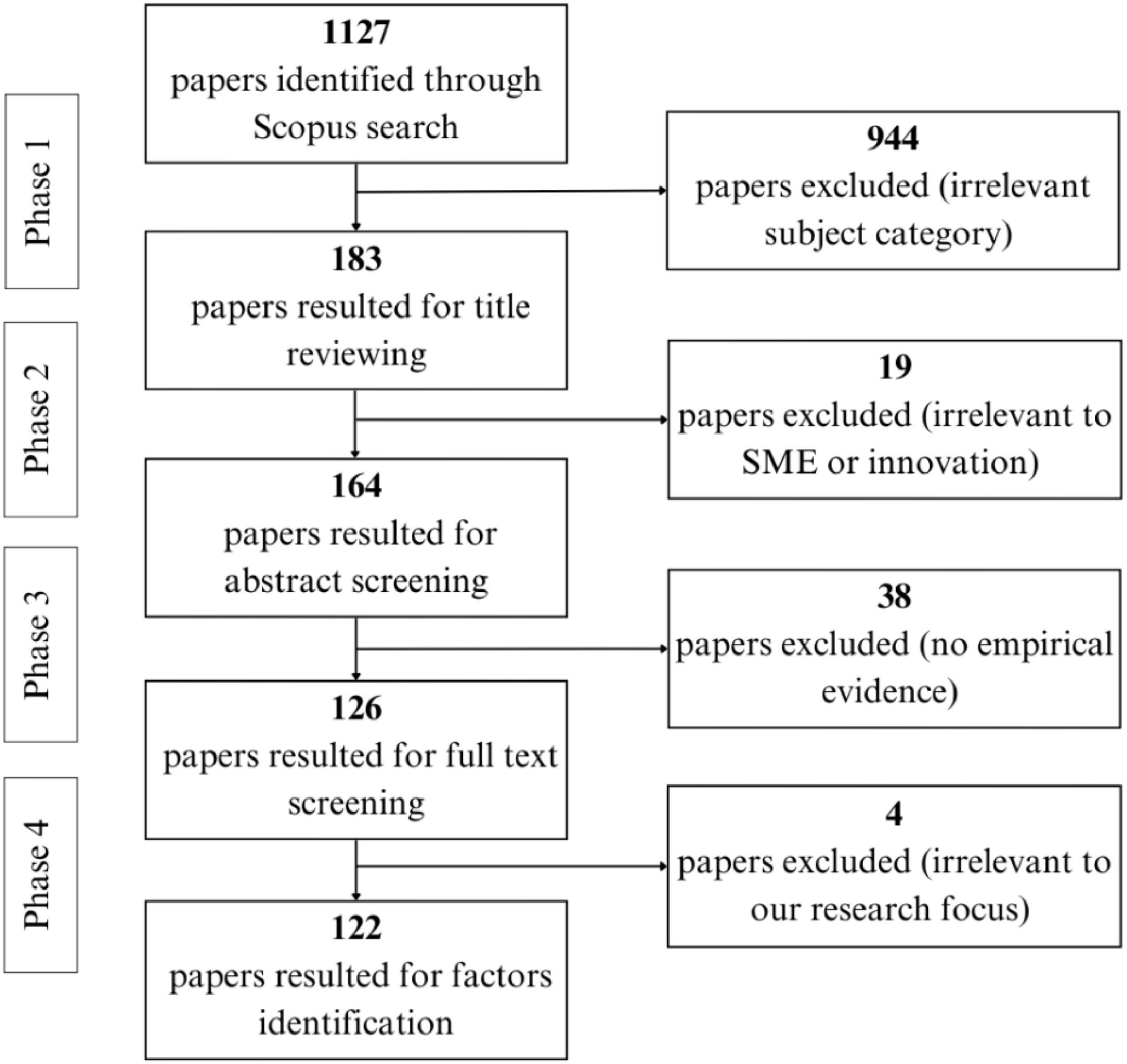
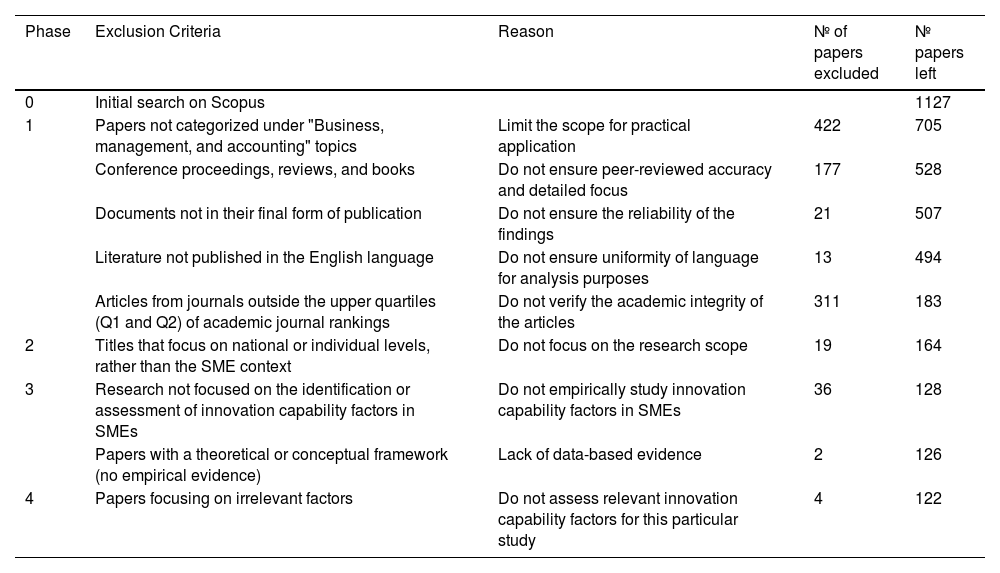
The procedure for selecting relevant studies followed a multi-stage process, where articles were systematically included or excluded based on specific, predefined criteria (Fig. 1).

PRISMA-style flowchart of the literature selection procedure (adapted from Bakker, 2010, and Saunila, 2020).
In the first stage, the scope was restricted to articles published in Q1 and Q2 journals within the "Business, Management, and Accounting" domain. This strategic criterion ensured the inclusion of high-quality, peer-reviewed literature. Subsequently, the initial filtering yielded a subset of 183 articles.
In the second stage, article titles were reviewed to exclude papers that did not meet the inclusion parameters, refining the pool to 164 articles. The third stage involved a detailed analysis of abstracts. This stage served two primary purposes: to confirm the presence of empirical evidence and to ensure an explicit focus on innovation capability factors within the SME context. Following this step, 126 articles remained.
The final stage of the selection process involved a full-text review of the studies identified as eligible for in-depth screening. Each article was assessed to confirm its direct relevance to the investigation of innovation capability factors in SMEs. This rigorous filtering process yielded a final set of 122 articles. These selected articles formed the foundation for the subsequent analysis and synthesis of literature on SME innovation capabilities.
Further details of the selection process are presented in Table 1.
Exclusion criteria.
To structure a categorization framework, the approaches proposed by Saunila (2020) and Mendoza–Silva (2020) were adopted to develop a comprehensive classification of SME innovation capability determinants. While the framework by Saunila offered insights into firm-level capabilities, Mendoza–Silva introduced a protocol-based categorization system for distinguishing between internal drivers (e.g., leadership, organizational culture) and external enablers (e.g., policy environment, market access). Building upon this foundation, this study refined the framework proposed by Mendoza–Silva through contextual analysis incorporation and potential interpretational bias mitigation in data classification.
Specifically, this study expanded the framework for reviewing and analyzing innovation capability factors by adopting the literature review methodology proposed by Mendoza–Silva (2020). In the original study, each factor that contributed to innovation was detailed based on its description in the source documents, along with its definition and specificity. This protocol was mirrored in this review to minimize the risk of interpretive bias. According to Mendoza–Silva (2020), their protocol-based approach applied contextual analysis to increase the accuracy of data categorization. This procedure enabled both the clustering of factors into coherent groups and the allocation of shared characteristics across categories, thereby creating a comprehensive profile of their influence on SME innovation capability.
Accordingly, frequency-based categorization was performed, followed by the identification of additional, less frequently mentioned factors. To systematically organize the 233 identified factors into six dimensions, the process commenced by sorting the factors according to their frequency of occurrence in the reviewed literature. The most frequently cited and conceptually distinct factors were selected as the foundational dimensions. Once these six overarching groups (hereafter referred to as “determinants”) were established, the remaining factors were allocated to the most relevant category. This assignment was based on analyzing the definitions provided in the source articles (original) and evaluating their conceptual alignment with the dominant factors.
Given that some factors could plausibly fit into multiple categories, a rigorous cross-checking and comparison process was conducted to ensure consistency and minimize subjectivity. After finalizing the groupings, the determinants were re-examined to determine the most appropriate label for each dimension. The naming process was guided by extracting the most frequently occurring keywords from the original definitions to ensure that the final labels accurately reflected the thematic essence of each group. This methodological approach enabled the construction of a transparent and analytically meaningful categorization framework for studying the determinants of SME innovation capability.
Bibliometric analysisSLR was complemented by a bibliometric analysis. Bibliometric methods have gained increasing popularity in management research, as evidenced by recent studies (Akbari et al., 2021; Malacina & Teplov, 2022; Tandon et al., 2021). The bibliographic data of the 122 articles identified in Section 2.1 were analyzed using the Visualization of Similarities (VOS) technique (Van Eck & Waltman, 2014). VOS was selected due to its capacity to process large datasets and reveal the structural properties of research domains.
To measure relatedness between the analyzed papers, bibliographic coupling was employed. This method assessed the degree of similarity between two papers based on the overlap in their reference list. Boyack and Klavans (2010) argued that bibliographic coupling was more suitable than co-citation analysis for mapping recent literature because newer publications typically lack sufficient citation count. Thus, bibliographic coupling uncovered the intellectual foundations shared across studies.
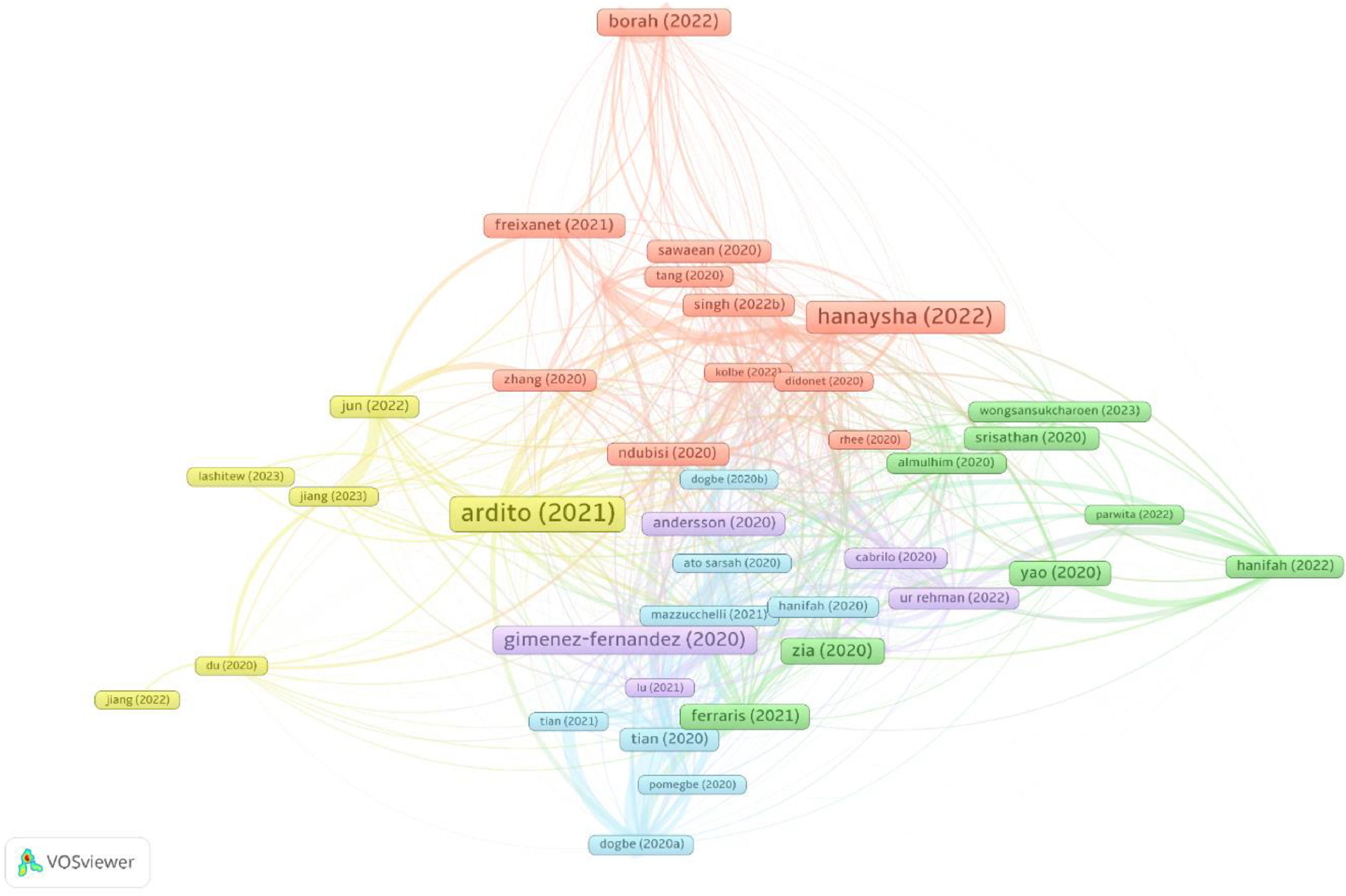
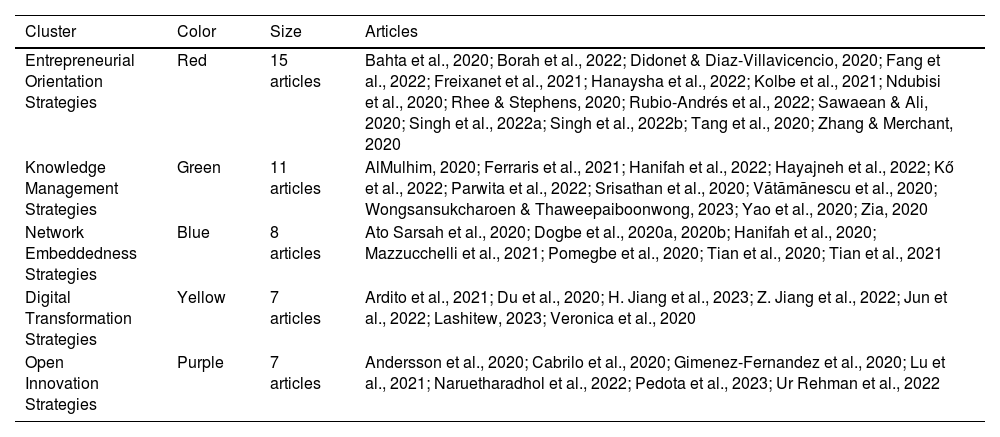
Individual articles were selected as the unit of analysis to maintain focus on discrete research contributions. Fractional counting was applied as the weighting method (Perianes-Rodriguez et al., 2016) to prevent overrepresenting highly collaborative publications. A citation threshold of 20 per document was maintained to isolate influential contributions, resulting in a refined subset of 48 articles for final synthesis. Based on the strengths of bibliographic coupling, the VOSviewer algorithm (version 1.6.20) identified five distinct clusters within the literature.
Fig. 2 presents the resulting research domain visualization generated from VOS mapping. Each node represented a single publication, with node size indicating citation frequency. Connections between nodes represented bibliographic coupling, while link thickness reflected the strength of the relationship.

Articles from each cluster are presented in Table 2. Cluster names were assigned based on the overlapping themes shared by most articles within each cluster.
Innovation capability research clusters according to VOS analysis.
The systematic review revealed a distinct pattern in the distribution of research on innovation capabilities in SMEs. The highest number of publications occurred in 2020, followed by a decline in 2021, a modest rebound in 2022 and 2023, and another decrease in 2024 (Table 3).
Publication trends and leading countries in SME innovation research (2020–2024).
As shown in Table 3, China consistently emerged as a leading contributor to research on SME innovation, particularly in 2020 and 2021. In subsequent years, European countries, including Italy, France, and Portugal, demonstrated increasing engagement, indicating sustained regional interest in the topic.
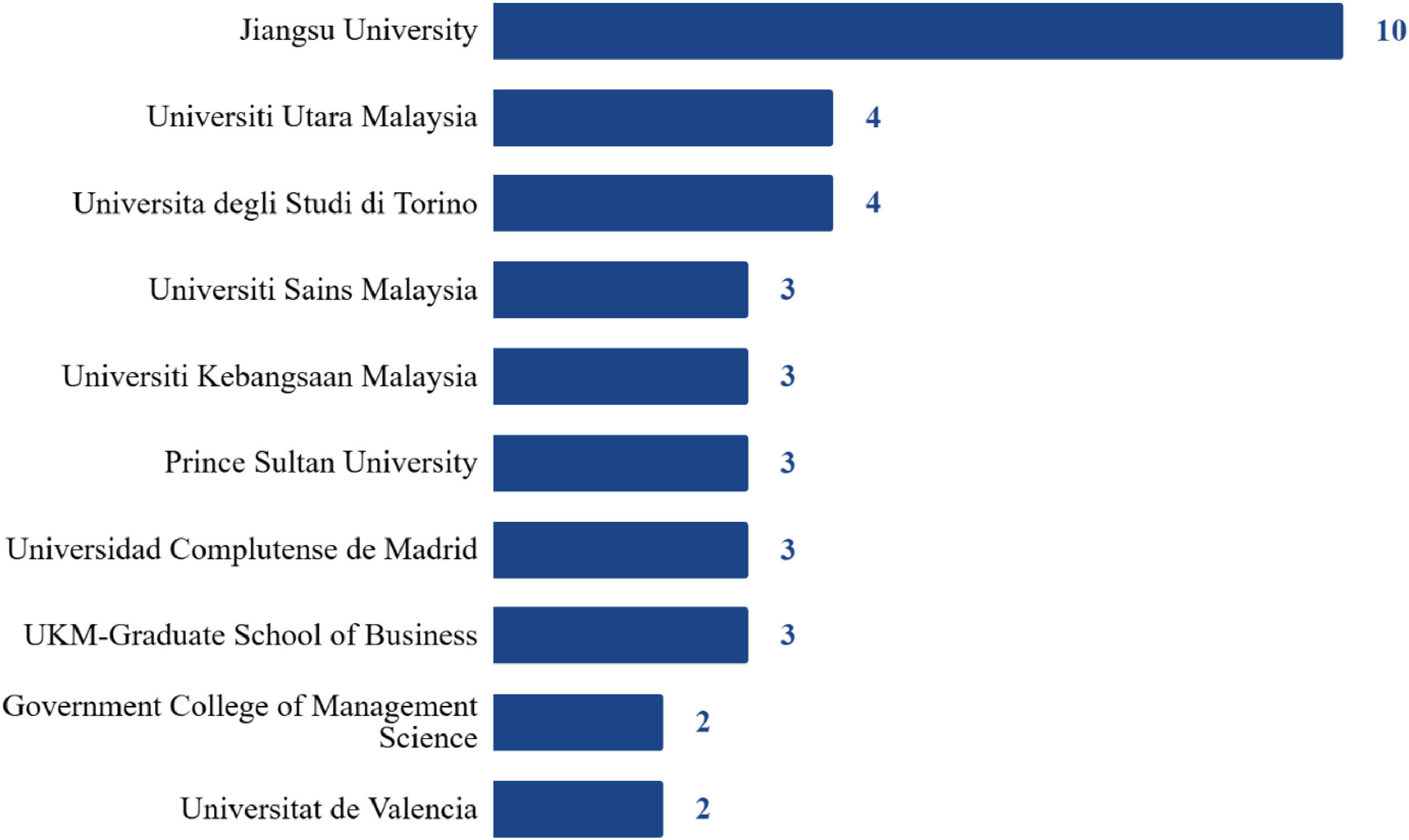
From an institutional perspective, Jiangsu University stood out as the most prolific contributor, while Universiti Utara Malaysia and Link Campus University made notable contributions to the literature (Fig. 3).

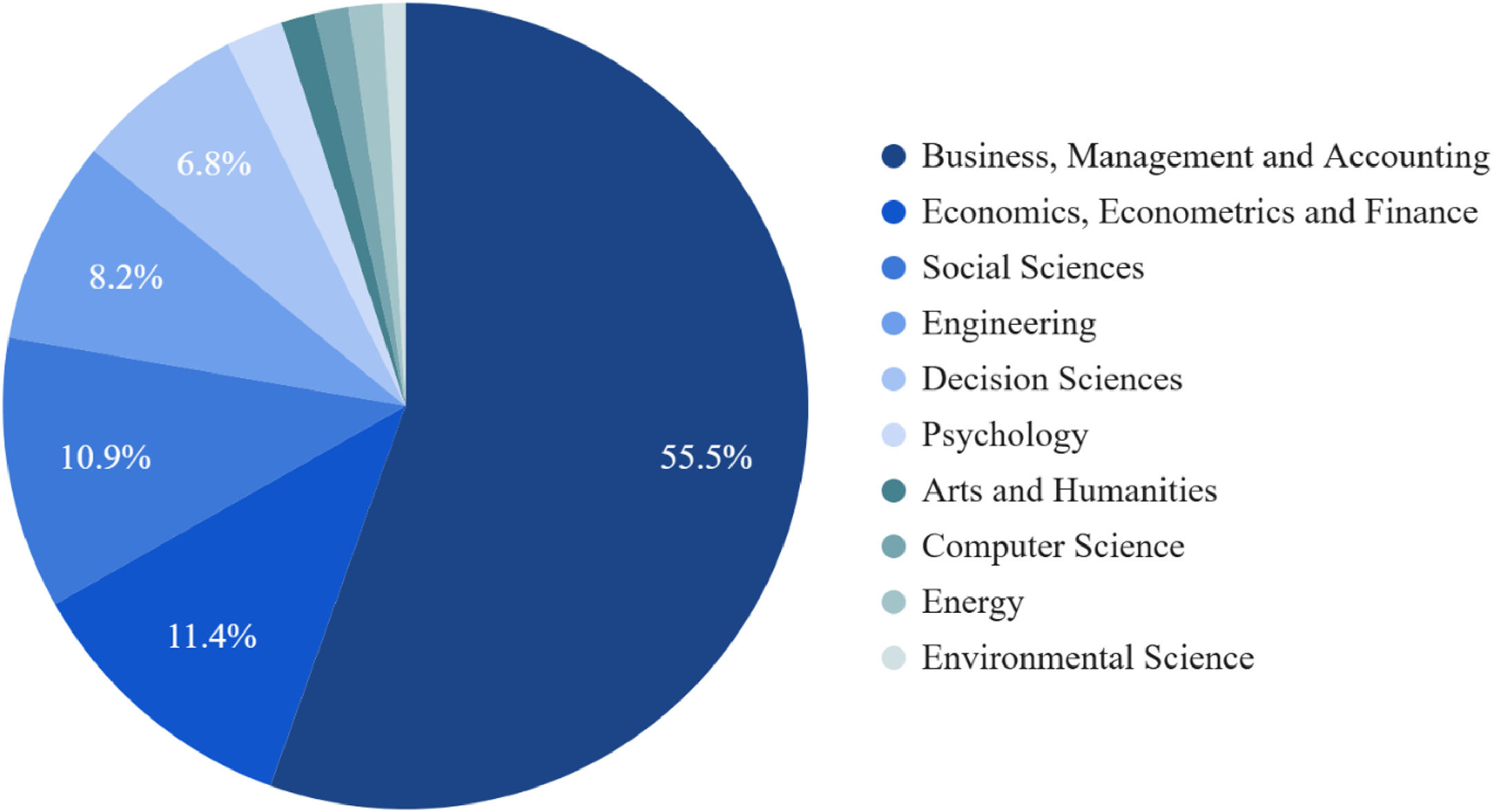
Fig. 4 illustrates that a substantial number of papers fall under the category of Business, Management, and Accounting. Thus, the central focus of the research was highlighted, which served as a primary inclusion criterion for the analysis. However, the articles also spanned other subject areas, including Economics, Social Sciences, Engineering, and even Psychology.

Fig. 4 demonstrates that the selected papers provide a comprehensive overview of innovation practices and capabilities within SMEs, highlighting a wide range of contexts and analytical perspectives. The diversity of research broadens the understanding of innovation capabilities in small businesses across various countries and academic environments.
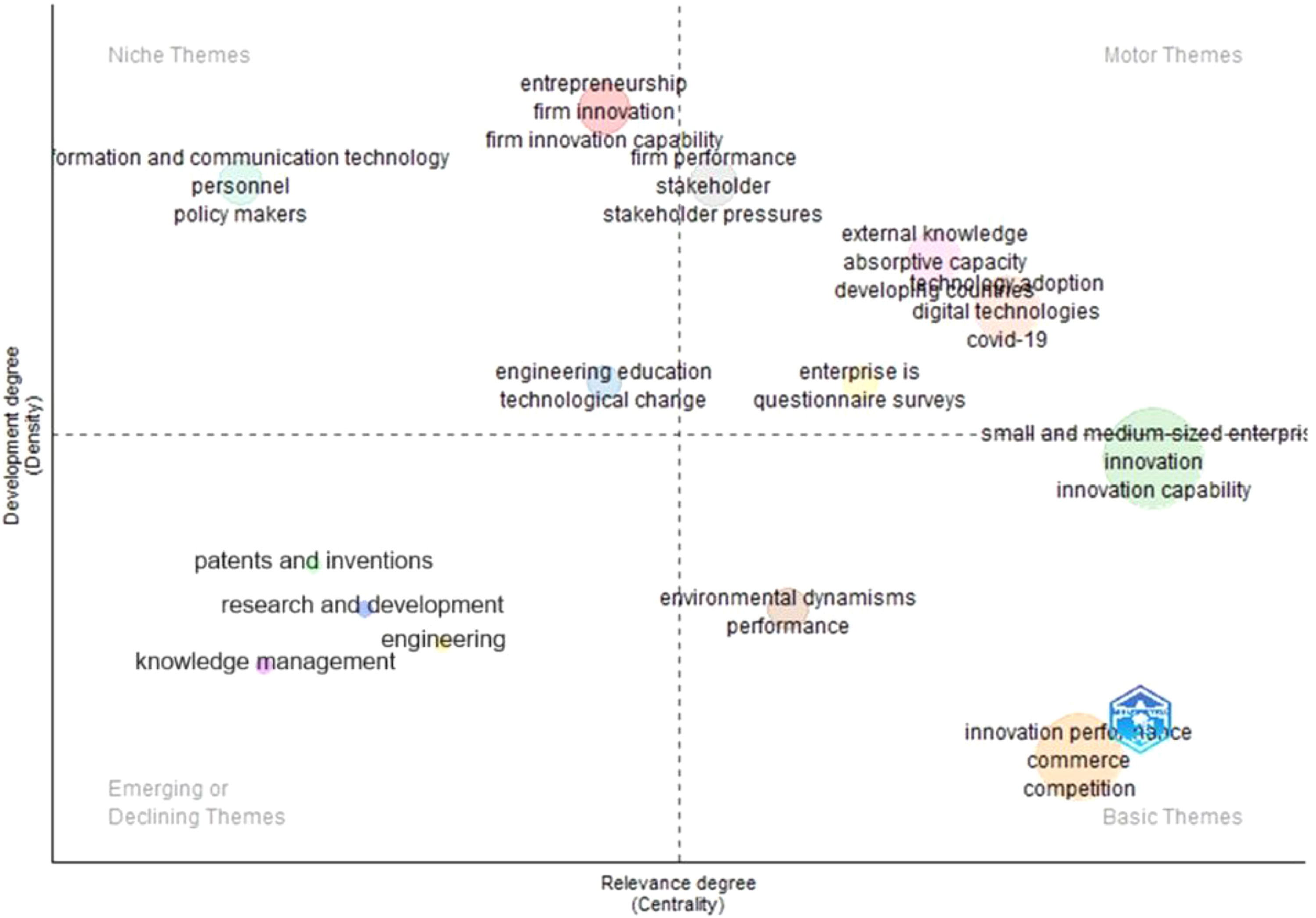
Furthermore, keyword analysis facilitated the identification of major themes within SME innovation capability research. Fig. 5 illustrates these themes based on their centrality and density. Centrality reflected the strength of a connection between the research theme and other themes in the field, while density represented the internal cohesion within a theme (Murgado–Armenteros et al., 2015). The thematic mapping, conducted using the bibliometric package in R (Derviş, 2019), categorized the themes into four quadrants: Motor Themes, Basic Themes, Niche Themes, and Emerging or Declining Themes.

The Motor Themes quadrant (upper-right) comprised well-developed and conceptually central research areas that actively promoted field development, including external knowledge, absorptive capacity, developing countries, technology adoption, and digital technologies. Additionally, the presence of COVID-19 in this quadrant indicated the significant impact of the pandemic on innovation research priorities during the study period.
The Basic Themes quadrant (lower-right) comprised fundamental concepts characterized by high centrality but lower development density, including innovation performance, commerce, and competition. These themes formed the conceptual foundation of SME innovation research but were less extensively developed than Motor Themes.
The Niche Themes quadrant (upper-left) encompassed specialized research areas with strong internal development but limited relevance to the broader fields, such as information and communication technology, personnel, and policy makers. These topics represented specialized research niches that were well-developed within specific contexts but were yet to attain mainstream prominence.
Finally, the Emerging or Declining Themes quadrant (lower-left) featured topics such as patents and inventions, research and development, knowledge management, and engineering. These represented areas that were either gaining traction as new directions or losing relevance within the evolving research landscape.
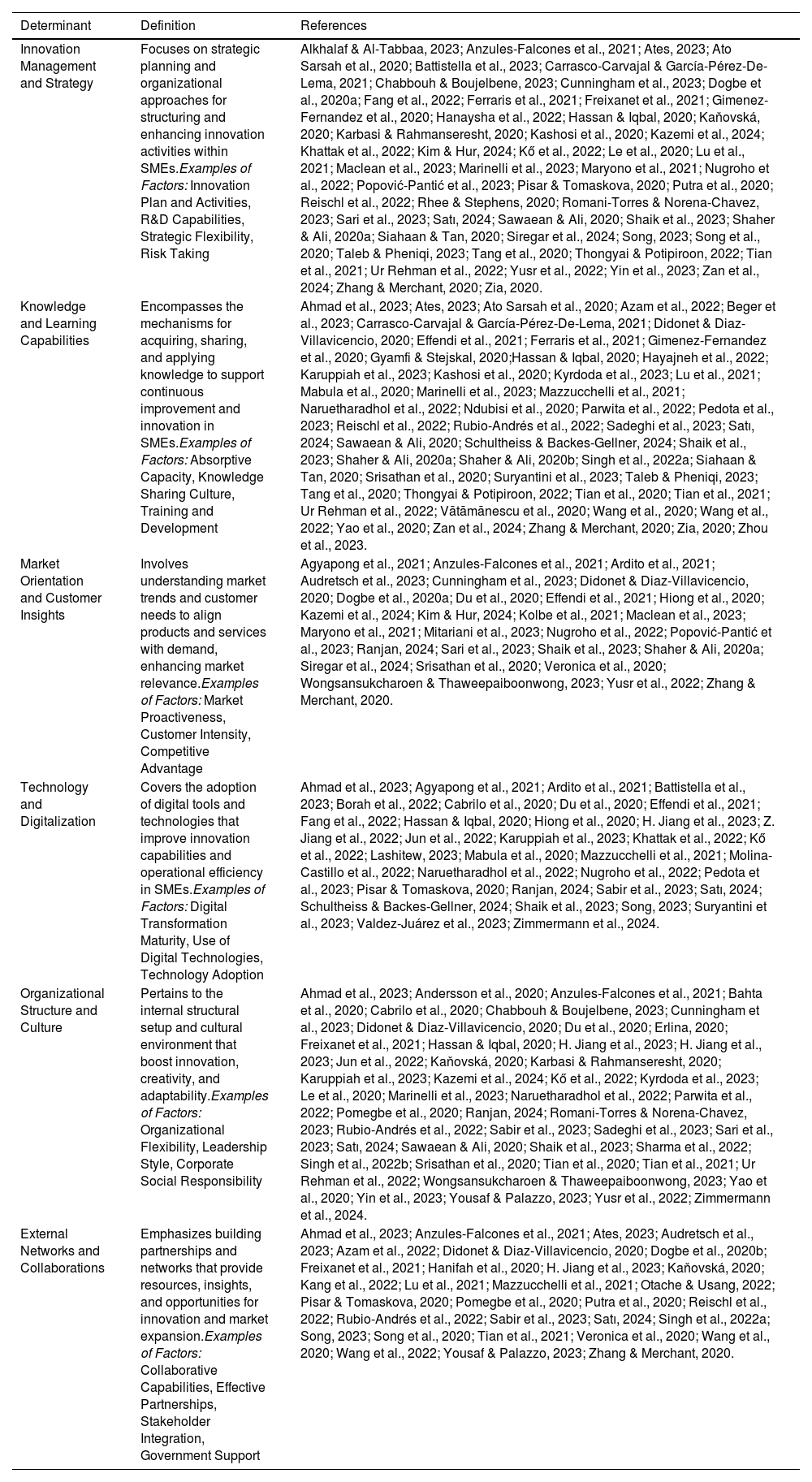
Key determinants of innovation capabilityIn this comprehensive review, a total of 233 distinct factors influencing SME innovation capability were identified and systematically categorized into six broad determinants:
- 1.
Innovation Management and Strategy (IMS)
- 2.
Knowledge and Learning Capabilities (KLC)
- 3.
Market Orientation and Customer Insights (MOCI)
- 4.
Technology and Digitalization (TD)
- 5.
Organizational Structure and Culture (OSC)
- 6.
External Networks and Collaborations (ENC)
Each determinant encompassed a specific set of factors that were critical to cultivating an innovative environment within SMEs. This structured classification facilitated the management of complex data and demonstrated the multidimensional nature of innovation capability. Moreover, it improved clarity in understanding how individual factors collectively contributed to strengthening the innovative potential of SMEs.
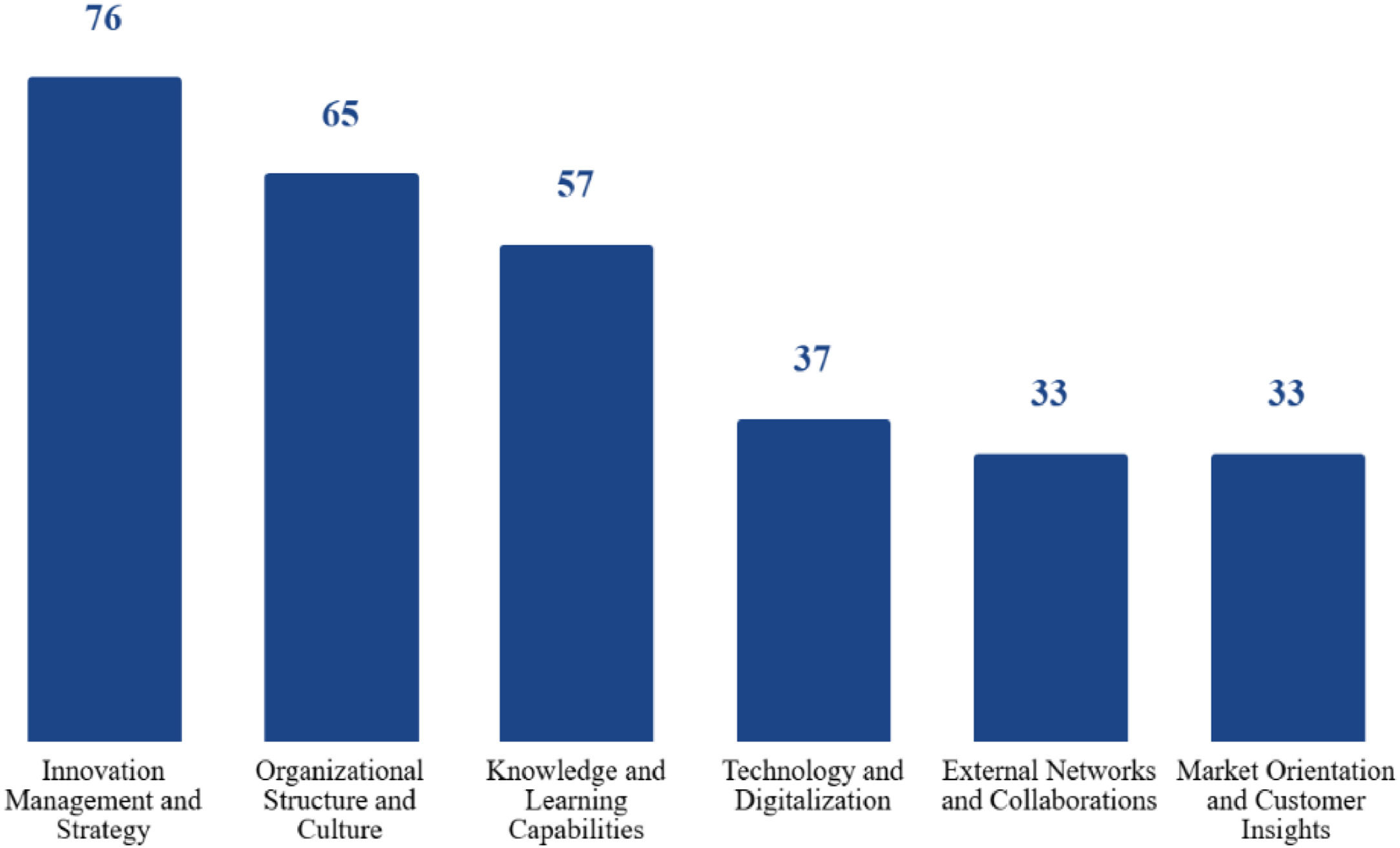
Defining and analyzing determinants of innovation factorsAn analysis of the frequency of each determinant from 2020 to 2024 (Fig. 6) revealed that Innovation Management and Strategy remained the most prevalent focus in global SME innovation research. The findings were consistent with expectations, given their direct and strategic relevance to the innovation capabilities of SMEs. The prominence of the determinant was established by examining the number of papers that addressed at least one of its constituent factors, thereby emphasizing its central role in the scholarly discourse. Knowledge and Learning Capabilities and Organizational Structure and Culture jointly occupied the second position in terms of frequency. Their substantial representation highlighted their importance in shaping SME innovation and their widespread relevance across different studies. These determinants were further analyzed based on at least one of their respective factors in the reviewed papers, illustrating their broad relevance and impact on SME innovation. Conversely, Market Orientation and Customer Insights emerged as the least frequently examined determinant. The underrepresentation signaled the need for further investigation to uncover the reasons behind its comparatively limited presence in existing literature.

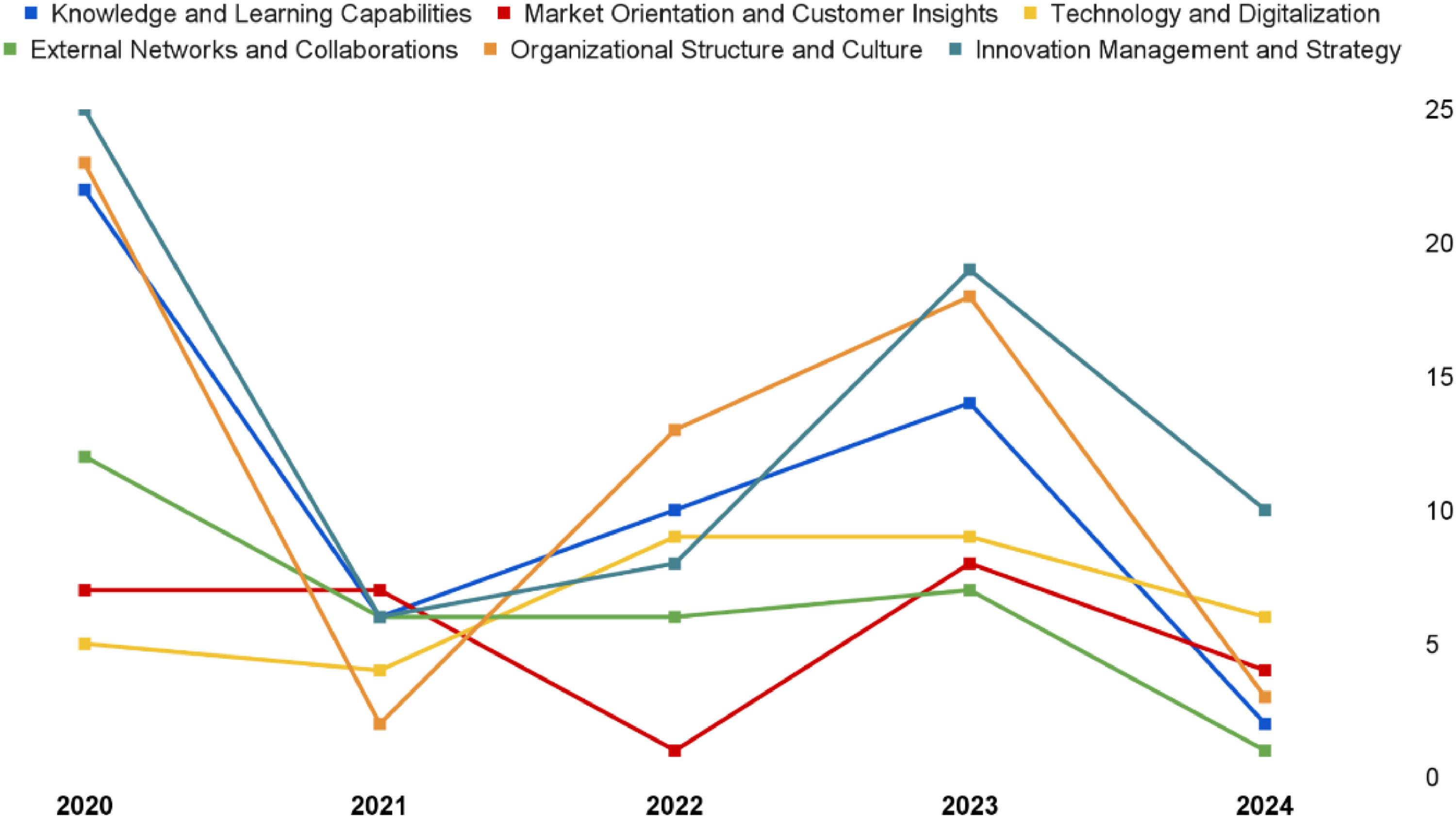
As shown in Fig. 7, in 2020, determinants such as Knowledge and Learning Capabilities, Organizational Structure and Culture, and Innovation Management and Strategy attained their peak frequencies, while the remaining three determinants were less prominent. In 2021, all determinants experienced a dramatic decline, with Organizational Structure and Culture experiencing the most significant decrease (-91 %). This downturn was associated with the COVID-19 quarantine, which disrupted numerous industries and research areas (Feyisa, 2020). Over the following years, most determinants gradually regained frequency, excluding Market Orientation and Customer Insights, which declined by 85 %, although their presence notably increased in 2023. When comparing the extent of these fluctuations, all determinants experienced substantial variations, excluding Technology and Digitalization, which remained relatively stable, with an average annual percentage change of 17.9 %.

The correlation coefficients (Table 4) provided deeper insights into the influence of general publishing trends on the prominence and focus on specific innovation determinants. High correlation coefficients for Knowledge and Learning Capabilities (0.98) and Organizational Structure and Culture (0.96) indicated that research activity in these areas closely mirrored the overall growth in publication studies. Conversely, the low correlation coefficient observed for Technology and Digitalization (0.05) suggested that publication fluctuations in this domain occurred independently of broader publishing trends. Thus, interest in technology and digitalization among SMEs was attributed to other factors such as technological advancements or policy shifts, rather than general academic publishing trends alone. Moderate correlations for determinants such as Market Orientation and Customer Insights (0.47), External Networks and Collaborations (0.86), and Innovation Management and Strategy (0.81) reflected a balanced interplay between evolving business practices and emerging challenges in the SME sector.
These findings suggested that although certain areas appeared to trend within academic literature primarily due to overall increases in publication, others represented genuine and substantial shifts in the SME innovation ecosystem, warranting focused attention and dedicated resources.
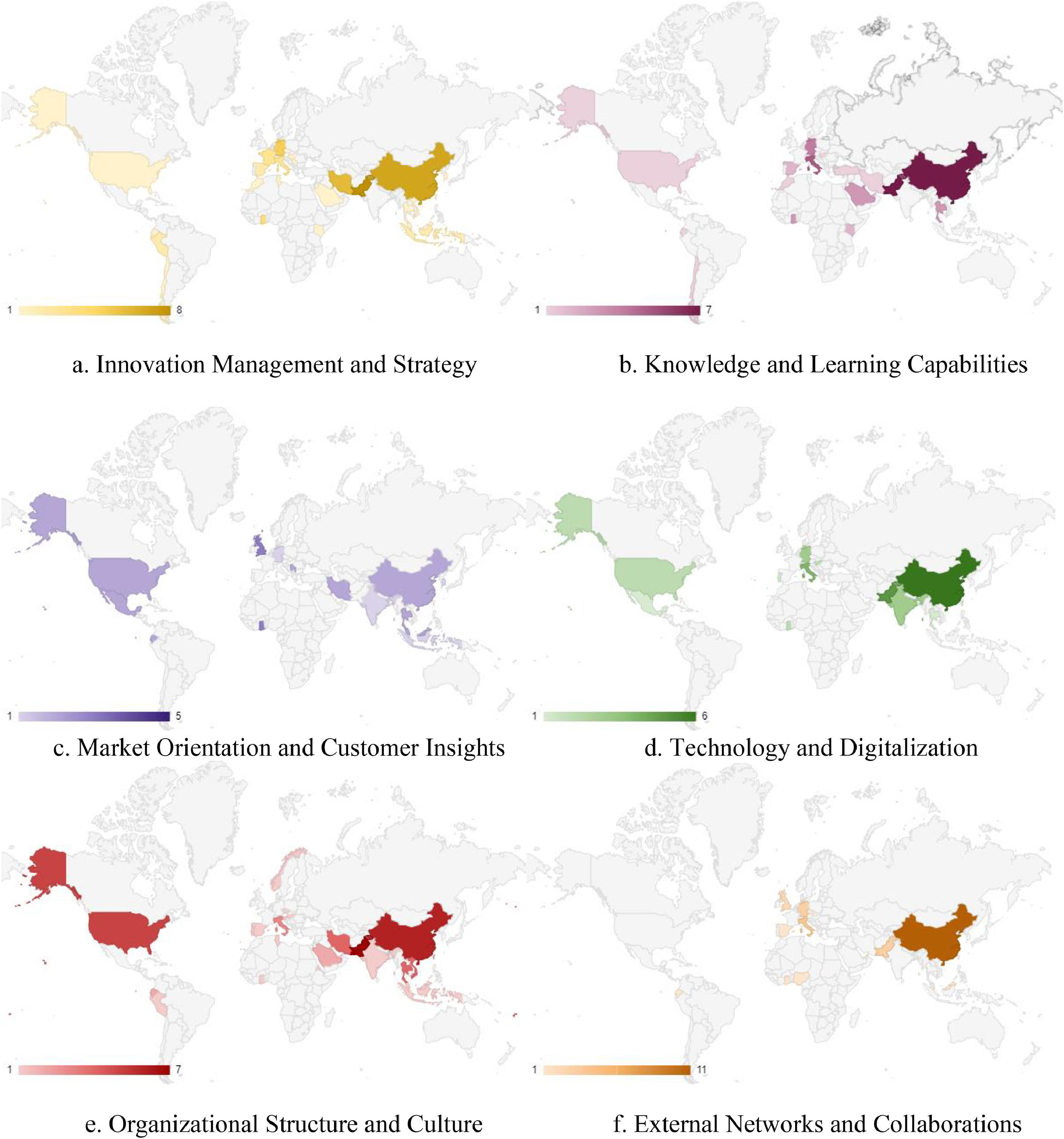
Geographical distribution of key determinantsFig. 8 illustrates the geographical distribution of all innovation determinants worldwide. Market Orientation and Customer Insights exhibited relatively low research activity across the surveyed countries, with Iran, Ghana, and China leading but each contributing fewer than three publications. Conversely, Technology and Digitalization attracted-broader international interest, with Pakistan, China, and Italy being the most active (4–5 publications). For External Networks and Collaborations, China stood out with the highest frequency, suggesting a particular national emphasis or strategic initiative in this domain. Similarly, Organizational Structure and Culture received varied attention, with Pakistan, China, Fiji, and the USA showing the most frequency, indicating a possible regional focus on corporate culture and organizational dynamics. Innovation Management and Strategy was predominantly studied in Indonesia and Pakistan, followed closely by China and Iran, reflecting a growing trend in these regions to prioritize innovation within business strategies. Finally, Knowledge and Learning Capabilities demonstrated a wide dispersion of research frequency, with Pakistan, Indonesia, and China leading, possibly reflecting a national emphasis on knowledge and education as key drivers of economic growth.

Both developing and developed countries were well represented across the determinants, highlighting a global commitment to advancing innovation within SMEs. Notably, countries such as China, Ghana, Indonesia, Pakistan, and several European nations frequently appeared, emphasizing the universal significance of these innovation topics. Regionally, Asian countries such as Indonesia, Pakistan, and China displayed a pronounced interest in multiple innovation determinants, reflecting the dynamic economic growth and strong focus of the region on increasing innovation capabilities. The trend indicated the strategic moves of Asia to establish itself as a leading hub for technological and business innovation. Moreover, developing countries frequently prioritized External Networks and Collaborations, attributable to a strategy for leveraging global knowledge and resources to strengthen local innovation capacities and accelerate economic development.
China consistently ranked among the leading contributors in publication output (2020–2023) and dominated across several innovation determinants, particularly Technology and Digitalization, Innovation Management and Strategy, and External Networks and Collaborations. The pattern suggested a concerted national emphasis on infrastructure development, digital adoption, and cross-sector partnerships (Wang et al., 2023). Conversely, countries such as Italy and France, while contributing fewer total publications, exhibited more focused attention in determinants such as Knowledge and Learning Capabilities and Organizational Structure and Culture, indicating a strategic prioritization of human capital development and organizational resilience (Audretsch & Belitski, 2021). These patterns reflected how regional research strengths aligned with underlying economic strategies and policy agendas. Notably, high publication volume did not necessarily correlate with thematic diversity, highlighting the importance of tailoring SME innovation strategies to specific research and policy contexts of each country.
Core factors in SME innovation successThe analysis of the most frequently occurring factors of SME innovation capability, as shown in Table 5, provided a robust foundation for identifying the key drivers within the previously defined determinants. Factors such as Entrepreneurial Orientation, Absorptive Capacity, Innovation Openness, Market Orientation, and Intellectual Capital emerged as critical components that directly influenced the capacity of SMEs for effective innovation.
Within the broader determinant of Innovation Management and Strategy, Entrepreneurial Orientation received the most emphasis, highlighting the importance of promoting innovation and engaging in strategic risk-taking. Absorptive Capacity and Innovation Openness warranted particular attention, as they reflected the willingness of SMEs to acquire external knowledge and adopt new technologies, factors associated with the Knowledge and Learning Capabilities determinant. Market Orientation played a critical role in enabling SMEs to respond effectively to market conditions and customer needs, aligning closely with the Market Orientation and Customer Insights determinant to drive targeted innovation. Moreover, Intellectual Capital reveals the utilization of internal knowledge, serving as an important component within Knowledge and Learning Capabilities that empowered SMEs to develop new products and improve innovation.
Absorptive Capacity served as another crucial factor requiring attention. Both potential and realized absorptive capacity enabled SMEs to acquire and effectively utilize external information, thereby improving their innovation outcomes (Ato Sarsah et al., 2020). Consequently, the strategic improvement of absorptive capacity was central to sustaining SME competitiveness in dynamic procurement markets. For instance, improvements were achieved by providing opportunities for participation in learning and development activities that improve the ability of human capital to acquire, assimilate, and exploit external knowledge. Such improvements encouraged innovation practice, ensuring integration with emerging technologies (Singh et al., 2022a).
Moreover, Innovation Openness was important for elevating the degree of innovation performance. SMEs achieved Innovation Openness by increasing the frequency, breadth, and depth of cooperation and knowledge exchange with customers, suppliers, and research organizations. Therefore, SMEs integrated external innovations and improved their overall innovation levels by developing an environment for more meaningful and multiple interactions with various members (Dogbe et al., 2020a).
Market Orientation required considerable attention. SMEs achieved Market Orientation by anticipating current and future customer requirements. Market feedback was crucial and used to adjust strategies and products. Through coherent and dynamic inter-functional integration and recurrent market intelligence acquisition and distribution, SMEs improved their ability to identify and respond to market opportunities and demands, ultimately improving their innovation performance (Kolbe et al., 2021).
Additionally, Intellectual Capital development was brought on by SMEs investing in their human, social, and organizational capital to prepare their employees for innovation. The process was complemented by creating awareness, nurturing networks within the organization, and capitalizing on formal and informal structures for knowledge and skill collaboration (Siahaan & Tan, 2020). Another element of Intellectual Capital involved its utilization through learning programs, knowledge management systems, and knowledge sharing promoted within the organization.
Additionally, innovation requires an Organizational Structure to attain its most efficient potential. SMEs could succeed by adopting flexible forms of organizational structures, policy formulation, encouragement of idea generation and creativity, timely decision-making processes, and consistent technological advancements. Thus, cross-functional teams, opportunities for employees, and an encouraging creative environment for idea exchange, not confined to standard organizational departments, emphasized on innovation (Didonet & Diaz-Villavicencio, 2020).
DiscussionComparison with the framework proposed by SaunilaThis research extends the study of Saunila (2020) by addressing some critical limitations and providing significant advancement. Unlike the analysis performed by Saunila, which concluded in 2019, this study incorporates recent articles from 2020 to 2024, capturing the latest developments in innovation capabilities—a field known for its rapid evolution. Additionally, this systematic review exclusively focuses on high-quality Q1 and Q2 journals in Scopus, ensuring a more rigorous selection of sources compared to previously considered broad criteria. Moreover, this study investigates the general determinants of innovation, whereas Saunila identified distinct factors for innovation in general, and specific factors for product, process, and organizational capabilities.
The framework proposed by Saunila identified top management leadership, knowledge development, entrepreneurial orientation, and external networks as key factors of innovation capability. The determinants of this study aligned closely with several factors in their research. For instance, Entrepreneurial Orientation was prominently featured in both frameworks, emphasizing its critical role in assisting innovation through strategic risk-taking and proactive management within the broader determinant of Innovation Management and Strategy.
Notes on Knowledge Development by Saunila aligned with those of Knowledge and Learning Capabilities in this study. The focus on Absorptive Capacity and Innovation Openness corresponded to the strong emphasis on the learning environment and building internal knowledge by Saunila.
External Networks served as another determinant that both frameworks acknowledged as critical to the innovation process. Saunila (2020) discussed early-stage relational capabilities and intermediary organizations required for offering innovation resources. This research builds upon their findings by placing such aspects in the External Networks and Collaborations determinant. The effects of collaborative and effective capabilities and stakeholder integration in improving innovation capabilities were highlighted, as they offered more resources and enabled newer innovations for commercialization.
Although Saunila (2020) addressed the consequences of market dynamics within different factors, this research further categorized them into the concepts of Market Orientation and Customer Insights. This determinant emphasized that for any innovation effort, any organization or firm should consider targeting a market need and/or customer expectations. Conveying the importance of market proactiveness, customer intensity, and competitive advantage, this research examined how key market factors promoted targeted innovation.
This research established Organizational Structure and Culture as another driver, further analyzing how the internal organizational framework and culture influenced innovation. Saunila (2020) reported that rigidity within an organization hindered operations. This research demonstrated the benefits of flexible structures, organizational culture, and leadership, together with corporate social responsibility policies, which were highly beneficial to innovation.
Finally, in the Technology and Digitalization determinant, the ways, manners, and extent of using new technologies to upgrade innovation strength were examined. Although the framework by Saunila did not discuss this aspect, this study revealed digital transformation, use of digital technologies, and technology adoption as important factors to advance product and process innovation in SMEs.
Comparison to recent researchBefore detailing the findings of this study, comparisons with the latest literature on SME innovation capabilities from 2020 to 2024 were made. A comparative study situated the results while providing evidence on how this study extended, improved, or even diverged from previous information to provide fresh knowledge in this discipline. To strengthen this analysis, comparisons were drawn with recent studies and their findings, particularly in relation to the six determinants identified in this study. This included examining how these determinants were described in existing literature, the methods used to assess them, and whether their influence on SME innovation capability aligned with or differed from findings of this research.
Several studies, including Zamani (2022), have highlighted technological disruptions such as AI, IoT, and Big Data as key drivers of SME innovation capability. These technologies have demonstrated improved operational performance and innovation outcomes. These findings confirm the centrality of digital technologies. However, this study contributes by examining digitalization not only as a set of tools but as a broader organizational and market-shaping force. The integration of temporal and geographical perspectives along with the analysis offered provides a contextualized view of how digital transformation influences SME innovation systems across different settings.
According to Mendoza–Silva (2020), the literature review shows that managerial factors are relevant to SME innovation, with an emphasis on leadership and strategic management. Similarly, research by Jotabá et al. (2022) established that the effective management of human resources, as a critical component of the strategic direction of the organization, ensures the optimal development of a new generation of innovations. Such insights are supported by this study, confirming that entrepreneurial orientation and innovation management are core to innovation capability in SMEs. This study differs from the other studies in the manner in which managerial factors relate to external networks and collaborations. Unlike earlier research that mainly focuses on distinct internal managerial practices, this study establishes the priorities for SMEs in external collaboration to address the challenges of strategic leadership with a view to operating effectively on a global scale.
Other scholars have recently highlighted that external networks are becoming significant sources of innovation for SMEs. For example, using the empirical survey by Sá et al. (2023), they found that openness and external cooperation are crucial factors for increasing SME performance in various sectors, especially in the high-tech segment. External networks and collaborations are significant here in advancing innovation capabilities, as supported by these findings. However, this research goes a step further by establishing how such external partnerships differ geographically. The paper shows that, although collaborations with other regions are vital, the type and effect of these partnerships depend on regional markets and policies. This is slightly more analytically focused and gives SMEs an understanding of how best to capitalize on external networks depending on their geographical location.
In terms of methods, Zamani (2022) employed systematic literature reviews and bibliometric analysis using VOSviewer to map research trends and categorize innovation factors. Building on this approach, the present study extends the temporal scope to 2024 and introduces a geographical dimension. This broader perspective captures recent developments and offers more context-specific takeaways for policymakers and SMEs.
In conclusion, this study not only reaffirms established innovation drivers, such as technology adoption, leadership, and external collaboration, but also extends the literature by offering distinct conceptual and methodological contributions that deepen and refine the understanding of innovation capabilities. Furthermore, by linking internal variables such as Entrepreneurial Orientation to external factors such as collaboration networks, the study offers a systems perspective on SME innovation capabilities that can help organizations address the challenges of globalization in the business environment.
Implications for SMEs and policymakersTo improve the innovation capability of SMEs, the following policy interventions to address the key determinants are critical. It is found that it is vital for policymakers to pay attention to the development of mechanisms that strengthen specific organizational capabilities for innovation. This remains a pertinent call. Governments should support programs that promote strategic risk-taking and innovation for products and strategies that empower SMEs with a context that challenges conventions, embraces innovation, and prioritizes proactivity and risk-taking at its core (Fang et al., 2022), advancing the competitive edge of SMEs.
Another significant policy issue is the improvement of Absorptive Capacity. To mitigate the external acquisition and incorporation problem, SMEs should provide continual learning opportunities for their employees. Governments can facilitate this through subsidies or incentives for training and development, focusing on facilitating the capacity of employees in acquiring, processing, and utilizing external information. This increases innovation fundamentals and helps drive fundamental changes in the organization, particularly in the adoption of new technologies (Ato Sarsah et al., 2020).
In innovation openness, the proper formation of cooperation networks among SMEs and/or research establishments or large organizations also has a positive impact. Such networks are helpful in transferring knowledge and boosting the level of innovation. Policymakers can contribute to this by promoting funding for collaborative research, innovation networks, and knowledge transfer initiatives to enable SMEs to acquire new technology and knowledge to improve their overall innovation output (Dogbe et al., 2020b).
Market orientation is also crucial for the proper positioning of innovation strategies regarding the changing needs of markets. It is therefore necessary for political institutions to encourage carrying out market research and customer insights to assist SMEs in market analysis. This can be done through direct financing of market research initiatives and offering platforms to enable the sharing of market intelligence, allowing SMEs to modify their approaches and goods accordingly to respond effectively to market forces (Kolbe et al., 2021).
Hassan and Iqbal (2020) used cross-functional collaboration and flexibility as components of a policy approach to addressing the issue. Funding for restructuring strategies can help SMEs adopt structural flexibility, elevating creativity and agility while integrating new technology. Additionally, advisory support should encourage SMEs to carry out the necessary restructuring. Furthermore, backing initiatives such as customer insights, which are market-oriented structures, could assist SMEs in placing more focus on the right innovation initiatives from across the market environment. All the above can create a positive attitude that promotes improved and faster decision-making, while also encouraging a culture of innovation.
Finally, improving organizational structure and culture may also be promoted with the help of financial or consulting support for restructuring. This means that flexible firm structures, quick decision-making, and adaptability to technology are essential. Another way is to offer SMEs tax incentives, subsidies, and grants related to the use of new technologies and digital tools in the described sphere of activity (Didonet & Diaz-Villavicencio, 2020). Such a combined approach to policymaking may have a positive impact on innovation development in SMEs and, by extension, on the general economic growth and competitiveness of the countries involved in global competition.
Such policy measures not only improve the internal capabilities of SMEs but also align with broader global objectives, particularly those outlined in the Sustainable Development Goals (SDGs). SME innovation plays a crucial role in addressing societal challenges by contributing to SDG 8 (Decent Work and Economic Growth), SDG 9 (Industry, Innovation, and Infrastructure), SDG 12 (Responsible Consumption and Production), and SDG 17 (Partnerships for the Goals). Through innovation, SMEs drive economic growth by creating employment opportunities, improving productivity, and cultivating more equitable economic conditions. The adoption of new technologies and digital tools refines industrial capacity and strengthens infrastructure development, supporting sustainable industrialization. Many SMEs are also at the forefront of sustainable business practices, implementing circular economic principles, optimizing resource efficiency, and reducing environmental impact. Moreover, collaboration with universities, large corporations, and policymakers facilitates knowledge exchange, strengthens innovation ecosystems, and promotes sustainable economic development on a larger scale.
Realizing these contributions require deliberate action, SMEs should implement a structured innovation management approach by aligning entrepreneurial orientation with market intelligence capabilities. First, these organizations should establish cross-functional innovation teams (Dogbe et al., 2020a) responsible for systematic market scanning and competitor analysis to identify actionable opportunities. SMEs should then deploy targeted customer feedback mechanisms - including rapid prototyping sessions and usability testing - to validate innovation concepts before full-scale development. Concurrently, these businesses should develop strategic partnerships with complementary enterprises, research institutions, and technology providers (AlMulhim, 2020) to access specialized knowledge and distribute innovation risks.
To optimize internal innovation processes, an SME must configure its organizational structure and knowledge management systems. The company should implement matrix-based project teams (Hassan & Iqbal, 2020). Additionally, management should design standardized knowledge capture processes (Singh et al., 2022a) - including post-project reviews, skills inventories, and technology assessment protocols. The organization should create dedicated technical learning pathways (Kő et al., 2022) for employees and allocate a portion of work time to innovation-focused activities. Moreover, the SME should track both input measures (research investment, technical training hours) and output indicators (new product development speed, process efficiency improvements) (Mendoza-Silva, 2020) to guide resource allocation decisions.
ConclusionThis systematic literature review has highlighted the essentiality and ongoing evolution of specific innovation factors in defining the capabilities of SMEs. The most remarkable findings of this research include factors such as Entrepreneurial Orientation, Absorptive Capacity, Market Orientation, Organizational Culture, Innovation Openness, and Intellectual Capital. Each of these factors is crucial in explaining innovation in SMEs and can be positioned under headings such as Innovation Management and Strategy, and Knowledge and Learning Capabilities.
The study also notes that these factors exist as temporal dynamics as well as geographic dynamics, with several of them mentioned shifting at various points in time or varying across regions. Based on the literature review from the period of 2020-2024, this study identified changes in the orientation of innovation research in SMEs in the presented areas. These findings indicate varying primary and secondary concerns of innovation factors, which might be affected by economic policies, market conditions, geography, and technological advancements.
Through rigorous analysis, six broad determinants were identified that encapsulate the diverse factors influencing SME innovation: Innovation Management and Strategy, Knowledge and Learning Capabilities, Market Orientation and Customer Insights, Technology and Digitalization, Organizational Structure and Culture, and External Networks and Collaborations.
The geographical study of the areas of innovation research for SMEs established that certain regions exhibited high activity levels. It can be observed that countries such as China, Indonesia, and various European and Asian countries are often mentioned, as they are actively involved in supporting the innovation of SMEs through favorable policies and adequate research environments. However, the countries featured in the research all point to increasing awareness of the role of innovation in new emerging economies such as Indonesia and China.
Comparing VOS and SLR findingsThe VOS bibliometric analysis and the SLR provided complementary perspectives on SME innovation, with some differences in grouping. The VOS clustering algorithm identified five distinct clusters centered around Entrepreneurial Orientation and Open Innovation as primary nodes with high citation density. In contrast, SLR frequency analysis revealed Innovation Management and Strategy (mentioned in 53 papers) and Organizational Structure and Culture (48 papers) as the dominant clusters.
However, three core concepts - Knowledge Management, External Networks, and Digital Transformation - emerged consistently across both methodologies. This convergence provides cross-validation and establishes these elements as essential components in any SME innovation system design. These three core components align with emerging research that position Knowledge Management as a critical mediator between digital transformation and organizational performance (Tortorella et al., 2020) in business environments.
Moreover, interorganizational partnerships provide SMEs with resources that would otherwise be inaccessible. Recent empirical findings show that these resources can allow SMEs to accelerate the learning processes and implementation of technologies (Rocha et al., 2021). Hence, Knowledge Management, External Networks, and Digital Transformation are not isolated elements, but instead tightly interconnected. These three components reinforce one another, with improvements in one area affecting the capabilities of the others. Together, they create a strong foundation for sustainable innovation practices in small and medium enterprises.
Limitations and challengesThis study was affected by several limitations. Firstly, the potential of the defined keyword approach when conducting the search in Scopus might have been too limited in terms of the range of data collected, which could have excluded this review from other information that might be helpful for further research. Secondly, identifying appropriate studies and categorizing factors is done through manual, subjective evaluation, which leads to potential bias. In addition, by limiting the review to Q1 and Q2 journals, valuable contributions made by lower-tier or emerging journals were potentially excluded. Though this attempt seeks to offer quality work, the effect may be that such results do not entirely capture all contemporary trends in the field. Lastly, using only Scopus as a database likely underrepresents innovation ecosystems from Latin America and Africa, as scholarly work from these regions often is in non-English languages.
Tensions in literatureWhile this systematic review offers a coherent categorization of the determinants shaping SME innovation capabilities, it also reveals certain contradictions that merit deeper examination - not as flaws, but as reflections of an evolving and, at times, fragmented literature base and the siloed nature of the innovation capability literature. In this sense, they are not inconsistencies in the literature, but rather inconsistencies of the literature - uncovered through the integrative lens of this review.
A particularly salient tension emerges concerning Market Orientation. Empirical studies consistently highlight this factor as a key enabler of innovation performance (Table 5). Yet, paradoxically, it stands as the least studied determinant across the six main dimensions identified in this review (Fig. 6). This discrepancy suggests that although the relevance of Market Orientation is widely acknowledged, its conceptual boundaries may be diffused.
Another contradiction is related to Technology and Digitalization, which is tightly related to innovation management according to both SLR and VOS. However, correlation analysis, summarized in Table 4, suggests that Technology and Digitalization research evolves almost independently from other studies about innovation capability.
Future research directionsThe systematic review also points to several areas where future studies could be especially useful. Starting with the identified tensions, these contradictions would benefit from further exploration of academic silos and the implicit embeddedness of one concept within others. At least one significant missing piece is the relative lack of attention paid to certain geographic areas and industries in the current literature. Subsequent research should incorporate more regions, especially from Africa and Latin America. This could require using multiple databases and including non-English language sources. Such analysis, in turn, would provide greater insight into SME innovation on an international level. Thus, further refinement is needed in terms of how industries embedded within the SME domain regard and address innovation challenges. Future research should also examine how specific regulatory frameworks, such as cohesion funds and state-backed innovation determinants, differentially impact absorptive capacity across SMEs. That level of analysis could be useful in building more suitable approaches targeting specific industry segments.
One more issue, however, is that there is often very limited differentiation of SMEs in the current literature regarding sectors or industries. Therefore, there is a need for future studies to analyze how key select industries within the SME sector address innovation issues. Such an understanding would help in creating better-tailored interventions based on an appreciation of the conditions in each sector.
The significance of different innovation factors may vary over time and thus call for more temporal research. Monitoring these changes over time would provide useful information on how SMEs could best modify their innovation profiles given the dynamics of changes in external and internal environments. Such insights would be valuable for both struggling and marginal companies wishing to remain viable and distinct in the long run.
While acknowledging the importance of technology and digitalization in improving the innovation of products as well as processes, future research should provide a detailed analysis of which individual technological tools have serious consequences on SME innovation capabilities. This includes examining cases such as AI adoption, where SMEs face data infrastructure costs that directly affect their absorptive capacity, limiting their ability to implement advanced technologies despite recognizing their value. Understanding the impact of specific technological advances is important, but it is equally crucial to manage potential risks and use advanced technologies to boost innovation in SMEs. Several detailed studies in this area provide specific prescriptions on how new technologies could be managed, introduced into businesses, and implemented to maintain the flow of organizational innovation.
Closing these gaps in future studies will greatly reinforce the knowledge of SME innovation. Such an outcome will contribute toward developing improved approaches and measures for sustainable growth and competitive advantage for SMEs around the world.
* indicates a source that was included in the systematic review.
DeclarationThe authors declare that they have no known competing financial interests or personal relationships that could have appeared to influence the work reported in this paper.
CRediT authorship contribution statementMariza Tsakalerou: Writing – review & editing, Supervision, Resources, Project administration, Funding acquisition, Conceptualization. Akmaral Abil: Writing – original draft, Methodology, Investigation, Formal analysis, Data curation. Vincent Ribiere: Visualization, Software. Yevgeniy Lukhmanov: Writing – review & editing, Writing – original draft, Validation, Software, Conceptualization. Narkes Tynybayeva: Writing – original draft, Visualization, Investigation, Formal analysis, Data curation.
Glossary of key terms
Key determinants of innovation capability in SMEs.
Key determinants of innovation capability in SMEs.
