





The project management profession is undergoing transformative change with the integration of Artificial Intelligence (AI), redefining core methodologies and decision-making processes. As societal expectations rise and technological complexity intensifies, project managers face unprecedented challenges. By 2030, AI-driven predictive insights and modelling capabilities are expected to significantly enhance efficiency, raising critical questions about the evolving role of human project managers. Will AI take the lead in key decisions, or will human attributes such as creativity, ethical judgment, and emotional intelligence remain essential? Framed as PM2030, this study explores future scenarios through expert insights from academia and industry. Using an opinion-based approach, we introduce two conceptual models: the AI-Augmented Ethics-Centric Model and the Predictive Model for AI Adoption and Human Trust. These models offer a forward-looking vision of project management shaped by automation, ethics, and human-AI collaboration. This study contributes to the growing discourse on the human-centric evolution of AI-enabled project management.
The project management profession is currently experiencing a period of transformational change as the discipline attempts to navigate the requirements of sustainable and ethically sound project management whilst responding to the increasing use of automated tools and Artificial Intelligence (AI) technologies. The implications from recent developments, most notably, Large Language Models (LLM) and Generative AI (GenAI) tools and processes, have led to a debate on the validity and sustainability of the traditional project management role in navigating the many complex challenges of adopting greater levels of machine-based tools and processes (Leong et al., 2023; Hussain et al., 2023). Analysts at the Gartner Group have posited that “80 Percent of Today’s Project Management Tasks Will Be Eliminated by 2030” as AI takes on traditional project management functions, including data collection/processing, project tracking, and potentially reinventing many of the processes underpinning project and program management (Costello, 2019). While the 80% claim underscores real trends in automation, particularly in data collection, tracking, and administrative coordination, we assert that it oversimplifies the complexity of project management and underestimates the enduring relevance of human-centric capabilities.
What role does the human project manager have in navigating the increasingly complex and automated environment and do the human traits of emotional intelligence, relationship building and resilience matter in the new automated and augmented era? These questions and more were posed by Longhurst and Choi (2023), highlighting what the next generation of project management could look like and predicting that by 2026, the demands of the role will dictate that at least two-thirds of current skill sets will necessitate redesign. The adoption of AI technology is transforming many sectors including areas such as digital tourism marketing by enabling more adaptive, targeted, and customer-centric strategies. This not only reinforces the pervasive influence of AI but also supports the argument that project management, like tourism, must rapidly adapt to technological disruptions across the value chain (Muntean et al., 2024).
Assuming current trajectories of technological adoption, AI tools will likely become standard within project management, potentially offering value-driven insights and predictive capabilities, elevating project managers to use technology to ascertain the most sustainable option and automating tasks to reduce waste and increase efficiency. Project managers will likely be tasked with managing and delivering increasing levels of complexity, requiring a renewed focus on the different dimensions of complexity and new mental models encompassing the ‘lived’ experience of practice (Mikkelsen, 2021). Industry forecasts on the growth of global projects across all sectors estimate that annual spend on infrastructure projects could surpass $US 15 trillion by 2030, that digital transformation project spending will shortly reach $US 1.6 trillion, and that global spending on AI-centric systems is expected to surpass $US 300 billion by 2026 (IDC, 2023; de Querol Cumbrera, 2023). In some European countries, notably Germany, Iceland and Norway, projects deliver around 30% of economic activity (Wu & Misra, 2023), highlighting the critical role projects play in the growth and success of economies. However, the profession’s ongoing inability to deliver sustained successful outcomes, particularly in IT and technology-focused projects, but also in large, complex, world-scale initiatives where cost overruns and deadline revisions are common (Ika & Munro, 2022; Tetlow & Shearer, 2021), has diminished confidence in traditional approaches. It should come as no surprise, then, that decision-makers are increasingly turning to machine-based solutions in the hope of achieving better results, especially as institutions grapple with complex global challenges and strive to meet the 2030 Sustainable Development Goal (SDG) commitments.
This study incorporates the theme of 2030 as a milestone date, marking a period where the project management profession is expected to undergo significant transformational change through digitalisation and the adoption of AI technology, termed ‘PM2030’. As we look towards 2030, a key question arises: will project managers be empowered to deliver greater success through AI-enabled, data-driven decision-making, or will the lack of transparency and explainability in AI outputs create new challenges in trust and accountability?
The Rethinking Project Management (RPM) initiative, launched in the early 2000s, emerged as a response to growing discontent with the dominant paradigms of project management (Cicmil et al., 2006). RPM called for a broader, more nuanced understanding of projects—not simply as linear, tool-driven processes but as complex, socially constructed endeavours embedded within dynamic environments. The RPM initiative, as outlined in Cicmil et al. (2006), expanded the lens to include themes such as sensemaking, complexity, stakeholder engagement, and value co-creation, challenging the traditional technocratic and control-oriented ethos of the field.
Fast-forward to the present day and project management faces another inflection point, this time fuelled by rapid advances in AI, automation, and digital ecosystems, namely: (i) enhancing sensemaking and decision support through predictive analytics and real-time data visualisation; (ii) supporting collaborative planning and stakeholder alignment through AI-facilitated communication tools and co-creation platforms; (iii) democratising access to project knowledge and best practices, aligning with RPM’s call for inclusivity and reflexivity. In this sense, GenAI acts as an enabler of the human-centred, complexity-aware project management envisioned by RPM in the offloading of administrative tasks while augmenting the strategic, ethical, and relational dimensions of the profession.
However, the recent developments in AI and specifically GenAI recognise that project management is not merely being “digitally enhanced,” but fundamentally reshaped. This transformation, we assert has led to a new RPM aligned inflection point, one based on a vision of an AI-driven project management that integrates human endeavour and creativity with the power of AI to potentially deliver greater value to stakeholders (Barcaui & Monat, 2023; Ghimire et al., 2024; Rane, 2023).
The further integration of AI within project management processes, whilst inevitable, requires decision makers to embrace not only change, but increased levels of confidence in machine derived outputs, requiring transparent and reflective practices. Project managers will need to foster high levels of trust in AI-driven performance management systems and enhanced project management tools to fully realise the benefits from AI driven systems (Leavitt et al., 2024). Solutions will require hybrid problem- solving approaches that are underpinned by varying configurations of AI and human collaboration that can deliver tailor-made approaches to solve complex problems. (Raisch & Fomina, 2023). It is imperative that AI tools and processes are adopted within a situational alignment context to ensure that sufficient trust is developed amongst the project management community, thereby contributing to successful project outcomes (Kemp, 2024).
At this juncture, it is unclear if current approaches and practices, as advocated within PMI guidelines such as PMBOK, will be sufficient to reflect and address the unique and rapidly unfolding challenges and opportunities stemming from high levels of AI integration within project management environments. These challenges take on even greater levels of complexity and importance as project managers adapt to the new technologically focused environment whilst seeking to address the myriad environmental, social, and economic impacts of sustainability factors. The inherent complexities in delivering successful outcomes within an integrated man/machine environment are vast. However, project managers have a decisive role in this new environment (Nieto-Rodrigues & Vargas, 2023). At this point, it remains debatable whether the broader use of AI tools and processes will increase complexity or support the management of environments where complexity does not necessarily imply uncertainty, particularly as machines assume greater problem-solving responsibilities. The growing connectivity and interdependence across tasks, objectives, and knowledge could lead to a new era of unique opportunities and challenges. This scenario urges us to rethink how these interconnected aspects can transform our collaboration and strategic planning methods in a progressively unified digital environment (Raveendran et al., 2020).
These complex challenges pose significant transformational change that will dramatically impact the future role of project managers as we progress toward PM2030. This study aims to provide new perspectives on these issues. We present the following research questions:
- •
RQ1: What are the key challenges within the project management profession that exist from the adoption of AI technologies?
- •
RQ2: What is the potential for AI to enhance decision-making and potentially deliver more successful project outcomes?
- •
RQ3: What are the key challenges and potential risks from overreliance on AI in project management, and how can these be mitigated via human involvement and decision-making?
- •
RQ4: What conceptual frameworks and models can be developed to optimise the effective collaboration between human project managers and AI-driven project management tools?
We assert that although aspects of the literature have discussed the many changes underway within the project management profession, highlighting the multitude of complexities and competing priorities from environmental considerations and increasing levels of automation and use of AI (Costello, 2019; Nieto-Rodrigues & Vargas, 2023; Stanitsas et al., 2021), the literature has yet to develop a multi-contributor perspective on how project management could evolve over the short to medium term. This period of significant change, up to 2030 and beyond, will require the project management profession to deliver complex, interdependent outcomes that are likely to initiate transformational change at a global level. We seek to deliver valuable insight into these areas and foster an open discussion and debate by developing a broad perspective based on the views of several experts from academia and industry. These insights develop a vision of how the profession could navigate this next critical period of transformational change and formulate a new research agenda.
The paper is organised into four further sections. The next section outlines the ‘Approach’ taken to develop this multi-contributor study. This is followed by individual ‘Perspectives’, each presenting a distinct topic within the overarching theme of PM2030. The subsequent ‘Discussion’ section synthesises the key thematic points drawn from the expert perspectives and develops the core arguments. The paper concludes with a summary of key recommendations and directions for future research.
ApproachThis study utilises a multi-contributor expert perspective on the implications for the project management profession as we progress toward PM2030, grapple with increasing levels of automation, and align with greater pressures to comply with sustainability and environmental constraints and initiatives to deliver benefits to stakeholders. This study adheres to the established discourse on previous multi-perspective studies, as originally outlined in von Foerster (2003) and subsequently developed by Dwivedi et al. (2024); (2023a), (2023b), (2023c); (2022a), (2022b), (2022c); (2021a), (2021b); (2020); (2015), which focus on expert perspectives on a range of emerging and critical research topics. Experts from academia and industry were carefully selected through a purposive sampling process based on their subject-matter expertise and professional leadership in areas aligned with the PM2030 agenda. To ensure comprehensive coverage of the multifaceted transformations facing the project management profession, including digitalisation, sustainability, ethics and AI integration, contributors were invited to address distinct sub-themes. The editorial team implemented a structured topic allocation framework, designed to minimise conceptual overlap and promote complementarity across contributions. Each expert team was tasked with developing an independent analysis that offered original insights while remaining anchored within the overarching vision of PM2030 and the increasing societal stakes of project delivery. Contributors were encouraged to draw on either academic evidence, practitioner experience or a combination of both to reflect the complex interplay of theory and practice in the future of project work. This multi-contributor approach has proven especially valuable in advancing scholarly debate on under-explored or rapidly evolving topics—where existing literature is fragmented, nascent or silent (Dwivedi et al., 2024).
Previous research using a multi-expert approach, such as Dwivedi et al. (2021b), has had a tangible impact, evidenced by numerous policy citations from organisations including the European Commission, the European Union, the Joint Research Centre, and The Policy Institute (ScienceDirect, 2023). This underscores the value and impact of the multi-expert perspective, particularly its capacity to influence policy and contribute to broader societal debate beyond the confines of academic scholarship. Aspects of the literature that have adopted the multi-contributor format have been extensively cited within studies that have contributed to the wider debate and development of research agendas on a range of subjects, including Research Impact, AI, Smart Cities, the Metaverse and impact from the COVID-19 Pandemic. Furthermore, the range and expertise of invited experts from academia and practice, broadening the audience and increasing the reach of many of the core discussion points in such papers.
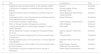
As highlighted in Dwivedi et al. (2024; 2023a; 2023b, 2023c), this genre of study and approach can be criticised where some individual perspectives contain overlapping narratives. However, as discussed in previous studies (Dwivedi et al., 2024), we assert that the retention of the value and uniqueness of the specific views and insights from each contribution outweighs the downsides of this approach. Additionally, subjects such as how the human aspects and environmental considerations of the project management profession could evolve in alignment with PM2030, due to the limited debates within the literature, are better served by a collation of views and perspectives within a single publication. This allows the reader to easily compare and contrast the individual discussions and viewpoints. The full list of experts and their contributions on the challenges related to PM2030 is presented in Table 1.
List of contributions: challenges related to PM2030.
Context
AI and machine learning, as prominent data science domains, are attracting substantial global investments, evidenced by 93% of companies committing to increase their spending on data and analytics (EY, 2022). More specifically, in the project management context, the exponential growth of AI applications and data systems creates unique challenges for human work and project organisation (e.g., disruptions to contract work). The explosion in data volume and its variety, including text, images and videos, connect project stakeholders across geographic and cultural boundaries, increasing the complexity of data management, analysis and applications. By 2030, the integration of human and data systems within project management is expected to evolve significantly as the profession adapts to the increasing use of AI tools and processes, data analytics and human-machine collaboration. We propose that integrating human systems is essential to embed new data workflows into organisations, thereby supporting the successful adoption and functionality of digital innovations. In this discussion, we will explore some key aspects of integrating human and data systems within the context of PM2030.
Challenges
Despite optimistic forecasts for the future of AI, industry innovations face exceptionally high failure rates (Agarwal et al., 2021). Notably, industry executives highlighted that human-related factors, not technological limitations, are the primary barriers to success (NVP, 2022). Successful application of AI technologies depends on coordinating diverse skills required to generate, analyse and communicate data. New AI applications often disrupt traditional hierarchical structures in project organisations. For example, top-down regulation is inadequate when large amounts of data flow rapidly between specialists in different fields (e.g., geologists to computer scientists to urban designers). As project management evolves, embracing greater complexities and interdependencies, it increasingly demands intricate problem-solving skills and innovative interpretation. Cognitively complex tasks, surpassing the capacities of coding or database storage, require a blend of collaboration, seasoned expertise, social intelligence and human interaction. These are domains in which AI, despite its advancements, remains unlikely to replace human capabilities.
Many ad-hoc data systems and workflows have emerged as organisations initiate AI applications. Many of these workflows are project-based and suffer from poor definition (Bean, 2021), organisational silos (Jarrahi et al., 2023), unclear roles (Saltz & Krasteva, 2022) and a poor data culture (NVP, 2022), all contributing to the high failure rate of such data projects. Failure to deploy AI technologies more often arises from misalignment of understanding and skills across this data flow rather than from limitations in the technology itself (Maragno et al., 2023). The harmonious interaction of human systems with data systems in these AI projects, which encompasses skills, team dynamics, role clarity, culture, and strategies, is vital (Li & Griffin, 2023). This is particularly crucial for project managers and senior management who implement top-down interventions to support and enhance these systems.
Managing AI projects requires an effective Data Workflow Method (DWM) to integrate human and data systems. An effective data workflow consists of clearly identified data roles (which might be different from one’s position title) that work together to create a multi-disciplinary network with a shared goal (Li et al., 2023). Different from current ad-hoc data workflows, the DWM is managed at the system level and shapes a business operating model for continuous improvement rather than as a function of a particular project, a single business unit or isolated individuals. To ensure a data workflow’s effectiveness and continuous improvement, endorsement and support from senior management are essential. This backing enables the allocation of adequate organisational resources and helps overcome the challenges posed by organisational bureaucracies and silos. As an organisation embarks on various AI-enabled projects, multiple workflows may coexist. This standardised workflow model will serve as a foundational framework, steering the operations across all AI projects. Li et al. (2023) summarised that the DWM approach derives its capability from three aspects: (a) a well-crafted data workflow that operates across levels in organisations, (b) multi-disciplinary networks of collaboration and responsibility and (c) clearly defined data roles and the associated skills, knowledge and expertise. The DWM advocates a whole-of-organisation approach and pathway to develop and implement AI capabilities.
To build an effective data workflow, seamless integration of data and human systems is essential at the individual, team and organisational levels. Considering the rapid evolution of AI technologies and the mounting uncertainties in the future of project management, a contemporary approach is essential to prioritise agency and autonomy for both individuals, thereby, fostering creativity at all levels (Griffin & Grote, 2020). Drawing on the model of individual performance developed by Griffin et al. (2007), we integrate concepts of mastery, adaptivity, and proactivity to understand essential connections among roles across the data workflow. This necessitates changes and redesign of the traditional project management processes. We argue that providing work redesign interventions and training programs to a project team is beneficial in enhancing the knowledge, skills, abilities as well as motivational factors of the team members, which in turn will contribute to the development and integration of human and data systems at various levels.
Integrating AI into project management has clear benefits for productivity and efficiency, contributing to economic growth across sectors. Effective human systems are essential to realising the potential benefits of the new AI and data systems (Li et al., 2023; Kerzel, 2021). Future research will generate new knowledge to improve human and data system interactions. It will inform new skill sets, management practices, recommendations for industry guidelines and organisational strategies to improve the success of AI initiatives. The following three research directions are presented to create an effective workflow for managing AI projects:
- 1.
What are the essential roles and components of an effective data workflow, and how are they structured and coordinated within AI project management lifecycles?
- 2.
What are the necessary skills, knowledge, capabilities and motivation requirements for the roles across the data workflow?
- 3.
How can interventions or training programs build the required skills, knowledge and motivation requirements across the data workflow?
Context
Adopting AI in sustainable public infrastructure projects offers immense potential to improve efficiency, sustainability, strategic decision-making and stakeholder impact strategies (Van Wynsberghe, 2021). However, by 2030, several barriers could impede the widespread adoption of AI in this sector. Addressing these barriers will be crucial to leveraging AI’s full potential to support SDGs within public infrastructure projects. The context of project management for these barriers is important. Sustainable Project Management (SPM) already exists as an academic domain, despite SPM being a contested term (Sabini et al., 2019). SPM lacks empirical research (Chofreh et al., 2019), but post-pandemic government policy has advocated spending billions on infrastructure projects, much of which is unlikely to be green (Chan et al., 2022). The ultimate benefits promised by governments are often vague, questionable, and non-financial (Patanakul et al., 2016), and academics, including Zwikael and Smyrk (2019), have asked project funders to clarify their projects’ ultimate impact. Thus, for public infrastructure projects to be genuinely sustainable, the societal impact should not undermine national or global sustainability efforts and should actively target sustainability goals. Against this context, the major five barriers are: (i) the legacy of the massive post-pandemic public investment boom in infrastructure projects; (ii) a lack of understanding about SPM in the project management community; (iii) a lack of experience in the organisation which funds sustainable public infrastructure projects to determine what the ultimate impact of their project should be; (iv) unclear views about which aspects of AI would improve the impact of sustainable projects; and (v) a history of problems in government organisations to share data upon which AI might depend.
Challenges
- I.
Legacy of post-pandemic investment boom
Chohan (2023) outlines some differing perspectives and responses to post-pandemic global and regional issues linked to addressing sustainability and cites Pakistan’s 2022 floods, arguing they were made worse by neglecting sustainability and fundamental public value considerations. Meanwhile, according to Infrastructure Partnerships Australia (IPA, 2023), Australia will spend AUD 256.6 billion (USD168.4 billion) on new infrastructure projects between 2023 and 2027. Australia has a poor record in addressing sustainability (The Economist, 2021) and the vast amounts of cement and new steel used in such new projects are unlikely to reduce global carbon dioxide emissions. These projects will probably not help international efforts to achieve SDG goals by 2030 (Nidheesh & Kumar, 2019). In addition, any recently completed public infrastructure that is not sustainable will have a significant lifespan and may continue to hamper progress towards net zero (Chan et al., 2022), so it will prolong the time until we have data available for AI to help collate, analyse and coordinate responses.
- II.
Lack of practitioners’ understanding of SPM
SPM is more than the sum of its parts (project management plus sustainability), and Sabini et al. (2019) highlighted this when examining hundreds of previous studies to understand what SPM is. In doing so, they concluded that there is more value in knowing why projects should adopt sustainable business practices, what impact this would have on traditional project practices, and how sustainability should be embedded. The growing corpus of SPM research is beginning to inform practical guidance. Embryonic SPM concepts are being included in industry publications. For example, the stewardship principle in the latest edition of PMBOK (PMI, 2021b) offers practitioners some advice about managing sustainable projects, which is vague and fractured. It may take until the next edition to become clearer. However, this may not help the 700,000 active members of the Project Management Institute (PMI) (PMI, 2023a), who rely on such guidance. Time is not on the practitioners’ side if we genuinely aim to make public infrastructure projects sustainable by 2030 in line with United Nations’ (2015) net zero targets, especially since large infrastructure projects can take over a decade to be completed, according to the Infrastructure and Projects Authority (2022).
- III.
Failure to determine a project’s impact
Some coherence is emerging in the SPM domain about the impact projects make. Zwikael and Huemann (2023) point out that projects should be focused on their ultimate impact rather than narrowly looking at whether project budgets and schedules were met. Accordingly, the government funding organisation, the project owner, the project manager, the contractors and the end-state operational managers all have a significant role in determining and achieving this ultimate impact. Currently, many projects have incomplete or poorly written business cases in which the ultimate impact is not clear, and the associated benefits are absent or badly defined (AIPM, 2020; Patanakul et al., 2016). We lack empirical evidence about planned and achieved sustainability impacts, and data processing efforts are needed to define, track, and improve them across similar projects (Chofreh et al., 2019). Zwikael and Huemann (2023) also suggest that academics are only starting to understand the concept of project impact, so it will take time to generate research to then filter down into practice. Thus, a failure to determine an infrastructure project’s true impact will be a barrier to adopting AI in sustainable public infrastructure projects by 2030.
- IV.
AI’s uncertain role in sustainable projects
If AI were to be adopted to support sustainable public infrastructure projects, what type of AI might be deployed and into what element of a sustainable project? Russell et al. (2022) remind us that there are multiple types of AI, each with different capabilities and functionalities. Some of these types could enhance how governments work (Van Noordt & Misuraca, 2022). However, right now, AI seems limited to delivering services or speeding up internal management rather than assisting policymakers and project owners. Within the project management academic domain, the opportunities and threats of AI are still being pondered, with Niederman (2021) finding some uses in processing project data and Füller et al. (2021) suggesting how AI could help build project capabilities. Possibilities include enhancing the power of materiality assessment tools for identifying and prioritising environmental, social and governance themes in sustainable projects and asset use for stakeholders (Beske et al., 2020; Torelli et al., 2020). Logically, an appropriate use of AI should support better organisational and project data in a global government AI ecosystem. The myriad public and commercial organisations involved at many stages in an infrastructure project and asset lifecycle complicate the decision-making process regarding which type of AI to employ. Creating such an AI ecosystem would be a megaproject. There are no signs of international policy, finance, or willingness to support such a megaproject, so, for these reasons, it will not be in place anytime soon and remains a barrier to adopting AI in sustainable public infrastructure projects by 2030.
- V.
Data sharing issues in government organisations
It is a common misconception that government organisations are more risk-averse than commercial organisations. In a seminal study, Bozeman and Kingsley (1998) found that government organisations with higher trust and clearer missions tend to be more risk-tolerant, while those with more bureaucracy and political oversight tend to be more risk-averse. A government organisation with an appropriate culture could agree to deploy and share data that AI has processed. Zerfass et al. (2020) offer an idea about using AI in communication management and the likely greater uptake by competent people and organisations. However, while Yang and Maxwell (2011) outline what might be needed to share data between government organisations, Otjacques et al. (2007) paint a more pessimistic picture of what happened to prevent useful data sharing in the e-government era of the early 21st century. Indeed, Dinçkol et al. (2023) discuss the recent system interoperability problems associated with the UK’s highly regulated open banking sector, and Hardy and Maurushat (2017) describe the problems with open data and privacy issues in Australia in an era of ‘big data’. Much like Chofreh et al. (2019), it appears our understanding of data sharing acceptance or reluctance for use with AI by government organisations lacks empirical evidence. Again, for these reasons, such data-sharing schemes will not be in place anytime soon and will likely remain a barrier to adopting AI in sustainable public infrastructure for PM2030.
In summary, the barriers to AI adoption in sustainable public infrastructure projects for PM2030 are significant. It is clear why projects should adopt sustainable business practices that target sustainability goals, but we lack a funder and practitioner mindset to predict what impact this will have. Given the challenges ahead, possible future areas for research include:
- 1.
Exploring the sources, processing and sharing of underlying data for AI in sustainable projects, including the challenges of data quality, accessibility and privacy.
- 2.
Investigating the ethical and legal implications of using AI in public infrastructure projects, focusing on sustainability, data usage and privacy concerns.
- 3.
Developing frameworks to support how government organisations can define and measure the impact of sustainable public infrastructure projects, particularly in the context of AI utilisation.
- 4.
Undertaking longitudinal case study research detailing how project funding organisations integrate AI into sustainable public infrastructure projects.
Context
The project management profession is likely to be significantly transformed by 2030 through advancements in AI, greater automation and associated digital technologies. As AI models get smarter with new capabilities, decision-making within the project management context will likely rely more on AI processing, where humans are still a very important part of the loop. However, what is uncertain is the degree to which current tasks and decision-making will be automated and the level of reliance on machine and algorithmic processing. For example, suppose a data model is trained in project identification, planning, execution, evaluation and post-evaluation stages. In that case, it may become capable of making all the decisions by itself, optimising scope, quality and budget with minimal project management intervention. However, what if AI generates incorrect decisions due to biased data? What if an AI system produces decisions that do not appear rational or reasonable due to algorithmic biases? As such, what is the role of project managers, and what processes are in place to ensure that human project managers are an integral part of the process? Do successful project outcomes require AI-human synergy, or should there be a proper ethical framework to guide us through these challenges? These issues require ongoing debate within the profession as we adapt to the changing landscape of greater integration of AI technology.
In the current industry landscape, AI integration is evident in project management (Niederman, 2021; Pan & Zhang, 2023; Wanner et al., 2020). The AI’s ability to analyse large data sets and automate complex tasks has gained significant interest in project management (Niederman, 2021; Li et al., 2021; Wauters & Vanhoucke, 2016). From a technical standpoint, although the integration of AI within project management provides real advantages, significant challenges exist in the current state from an ethical perspective. Developers build, train, evaluate and test AI algorithms, and then AI models do what they are tasked to do (Martin, 2018). However, the two major issues related to deploying different AI models are data biases and algorithmic fairness (Xivuri & Twinomurinzi, 2023).
Challenges
- i.
Data bias
Data bias is “a systematic distortion in the sampled data that compromises its representativeness” (Balayn et al., 2021, p.741). In the context of project management, data biases in AI models could lead to disparities in project planning, execution and evaluation. If the dataset contains biases, then the Machine Learning (ML) applications will reflect those biases (Balayn et al., 2021). For example, if the ML model is trained based on historical data, which relates to female hiring data, the application of this model into the area of mixed gender creates a data bias issue. In circumstances where the data is perfectly unbiased, the decision on how to build the model can introduce bias itself (Fahse et al., 2021). In addition, though data and ML applications are free from bias, inappropriate contexts of use can lead to bias (Wauters & Vanhoucke, 2016). Therefore, from technical aspects, data collection and design decisions should adhere to a fair definition (Agarwal & Agarwal, 2023; Ntoutsi et al., 2020; Zhou et al., 2022).
- ii.
Algorithmic bias
Algorithmic bias refers to "the problems arising from the development and implementation of AI, which can negatively affect fairness and effectiveness” (Ueda et al., 2024, p.5). Algorithms are programmed to recognise, classify and draw conclusions from data (Yaiprasert & Hidayanto, 2024). Therefore, biases present in algorithms become part of the solution. The way algorithms reach conclusions is unclear, difficult to explain, and kept confidential as they are considered as proprietary information (Martin, 2018). In the process of algorithm selection, humans decide which algorithms to include (Rabinovitch et al., 2024). As the process is subjective, it could introduce biases. Algorithmic bias could happen against gender, race and other groups, while these socially acceptable inferences can be programmed to ensure fairness (Jui & Rivas, 2024). However, it could lead to inaccuracy in predictions. For example, gender, age and some other socially accepted factors could be removed from the hiring algorithm. Instead of improving the accuracy, it could reduce the algorithm’s accuracy in predicting job performance. However, it is impossible to integrate all the definitions of fairness into algorithms as fairness definitions vary based on contexts, and some fairness measures might contradict each other.
By 2030, AI systems will have the potential to either obscure or intensify the biases inherent in data and algorithms. Therefore, to solve the issues, which are stated at the beginning of this discussion (what if AI produces wrong decisions due to biased data? Besides, what if AI produces decisions that do not appear rational or reasonable due to algorithmic biases?), the project managers’ involvement becomes significant. As AI automates the project management processes, the AI-human synergy will lead to ethical decision-making. Project managers should adhere to ethical frameworks to ensure AI-human-driven decisions are ethical. Ethics in AI refers to “the moral principles and guidelines that govern the development, deployment and use of AI systems” (Cascella et al., 2023, p.9). Humans act as gatekeepers in the ethical decision-making process due to their inherent ethical understanding (Magni et al., 2023). Many studies have confirmed that humans and machines provide positive project outcomes when performing together (Abdel-Karim et al., 2020; Mosqueira-Rey et al., 2023; Wu et al., 2022). Therefore, creating a collaborative culture that encourages effective teamwork and communication is important. AI model developers, domain experts and society can make better informed and transparent decisions by developing a collaborative culture.
Furthermore, by 2030, deep learning models are likely to be significantly more complex and, based on current trajectories, black box characteristics could be even more noticeable. Without advanced explainability methods, project managers will face difficulties understanding and trusting AI predictions. Therefore, paying attention to AI tools that offer more transparency is important. For example, in model training, feature selection plays a significant role (Dhal & Azad, 2022). Currently, to mitigate bias in feature selection, data scientists and domain experts utilise adversarial debiasing and reweighting strategies (Cheng et al., 2023), which could be further modified by 2030 to ensure validity in predictions. In addition, project management AI models could integrate user-friendly dashboards to visualise how decisions are made and the rationale behind the predictions. This will ensure the transparency of the process. Another strategy is employing eXplainable Artificial Intelligence (XAI) in model-building. XAI refers to “providing the target user with all required information, including on-demand supplementary data” (Haque et al., 2023, p.6). In the project management context, this helps project managers understand how AI comes to that decision. This provides understandable insights into project progress, risks, and other areas. Therefore, project managers can further validate AI outputs and implement strategies to improve transparency and stakeholder trust towards the projects.
In addition, there is likely to be a significant demand for awareness and knowledge on how to pull together and integrate many complex systems to create solutions for stakeholders. This will require high levels of domain knowledge and technical skills in bespoke LLM trainings, AI simulations, complex system architectures and innovative uses of disparate data sources with unknown formats. As such, investments in training and education will be one of the major concerns amongst project managers to ensure that staff are well equipped with knowledge and up to date to make informed decisions within an era of high levels of AI integration.
The project management profession leading to PM2030 will require professional development programs, training and education, ethical leadership and commitment to developing an ethical AI culture. Therefore, future research can focus more on:
- 1.
Developing dynamic frameworks that enable project managers to detect and adapt to biases in real-time, notably in quickly varying environments.
- 2.
Investigating the impact of cultural factors on data and algorithmic biases and how project managers can direct cultural changes to foster fairness and equity in AI projects.
- 3.
Investigating the gamification techniques to improve employee interest in taking education and training programs in the bias detection and mitigation process.
- 4.
Researching data governance and cybersecurity strategies in protecting AI in project management.
Context
In today’s fast-paced and ever-evolving business landscape, project management has become increasingly complex; furthermore, consideration must be given to its prospective appearance in 2030. The integration of predictive AI offers a promising solution to these challenges, providing project managers with advanced tools to make more accurate predictions, streamline processes, and ultimately, the potential to enhance project outcomes (Alshaikhi et al., 2021; APM 2022; Prifti, 2022). However, despite the capabilities of AI, human expertise and judgment remain crucial for successful project management. We advocate for integrating humans in the loop with predictive AI, shifting the focus from simply replacing human tasks to augmenting human capabilities and decision-making in project management (Fridgeirsson et al., 2021). By combining the strengths of AI and human intelligence, organisations can achieve greater efficiency, innovation, and success in their projects (Taboada et al., 2023).
Challenges
- (i)
Current and future challenges in project management
Project management difficulties can be classified into three main areas: strategic misalignments, operational inefficiencies and human resource constraints (San Cristóbal et al., 2019; Ktaish & Hajdu, 2022; Waters & Ahmed, 2020), each of which involves different obstacles that have specific implications for the execution and success of a project.
Challenges in strategic alignment can arise from premature project announcements and setting overly ambitious targets. These issues frequently stem from a lack of connection between a project’s strategic objectives and its practical execution capabilities (Othman et al., 2018). Premature announcements could result in mismatched expectations and inadequate preparatory steps, undermining stakeholder confidence and resource planning. Similarly, establishing excessively ambitious goals might overlook the practical limitations of time and resources, potentially resulting in strategic overreaction (Xie et al., 2021). Nevertheless, some argue that setting early goals and ambitious targets can act as a driving force to motivate teams and stakeholders to exceed their presumed limitations. By creating a sense of urgency through the introduction of high-reaching goals or committing to projects at an early stage could stimulate creativity and resourcefulness within a team, resulting in successful outcomes that may not have been achievable otherwise (Ahmadi et al., 2022; Delizonna, 2017; Vele, 2018). Achieving alignment in these areas necessitates meticulous project objectives and schedule adjustments to ensure they are feasible within the available resources.
Challenges in project execution and performance, such as ineffective processes, communication issues and inadequate coordination among team members, are known as operational inefficiencies. Notable challenges within this category include low productivity in certain regions like Australia, dependence on outdated data, and a lack of visibility into the project (Chikwem, 2020; Jasper & Venkatasubramanian, 2017; Nasirzadeh et al., 2022; Rezvani & Khosravi, 2019). Operational challenges can greatly hinder the efficiency and success of project management. For instance, productivity issues in different regions may require assessing local management methods and adjusting to suit specific project management approaches or team cultural environments. Likewise, relying on outdated data can result in ineffective decision-making processes, highlighting the need for strong data management systems to guarantee relevance and precision (Marcinkowski and Gawin, 2020). Insufficient visibility of projects can obscure important information about project status and advancement, making it difficult to manage and adjust ongoing activities. To improve this situation, upgrading operational systems and processes is crucial to facilitate more informed and efficient project management.
Challenges related to the management and deployment of skilled resources, as well as ensuring efficient communication among project stakeholders, can impose constraints on human resources (Prifti, 2022). Difficulties in effectively managing talents and storing skilled resources may hinder a project from efficiently achieving its objectives. Inadequate communication can result in misalignments within the project team and with external stakeholders, ultimately disrupting project coordination and execution (Rajablu et al., 2015). To address these limitations, it is essential to create tactics that enhance resource allocation and promote transparent, uniform communication methods throughout every project level.
- (ii)
Predictive AI models
The elements of predictive AI methodologies are diverse, each characterised by distinct advantages tailored for specific applications. These methodologies include decision trees, random forests, support vector machines, neural networks (including deep learning) and regression models. Despite their efficacy, each type confronts challenges related to data integrity, applicability, relevance and potential biases in data use.
Regression models serve as the foundation of predictive AI and are extensively used to forecast continuous outcomes based on one or more predictors. These models are commonly applied in economics, finance and real estate (Alqahtani et al., 2023). Regression models often face challenges related to the relevance and applicability of their results, particularly when the underlying assumptions about data distribution or the relationships between variables are not met.
Decision trees are highly effective in forecasting the value of a specific variable by using simple decision rules based on data features. They are especially suitable for tasks that involve clear and hierarchical decision-making processes. However, decision trees may encounter challenges related to the appropriateness of their data. If the data changes over time, the inflexible nature of these decision rules might not adjust well, leading to potential reductions in model accuracy (Zhifang & Yi, 2020).
Random forests improve upon decision trees by using a collection of trees to increase predictive precision and reduce the potential for overfitting. Nevertheless, they encounter difficulties with data reliability. Errors or discrepancies in the input data can spread across numerous trees, negatively impacting the overall predictive result (Campagner et al., 2023). Support Vector Machines (SVM) are known for their effectiveness in classifying data in high-dimensional spaces. They work by finding the best hyperplane to separate different classes. One of the main difficulties with SVMs is their application, especially when dealing with data that does not clearly define margin boundaries or is heavily imbalanced, leading to biased predictions (Cervantes et al., 2020; Manning et al., 2008).
Neural networks, including deep learning models, excel at handling large amounts of data and intricate data connections. These responsibilities encompass image and speech recognition, along with natural language processing. Two major hurdles include ensuring data integrity and addressing bias because the effectiveness and impartiality of neural networks can be greatly affected by the quality and inclusivity of the training data (Whang et al., 2023).
- (iii)
Integrating AI predictive models into PM2030 to tackle obstacles and enhance effectiveness
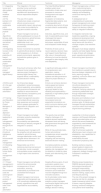
As we progress toward 2030, it is imperative that organisations strategically harness technological innovations, refine their strategic objectives and enhance operational efficiencies. This integrative approach promises to catalyse the transformation of core processes and business models, ensuring a sustainable competitive advantage within an increasingly dynamic digital landscape. In advancing PM2030, integrating technology and innovation is pivotal, focusing on major technological advancements for workforce upskilling and reimagining product use cases with embedded intelligence. Simultaneously, the strategic impact is enhanced by prioritising key value drivers and adopting innovative business models. At the same time, operational excellence is achieved by refining use cases and establishing robust design principles for effective technology integration. The proposed conceptual model presented in Table 2 outlines the links between the different pillars of project management, the challenges and proposed solutions.
Conceptual model – PM2030 challenges vs solutions.
A cornerstone of PM2030 will be the adoption of enabling technologies integral to driving innovation and maintaining a competitive edge in the market. Emerging technologies like Augmented Reality and Web3 are enhancing resilience and stakeholder engagement in sectors such as ecotourism, offering lessons for project management. Their use supports immersive, decentralised collaboration and adaptive learning, reinforcing the importance of integrating interdisciplinary innovations to realise the PM2030 vision (Micu et al., 2024). It is imperative that organisations invest in enhancing their workforce’s digital literacy to leverage these innovations effectively. Concurrently, product use cases should be re-evaluated and adapted to incorporate PM2030 technologies. This includes reimagining products to embed intelligence within their design and integrate customer experiences directly into the product offering, ensuring that products not only meet but anticipate customer needs.
The strategic impact of PM2030 can be quantified through its value drivers and the introduction of new business models. Value drivers should be clearly identified, prioritising organisational initiatives based on their potential to deliver specific, measurable benefits. This strategic approach ensures that efforts are aligned with overarching business goals. Moreover, PM2030 paves the way for novel business models, fostering an environment where partnerships and platforms can thrive, thus enabling organisations to broaden their market reach and adopt innovative value delivery methods.
Operational excellence under PM2030 is achieved through detailed operational use cases and robust design principles. Integrating advanced technologies necessitates re-evaluating current operational processes to optimise efficiency and effectiveness. This involves adopting new technologies and adhering to foundational design principles that facilitate the seamless integration of these technologies into the existing industrial ecosystem. Such principles ensure that all processes are streamlined and that the workforce is equipped to handle the demands of a technologically advanced operating environment.
In conclusion, integrating predictive AI into the PM2030 framework presents a substantial prospect for revolutionising project management. Analysis of the interaction between human skills and advanced artificial intelligence reveals that while AI can enhance predictive precision and operational effectiveness, human judgment remains essential. Therefore, future research can focus more on:
- 1.
Investigating how artificial intelligence can be integrated with traditional project management frameworks to enhance predictive accuracy and operational efficiency.
- 2.
Studying the impact of artificial intelligence on team dynamics and leadership models, focusing on communication styles, decision-making processes, and leadership efficacy.
- 3.
Researching the development of adaptive AI systems that can adjust to fluctuating project conditions, ensuring ongoing improvement and relevance in project outcomes.
- 4.
Undertaking long-term studies to evaluate the sustained impacts of AI integration within project management, specifically its effects on project success, stakeholder satisfaction and investment returns.
- 5.
Exploring the ethical and regulatory considerations of employing AI in project management, focusing on privacy, data security and ethical decision-making.
Context
With rapid technological advancement and environmental challenges, the project management profession faces significant transformation by 2030. The environmentally focused projects face significant challenges (Iskandar et al., 2022) and, thus, the need for sustainable solutions directed toward technological advancements such as AI, automation and predictive analytics capabilities to optimise project performance and sustainability outcomes (Jariwala, 2024). These technological advancements have transformed the business environment, altering how organisations perform their operations and tasks (Stang et al., 2023; Tjebane et al., 2022) and reshaping responsibilities and positions within organisations (Baumgartner et al., 2022). Consequently, the transformation has created a gap in the skills of project teams and managers (Stang et al., 2023). According to PMI (2021a), 2.3 million project professionals will be needed to fill all project management positions that are expected to exist in 2030.
Further, a survey conducted by PMI (2023b) stated that 82% of senior leaders agree that AI will have some impact on how they run projects over the next five years. However, humans will still have a central role in decision-making. Thus, as we navigate towards PM2030, project managers must evolve to become adept at leveraging these technologies, ensuring projects not only meet sustainability goals but also adapt to the increasingly digital and automated landscape (Alshaikhi & Khayyat, 2021; Auth et al., 2021).
Envisioning PM2030, automation and AI tools will be at the forefront. Project management processes will be highly automated and complex, necessitating stakeholders to anticipate projects to develop at unprecedented speeds and higher expectations (Liu et al., 2022). The project environments of PM2030 will be more agile, resilient and iterative, facilitating the construction of complex solutions within significantly reduced timeframes while addressing stakeholders’ sustainability requirements. With this transformation, project managers will find themselves automating a wide range of project activities, emphasising an outcome-focused approach that enhances project value for the organisation (PMI, 2023a). Thus, integrating AI in project management is expected to significantly reshape their roles and how they manage projects (Anglani et al., 2023; Hashfi & Raharjo, 2023).
Challenges
However, transitioning to the future presents significant challenges, including the need for an in-depth understanding of AI functionalities and the development of new skills to adeptly navigate the future’s automated and complex project landscapes. Adapting project managers to AI-based systems emerges as a significant challenge (Hashfi & Raharjo, 2023). Additionally, AI literacy is key to achieving project outcomes (Younus, 2021). The PMI (2023b) survey reported that only 20% of project managers had enough practical experience to utilise AI, and 49% had little to no experience with or understanding of AI applications in projects. Therefore, project managers must acquire a deep understanding of both project management and AI tools and processes. This dual expertise is essential for delivering successful outcomes in a project environment increasingly driven by AI and automation (Alshaikhi & Khayyat, 2021; Auth et al., 2021).
Consequently, the role of project managers will undergo a significant transformation, shifting towards leveraging AI-based systems for effective project management. They will increasingly rely on AI to automate tasks, analyse data and make informed decisions, transitioning from manual oversight to strategic and outcome-driven leadership to deliver successful, environmentally conscious projects. As a result, the profession is poised for a paradigm shift towards more AI-driven and automation-led decision-making processes. This evolution requires project managers to develop new capabilities, adapt swiftly to technological changes and act as technological integrators. They must become adept at merging various AI-based technologies and work package-based products to deliver successful project solutions. Thus, it is recommended that organisations develop strategies to enhance and upskill project managers’ knowledge and skills in using AI-based systems as well as in data governance (Anglani et al., 2023; Stang et al., 2023). Additionally, the gap between project management knowledge and AI literacy can be bridged through education and training for project managers (Stang et al., 2023).
With the rapid development of technologies, training project managers to use specific tools may not be the most efficient approach. Instead, education should be integrated into the project management curriculum, establishing a solid foundation in AI technologies and their mechanisms. This approach will enhance project managers’ agility and efficiency in keeping pace with emerging technologies, thereby enabling them to comprehend and engage with various AI tools. It will also equip them with the ability to make informed decisions about which tools to use throughout all project phases. Furthermore, project managers need guidance on which skills to acquire and develop, and how to leverage an AI-integrated working environment in environmentally focused projects effectively. This ensures that technology complements rather than replaces the human elements.
Focusing more closely on the project management profession and recognising the crucial importance of integrating AI in a manner that complements the role of project managers in environmentally focused projects, we would recommend the following research questions:
- 1.
What practical and theoretical AI-focused educational models can be developed to facilitate the utilisation of AI technologies by project management professionals in managing environmentally focused projects ready for PM2030?
- 2.
How can project management education evolve in preparation for PM2030 to ensure future project managers can use AI effectively in environmentally sustainable projects?
- 3.
What are the key digital/AI competencies and skills project managers need to develop to oversee AI-driven project management tools in environmental sustainability effectively, and how can these be acquired and assessed?
- 4.
What will the role of project managers be in using AI-based systems to manage projects effectively?
These questions aim to spark further research and discussion about integrating AI into project management education. They focus on how the profession can evolve in a digital, AI-driven world, highlighting the importance of AI literacy for project managers. This is essential for leveraging AI and automation to improve decision-making and successfully deliver eco-focused, AI-driven projects by 2030.
Ethics and AI in the age of project management automationContext
The media’s take on AI, specifically GenAI and LLMs, continues to stimulate discussion, commenting on topics around its role within the space usually reserved for humans (e.g., judgement, problem-solving and accountability). Since the launch of ChatGPT in November 2022 and the subsequent forms of GenAI and LLM services since then, the term ‘intelligence’ has caused some to ask valid questions about ethical use and where to deploy AI as accepted elements of business practice (Haque & Li, 2024). The integration of AI in project management promises to relieve project managers from overwhelming data management tasks, enabling them to reduce complexity and focus more on strategic decision-making. This shift emphasises parameters that underscore stewardship and ethical responsibility (PMI, 2021a). Of course, there are times when projects do not go as we want them to, and traditionally, the experience and ability of the project manager will be significant, often the vital element, in finding acceptable solutions in these situations. However, since LLMs are continually developing and improving, ethics enter the conversation when AI is involved. The project management landscape is on the brink of a transformative era, with AI being seamlessly integrated into traditional processes that were once solely human-driven. Areas such as risk management and customised marketing are already allowing project managers to reap the benefits of this technological advancement (Odejide & Edunjobi, 2024).
AI can provide significant support to project managers by analysing historical data, identifying risk patterns, de-duplicating information and summarising across platforms. Equipped with this insight and improved efficiency, project managers may be tempted to rely heavily on AI-driven recommendations. Yet this raises key questions: What are the costs of such speed? Can we trust the accuracy of AI outputs delivered to clients? As AI becomes a competitive differentiator, we argue that organisations should establish safeguards to ensure ethically sound decision-making. This recommendation is grounded in evidence highlighting the risks of over-reliance on AI without transparency or human oversight (Baker & Niederman, 2023; PMI 2023c, 2023d).
The project manager of the next decade will be expected to critically evaluate AI outputs through both technical and ethical lenses.
Challenges
- (i)
AI: Another great enabler?
Technological advances have reached a point where AI is no longer science fiction but a practical consideration in fields like education and medicine (Karabacak et al., 2023). These developments align with growing social awareness and echo earlier cycles of tech evolution, such as the microprocessor boom of the 1980s (Palfrey & Gasser, 2008). Moore’s law illustrates how economic factors have driven affordability and access, contributing to the widespread use of personal computing in Australia today (Lundstrom, 2003; Holt, 2016). Project managers must remain vigilant about bias in AI algorithms. When AI produces outputs from large datasets or risk assessments, understanding the basis for these results is crucial, as reputations are on the line. While AI offers speed and accuracy, organisations should invest in monitoring and reporting to ensure fairness. This may include reintroducing roles like data quality analysts to demonstrate a commitment to responsible AI use rather than relying on the assumption that machines are infallible.
AI is already supporting project management by reducing delays, errors, and data overload, helping managers deliver timely, high-quality proposals. Its use is expanding into areas like HR and recruitment, where it can efficiently filter applications. However, concerns around algorithmic bias persist, especially when oversight is lacking (Hunkenschroer & Kriebitz, 2023). These risks highlight the need for ethical boundaries in automation, where speed and convenience must not outweigh potential harms. Continued research into AI ethics is essential, particularly as organisations look to embed AI into routine operations by 2030.
The debate over AI’s role in the workplace is becoming more informed, particularly among digitally native professionals. AI and GenAI are increasingly seen as tools to enhance sustainability, reduce waste and improve efficiency (Abimbola Oluwatoyin et al., 2023). As AI becomes integrated into decision-making processes, it supports organisations in meeting growing expectations for sustainable project outcomes (Mohite et al., 2024). AI is helping to re-enable individuals traditionally marginalised in the workforce by reducing barriers to participation and inclusion (Rane, 2023). Like the tech boom of the 1990s, AI-driven assistive technologies, such as translation tools, image and text description, and language support, are enhancing digital access. With tools like ChatGPT-4, users from diverse backgrounds can engage more freely in work and community life. AI also empowers those unfamiliar with digital skills by simplifying tasks like coding and content creation, opening new opportunities in education, employment, and social participation.
- (ii)
Speed, accuracy and the need for governance.
AI significantly enhances the speed of decision-making and accelerates project updates and completions compared to traditional methods. Achieving a good outcome calls for celebration. However, if a poor outcome occurs, it is essential to stop, review the risks, reassess all available resources and the work of cross-functional teams, investigate and then resume (PMI, 2023c). The quality of decisions is a critical aspect of project management. Therefore, when relying on AI for faster and more accurate decisions, we must have processes in place to verify these AI-generated outputs. With this in mind, perhaps the need for transparency and accountability could be greater when we deploy the services of a machine that is so deeply integrated into the project management processes. However, what happens when AI is introduced, and things do not go as planned? As most will accept, in the real world, projects do occasionally experience problems. In times like these, the project or program manager’s experience and level of authority are crucial in solving problems. It often requires imagination and a thorough analysis of all available data to remedy situations and get the project back on track. However, project managers often make incorrect decisions. For example, when the risk management process has not been effectively utilised to take in changes to the project’s environmental settings or changes to scope, is the level of tolerance by clients any different when AI is discovered to be a key factor?
LLMs such as ChatGPT continue to improve in terms of the accuracy of their knowledge database and are continually improving in the space where decisions are heavily influenced by AI. Perhaps in situations where a project manager has been found to have used AI as part of the PM process, ethics enters into the conversation, not because of the failings of AI, but perhaps because of the decision of the project manager or organisation to rely on AI. Not taking all necessary steps to ensure the accuracy of the AI output, failing to visualise the potential consequences on stakeholders or causing reputational damage to the organisation could be the greatest sin. Are occasions like this more acceptable if a human is responsible and where AI is not involved? The project manager who relies on the quick output of AI and then executes decisions based on it is surely running the risk of being tripped up. One could even say that the PM or the organisation deserves the consequences, without proper checking and approval processes being adopted (Griffiths, 2024).
The PMI highlights the need for careful prompt design to avoid risks and ensure responsible AI use in project management (PMI, 2023c, 2023d). Issues like deepfakes underscore the importance of accountability and the inclusion of disclaimers for AI-generated content (Franzoni et al., 2023). Emerging uses of blockchain in project governance help support ethical, transparent decision-making (El Khatib et al., 2022). While AI handles data-driven processes, human oversight remains essential for ensuring accuracy, ethical standards and appropriate responses to unexpected events (Shang et al., 2023).
To support governance, organisations can adopt auditable standards such as ISO 42001:2023, which provides a framework for managing AI responsibly (ISO, 2023). As seen with ISO 9001, external accreditation aligned with organisational values can enhance culture and reputation (SAIGlobal, 2024). In healthcare, AI regulation models are already in place to ensure ethical use of large datasets while protecting patient privacy (Meskó & Topol, 2023). This raises the question: if AI governance is essential in medicine, why not in project management? With appropriate standards and accountability structures, formal integration may soon be expected.
- (iii)
Considerations for the future of AI
Currently, GenAI remains accessible to many and is still free to use in many forms. This combination of low cost and high availability is causing some industries to review their repeatable processes and perhaps begin to imagine how AI can form a fundamental part of these processes primarily to cut costs, reduce waste/create efficiencies (Oti-Sarpong & Leiringer, 2021) and perhaps above all, stay relevant and competitive in a marketplace that has shifted because of GenAI. The impact on research and education raises some interesting questions about the ethical considerations of student submissions (Alasadi & Baiz, 2023). This trend may lead to more imagination around meaningful roles for AI, such as decision-making and problem-solving, in areas where we need solid efficiency and consistency.
Industry leaders are increasingly responding to the rapid advancement of AI, especially in sectors like higher education. These developments are also driving innovation in content and assessment design. For aspiring project managers, the field remains broad and evolving, with growing importance placed on skills in prompting GenAI for repeatable project tasks (Deloitte, 2023; Obradović Posinković & Vlahov Golomejić, 2024). Building synergies between AI and project efficiency is seen as career-enhancing (Abimbola Oluwatoyin et al., 2023). According to Australia’s Digital Pulse, AI-related skills, particularly in NLP, ML, ethics, critical thinking, and deep learning, are among the most in demand for 2030 (Deloitte, 2023; Shoushtari et al., 2024).
Speculating on the ethical use of AI in project management raises crucial questions of responsibility and accountability. If AI-generated errors result in serious consequences, will the machine, or its developers, be held responsible? These debates echo those seen in areas like autonomous vehicles and generative AI tools, such as ChatGPT. Yet AI also presents opportunities for greater accessibility and sustainability, much like how COVID-19 reshaped work practices.
By 2030, project management is expected to evolve through the widespread integration of AI, marked by advanced analytics, semi-automated decisions and new team dynamics between humans and intelligent systems. As this transformation unfolds, ethics will become a central concern. Project managers must develop a strong grasp of AI’s capabilities and limitations while ensuring decisions reflect institutional values and social accountability.
Although core values such as bias awareness, transparency and ethical accountability have always been essential to good project governance, their importance is magnified with the adoption of AI. Successful integration hinges not just on technical deployment, but also on broad acceptance and understanding among stakeholders. This requires clear communication, education, and trust-building.
As automation advances, the project manager's role will shift toward strategic oversight and ethical leadership. To succeed in the PM2030 era, organisations must invest in cross-functional teams that combine technical knowledge with ethical foresight, anticipate regulatory developments and cultivate a culture of responsible AI use. This will ensure that AI adoption enhances project delivery while upholding the broader ethical standards that will define the next decade.
What processes will be in place at the organisational governance level to ensure decision-makers abide by their own standards, and will the ethical use of AI within project management be regulated, perhaps featuring as an accreditation that organisations can proudly display, much the same as ISO 9001 accreditation is today? To progress this topic, we propose the following research agenda to help address these challenges:
- 1.
Regulation of AI.
- 2.
Application of AI in project management. A metric for this could be the number of PhD students in North America researching AI-related topics.
- 3.
Citing GenAI and how we charge for time on a project.
- 4.
How will AI affect the economy?
- 5.
GenAI: citation and copyright.
Context
In the evolving landscape of project management, integrating GenAI tools for PM2030 is positioned to significantly boost efficiency and improve decision-making processes. Nonetheless, this technological progression presents distinct challenges, especially in the spheres of training and education. A balance between cultivating technological acumen and enhancing soft skills must be sought to address this position. This section scrutinises existing educational methodologies within Vocational Education and Training (VET) and Higher Education (HEd) in Australia, pinpointing deficiencies in preparing for future demands in 2030. It advocates for an integrated educational model that not only capitalises on the capabilities of AI but also promotes the holistic development of skills, encompassing ethical decision-making and effective interpersonal interactions that are likely to be in demand by 2030.
Project management education is typically delivered through two predominant modes: the traditional face-to-face approach, which fosters direct human interaction and is beneficial for hands-on, collaborative learning, and the online mode. Additionally, there exists a hybrid or ‘blended’ mode that synthesises elements of both, a variant that may be delivered to optimise educational delivery for diverse learner cohorts.
Further exploration of the educational landscape reveals the utilisation of informal or non-accredited pathways as supplementary or ‘feeder’ mechanisms to introduce newcomers to fundamental project management principles and processes. This section examines the alignment and potential integration of VET programs (AQF Levels 1–6) with Higher Education (AQF Levels 7–10) as proposed by the Australian Qualifications Framework (AQF, 2024). The aim is to develop an educational model that accommodates the needs of both sectors. This exploration sets the stage for incorporating GenAI in performing routine tasks, thereby acting as a catalyst and enhancer in maintaining a human-centric approach to project management education.
Current learning pathways offer an ‘apprenticeship’ by which early career project practitioners are offered a practical learning environment to experiment and hone their skills. For example, those in HEd have practical learning opportunities such as Work Integrated Learning (WIL) and internships where they can develop their project management skills, free from the responsibility and risk associated with operational project management activities. Students learning within the VET sector learn through structured apprenticeships (Australian Apprenticeships, 2024) and other related practical learning environments, such as nationally accredited training courses.
Both VET and HEd environments thus offer a pathway to a suitable ‘incubator’ for developing skills that infuse AI within a practical and realistic context and enable new project managers to evaluate their own performance and view the impact of their decisions in real-time. To harness the future capabilities supported by new and emerging technologies such as those offered by AI, new education methods must be devised to adequately prepare project managers for the complexities of project management, building on existing curriculum frameworks.
Underpinning the modern project management arena are essential ethical and sustainability mandates that are delineated in the latest revision of PMBOK (PMI, 2021b). These are, in turn, partly driven by the PMI Code of Ethics and Professional Conduct, which emphasises responsibility, respect, fairness and honesty as the bedrock of contemporary project management practice (PMI, 2024).
Highlighted in a publication by the Tertiary Education Quality and Standards Agency (TEQSA) titled “Assessment Reform for the Age of Artificial Intelligence,” significant emphasis is placed on ensuring that assessment and learning experiences equip students to participate ethically and actively in a society pervaded with AI (Lodge et al., 2023a, 2023b).
In project management, maintaining ethical standards, detecting and counteracting bias and effectively conveying clear and specific contextual information for AI technologies are crucial skills for early career practitioners. Although the current educational frameworks expose students to various theoretical and experiential activities, they have yet to significantly integrate key aspects of AI.
Recent commentary by Sullivan et al. (2023) suggests that AI tools such as ChatGPT can enhance the student learning experience. Studies have demonstrated that AI tools such as ChatGPT can improve student engagement and learning outcomes (Hughes et al., 2025; Lodge et al., 2023a, 2023b). We recommend that educators reconsider traditional pedagogical approaches to better prepare students for AI-integrated workplaces. Thus, educators should redesign their teaching and learning methods to embrace the “…New reality of living, working, and studying in a world where AI is freely available”. Sullivan et al. (2023) further suggest that these efforts should focus away from academic integrity and consider the positive aspects when developing future, innovative teaching practices.
Challenges
While the current learning environment has proved functional in preparing students for a future project management role, the introduction of AI has offered some benefits and challenges. According to Odejide and Edunjobi (2024), these may include:
- •
AI’s capability to analyse vast amounts of data for better decision-making.
- •
The use of ML to understand historical data, predict project performance and optimise resource allocation.
- •
Deep learning’s role in managing unstructured data for more accurate scenario planning and risk management.
- •
The importance of ethical AI use, ensuring data integrity, and the need for human oversight to avoid biases and ensure responsible AI application.
Embracing the capabilities and limitations provided by emergent technologies such as AI thus necessitates a paradigm shift to accommodate and navigate the complexities of this new landscape, with a view to producing better decision-making capabilities in various project management settings.
Against the backdrop of the requirements and tools needed to make project decisions that are not only commercially sound in terms of financial benefits to the project sponsor but also consider ethical elements that accommodate the needs of others, such as the local community, when arriving at the ‘best fit’ solution. As has been highlighted, the limitations of AI suggest the need for human intervention in key areas to ensure that oversight is maintained as a safeguard to ensure ethical outcomes.
Due to their inherent limitations, Derner & Batistic, 2023 caution against over-relying on AI systems like ChatGPT for key actions such as decision-making. These limitations include malicious text generation, data privacy breaches, fraudulent services and unethical content production. To mitigate these risks, they recommend strategies, such as more stringent content filtering, improved data protection and updated review mechanisms to identify and address the model’s limitations.
To this end, an examination of project management risk will be used to demonstrate the possible application of AI to assist in making ethical, unbiased and contextually relevant decisions through human intervention. This will involve examining a current risk management process and proposing a future model that harnesses AI, with the added inclusion of human oversight to detect and moderate the material provided by ChatGPT.
Nyqvist et al. (2024) examined the capabilities of the GPT-4 model in managing risks in construction projects. They compared the performance of an AI model with that of human subject matter experts. Utilising a mixed-methods approach, they engaged 16 human risk management experts from Finnish construction companies and the GPT-4 AI model, focusing on risk identification, analysis, and control. These three elements are traditional steps within the proposed PMI standard for risk management (PMI, 2019b). Nyqvist et al. (2024) found that GPT-4 outperforms humans in quantitatively creating comprehensive risk management plans. However, it lacks practicality and specificity – both areas where human expertise excels. The study highlights the potential of integrating AI and human expertise to enhance risk management processes, suggesting AI’s role as a supportive tool rather than a replacement .
Before exploring possible teaching approaches, it is essential to understand a key area of project management: risk management. Risk is defined as “an uncertain event or condition that, if it occurs, can have a positive or negative effect on one or more objectives. Identified risks may or may not materialize in a project” (PMI, 2021b, p.122). The project risk management process typically follows several sequential steps: risks are first identified and then analysed to understand the risk environment. Following this, risk responses are planned and implemented, and finally, these responses are monitored to ensure their effectiveness and alignment with acceptable residual boundaries (PMI, 2021b).
The model illustrated in Fig. 1 outlines the contemporary risk management process outlined by PMI (2021b) that does not use AI for additional insights but relies on traditional tools and techniques such as lessons learned, subject matter expert contributions, and the project manager’s collective experience.

Traditional risk management approach (PMI, 2021b).
This process can be taught to new project practitioners as a structured way in which project risk is managed. However, there is a notable limitation in applying this method in that it requires background knowledge and experience to achieve an effective risk response; failing which could have significant negative consequences for the project. A primary causal challenge could be the uncertainty inherent in the risk planning process due to projects being unique endeavours that involve complexity extended over a long period.
To address some of the limitations noted, Figs. 1 and 2 are proposed, which reduce the level of uncertainty in the risk planning process and incorporates AI to assist with risk identification by building on known risks gleaned from Subject Matter Experts (SMEs) and lessons learned. Then, ChatGPT will recommend possible risk response options with a supporting rationale for each, which will be reviewed by the project manager and other stakeholders and ensure alignment with ethics, context and counteracting any bias detected to ensure the implementation of a comprehensive and well-informed risk management strategy that is both effective and ethically sound.

This ‘ideation’ step conducted by ChatGPT can highlight typically identified risks such as inclement weather, staff shortages or supply chain shortcomings. It can be used to suggest possible risk responses to be explored through generating multiple outputs, with a supporting rationale explaining the merits of each. Human oversight within the process is also maintained to address the key shortcomings of AI usage in project management by acting as a gatekeeper for ethical standards, providing contextual relevance and addressing and counteracting imbalances introduced by biases.
The way forward
To effectively prepare project managers for a technology-enriched future, it is crucial to implement a holistic educational model that seamlessly integrates AI tools within the traditional frameworks of VET and HEd. This integration should focus on developing both technical and soft skills, particularly in ethical decision-making, human-centric approaches and the management of AI-driven project tasks. Possible enablers of this technology-enriched towards a 2030 project management educational future could involve students undertaking innovative projects that use AI to design new project management theories and to pursue “Postdigital Collective Intelligence”, which is characterised by a collaborative knowledge-making approach that integrates AI into the educational process which in turn promotes the advancement of a learning culture that is an assemblage of human insight and machine intelligence (Bozkurt et al., 2023). To progress this topic, we propose the following research agenda:
AI-enhanced curriculum development: To develop and integrate real-world AI applications into project management curricula to provide students with practical, experiential learning opportunities by answering these questions:
- •
What AI tools and applications are most effective for enhancing learning in project management?
- •
How can curricula be structured to maximise student engagement and learning outcomes with AI technologies?
Ethical training in AI for project practitioners: To enhance the ethical training components within project management courses to prepare students for the moral complexities introduced by AI technologies by answering these questions:
- •
What are the primary ethical dilemmas associated with AI in project management?
- •
How can ethical decision-making be effectively integrated into the project management curriculum?
Equitable access to AI tools in education: To expand access to AI tools in educational settings, aiming to overcome educational inequalities across various socio-economic backgrounds by answering these questions:
- •
What barriers exist to accessing AI tools in education, particularly in under-resourced areas?
- •
What strategies can be employed to ensure equitable access to AI technologies for all students?
Collaborative learning through industry partnerships: To establish partnerships between educational institutions and industries to create dynamic learning environments that reflect current trends and needs in project management by answering these questions:
- •
Which industry partnerships have been most successful in integrating real-world experiences into education?
- •
What are the best practices for fostering effective collaborations between academia and industry in the context of AI and project management?
Continuous feedback and adaptive learning models: To continuously update educational models based on multi-source feedback (educators, students, industry) to adapt to rapid technological advancements and changing industry standards by answering these questions:
- •
How can continuous feedback mechanisms be structured to influence curriculum development effectively?
- •
What adaptive learning models best accommodate the fast-paced evolution of AI technologies in an educational context?
In conclusion, the future of project management education lies in the effective integration of AI technologies with traditional teaching methods. By focusing on an educational model that balances technical skills with soft skills and emphasises ethical considerations, contextual understanding, and bias management, educators can better prepare future project managers to handle the complexities of modern project environments. This approach enhances project managers’ decision-making capabilities, ensuring they can lead with integrity and foresight in a rapidly evolving digital landscape into the future to PM2030 and beyond.
Ethical leadership in project management: navigating through the AI eraContext
As AI takes centre stage in project management, it ushers in a new era of challenges and opportunities. Given the significant impact of AI-driven decisions made by project managers on stakeholders, ethical leadership becomes paramount in this landscape. Project managers increasingly rely on AI for tasks like data analysis, risk assessment and decision-making to achieve efficiency and successful outcomes (PMI, 2019a; Taboada, 2023). However, this reliance demands a keen awareness of AI’s ethical implications, including potential biases in decision-making algorithms, privacy concerns and the consequences of increased machine-based decision-making. As we approach PM2030, ethical leadership’s multifaceted and profound impacts in AI-driven project management are undeniable.
AI and, in particular, GenAI are set to revolutionise project management. From AI-driven algorithms enhancing project selection and prioritisation to streamlining Project Management Office (PMO) operations, the potential for AI to redefine project management is transformational (Nieto-Rodrigues & Vargas, 2023). AI’s ability to analyse extensive datasets, predict valuable initiatives and reduce human biases in decision-making has the potential to offer new levels of efficiency and accuracy. However, the reliance on AI algorithms and automated decision-making systems raises significant ethical concerns about project outcomes (Boudreau, 2024; Whyte et al., 2022). Historical biases in data used by AI algorithms pose challenges for ensuring fairness and equity in resource allocation and decision-making processes. Additionally, the reliance on potentially corrupt or outdated data raises questions about the integrity and reliability of AI-generated outputs. Moreover, the interpretability of AI results and the accountability of algorithmic decision-making processes remain significant challenges, as black-box algorithms hinder interpretability and oversight (Ashok et al., 2022; Floridi, 2018).
Challenges
Drawing from the ethical framework of AI and digital technologies presented byAshok et al. (2022); Table 3 summarises the ethical implications of using AI within project management. The table introduces 14 ethical principles and proposes expected ethical actions and outcomes for AI-driven project environments. These ethical principles cover various domains of AI practice, encompassing the service layer of AI, tangible components and interactions, data handling, support of organisational systems and governance (Ashok et al., 2022). Ethical actions and outcomes addressing decision-making, responsibility, and oversight are interwoven with these principles, reflecting a holistic approach to ethical leadership in AI-driven project management.
Ethical implications of using AI in project management adapted from Ashok et al. (2022).
In current project management practice, the existing ethical frameworks, such as the PMI’s Code of Ethics and Professional Conduct (PMI, 2024), primarily emphasise limited ethical principles like responsibility, respect, fairness and honesty. Project managers typically rely on these established principles in conjunction with existing organisational rules and policies, as well as consideration of anticipated outcomes, to evaluate the ethical dimensions of complex scenarios (Baker & Niederman, 2023). However, with the integration of AI into projects, a pressing need arises for a more comprehensive set of ethical principles, actions and outcomes.
For instance, the principle of ‘intelligibility’ stresses the importance of transparent and explainable AI decision-making to cultivate stakeholder trust and collaboration. This is crucial as AI systems’ lack of transparency and explainability poses a significant risk for organisations adopting them (McKinsey & Company, 2024). Similarly, ‘accountability’ underscores the necessity of establishing mechanisms to trace AI decisions, fostering a culture of responsibility among project stakeholders. This principle aligns with UNESCO’s core principle 5 – from the recently proposed ‘human rights approach to AI’ framework’, which emphasises the auditability and traceability of AI systems to avoid conflicts with human rights norms (UNESCO, 2024).
Furthermore, the principle of ‘fairness’ emphasises unbiased decision-making to promote inclusivity and collaboration in project environments. It addresses ethical dilemmas highlighted by UNESCO (2024), such as biased AI, where AI systems can inadvertently perpetuate and amplify societal biases if trained on biased data. As indicated by PMI (2019a), project leaders must proactively seek and integrate anti-bias solutions to mitigate the risks of bias in their AI-driven projects.
Additionally, addressing principles such as ‘promoting prosperity’ and ‘solidarity’ align AI applications with human values and societal well-being, mitigating risks such as workforce/labour displacement and Intellectual property infringement as highlighted by recent industrial reports (McKinsey & Company, 2024; PMI, 2019a). ‘Safety,’ ‘privacy’ and ‘security’ principles emphasise the importance of mitigating harm and safeguarding sensitive data, linking to UNESCO’s AI framework principle 6 - transparency and explainability (UNESCO, 2024). The ‘sustainability’ principle aligns with UNESCO’s core principle 8, emphasising the need to assess AI technologies against their contributions to the UN’s SDGs.
‘Regulatory impact’ and ‘financial and economic impact’ principles highlight the importance of adhering to regulatory requirements and considering financial sustainability in project planning and resource allocation. Finally, the ‘individual and societal impact’ principle underscores the need to analyse AI’s ethical implications on personal and societal levels, requiring robust frameworks encompassing governance, compliance, and leadership (Whyte et al., 2022). Additionally, comprehensive ethics training is crucial for equipping project managers with the essential tools to effectively navigate the deployment and integration of AI (Bhatti et al., 2021).
Project leaders must navigate these complexities with integrity, embedding ethical principles in AI-driven projects’ design, implementation and evaluation. The distributed nature of AI and digital technologies demands a re-evaluation of traditional leadership paradigms in project management. While structuralist–functionalist approaches have historically emphasised rule-based rational conduct and hierarchical differentiation between leaders and followers (Kortantamer, 2023), the dynamic nature of digital ecosystems demands a more nuanced understanding of leadership dynamics. In AI-driven projects, leaders must adopt socially situated and distributed leadership styles, such as ethical, authentic and servant leadership, fostering collaboration, innovation and ethical decision-making across diverse stakeholder networks (Whyte et al., 2022).
Whyte et al. (2022) emphasise that as technology becomes integrated into projects, project leadership must ethically navigate how to incorporate innovation and integrate technologies developed across different timeframes. This uptake within organisational settings necessitates engaging with the diverse values held by stakeholders (Ashok et al., 2022; Floridi, 2018). Additionally, Floridi (2018) argues that ethics in technological change cannot be an afterthought or a mere exercise of questioning. Rather, it must be integrated from the outset, informing strategies for developing and using digital technologies. From the beginning, ethical considerations should be part of policy-making and decision-making procedures to address potential ethical problems and provide shareable solutions. This proactive approach is crucial as it allows for easier course corrections and minimises the possible negative impacts of technological decisions.
By 2030, project management will likely be at the intersection of technology and humanity, requiring a balanced approach that leverages the benefits of AI while upholding ethical standards that are likely to require human project managers in the loop. This evolution will likely necessitate a step change in the profession and perhaps a new breed of project managers who are not only tech-savvy but also exhibit high levels of emotional intelligence and possess strong ethical decision-making skills. This contribution sheds light on the ethical dimensions of integrating AI and digital technologies into project management, emphasising the infancy of research regarding AI’s impact on project leadership. Further investigation is imperative to understand the complex dynamics between AI technologies and leadership practices in project management contexts.
Future research could explore several key areas:
- 1.
Examining the effectiveness of moral-based leadership styles, such as ethical, authentic and servant leadership, in navigating the ethical challenges posed by AI-driven project management.
- 2.
Developing comprehensive ethical competency frameworks and governance models to guide organisations in the ethical deployment of AI in projects.
- 3.
Analysing the impact of AI-driven decision-making on project outcomes, focusing on evaluating ethical implications outlined in Table 3.
- 4.
Exploring the evolving role of project managers and competencies required to lead AI-driven projects effectively, including ethical reasoning, digital literacy and change management capabilities.
Context
The significance of Emotional Intelligence (EI) in project management has been increasingly acknowledged. This multifaceted concept involves the ability to understand and manage both one’s own emotions and those of others, impacting project outcomes (Podgórska & Pichlak, 2019). These competencies extend beyond individual self-awareness to encompass the management of team interactions and customer relationships (Sposito et al., 2024). With its diverse skill set, EI plays an important role in project success. It enables project managers to navigate the complexity of team dynamics and customer interactions, ultimately ensuring successful project delivery (Sposito et al., 2024). By 2030, the role of EI within project management is expected to evolve significantly as the profession adapts to the increasing use of AI and human-machine collaboration. The importance of human EI will not diminish; rather, it will become more crucial as retaining ‘humans in the loop’ becomes a central tenet of decision-making within a future project environment. Strategies that integrate these components will be critical for achieving efficiency, innovation, and adaptability in projects. This discussion will explore some of the key roles of EI within environmental project management, particularly in the construction sector.
EI has a solid scientific foundation and is a well-established concept in neuroscience. Advanced brain scanning technologies in the late 1980s led to the discovery of the “emotional brain,” highlighting that the neocortex (responsible for reasoning) and the limbic system (which governs emotions) are designed to work together. This interplay gives actions their significance, which is essential for alignment and commitment. The concept of EI was originally defined by Salovey et al. (2003) as the ability to recognise, integrate and manage emotions to boost cognition and personal growth (Wong & Law, 2017). It now includes skills in accurately perceiving, generating, understanding, and regulating emotions reflectively to promote both emotional and intellectual development. Daniel Goleman (2006) expanded this by identifying EI as crucial for leadership, comprising specific skills and competencies that enhance interpersonal relationships and can be developed to improve work performance and leadership effectiveness.
Challenges
Presently, there is a trend towards more horizontal and participatory organisational structures, necessitating a shift towards new leadership paradigms that prioritise individual growth for organisational advancement (Di Leo & Massari, 2024). This shift entails moving away from rigid hierarchical structures towards goal-oriented approaches that engage individuals and prioritise their personal and professional development through empowerment. Consequently, managers must increasingly possess the skills to inspire and involve others and have greater empathy and visionary leadership to promote cultural transformations within their organisations (Kim & Kim, 2017; Kotlyar et al., 2011). Training in emotional and relational competencies is essential and strategically advantageous for organisations, managers, and professionals seeking to navigate continual change and escalating complexity in sustainable and innovative ways. Particularly within business contexts, activating empathy mechanisms becomes crucial for fostering understanding and engagement with sustainable development initiatives, ultimately driving proactive involvement in such endeavours (Di Leo & Massari, 2024).
EI significantly influences leadership within the construction sector (Alsulami et al., 2023). Construction managers who exhibit elevated EI levels can significantly recognise emotions when encountering difficulties. They leverage this awareness to engage in rational decision-making, effectively address challenges and foster positive relationships with colleagues (Bar-On et al., 2003). According to Kukah et al. (2023), EI empowers leaders to accurately identify their own emotions while simultaneously empathising with the emotions of others. Stress affects individuals across all professional and occupational sectors, leading to various mental and physical health issues (Rajan et al., 2021). In coping with stress, self-awareness emerges as a crucial skill, as well as other EI competencies like stress management and adaptability. Within volatile environments, such as the construction industry, the absence of EI implies a risk of failure (Goleman, 2006). Ramesar et al. (2009) investigated the correlation between EI and stress management among managers, finding a significant relationship between the two factors. The influence of technology remains limited, as regardless of how automated a process is, humans still control production and key activities throughout the construction cycle. Therefore, EI plays a pivotal role in project management and environmental projects. EI enables project managers to anticipate potential team conflicts and stakeholder management issues (Sposito et al., 2024). In the the future, project managers and employees will better appreciate the role of EI in enhancing project success and minimising risks in the construction industry.
The importance of EI and its impact on organisational structure and environmental project management, such as construction, are likely to be significant by 2030. It is clear that the combination of EI and technical expertise is essential in project management. The synergy of EI and project management skills augments project delivery efficiency and improves team cohesion and stakeholder engagement. However, we need both a theoretical approach and a practitioner perspective to anticipate the role of EI in project management, particularly in environmental projects.
Although much progress has been made, possible future areas for research include:
- 1.
Exploring EI roles in project management in different industries.
- 2.
Investigating the underlying relationship between EI, leadership styles and project success.
- 3.
Identify leadership styles and EI traits that are most effective in managing AI-enhanced teams.
- 4.
Developing models and frameworks to support how EI impacts project management execution, particularly in environmental projects.
- 5.
Identifying the impacts of AI on developing EI competencies in project management.
- 6.
Study the role of EI in fostering an environment that balances AI insights with human creativity and intuition.
- 7.
Assess how project managers can use EI to address ethical dilemmas and maintain transparency and fairness when implementing AI.
Context
As we approach PM2030, the project management profession is undergoing a significant transformation driven by the adoption of AI. This change is essential to navigate an increasingly complex landscape characterised by intense competition, globalisation and rapid technological advancement. These factors heighten the probability of crises, making effective project management more challenging, yet more critical than ever (Pearson et al., 2023; Pinto et al., 2024). Intense competition drives firms to improve efficiency, but it can also lead to errors. Globalisation complicates crisis management if operations are not decentralised. Rapid technological advancements increase uncertainty and unintended consequences, exacerbating crises through the amplified dissemination of misinformation and diverting focus from prevention (Pearson et al., 2023). Extensive research involving 2314 professionals spanning 129 countries revealed that incorporating AI into project management will reshape the industry. The results of this survey highlight a significant shift, with 76% of respondents acknowledging AI’s potential to revolutionise project management practices (Müller et al., 2024; Nilsson, 2023).
Moreover, the survey identified three key areas: streamlining data collection and reporting processes, enhancing performance monitoring capabilities and optimising project time management and scheduling procedures, where AI significantly contributes to the efficiency, precision, and effectiveness of decision-making in project management (Müller et al., 2024). This implies that crises affect project performance, thus adversely affecting the effective monitoring of project costs, schedules, and resource optimisation. While it is a common practice to proactively determine the statistical distribution of a project risk based on knowledge of its potential occurrence, it is challenging to define the probabilities of crises because of their inherent uncertainties. “A crisis is commonly described as an unanticipated, surprising, and ambiguous event posing a significant threat, leaving only a brief time to make a decision” (Iftikhar et al., 2021, p. 395), which is often known as ‘a low-probability and high-impact event’.
Challenges
Resilience is the capability of a system to respond to crises and extreme disruptions effectively. The major purpose of being resilient is to enhance a system’s capacity to endure crises and disruptive events while maintaining performance unaffected (Kiani Mavi et al., 2024; Mohagheghi & Mousavi, 2024). When projects face crises and unexpected events, they can implement reactive strategies, e.g., responsiveness and recovery SCs (Kamalahmadi & Mellat-Parast, 2015), or proactive strategies such as efficient collaborations within project organisation and between project stakeholders, higher visibility and more flexibility (Klibi et al., 2018), and multiple sourcing to establish their supplier base and develop back-up suppliers (Kiani Mavi et al., 2024), to improve resilience. Internal to the project, effective governance, emphasising relationship building and flexible contractual terms, enhances project resilience (Pinto et al., 2024). When technology is used to improve project resilience, the success of the resilience strategy hinges on the ability of the technology to withstand crises and disruptions, ensuring continuous project progression. As crises manifest in various forms and stem from a diverse set of immediate causes, it is prudent and essential to carefully understand the nature of the crisis and contextualise alternative response strategies. Projects are/should be dynamic to succeed in the turbulent global environment. Therefore, transcending beyond the capabilities of technologies in responding to crises and considering a wider scope, analysing the reactions of top management and key stakeholders provides an opportunity to enhance our comprehension of effective crisis management.
Three primary viewpoints on resilience management exist: engineering, social and organisational perspectives. The engineering perspective focuses on infrastructure resilience against external shocks where resistance, absorption, adaptation and recovery are the key elements of resilience strategies. The social perspective emphasises community resilience using institutional economics and political theories. The organisational perspective examines how organisations withstand and thrive amidst turbulence and disruption (Feofilovs & Romagnoli, 2021; Hillmann & Guenther, 2020; Naderpajouh et al., 2018; Osei-Kyei et al., 2021). Project resilience involves enhancing the resilience of projects, including project managers and teams. It refers to the capacity of a project to anticipate, address and mitigate disruptions arising from changing environments and project complexity, ensuring the achievement of project objectives. This concept encompasses four dimensions: proactivity, coping ability, flexibility and persistence (Pavez et al., 2021; Varajão et al., 2023; Zhang et al., 2023).
Applications of AI for project resilience in PM2030
AI and ML utilise sophisticated systems and features to analyse, forecast and manage project risks through big data, sensors and algorithms. Among smart technologies, AI-focused risk models are pivotal in addressing project risks [and potentially crises], aiding in forecasting, monitoring changes in the operational environment, optimising available resources and recommending appropriate solutions to mitigate them (Akomea-Frimpong et al., 2023; Almansour, 2023).
It is anticipated that advancements in AI present promising impacts on project resilience for PM2030 through streamlining processes, enhancing decision-making and automating routine tasks. While project managers may rely more on AI-driven analytics for risk assessment, resource allocation and forecasting, these transformational technologies will not fully replace the nuanced judgment and creativity of project managers and even team members because human oversight and strategic thinking will remain essential for project success. AI-based technologies significantly facilitate smoother communication and coordination among team members. However, at the same time, overreliance on AI for decision-making and problem-solving may lead to complacency and ignorance among project team members, reducing their ability to adapt and respond effectively in unforeseen circumstances. Research shows that most companies fail to provide employees with AI training (Nilsson, 2023). This implies that over two-thirds of employees lack knowledge of AI or possess only basic skills. By 2030, the profession’s mechanics and complexities will likely be significant. Current levels of project management knowledge of technology will require a step change in understanding to ensure they fully understand the mechanics of AI and how it influences this sector. While integrating AI into project management to boost resilience requires specialised skills and knowledge, organisations may struggle to invest time and resources to upskill their workforce or recruit AI experts, hindering AI’s effective implementation and utilisation of resilience. As AI algorithms rely on training to improve their performance, biases in the training data result in incorrect risk assessments and, thus, inappropriate responses to crises. To enhance resilience, project managers need to better understand the contextual nuances and/or alternative approaches crucial for resilience.
Furthermore, AI-powered systems are vulnerable to cyberattacks, which could compromise project data, disrupt operations or introduce false information, undermining project resilience. Lastly, smaller projects or organisations with limited resources, skills and expertise might be reluctant to implement AI technologies due to their higher complexity. In such cases, the financial burden and technical challenges of AI adoption may outweigh the potential resilience benefits.
Overall, AI is poised to transform project management, providing enhanced efficiency, agility, and innovation. The growing complexity of projects and unpredictable environments pose significant challenges to traditional project control and risk management approaches. This necessitates a more flexible, adaptable and forward-looking set of AI-enabled strategies as we progress toward 2030. Researchers are recommended to investigate the applications of AI for project resilience by:
- 1.
Boosting AI with big data analytics to provide real-time monitoring, predictive analytics, adaptive planning and proactive risk mitigation to improve accuracy and ensure project resilience over time.
- 2.
Investigating optimal models for human-AI collaboration in project resilience, including decision-making frameworks, communication protocols and training methods to maximise the robustness of crisis response plans.
- 3.
Exploring scalable, adaptable and explainable AI solutions that can accommodate different project scales, complexities and contexts while maintaining effectiveness and efficiency in enhancing resilience.
Context
As we look toward PM2030, the future of project management is not only shaped by advancements in AI but also by an increasing awareness of environmental sustainability. Project management practices must evolve to address the significant environmental costs that have long been overlooked. Integrating AI into project management offers a promising pathway to enhance efficiency, agility, innovation and resilience while also mitigating environmental impacts. Utilising technologies such as AI and automation in projects can reduce energy usage and be more environmentally friendly than traditional systems (Mavrodieva & Shaw, 2020). However, there is an extensive inquiry about the level of reliance on technologies, notably AI and automation, in project management (Auth et al., 2021; Bedué & Fritzsche, 2022). As interest in the trustworthiness of AI and automation grows, the concept of over-reliance on these technologies is highly context-dependent and culturally specific, while also relying on evaluating and reflecting on the trustworthiness of others (Aroyo et al., 2021). AI and automation could promise environmental equality for everyone by giving them access to high-quality environmental standards, and there is a commitment to fighting structural obstacles to exposure to toxic environments by AI and automation (Nishant et al., 2020). However, it is essential to ensure that AI tools and automation methods are not considered the only solution due to issues related to giving marginalised groups a voice and influence (Mah, 2017).
Challenges
Over-reliance on AI and automation can have negative environmental impacts. These include the significant carbon emissions produced by data centres that support AI models, highlighting the costly nature of training AI on large datasets. Additionally, AI can adversely affect cognition, particularly through information overload caused by the Generative Pre-trained Transformer’s ability to produce vast amounts of text, complicating the distinction between reality and unreality (Allaham and Diakopoulos, 2024). Moreover, while big data is effective for tracking the immediate consequences of ecological disasters, it is less suitable for monitoring the slow, cumulative impacts in various regions (Mah, 2017). A more detailed analysis of the environmental downsides of AI and automation is provided below.
The hidden side of AI and automation is the energy they require to train foundational models and process vast datasets. As these technologies are increasingly applied in project management tasks such as forecasting and clustering, increased energy consumption can lead to significant environmental downsides due to the reliance on non-renewable energy sources. For example, forecasting in project management can be applied by using ML algorithms to predict project costs and timelines. Similarly, clustering can be used to optimise resource allocation by grouping similar tasks or resources in a software development project to manage technical support and feature development efficiently. Large organisations managing substantial projects require spacious data centres to gather, store and analyse this data. These centres, predominantly powered by non-renewable energy, underscore the urgent need for eco-innovation within project management to mitigate environmental impacts (Li et al., 2020).
Additionally, as the business environment becomes more complex and the volume of information expands, the demand for more sophisticated computations increases. This escalation necessitates additional facilities and equipment, further complicating models, algorithms and energy needs. The environmental toll of these practices, exacerbated by an overreliance on traditional energy sources, highlights the critical need for integrating eco-innovative strategies in project management to address the adverse effects and promote sustainable outcomes.
Another aspect of energy consumption in project management is related to cooling systems, which are necessary for maintaining large and complex automation systems’ operations and activities. These cooling systems require substantial energy and electricity, supplied from non-renewable sources and contribute significantly to environmental degradation, including effects on water bodies and noise pollution. As project managers increasingly oversee projects integrating AI tools and automation systems, the associated infrastructure, such as sensors, robots and computers, becomes crucial. This infrastructure necessitates cooling systems that, in turn, result in emitting greenhouse gases, further exacerbating water pollution and waste generation. With the growing reliance on AI and automation in project management, addressing the environmental impacts of the supporting infrastructure, such as cooling systems, becomes a critical component of project planning and execution phases. Project managers should embrace and follow eco-innovation by integrating greener cooling technologies and more energy-efficient and environmentally friendly systems to mitigate these destructive effects on water and the environment (Tischner & Charter, 2017; Wu & Huang, 2018).
As automation becomes increasingly essential to project management practices, with companies globally depending more on it, it is necessary to note that only a few manufacturers in select parts of the world make the crucial equipment required for these technologies. This scarcity necessitates extensive global transportation to meet project needs, significantly increasing project costs and environmental burdens. Project managers must, therefore, critically assess the broader implications of this reliance on automation, recognising that the lengthy transportation involved not only adds logistical complexities but also significantly boosts CO2 and other greenhouse gas emissions.
Significant environmental concerns are inherent within project management, and they can be traced to the excessive reliance on automation and AI and the resulting adverse ecological effects, particularly those associated with electronic waste. Hence, an additional condition will be the human monitoring of project management, ensuring it fosters eco-innovative strategies, seeks practical solutions, and manages the harmful effects of electronic waste. By taking a micro-level approach to eco-innovation, the project manager can lead the organisation towards a circular economy that helps alleviate the problems caused by electronic waste (Pichlak & Szromek, 2022).
Achieving a balance between the use of AI and automation and ecological responsibility is feasible through eco-innovation (Chien et al., 2021). These challenges also extend to environmental and social sustainability. In project management, while AI proves invaluable in aggregating and analysing vast datasets, the practical application and effectiveness of these insights often necessitate human intervention to ensure they are both practical and actionable. These tools can be beneficial when accompanied by human involvement; however, overly depending on them can result in impractical or unusable outcomes.
Therefore, full reliance on these technologies can lead to disastrous outcomes. Applying technologies requires project managers to possess strong skills and knowledge to effectively use technology to manage projects (Wei, Hwang, Zhu, & Ngo, 2024). This underscores that human intuition is always necessary for AI to perform correctly. It should be mentioned that by incorporating eco-innovation, project managers can enhance AI systems and create more adaptive and flexible algorithms that are resilient to most unforeseen disruptions by using their own oversight of eco-innovation.
By 2030, project management will experience two significant interrelated challenges associated with technological integration and environmental sustainability. The combined effect of the two challenges is that AI and automation promise increased efficiencies and lower direct human labour. However, they come at a high ecological cost, mainly characterised by increased energy utilisation and a dramatic increase in electronic waste. Moreover, the widespread belief that AI and automation are naturally more environmentally friendly than conventional approaches will be critically examined. As a result, future sustainability assessments will consider the full life cycle of AI-enabled processes and technologies, including the often-overlooked costs associated with data storage, energy use and the environmental impact of cooling systems, which rely heavily on water and contribute to pollution.
AI and automation, when efficiently integrated and balanced with human intuition, can be transformative solutions, offering a greener and more efficient future for project management. By 2030, project managers will be critical not only in the disciplinary levels of projects but also in over-technical domains around technologies such as AI and automation. It is essential for them to comprehend this so they can effectively cooperate with these technologies and counterbalance their potential environmental harm. For PM2030, we expect to have established robust governance structures and significant competency models for ecologically based AI deployment. Moreover, there will be a refined perspective on the ecological fronts of technology, acknowledging the irreplaceable value of human intuition, and the prevalence of environmentally informed reasoning in project management will also have expanded. It is predictable that project managers will persist in integrating eco-innovative practices, technologies, solutions, designs, and strategies, guided by their deep understanding of project dynamics. Future research could explore several key areas:
- 1.
Analysing the effect of AI-driven decision-making and automation on the projects’ green outcomes and the reach of environmental sustainability.
- 2.
Search for alternatives and project management approaches that can offset some of the negative implications for the environment brought about by AI and automation.
- 3.
Legislation and policy-making call for creating a framework that would permit outlining AI and automation’s structured activities and processes and thus make it possible to control them.
- 4.
Identifying the features, knowledge, and skills that future project managers should acquire to thrive in the evolving landscape of eco-innovation.
Context
In project management, diverse roles such as risk management, change management, procurement management, resource management and communication management support the ability of project managers to adapt to the changing landscape of project management and contribute to delivering successful outcomes. By 2030, project managers will likely be expected to lead change and facilitate collaboration between humans and AI. The transformation of the profession, envisaged by PM2030, must evolve to integrate new transformative AI tools and processes, manage change, and lead agile, integrated, resilient human and machine teams (Ciric Lalic et al., 2022).
Challenges
- (i)
Improving project management skills: suggested future enhancements
The changes required in skills and responsibilities as digital technology advances are significant. The following outlines the likely changes to role characteristics necessary for enhancing project management skills and expertise (Bianca Felizardo et al., 2023) in the transition toward PM2030.
1. Enhanced decision-making and predictive analytics
- •
Traditional role: Project managers traditionally rely on experience, intuition and historical data to make decisions. This process is often time-consuming and subject to human error.
- •
Evolved role: AI-powered tools provide predictive analytics, enabling project managers to make data-driven decisions. These tools analyse vast amounts of data to predict project outcomes, identify risks and recommend optimal actions. Project managers must now interpret AI-generated insights and integrate them into their decision-making processes. This shift requires continuous learning and upskilling to effectively utilise these advanced tools (Carl & Annlizé, 2021; Jennifer et al., 2022).
2. Automation of routine tasks
- •
Traditional role: Project managers spend significant time on routine administrative tasks, such as scheduling, resource allocation and reporting.
- •
Evolved role: Automation handles these routine tasks, allowing project managers to focus on more strategic activities. Tools like Robotic Process Automation (RPA) streamline scheduling, resource management and status reporting. As a result, project managers are shifting from task executors to strategic planners and problem solvers. This transition is facilitated by adopting an agile mindset and a deep understanding of digital transformation (Fritz & Cordova, 2023; Wrede et al., 2020).
4. Emphasis on strategic and creative thinking
- •
Traditional role: The role often involved detailed planning, monitoring and controlling project activities to ensure alignment with project goals.
- •
Evolved role: With automation handling many operational aspects, project managers increasingly focus on strategic thinking and creativity. They must innovate, envision future project directions and develop strategies to leverage new technologies for competitive advantage. This requires cultivating strategic and systems thinking abilities as well as strong leadership and emotional intelligence (Guillemette et al., 2022; Garcez et al., 2023).
5. Ethical and responsible use of AI
- •
Traditional role: Ethical considerations were often focused on compliance with regulations and standards.
- •
Evolved role: Project managers must now ensure the ethical use of AI, addressing issues such as data privacy, bias in AI algorithms and transparency. They play a critical role in setting guidelines for responsible AI use and ensuring that AI applications align with ethical standards and organisational values. This involves governance, risk management, and a focus on cybersecurity (Ferreira de Araújo Lima et al., 2021; Garcez et al., 2023).
6. Collaboration with AI and human teams
- •
Traditional role: Project teams were composed solely of human members with defined roles and responsibilities.
- •
Evolved role: Project managers now lead hybrid teams of human members and AI agents. This requires a new approach to collaboration, where project managers must understand the strengths and limitations of AI, allocate tasks accordingly and ensure seamless interaction between human and AI team members. Effective stakeholder management, communication skills, and cross-functional collaboration are essential for success in this evolved role (Pinto, 2022; Nikulina et al., 2022).
In summary, with certain roles specialising and others amalgamating, the emergence of new hybrid roles is likely. The trajectory of the project management profession indicates a shift towards being increasingly technology-driven and data-oriented, while emphasising strategic leadership, adaptability and cross-functional collaboration (Bell et al., 2024).
Future research related to project management roles
Emerging technologies such as AI have significantly altered the project management landscape. However, more research is necessary to explore integrating AI-based tools and how they reshape various project management responsibilities (Walker & Lloyd-Walker, 2019).
- 1.
Recent studies suggest that knowledge management is crucial to project success. Explicit knowledge improves project management efficiency and team effectiveness, whereas tacit knowledge impacts business outcomes (de Sousa et al., 2023). Future inquiries should prioritise examining the influence of knowledge management on project success metrics and team dynamics. This endeavour holds promise for refining project management methodologies and optimising team efficacy.
- 2.
In project management, the role of a project management strategist involves developing and implementing strategies to enhance project management processes and performance within an organisation. It is suggested that experimental studies be conducted to evaluate the impact of AI tools on project success, efficiency and stakeholder satisfaction in different industries and types of projects. Additionally, there is a requirement to examine the ethical and privacy implications of using artificial intelligence and develop frameworks and methods for upskilling and reskilling project managers and team members.
- 3.
By 2030, advancements in tools and technologies will further empower project managers by providing enhanced capabilities for data analysis, predictive modelling, risk assessment and real-time communication, thereby strengthening their resilience. To harness these advancements effectively, project managers should focus on updating their skill sets, embracing technological innovations, fostering a culture of continuous learning within their teams, and nurturing their resilience. This holistic approach will enable them to seamlessly integrate new tools and stay ahead in managing projects amidst evolving challenges.
Table 4 presents a synthesis of the individual contributions across ethical, technical and managerial dimensions offering a comparative overview of how each author conceptualises the impact of AI on project management. This synthesis not only highlights converging themes, such as the ethical imperative for transparency and fairness, the technical challenges of data quality and algorithmic bias, and the evolving role of project managers, but also highlights divergences in emphasis and approach. By mapping each contribution to these three dimensions, the table provides a structured lens through which readers can identify key tensions, gaps and opportunities for future research and practice as the profession transitions toward PM2030.
Contributions synthesis across dimensions.
A high-level thematic analysis was undertaken to systematically identify and offer additional insight into patterns of meaning and underlying context from the individual expert contributions. The diagram presented in Fig. 3 highlights the separate themes that were identified from the set of contributions on the PM2030 challenges. The analysis of the individual contributions and development of the presented themes is detailed in the following sections.
Integration of human and data systems
The vast increase in the volume and variety of data has made this a critical asset in project management and has become an integral component of decision-making processes (3.1). However, the real challenge lies not just in handling the data but in making sense of it and using it effectively to drive project outcomes. AI can automate routine project management tasks, enhance data accuracy and offer predictive analytics that help in proactive decision-making. Complex problem-solving, innovative interpretation, social intelligence, and the ability to navigate ambiguous situations are domains where humans excel. Therefore, a collaborative approach where AI handles data-heavy tasks and humans focus on strategic, creative and interpersonal aspects can lead to better project outcomes (3.1). The DWM approach by Li et al. (2023) focuses on a well-crafted data workflow across organisational levels, collaboration and responsibility, and clearly defined data roles to promote a whole-of-organisation strategy for developing and implementing AI capabilities (3.1, 3.8, 3.12).
Project management faces strategic misalignments, operational inefficiencies and human resource constraints. Strategic misalignments often result from premature announcements and overly ambitious targets, while operational inefficiencies stem from ineffective processes and communication (3.4). By 2030, the integration of human and data systems within project management is expected to evolve significantly as the profession adapts to an increasing use of AI tools and processes, data analytics and human-machine collaboration (3.1). The effective integration of AI offers promising solutions for project management challenges by providing advanced tools for more accurate predictions and streamlined processes, ultimately enhancing project outcomes. However, solutions must address data integrity, applicability, relevance and potential biases whilst retaining human expertise and judgment to fully enhance project management effectiveness (3.3, 3.4).
Emotional and ethical dimensions in project managementSince the launch of GenAI, questions on the ethical use and deployment of AI in business practices have been a constant feature within the literature. In project management, AI promises to reduce data management tasks for managers, allowing them to focus more on strategic decision-making and ethical responsibility (PMI, 2023c). When projects do not go as planned, the project manager’s experience is critical in finding solutions. However, as LLMs develop, the ethical considerations of AI’s role become significant. The project management field is on the brink of a huge transformation, with AI being integrated into everyday tools and processes such as risk management and planning, effectively reducing human limitations in handling large datasets (3.6).
By 2030, advancements in AI and related technologies are expected to transform the project management profession. As AI models become more capable, decision-making in project management is likely to rely more on AI processing, raising valid ethical considerations (3.8). Although human input and emotional intelligence will remain key aspects of critical decision-making, the extent to which current tasks and decisions will be automated and the reliance on AI remains uncertain (3.3). However, there remains a risk that the AI systems could produce incorrect decisions due to biased data, issues related to model training or inefficient algorithms. It is, therefore, critical that project managers utilise their emotional intelligence and that processes exist that encompass collaborative decision-making that entails the pragmatic and ethical integration of AI and human expertise, guided by an ethical framework (3.3, 3.9).
The collaboration between humans and AI yields better project outcomes. Developing a collaborative culture involving AI developers, domain experts and wider society will enhance decision-making transparency in achieving project outcomes (3.1, 3.8). As AI models become more complex, explainability will be critical. Project managers will need transparent AI tools to understand and trust AI predictions. A greater focus on explainable AI will help managers comprehend and validate AI decisions, improving transparency and stakeholder trust. By 2030, effective project management will require a balance between technology and humanity, necessitating technology-literate project managers with strong ethical decision-making skills and high levels of emotional intelligence (3.3, 3.6, 3.8, 3.9).
Education and trainingThe successful transition toward 2030 necessitates adopting enabling technologies to drive innovation and maintain market competitiveness. Project managers will need transparent AI tools to understand and trust AI predictions. A greater focus on explainable AI will help managers comprehend AI decisions, improving transparency and stakeholder trust. Training and education investments will be crucial to ensure that staff are knowledgeable and capable of making informed decisions in an AI-integrated era (3.1). Organisations must invest in enhancing their workforce’s digital literacy to fully leverage these innovations. Additionally, product use cases should be re-evaluated to embed intelligence in product design and integrate customer experiences to anticipate needs (3.4). These changes reshape business environments, alter organisational roles and create skill gaps among project teams and managers.
The PMI forecasts a need for 2.3 million project professionals by 2030. Education should focus on foundational AI technologies and their application in project management to enhance adaptability and decision-making. This approach ensures technology complements, rather than replaces, human elements, maintaining the essential role of project managers in delivering successful, environmentally conscious projects (3.5, 3.12). Organisations should upskill project managers in AI and data governance, bridging the gap between project management knowledge and AI literacy. This dual expertise is essential for delivering successful outcomes in an AI-driven environment (3.7, 3.10).
Resilience and riskThe onset of AI-enabled transformational change within project management requires the profession to navigate an increasingly complex landscape characterised by intense competition, globalisation and rapid technological advancement. These factors heighten the risk of crisis events, highlighting the criticality of effective project management in delivering successful outcomes (3.10). Three perspectives on resilience management—engineering, social and organisational highlight different strategies for maintaining performance during disruptions. Project resilience involves anticipating, addressing and mitigating disruptions, encompassing proactivity, coping ability, flexibility and persistence (3.10). Resilience in project management involves the capacity to endure and respond effectively to crises. Strategies to enhance resilience include both reactive measures, such as responsiveness and recovery, and proactive measures, such as efficient collaborations, higher visibility, flexibility and multiple sourcing (3.11). Effective governance and flexible contractual terms also play a crucial role in building project resilience. AI is poised to transform project management by enhancing efficiency, agility and innovation. As we progress toward 2030, a more flexible, adaptable and forward-looking set of AI-enabled strategies will be necessary to manage project environments’ growing complexity and unpredictability (3.10).
Environmental impact and sustainabilityAs we approach 2030, project management is being shaped by advancements in AI and an increasing focus on environmental sustainability. Integrating AI into project management can enhance efficiency, agility, innovation and resilience while reducing environmental impacts (3.11). Adopting AI in sustainable public infrastructure projects has immense potential to improve efficiency, sustainability, strategic decision-making and stakeholder impact strategies. However, significant barriers remain that could impede the widespread adoption of AI in this sector by 2030. Addressing these barriers is crucial for leveraging AI’s full potential in supporting sustainable development goals (3.2). The failure to determine the true impact of infrastructure projects also impedes AI adoption. Many projects have poorly defined business cases and benefits. While research is beginning to address this gap, there is still a lack of empirical evidence on planned and achieved sustainability impacts, which hinders AI’s potential role in these projects (3.2). The specific types of AI that could support sustainable public infrastructure projects and their applications remain uncertain. AI has potential in various areas, but its implementation in policymaking and project management is still limited. The complexity of creating a global AI ecosystem for public and commercial organisations makes it unlikely to be realised anytime soon.
As automation becomes an essential component of everyday project management, the scarcity of manufacturers for crucial equipment increases global transportation needs, boosting CO2 emissions. Electronic waste from automation and AI technologies poses another environmental concern, necessitating human monitoring and eco-innovative strategies (3.11). By 2030, project management will face challenges related to technological integration and environmental sustainability. AI and automation promise efficiencies but come at an ecological cost, including increased energy use and electronic waste. The narrative that AI is inherently green will be scrutinised, with a need to account for the entire lifecycle of AI technologies (3.11). Robust governance structures and competency models for ecologically based AI deployment are expected. Project managers will continue integrating eco-innovative practices, technologies and strategies, guided by a deep understanding of project dynamics and environmental impacts.
The future of AI-augmented project management: ethics-centric modelSeveral key themes emerged from the PM2030-focused expert contributions in section 3. The main theme centred on ethics, where the contributions posit the need for an ethical dimension to be an integral component of the future of AI-augmented project management. Ethical considerations are critical and should be “part of policy-making and decision-making procedures to address potential ethical problems and provide sharable solutions” (3.8). Project managers will need to be AI literate to “navigate this high-tech terrain” whilst always keeping in mind that “ethics of AI will emerge as a cornerstone of the profession”, enabling, facilitating and steering “its influence toward equitable, transparent and accountable outcomes” for the sector (3.6). The presented AI Augmented Ethics-Centric Model in Fig. 4 incorporates an Ethical Framework as the foundation for this sector’s policy and education. Any ethical framework must consider the capabilities and limitations of AI technology and effectively use a risk management strategy for organisations. By 2030, project managers will be required to take a “proactive approach” to “cultivate a deep understanding of AI capabilities and limitations and where ethical considerations are concerned” (3.6) and develop their “ethical reasoning” (3.8). These managers (along with AI developers and policy makers) will also need to consider “data biases and algorithmic fairness” to foster “equity in AI projects” (3.3).

Moving forward with this model, we posit that ethics should be embedded within (and interconnect with) “an educational model that balances technical skills with soft skills, and emphasising ethical considerations, contextual understanding and bias management” (3.7). Addressing digital literacy and training needs will be critical (3.4, 3.5, 3.8). The utilisation of a “holistic educational model that seamlessly integrates AI tools within the traditional frameworks of Vocational and Educational Training (VET) and Higher Education (HEd)” will help to achieve this (3.7). Through this Educational Model, future project managers must be empowered with both “technical and soft skills” and equipped with adequate training in AI tools, “with a particular emphasis on ethical decision-making, human-centric approaches and the management of AI-driven project tasks” (3.7). It will also be critical for decision-makers to understand how to implement “an effective Data Workflow Method (DWM) to integrate human and data systems” by those overseeing AI projects (3.1). This knowledge, provided by industry experts, should then seamlessly feed into policy development by organisations and for the sector (or government organisations).
Education on the impact of AI tools and processes will help overcome barriers to adopting this fast-developing technology. However, the lack of financial and human resources of smaller organisations may still mean there is an inability and reluctance by some to “implement AI technologies due to their higher complexity”, with such challenges “outweighing the potential resilience benefits” (3.10). This will not be the only barrier to adoption; the sector needs to be mindful of it. There is also a lack of general “public investment” and development (particularly in infrastructure) and a “lack of understanding about SPM” (sustainable project management) and how AI could “improve the impact of sustainable projects” within organisations (3.2). Hence, not only do the operational energy needs and their subsequent impact on the environment require consideration (3.11), but so do the “sustainable solutions directed toward technological advancements” (3.5). Addressing these Environmental constraints will assist in the transition “from manual oversight to strategic and outcome-driven leadership aimed at delivering successful, environmentally conscious projects” (3.5). This all requires “promoting sustainable practices in AI technology development and deployment” to “mitigate environmental impacts and promote long-term societal benefits” (3.8). Finally, we must not forget “the role of EI (emotional intelligence) in project management, particularly environmental projects”, from “both theoretical and practitioners’ perspectives” (3.9).
Predictive model for AI adoption and human trust in project managementThe PM2030 vision and key elements of the AI Augmented Ethics-Centric model, can be adapted to construct a predictive model that aligns with the theoretical insights from the Situated AI Theory as outlined in Kemp (2023), the Algorithmic Trust Dynamics framework as presented in Leavitt et al. (2024) and the Hybrid Intelligence Theory discussed in Raisch and Fomina (2023). These three studies outline the need for contextual AI customisation, collaboration mode selection, and trust-building factors, critical for predicting the impact of AI on project success.
In Fig. 5 - we present the Predictive Model for AI Adoption and Human Trust in Project Management. The model depicts a decision tree framework for assessing AI adoption and trust in project management. The model focuses emphasises the importance of integration into core project processes, managerial reflexivity, alignment with project goals and the nature of AI-human collaboration—all critical factors for ensuring that AI enhances rather than hinders project outcomes.

Step 1 AI integrated into project processes
This step entails the integration of AI into core project management performance processes. This is crucial for tracking project progress, assessing team productivity and resource optimisation. Where AI tools can be integrated within performance metric processing the system has the potential to offer value added data driven insights for more informed decision making. Where AI is not yet integrated into existing project performance processes, only low levels of AI performance gains are expected.
Step 2 AI system compliance and transparency
It is critical that project stakeholders understand the operation of the system and how it delivers results. Trust in the system is dependent on the transparency of the system and how it generates its decisions. If AI is inscrutable, there is a risk of low employee trust and algorithmic tension, as project team members might feel disconnected from or sceptical of AI-driven insights, especially if they don't understand how decisions are derived. If the AI system is clear and understandable, it promotes high employee trust and strong AI integration within the project management framework.
Step 3 Alignment of AI outcomes with project goals
Project managers need to ensure that AI-driven outputs align with the projects' human-centred goals. This requires the project manager to critically analyse AI decisions to ensure they meet the teams’ needs and broader perspectives. Without alignment there is likely to be low trust levels of employees and algorithmic tension, where rigid reliance on AI could result in outcomes that are detached from the projects' human-centred goals. Where the project manager demonstrates alignment of AI decisions and project goals, medium levels of employee trust are said to exist, although there may be potential conflicts where outcomes diverge.
Step 4 Hybrid problem-solving and collaboration
Within project management, a hybrid problem-solving approach can combine AI-driven insights with human expertise to address project challenges. This collaborative approach leverages AI for data-driven decisions while relying on human judgment for context and strategic direction. If problem-solving is not a hybrid of human and AI, this may result in less efficient problem-solving and underutilisation of AI, as important insights may be missed if AI and human inputs are not combined. The adoption of a hybrid approach fosters high employee trust and facilitates robust AI integration, allowing teams to make well-rounded decisions based on a balance of AI analytics and human insight.
Step 5 Degree of human-AI interaction
If a hybrid approach is adopted, the next question is the level of interaction between AI and humans. In project management, an interactive approach allows for frequent human oversight and input into AI-driven processes, enhancing both accuracy and accountability. An autonomous process dominated by AI may achieve high AI efficiency but may lack the human insight critical in complex projects, where adaptability and nuanced judgment are essential. An interactive approach leads to optimal efficiency and human-AI complementarity, where the strengths of both AI and human team members are leveraged in tandem. In a sequential approach, where AI and human inputs are not fully integrated but follow one another, medium efficiency is likely achieved. This can balance AI’s data-driven speed with human context but may slow down decision-making compared to a fully interactive approach.
Step 6 Tailoring AI to project-specific workflows and culture
Successful AI adoption in project management often depends on tailoring the AI system to align with the organisation’s specific workflows and culture. Customising AI to match the project team’s unique ways of working ensures that it adds value without disrupting established processes. If the AI system is tailored to the organisation’s workflows and culture, it promotes high success in AI adoption and creates a competitive advantage by enhancing project efficiency and alignment with organisational objectives. If the AI system is not adapted to fit existing workflows, there is a potential for failure in AI adoption due to misalignment with organisational structures. This can lead to resistance and underutilisation of AI in the project.
Recommendations for academia and practiceAs the project management profession evolves toward the vision of PM2030, it is no longer sufficient to view AI as a set of tools or systems to be adopted in isolation. Instead, AI must be understood as a transformative force reshaping not only the mechanics of project execution but also the ethical, cultural and strategic dimensions of the field. To support this transformation, we offer a set of interconnected recommendations for academia and practice. These are organised across three nested levels, individual, organisational and societal, each of which plays a critical role in the successful integration of AI in project management.
At the individual level, the transformation requires a significant shift in the skill sets and mindset of project professionals. Project managers will need more than technical proficiency in scheduling or cost estimation; they must cultivate digital literacy, understand the workings and limitations of AI systems, and develop the capacity to critically engage with AI outputs. Training and professional development initiatives must therefore move beyond surface-level exposure to AI tools. Instead, they should be grounded in the principles of explainability, trust and ethical reflection. For example, project leaders should be equipped to identify algorithmic bias, assess data quality and communicate AI-driven recommendations transparently to stakeholders. This will require universities and professional bodies to reimagine curricula—embedding modules that explore not only AI capabilities, but also the human-AI interface, trust calibration, and decision-making under uncertainty.
AT the organisational level, firms and project-based organisations must adopt a structured, phased approach to AI integration. This process should begin with a thorough audit of existing workflows and technological infrastructure, followed by identification of high-impact use cases for AI, such as in resource optimisation, risk forecasting or progress tracking. Importantly, the integration process should be iterative, with sandbox environments used to test AI tools before full-scale deployment. This approach not only mitigates risks but also allows organisations to assess ethical compliance and stakeholder perceptions in a controlled setting. Alongside technical implementation, organisations must build governance structures that clearly define responsibility for AI-generated decisions. These structures should promote ethical oversight, data stewardship and transparent communication, ensuring that AI is used to augment, not replace, human judgement. Moreover, fostering a culture of collaboration between human and AI agents will be essential, particularly in hybrid teams where AI tools perform analytical or predictive roles alongside human stakeholders.
At the societal level, the implications of AI integration extend beyond the boundaries of individual projects or firms. Policymakers and institutions must consider how regulatory frameworks can support responsible AI use while promoting innovation and competitiveness. This includes establishing standards for algorithmic accountability, data protection, and environmental sustainability. As AI systems become more embedded in project delivery across sectors, from infrastructure and healthcare to climate resilience, the environmental impact of digital technologies must be addressed. This calls for not only more energy-efficient systems but also a holistic lifecycle approach to project technology, from procurement to decommissioning. Equally, societal-level strategies should aim to close the digital divide, ensuring that smaller organisations, non-profits and those operating in less digitally mature contexts are not excluded from the benefits of AI-enhanced project practices.
Future studies are recommended to examine how AI influences project team dynamics, how trust in AI develops in high-stakes environments, how ethical reasoning can be embedded into real-time decision-making frameworks and impacts on policy. The AI Augmented Ethics-Centric model proposed in this study (Fig. 5 above) offers one such bridge, providing a conceptual basis for navigating the challenges and opportunities presented by AI in project contexts. Ultimately, the future of AI in project management will be shaped not only by the technologies we develop, but by the values, systems and capabilities we nurture to guide their use. PM2030 is not just a technological destination; it is a call to design a human-centric, ethically responsible, and sustainability-aligned future for the profession.
ConclusionsThe concept of PM2030 is a period in the not-too-distant future where the digitalisation of the project management profession is at a stage where AI technologies play a significant role in task management, decision making, scenario modelling and automating many of the roles and functions we have today. This study, utilising an expert-driven multi-contributor approach, elaborates on many of the challenges inherent within this technologically focused future of the project management profession as we progress toward 2030. The discussion on what constitutes responsible and ethical AI is still evolving. The explanations by domain experts, developers, prompt engineers and the public remain open and subject to interpretation. This highlights the importance of introducing an ethical framework for AI-augmented project management. We present the AI Augmented Ethics-Centric Model that provides a structured approach to delivering successful outcomes within an AI-centric project management environment and also the Predictive Model for AI Adoption and Human Trust in Project Management. By incorporating these models, we posit that both academia and practice can follow a structured approach to developing the necessary steps in transitioning to PM2030.
We accept that the paper is somewhat limited by the “opinion” based format, but posit the value of the multi-contributor format on an important and emerging topic, where the range of perspectives can offer new insight to the future of project management.
CRediT authorship contribution statementLaurie Hughes: Writing – review & editing, Writing – original draft, Visualization, Supervision, Resources, Project administration, Investigation, Conceptualization. Reza Kiani Mavi: Writing – original draft, Resources, Funding acquisition. Masoud Aghajani: Writing – original draft, Visualization, Project administration. Keith Fitzpatrick: Writing – original draft. Senali Madugoda Gunaratnege: Writing – original draft. Seyed Ashkan Hosseini Shekarabi: Writing – original draft. Richard Hughes: Writing – original draft, Visualization. Ahmad Khanfar: Writing – original draft. Ahdieh Khatavakhotan: Writing – original draft. Neda Kiani Mavi: Writing – original draft. Keyao Li: Writing – original draft. Moataz Mahmoud: Writing – original draft. Tegwen Malik: Writing – original draft, Writing – review & editing. Sashah Mutasa: Writing – original draft. Farzaneh Nafar: Writing – original draft. Ross Yates: Writing – original draft. Rasha Alahmad: Writing – original draft. Il Jeon: Writing – original draft. Yogesh K. Dwivedi: Writing – review & editing, Visualization, Supervision, Project administration, Methodology, Conceptualization.
None
