






Ensuring fairness in income distribution is a fundamental requirement in achieving common prosperity. This study employed panel data sourced from 276 cities throughout China, covering the time frame from 2003 to 2022. It sets up a multi-stage difference-in-differences (DID) model to explore the impacts of the innovative city pilot policy on income inequality. Results indicate that this policy significantly reduces income inequality, a conclusion that remains robust across various tests. Meanwhile, the effects are more pronounced in central and western regions, non-border cities, Yangtze River Economic Belt cities, non-old industrial bases, ethnic-minority areas, low administrative cities, low initial income inequality and non-resource-based cities. The mechanism analysis indicates that these policies mitigate income inequality largely by fostering labour resource agglomeration, structure optimisation and innovative vitality. Through an analysis of the impacts of innovative city pilot initiatives, this study enriches our comprehension and provides significant perspectives for promoting income equality in the new epoch. In addition, it provides strategic guidance for expanding and scaling these pilot policies to broader contexts.
The rapid progress of global economic integration and technological advancements has made income inequality a major challenge. It poses notable risks to social cohesion and sustainable economic development. In China, the income gap has been further exacerbated by the urban–rural dual structure, constraining resource efficiency and undermining social equity. The growing disparity intensifies social tensions and threatens stability and societal well-being. Therefore, developing effective policy measures to address income inequality has become a top priority for policymakers and researchers globally.
The pilot programme for innovative cities is a pivotal strategy to promote the development of an innovation-oriented nation. It plays a key role in guiding the economic transition of China from a phase of factor-driven expansion to one characterised by innovation-led development. This policy aimed to strengthen the capacity of the cities for independent innovation, optimise industrial structures and cultivate an innovation-conducive environment. Its goal was to drive sustainable, high-quality growth. Since the pilot work of building innovative cities was launched in 2010, some cities have been included in the scope of the pilot programme. In the development of innovative cities, local governments have taken a leading role. They actively harness the decisive function of market mechanisms in allocating innovation resources. This has resulted in a distinctive model defined by the synergy between government and market forces. There is a synergy between government leadership and market dynamics. This synergy has played a vital role in reducing the risks linked to corporate research and development. For instance, the policy has implemented various measures, such as attracting high-calibre talent, increasing financial investments, strengthening intellectual property protections and building innovation infrastructure. These measures have effectively improved the innovation ecosystem. These efforts have significantly enhanced cities’ innovation capacity and attracted clusters of high-end industries (Berrone et al., 2013). However, whether these benefits are distributed equitably among all social groups remains unclear, particularly among rural and low-income populations. Innovation activities can boost the demand for highly skilled labour and increase their income levels. However, rural and low-income groups may be left behind if innovation remains concentrated in urban centres. Such exclusion risks further exacerbate the income gap. Consequently, how innovative city pilot policies affect income inequality and their effectiveness remain vital concerns that merit more extensive research.
This study employed panel data sourced from 276 cities throughout China from 2003 to 2022. This framework establishes a multi-stage difference-in-differences (DID) framework. The aim of this study was to explore the impacts of the innovative urban pilot policy on the income inequality situation. The outcomes indicate that the enforcement of the pilot policy significantly reduces income inequality. This conclusion holds true after multiple robustness checks. Notably, the effects of this policy manifest more prominently in specific geographical and administrative contexts. These include the central-western regions, non-border cities, cities positioned within the ambit of the Yangtze River Economic Belt, cities with lower administrative hierarchies, locales that initially display a lower level of income disparity and non-resource-dependent cities. Mechanism analysis indicates that the policy promotes fair income distribution primarily through labour resource agglomeration, structure optimisation and innovative vitality.
The innovations of this study are as follows. First, this study analysed the impact of innovation policies on income distribution. It fills the gap in social effect analysis from the perspective of innovative development. In addition, it found that innovative urban development helps narrow income gaps and significantly reduces income inequality. Moreover, this study investigated the dynamic evolution of such influence, considering policy marginal effects and external shocks. It provides decision-making guidance for expanding the scope of innovative urban pilot programmes and also offers a new perspective on achieving common prosperity. Second, regarding research content, this study dynamically demonstrates the long-term impact of innovation policies on income inequality. In this process, theory and empirical evidence are effectively integrated to conduct a detailed demonstration. By elaborating on the institutional background, this study becomes more specific and reliable. In addition, this study explores multiple influence paths in depth, highlighting three key pathways: labour resource agglomeration, structure optimisation and enhanced innovative vitality. Moreover, this study addresses the limitations of extant research on income distribution. In particular, previous studies often struggle to isolate income inequality from broader concepts such as common prosperity and tend to offer only shallow analyses of the underlying mechanisms. This study clarifies how the policies mitigate income inequality and provides theoretical support for designing further measures to reduce income gaps. Third, in terms of research methods, this study employed a multi-stage DID model, which is a rigorous and sophisticated econometric approach. Robustness was verified using propensity score matching DID (PSM-DID) and instrumental variable methods, effectively minimising estimation bias. By analysing heterogeneity, this study explored the complicated implications of innovation policies on income inequality. This enhances the understanding of the social effects of innovative urban development.
Literature reviewInnovation and income inequalityAcademia has extensively debated the impact of innovation on income gaps, yielding two contrasting perspectives. Some studies suggest that technological innovation tends to widen income disparities. In particular, income growth among the wealthiest groups is more pronounced (Aghion et al., 2019). This effect is primarily attributed to the unequal distribution of innovation returns, increasing labour income inequality (Permana et al., 2018). In particular, skill-oriented technological advancements have spurred a substantial increase in the demand for highly skilled labour. Consequently, this has caused a significant elevation in skill-related premiums and income inequality (Acemoglu & Restrepo, 2018, 2019). In addition, technological progress in China has exhibited a notable skill bias. This skill bias is the primary cause of widening regional wage disparities (Wang et al., 2022). Moreover, technological innovation shifts skill distribution in the labour market through a ‘screening effect’. This effect benefits high-skilled workers; however, it may sideline low-skilled workers (Lee & Pose, 2013; Michaels et al., 2014). This, in turn, intensifies income disparities. Variances in substitution elasticity among technological advancements and diverse tasks hold significant sway over income inequality. High-skilled labour is typically complementary to technology, whereas low-skilled labour is vulnerable to displacement (Yu et al., 2021).
Some researchers contend that technological innovation can reduce income disparities via mechanisms such as ‘knowledge spillovers’ and ‘capital conservation’. The ‘learning-by-doing’ phenomenon related to technological innovation allows low-skilled workers to upgrade their skills by learning, which fosters knowledge spillover. These knowledge spillovers subsequently result in a narrowing of wage differences. Technological innovation, characterised by capital conservation, may alleviate income inequality indirectly by reducing rental expenditures (Antonelli & Gehringer, 2017). Neutral technological advancements can promote growth in the availability of a skilled workforce. Therefore, the wage gap separating skilled from unskilled labourers can be narrowed (Dong et al., 2014; Liu & Zhang 2017). Moreover, the combined influence of urbanisation and technological innovation can mitigate income inequality among residents (Zhao et al., 2018). Generally, workers with high human capital are directly involved in innovation and obtain high returns through research or technological complementarity (Aghion et al., 2019). By contrast, those with low human capital indirectly participate in innovation. If workers with low human capital successfully acquire new technologies, their income may rise. However, if they fail to do so, they may face a risk of decreased income or even marginalisation. Consequently, as technology diffusion and skill upgrading proceed, the adverse influence of innovation on income inequality may progressively weaken (Yan et al., 2023).
Economic effect of innovation policiesCities play a crucial function as the main drivers of economic growth in China, particularly in terms of promoting innovation (Davis & Dingel, 2019). Major urban agglomerations in China host ∼90% of innovation activities within ∼20% of its land area (Zhou et al., 2021). Currently, the majority of research efforts have been mainly focused on economic impacts. These impacts are engendered by executing the innovation pilot city policy and are one sided. For instance, research has highlighted the influence of fostering the synergy between pollution abatement and carbon reduction in urban settings. Innovation-driven policies can promote the coordinated improvement of pollution reduction and carbon reduction in cities (Yang & Xue, 2024). In addition, these policies can enhance urban green ecological efficiency. Meanwhile, in entrepreneurial vitality studies, innovative city pilot policies strongly promote urban green entrepreneurship (Yang & Liu, 2024). The impact of pilot policies on urban innovation follows an asymmetric inverted-V trend, rising then falling (Li & Yang, 2019) and enhancing industrial efficiency and structure via factor and technology agglomeration (Hu et al., 2020).
However, the construction of innovation-oriented cities causes changes in economic effects. In addition, it triggers alterations in social effects, such as the pattern of income distribution. However, extant research on this issue is comparatively limited. Most studies on the impact of innovation in China on income inequality have indirectly examined it through certain angles such as technological change. They overlook the social impacts of the pilot policy, particularly income inequality caused by changes in the innovation policy environment.
Social effects of innovation policiesLiterature on the relationship between innovation policies and income distribution is scarce. For instance, Yang and Li (2023) examined the impact of innovation policies on common prosperity. Their study constructed a comprehensive index system for this purpose. However, the findings heavily depend on index measurements without a unified standard. These results merely reflect the overall macro-situation and do not thoroughly explore income inequality. Common prosperity, in essence, is a comprehensive development objective, embodying ‘shared development’ and ‘equitable distribution of outcomes’. The data and methodology issues arise because research using ‘common prosperity’ indicators may not fully capture income inequality. This characteristic makes it impossible to separate income distributions from the research framework. Therefore, it precludes in-depth research on income inequality. Although there is a heterogeneity analysis, an analysis of internal differences among different regions and city types is not detailed enough. To address these research shortcomings, this study focused on income inequality. It reduces biases using accurate indicator data, applying instrumental variables and conducting multiple robustness tests. In addition, it strengthens heterogeneity analysis to enhance the generalisability of the results. Meanwhile, Xu and Zeng (2024) studied the impact of innovative city pilot policies on the income gap. However, by focusing on only one mechanism, their analysis is too superficial, yielding infeasible countermeasures and suggestions. This study confines itself to the short-term outcomes of policies, neglecting the long-term impacts of policy implementation from a dynamic perspective. This study explored the impact of innovation policies on income inequality. Moreover, a more comprehensive analysis was conducted in three dimensions: labour agglomeration, structural optimisation and innovation vitality.
Institutional background and theoretical analysisInstitutional background(1) The Innovative City Pilot Policy
The innovative urban pilot policy is a gradual reform under the innovation-driven strategy in China. It extends innovation efforts from individual actors to the city level and integrates innovation activities into urban governance. Cities are the key spatial platform for implementing this strategy. The pilot policy is a unique Chinese policy tool. Its diffusion principle lies in the central government granting local governments institutional space for ‘early experimentation’. This approach encourages local policy innovation and selects successful practices for wider adoption. In 2005, the State Council released a National Medium- and Long-term Science and Technology Development Plan (2006–2020). This plan sets the strategic goal of building an innovation-driven nation. In 2008, Shenzhen was selected as the first innovative city pilot, marking the official launch of an innovative urban development initiative. In 2010, the National Development and Reform Commission (NDRC) and the Ministry of Science and Technology (MOST) jointly approved 44 cities and districts as innovative city pilots. This approval further advanced the strategy of building an innovation-driven nation.
By 2016, the NDRC and MOST consolidated earlier pilot programmes, establishing 61 innovative city pilots. This number grew to 78 by 2018, encompassing national-level innovative city pilot programmes in cities and districts. By 2022, MOST supported an additional 25 cities, including Baoding, to implement innovative urban development. The total number of innovative city pilots approved by the two ministries was 103. Among them, there were 97 prefecture-level cities, 4 districts in municipalities directly under the central government and 2 county-level cities.
(2) Household Registration System and Income Gap
During the economic transformation in China, institutional breakthroughs and policy innovation are crucial for realising common prosperity. As the cornerstone of the urban–rural dual system, the household registration system has long restricted labour mobility. The traditional household registration system creates multiple barriers to urban employment, social security and public services for rural residents. Consequently, this situation reduces the spatial allocation efficiency of the labour force. Despite reform-relaxed household registration rules, slow rural labour urbanisation hinders urban–rural income gap reduction. For instance, despite the influx of migrant workers into cities, household registration restricts their equal access to urban education and healthcare. This hinders family-level migration, undermining long-term labour supply stability and impeding the natural narrowing of the urban–rural income gap through urbanisation. Meanwhile, the Chinese government-led innovation policies have deeply intervened in the market mechanism through institutional design and resource allocation. Therefore, these policies reshape the regional economic development landscape. The government relies on policy tools such as innovative city pilots and development zone construction to break administrative barriers and guide factors in gathering in key areas. Through these efforts, a ‘policy-driven’ development model is formed (Hu et al., 2020). This top–down policy intervention not only addresses market failures but also releases reform dividends through institutional innovation. This approach provides new paths to narrowing income gaps.
Theoretical analysis of marginal effectsPromoting income distribution through technological innovation is an integral part of achieving common prosperity. The core of income equity is ensuring that development benefits are fairly and reasonably shared across all social strata. Moreover, it focuses on fostering economic growth and innovation efficiency. Institutional innovation and policy optimisation enhance the inclusiveness and sharing of socio-economic development. Therefore, they narrow income gaps and promote common prosperity.
The hypothesis is that the economic workforce is divided into highly skilled (H) and low-skilled (L) workers. Innovation policies that promote technological progress (A) improve the productivity of low-skilled workers and thus decrease the income gap. The production function can be calculated as follows:
where A is the growth in total factor productivity generated by innovative policies and α is the output elasticity of highly skilled labour.
The incomes of the high-skilled and the low-skilled labour force can be calculated as follows:

The indicator of income inequality is as follows:
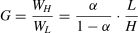
Assume that innovation policy input I decreases G through an increase in A. For instance, policies provide subsidies for low-skilled workers’ skills training to improve productivity. With an increase in I, the growth of A declines, meaning that
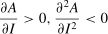
This results in a reduced pace of narrowing the income gap G, i.e.
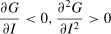
Given the above analysis, we can infer that the impact of innovation policies on narrowing income inequality declines as the input of innovation policies increases.
Theoretical mechanism analysisThe mechanism through which innovation-oriented policies affect income inequality is primarily manifested in three respects: labour resource agglomeration, structure optimisation and stimulated innovative vitality.
(1) The Aggregation Mechanism of Labour Resources
The pilot policy for innovative cities promotes income equalisation through the agglomeration of labour resources. This process is a crucial channel in reducing income disparities. The Chinese household registration system causes the ‘semi-urbanisation’ of the labour force. Migrant workers cannot fully enjoy urban resident benefits, affecting family migration and labour force stability. From the perspective of the spatial agglomeration of the population, urbanisation optimises the urban–rural spatial layout, breaks barriers, promotes resource flow and deepens integration (Portnov & Schwartz, 2009). This series of effects of urbanisation is fundamental to narrowing the income disparity.
The pilot policy for innovative cities has been broken down into two aspects. First, innovative policies should upgrade infrastructure and promote public service equalisation (Zhao et al., 2023). This includes building affordable housing and improving education policies for migrant workers’ children. These actions reduce the cost of rural labour migration and weaken the constraints of the household registration system. Second, ‘talent policies’ serve as a breakthrough. Housing subsidies, entrepreneurship support and other measures are implemented to attract highly skilled talents. These initiatives foster an agglomeration effect in which talents attract more talents. This generates economies of scale and knowledge spillover. Therefore, more jobs are created, and workers earn more, thereby improving income equality (Dougal et al., 2015; Shen et al., 2019). For instance, through talent policies, innovative pilot cities such as Shenzhen and Hangzhou have attracted high-end elements, substantially reducing the income gap with traditional industrial cities (Sun et al., 2022).
(2) Structural Optimisation Mechanism
The institutional environment plays a shaping role in regional development and industrial upgrading strategies in China. Innovative pilot cities can leverage technological breakthroughs to promote balanced industrial growth, drive equipment upgrades and boost efficiency. In addition, these cities can use such breakthroughs to foster innovative business models (Bartelsman et al., 2013; Uzunidis, 2016). China is at a critical juncture in its shift towards high-quality economic development. During this period, industrial upgrading not only enhances resource allocation but also significantly improves the fairness of income distribution (Wu et al., 2018). In this progression, labour increasingly migrates to high-value-added sectors, creating wide-ranging employment opportunities and enhancing household earnings (Deng & He, 2018). Therefore, this process reduces income disparity. For instance, ‘Made in China 2025’ drives the intelligent transformation of the manufacturing industry. This initiative generates numerous high-skilled employment opportunities and stimulates income growth. Industrial structure transformation is increasingly linked to efficiency gains, equitable distribution and the interplay between production and distribution (Guo & Luo, 2021). Regarding the employment structure, the government has sponsored vocational training and service improvements. These efforts have increased the alignment between workers’ human capital and job opportunities (Zhou & Chen, 2021). In particular, the ‘Vocational Skills Enhancement Initiative’ offers tailored training to migrant workers and other groups, equipping them with the necessary capabilities. This combination of policy intervention and market mechanisms fully leverages the guiding role of the government. Moreover, it stimulates the resource-allocation efficiency in the market, thereby achieving a balance between ‘efficiency and fairness’ in income distribution.
(3) Innovative Vitality Stimulation Mechanism
The stimulation of entrepreneurial vitality is another crucial aspect through which innovation-driven policies exert a positive impact on income inequality. The convergence of venture capital and the expansion of financing channels have effectively alleviated the financial pressures faced by start-ups (Stiglitz, 2015; Mulier & Samarin, 2021). The agglomeration of innovative talent accelerates the flow of knowledge and technological innovation. The continuous augmentation of human resource endowment holds the key to fostering innovation within high-tech firms (Huang et al., 2023). In addition, policies aimed to refine the business environment and enhance government service efficiency. They provide entrepreneurs with a more robust support system and strengthen their ability to withstand market uncertainties (Ding et al., 2021; Juan et al., 2024). The flourishing of entrepreneurial activities is a powerful catalyst for the rise of novel industries and innovative business paradigms. Meanwhile, increased market competition and efficient resource integration concurrently optimise income distribution structures (Zhao et al., 2020). At the urban scale, entrepreneurial activities disrupt market disequilibria and foster a substantial number of job opportunities. Conversely, at the county level, they play a pivotal role in augmenting farmers’ incomes and reducing the urban–rural income gap (Ye et al., 2022). The concentration of talent accelerates knowledge flow and technological innovation. Moreover, it reduces knowledge exchange costs, promoting the rapid diffusion and application of new technologies and ideas. Therefore, innovation policies have lowered entrepreneurial barriers and enhanced support and financing (Bai et al., 2022). These policies have ignited societal enthusiasm for innovation and entrepreneurship. This promotes the growth of micro and small enterprises, creates economic growth points and jobs and increases income opportunities. Consequently, it helps alleviate income inequality.
Considering this, the subsequent hypotheses are proposed in this study:
H1: The enactment of the innovative city pilot policy has a positive impact on alleviating income inequality. However, with an increased input of innovation policies, their impact on narrowing income inequality declines.
H2a: Income inequality is reduced through an innovative city pilot policy via labour resource agglomeration.
H2b: Income inequality is reduced by the innovative city pilot policy through the optimisation of industrial and employment structures.
H2c: Income inequality is reduced through an innovative city pilot policy that enhances urban innovative vitality.
The DID technique is a frequently used econometric tool to evaluate the influence of policy enactment. The proposed model allows the analysis and quantification of policy impacts while minimising interference from other factors. The fundamental concept of DID is to regard policy implementation and institutional changes as exogenous factors. In particular, these factors are considered ‘quasi-experiments’ or ‘natural experiments’ within an economic system. This approach assumes that policy implementation follows a mechanism similar to random assignment. This mechanism guarantees that the characteristics and tendencies of the treatment and control groups are comparable. This methodology examines the changes in outcomes within the experimental and control groups before and after the policy is enacted. Through this examination, the differences that can be attributed to the policy can be identified. This approach mitigates endogeneity issues arising from external factors, allowing the estimation of the net effect of the policy.
The pilot project for innovative cities exhibits the traits typical of a ‘quasi-natural experiment’. Drawing upon the features of the DID model, this approach offers two key advantages. First, it harnesses the time-series data across multiple periods. This allows the tracking of dynamic shifts in income inequality at various intervals following policy rollout. Income inequality is not instantaneously affected by the innovative city pilot policy; rather, it unfolds gradually over time. Second, the multi-period DID method can effectively distinguish the treatment group from the control group in the pre- and post-policy implementation periods. Therefore, it allows for a precise estimation of the causal connection between the innovative city pilot policy and income inequality. This makes it suitable for evaluation via the DID method. However, as the policy was rolled out in several stages, a multi-period DID methodology was adopted in this research to formulate the model (Beck & Levkov, 2010; Wang et al., 2023). To assess whether the policy effectively reduces income inequality, the following equation was established:
where Giniit is the degree of income inequality in city i in year t and DIDit depicts whether city i is designated as an innovative trial city in year t. If city i belongs to the innovative trial cities, its value is set to 1. Otherwise, it is 0. ui and λt are the city-fixed and year-fixed effects, respectively. εit is the random disturbance term, and Controlit is the set of control variables.Variables
(1) Dependent Variable
In the empirical analysis, the Gini coefficient is employed as a proxy to assess income inequality. According to Fang and Meng (2024), the Gini coefficients for each city were calculated. The detailed calculation of the Gini coefficient for city i in year t is presented as follows:
where ni is the total number of urban and township units in the i prefecture level or above the city. L¯it is the average nighttime light intensity of the i prefecture level or above the city in year t. Likt is the nighttime light intensity of urban or township unit within city i during the year t. Lirt is the nighttime light intensity of the r urban or township unit within city i during the year t.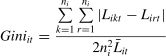
(2) Core Independent Variable
A binary variable is created to mirror the pilot policy of innovative cities, considering the time and range of its implementation. This variable is denoted as DID and is derived by multiplying the variable of time with treat. When a city is selected as an innovative trial city, it is assigned to the treatment group in which the value of treat is set to 1. In cases where it is not, treat is set to 0. In case a city is identified as innovative in a certain year, the value of time is set to 1 from that year onwards. For all years before the designation and for cities not identified as innovative, the value is set at 0. The treatment and control groups comprise 97 and 179 innovative pilot and non-pilot cities, respectively.
(3) Control Variables
Referencing the existing body of literature, the subsequent control variables were chosen. The economic development level (avgdp) is measured by the inflation-adjusted per capita real gross domestic product (GDP) of the city. This GDP was converted to constant 2003 prices. Subsequently, the resulting value of per capita real GDP is log-transformed. Government intervention (gov) is calculated as the ratio of the budgetary spending of the local government in relation to the regional GDP. Average wage level (income) is the log-transformed average wage of urban employees. Fixed asset investment (asset) is the log-transformed total fixed asset investment. Degree of trade openness (open) is calculated as the percentage of the combined value of imports and exports representative of GDP. Population density (popm) is measured as the population per square kilometre.
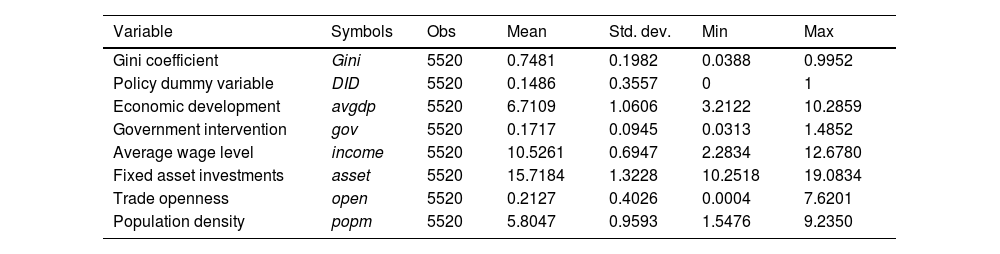
Data sources and descriptive statisticsCities with substantial data gaps were excluded to maintain data completeness. The dataset covers 276 Chinese urban areas from 2003 to 2022. Among them, 97 were identified as innovation pilot cities, and the remaining 179 cities acted as non-pilot counterparts. The data are primarily from various editions of the China Urban Statistical Yearbook and statistical yearbooks for provinces, cities and counties. Data regarding the innovative trial cities were sourced from the document titled ‘Guidelines for Establishing Innovative Cities’. Table 1 presents a synopsis of the descriptive statistical figures for the key variables.
Definitions of variables.
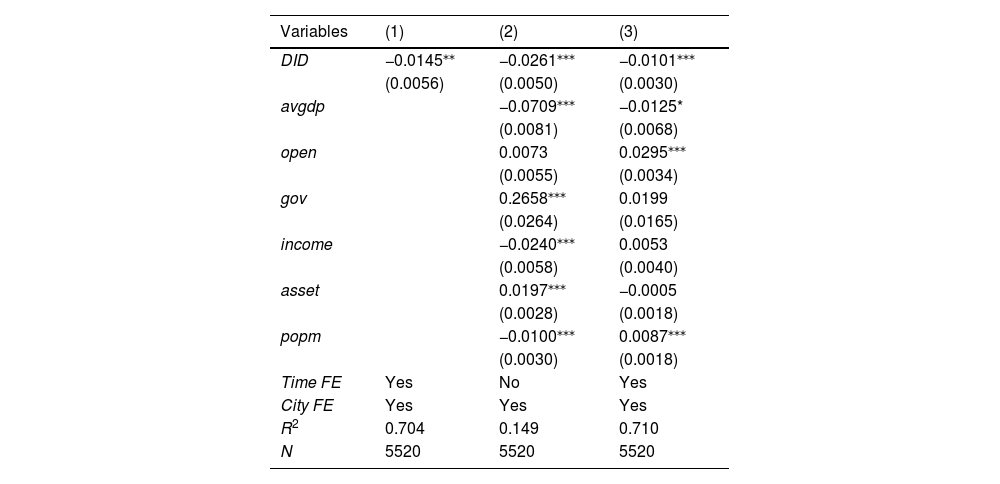
Table 2 presents the results of the impacts of the innovative city trial initiative on income disparity. Column 1 presents the outcomes without considering other factors into account. The regression analysis indicates a statistically significant negative coefficient for the policy intervention dummy (−0.0145), indicating that the innovative city pilot initiative effectively mitigates income inequality. Column 2 presents control variables but only accounts for city-fixed effects. The policy-related coefficient is −0.0261, though subject to slight modifications, and consistently retains its significantly negative value across different model specifications. These findings indicate that policy interventions can reduce economic disparity and promote shared prosperity. This effectiveness remains even when unobserved heterogeneity at the city level is considered through fixed-effects estimation.
Impact of the innovative city pilot policy on income inequality.
Note: *, ** and *** represent statistical significance at the 10%, 5% and 1% levels, respectively, with t values based on city-level clustering provided in parentheses. The same applies to the following tables.
To mitigate potential confounding biases, the specification presented in column 3 incorporates time and city-fixed effects to assess the causal relationship between the policy intervention and income distribution outcomes. The empirical analysis reveals a policy coefficient estimate of −0.0101 for the intervention indicator variable. While there is some fluctuation compared with the results without the control variables, the negative effect, statistically significant at the 1% significance level, remains evident. Assuming other factors are held constant, the policy causes a reduction of ∼1.01% in the average Gini coefficient of pilot cities in comparison with the coefficient of non-pilot cities. The results indicate that the pilot initiative for innovative cities, serving as a cornerstone of the innovation-led growth strategy in China, significantly enhances income distribution equality. Thus, Hypothesis 1 is confirmed.
Parallel trend testSatisfying the assumption regarding parallel trends is a requirement for the multi-period DID. If this condition is violated, the estimated coefficients cannot accurately reflect the policy effect. Owing to the phased rollout of the intervention, the composition of city groups changes in each phase. To overcome this empirical issue, this research employed the event study methodology, following the precedent set by Jacobson et al. (1993). This methodological framework simultaneously validates the parallel trend hypothesis and assesses the temporal evolution of policy impacts.
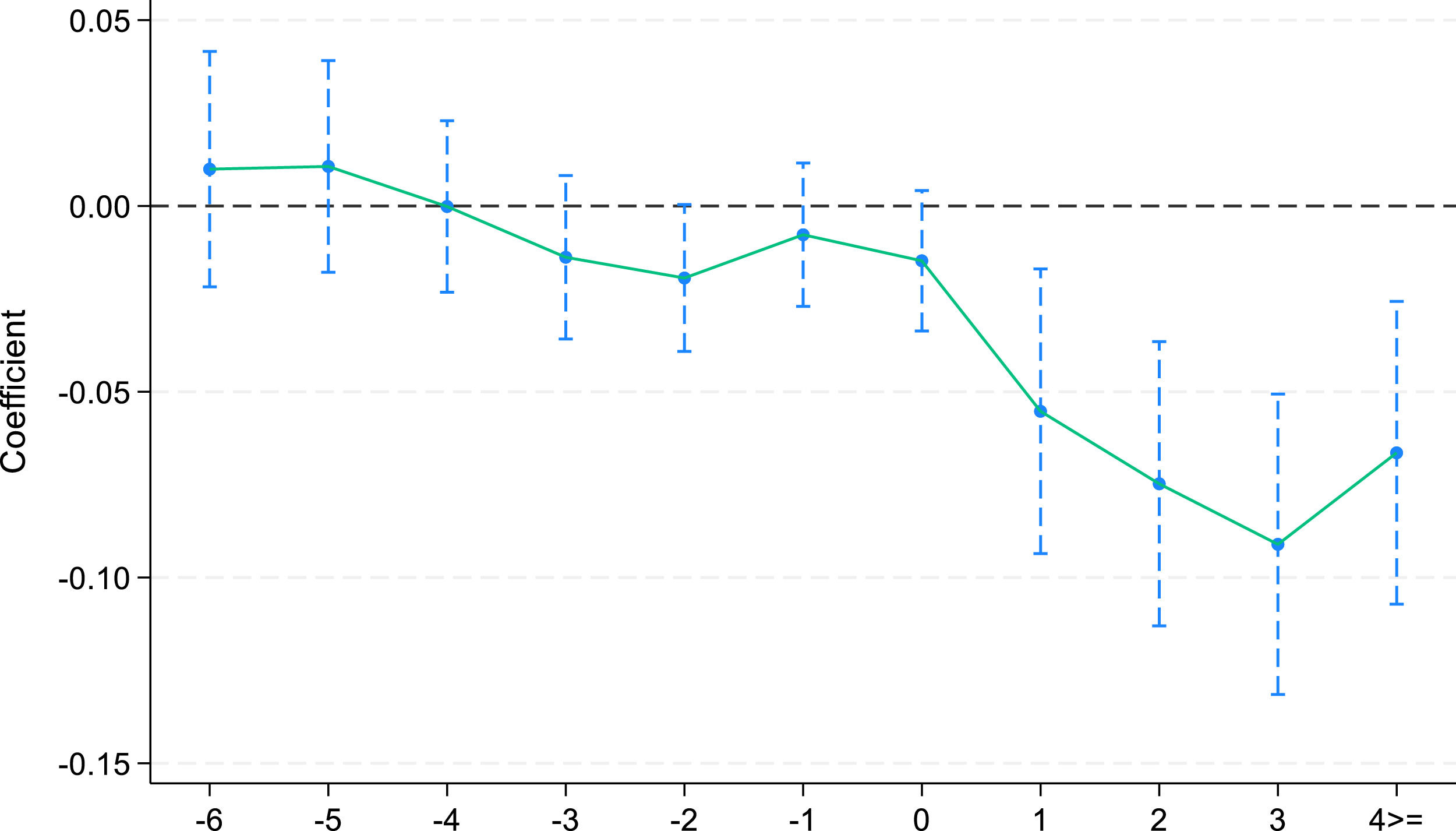
Considering the post-policy sample size, the time variable ranges from −6 (6 years pre-policy) to 4 (4 years post-policy). As shown in Fig. 1, in the period before the innovative city programme took effect, the intervention and control groups had no significant trend differences. This evidence indicates the satisfaction of the parallel trend assumption. The post-implementation period reveals statistically significant negative coefficients for income inequality. This finding reveals a significant difference between cities participating in the pilot scheme and those not participating. This difference verifies that the policy measures are effective in reducing income inequality. In conclusion, the observed income inequality reduction is not attributed to pre-policy trends.
Dynamic effect analysis
As shown in Fig. 1, the dynamic effects of policy influence are discernible. Notably, after the third period, there is a minor decrease in the positive influence that innovative city buildings have on income inequality. In essence, the efficacy of innovation policies in reducing income inequality first rises and then falls. This phenomenon can be comprehensively interpreted from two key perspectives: the theory of diminishing marginal effects and external shocks.
In line with the law of diminishing marginal effects, at the onset of innovation policy implementation, two aspects contribute to the initial impact of the policy. First, R&D subsidies and patent incentives fuel high-skilled industry growth, drive economic expansion and generate numerous high-paying jobs. In addition, these policies upgrade traditional industries, boosting low-skilled workers’ incomes and narrowing the income gap. Second, the intensifying agglomeration of innovation resources draws talents, funds and technologies to cities. This generates entrepreneurial and investment opportunities, diversifies income sources for various groups and particularly elevates the earnings of active innovators. However, with the continuous injection of policy resources, saturation of key innovative elements (such as talent and capital) occurs. Concurrently, policy implementation costs are rising, and the ability to attract talent is weakening. These two factors combine to undermine the efficacy of a policy in narrowing income gaps, eventually leading to diminished policy outcomes.
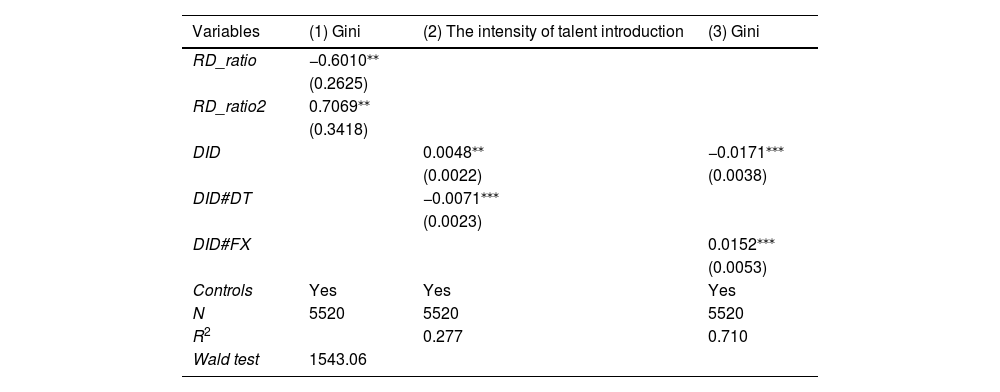
This study takes action to verify the compliance of the marginal effects of innovation policies with the law of diminishing returns. The model uses a dynamic panel model and a generalised method of moments estimation to analyse the impact of innovation policy intensity on income inequality. Herein, the intensity of innovation policies is indicated by the ratio of R&D expenditure relative to GDP (RD_ratio). Column 1 in Table 3 presents that the coefficient for the R&D expenditure proportion is significantly positive (−0.601), whereas the coefficient for its squared term is significantly negative (0.7069). This indicates a U-shaped relationship between innovation policy intensity and income inequality. The correctness of the theoretical hypothesis 1 was verified. In addition, a dummy variable DT is constructed for the three-period time frame around policy implementation. A value of 1 is assigned after the third-period policy implementation, and 0 is assigned before it. The implementation strength of talent policies is measured by extracting talent-related terms from government work reports. These reports cover policy evaluations, effectiveness and future-oriented intensity. Column 2 in Table 3 presents the impact of the innovation policy dummy variable DID and its interaction term with DT on talent-introduction intensity. The analysis indicates that local policies have enhanced the intensity of talent introduction since the innovation policy took effect. However, this intensity wanes after the third implementation phase, further diminishing the positive influence of the talent agglomeration effect on income inequality.
The stable implementation of innovation policies can be disrupted by external events, causing variations in their influence on income inequality. Among the various external shock factors, the home-return entrepreneurship policy is a quintessential example. Piloted in certain regions in 2016 and 2017, this policy may disrupt the labour force aggregation pattern following the implementation of urban innovation policies. A dummy variable FX is constructed by this paper for the policy of returning to hometown for entrepreneurship. That is to say, when a county/district in a city enforces the policy, it gets a value of 1; otherwise, it gets 0. As shown in column 3, the coefficient of DID#FX is significantly positive with the inclusion of the effects of the home-returning entrepreneurship policy. This indicates that the positive impact of the innovative city pilot policy on income inequality has declined. The decline is particularly notable after the shock of the home-returning entrepreneurship policy. As stated otherwise, the policy of returning to one’s hometown to start a business offsets some of the effectiveness of the innovation policy. Consequently, it has increased the difficulty of narrowing the income gap.
Robustness testsResults from the baseline regression verify that a city’s inclusion in the innovative pilot programme notably cuts down income inequality. To ensure that the conclusions are not influenced by confounding factors, a series of robustness tests were conducted. These tests address various dimensions, such as sample selection, exclusion of other policy interferences, PSM-DID analysis, non-random sample selection and instrumental variable regression.
(1) Sample Data Filtering
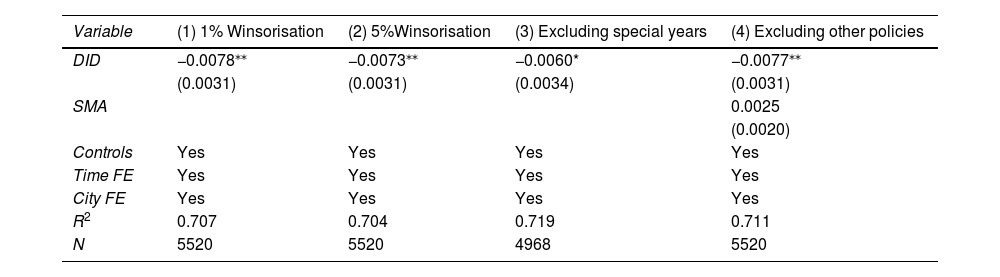
To address the impact of extreme values, numerical variables were winsorised at the first and fifth percentiles, and the model was re-evaluated. In addition, certain special years in the sample may have impacted the accuracy of the results, prompting their exclusion from the analysis. For instance, the 2008 worldwide financial turmoil caused a marked decrease in the import and export activities within China. Despite the introduction of economic stimulus policies globally, the crisis resulted in certain challenges such as financing difficulties, rising costs, increased unemployment and reduced wages. Similarly, the COVID-19 outbreak in 2020 caused widespread city and business shutdowns, further disrupting economic activity. To eliminate the influence of these special years, data from 2008 and 2020 were excluded, and the model was re-estimated using the remaining sample. As shown in columns 1, 2 and 3 in Table 4, the coefficients of the DID policy are notably negative at the 10% significance level (−0.0078, −0.0073 and −0.0060, respectively). The consistency of these results with previous research bolsters the soundness of the findings.
(2) Excluding the Influence of Other Policies
Robustness tests.
To precisely evaluate the influence of the innovative city pilot programme on income inequality, excluding the impacts of other policy measures is crucial. Through a review of relevant literature and policy documents, the study identified smart city policy as a potential confounding factor during the sample period. The policy has facilitated the advancement of intelligent technologies, which are used to reinforce urban infrastructure and promote economic development. In addition, the policy has had a beneficial impact on urban innovation. This may, in turn, influence income inequality.
The smart city policy was implemented in three phases starting in 2010, and it coincided temporally with the innovative city pilot policy. To test for robustness, an indicative binary variable, SMA, for the smart city initiative was included. In particular, the SMA variable is coded as 1 for cities participating in the smart city initiative and as 0 for those that do not. Column 4 in Table 4 presents the relevant results.
The results indicate that when the SMA variable is included, the sign of the coefficient related to the DID policy variable (−0.0077) does not change. In addition, the DID policy variable remained statistically significant. This underscores that the results are independent of the smart city policy or other potential confounding factors. Moreover, the coefficient associated with the innovative city policy remained stable, further strengthening the reliability of the study’s findings.
(3) PSM-DID Analysis
Owing to the relatively large size of China, cities significantly vary in terms of economic development and policy enforcement. The treatment and control groups may exhibit distinct characteristics. Moreover, biases could arise from sample selection, reverse causality or other sources of endogeneity. To address these challenges, this study used the PSM-DID method for validation. Table 5 presents the results of the process employing radius matching, kernel matching and nearest-neighbour matching techniques. The obtained coefficients were significant under all three methods. The results (−0.0108, −0.0080 and −0.0078) affirm that the pilot policy for innovative cities effectively mitigates income inequality. This confirmation strengthens the robustness of the conclusions.
(4) Non-random Sample Selection
When selecting the list of pilot cities for innovation, governments often consider specific attributes such as geographic location and economic development level. Over time, these attributes may have differential impacts on income inequality. Thus, it is crucial to consider and control these factors to maintain the robustness of the results. The DID method adopted in this study assumes a quasi-natural experiment in which the treatment and control groups are ideally randomly selected. The actual selection of innovative pilot cities, however, is influenced by various factors such as economic development, geographic location and social conditions, which are not entirely random.
This study aimed to address potential biases from ‘non-random’ selection and reduce their impact. To achieve this, it incorporates interaction terms between baseline characteristics and linear time trends into the baseline regression model (1). The updated model is expressed as follows:

In this model, Dumc represents a set of dummy variables that capture specific city characteristics. These entail aspects such as whether the city belongs to the Yangtze River Economic Belt (Dum1), whether it holds the status of a municipality directly under the central government (Dum2) and whether it is designated as a special economic zone (Dum3). trendt denotes the time trend term. Other variable definitions are consistent with those in previous sections.
Table 6 presents the results. Columns 1–3 individually incorporate each interaction term, and column 4 simultaneously includes all three interaction terms. The DID coefficient consistently and significantly remains negative across all specifications, with values of −0.0066, −0.0066, −0.0080 and −0.0054. This confirms that the innovative city pilot policy significantly influences the reduction of income inequality. Moreover, the results indicate that, while certain city-specific factors were considered during the selection of pilot cities, the process retains some degree of randomness.
(5) Instrumental Variable Regression
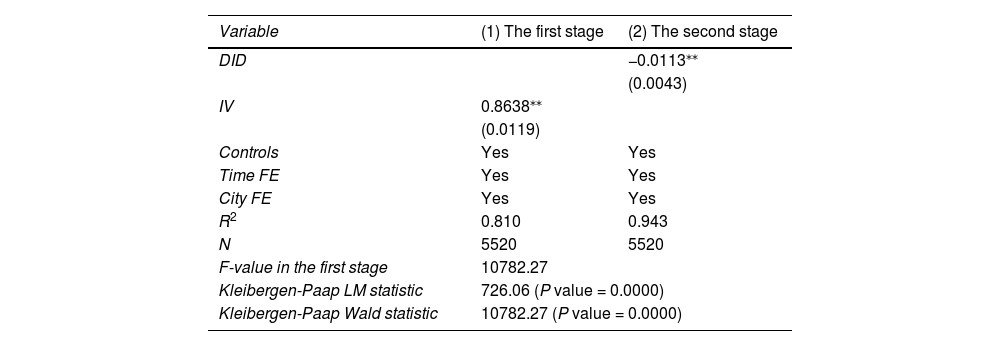
Determining innovative pilot cities is not based on the principle of randomness. Instead, it takes into comprehensive consideration various factors such as the regional positioning, innovation capabilities and economic development levels of the cities. Owing to the non-random selection, the treatment group is highly likely to be interfered with by policy endogeneity. There may also be potential endogeneity issues with the policy variable, ultimately leading to deviations in the research results. This study employed the instrumental variable method for estimation to address the interference of endogeneity issues in research results. It designated National Historical and Cultural Cities as the instrumental variable for policy. This choice is well-founded. On the one hand, there is a similarity in economic status between innovative cities and National Historical and Cultural Cities because they are economic centres. Innovative cities aim to create innovative centres with strong radiating and driving effects and are key forces in promoting the economic development of modern society. National Historical and Cultural Cities were mostly important economic and political areas in history and served as the economic core regions in ancient society. Therefore, there is a strong correlation between them. On the other hand, National Historical and Cultural Cities cannot directly affect the income inequality of current cities. These can only exert their influence through the establishment of innovative cities. In this way, they meet the ‘exclusion restriction’ and conform to the requirement of exogeneity.
As shown in Table 7, the instrumental and policy variables are significantly and positively correlated. In addition, the relevant test results demonstrate that the instrumental variable meets the weak identification requirement. The estimated coefficient of DID remains notably negative. This implies that even potential endogeneity issues are further considered. It can still be concluded that this innovative city pilot policy will reduce income inequality.
Instrumental variable regression.
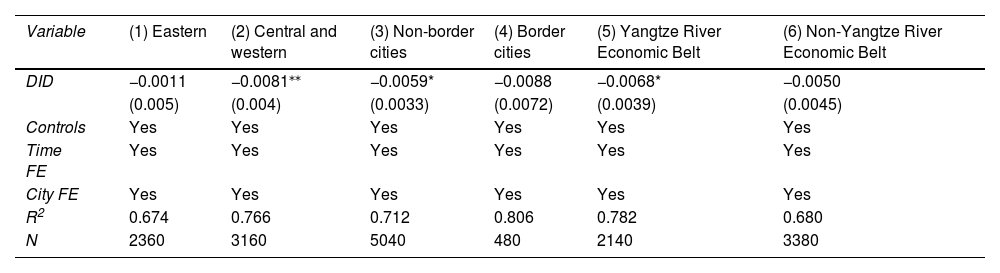
Municipalities located in various geographical regions exhibit substantial disparities in terms of economic development levels and approaches. These differences might have an impact on the execution and outcomes of the innovative city pilot initiative. Therefore, it is crucial to analyse whether the impact of a policy on income inequality varies by geographical location. According to the classification in the ‘China National Economic and Social Development Statistics Bulletin’, cities are categorised into two regions: eastern and central western. This study further classifies cities based on their geographical locations, using the ‘Hu Huanyong Line’ and ‘the Yangtze River Economic Belt’ as boundaries. Moreover, this study examined the differences between border and non-border cities, as well as between cities along the Yangtze River and those in other regions.
The findings of this study presented in Table 8 indicate that the innovative city pilot policy exerts a negative yet statistically insignificant influence in the eastern region. Conversely, in the central and western regions, its impact is remarkably negative, with a coefficient of −0.0081. Such a difference might be attributed to the distinct levels of economic development present in these different regions. By contrast to economically developed eastern regions, the central-western regions are undergoing rapid economic growth. Therefore, the innovative city pilot policy exerts a more pronounced influence in promoting innovation in the central and western regions.
Heterogeneity analysis I.
Columns 3 and 4 present the circumstances of cities on the southeast and northwest of the Hu Line, respectively. These columns vividly illustrate how the innovative city pilot policy affects non-border and border cities. The results indicate that for non-border and border cities, this pilot policy helps alleviate income inequality, as evidenced by coefficient values of −0.0059 and −0.0088, respectively. However, non-border cities experience a more significant negative impact. Similarly, columns 5 and 6 showcase the situations of cities along the Yangtze River Economic Belt and other cities. The DID coefficients are −0.0068 and −0.005. The findings indicate that the impact of the pilot policy is also negative for both cities; however, it is more pronounced for cities situated on the Yangtze River Economic Belt. Non-border cities are important centres for regional development. When stimulated by the innovative city pilot policy, these cities can strengthen cooperation and interactions with neighbouring cities. This, in turn, will allow a more efficient resource sharing and collaborative progress. This initiative will promote rapid economic growth. Moreover, it effectively narrows the income gap between cities and has a positive impact on reducing income inequality. Compared with other cities, cities within the Yangtze River Economic Belt have more advantages in attracting talent and increasing employment opportunities. Moreover, they possess great innovation and diffusion effects. Altogether, these factors create a favourable environment for reducing income inequality.
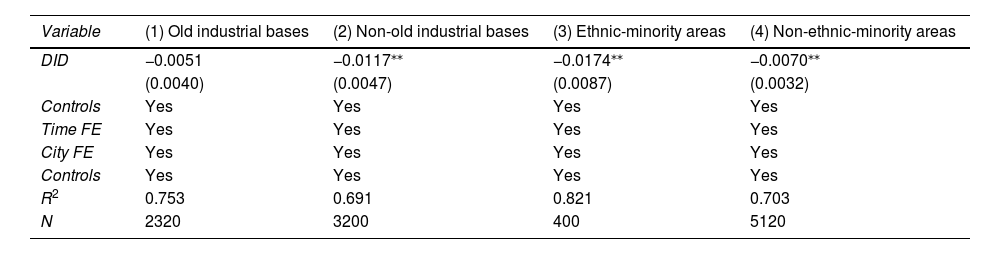
Considering the variations in special types of cities, such as old industrial bases and ethnic-minority areas, a more comprehensive analysis was conducted. Table 9 presents the findings. It is found that the pilot policy benefits income equality in old and non-old industrial-based cities. However, its impact on non-old industrial base cities is more significant. This result can be attributed to differences in three aspects across cities: industrial structure, innovation resource endowment and policy implementation. In terms of industrial structure, old industrial-based cities have a long-standing reliance on traditional heavy industries. This long-standing reliance has led to a single-industry-dominated and rigid industrial structure. Consider an old industrial-based city in Northeast China. First, the industrial structure centred around state-owned enterprises in the planned-economy era has rigidified the labour market. In addition, it has blocked innovative elements from entering emerging industries. In innovative city pilots, this has obstructed industrial restructuring, constrained high-income job growth and significantly impeded income distribution improvement. Second, old industrial-based cities typically exhibit significant deficiencies in innovative resource endowment. Old industrial bases have fewer innovative talents and weaker corporate innovation than emerging cities. This makes it challenging to create innovation-driven income distribution adjustment mechanisms. The structural deficiency undermines the effectiveness of policy in reducing income inequality, limiting its ability to narrow gaps. Third, institutional economics posits that the implementation capacity of local governments is a pivotal factor in policy realisation. Consider the contrast between Wenzhou and Shenyang in China. Through the ‘run at most once’ reform, Wenzhou empowered local authorities with more autonomy, slashing the innovative project approval cycle to 15 working days. This step removed obstacles to market entry, resulted in a surge in micro-, small- and medium-sized enterprises; and effectively closed the urban–rural income gap. Constrained by administrative hierarchies, Shenyang’s policy implementation experiences ‘layered escalation’, thus delaying policy dividend delivery.
Heterogeneity analysis Ⅱ.
In areas with concentrated ethnic-minority populations and in areas without, the pilot policy has demonstrated its benefits. In particular, it is advantageous for reducing income inequality in ethnic and non-ethnic-minority areas with coefficient values of −0.0174 and −0.007, respectively. Under the resource dependence theory, policy support allows the unique cultural and ecological resources of ethnic-minority-concentrated areas to quickly become economic growth drivers. For instance, in Diqing, the ‘intangible cultural heritage workshops and rural tourism’ policy pooled traditional resources, boosting farmers’ and herders’ annual incomes, on average. Conversely, non-concentrated areas face resource homogeneity, limited industrial differentiation and weak income distribution improvements. Policy design targeting boosts resource-allocation efficiency in ethnic-minority-concentrated areas given the significant precision of central government policies for these regions. In Qiandongnan, the pilot innovations supporting the ‘Ethnic Area Industry Upgrade Project’ used tax cuts and land incentives to attract many eastern firms. These firms established ethnic costume and eco-agri product bases, creating many jobs. The ‘policy-industry-employment’ model directly channels funds to low-income areas, sharply reducing the time required to improve income distribution.
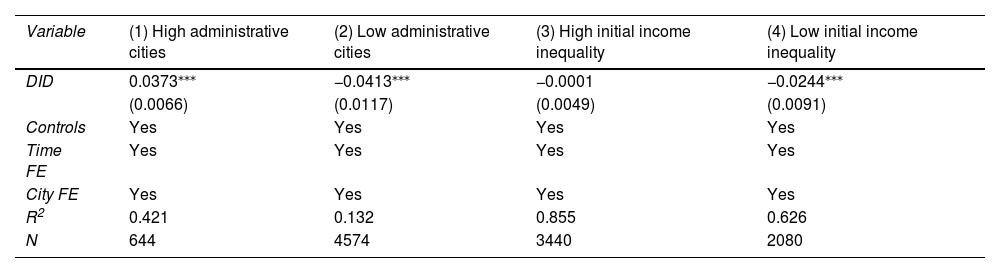
Heterogeneity by administrative rankProvincial capitals, municipalities with autonomous planning rights and special economic zones typically function as economic, political and cultural hubs within their respective provincial or regional contexts. Consequently, these areas exhibit elevated levels of economic development, innovation capacity and commercial dynamism. Moreover, they benefit from convenient access to resources and low transaction costs (Li & Yang, 2019). By contrast, other non-provincial and lower-tier cities lack these advantages, which may limit the effectiveness of policy implementation. Following the studies of Hua and Ye (2023) and Wei (2022), this study classifies 33 cities, including provincial capitals, municipalities and sub-provincial cities, all of which are high administrative. The remaining cities are categorised as low-level administrative entities.
The research outcomes presented in Table 10 imply that the coefficient of the DID exhibits a significant positive value among high-level administrative cities, with a value of 0.0373. Conversely, for low-level administrative cities, this coefficient assumes a significant negative value (−0.0413). However, in high administrative cities, this phenomenon exhibits the opposite effect, worsening income inequality. Such a discrepancy may be attributed to variances in economic and social situations. High administrative cities boast advanced economic development and comprehensive social welfare systems, thus rendering the impact of the policy on reducing income inequality minimal. By contrast, low administrative levels have weaker economic foundations and less developed social security systems. Thus, the innovative city pilot policy facilitates efficient allocation of innovation resources and strengthening urban capabilities. Consequently, it exerts a beneficial influence on narrowing income inequality.
Heterogeneity analysis Ⅲ.
According to Fang and Meng (2024), the average Gini coefficient of cities in 2003, before the launch of the pilot policy, is adopted as the initial income distribution threshold. Cities with a Gini coefficient greater than or equal to this average are classified as having high initial income inequality (assigned a value of 1). By contrast, cities with a Gini coefficient below this threshold are classified as having low initial income inequality (assigned a value of 0).
In regions with high initial income inequality, the pilot policy has a negative but statistically insignificant impact on income inequality at the 10% level (0.0001). Conversely, in regions with low initial income inequality, the policy exerts a substantial negative influence (−0.0244). These observations imply that the policy is more potent in reducing income inequality in areas with lower initial disparity.
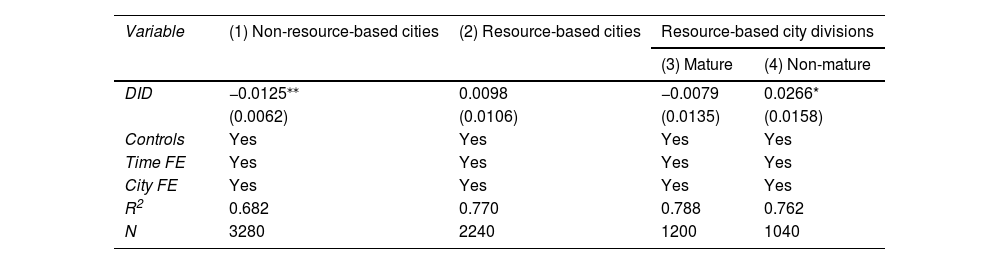
Heterogeneity by resource allocationIn this study, cities are categorised into resource-based and non-resource-based cities. Resource-based cities are further partitioned into mature and non-mature resource cities. The latter category encompasses regenerative, growing and declining cities (including regenerative, growing and declining cities). Table 11 presents the results obtained through regression estimation.
Heterogeneity analysis Ⅳ.
In the case of non-resource-based cities, the influence of pilot innovation-city policies on income inequality is significant and exhibits a negative trend (−0.0125). However, for resource-based cities, such policies tend to intensify income inequality, and this effect is particularly pronounced in other non-mature resource-based cities (0.0266). Considering the particular circumstances in China, the differences in outcomes can be traced back to multiple factors. First, resource-type cities often show a heavy reliance on resource-intensive industries, resulting in a narrow and homogeneous industrial structure. Conversely, non-resource-based cities are more responsive to the advantages of pilot innovation city policies. These policies can optimise their industrial structures. In addition, they can generate employment opportunities, particularly for lower-income groups, thereby contributing to the reduction of income inequality. Second, resource-based cities frequently lack the innovation motivation seen in non-resource cities. As a result, in the short term, the pilot policies may have difficulty changing the reliance of resource-based cities on resource industries. This can lead to the exacerbation of income disparities.
Mechanism analysisDrawing from the analytical framework, the impact of the pilot policy for innovative cities on income inequality may involve three dimensions: labour resource agglomeration, structure optimisation and innovative vitality. The mediation effect model proposed by Wen (2004) is commonly used as an analytical tool. However, Jiang (2022) raised concerns that this model may introduce uncertainty in the results because of potential endogeneity issues. To address this concern, this study employed the methodology proposed by Liu and Zhen (2022). This methodology validates the mechanisms through an examination of the direct effects of the core explanatory variable on the mediating variables.
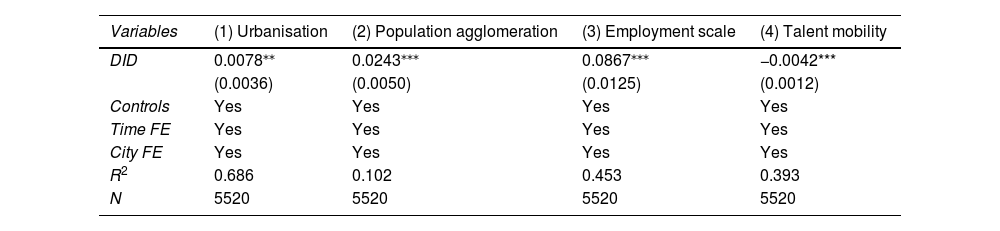
The effect of labour resource agglomerationThis study comprehensively considered four indicators to measure the agglomeration effect of labour resources. In addition, it tests the influence of innovative city pilot policy, urbanisation, population agglomeration, employment scale and talent mobility. As shown in column 1 in Table 12, the DID was statistically significant and positive (0.0078). This finding indicates the population agglomeration effect. The pilot policy, through the urbanisation mechanism, has generated this effect. Moreover, this population agglomeration effect has had a positive impact on alleviating income inequality. For a more in-depth reflection of the population agglomeration level, we resorted to analysing the proportion of the urban area’s population to the overall population of the municipality. Column 2 presents the estimated results, which are also significantly positive (0.0243).
Successively, columns 3 and 4 present the estimation of the impact of the pilot policies of innovative cities on the scale of labour employment and talent mobility to evaluate the agglomeration effect of labour resources. In particular, the scale of labour employment was measured by the number of employees, which was then logarithmically transformed. The talent outflow was gauged by the total volume of R&D personnel moving from one city to another. These findings indicate that the innovative city pilot policy can promote the growth of labour employment scale (0.0867). In addition, it strengthens talent concentration and reduces talent exodus, with a coefficient of −0.0042. These findings strongly support Hypothesis 2a.
The innovative pilot city policy can create an agglomeration effect of labour resources. It does so by improving the degree of urbanisation, promoting population agglomeration, expanding the scale of labour employment and preventing talent loss. This labour resource agglomeration effect contributes to the reduction of income inequality. The positive effect can be explained by several factors. Under the innovative city pilot policies, urbanisation has helped reduce income inequality through labour migration, employment structure optimisation and industrial agglomeration effects. First, as urbanisation rates have risen, several rural labourers have moved to cities. Historically, the Chinese urban–rural dual economic structure created significant income disparities. However, this migration has narrowed the gap by allowing rural labourers to transition from low-productivity agriculture to high-productivity urban sectors. For instance, rural workers shift from subsistence farming to manufacturing or service jobs, gaining high wages and great earning potential. Second, the rapid growth of the urban economy, particularly in service and high-tech industries, has generated more jobs for urban residents and migrant workers. In addition, the pilot policy attracts agglomeration of talent and population through strategies such as preferential housing and entrepreneurship support. This attraction results in the emergence of economies of scale and knowledge spillover effects. In turn, these effects increase employment and income, promote industrial upgrading and ultimately diminish income inequality.
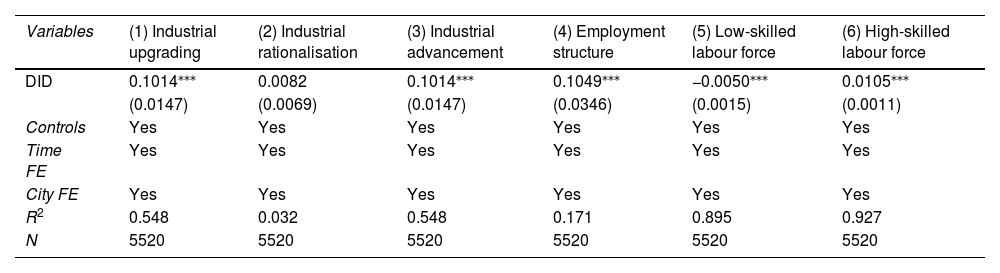
The effect of structure optimisationThe proportion of the tertiary-sector output value relative to the secondary-sector output value is adopted as a measure for industrial structure upgrading. As shown in column 1 in Table 13, the estimated coefficient is strikingly positive (0.1014). Columns 2 and 3 present a more in-depth exploration of the impacts of the policy on industrial rationalisation and advancement, respectively. They indicate that the positive impact of the policy is more conspicuous in terms of industrial advancement, with a value of 0.1014. This suggests that the decreased income inequality achieved by industrial upgrading can be primarily attributed to industrial advancement, highlighting its mediating role in the process.
Mechanism analysis of structure optimisation.
To measure the employment structure, the ratio of the number of employees in the tertiary industry to that in the secondary industry is adopted. As shown in column 4, the estimated coefficient is strikingly positive (0.1049). The proportion of low-skilled and high-skilled labour forces is used to further analyse the employment skill structure of the labour force. As shown in columns 5 and 6, the innovation city pilot policy can significantly reduce the size of the low-skilled labour force (−0.005) and increase the size of the high-skilled labour force (0.0105). The innovative city pilot policy, by promoting industrial structure and employment structure optimisation, diminished income inequality, thereby validating Hypothesis 2b.
The implementation of the policy channels more resources towards high-efficiency industries. This resource reallocation drives industrial upgrading and optimises the employment structure. This process unfolds in multiple ways, with significant implications for reducing inequality, particularly in the unique institutional framework of China. First, industrial upgrading spurs economic efficiency growth and generates new employment opportunities. In China, this has a direct impact on different labour groups. High-skilled workers in emerging high-tech industries benefit from increased demand for their expertise, resulting in high income levels. Meanwhile, as new industries develop, they also create jobs that can be filled by low-skilled workers, such as in the service sectors associated with high-tech industries (e.g. logistics and maintenance). This expansion of employment opportunities for low-skilled workers helps raise their income levels. Therefore, the income gap between high- and low-skilled labour gradually narrows. Second, industrial structure upgrading improves resource-allocation efficiency. Capital, technology and labour flow more effectively into high-productivity sectors. For Chinese rural migrants, the optimisation of the industrial structure means more job opportunities in urban areas. The relaxation of the household registration system reform has facilitated the movement of rural labour to urban industries. As these migrants are absorbed into urban employment, they obtain jobs with higher pay compared with rural employment. This improvement in income levels subsequently reduces the urban–rural income gap. For instance, rural migrants who move from low-productivity agricultural work to urban manufacturing or service jobs experience a significant increase in income.
The effects of innovative vitalityThis study measured urban innovation vitality with the use of two indicators: innovative vitality and innovation performance. Among them, innovative vitality is measured by determining the quantity of newly established enterprises for every 1,000,000 residents in different cities. This metric standardises the number of new businesses relative to city population size, reducing measurement bias caused by differences in city scale. Innovation performance is measured using a logarithmic number of patent grants. As shown in Table 14, the estimated coefficient is notably positive, implying that the innovative city pilot policy effectively stimulates urban innovative vitality and innovation performance, which, in turn, helps reduce income inequality. This finding confirms Hypothesis 3c.
The results can be attributed to multiple factors, which can be explained in the context of the actual background of China from the following aspects. First, innovative city pilot policies have optimised the entrepreneurial environment and lowered barriers to entry, thereby stimulating innovative vitality. On the one hand, the agglomeration effects of policies and talent have provided robust policy support and human capital for urban entrepreneurship. On the other hand, the clustering of venture capital and the concentration of technology have offered financial and technical backing for entrepreneurial activities. In China, with the introduction of the ‘Mass Entrepreneurship and Innovation’ initiative, governments at all levels have actively responded by providing policy support and financial guidance, creating a favourable environment for entrepreneurs. The rise of innovative activities has driven employment and income growth, helping alleviate income inequality. Entrepreneurs, by establishing businesses, not only create job opportunities for themselves but also absorb a significant amount of social labour, fostering a thriving job market. As enterprises expand in scale and scope, employees’ income levels correspondingly increase, thereby improving residents’ income structure. Simultaneously, innovative activities promote the efficient distribution of resources and promote the growth of emerging industries. These activities create a significant number of high-paying job openings for workers and enhance residents’ income structures.
ConclusionThis study explored the influence of innovative city pilot policies on income inequality, focusing on innovation-driven development. This investigation employs the multi-period DID approach to evaluate the consequences of the policy by utilising panel data that extend from 2003 to 2022 for Chinese cities. The findings indicate that the enforcement of the innovative city pilot policy substantially reduced income inequality. Following a series of robustness checks, this conclusion remains sound. The policy exerts a more significant impact on reducing income inequality in the central-western regions. This is also the case for non-border cities, cities located along the Yangtze River Economic Belt, non-old industrial bases, ethnic-minority areas, cities with low administrative hierarchies, those with initially low levels of income inequality and non-resource-based cities. The mechanism analysis further demonstrates that the policy reduces income inequality through three main channels: labour resource agglomeration, structure optimisation and innovative vitality. These findings provide crucial guidance for policymakers striving to advance equitable growth and shared prosperity through the adoption of innovation-driven strategies.
RecommendationsTo further enhance the effectiveness of promoting innovative city construction and its positive impact on fostering income distribution equity, the following refined countermeasures and suggestions are proposed.
Expanding the scope of pilot projectsThere is a need to persistently broaden the scope of pilot initiatives for innovative cities and fortify policy support, particularly in central and western China, non-border areas, cities within the Yangtze River Economic Belt, cities with low administrative hierarchies, cities with initially low-income disparities and non-resource-based cities. These cities, capitalising on their latecomer advantages, are poised to exhibit a more favourable reception towards innovative policies. Consequently, policymakers should prioritise these regions by adopting specific measures to reduce regional development disparities and, ultimately, alleviate income inequality. Considering the finite availability of resources, it is necessary to rationally plan the priority of policy implementation.
Start by prioritising the expansion of the pilot programme in low-ranking cities of the central and western regions. In accordance with the National New Urbanization Plan (2021–2025), 20–30 county-level cities in the central and western regions will be chosen as innovative city pilots in the next 5 years. The central government can set up special funds of a defined amount. The main purpose of these funds was to support pilot cities in constructing new-type infrastructure, such as 5 G base stations and industrial Internet platforms. In addition, promoting the ‘flying land economy’ (cross-regional cooperation) spurs cooperation in building industrial parks between eastern developed and central-western pilot cities. The former contribute technology and management expertise, whereas the latter offer land and labour resources. This strategy will promote the advancement of the central and western areas and relieve the strain of land and labour costs in the eastern region.
In another aspect, following the guidelines of the ‘Outline of the Development Plan for the Yangtze River Economic Belt’, certain cities with relatively small differences in initial income were selected as the next batch of pilot cities. Special guiding funds for industrial upgrading should be allocated to these cities to facilitate the shift of industries towards high-tech and strategic emerging sectors. Enterprises conforming to the industrial upgrading direction will be granted a tax preference of R&D expense additional deduction. Build a big data platform for coordinated industrial development in the Yangtze River Economic Belt. Sharing real-time supply-demand data of the industrial chain can promote regional industrial collaboration.
Foster an inclusive and diverse innovation ecosystemCities should foster inclusive, diversified innovation ecosystems tailored to their attributes, avoiding uniform models and adopting flexible innovation policies.
Urbanisation in central and western Chinese cities requires accelerated progress. Historically, China’s urbanisation has been regionally imbalanced, with higher rates in the east and lower in the west. In 2023, for instance, the urbanisation rates in central and western regions were 62.4% and 59.6%, respectively—both below the national average (66.2%). Accordingly, the 2030 development plan should serve as the benchmark. Set the urbanisation rate target at 70% for the central region and 68% for the western region. This will accelerate urbanisation and promote balanced regional growth. To advance new urbanisation, vigorously reform the household registration system. Relax urban registration criteria, allowing rural residents to be stably employed in cities for over a year with legal housing to apply. Achieve public service parity, enhance investment in key services and guarantee equal treatment for new urban residents.
Cities in the Yangtze River Economic Belt can take advantage of their locational and industrial strengths and aim for industrial upgrading. They can then drive transformation through policy support and regional cooperation. In particular, an industrial upgrading roadmap can be developed to raise the share of high-tech and strategic emerging industries’ added value in regional GDP to 30% by 2026. Provide R&D subsidies to relevant enterprises, and reduce or exempt a portion of land use tax to direct resources to efficient sectors. Set up an intercity industrial collaborative development alliance. Conduct annual industrial liaison meetings and grant value-added tax reduction for cross-regional cooperation. This action eliminates regional obstacles, facilitates coordinated industrial chain growth and strengthens the economic vitality and competitive strength of the economic belt.
Low-level cities can make efforts in multiple dimensions to effectively stimulate market vitality, such as optimising government services, strengthening financial support, activating idle resources and improving the talent cultivation system. First, drastically simplify business start-up approvals. Use ‘one-stop online processing’ and ‘one-window receipt’ to shorten business establishment time to 3 working days or less. Second, establish a dedicated entrepreneurship support fund. Provide entrepreneurs with start-up funds and rent subsidies to relieve financial stress. Simultaneously, utilise idle factory and commercial buildings to convert them into business incubators, offering low-cost office space and support services to start-ups. In addition, local vocational colleges and universities widely offer entrepreneurship courses. Meanwhile, an entrepreneurship education and skills training system is established. Moreover, local vocational colleges and universities widely offer entrepreneurship courses to build an education and training system. Those who complete training and start businesses will receive rewards. Policy incentives and resource integration will fully optimise the innovation and entrepreneurship environment.
Non-resource-based cities can boost their competitiveness by adopting differentiated strategies and capitalising on local features and promising projects. Each year, 10 locally characteristic and promising projects are selected, with at least CN¥3 million in fiscal support to ensure implementation and growth. Actively diversify funding sources by establishing urban development funds. Attract social capital to urban construction via tax incentives and project cooperation, integrating diverse vitality into urban growth. A series of preferential policies will be issued. High-level talents recruited will receive a 500,000-yuan settlement subsidy and a 100,000-yuan annual living allowance to address their concerns. To enhance the appeal of the city to talents and enterprises, an enterprise service specialist system can be established. This involves assigning dedicated staff to each enterprise and offering one-on-one, full-process services such as policy advice and procedure management.
Build a sustainable employment support systemLocal governments should collaborate with vocational colleges, industry associations and leading enterprises to develop a stratified ‘basic skills, professional enhancement and innovation and entrepreneurship’ training model for low-skilled workers. For instance, migrant workers are provided with practical courses in new energy vehicle assembly and smart home installation. Meanwhile, groups interested in entrepreneurship are offered special courses on emerging-industry entrepreneurship guidance and e-commerce operation. Implement the ‘training voucher’ system by issuing targeted subsidies. Trainees can freely select training providers and courses, thus improving training effectiveness. Encourage enterprises to create appropriate jobs. For emerging industry enterprises that hire key employment groups, offer an annual job-stabilisation subsidy per person, supplementing the existing policies. Moreover, provide them with preferential treatment in project applications and qualification certifications. An evaluation system for skilled talents in emerging industries should be established, along with recognition standards for different skill levels (primary, intermediate and advanced). Meanwhile, key groups acquiring relevant certificates will be granted one-time skill improvement subsidies. Enterprises should establish skill-oriented salary system. For employees with high skill levels and excellent performance, enterprises should offer position allowances and performance rewards. In cooperation with universities, a ‘Skilled Talent Degree Enhancement Class’ has been launched. This initiative allows key groups in need to study while working and creates a career path for skilled workers to technical managers. A regular evaluation mechanism should be established to objectively assess the effectiveness of policy implementation. Furthermore, based on the evaluation results, policy content should be promptly adjusted and optimised. The government should establish and improve a policy cost–benefit analysis mechanism. This mechanism is used to conduct cost–benefit assessments for new or adjusted policies. This can ensure the economic rationality of policy implementation.
CRediT authorship contribution statementXiang Li: Software, Resources, Project administration, Methodology, Investigation, Funding acquisition, Formal analysis, Data curation, Conceptualization. Guihua Shen: Visualization, Validation, Supervision. Xiuwu Zhang: Writing – review & editing, Writing – original draft.
No potential conflict of interest was reported by the authors.
This research work is supported by Ministry of Education Humanities and Social Sciences Research Project (24YJCZH150).
