



metricas
covid
Gastroenterología y Hepatología (English Edition) Screening for advanced liver disease incorporating the use of transitional elast...
Journal Information
Visits
48
Vol. 48. Issue 3.
(March 2025)
Original article
Screening for advanced liver disease incorporating the use of transitional elastography in primary care
Detección de enfermedad hepática avanzada incorporando el uso de la elastografía de transición en atención primaria
Visits
48
Mar Noguerol Álvareza,
Corresponding author
marnoguerol@gmail.com

Corresponding author.
, M. Paz Valer López Fandob, Carolina Torrijos Bravoa, M. Carmen Gómez Ortiza, Belén Piqueras Alcoholb, Antonio Guardiola Arévalob, Gema De la Poza Gómezb, Zahara Pascual Garcíaa, Sandra Rey Rodrígueza, Raquel Iglesias Sigüenzaa, Esther Ledesma Estéveza, Susana Parra Romána, María Gómez Suáreza, Angela Pérez San Juana, Miriam Ruiz Romeroa, Laura Martínez Vegaa, Beatriz López Uriartec, Francisco Góngora Maldonadoc, Blanca Martín Porrasc, Pilar Serrano Gismeroc..., Elvira Rubio Benitod, Gloria Viñas Fernándezd, M. José Rojas Giraldoe, Ana M. Hernández Sáncheze, María Alonso Oviesf, Gema María Saiz Laderaf, Nuria Martín Peñag, Jesús Fernández Horcajuelog, Victoria Llinares Gómezh, José Francisco Sánchez Mateosh, Elena Polentinos Castroi, Ricardo Rodríguez Barrientosi, Manuel Carbajo Arizai, Greta Amat Baezai, Fernando Bermejo San JosébVer más
a Centro de Salud Universitario Cuzco, Fuenlabrada, Madrid, Spain
b Servicio de Aparato Digestivo, Hospital Universitario de Fuenlabrada, Fuenlabrada, Madrid, Spain
c Centro de Salud Humanes, Madrid, Spain
d Centro de Salud Francia, Fuenlabrada, Madrid, Spain
e Centro de Salud Parque Loranca, Fuenlabrada, Madrid, Spain
f Centro de Salud Panaderas, Fuenlabrada, Madrid, Spain
g Centro de Salud Alicante, Fuenlabrada, Madrid, Spain
h Centro de Salud El Naranjo, Fuenlabrada, Madrid, Spain
i Unidad de Apoyo a la Investigación de Atención Primaria, Madrid, Spain
Ver más
This item has received
Article information
Abstract
Full Text
Bibliography
Download PDF
Statistics
Figures (2)
Tables (4)
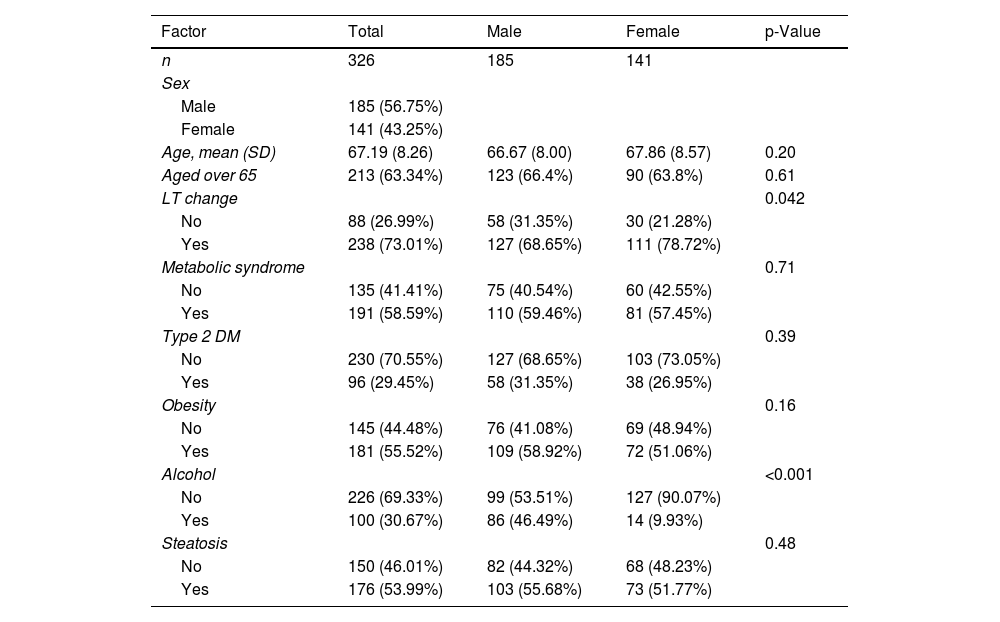
Table 1. Description of the study population and presence of risk factors.
Tables
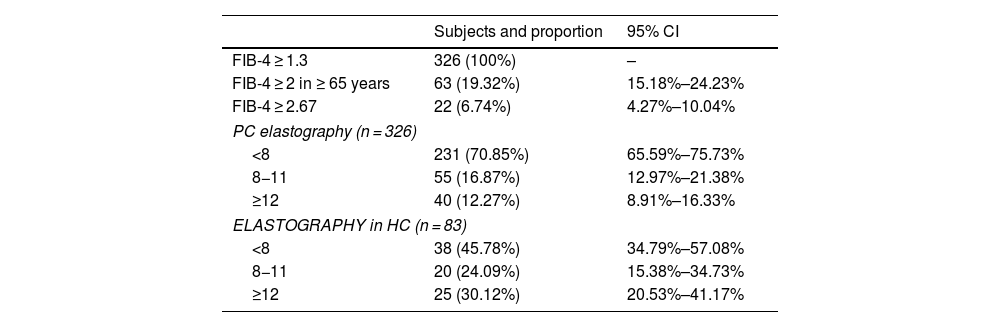
Table 2. Presence of liver fibrosis and its degree, with the tests used in primary and hospital care.
Tables
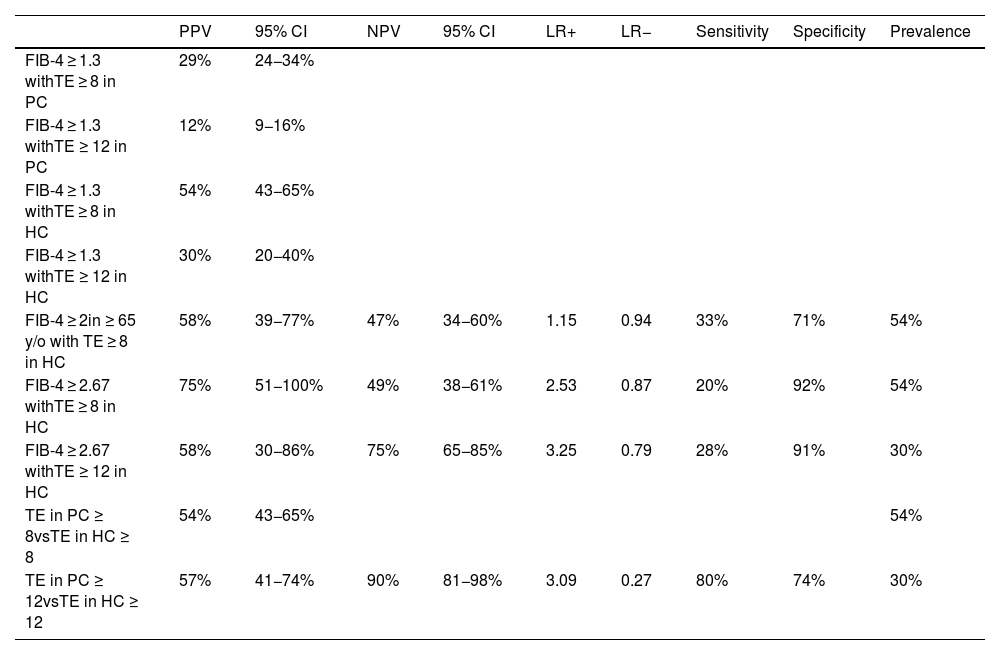
Table 3. Diagnostic values of non-invasive tests used in the study population.
Tables
Table 4. Association between the presence of fibrosis and risk factors.
Tables
Show moreShow less
Abstract
Objectives

To describe the proportion of patients with liver fibrosis in at-risk populations in primary care (PC). To know the agreement between FIB-4 and transitional elastography (TE), interobserver agreement between PC and hospital care (HC) in TE, and associated risk Factors (RF).

Methods

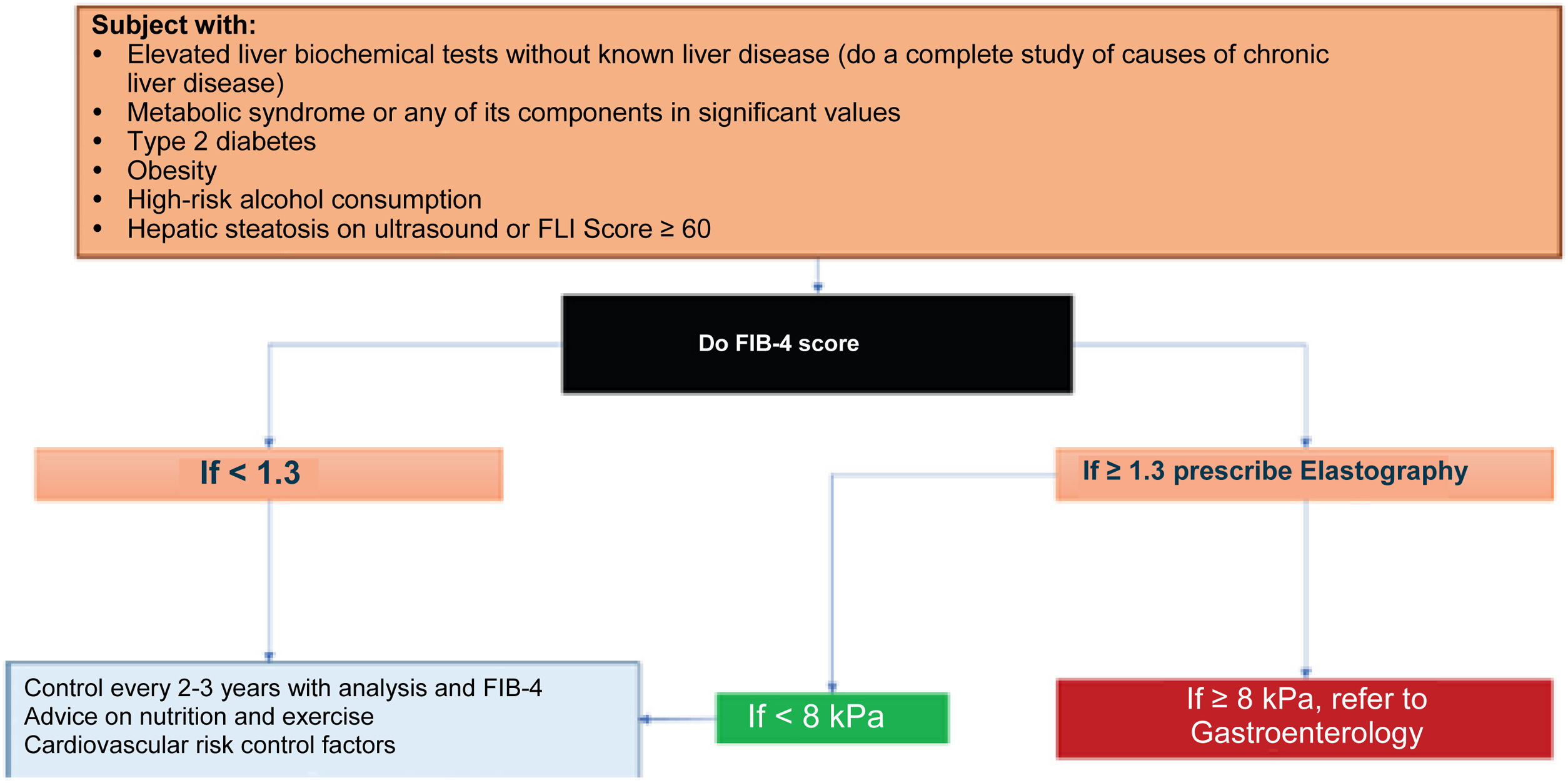
Observational, descriptive, cross-sectional study in ≥16 years of age with RF for chronic liver disease. Sex and age, RF (alteration of liver tests (LT), metabolic syndrome, diabetes, obesity, alcohol consumption, hepatic steatosis), and FIB-4, controlled attenuation parameter and TE in PC and in HC, were collected. According to a consensus algorithm, vibration-controlled TE was performed in PC in patients with FIB-4 ≥ 1,3, and those with measurement ≥ 8 kPa were referred to HC.

Results

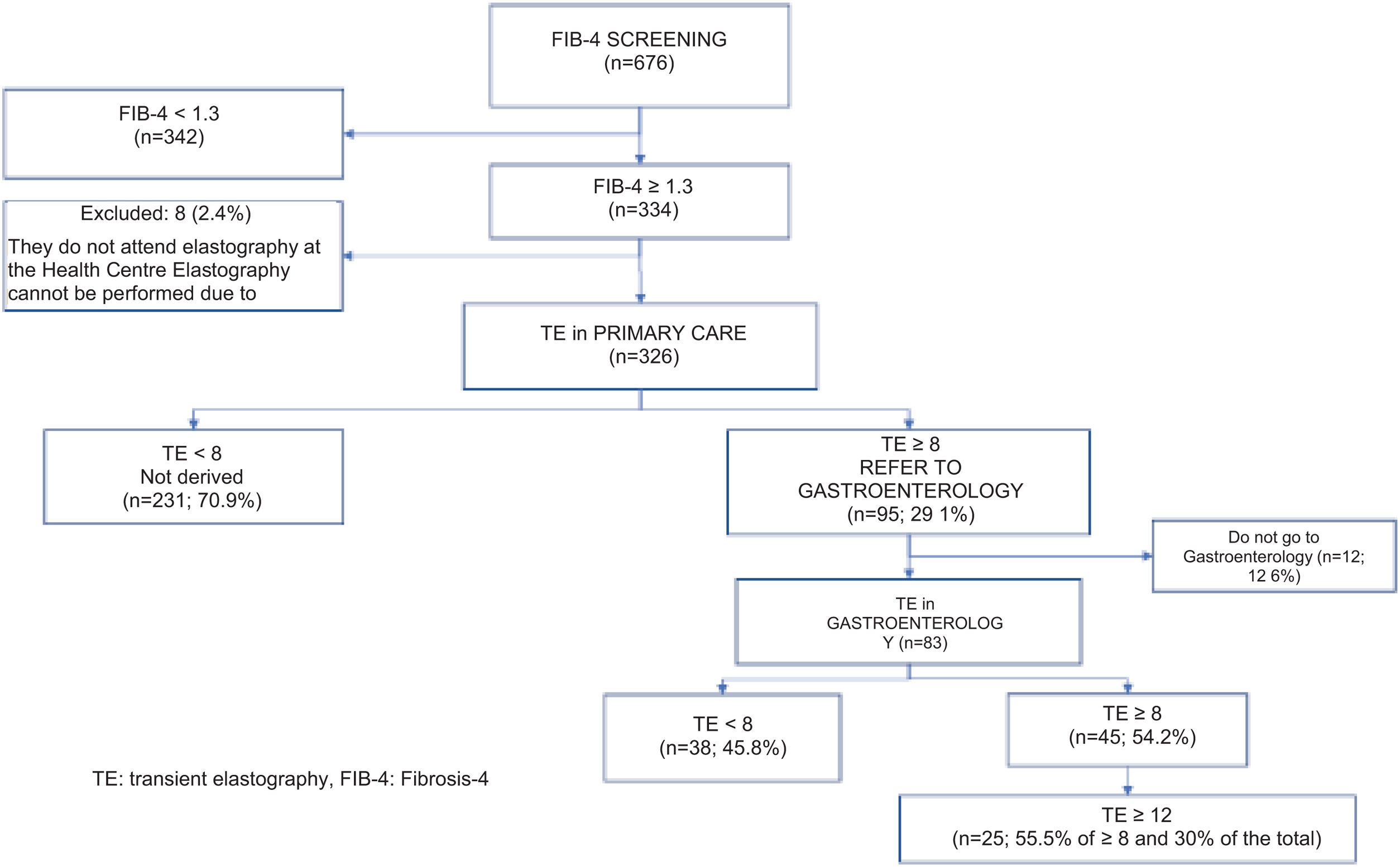
326 patients were studied. 71% were not referred to HC, due to liver stiffness<8 kPa. 83 of the 95 derivations did TE in HC. 45(54%) had TE ≥ 8, and 25(30%)≥12. The proportion of patients with stiffness≥8 kPa was 13,8%(45/326) and ≥12 kPa, 7,6%(25/326). The predictive values ​​of the FIB-4 were low. The interobserver correlation coefficient between TE in PC and HC was 0,433. Variables associated with TE ≥ 8 in PC: LT alteration, diabetes and steatosis. With TE≥12: LT alteration, diabetes and obesity. Predictor variables: LT alteration and obesity.

Conclusions

The study supports the sequential performance of serum indices and TE as a screening for fibrosis in the at-risk population in PC, which allows a reduction in the percentage of patients referred to AH, and a better stratification of risk patients.

Keywords:
Liver fibrosis
Non-invasive fibrosis biomarkers
Transient elastography
Primary care
Resumen
Objetivos

Describir la proporción de pacientes con fibrosis hepática en poblaciones de riesgo en atención primaria (AP). Conocer la correlación entre el FIB-4 y la elastografía de transición (ET), correlación interobservador entre AP y atención hospitalaria (AH) en la ET, y factores de riesgo (FR) asociados.

Métodos

Estudio observacional, descriptivo, transversal en ≥16 años con FR para hepatopatía crónica. Se recogieron sexo y edad, FR (alteración pruebas hepáticas (PH), síndrome metabólico, diabetes, obesidad, consumo alcohol, esteatosis hepática), y los valores del FIB-4, parámetro de atenuación controlada, ET en AP y en AH. Según algoritmo consensuado, se realizó ET de vibración controlada en AP a los pacientes con FIB-4 ≥ 1,3, derivándose a AH aquellos con medición≥8 kilopascales(kPa).

Resultados

Se estudiaron 326 pacientes. El 71% no se derivaron a AH, por rigidez hepática<8 kPa. 83 de los 95 derivados hicieron ET en AH. 45(54,2%) tenían ET ≥ 8, siendo en 25(30%)≥12. La proporción de pacientes con rigidez≥8 kPa fue del 13,8%(45/326) y ≥12 kPa, del 7,6%(25/326). Los valores predictivos del FIB-4 fueron bajos. El coeficiente de correlación interobservador entre la ET en AP y AH fue del 0,433. Variables asociadas con ET ≥ 8 en AP: alteración PH, diabetes y esteatosis. Con ET≥12: alteración PH, diabetes y obesidad. Variables predictoras en análisis multivariante: alteración PH y obesidad.

Conclusiones

El estudio apoya la realización secuencial de índices séricos y ET como cribado de fibrosis en población de riesgo en AP, que permite disminuir el porcentaje de pacientes que se derivan a AH, y una mejor estratificación de los pacientes de riesgo.


Palabras clave:
Fibrosis hepatica
Indicadores séricos de fibrosis
Elastografía de transición
Atencion primaria

Article

These are the options to access the full texts of the publication Gastroenterología y Hepatología (English Edition)
Subscriber
Subscriber

If you already have your login data, please click here .

If you have forgotten your password you can you can recover it by clicking here and selecting the option “I have forgotten my password”
Subscribe
Subscribe to

Gastroenterología y Hepatología (English Edition)

Purchase
Purchase article

Purchasing article the PDF version will be downloaded

Purchase now
Contact
Phone for subscriptions and reporting of errors
From Monday to Friday from 9 a.m. to 6 p.m. (GMT + 1) except for the months of July and August which will be from 9 a.m. to 3 p.m.
Calls from Spain
932 415 960
Calls from outside Spain
+34 932 415 960
E-mail
Article options
Tools