


metricas

Gastroenterología y Hepatología

Sugerencias
Gastroenterología y Hepatología Recommendations for the future management of thrombocytopenia in patients with l...
Información de la revista
Vol. 47. Núm. 1.
Páginas 1-118 (Enero 2024)
Visitas
1592
Vol. 47. Núm. 1.
Páginas 1-118 (Enero 2024)
Original article
Acceso a texto completo

Recommendations for the future management of thrombocytopenia in patients with liver cirrhosis: A modified RAND/UCLA appropriateness method

Recomendaciones para el futuro manejo de la trombocitopenia en pacientes con cirrosis hepática: una versión modificada de la Metodología RAND/UCLA
Visitas
1592
José Luis Callejaa,
Autor para correspondencia
joseluis.calleja@uam.es

Corresponding author.
, Olga Delgado Sánchezb, María Ángeles Fuentes Praderac, Elba Llopa, Fernando López Zárragad, María Luisa Lozanoe,f, Rafael Parrag, Juan Turnesh,i
a Department of Gastroenterology and Hepatology, Puerta de Hierro University Hospital, IDIPHISA, CIBERehd, Madrid, Spain
b Department of Hospital Pharmacy, University Hospital Son Espases, Palma, Spain
c Department of Anesthesiology and Reanimation, University General Hospital Vírgen del Rocío, Sevilla, Spain
d Vascular and Interventional Radiology Unit, Álava University Hospital, Vitoria-Gasteiz, Spain
e Department of Hematology, Morales Meseguer General University Hospital, Murcia, Spain
f Biomedical Research Institute of Murcia (IMIB-Pascual Parrilla), CIBERER, Murcia, Spain
g Blood and Tissue Bank, Vall d’Hebrón Hospital, Barcelona, Spain
h Department of Gastroenterology and Hepatology, Pontevedra University Hospital Complex, IIS Galicia Sur, Pontevedra, Spain
i Health Research Institute (IIS) Galicia Sur, Pontevedra, Spain
Ver más
Este artículo ha recibido
Información del artículo
Resumen
Texto completo
Bibliografía
Descargar PDF
Estadísticas
Tablas (6)
Table 1. Evidence generation (area 1).
Tablas
Table 2. Care circuit (area 2).
Tablas
Table 3. Hemorrhagic risk assessment, decision-making, and diagnostic tests (area 3).
Tablas
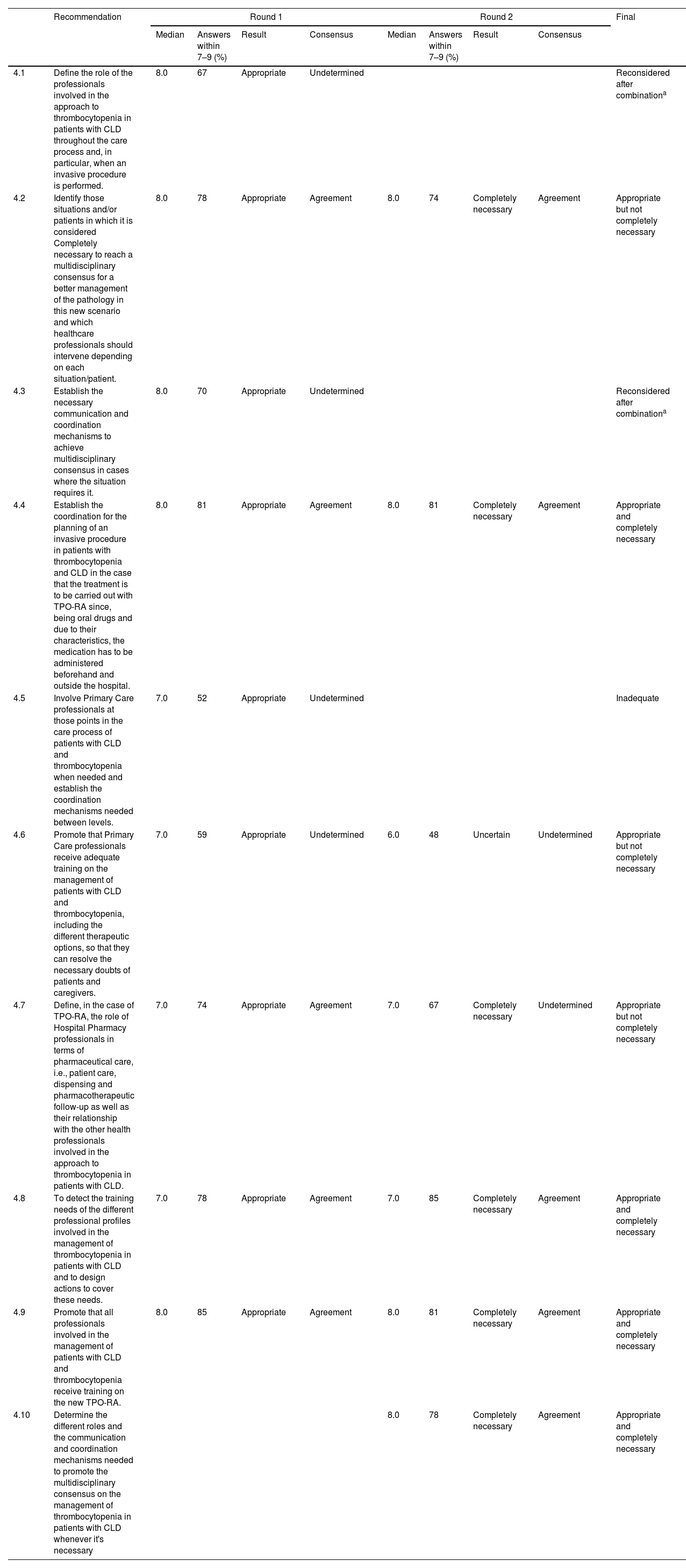
Table 4. Role of professionals and multidisciplinary coordination (area 4).
Tablas
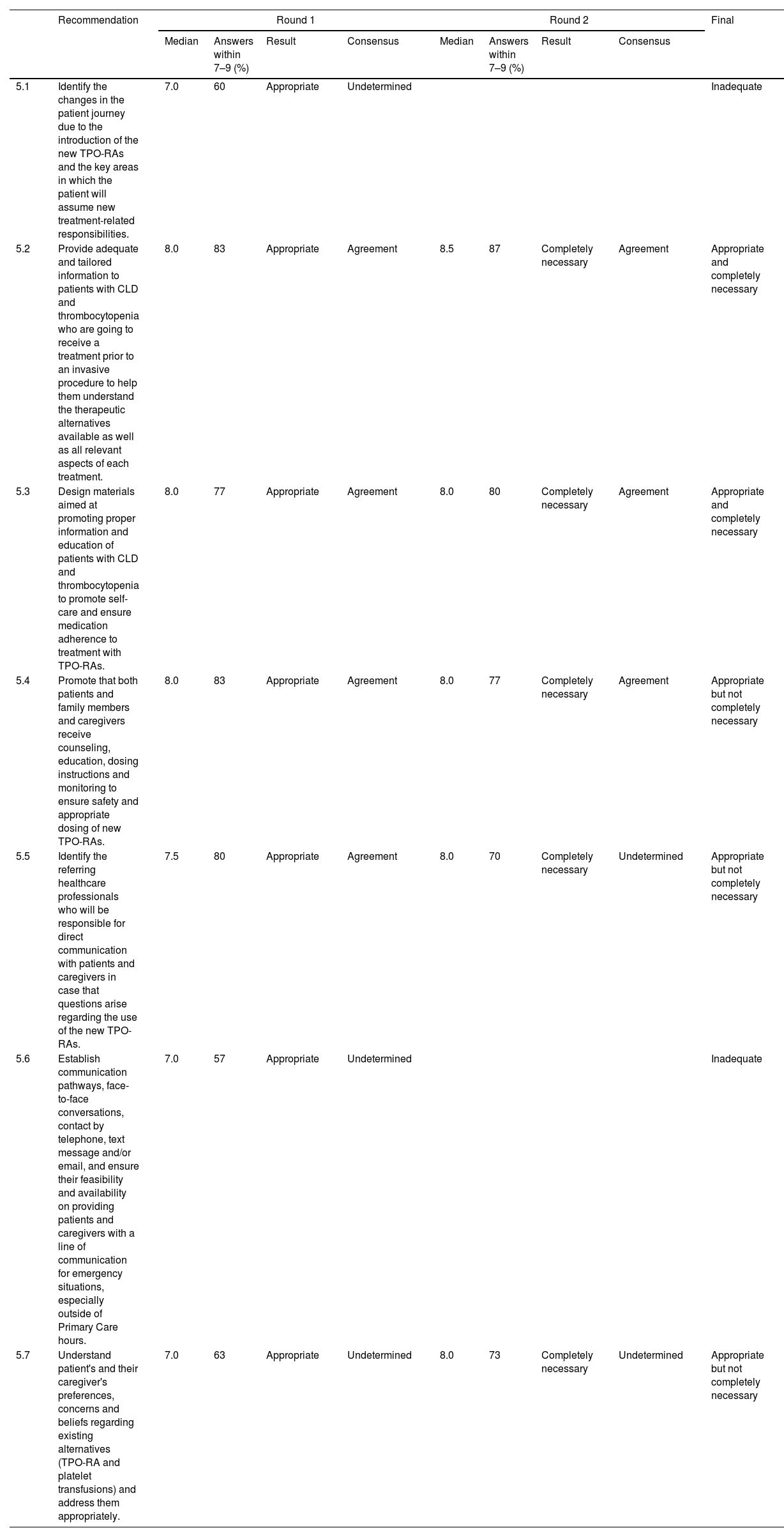
Table 5. Patient education (area 5).
Tablas
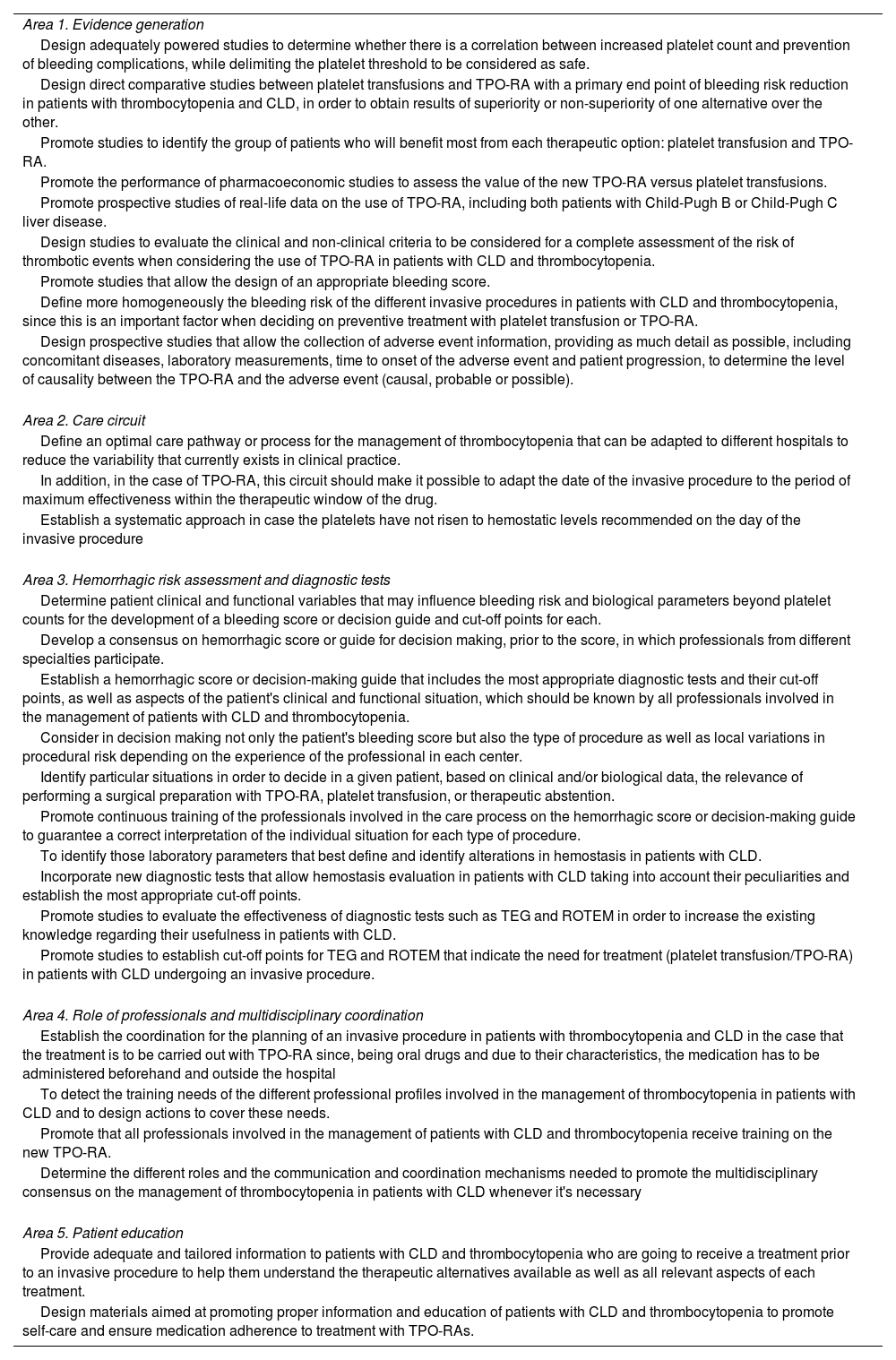
Table 6. Resume of actions aimed at improving management of thrombocytopenia in patients with chronic liver disease.
Tablas
Figuras (1)
fig0005
Abstract
Objective

The lack of consensus and specific guidelines, and the introduction of new treatments in thrombocytopenia management in liver cirrhosis patients, required a series of recommendations by experts to improve knowledge on this disease. This study's aim was to improve the knowledge around thrombocytopenia in liver cirrhosis patients, in order to contribute to the generation of future evidence to improve the management of this disease.

Patients and methods

A modified version of the RAND/UCLA appropriateness method was used. The scientific committee, a multidisciplinary team of 7 experts in managing thrombocytopenia in liver cirrhosis patients, identified the expert panel, and participated in elaborating the questionnaire. Thirty experts from different Spanish institutions were invited to answer a 48-item questionnaire covering 6 areas on a nine-point Likert scale. Two rounds were voted. The consensus was obtained if >77.7% of panelists reached agreement or disagreement.

Results

A total of 48 statements were developed by the scientific committee and then voted by the experts, resulting in 28 defined as appropriate and completely necessary, relating to evidence generation (10), care circuit, (8), hemorrhagic risk assessment, decision-making and diagnostic tests (14), professionals’ role and multidisciplinary coordination (9) and patient education (7).

Conclusions

This is the first consensus in Spain on the management of thrombocytopenia in liver cirrhosis patients. Experts indicated several recommendations to be carried out in different areas that could help physicians make better decisions in their clinical practice.

Keywords:
Thrombopoietin receptor agonists
Treatment
Recommendations
Diagnostic
Hemorrhagic risk
Thrombocytopenia
Liver cirrhosis
Abbreviations:
TACO
TRALI
TCP
TPO
TPO-RA
Resumen
Objetivo

La falta de consenso y guías específicas, y la introducción de nuevos tratamientos para el manejo de la trombocitopenia en pacientes con cirrosis hepática, requerían recomendaciones expertas para mejorar el conocimiento sobre dicha patología. El objetivo de este estudio es mejorar el conocimiento sobre la trombocitopenia en pacientes con cirrosis hepática de cara a contribuir en la generación de futuras evidencias que mejoren el manejo de esta patología.

Metodología

Ae utilizó una versión modificada de la metodología Delphi RAND/UCLA. El comité científico, formado por 7 expertos en el manejo de la trombocitopenia en pacientes con cirrosis hepática, identificó un panel de expertos y participó en la elaboración del cuestionario de recomendaciones. Treinta expertos de diferentes hospitales españoles fueron invitados a responder al cuestionario. Los expertos respondieron a 48 ítems divididos en 6 áreas en una escala Likert de 9 puntos. La votación tuvo lugar en 2 rondas, en las que se obtuvo consenso siempre y cuando >77,7% de los panelistas alcanzasen acuerdo o desacuerdo.

Resultados

Cuarenta y ocho recomendaciones fueron elaboradas por el comité científico para su votación por parte del panel de expertos. Finalmente 28 recomendaciones fueron consideradas apropiadas y completamente necesarias: 10 de ellas relativas a la generación de evidencia; 8 al circuito de cuidados; 14 a la evaluación de riesgo hemorrágico, la toma de decisiones y los test diagnósticos; 9 al papel de los profesionales y la coordinación multidisciplinar, y 7 a la educación de los pacientes.

Conclusiones

Se trata del primer consenso español en el manejo de la trombocitopenia en pacientes con cirrosis hepática. Los expertos definieron un amplio número de recomendaciones que podrían contribuir a la toma de decisiones clínicas y a la mejora en el manejo de estos pacientes en la práctica clínica real.

Palabras clave:
Agonista del receptor de la trombopoyetina
Tratamiento
Recomendaciones
Diagnóstico
Riesgo hemorrágico
Trombocitopenia
Cirrosis hepática
Texto completo
Introduction

Thrombocytopenia (TCP) is a common hematological condition in patients with liver cirrhosis. TCP is defined by a platelet count of under 150,000μL–1,1 and is present in up to 78% of chronic liver disease patients, with a higher incidence observed in those with cirrhosis.2 Current evidence indicates that TCP's causes are diverse, including a decrease in platelet production, an increase in platelet destruction and platelet sequestration in the spleen,3 although historically, this disease was linked to hypersplenism due to increased splenic vein pressure.4 Reduced platelet production is often a manifestation of decreased levels of thrombopoietin (TPO), a hormone produced by the hepatocytes whose main function is to regulate platelet release into the circulation.2 There's a recognized direct correlation between liver cirrhosis and a decrease in circulating TPO,5 suggesting that monitoring circulating TPO levels can evaluate the degree of TCP in liver cirrhosis.5 TPO receptor agonists (TPO-RAs) have been studied for treating liver cirrhosis-associated severe TCP, being recently approved in Europe6,7 and its usefulness has been demonstrated in different studies.8–16 In this way, they are added to the existing therapeutic arsenal, where platelet transfusion is considered the gold standard for treating TCP.17 However, their effectiveness in clinical practice is variable and patients may develop a lack of response after multiple transfusions.18 Moreover, platelet transfusions are associated with a number of adverse effects, including infections, non-hemolytic reactions, transfusion-associated circulatory overload (TACO) and transfusion-related acute lung injury (TRALI).18 In addition, platelet transfusions are associated with logistical issues, which complicates its clinical management and harms the outcomes achieved in patients.19 Other treatments for TCP patients include splenic artery embolization among others, which also presents a series of drawbacks.19 For this reason, the TPO-RAs’ approval presents the possibility of changing patients’ clinical perspectives and a challenge in terms of managing them. Currently there are no specific clinical guidelines or consensus for managing patients with liver cirrhosis-associated TCP in Spain, other than general blood component transfusion guidelines.20 Recently published EASL guidelines on prevention and management of bleeding and thrombosis in patients with liver cirrhosis recommend to consider case-by-case infusion of platelet concentrates or TPO-R agonists in patients undergoing high-risk procedures in whom local haemostasis is not possible and platelet count is between 20×109L–1 and 50×109L–1 and in patients undergoing high-risk procedures in whom local haemostasis is not possible and platelet count is very low (<20×109L–1).21

Given the scarcity of published literature, this study aimed to get a picture of the current situation and determine key unmet needs in Spain based on clinical experts’ opinion and experience. The project's goal was to develop recommendations through a RAND/UCLA appropriateness method study in order to contribute to the generation of future evidence to improve the management of this disease.

Patients and methodsStudy design

A modified version of the RAND/UCLA Appropriateness Method was followed.22 This is a technique that's widely used for producing recommendations on clinical practices.23–27 The RAND/UCLA Appropriateness Method was designed to develop recommendations when scientific literature is limited. It combines a review of the existing evidence with expert opinion through a structured rating process with precise definitions of appropriateness and necessity.

This project was carried out in four phases: (1) initial phase, where the scientific committee conducted a systematic review and where the panel of experts was selected; (2) recommendations phase, where the questionnaire was developed by the scientific committee; (3) Delphi phase, where the panel of experts answered the questionnaire in two successive rounds, separated by an intermediate meeting of the scientific committee; (4) final phase, where the scientific committee met to review and discuss the Delphi results and draw conclusions.

Due to the lack of patient data and the expert panel's anonymity, this study did not require institutional review board approval.

Chronogram of Delphi rounds

The first round took place between April and June 2021. The scientific committee's meeting to discuss the first round's results was held in June 2021. The second round took place between July and August 2021. Lastly, a meeting to present and discuss the Delphi results was held in September 2021.

Scientific committee

The project was led by a scientific committee made up of a multidisciplinary team of seven experts in managing TCP in liver cirrhosis patients, including two gastroenterologists and hepatologists, two hematologists, an anesthesiologist, an interventional and vascular radiologist and a hospital pharmacist. The scientific committee assisted in drawing up, reviewing, and approving the specific questionnaire developed for use during the voting rounds, as well as participating in the rating rounds. Its members likewise validated and analyzed the study's results.

Expert panel

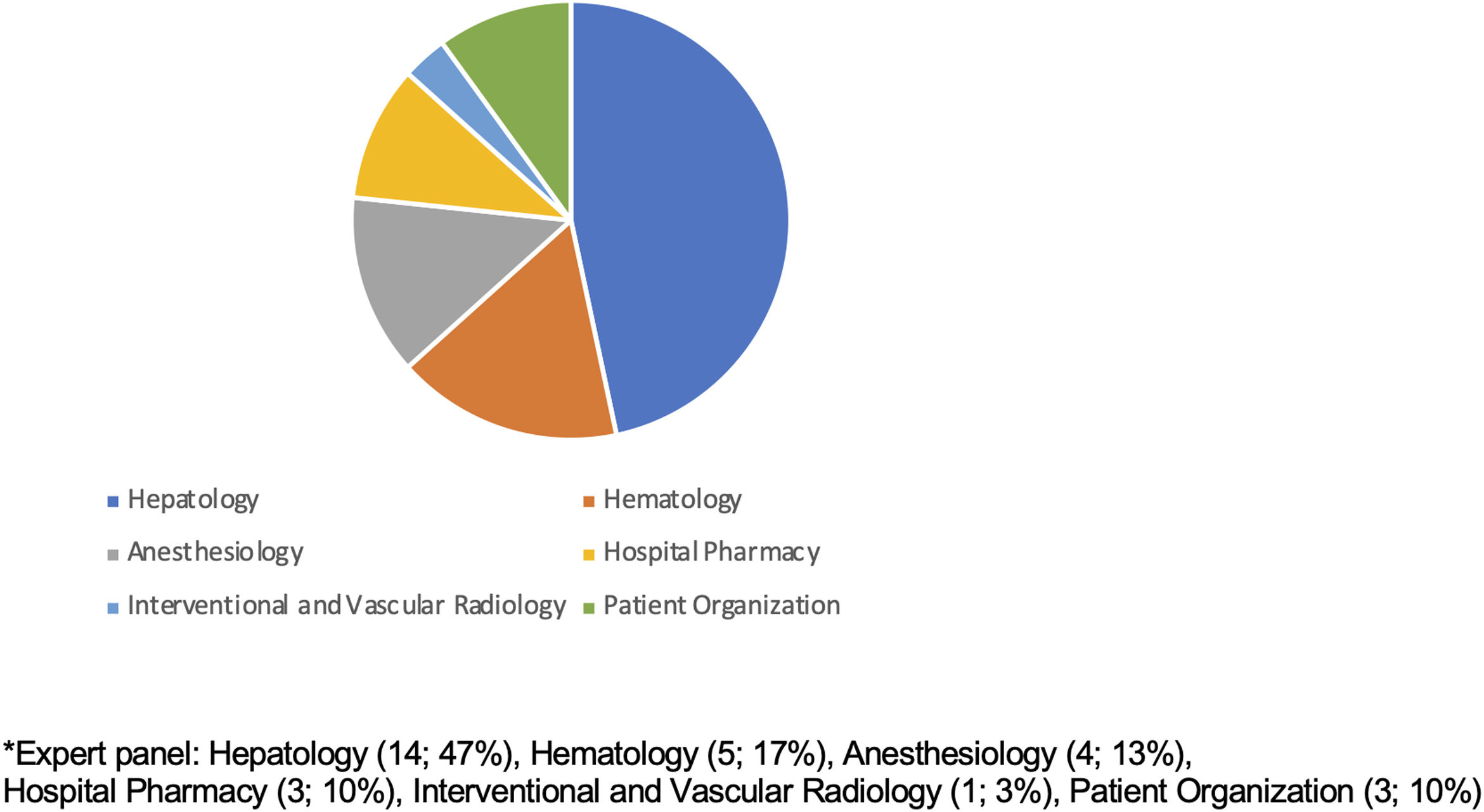
The overall panel consisted of 23 experts with a multidisciplinary background, together with the scientific committee previously mentioned (Supplementary figure 1). The criteria for their selection included professional knowledge and experience in the field of managing TCP in liver cirrhosis patients. Experts belonging to the patient organization only participated in the votes corresponding to the patient education area.

Producing recommendations

Developing the first-round questionnaire involved a systematic review of the literature on TCP management in liver cirrhosis patients. For this purpose, PubMed, Scopus, Embase and MEDLINE databases were used. The search terms and topics introduced in those databases were: “thrombocytopenia”, “chronic liver disease”, “cirrhosis”, “hepatocarcinoma”, “platelets”, “transfusions”, and “thrombopoietin receptor agonists”. These terms and their possible combinations were established after a scientific committee's arranged meeting.

Once reviewed, the scientific committee drew up a list of possible recommendations in order to meet the actual needs detected in relation to managing TCP liver cirrhosis patients. The online questionnaire's first round included 48 recommendations involved in managing TCP in liver cirrhosis patients. These were divided up into six areas: (1) evidence generation (10 recommendations), (2) care circuit, (8 recommendations), (3) hemorrhagic risk assessment, decision-making, and diagnostic tests (14 recommendations), (4) professionals’ role and multidisciplinary coordination (9 recommendations) and (5) patient education (7 recommendations).

Recommendation rating

Prior to the rating rounds, panelists were provided with an explanation of the methodology and an opportunity to clarify language in evidence summaries or recommendations.

In the first round, panelists independently rated each recommendation on a standard 9-point Likert scale of appropriateness. Appropriateness was defined as the degree to which the benefits of continuous monitoring outweighed the risks, exclusive of cost.13 Recommendations there was agreement on were rated as appropriate if the median panelist voting was between 7 and 9, of uncertain appropriateness if the median was between 4 and 6, and inappropriate if the median was between 1 and 3. An item was considered consensual when there was “agreement” of opinion in the panel. This occurred when more than 77.7% of the experts scored inside one of the three-point regions ([1–3], [4–6], [7–9]) containing the median. In such a case, the median's value determined the group consensus reached: majority “disagreement” if the median is within 1–3, or majority “agreement” when the median was inside 7–9. Cases where the median was in the 4–6 region were considered “uncertain”. Conversely, it was established that there was “discordance” of criteria in the panel when the scores of one-third or more of the panelists were in the [1–3] region and another third or more were in the [7–9] region. The remaining items for which neither concordance nor discordance was observed were considered to have an “undetermined” level of consensus.

After the first round, the scientific committee participated in a meeting in which recommendations whose consensus turned out to be undetermined were discussed, deciding whether they should continue in the second round of voting or be ruled out.

In the second round, panelists independently rated each recommendation on a standard 9-point Likert necessity scale. In RAND/UCLA terms, necessary recommendations were those for which it would be improper care not to follow the practice.22 They rated recommendations on a 9-point Likert scale, from completely unnecessary to completely necessary. Finally, we assessed necessity scores for disagreement, as described above, and recommendations were classified as necessary (median score of 7–9), of uncertain necessity (median score of 4–6) and unnecessary (median score of 1–3 or presence of disagreement).22

After the second round, the scientific committee participated in a final meeting, in which all the results were discussed. Those recommendations that were not voted in the second round were classified as “unsuitable”, except for those that disappeared after rearranging or combining them. Those recommendations that were voted in the second round but did not achieve consensus in the necessity round were reviewed by the scientific committee. Lastly, the recommendations in the second round on necessity were defined as “appropriate and completely necessary” or “appropriate but not completely necessary”.

Data analyses

A database was created using SPSS Statistics version 20 by IBM (Armonk, NY, USA). The median and the percentage of responses within the 7–9 range was calculated and used to define consensus.

Ethical aspects

This study was conducted in accordance with the Helsinki Declaration. No personal data was included in the study.

Results

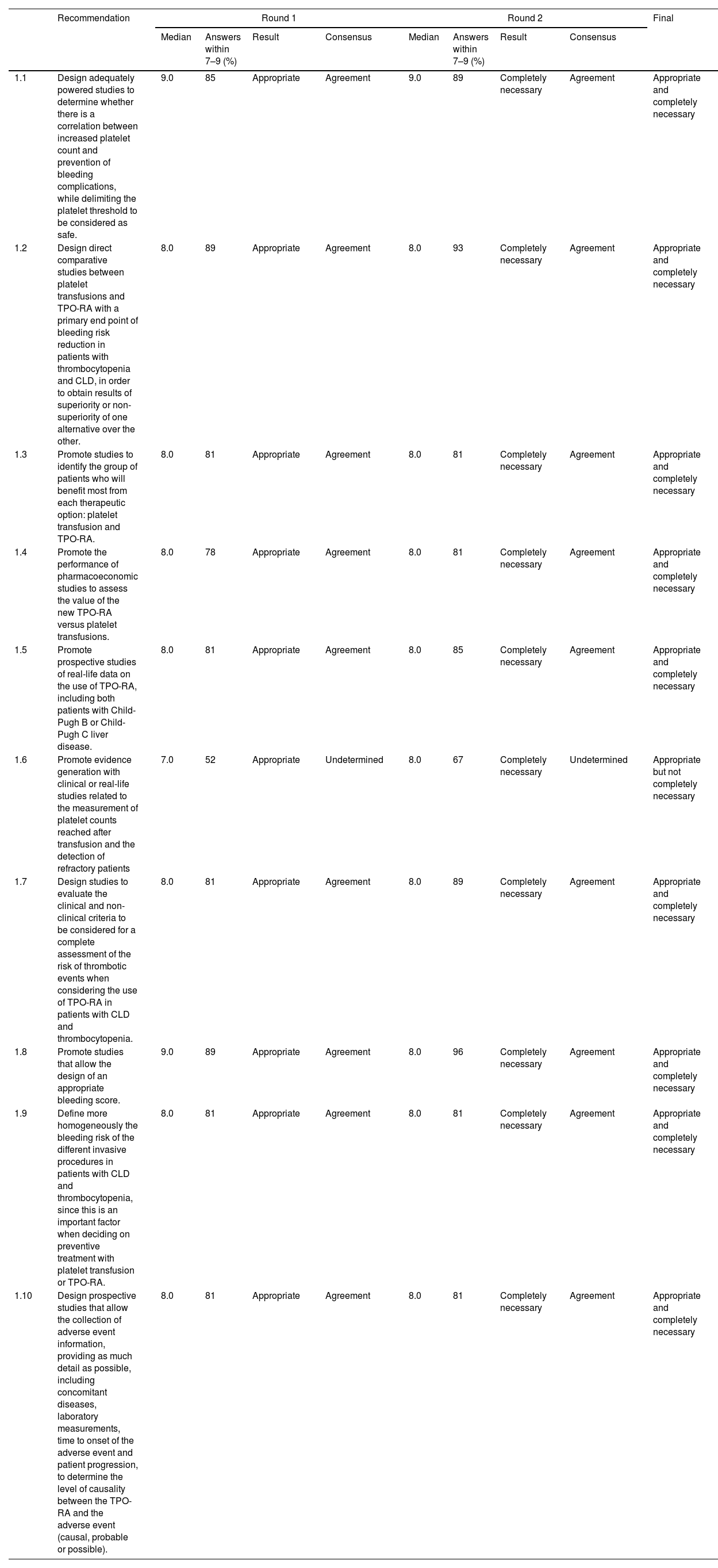
The statements developed by the scientific committee covered six major areas: (1) evidence generation, (2) care circuit, (3) hemorrhagic risk assessment, decision-making, and diagnostic tests, (4) professionals’ role and multidisciplinary coordination, and (5) patient education. A multidisciplinary group of 30 panel members were invited to participate in both rounds of the Delphi process by voting on the questionnaire. In the first round, the 48 initially defined recommendations were assessed in terms of appropriateness (Tables 1–5). During this assessment, 32 were considered appropriate and reaching consensus, 15 of them were assessed as appropriate, but with an undetermined consensus, and 1 recommendation was rated as uncertain and with an undetermined consensus.

Table 1.

Evidence generation (area 1).

  Recommendation  Round 1Round 2Final 
    Median  Answers within 7–9 (%)  Result  Consensus  Median  Answers within 7–9 (%)  Result  Consensus   
1.1  Design adequately powered studies to determine whether there is a correlation between increased platelet count and prevention of bleeding complications, while delimiting the platelet threshold to be considered as safe.  9.0  85  Appropriate  Agreement  9.0  89  Completely necessary  Agreement  Appropriate and completely necessary 
1.2  Design direct comparative studies between platelet transfusions and TPO-RA with a primary end point of bleeding risk reduction in patients with thrombocytopenia and CLD, in order to obtain results of superiority or non-superiority of one alternative over the other.  8.0  89  Appropriate  Agreement  8.0  93  Completely necessary  Agreement  Appropriate and completely necessary 
1.3  Promote studies to identify the group of patients who will benefit most from each therapeutic option: platelet transfusion and TPO-RA.  8.0  81  Appropriate  Agreement  8.0  81  Completely necessary  Agreement  Appropriate and completely necessary 
1.4  Promote the performance of pharmacoeconomic studies to assess the value of the new TPO-RA versus platelet transfusions.  8.0  78  Appropriate  Agreement  8.0  81  Completely necessary  Agreement  Appropriate and completely necessary 
1.5  Promote prospective studies of real-life data on the use of TPO-RA, including both patients with Child-Pugh B or Child-Pugh C liver disease.  8.0  81  Appropriate  Agreement  8.0  85  Completely necessary  Agreement  Appropriate and completely necessary 
1.6  Promote evidence generation with clinical or real-life studies related to the measurement of platelet counts reached after transfusion and the detection of refractory patients  7.0  52  Appropriate  Undetermined  8.0  67  Completely necessary  Undetermined  Appropriate but not completely necessary 
1.7  Design studies to evaluate the clinical and non-clinical criteria to be considered for a complete assessment of the risk of thrombotic events when considering the use of TPO-RA in patients with CLD and thrombocytopenia.  8.0  81  Appropriate  Agreement  8.0  89  Completely necessary  Agreement  Appropriate and completely necessary 
1.8  Promote studies that allow the design of an appropriate bleeding score.  9.0  89  Appropriate  Agreement  8.0  96  Completely necessary  Agreement  Appropriate and completely necessary 
1.9  Define more homogeneously the bleeding risk of the different invasive procedures in patients with CLD and thrombocytopenia, since this is an important factor when deciding on preventive treatment with platelet transfusion or TPO-RA.  8.0  81  Appropriate  Agreement  8.0  81  Completely necessary  Agreement  Appropriate and completely necessary 
1.10  Design prospective studies that allow the collection of adverse event information, providing as much detail as possible, including concomitant diseases, laboratory measurements, time to onset of the adverse event and patient progression, to determine the level of causality between the TPO-RA and the adverse event (causal, probable or possible).  8.0  81  Appropriate  Agreement  8.0  81  Completely necessary  Agreement  Appropriate and completely necessary 

CLD=chronic liver disease; TPO-RA=thrombocytopenia receptor agonists.

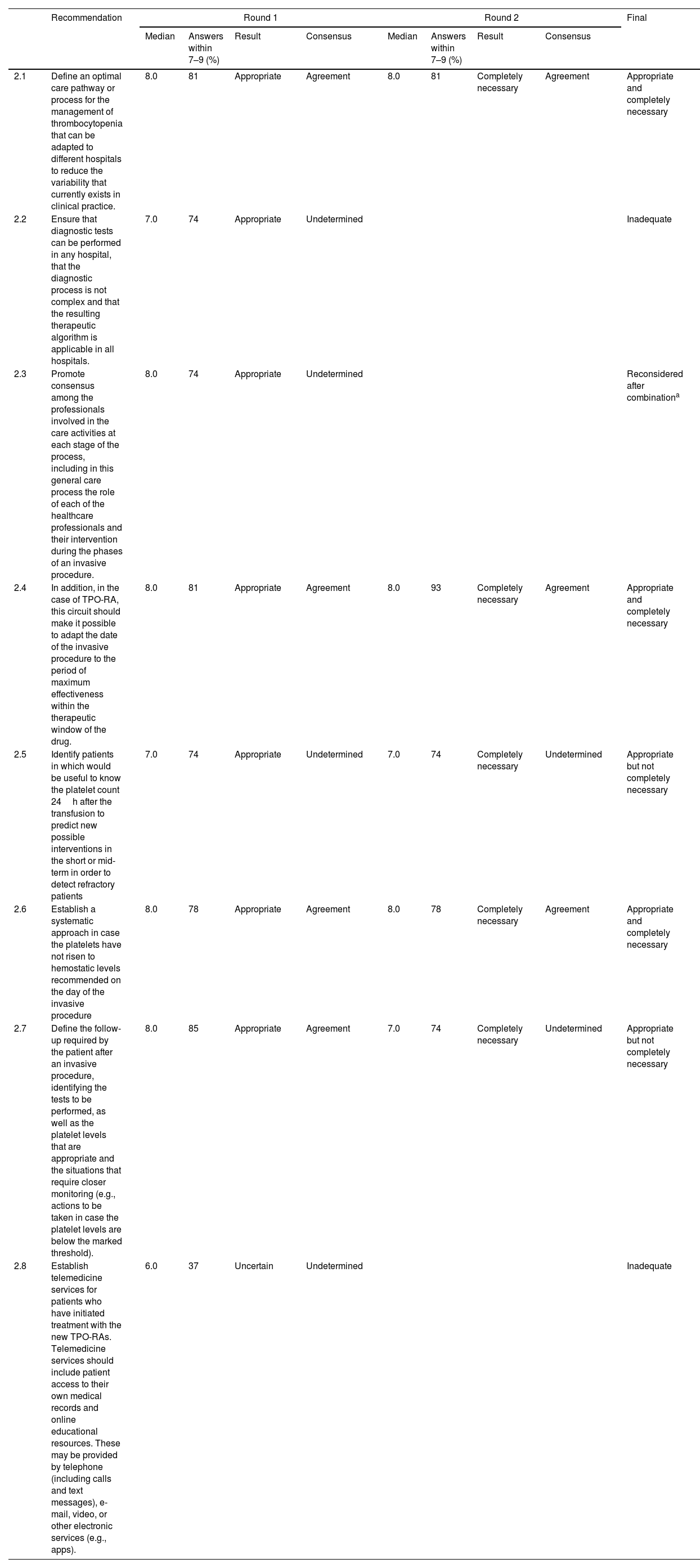
Table 2.

Care circuit (area 2).

  Recommendation  Round 1Round 2Final 
    Median  Answers within 7–9 (%)  Result  Consensus  Median  Answers within 7–9 (%)  Result  Consensus   
2.1  Define an optimal care pathway or process for the management of thrombocytopenia that can be adapted to different hospitals to reduce the variability that currently exists in clinical practice.  8.0  81  Appropriate  Agreement  8.0  81  Completely necessary  Agreement  Appropriate and completely necessary 
2.2  Ensure that diagnostic tests can be performed in any hospital, that the diagnostic process is not complex and that the resulting therapeutic algorithm is applicable in all hospitals.  7.0  74  Appropriate  Undetermined          Inadequate 
2.3  Promote consensus among the professionals involved in the care activities at each stage of the process, including in this general care process the role of each of the healthcare professionals and their intervention during the phases of an invasive procedure.  8.0  74  Appropriate  Undetermined          Reconsidered after combinationa 
2.4  In addition, in the case of TPO-RA, this circuit should make it possible to adapt the date of the invasive procedure to the period of maximum effectiveness within the therapeutic window of the drug.  8.0  81  Appropriate  Agreement  8.0  93  Completely necessary  Agreement  Appropriate and completely necessary 
2.5  Identify patients in which would be useful to know the platelet count 24h after the transfusion to predict new possible interventions in the short or mid-term in order to detect refractory patients  7.0  74  Appropriate  Undetermined  7.0  74  Completely necessary  Undetermined  Appropriate but not completely necessary 
2.6  Establish a systematic approach in case the platelets have not risen to hemostatic levels recommended on the day of the invasive procedure  8.0  78  Appropriate  Agreement  8.0  78  Completely necessary  Agreement  Appropriate and completely necessary 
2.7  Define the follow-up required by the patient after an invasive procedure, identifying the tests to be performed, as well as the platelet levels that are appropriate and the situations that require closer monitoring (e.g., actions to be taken in case the platelet levels are below the marked threshold).  8.0  85  Appropriate  Agreement  7.0  74  Completely necessary  Undetermined  Appropriate but not completely necessary 
2.8  Establish telemedicine services for patients who have initiated treatment with the new TPO-RAs. Telemedicine services should include patient access to their own medical records and online educational resources. These may be provided by telephone (including calls and text messages), e-mail, video, or other electronic services (e.g., apps).  6.0  37  Uncertain  Undetermined          Inadequate 
a

These recommendations were considered appropriate but due to redundancy issues the scientific committee decided to combine 3 recommendations (2.3, 4.1 and 4.3). The result of this combination was “Determine the different roles and the communication and coordination mechanisms needed to promote the multidisciplinary consensus on the management of thrombocytopenia in patients with CLD whenever it's necessary”) and was contained within area 5 (5.10) and further assessed during the second round. This recommendation was finally classified as appropriate and completely necessary.

TPO-RA=thrombocytopenia receptor agonists.

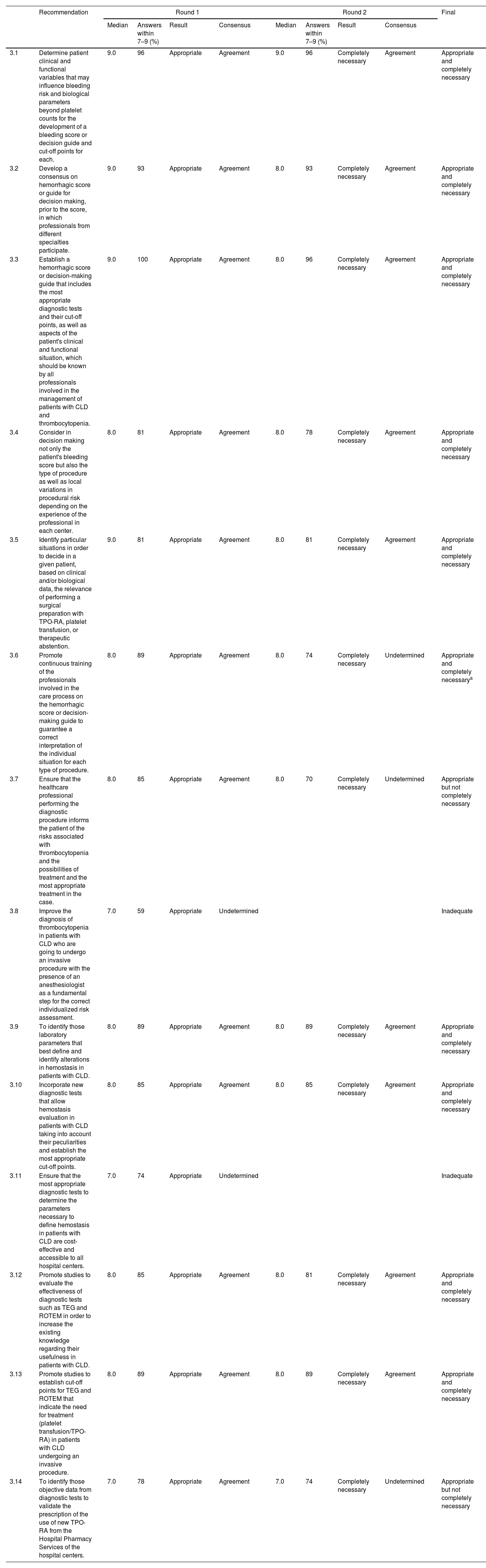
Table 3.

Hemorrhagic risk assessment, decision-making, and diagnostic tests (area 3).

  Recommendation  Round 1Round 2Final 
    Median  Answers within 7–9 (%)  Result  Consensus  Median  Answers within 7–9 (%)  Result  Consensus   
3.1  Determine patient clinical and functional variables that may influence bleeding risk and biological parameters beyond platelet counts for the development of a bleeding score or decision guide and cut-off points for each.  9.0  96  Appropriate  Agreement  9.0  96  Completely necessary  Agreement  Appropriate and completely necessary 
3.2  Develop a consensus on hemorrhagic score or guide for decision making, prior to the score, in which professionals from different specialties participate.  9.0  93  Appropriate  Agreement  8.0  93  Completely necessary  Agreement  Appropriate and completely necessary 
3.3  Establish a hemorrhagic score or decision-making guide that includes the most appropriate diagnostic tests and their cut-off points, as well as aspects of the patient's clinical and functional situation, which should be known by all professionals involved in the management of patients with CLD and thrombocytopenia.  9.0  100  Appropriate  Agreement  8.0  96  Completely necessary  Agreement  Appropriate and completely necessary 
3.4  Consider in decision making not only the patient's bleeding score but also the type of procedure as well as local variations in procedural risk depending on the experience of the professional in each center.  8.0  81  Appropriate  Agreement  8.0  78  Completely necessary  Agreement  Appropriate and completely necessary 
3.5  Identify particular situations in order to decide in a given patient, based on clinical and/or biological data, the relevance of performing a surgical preparation with TPO-RA, platelet transfusion, or therapeutic abstention.  9.0  81  Appropriate  Agreement  8.0  81  Completely necessary  Agreement  Appropriate and completely necessary 
3.6  Promote continuous training of the professionals involved in the care process on the hemorrhagic score or decision-making guide to guarantee a correct interpretation of the individual situation for each type of procedure.  8.0  89  Appropriate  Agreement  8.0  74  Completely necessary  Undetermined  Appropriate and completely necessarya 
3.7  Ensure that the healthcare professional performing the diagnostic procedure informs the patient of the risks associated with thrombocytopenia and the possibilities of treatment and the most appropriate treatment in the case.  8.0  85  Appropriate  Agreement  8.0  70  Completely necessary  Undetermined  Appropriate but not completely necessary 
3.8  Improve the diagnosis of thrombocytopenia in patients with CLD who are going to undergo an invasive procedure with the presence of an anesthesiologist as a fundamental step for the correct individualized risk assessment.  7.0  59  Appropriate  Undetermined          Inadequate 
3.9  To identify those laboratory parameters that best define and identify alterations in hemostasis in patients with CLD.  8.0  89  Appropriate  Agreement  8.0  89  Completely necessary  Agreement  Appropriate and completely necessary 
3.10  Incorporate new diagnostic tests that allow hemostasis evaluation in patients with CLD taking into account their peculiarities and establish the most appropriate cut-off points.  8.0  85  Appropriate  Agreement  8.0  85  Completely necessary  Agreement  Appropriate and completely necessary 
3.11  Ensure that the most appropriate diagnostic tests to determine the parameters necessary to define hemostasis in patients with CLD are cost-effective and accessible to all hospital centers.  7.0  74  Appropriate  Undetermined          Inadequate 
3.12  Promote studies to evaluate the effectiveness of diagnostic tests such as TEG and ROTEM in order to increase the existing knowledge regarding their usefulness in patients with CLD.  8.0  85  Appropriate  Agreement  8.0  81  Completely necessary  Agreement  Appropriate and completely necessary 
3.13  Promote studies to establish cut-off points for TEG and ROTEM that indicate the need for treatment (platelet transfusion/TPO-RA) in patients with CLD undergoing an invasive procedure.  8.0  89  Appropriate  Agreement  8.0  89  Completely necessary  Agreement  Appropriate and completely necessary 
3.14  To identify those objective data from diagnostic tests to validate the prescription of the use of new TPO-RA from the Hospital Pharmacy Services of the hospital centers.  7.0  78  Appropriate  Agreement  7.0  74  Completely necessary  Undetermined  Appropriate but not completely necessary 
a

Although the statistical analysis showed undetermined consensus, it was finally classified as appropriate and completely necessary after de second meeting with the scientific committee.

CLD=chronic liver disease; ROTEM=rotational thromboelastometry; TEG=thromboelastography; TPO-RA=thrombocytopenia receptor agonists.

Table 4.

Role of professionals and multidisciplinary coordination (area 4).

  Recommendation  Round 1Round 2Final 
    Median  Answers within 7–9 (%)  Result  Consensus  Median  Answers within 7–9 (%)  Result  Consensus   
4.1  Define the role of the professionals involved in the approach to thrombocytopenia in patients with CLD throughout the care process and, in particular, when an invasive procedure is performed.  8.0  67  Appropriate  Undetermined          Reconsidered after combinationa 
4.2  Identify those situations and/or patients in which it is considered Completely necessary to reach a multidisciplinary consensus for a better management of the pathology in this new scenario and which healthcare professionals should intervene depending on each situation/patient.  8.0  78  Appropriate  Agreement  8.0  74  Completely necessary  Agreement  Appropriate but not completely necessary 
4.3  Establish the necessary communication and coordination mechanisms to achieve multidisciplinary consensus in cases where the situation requires it.  8.0  70  Appropriate  Undetermined          Reconsidered after combinationa 
4.4  Establish the coordination for the planning of an invasive procedure in patients with thrombocytopenia and CLD in the case that the treatment is to be carried out with TPO-RA since, being oral drugs and due to their characteristics, the medication has to be administered beforehand and outside the hospital.  8.0  81  Appropriate  Agreement  8.0  81  Completely necessary  Agreement  Appropriate and completely necessary 
4.5  Involve Primary Care professionals at those points in the care process of patients with CLD and thrombocytopenia when needed and establish the coordination mechanisms needed between levels.  7.0  52  Appropriate  Undetermined          Inadequate 
4.6  Promote that Primary Care professionals receive adequate training on the management of patients with CLD and thrombocytopenia, including the different therapeutic options, so that they can resolve the necessary doubts of patients and caregivers.  7.0  59  Appropriate  Undetermined  6.0  48  Uncertain  Undetermined  Appropriate but not completely necessary 
4.7  Define, in the case of TPO-RA, the role of Hospital Pharmacy professionals in terms of pharmaceutical care, i.e., patient care, dispensing and pharmacotherapeutic follow-up as well as their relationship with the other health professionals involved in the approach to thrombocytopenia in patients with CLD.  7.0  74  Appropriate  Agreement  7.0  67  Completely necessary  Undetermined  Appropriate but not completely necessary 
4.8  To detect the training needs of the different professional profiles involved in the management of thrombocytopenia in patients with CLD and to design actions to cover these needs.  7.0  78  Appropriate  Agreement  7.0  85  Completely necessary  Agreement  Appropriate and completely necessary 
4.9  Promote that all professionals involved in the management of patients with CLD and thrombocytopenia receive training on the new TPO-RA.  8.0  85  Appropriate  Agreement  8.0  81  Completely necessary  Agreement  Appropriate and completely necessary 
4.10  Determine the different roles and the communication and coordination mechanisms needed to promote the multidisciplinary consensus on the management of thrombocytopenia in patients with CLD whenever it's necessary          8.0  78  Completely necessary  Agreement  Appropriate and completely necessary 
a

These recommendations were considered appropriate but due to redundancy issues the scientific committee decided to combine 3 recommendations (2.3, 5.1 and 5.3). The result of this combination was “Determine the different roles and the communication an coordination mechanisms needed to promote the multidisciplinary consensus on the management of thrombocytopenia in patients with CLD whenever it's necessary”) and was contained within area 4 (4.10) and further assessed during the second round. This recommendation was finally classified as appropriate and completely necessary.

CLD=chronic liver disease; TPO-RA=thrombocytopenia receptor agonists.

Table 5.

Patient education (area 5).

  Recommendation  Round 1Round 2Final 
    Median  Answers within 7–9 (%)  Result  Consensus  Median  Answers within 7–9 (%)  Result  Consensus   
5.1  Identify the changes in the patient journey due to the introduction of the new TPO-RAs and the key areas in which the patient will assume new treatment-related responsibilities.  7.0  60  Appropriate  Undetermined          Inadequate 
5.2  Provide adequate and tailored information to patients with CLD and thrombocytopenia who are going to receive a treatment prior to an invasive procedure to help them understand the therapeutic alternatives available as well as all relevant aspects of each treatment.  8.0  83  Appropriate  Agreement  8.5  87  Completely necessary  Agreement  Appropriate and completely necessary 
5.3  Design materials aimed at promoting proper information and education of patients with CLD and thrombocytopenia to promote self-care and ensure medication adherence to treatment with TPO-RAs.  8.0  77  Appropriate  Agreement  8.0  80  Completely necessary  Agreement  Appropriate and completely necessary 
5.4  Promote that both patients and family members and caregivers receive counseling, education, dosing instructions and monitoring to ensure safety and appropriate dosing of new TPO-RAs.  8.0  83  Appropriate  Agreement  8.0  77  Completely necessary  Agreement  Appropriate but not completely necessary 
5.5  Identify the referring healthcare professionals who will be responsible for direct communication with patients and caregivers in case that questions arise regarding the use of the new TPO-RAs.  7.5  80  Appropriate  Agreement  8.0  70  Completely necessary  Undetermined  Appropriate but not completely necessary 
5.6  Establish communication pathways, face-to-face conversations, contact by telephone, text message and/or email, and ensure their feasibility and availability on providing patients and caregivers with a line of communication for emergency situations, especially outside of Primary Care hours.  7.0  57  Appropriate  Undetermined          Inadequate 
5.7  Understand patient's and their caregiver's preferences, concerns and beliefs regarding existing alternatives (TPO-RA and platelet transfusions) and address them appropriately.  7.0  63  Appropriate  Undetermined  8.0  73  Completely necessary  Undetermined  Appropriate but not completely necessary 

CLD=chronic liver disease; TPO-RA=thrombocytopenia receptor agonists.

During the scientific committee's first working meeting, of the 16 recommendations with an undetermined consensus, 6 were considered suitable for further assessment and 1 was rewritten by combining 3 of them and was also considered suitable for further assessment during the second round. Therefore, 2 of them disappeared after combination and the remaining 7 were considered unsuitable.

Thirty-nine recommendations reached the second Delphi round, this time being evaluated based on necessity. In this second assessment, 27 recommendations were considered necessary and had a consensus, 11 necessary and with an undetermined consensus and 1 was classified as uncertain and undetermined.

In the course of the second round, a final list of recommendations was drawn up after re-evaluating the 12 with an undetermined consensus in the second Delphi round. Finally, only 1 of these recommendations was rated as appropriate and completely necessary and the remaining 11 were assessed as appropriate but not completely necessary.

After this second meeting and as a final result, a list of 28 recommendations were considered appropriate and completely necessary (Table 6). The results for each block are detailed below.

Table 6.

Resume of actions aimed at improving management of thrombocytopenia in patients with chronic liver disease.

Area 1. Evidence generation 
Design adequately powered studies to determine whether there is a correlation between increased platelet count and prevention of bleeding complications, while delimiting the platelet threshold to be considered as safe. 
Design direct comparative studies between platelet transfusions and TPO-RA with a primary end point of bleeding risk reduction in patients with thrombocytopenia and CLD, in order to obtain results of superiority or non-superiority of one alternative over the other. 
Promote studies to identify the group of patients who will benefit most from each therapeutic option: platelet transfusion and TPO-RA. 
Promote the performance of pharmacoeconomic studies to assess the value of the new TPO-RA versus platelet transfusions. 
Promote prospective studies of real-life data on the use of TPO-RA, including both patients with Child-Pugh B or Child-Pugh C liver disease. 
Design studies to evaluate the clinical and non-clinical criteria to be considered for a complete assessment of the risk of thrombotic events when considering the use of TPO-RA in patients with CLD and thrombocytopenia. 
Promote studies that allow the design of an appropriate bleeding score. 
Define more homogeneously the bleeding risk of the different invasive procedures in patients with CLD and thrombocytopenia, since this is an important factor when deciding on preventive treatment with platelet transfusion or TPO-RA. 
Design prospective studies that allow the collection of adverse event information, providing as much detail as possible, including concomitant diseases, laboratory measurements, time to onset of the adverse event and patient progression, to determine the level of causality between the TPO-RA and the adverse event (causal, probable or possible). 
 
Area 2. Care circuit 
Define an optimal care pathway or process for the management of thrombocytopenia that can be adapted to different hospitals to reduce the variability that currently exists in clinical practice. 
In addition, in the case of TPO-RA, this circuit should make it possible to adapt the date of the invasive procedure to the period of maximum effectiveness within the therapeutic window of the drug. 
Establish a systematic approach in case the platelets have not risen to hemostatic levels recommended on the day of the invasive procedure 
 
Area 3. Hemorrhagic risk assessment and diagnostic tests 
Determine patient clinical and functional variables that may influence bleeding risk and biological parameters beyond platelet counts for the development of a bleeding score or decision guide and cut-off points for each. 
Develop a consensus on hemorrhagic score or guide for decision making, prior to the score, in which professionals from different specialties participate. 
Establish a hemorrhagic score or decision-making guide that includes the most appropriate diagnostic tests and their cut-off points, as well as aspects of the patient's clinical and functional situation, which should be known by all professionals involved in the management of patients with CLD and thrombocytopenia. 
Consider in decision making not only the patient's bleeding score but also the type of procedure as well as local variations in procedural risk depending on the experience of the professional in each center. 
Identify particular situations in order to decide in a given patient, based on clinical and/or biological data, the relevance of performing a surgical preparation with TPO-RA, platelet transfusion, or therapeutic abstention. 
Promote continuous training of the professionals involved in the care process on the hemorrhagic score or decision-making guide to guarantee a correct interpretation of the individual situation for each type of procedure. 
To identify those laboratory parameters that best define and identify alterations in hemostasis in patients with CLD. 
Incorporate new diagnostic tests that allow hemostasis evaluation in patients with CLD taking into account their peculiarities and establish the most appropriate cut-off points. 
Promote studies to evaluate the effectiveness of diagnostic tests such as TEG and ROTEM in order to increase the existing knowledge regarding their usefulness in patients with CLD. 
Promote studies to establish cut-off points for TEG and ROTEM that indicate the need for treatment (platelet transfusion/TPO-RA) in patients with CLD undergoing an invasive procedure. 
 
Area 4. Role of professionals and multidisciplinary coordination 
Establish the coordination for the planning of an invasive procedure in patients with thrombocytopenia and CLD in the case that the treatment is to be carried out with TPO-RA since, being oral drugs and due to their characteristics, the medication has to be administered beforehand and outside the hospital 
To detect the training needs of the different professional profiles involved in the management of thrombocytopenia in patients with CLD and to design actions to cover these needs. 
Promote that all professionals involved in the management of patients with CLD and thrombocytopenia receive training on the new TPO-RA. 
Determine the different roles and the communication and coordination mechanisms needed to promote the multidisciplinary consensus on the management of thrombocytopenia in patients with CLD whenever it's necessary 
 
Area 5. Patient education 
Provide adequate and tailored information to patients with CLD and thrombocytopenia who are going to receive a treatment prior to an invasive procedure to help them understand the therapeutic alternatives available as well as all relevant aspects of each treatment. 
Design materials aimed at promoting proper information and education of patients with CLD and thrombocytopenia to promote self-care and ensure medication adherence to treatment with TPO-RAs. 

CLD=chronic liver disease; ROTEM=rotational thromboelastometry; TEG=thromboelastography; TPO-RA=Thrombocytopenia receptor agonists.

Evidence generation

Within this area, a total of 10 recommendations were part of the initial proposal, of which 9 were finally classified as appropriate and completely necessary after completing the process (Table 1). Recommendation 1.6, “Promote measurement of post-transfusion platelet counts in order to generate evidence on the number of platelets reached after transfusion and enable detection of refractory patients”, reached an undetermined consensus during Delphi's second round. It was reconsidered during a second meeting with the scientific committee following the second round and was finally classified as appropriate but not completely necessary.

Care circuit

Regarding the care circuit area, only 3 of the 8 recommendations made in the initial proposal were rated as appropriate and completely necessary (Table 2). In this key area, a total of two recommendations were considered unsuitable (2.2 and 2.8) after the meeting held by the scientific committee following the first Delphi Round. Recommendation 2.3 was combined with 4.1 and 4.3 within area 4 (“Professionals’ role and multidisciplinary coordination”) becoming 4.10, and following consideration in the meeting held by the scientific committee after the first round. The combination was considered suitable and reconsidered during the second round, where it was finally considered appropriate and completely necessary. Lastly, two recommendations (2.5 and 2.7) reached an indeterminate consensus after the second round of voting and were therefore assessed as appropriate but not completely necessary after the second meeting with the scientific committee.

Hemorrhagic risk assessment, decision-making, and diagnostic tests

Within the area of hemorrhagic risk assessment, decision-making, and diagnostic tests, a total of 10 out of 14 initial recommendations achieved the status of appropriate and completely necessary following the process (Table 3). Two resulted in an undetermined consensus after the first round of voting and were considered unsuitable after being discussed in the scientific committee's first meeting (3.8 and 3.11). Recommendations 3.6 and 3.7, although achieving a median of 8 and a consensus higher than or equal to 85% in the first round, consensus proved undetermined in the second round (3.6=74%; 3.7=70%), and reconsidered in the second meeting with the scientific committee. 3.6 was finally classified as appropriate and completely necessary, and 3.7 was classified as appropriate but not completely necessary. Recommendation 3.14 also achieved an indeterminate consensus after the first round but was considered suitable after the first meeting of the scientific committee and therefore reassessed during the second round of voting, which resulted in its final classification as appropriate but not completely necessary.

Role of professionals’ and multidisciplinary coordination

Professionals’ role and multidisciplinary coordination was also a key area during this study, with a total of 9 initial possible recommendations (Table 4). After the process, 3 recommendations were classified as appropriate and completely necessary without any changes (4.4, 4.8 and 4.9). Recommendations 4.1 and 4.3 failed to achieve a consensus during the first round, but after consideration in the first meeting with the scientific committee, a combination of both of them together with recommendation 2.3 was reassessed during the second round (4.10), finally being classified as appropriate and completely necessary during the second round. Recommendation 4.5 achieved an undetermined consensus and was finally classified as unsuitable during the scientific committee's first meeting. Lastly, recommendations 4.2, 4.6 and 4.7 were finally classified as appropriate but not completely necessary, although for different reasons. While 4.6 scored a median vote of 6.0 and therefore a grade classified as uncertain, recommendations 4.2 and 4.7 scored a median within the range of clearly necessary, but with an undetermined consensus which was eventually decided to be not clearly necessary in the scientific committee's second meeting.

Patient education

The patient education area's results are shown in Table 5. A total of 2 recommendations (5.2, 5.3) were identified as appropriate and clearly necessary. Two other initial recommendations were ruled out after the scientific committee's meeting, where results from the first round were discussed, as they were considered unsuitable (5.1 and 5.6). Lastly, recommendations 5.4, 5.5 and 5.7 were voted on during the second round, resulting in an indeterminate consensus, and were finally categorized as appropriate but not completely necessary following the scientific committee's second meeting.

Discussion

In this study, we used the RAND/UCLA Appropriateness Method to reach a consensus on recommendations for TCP management in liver cirrhosis patients. Of 48 items, the selected panelists defined 28 as appropriate and completely necessary (Table 6), relating to evidence generation, care circuit, hemorrhagic risk assessment, decision-making, and diagnostic tests, professionals’ role and multidisciplinary coordination, and patient education. Overall, the evidence generation, and hemorrhagic risk assessment, decision-making, and diagnostic tests areas resulted in the highest number of recommendations assessed as appropriate and completely necessary.

Appropriately managing TCP in liver cirrhosis patients is crucial due to the serious complications they may suffer. At the present time in Spain, there's great diversity in the approach to managing TCP in liver cirrhosis patients. One of the reasons is that there are no specific clinical guidelines or consensus regarding this subject, with health professionals having only general blood component transfusion guidelines at their disposal.20 Moreover, the new TPO-RAs’ introduction in this context makes it even more important to develop a consensus or guideline. This study, using the RAND/UCLA Appropriateness Method,22 aimed to obtain a series of recommendations to contribute to the generation of future evidence that might be useful both for professionals in real-world clinical practice and for developing new actions aimed at improving TCP management in liver cirrhosis patients.

The evidence generation area had a great number of appropriate and necessary recommendations (Table 1). This highlights the need for conducting new studies that provide information on a wide range of aspects for managing TCP in liver cirrhosis patients. Several of these recommendations were related to treatment with TPO-RAs. Specifically, one of them mentioned the need to design direct comparative studies between platelet transfusions and TPO-RAs, evaluating bleeding risk reduction in patients with TCP-associated with liver cirrhosis. Although in literature there is evidence on TPO-RAs’ effect,8–15,29–32 its comparison with platelet transfusion with the aforementioned endpoint would provide clinicians with criteria for discerning between the two treatments.

The results obtained in the care circuit area showed greater divergence in terms of the experts’ opinions, which may be caused by this area's complexity (Table 2). Not unexpectedly due to its clinical importance, establishing a systematic approach should platelets not have risen to hemostatic levels on the day of invasive procedure28,33 was one of these recommendations selected by experts. A recommendation regarding TPO-RA treatment was also agreed in this area. In particular, this was about enabling the invasive procedure's date to be adjusted to the period of maximum effectiveness within the drug's therapeutic window.16,24 Experts therefore identified this requirement as necessary within the healthcare circuit, since the objective is to ensure that these drugs have maximum efficacy and must therefore be used appropriately.

The second area where experts agreed on the classification of appropriate and necessary in the greatest number of recommendations, was in hemorrhagic risk assessment, decision-making, and diagnostic tests (Table 3). This is probably due to the importance of hemorrhagic control in the TCP patient with liver cirrhosis.19,25 Experts indicated that it's necessary to establish a hemorrhagic score or decision-making guide that it could thus assist clinicians in their management of patients. In terms of diagnostic tests, the experts’ concern about improving hemostasis diagnosis in these types of patients is one of this area's conclusions. Despite the fact that there are various studies in this regard,19 there is no clear guideline or consensus in this context and new methods for evaluating hemostasis could also be introduced,33–35 which may result in better clinical management of patients.

Due to the complexity of managing TCP in liver cirrhosis patients, professionals’ role and multidisciplinary coordination is a key area. The panelists concluded with four recommendations identified as appropriate and completely necessary in this area, two of them referring to TPO-RA treatments (Table 4). As it's a novel therapy in this patient profile, experts pointed out the need for training activities in this regard, as well as the need for coordination for its proper administration. Both are fundamental strategies when a new treatment is added to a disease's therapeutic arsenal.

Patient education was also considered a key area for managing TCP in liver cirrhosis patients. Experts sought to identify recommendations regarding patient information on available therapies as appropriate and completely necessary. In the same way, the panelists selected boosting the patient's self-care as a necessity in order to achieve better treatment adherence with TPO-Ras (Table 5). Improving the patient's self-care are initiatives that are increasingly being put into practice in the health management context.36,37 In addition, as highlighted by experts, compliance is essential for achieving the expected results in any treatment.38

In health sciences, the RAND/UCLA Appropriateness Method is used, despite its limitations, when the available body of evidence is incomplete. In this study, the selection of panelists was limited to Spanish clinical practice, reflecting the opinions and therapeutic decisions of a multidisciplinary team of professionals involved in TCP management in liver cirrhosis patients. Further research using a broader international panel would likely help to provide the generated recommendations with greater robustness and more generalizable results. However, the diversity of existing health systems between countries could create divergence of opinions due to experts’ different experiences. Nevertheless, this consensus's recommendations are applicable in the Spanish context and need to be validated in other healthcare contexts.

The lack of consensus and specific guidelines, as well as the introduction of new treatments in TCP management in liver cirrhosis patients in Spain required a series of recommendations. This study's aim was to take a step in this direction, through use of the RAND/UCLA Appropriateness Method and the collaboration of a multidisciplinary team of experts, this being the first consensus in Spain on managing TCP in liver cirrhosis patients. Experts indicated a large number of recommendations to be carried out, including those needed for TPO-RA treatments’ correct introduction into real-world clinical practice. It is therefore necessary to continue conducting research and diverse efforts for managing TCP in liver cirrhosis patients, with the aim of achieving the best outcomes for patients.

Authors contributions

All authors have contributed to the conception, design, acquisition, analysis, and interpretation of the data, and have participated in the drafting and reviewing of the manuscript, approving the submitted version.

Funding

Swedish Orphan Biovitrum, S.L., Spain provided financial support to this work, but had no role in the design, data collection and analysis, or in the development of this publication.

Conflict of interest

FLZ have received fees for lectures from GORE y Medtronic and research grants from Beckton-Dickinson. JLC have received fees for lectures from Sobi and Shionoggi. JTV received fees for advisory and lectures from Abbvie, Gilead, Intercept, Roche, Shionogi and Sobi, research grants from Abbvie and Gilead Sciences and personal fees form Abbvie. MLL have received research grants from Amgen and from Terumo, and personal fees from Amgen, Argenx, Grifols, Novartis, Macopharma, Sobi, Terumo and UCB. RP have received fees for advisory and lectures from Pfizer and Sobi. MAFT and ODS have no conflict of interest.

Acknowledgments

The authors wish to thank to the panel experts, for their participation on the Delphi questionnaire and to Ascendo Sanidad & Farma for the medical writing, editorial and formatting support provided. The medical writing and editorial support were funded by Swedish Orphan Biovitrum S.L., Spain

Appendix A
Supplementary data

The following are the supplementary data to this article:

References
[1]
R.L. Gauer, M.M. Braun.
Thrombocytopenia.
Am Fam Physician, 85 (2012), pp. 612-622
[2]
M. Peck-Radosavljevic.
Thrombocytopenia in chronic liver disease.
Liver Int, 37 (2017), pp. 778-793
[3]
N. Afdhal, J. McHutchison, R. Brown, I. Jacobson, M. Manns, F. Poordad, et al.
Thrombocytopenia associated with chronic liver disease.
J Hepatol, 48 (2008), pp. 1000-1007
[4]
O. Mitchell, D.M. Feldman, M. Diakow, S.H. Sigal.
The pathophysiology of thrombocytopenia in chronic liver disease.
Hepat Med, 8 (2016), pp. 39-50
[5]
E. Giannini, F. Botta, P. Borro, F. Malfatti, A. Fumagalli, E. Testa, et al.
Relationship between thrombopoietin serum levels and liver function in patients with chronic liver disease related to hepatitis C virus infection.
Am J Gastroenterol, 98 (2003), pp. 2516-2520
[6]
Mulpleo (previously Lusutrombopag Shionogi)|European Medicines Agency [Internet]. Available at: https://www.ema.europa.eu/en/medicines/human/EPAR/mulpleo [accessed 3.12.21].
[7]
Doptelet|European Medicines Agency [Internet]. Available at: https://www.ema.europa.eu/en/medicines/human/EPAR/doptelet [accessed 3.12.21].
[8]
N. Terrault, Y.C. Chen, N. Izumi, Z. Kayali, P. Mitrut, W.Y. Tak, et al.
Avatrombopag before procedures reduces need for platelet transfusion in patients with chronic liver disease and thrombocytopenia.
Gastroenterology, 155 (2018), pp. 705-718
[9]
M. Peck-Radosavljevic, K. Simon, A. Iacobellis, T. Hassanein, Z. Kayali, A. Tran, et al.
Lusutrombopag for the treatment of thrombocytopenia in patients with chronic liver disease undergoing invasive procedures (LPLUS 2).
Hepatology, 70 (2019), pp. 1336-1348
[10]
K. Qureshi, S. Patel, A. Meillier.
The use of thrombopoietin receptor agonists for correction of thrombocytopenia prior to elective procedures in chronic liver diseases: review of current evidence.
Int J Hepatol, 2016 (2016), pp. 1802932
[11]
I. Lindquist, S.R. Olson, A. Li, H. Al-Samkari, J.H. Jou, O.J.T. McCarty, et al.
The efficacy and safety of thrombopoietin receptor agonists in patients with chronic liver disease undergoing elective procedures: a systematic review and meta-analysis.
[12]
H. Hidaka, M. Kurosaki, H. Tanaka, M. Kudo, S. Abiru, T. Igura, et al.
Lusutrombopag reduces need for platelet transfusion in patients with thrombocytopenia undergoing invasive procedures.
Clin Gastroenterol Hepatol, 17 (2019), pp. 1192-1200
[13]
Hadi M, Walker C, Desborough M, Basile A, Tsetis D, Hunt B, et al. CIRSE standards of practice on peri-operative anticoagulation management during interventional radiology procedures. Cardiovasc Intervent Radiol 2021;44:523–36, https://doi.org/10.1007/s00270-020-02763-4
[14]
R. Tateishi, M. Seike, M. Kudo, H. Tamai, S. Kawazoe, T. Katsube, et al.
A randomized controlled trial of lusutrombopag in Japanese patients with chronic liver disease undergoing radiofrequency ablation.
J Gastroenterol, 54 (2019), pp. 171-181
[15]
E.G. Giannini, T. Kano, T. Ochiai, R. Bentley, P. Shrestha, N. Afdhal.
Bleeding events in lusutrombopag-treated thrombocytopenic patients.
Eur J Clin Invest, 51 (2021), pp. e13503
[16]
S. Desai, A. Subramanian.
Thrombocytopenia in chronic liver disease: challenges and treatment strategies.
Cureus, 13 (2021), pp. e16342
[17]
A. Newland, R. Bentley, A. Jakubowska, H. Liebman, J. Lorens, M. Peck-Radosavljevic, et al.
A systematic literature review on the use of platelet transfusions in patients with thrombocytopenia.
Hematology, 24 (2019), pp. 679-719
[18]
J.R. Hess.
Conventional blood banking and blood component storage regulation: opportunities for improvement.
Blood Transfus, 8 (2010), pp. s9-s15
[19]
L. Zhang, Z.-G. Zhang, X. Long, F.-L. Liu, W.-G. Zhang.
Severe complications after splenic artery embolization for portal hypertension due to hepatic cirrhosis.
Risk Manag Healthc Policy, 13 (2020), pp. 135-140
[20]
Sociedad Española de Transfusión Sanguínea y Terapia Celular.
Guía sobre la transfusión de componentes sanguíneos y derivados plasmáticos.
5th ed, Barcelona: Sociedad Española de Transfusión Sanguínea y Terapia Celular, (2015),
[21]
European Association for the Study of the Liver.
EASL Clinical Practice Guidelines on prevention and management of bleeding and thrombosis in patients with cirrhosis.
J Hepatol, 76 (2022), pp. 1151-1184
[22]
K. Fitch, S.J. Bernstein, M.D. Aguilar, B. Burnand, J.R. LaCalle.
The RAND/UCLA appropriateness method user's manual.
Rand Corp., (2001),
[23]
A.C. Schondelmeyer, M.L. Dewan, P.W. Brady, K.M. Timmons, R. Cable, M.T. Britto, et al.
Cardiorespiratory and pulse oximetry monitoring in hospitalized children: a Delphi process.
Pediatrics, 146 (2020), pp. e20193336
[24]
J.N. Wood, O. Fakeye, V. Mondestin, D.M. Rubin, R. Localio, C. Feudtner.
Development of hospital-based guidelines for skeletal survey in young children with bruises.
Pediatrics, 135 (2015), pp. e312-e320
[25]
C.W. Paine, P.V. Scribano, R. Localio, J.N. Wood.
Development of guidelines for skeletal survey in young children with intracranial hemorrhage.
Pediatrics, 137 (2016), pp. e20153024
[26]
V. Chopra, S.A. Flanders, S. Saint, S.C. Woller, N.P. O’Grady, N. Safdar, et al.
The Michigan Appropriateness Guide for Intravenous Catheters (MAGIC): results from a multispecialty panel using the RAND/UCLA appropriateness method.
Ann Intern Med, 163 (2015), pp. S1-S40
[27]
J.P. Kahan, S.J. Bernstein, L.L. Leape, L.H. Hilborne, R.E. Park, L. Parker, et al.
Measuring the necessity of medical procedures.
[28]
R.E. Scharf.
Thrombocytopenia and hemostatic changes in acute and chronic liver disease: pathophysiology, clinical and laboratory features, and management.
J Clin Med, 10 (2021), pp. 1530
[29]
R.S.J. Brown, M. Imawari, N. Izumi, Y. Osaki, R. Bentley, T. Ochiai, et al.
Assessing the periprocedural magnitude of platelet count change in response to lusutrombopag.
[30]
N. Wada, H. Uojima, T. Satoh, S. Okina, S. Iwasaki, X. Shao, et al.
Impact of anti-GPIIb/IIIa antibody-producing B cells as a predictor of the response to lusutrombopag in thrombocytopenic patients with liver disease.
Dig Dis, 39 (2021), pp. 234-242
[31]
S.E. Mohamed, M.A. Yassin.
Eltrombopag use for treatment of thrombocytopenia in a patient with chronic liver disease and portal vein thrombosis: case report.
Case Rep Oncol, 13 (2020), pp. 863-866
[32]
S. Khemichian, N.A. Terrault.
Thrombopoietin receptor agonists in patients with chronic liver disease.
Semin Thromb Hemost, 46 (2020), pp. 682-692
[33]
N.W. Lange, D.M. Salerno, K. Berger, M.M. Cushing, R.S.J. Brown.
Management of hepatic coagulopathy in bleeding and nonbleeding patients: an evidence-based review.
J Intensive Care Med, 36 (2021), pp. 524-541
[34]
I. Hrachovinová.
Diagnostic strategies in disorders of hemostasis.
Vnitr Lek, 64 (2018), pp. 537-544
[35]
M. Mohammadi Aria, A. Erten, O. Yalcin.
Technology advancements in blood coagulation measurements for point-of-care diagnostic testing.
Front Bioeng Biotechnol, 7 (2019), pp. 395
[36]
P.A. Grady, L.L. Gough.
Self-management: a comprehensive approach to management of chronic conditions.
Am J Public Health, 104 (2014), pp. e25-e31
[37]
P.T. McGowan.
Self-management education and support in chronic disease management.
Prim Care, 39 (2012), pp. 307-325
[38]
P. Conthe, E. Márquez Contreras, A. Aliaga Pérez, B. Barragán García, M.N. Fernández de Cano Martín, M. González Jurado, et al.
Treatment compliance in chronic illness: current situation and future perspectives.
Rev Clin Esp, 214 (2014), pp. 336-344
Opciones de artículo
Herramientas
