



La terapia hormonal de afirmación de género (THAG) mejora aspectos psicológicos y algunos parámetros de la calidad de vida. Sin embargo, se desconoce la satisfacción percibida por el sujeto. El objetivo de este estudio fue evaluar dicha satisfacción mediante la adaptación española de la escala de satisfacción del tratamiento recibido (CRES-4).
Material y métodosEstudio observacional transversal en sujetos transgénero con> 1 año de THAG y sin cirugía de reasignación genital atendidos en una Unidad de Medicina Transgénero entre enero del 2014 y enero de 2023. Registro de datos demográficos, clínicos y del cuestionario CRES-4. Análisis estadístico con el programa SPSS-V 23.
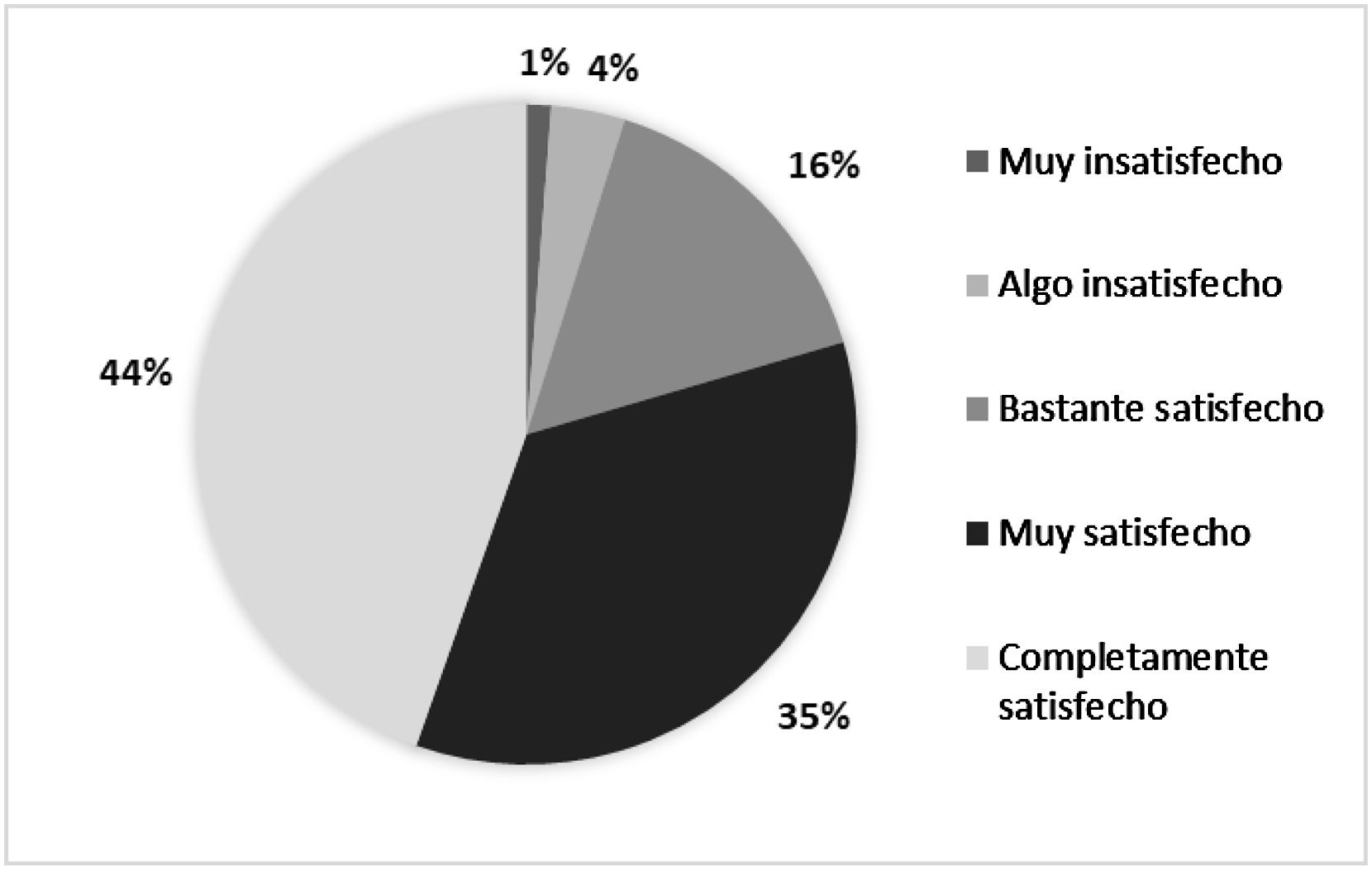
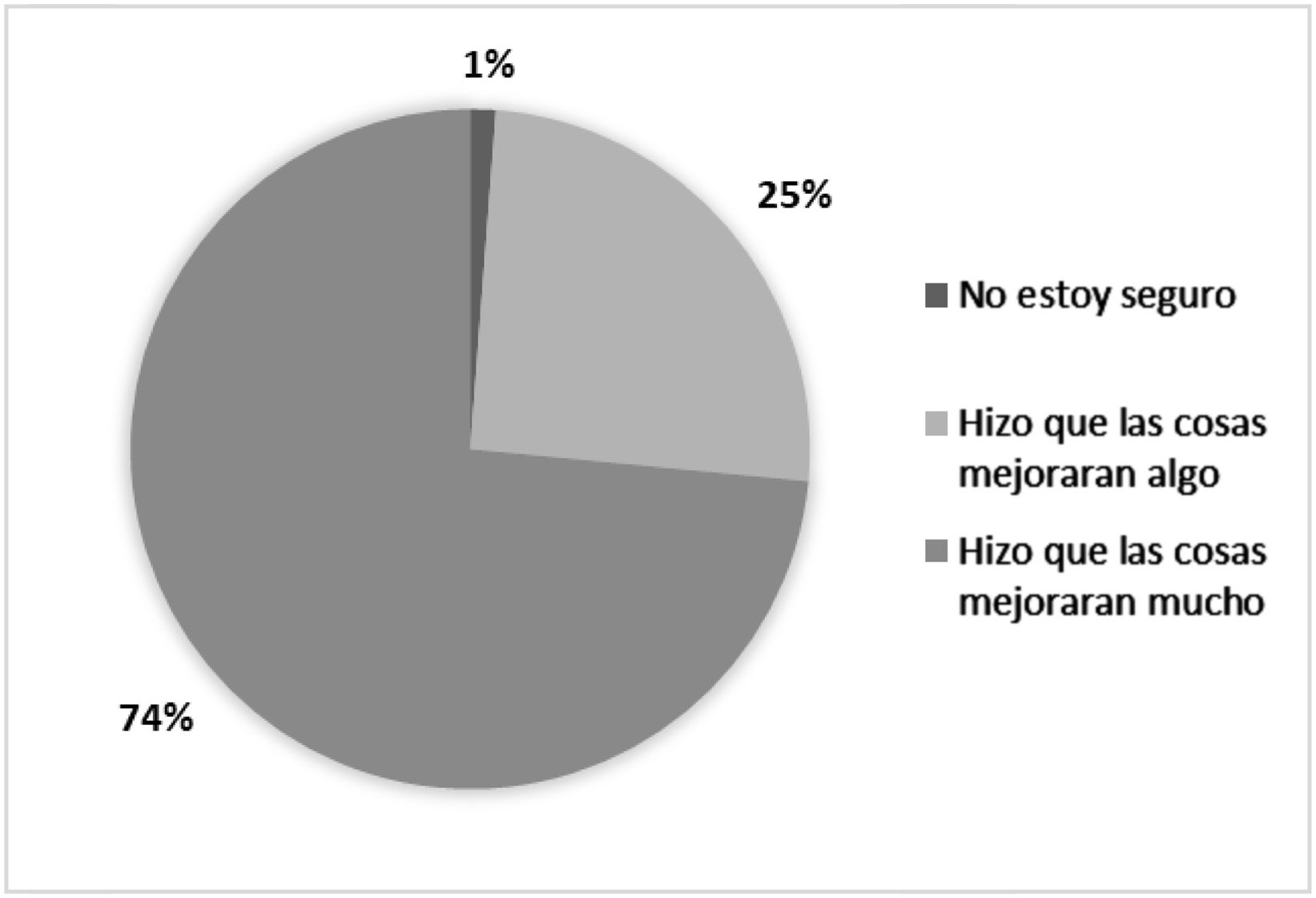
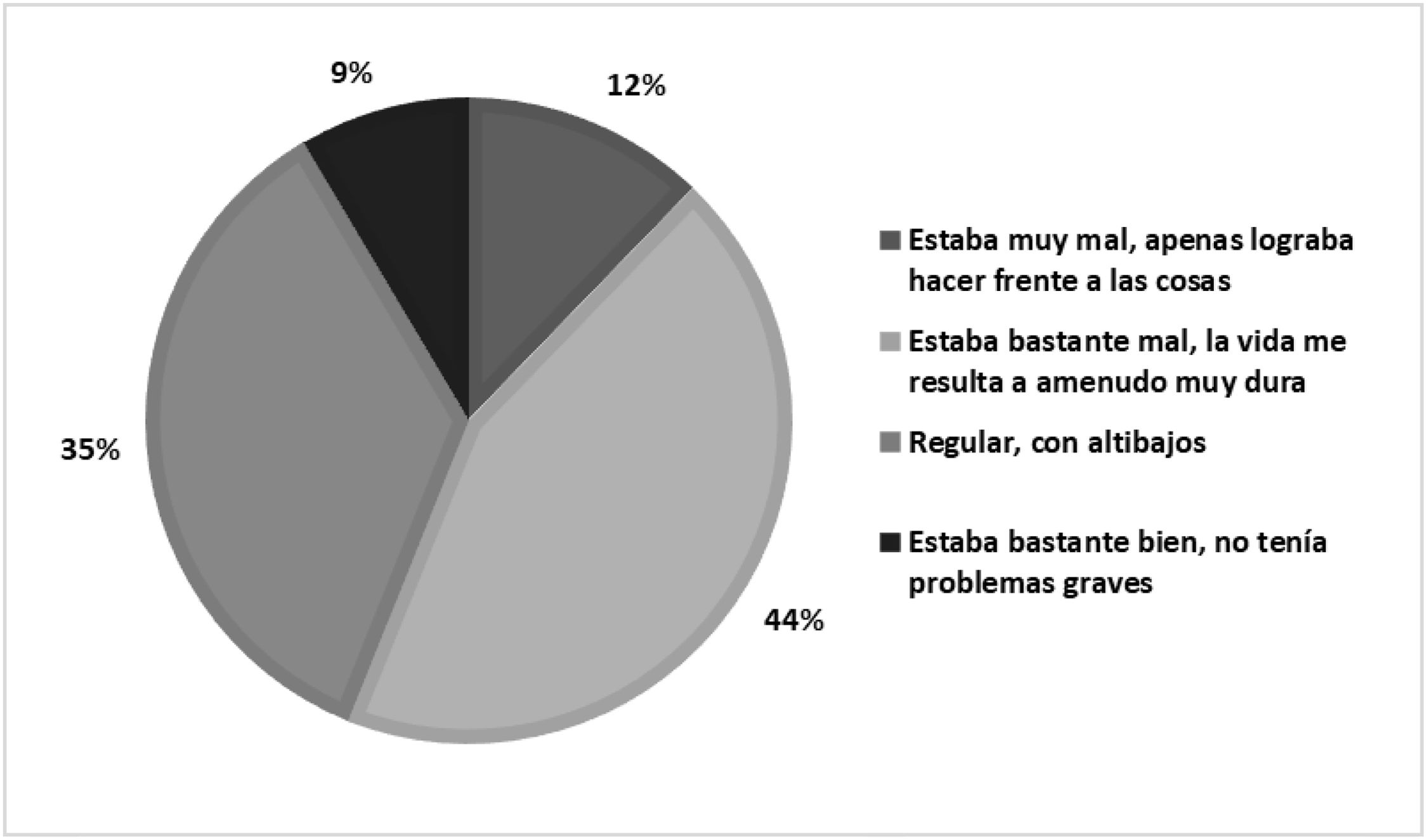
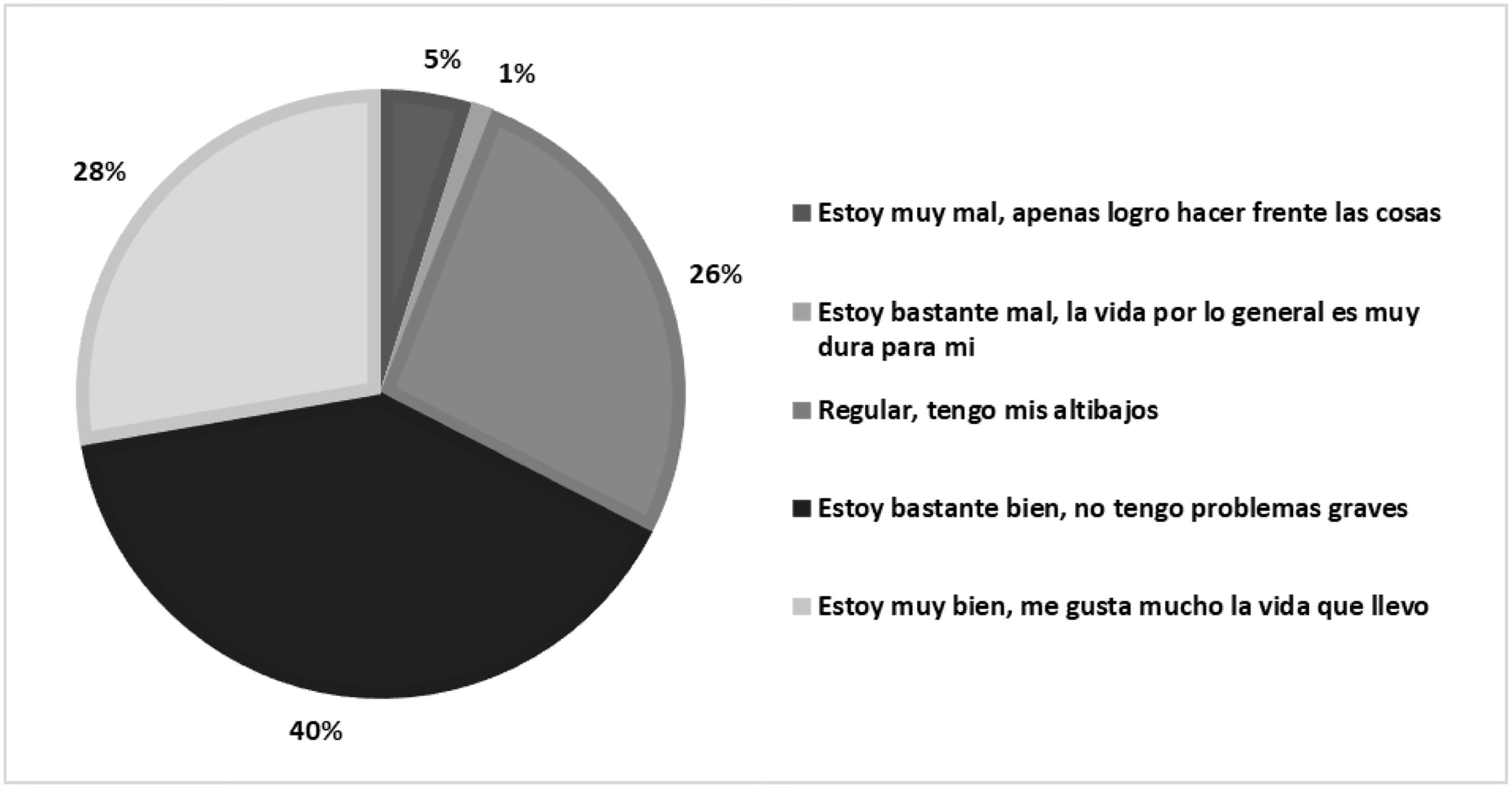
ResultadosDe los 83 sujetos incluidos, 52 (62,7%) se identificaban como transgénero masculino y 31 (37,3%) como transgénero femenino. La edad al inicio de la THAG fue de 19 (17-25) años, con una duración, al momento de la evaluación, de 3 (1,75-4) años. El 95% manifestaron estar satisfechos con la THAG y el 75% refirió mejoría en la esfera de «percepción de solución al problema». Un 68% de los sujetos transmitieron un estado emocional aceptable tras la THAG frente a un 9% previo al inicio. La satisfacción asociada a la THAG fue independiente de la duración, comorbilidad psicológica, edad de inicio, cirugías de reasignación no genital y tipo de terapia (feminizante/virilizante).
ConclusionesLa mayoría de los sujetos se mostraron satisfechos con la THAG iniciada en el seno de una atención biopsicosocial integral, mejorando su estado emocional y la percepción de solución al problema.
Gender Affirming Hormone Therapy (GAHT) improves psychological well-being and certain quality-of-life parameters. Nevertheless, the satisfaction perceived by individuals undergoing this treatment remains unclear. The aim of this study was to assess such satisfaction using the Spanish adaptation of the received treatment satisfaction scale (CRES-4).
Material and methodsCross-sectional observational study among transgender individuals who had been receiving GAHT for>1 year and had not undergone genital reassignment surgery. Participants were recruited from a Transgender Medicine Unit between January 2014 and January 2023. Demographic and clinical data were collected, along with responses to the CRES-4 scale. Statistical analysis performed using SPSS-V-23.
ResultsOut of the 83 subjects included, 52 (62.7%) were identified as transgender men and 31 (37.3%) as transgender women. The median age at initiation of GAHT was 19 [17–25] years, with a median treatment duration of 3 [1.75–4] years at the time of evaluation. 95% of participants reported being satisfied with GAHT and 75% noted an improvement in the “perceived problem solution” domain. Emotional well-being improved markedly, with 68% reporting an acceptable emotional state after GAHT, compared to 9% before starting treatment. Satisfaction was not significantly associated with treatment duration, psychological comorbidity, age at initiation, non-genital gender-affirming surgeries or type of hormone therapy (feminizing vs. masculinizing).
ConclusionsMost transgender individuals reported high levels of satisfaction with GAHT when provided as part of comprehensive biopsychosocial care. The therapy improved emotional well-being and enhanced perceptions of problem resolution.