



The American Heart Association has modified Life's Essential 8 (LE8) as a new algorithm for evaluating cardiovascular health (CVH). However, the relationship between LE8 and cardiovascular disease (CVD) incidence among diabetic patients, and the potential effect of oxidative stress and inflammation within these associations remain to be elucidated.
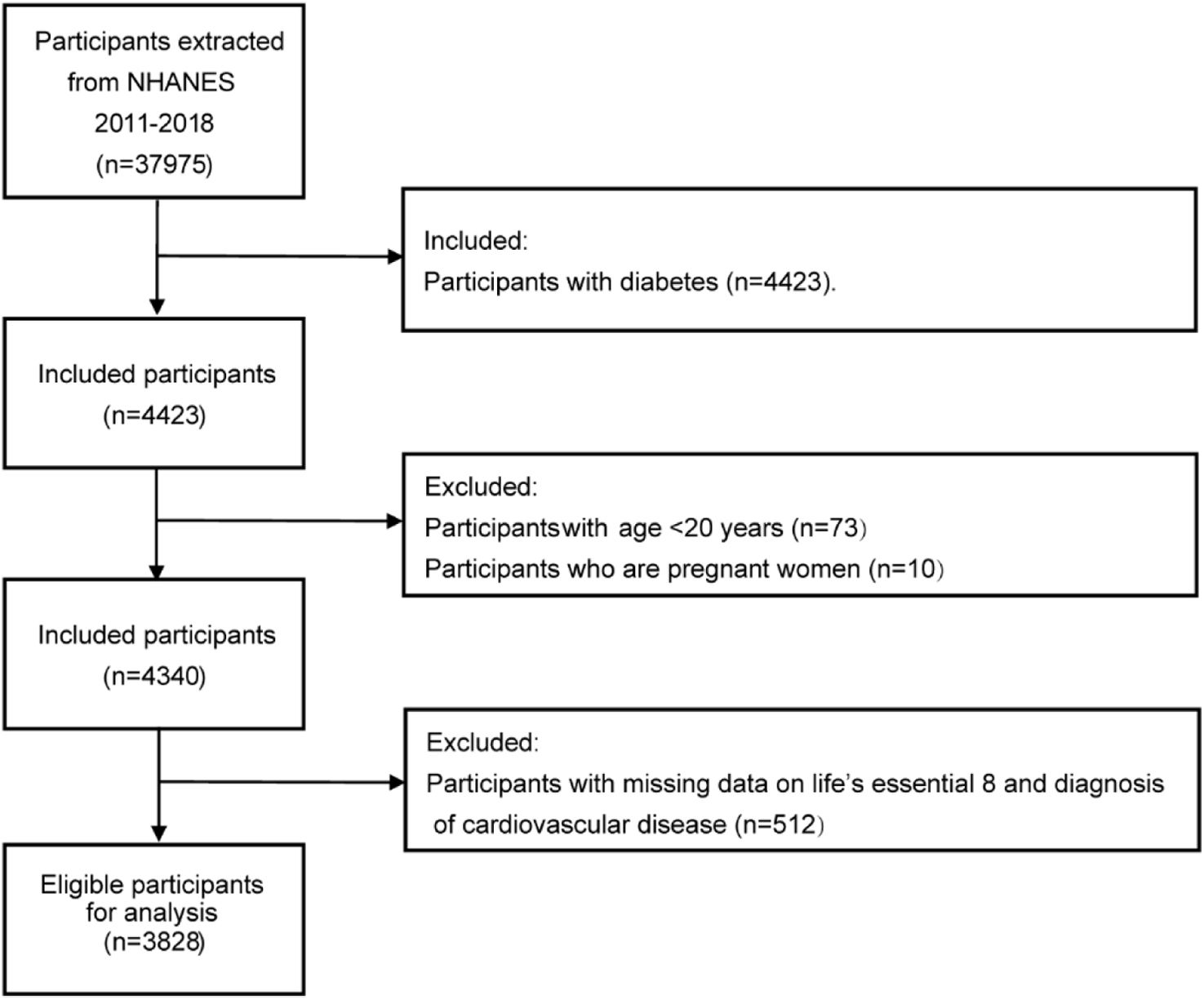
MethodsThree thousand eight hundred twenty-eight diabetic patients were selected from the National Health and Nutrition Examination Survey (NHANES). The weighted logistic regression was employed to examine the association between LE8 with CVD, and the quantitative relationship was investigated with a restricted cubic spline (RCS). Mediation analyses explored the mediating role of oxidative stress and inflammation in the above relationship.
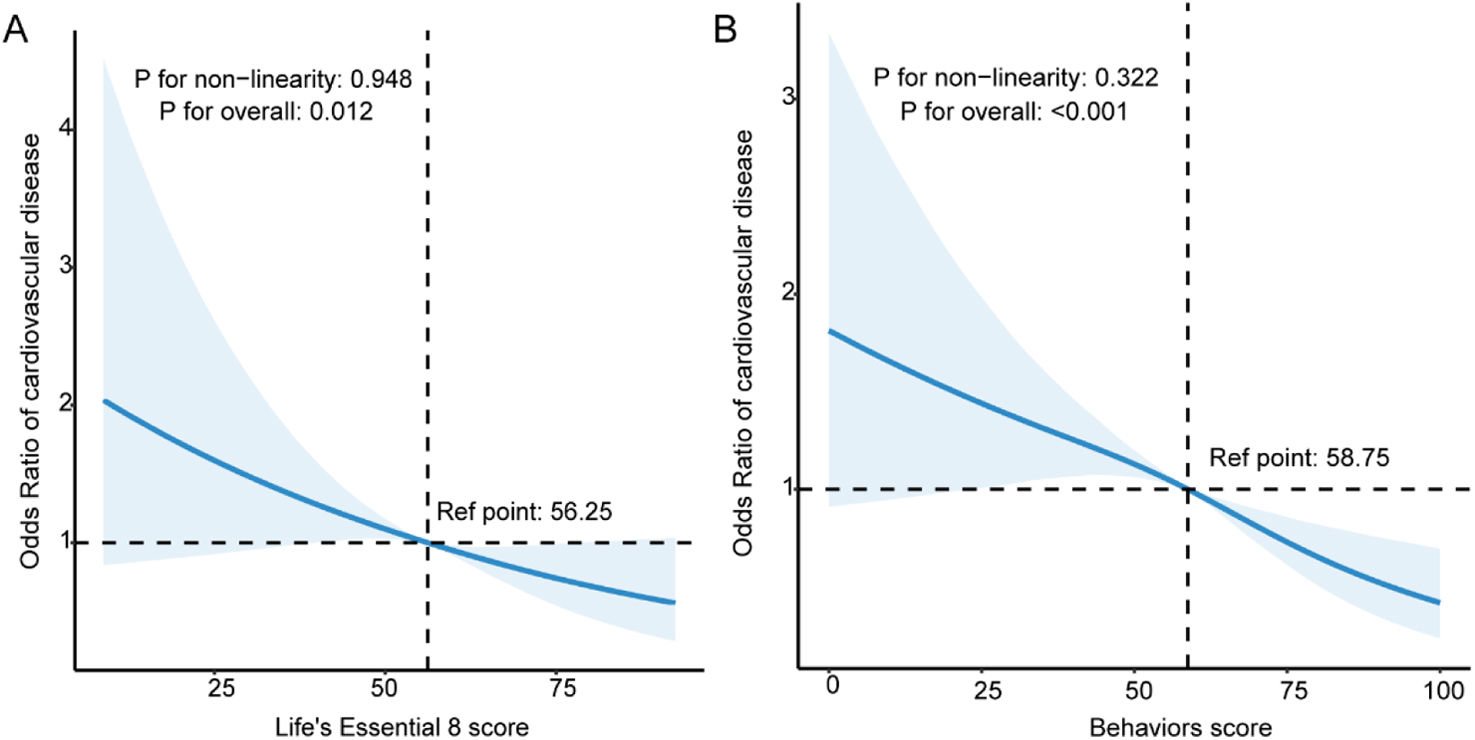
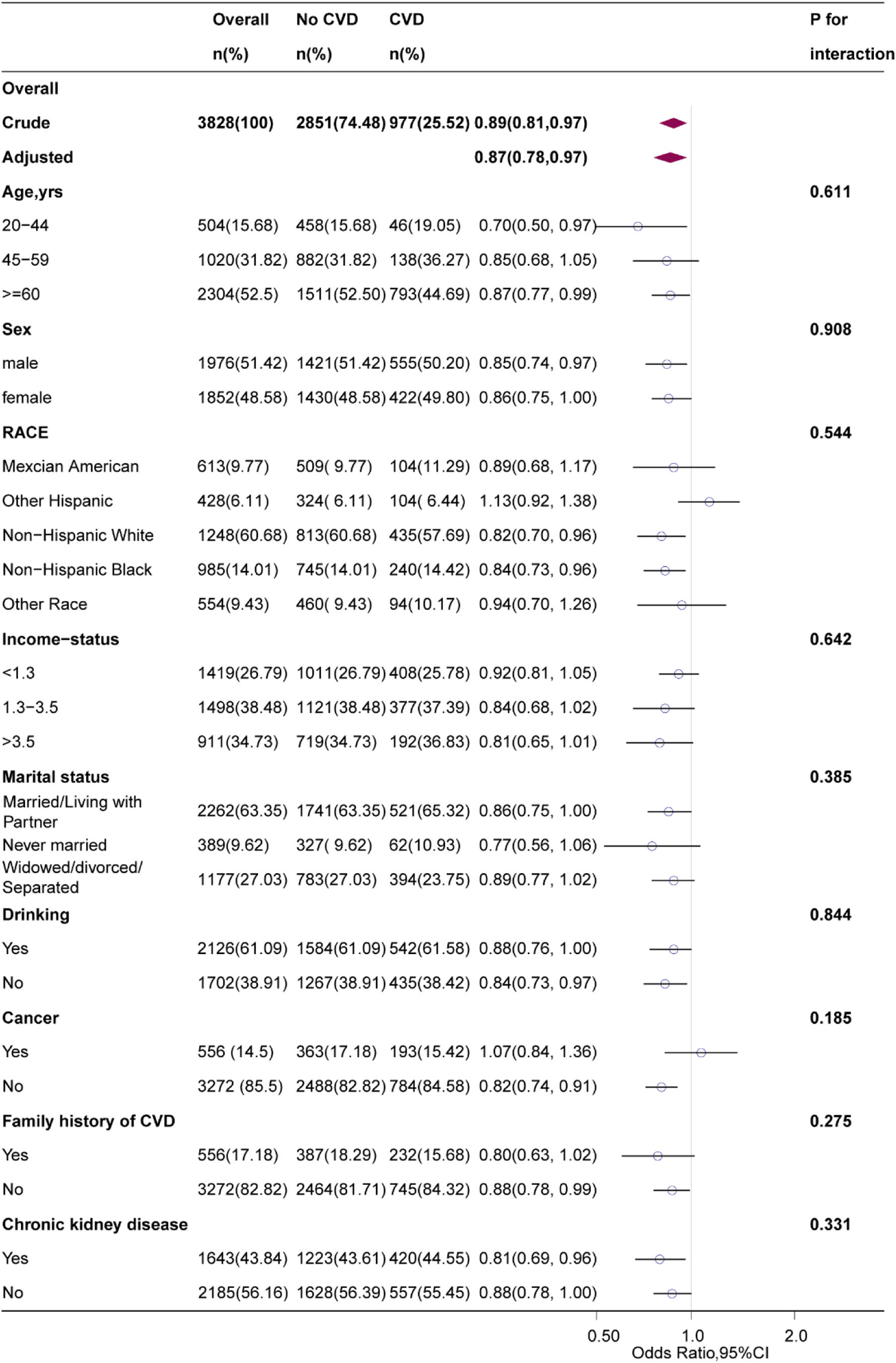
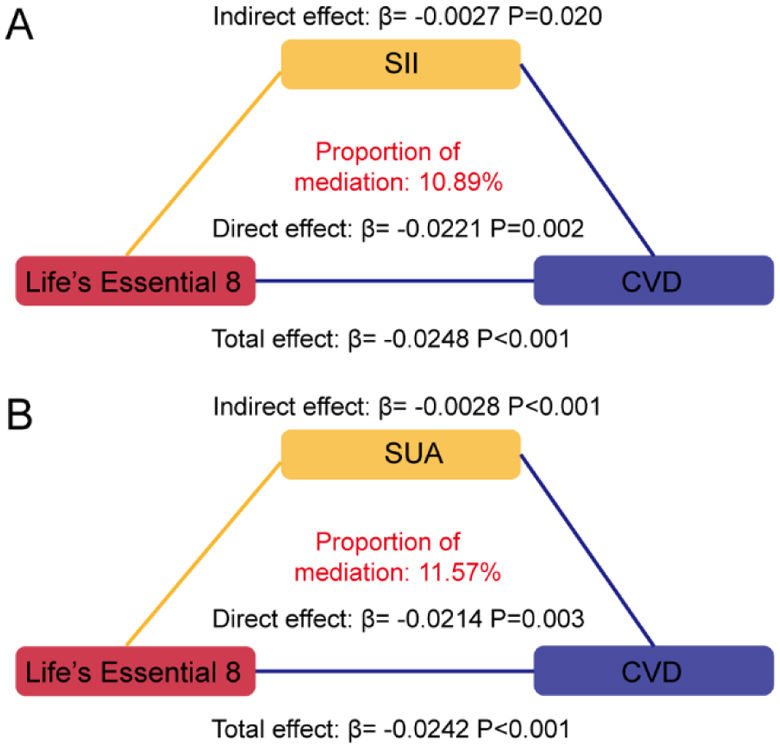
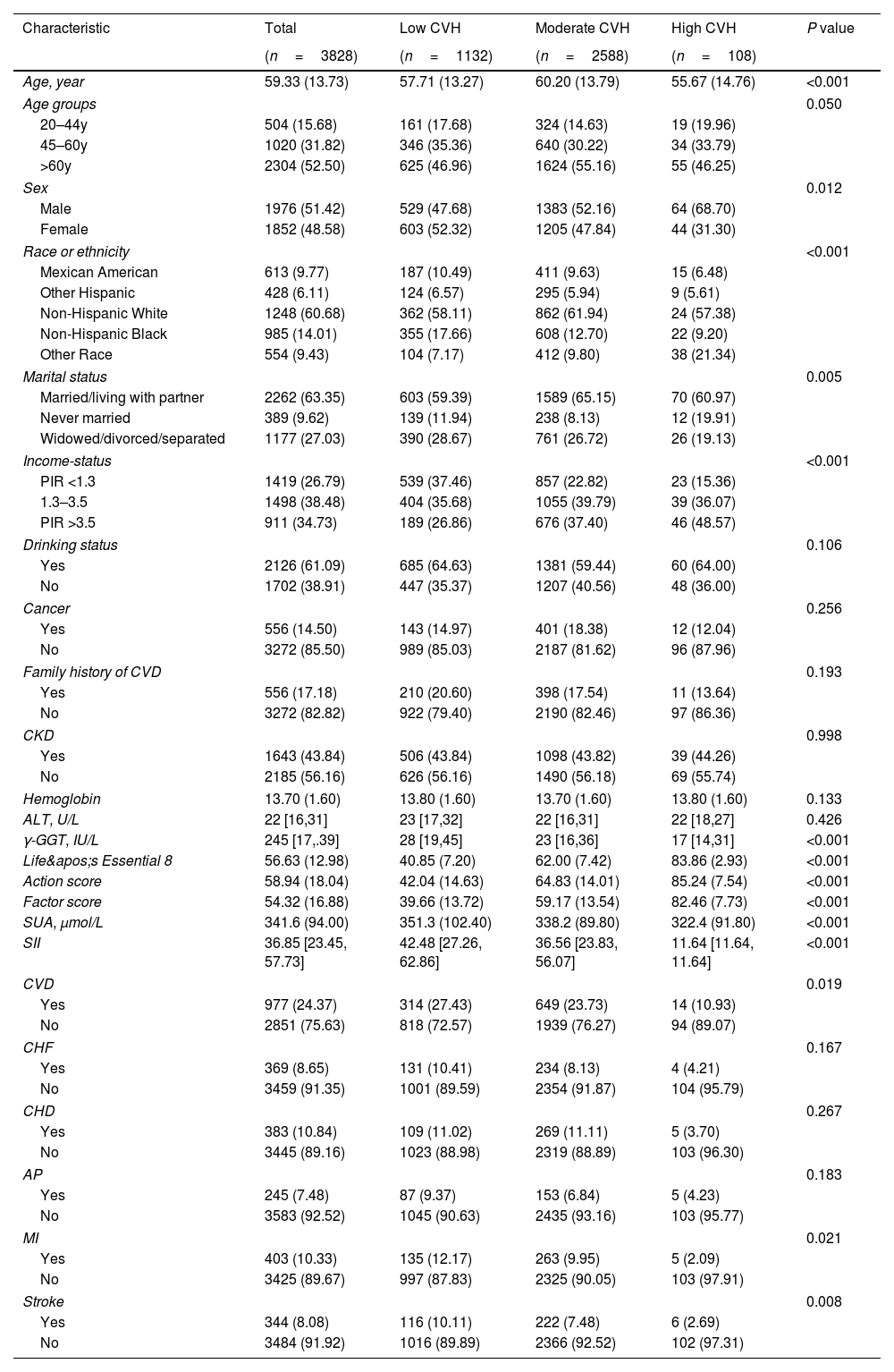
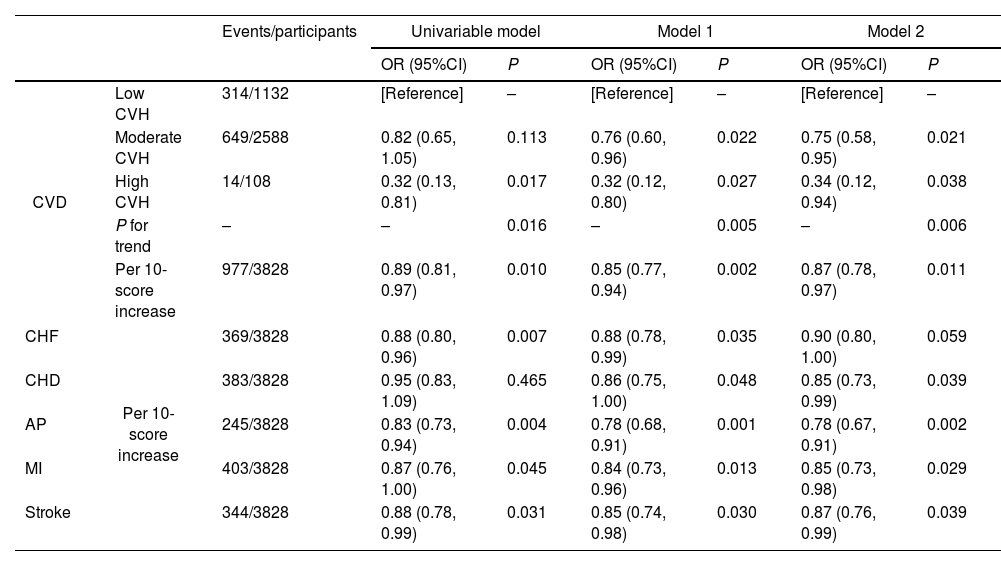
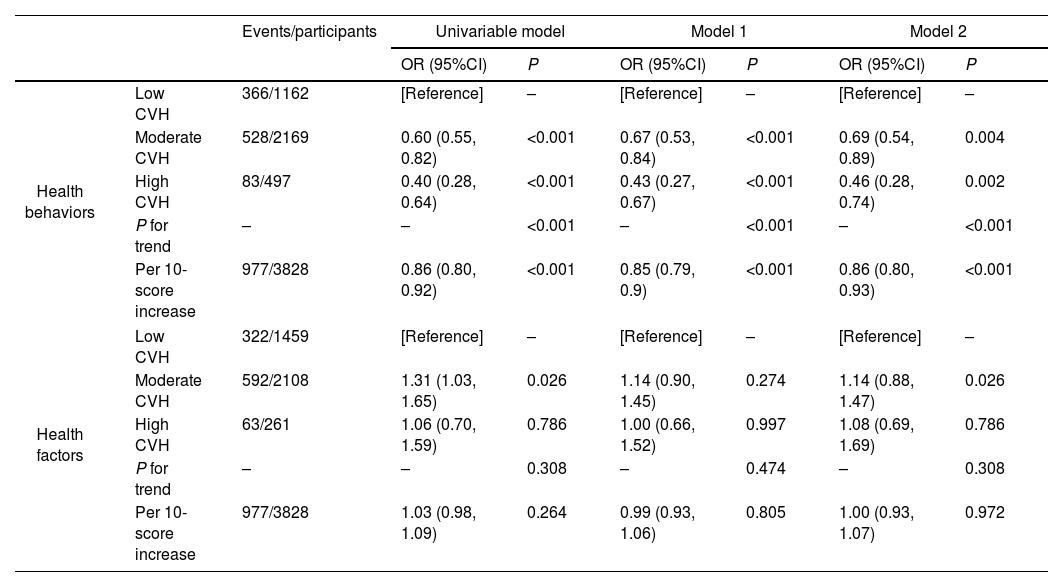
ResultsIn the 3828 diabetic patients, a total of 977 people were diagnosed with CVD, and the LE8 was significantly and linearly negatively associated with CVD incidence. After all covariates were adjusted, the medium CVH group had a 25% lower risk of CVD (OR: 0.75, 95% CI: 0.58, 0.95) than the low CVH group, and the high CVH group had a 66% lower risk (OR: 0.34, 95% CI: 0.12, 0.94). Furthermore, oxidative stress and inflammation explained 11.57% and 10.89% of the connection, respectively (P<0.05).
ConclusionElevated LE8 is negatively associated with adverse cardiovascular events in diabetes mellitus and the association appeared to be partially mediated through oxidative stress and inflammation pathways. Those results indicate the necessity of maintaining at least moderate cardiovascular health and the LE8 help make lifestyle self-management more targeted for diabetes patients.
La American Heart Association ha modificado el Life's Essential 8 (LE8) como nuevo algoritmo para evaluar la salud cardiovascular (CVH). Sin embargo, aún no se ha dilucidado la relación entre el LE8 y la incidencia de enfermedades cardiovasculares (ECV) entre los pacientes diabéticos, ni el posible efecto del estrés oxidativo y la inflamación en estas asociaciones.
MétodosSe seleccionaron 3.828 pacientes diabéticos de la National Health and Nutrition Examination Survey (NHANES). Se empleó la regresión logística ponderada para examinar la asociación entre LE8 y ECV, y se investigó la relación cuantitativa con un spline cúbico restringido (RCS). Los análisis de mediación exploraron el papel mediador del estrés oxidativo y la inflamación en la relación anterior.
ResultadosEn la población de 3.828 pacientes diabéticos, se diagnosticó ECV en un total de 977 personas, y el LE8 se asoció de forma significativa y linealmente negativa con la incidencia de ECV. Una vez ajustadas todas las covariables, el grupo de CVH media tenía un riesgo de ECV un 25% menor (OR: 0,75; IC 95%: 0,58-0,95) que el grupo de CVH baja, y el grupo de CVH alta tenía un riesgo un 66% menor (OR: 0,34; IC 95%: 0,12-0,94). Además, el estrés oxidativo y la inflamación explicaron el 11,57 y el 10,89% de la conexión, respectivamente (p<0,05).
ConclusionesEl LE8 elevado se asocia negativamente con eventos cardiovasculares adversos en la diabetes mellitus y la asociación parece estar parcialmente mediada a través de las vías del estrés oxidativo y la inflamación. Estos resultados indican la necesidad de mantener una salud cardiovascular al menos moderada y el LE8 ayudan a que la autogestión del estilo de vida sea más específica para los pacientes diabéticos.
