



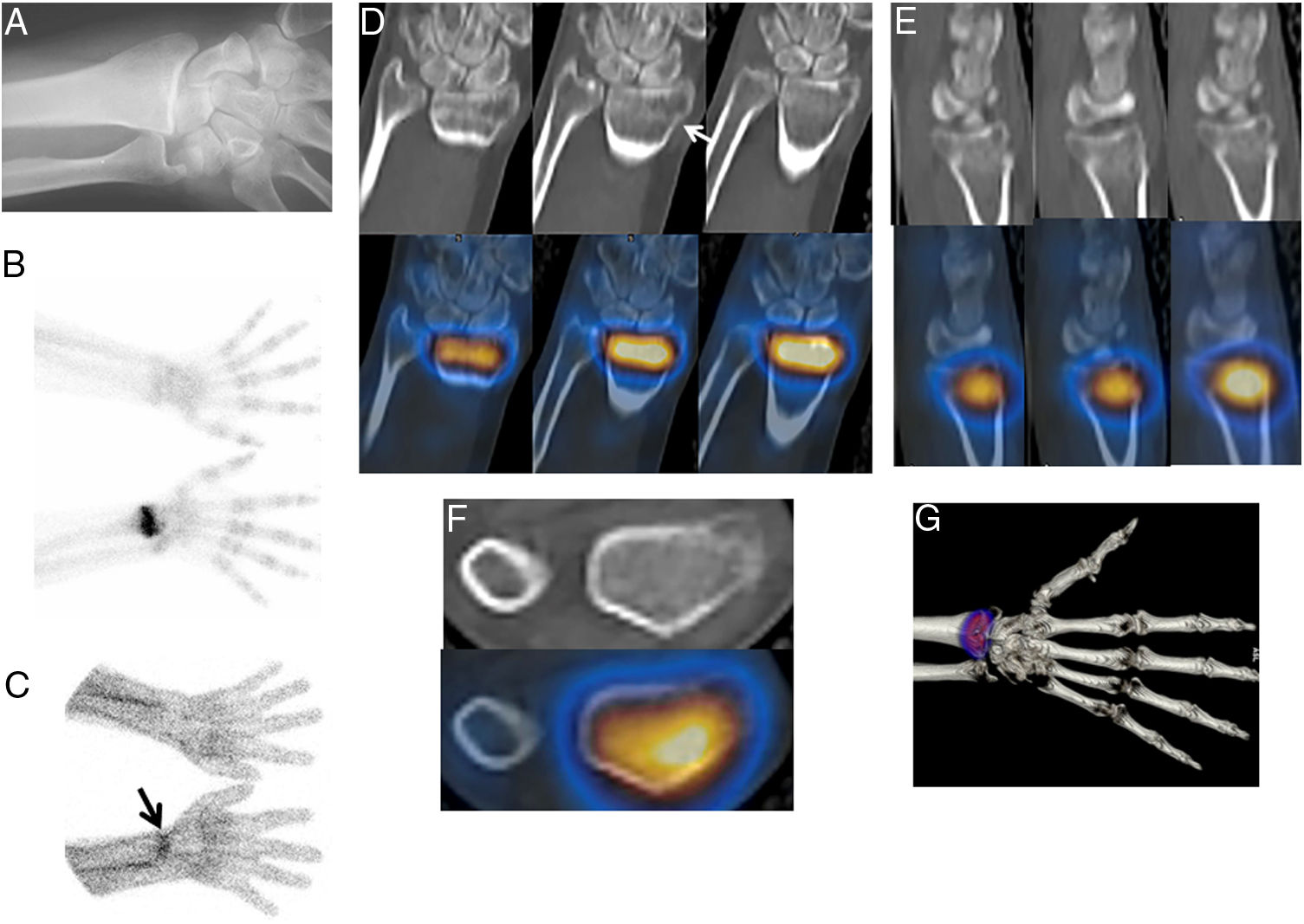
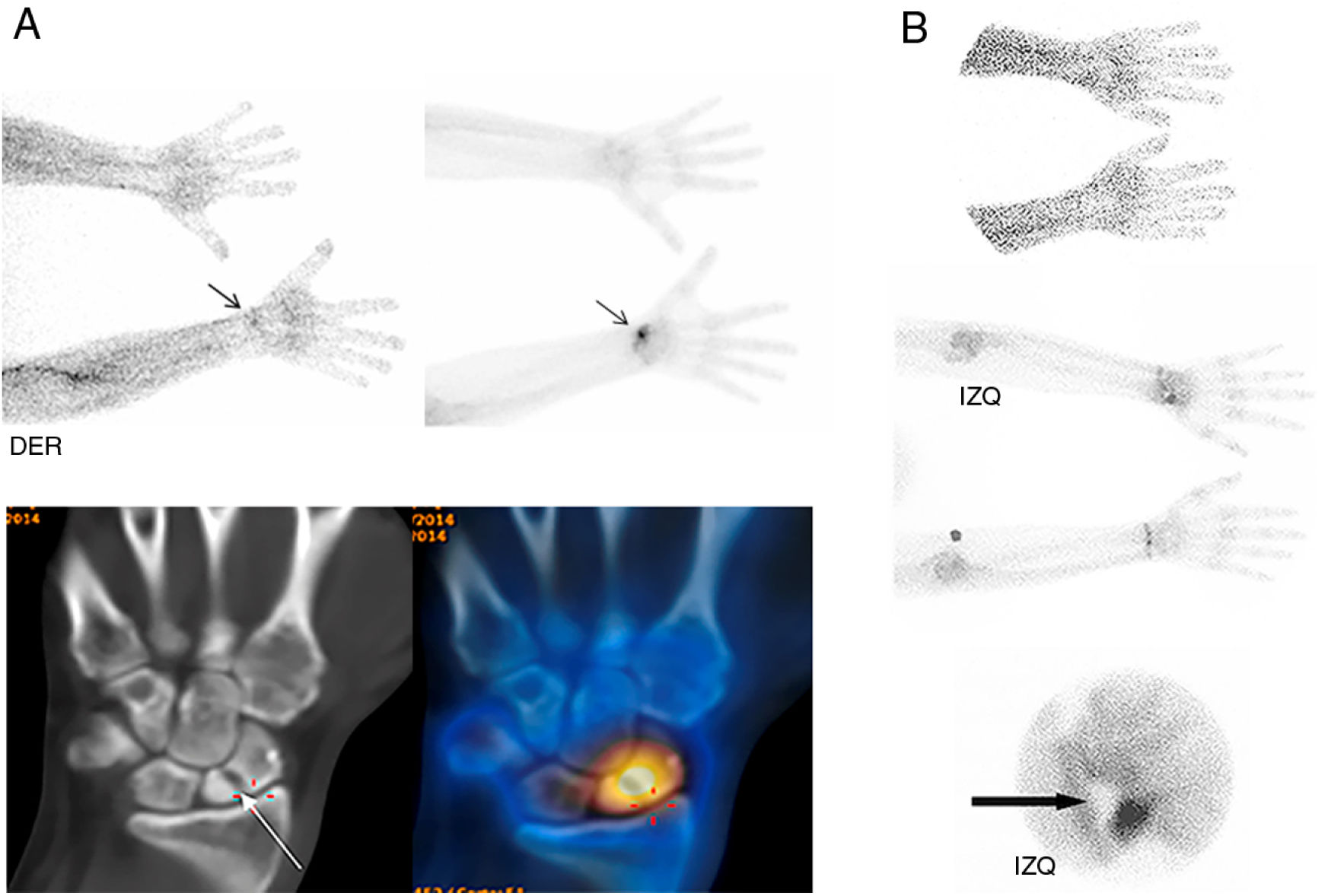
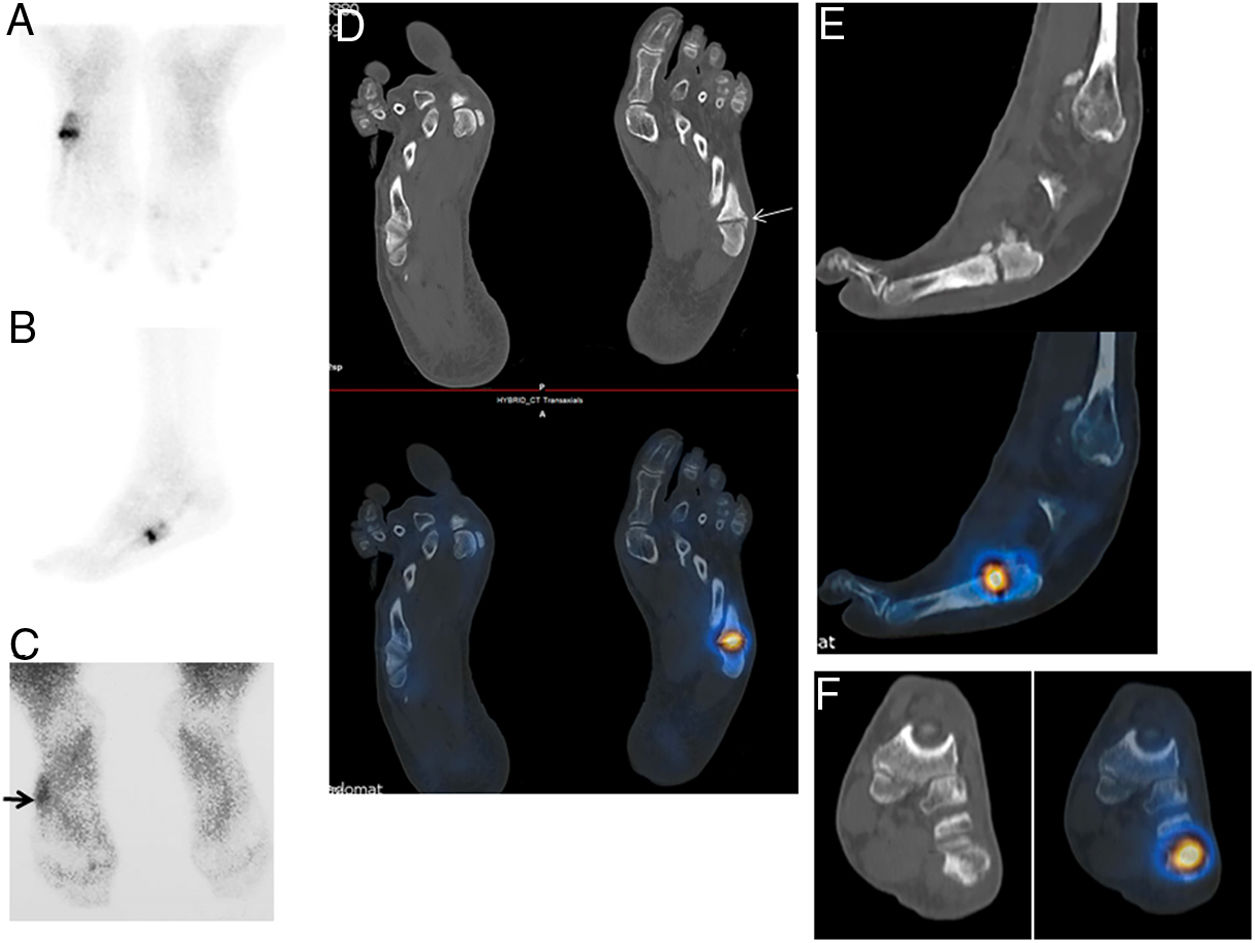
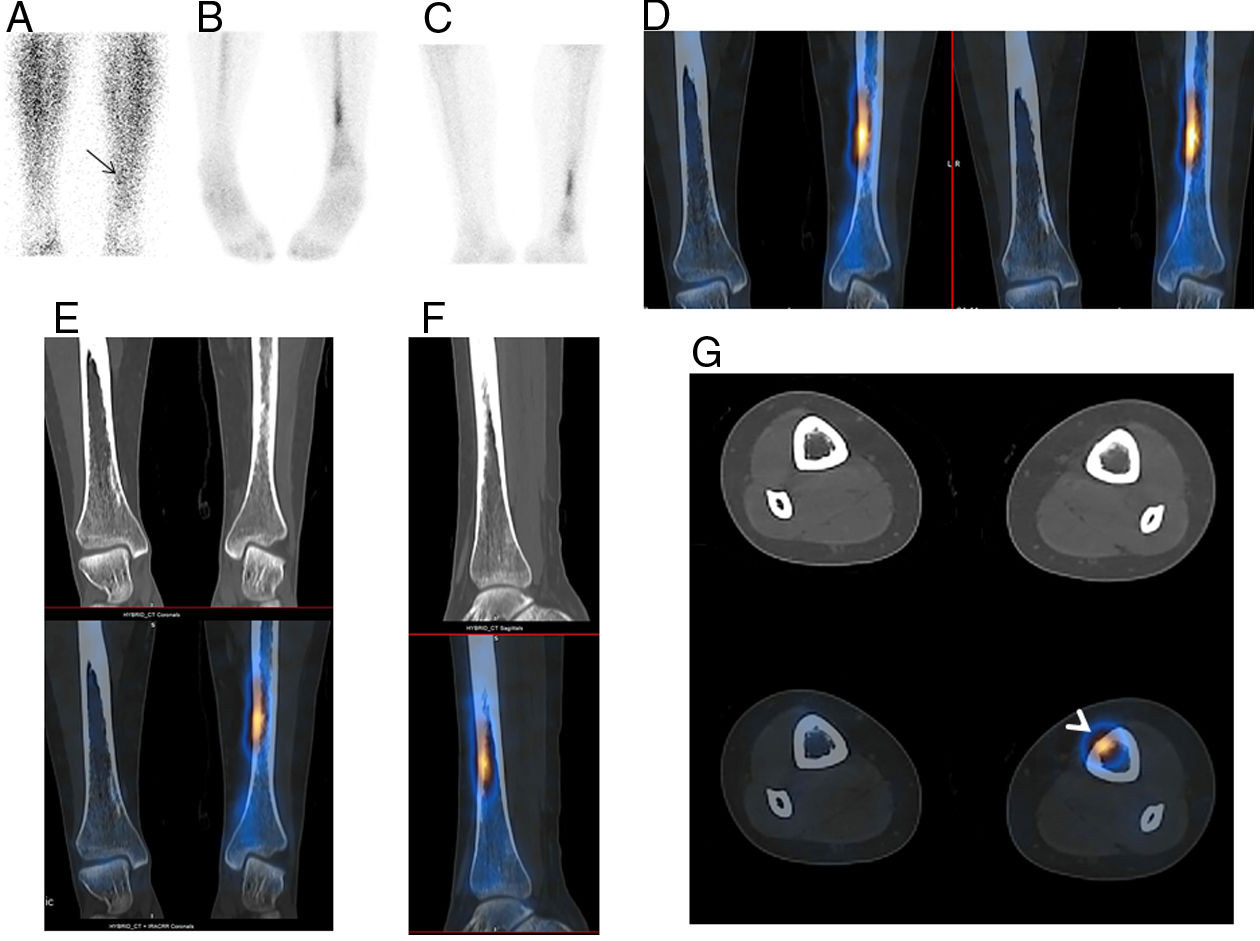
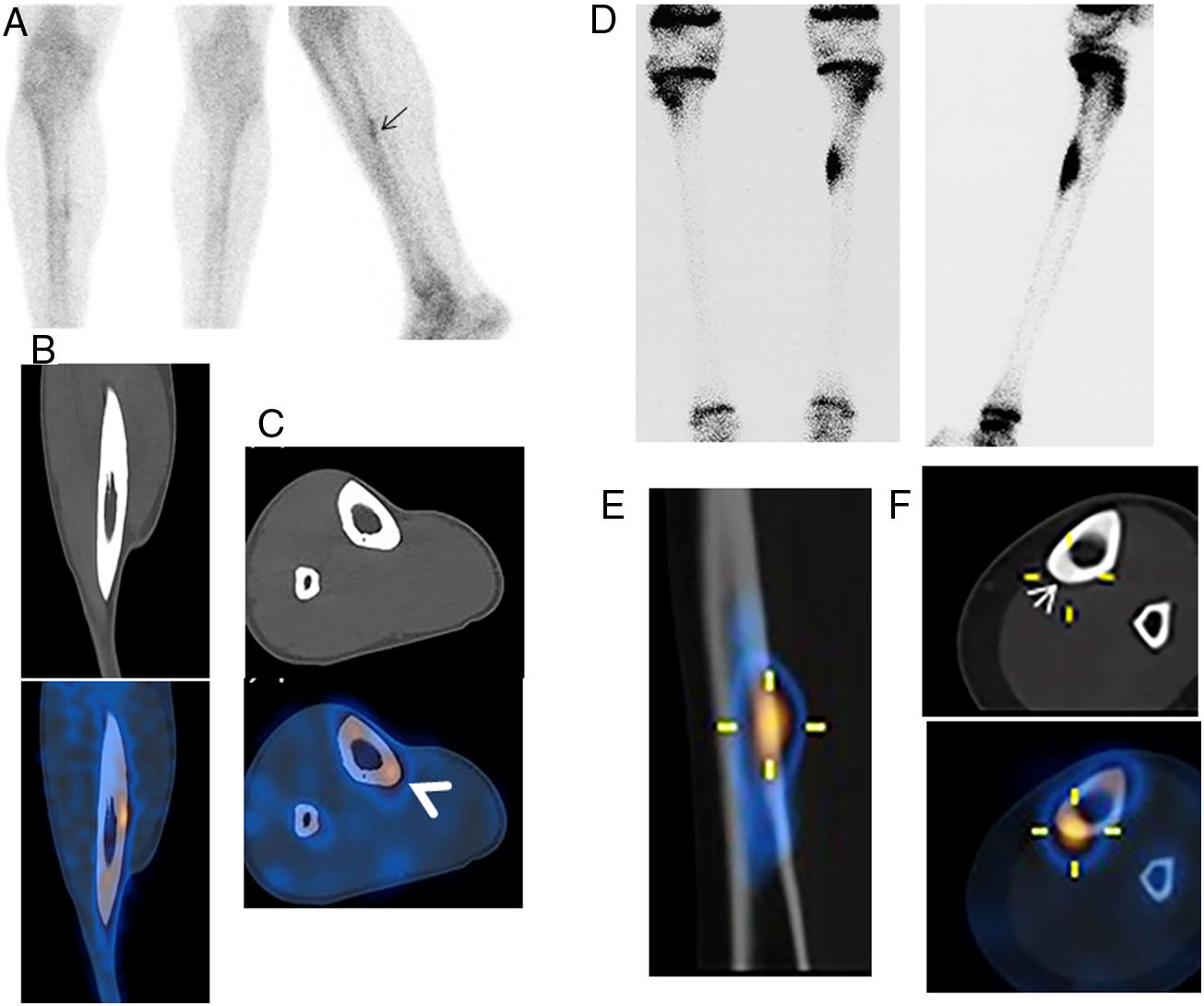
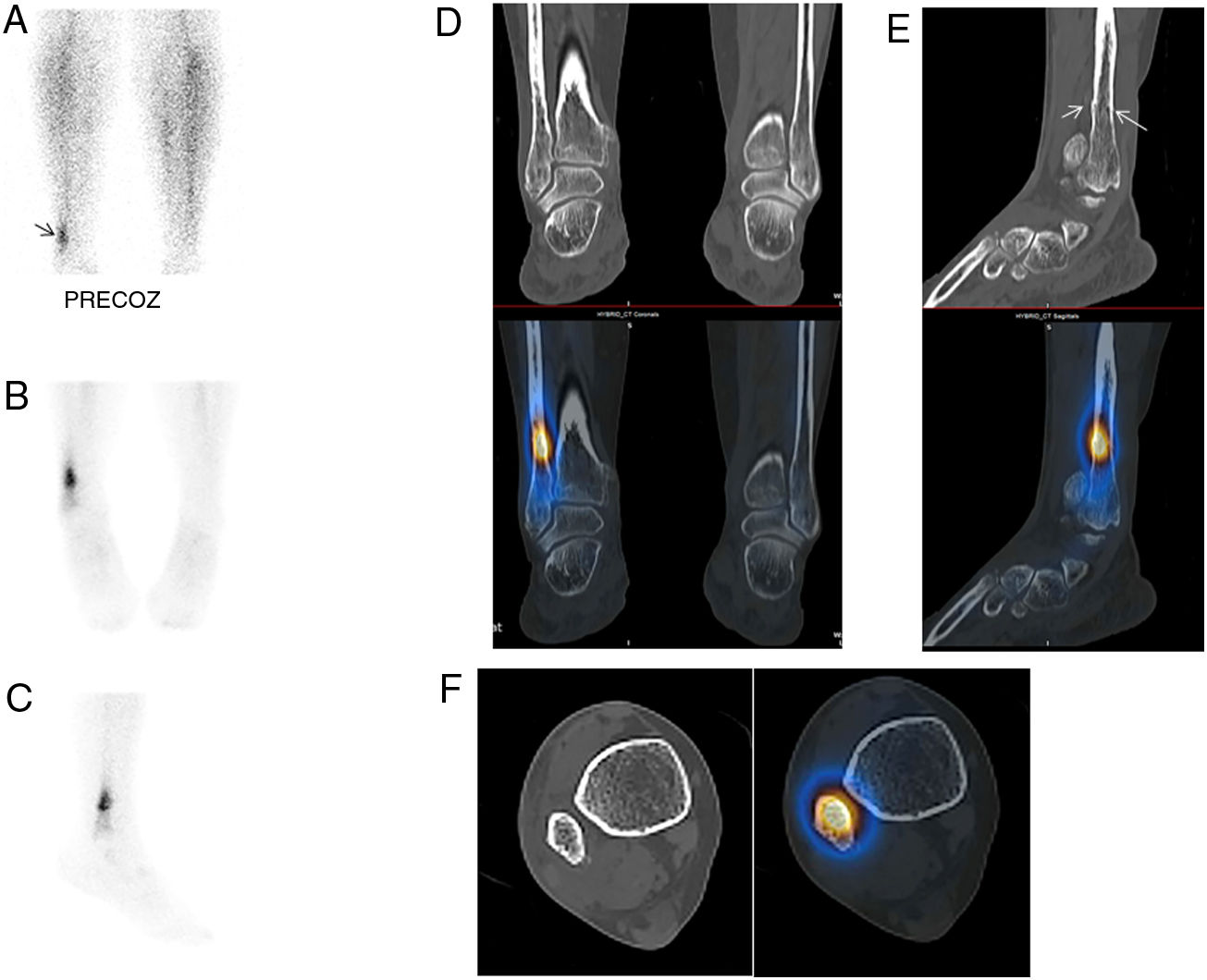
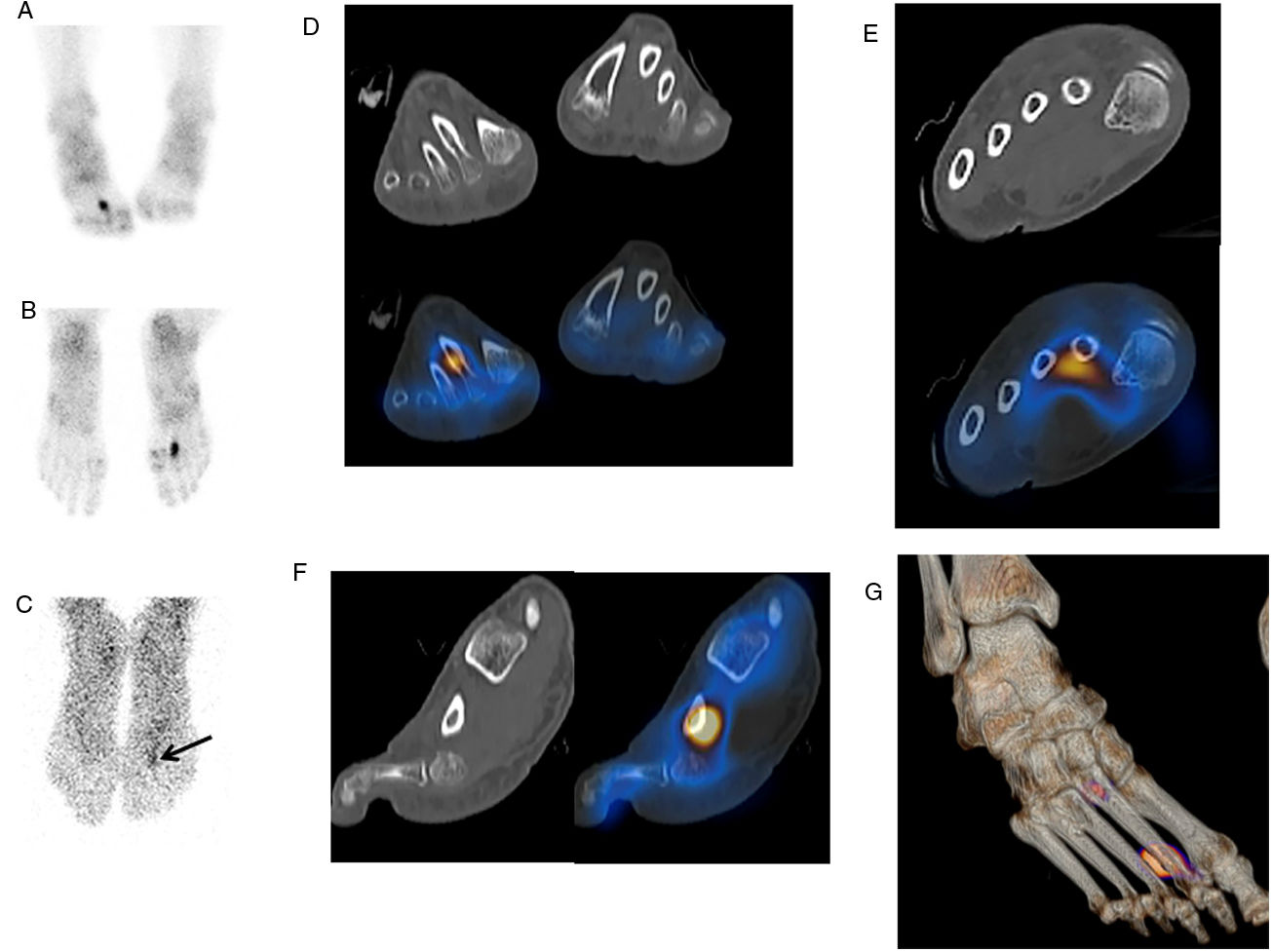
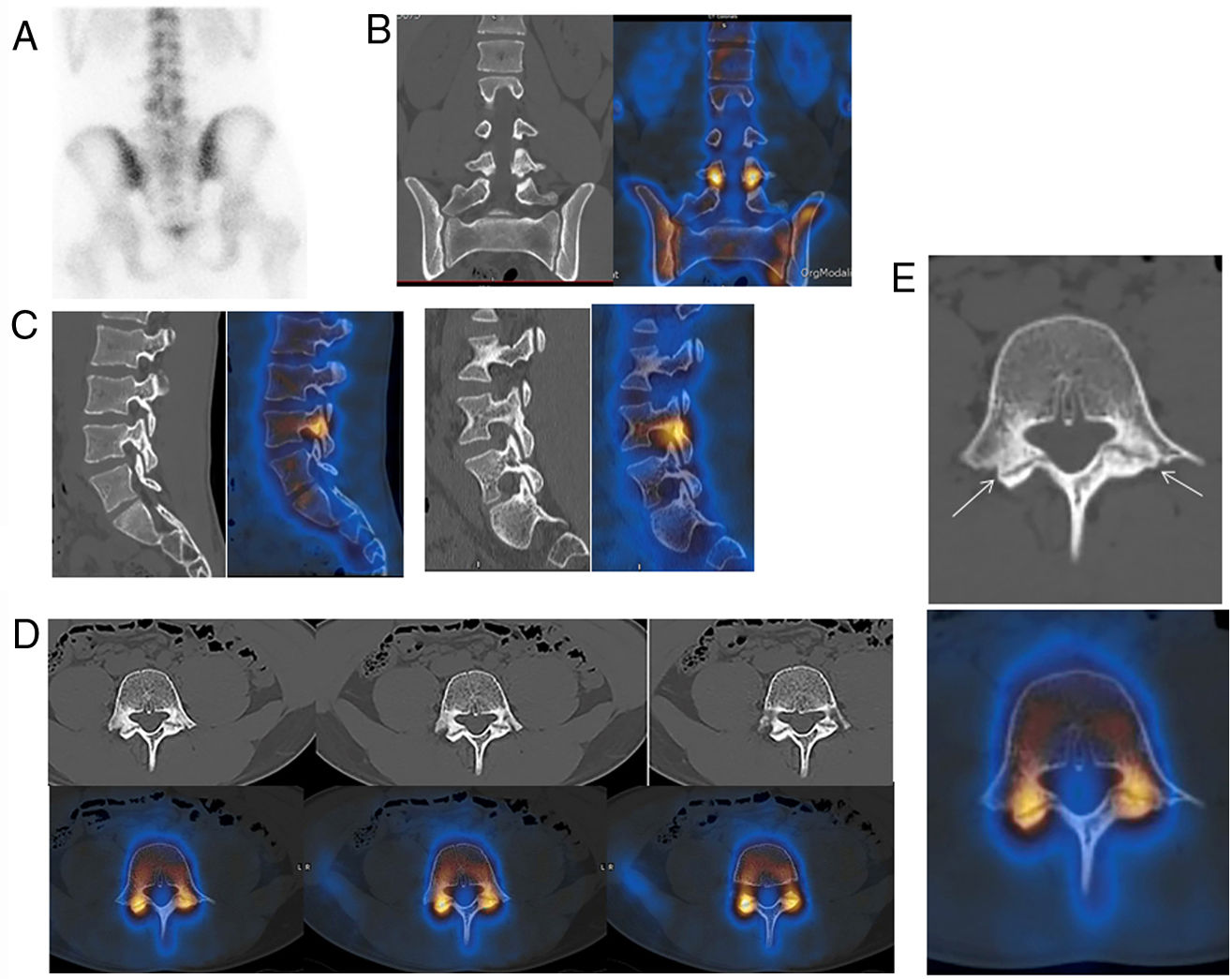
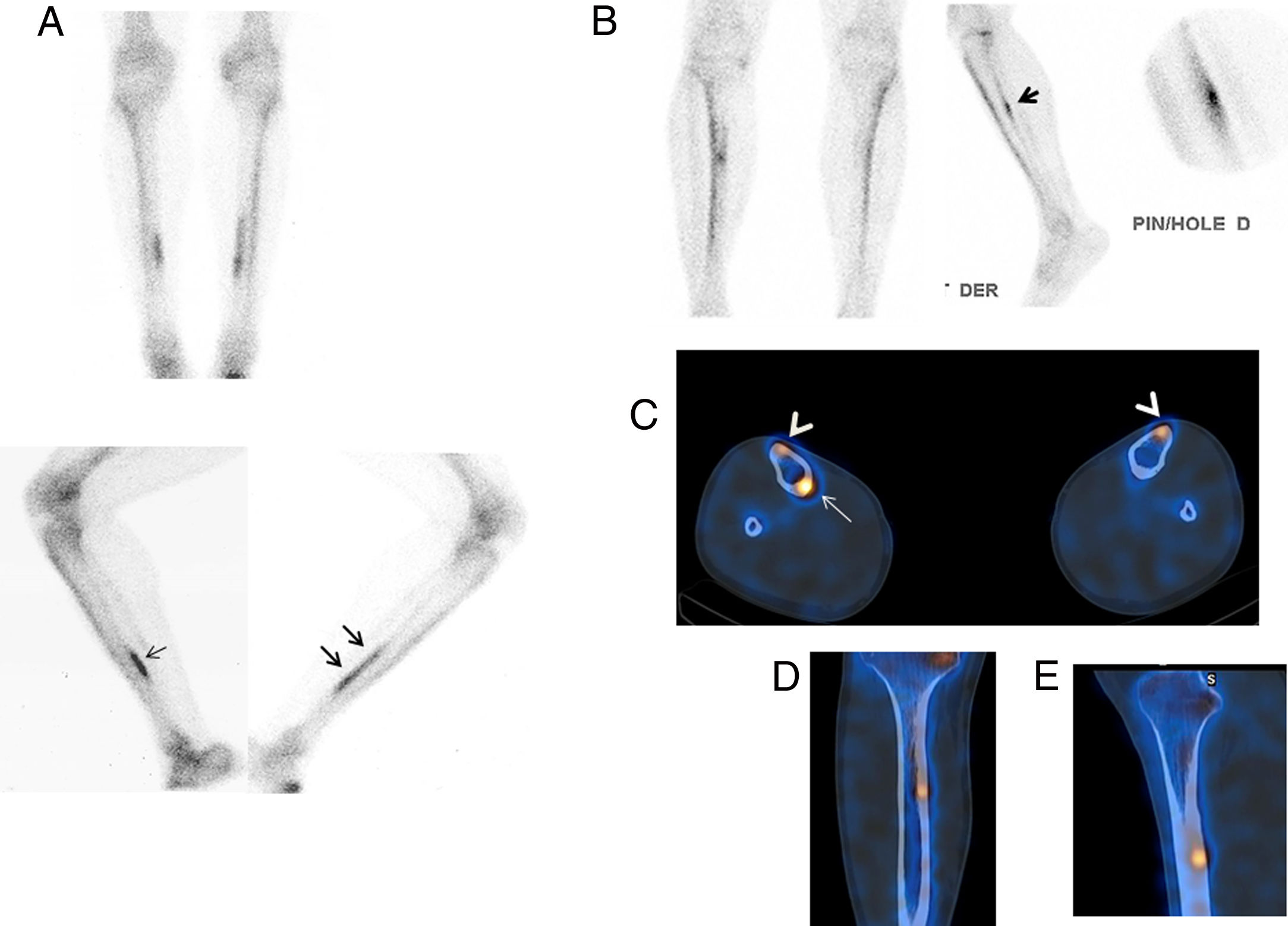
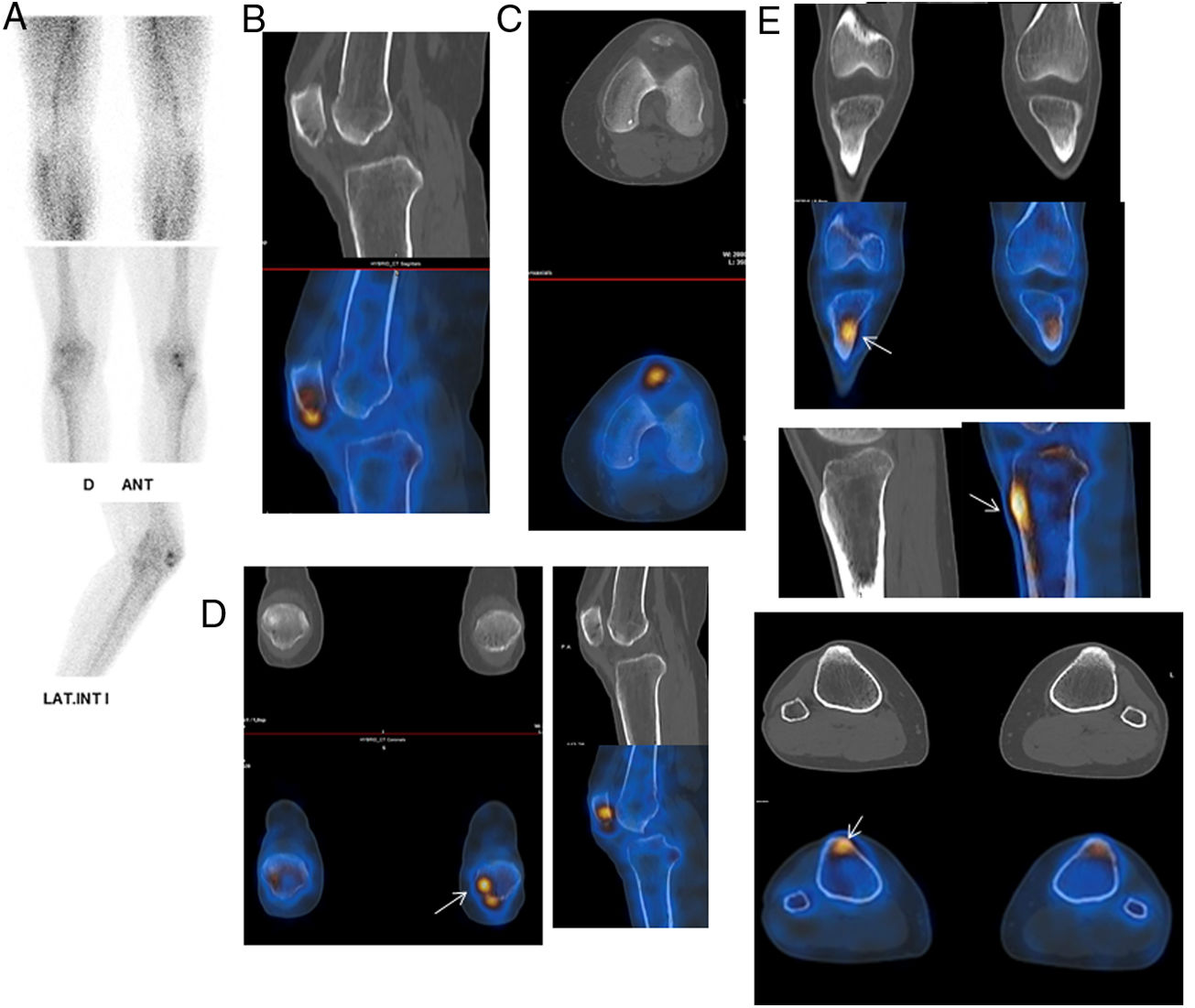
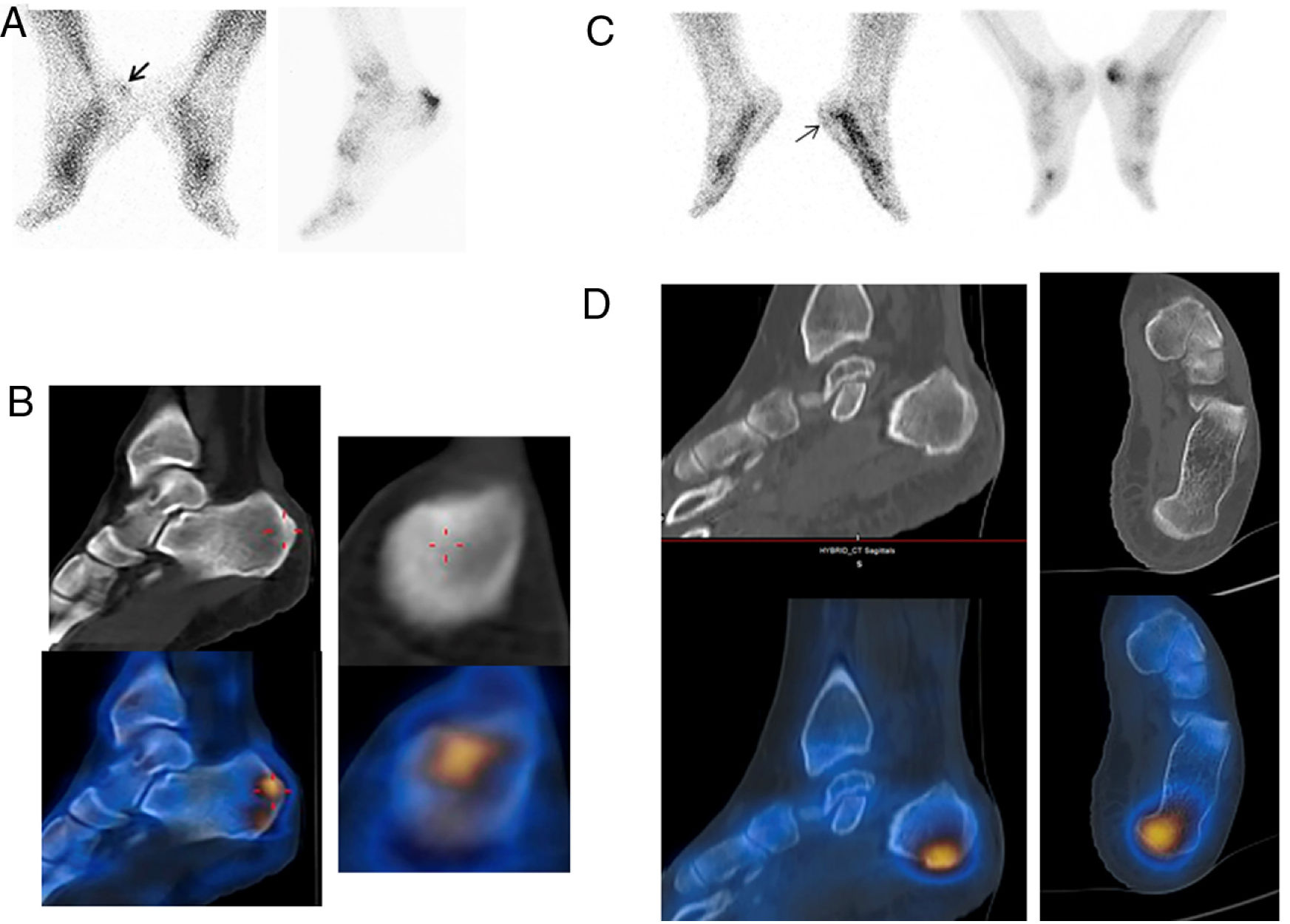
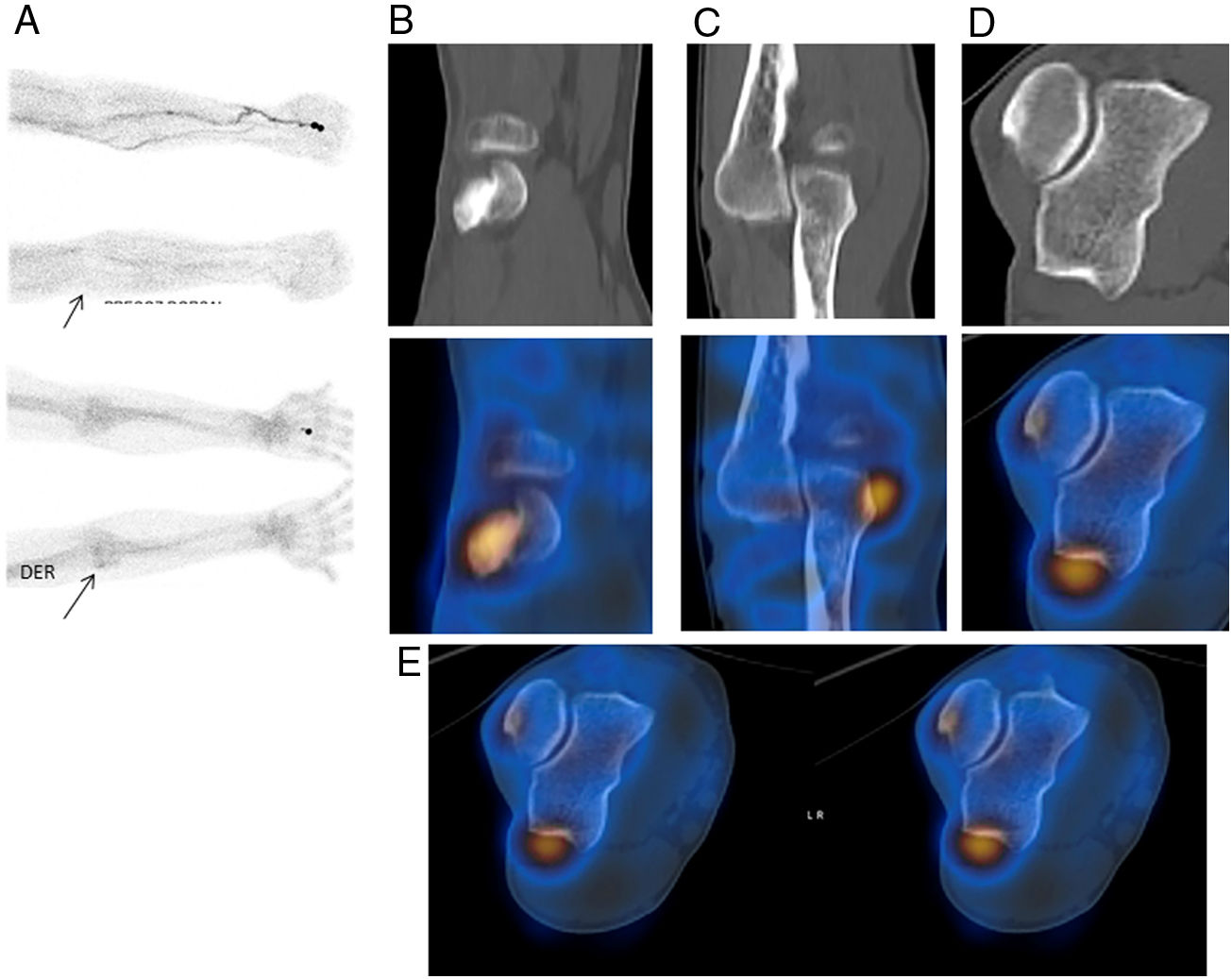
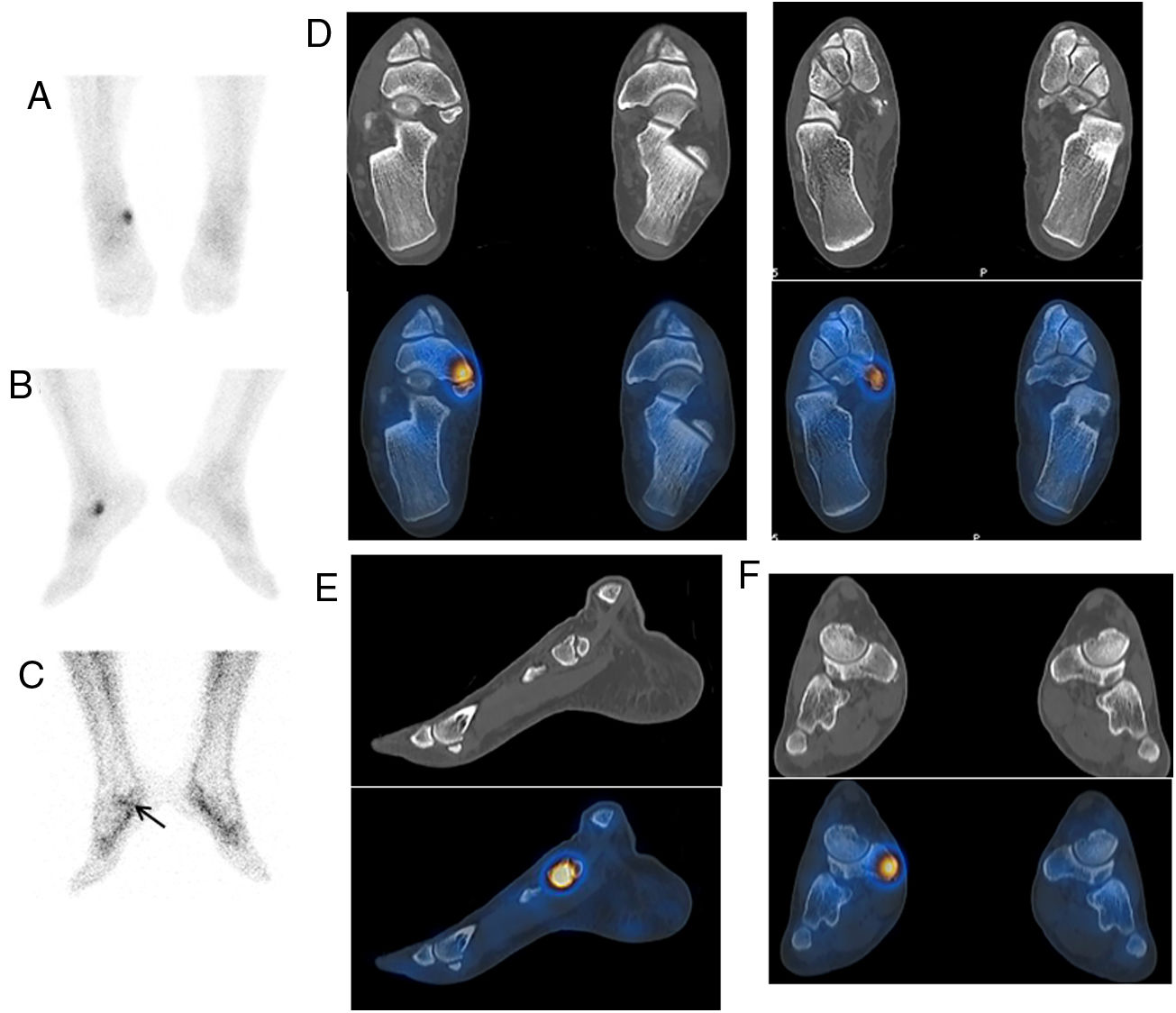
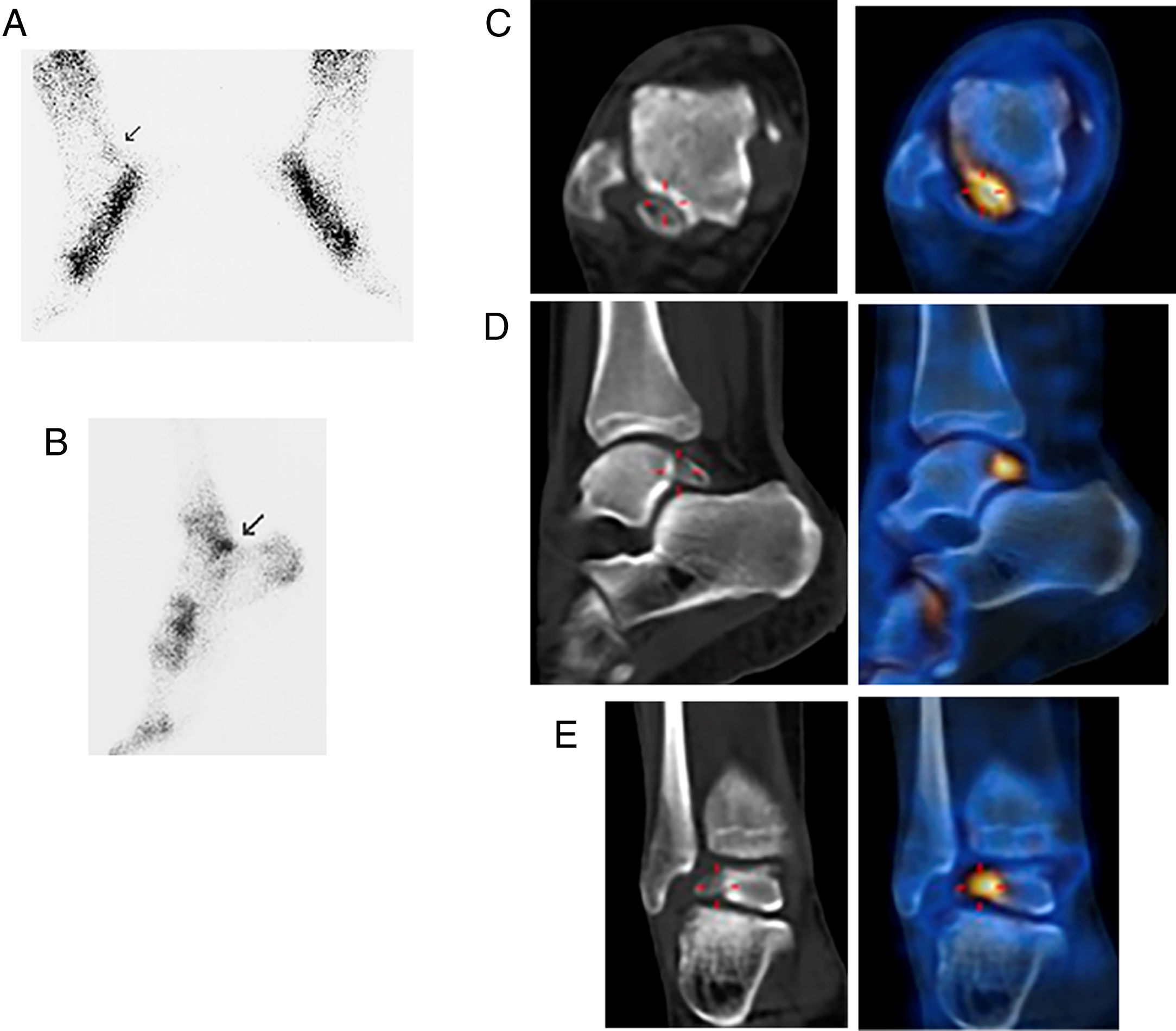
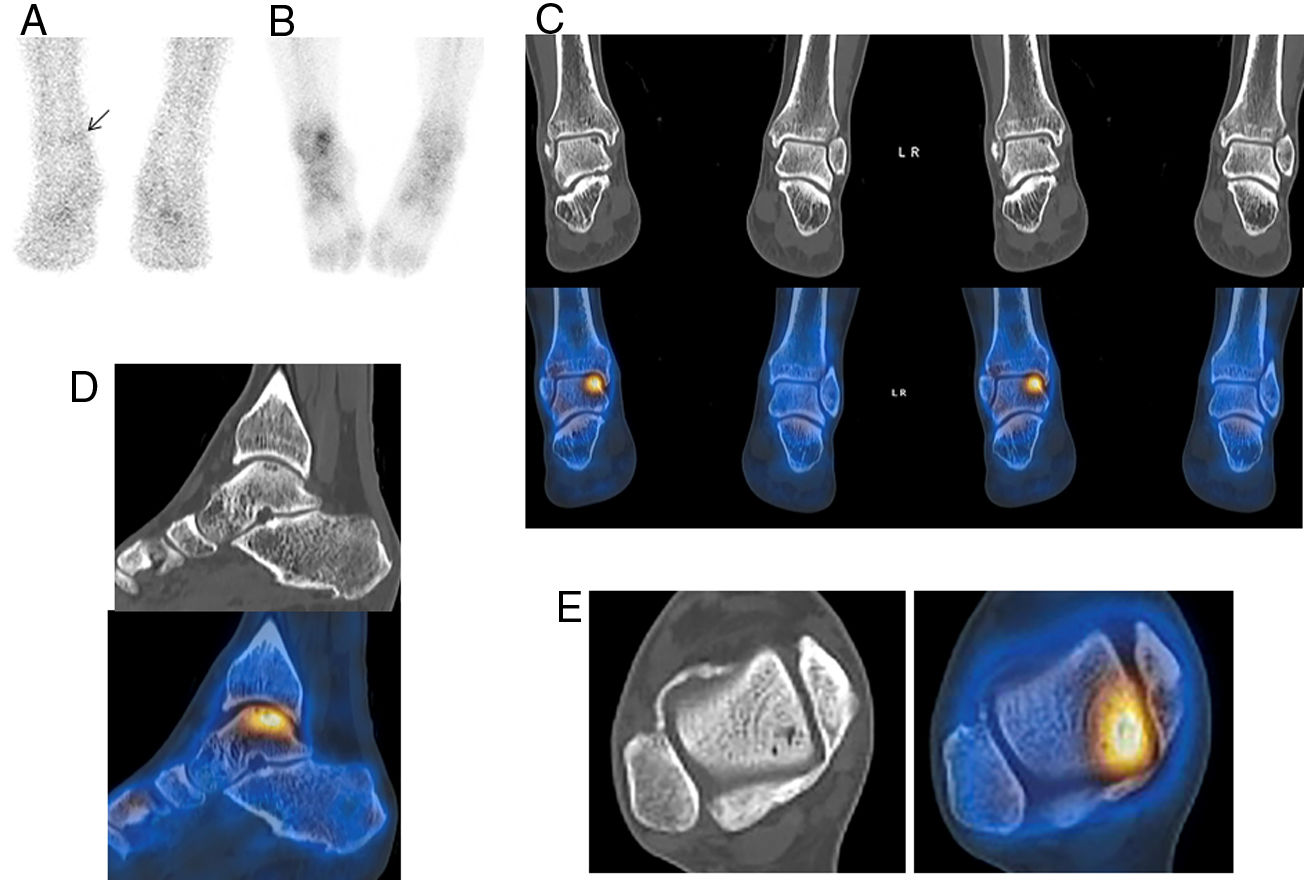
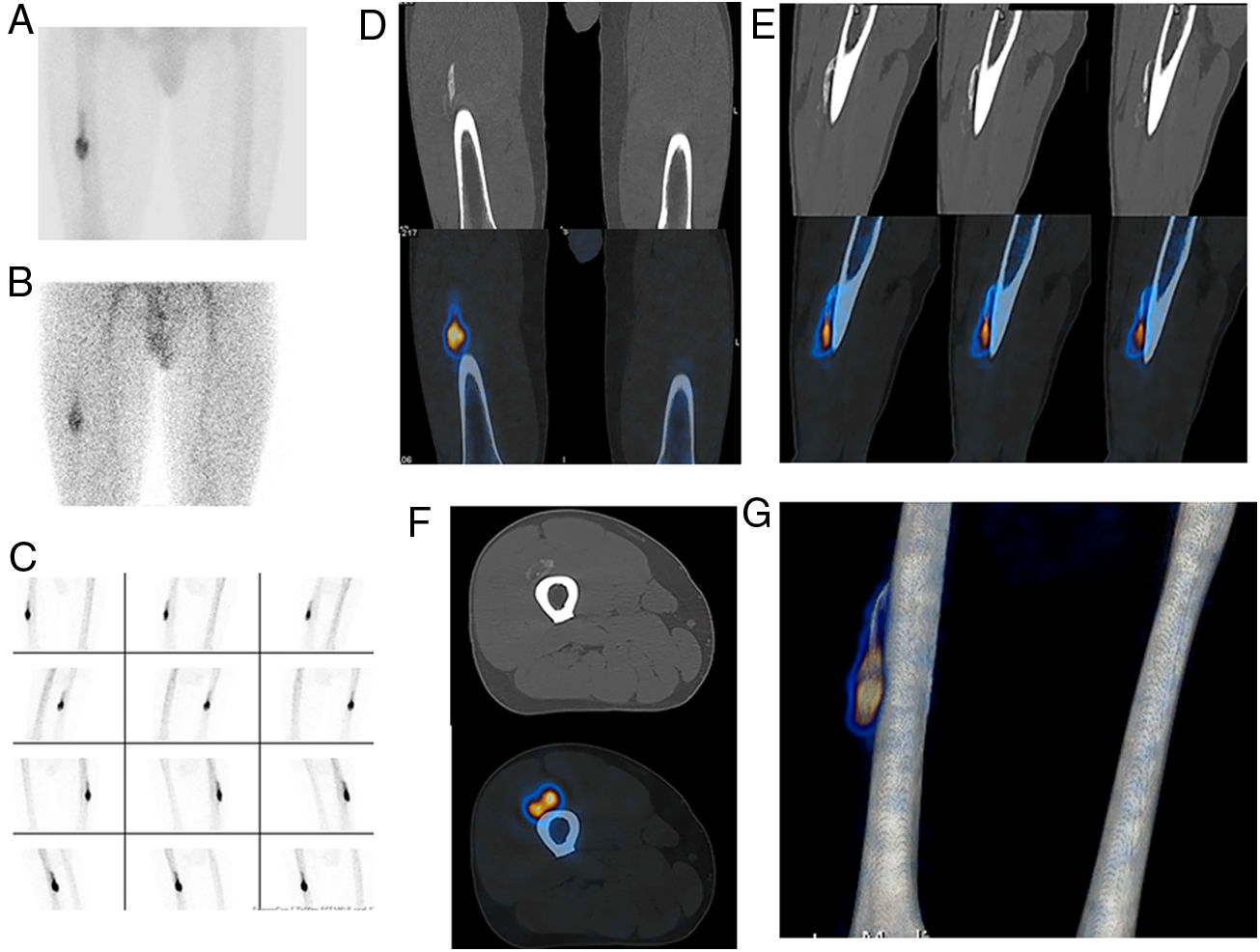
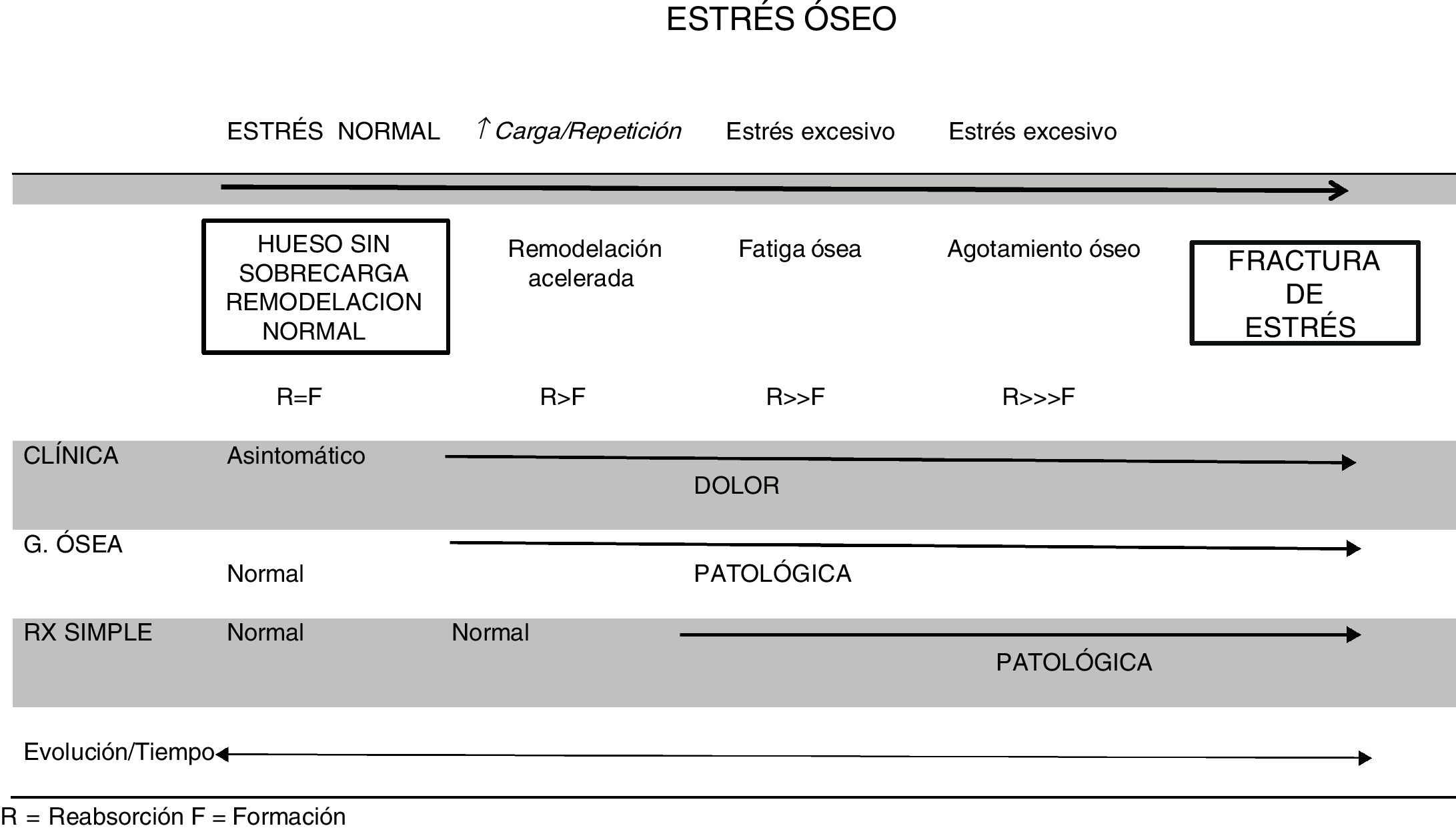
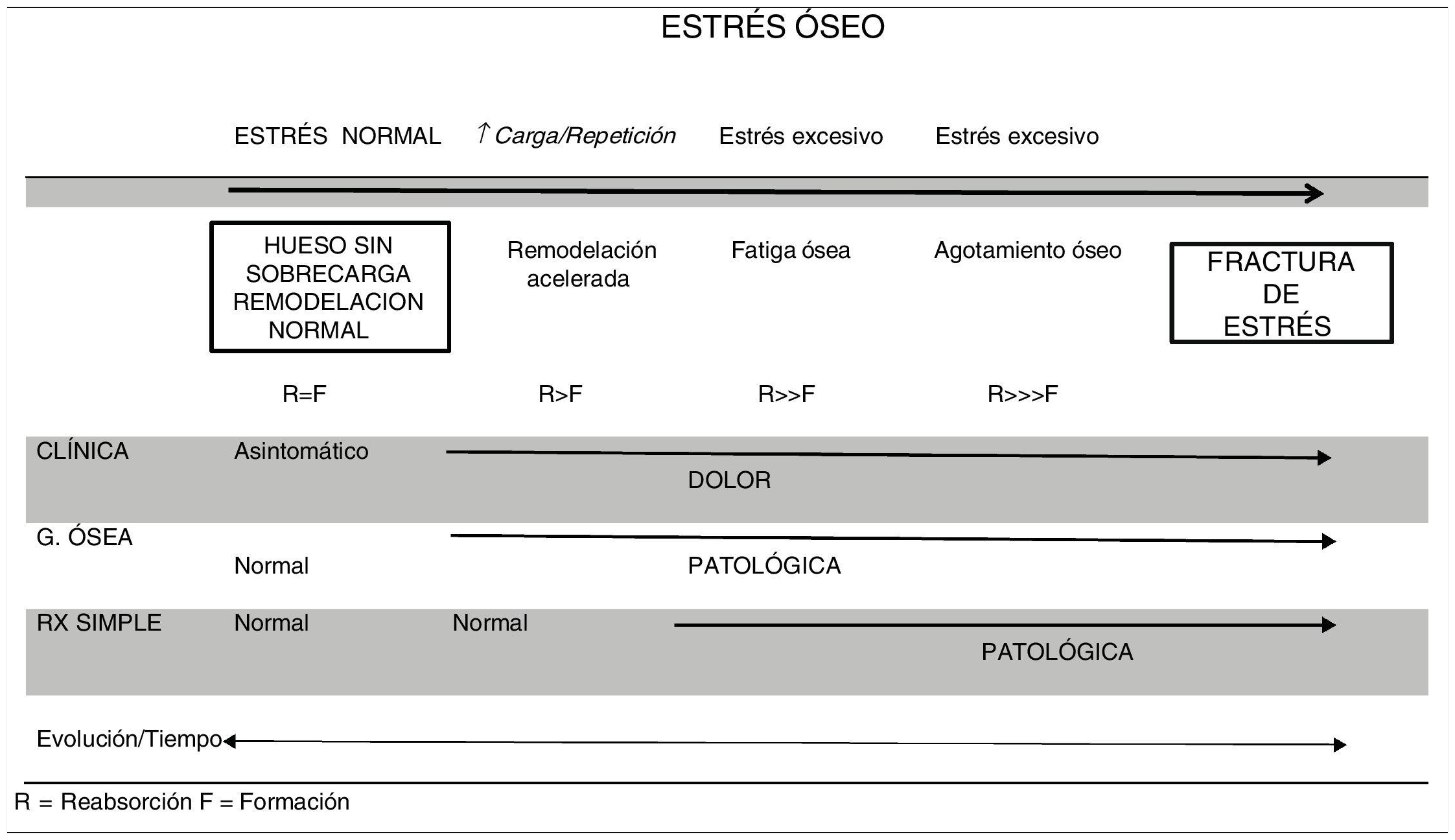
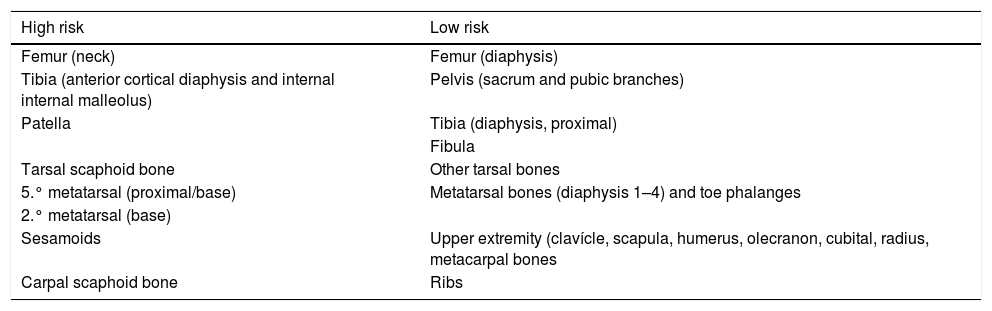
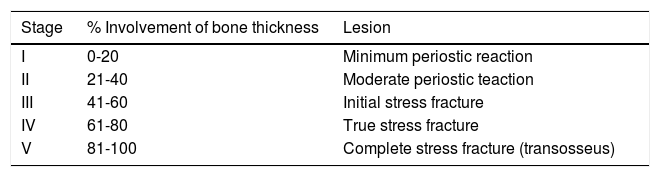
Increased participation in sports and physical exercise are widely promoted as an approach to a physically active lifestyle which has a positive effect on healthy aging, in patients and athletes of all ages, beginners and experts, including amateur athletes and professional athletes. Unfortunately, this has caused a higher incidence of sports-related injuries. In the sports context, the early and accurate diagnosis of injuries is of the utmost importance in order to enable early treatment to achieve a full recovery. Imaging techniques are increasingly important for the successful diagnosis and management of the patient. The nuclear medicine techniques with bone tracers provide physiological and metabolic information in the early phases of musculoskeletal injuries, which often precede anatomical changes and they reflect changes in bone turnover. This allows early diagnosis, along with evaluation of the activity and phase of the injury. In this article, the applications of nuclear medicine techniques, focusing on bone scintigraphy, alongside the important contribution of hybrid studies (SPECT/CT), in the diagnosis of bone and soft tissue sports injuries, will be described. In addition, we explain their usefulness in the expression of the pathophysiology of these lesions and their scintigraphic patterns. The article will also describe biomechanical and physiopathological aspects, injury mechanisms and clinical presentations of bone and joint sports injuries, knowledge of this is essential for the correct diagnostic assessment of imaging studies.
El aumento de la participación en la práctica de deporte y actividad física promovido ampliamente por el enfoque hacia un estilo de vida físicamente activo, con efecto positivo para un envejecimiento saludable, tanto en pacientes como en atletas de todas las edades, principiantes y expertos, en el deportista aficionado y en el profesional, ha causado una mayor incidencia de las lesiones relacionadas con el deporte. El diagnóstico precoz y preciso de la lesión que permita iniciar precozmente el tratamiento adecuado, para conseguir la recuperación completa es fundamental en el contexto deportivo, siendo las técnicas de imagen cada vez más importantes para el éxito diagnóstico y manejo del paciente. Las técnicas de medicina nuclear con trazadores óseos proporcionan información fisiológica y metabólica en las fases precoces de la lesión osteoarticular, precediendo a menudo a los cambios anatómicos y reflejan los cambios en el recambio óseo, permitiendo el diagnóstico precoz y la valoración de la actividad y fase evolutiva de la lesión. En el presente artículo, se describirán las aplicaciones de la medicina nuclear, en particular de la gammagrafía ósea, con el valor aportado por los estudios híbridos (SPECT/TC) en el diagnóstico y evaluación de las distintas lesiones deportivas osteo-articulares y de tejidos blandos, su utilidad en la expresión de la fisiopatología de estas lesiones y su apariencia gammagráfica. Asimismo se explicarán aspectos biomecánicos y fisiopatológicos, los mecanismos lesionales y las presentaciones clínicas de las lesiones deportivas musculoesqueléticas, cuyo conocimiento es esencial para la correcta valoración diagnóstica de las imágenes.
Article
If you experience access problems, you can contact the SEMNIM Technical Secretariat by email at secretaria.tecnica@semnim.es or by phone at +34 619 594 780.
Revista Española de Medicina Nuclear e Imagen Molecular (English Edition)

