





This article studies the interaction between artificial intelligence (AI) and human resource management (HRM) through a bibliometric analysis of 203 articles published between 2002 and 2024 in the Web of Science database. The analysis identifies six fundamental strategic research themes, ranging from automation and predictive analysis to the personalisation of the employee experience.
The paper illustrates the growing importance of AI and HRM, evidenced by an exponential increase in publications since 2016, with a significant peak after the COVID-19 pandemic. The conclusions highlight the need for a balanced approach that integrates technological innovation with rigorous ethical principles, particularly in critical areas such as algorithmic transparency, fairness in decision-making and personal data management.
The research also provides a valuable roadmap for future research and sustainable organisational practices in the digital age, highlighting the importance of addressing emerging challenges such as technostress and the implications of personalisation in hybrid work environments.
In addition to capturing the ways in which AI is transforming traditional HRM processes and the aspects covered by the literature so far, this paper also establishes a frame of reference for understanding and addressing the evolution of talent management in a rapidly changing technological context.
In the field of management, artificial intelligence (AI) can be understood as a new generation of technologies that present a series of characteristics, such as their capacity to interact with the environment by collecting internal and external information, the possibility of interpreting this information through pattern recognition, the induction of rules and event prediction, as well as the possibility of evaluating the results of their actions by improving their decision systems to achieve specific objectives (Ferràs-Hernández, 2018). In particular, the rise of AI in organisations is causing the appearance of novel theoretical and empirical problems for scholars in the organisational domain. AI holds the promise of significantly reshaping what the future of work will look like, including organisational structure and organisational design and jobs, decision-making and knowledge management (Kellogg et al., 2020; Pfeffer, 2020; Graetz & Michaels, 2018; Glikson & Woolley, 2020; Choudhary et al., 2025). These big changes entail a rethink of the conventional management models.
The integration of AI into organisational processes is of greater importance than simple technological updating. It is a strategic turning point with very important implications for human resources management (HRM). This study focuses on analysing the interaction between the incorporation of AI and HRM in the global sense, which means that research on isolated people management policies has not been analysed. While analyses of concrete practices could provide meaningful insights, they often fail to capture the broader forces of transformation (emerging trends, systemic challenges and latent opportunities).
Over the past two decades, the growing confluence between AI and HRM has begun to reshape traditional approaches to talent development and organisational strategy. Tools such as predictive analytics and adaptive learning systems are no longer theoretical possibilities, they are already influencing how companies attract, train and retain employees in increasingly complex work environments (Huang & Rust, 2018). This shift signals a deeper move toward data-informed decision-making as a core element of organisational performance (Tambe et al., 2019).
Academic interest in this area has developed rapidly, reflecting the growing presence of AI in HRM policies. From AI-assisted recruitment platforms to algorithm-based performance appraisals and customised data-driven training programs, the scope continues to expand (Chamorro-Premuzic et al., 2017; Tursunbayeva, 2024). However, this momentum is accompanied by significant concerns such as fairness, privacy and transparency in decision-making, as well as the changing nature of human functions in increasingly automated environments (Raghavan et al., 2020).
This paper is based on the observation that, despite the increase in research on AI in HRM, there is still a gap in the comprehensive, evidence-based analysis that connects these developments to broader, more systemic, strategic changes. By identifying key patterns of literature development, as well as emerging trends, this research contributes to both the theoretical field and decision-making in the practical context (Donthu et al., 2021; Mishra et al., 2020; Cobo et al., 2012; Sott et al., 2021).
The following research questions are posed:
RQ1: What are the current publishing trends and growth trajectories in research that interrelates AI and HRM?
RQ2: What are the strategic themes of AI and HRM?
RQ3: What is the scientific thematic structure of AI and HRM and its evolution?
RQ4: What are the main challenges, limitations and difficulties in the field of AI and HRM?
The responses to these research questions, along with the discussion and conclusions, provide a robust framework for understanding the integration of AI into HRM.
This research offers several notable contributions. First, it represents a valuable guideline for the research community interested in studying AI and HRM, as it uncovers important trends and highlights emerging challenges, fostering the building of lines of enquiry that can contribute to a deeper understanding of the interface between technology and people management in organisations. Second, the results provide HR managers with a practical roadmap covering the main use cases and benefits of AI, ranging from predictive analytics solutions to adaptive learning platforms. A third key contribution lies in revealing several emerging concerns at the intersection of AI and HRM. Topics like the ethical use of algorithms, the psychological toll of technostress and the challenges of personalisation in hybrid work models are gaining traction but remain underexplored.
The study argues that integrating AI into HRM is not just about adopting new technologies. It represents a much broader strategic shift. Rather than focusing exclusively on specific tools or isolated interventions, the research comprehensively examines how AI is reshaping the field. This broad perspective can shed light on the changing landscape of talent management in today's digital context. It offers organisations both a clearer understanding of the risks inherent in AI and a roadmap for turning technological advancements into opportunities, fostering long-term resilience, innovation and adaptability in a rapidly evolving world (Furstenau et al., 2021; D'Amore et al., 2022).
MethodologyThe steps followed to carry out the bibliometric analysis of this study are those recommended by Donthu et al. (2021) and are shown in Fig. 1.
Database selection, search strategy and bibliometric analysis tools
The bibliometric review requires the selection of a citation database that indexes the main literature related to AI and HRM. The databases commonly used by the scientific community for this purpose are Scopus and Web of Science (WoS) (Mishra et al., 2020). This study uses the WoS database; the use of this database in research is validated by the fact that it is the most well-known citation database and the bibliographic data are stored in a well-structured manner (D'Amore et al., 2022; Harzing & Alakangas, 2016; Di Vaio et al., 2022). The search period ranges from 2002 (the first year in which references that meet the search requirements appear) to December 2024. The effectiveness of the analysis results depends mainly on the search strategy technique; therefore, an appropriate search strategy was developed according to the research objectives.
The search was conducted using the keywords "Artificial Intelligence" and "Human Resource Management" within the article title, abstract and keywords fields, following the approach of Macke and Genari (2019), and covering the period from 2002 to 2024. Only research articles were included in the analysis. Furthermore, the results were restricted to publications indexed under the categories Management, Business or Industrial Relations & Labour to ensure thematic relevance to the field of HRM.
Once the search string was established and the corresponding filters applied, 203 articles were obtained.
Selection of bibliometric analysis toolsThe bibliometric analysis is divided into two parts (see Fig. 1). The first part is a descriptive or performance analysis, and the second part is a scientific mapping or network analysis.
The performance analysis will show the general publication pattern of the AI and HRM topic in terms of the number of publications, most relevant authors, top journals or top countries. Scientific mapping allows us to discover the intellectual, conceptual and social structure of a specific body of knowledge (Wood & Budhwar, 2014) and to introduce its dynamic growth over time (Cobo et al., 2012).
There are different software techniques for the analysis of bibliometric maps. In this article, SciMAT is used to analyse a conceptual scientific mapping analysis based on bibliographic co-word networks (Batagelj & Cerinšek, 2013). This software combines scientific mapping techniques and performance analysis to study a research field and visualise and identify specific or general themes/topics and their thematic evolution (Cobo et al., 2012).
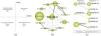
SciMAT can also create strategic diagrams (Fig. 2a) to visually identify the most important topics, conceptual network structures (Fig. 2b) to understand the relationship between authors, keywords or references, as well as the thematic evolution structure (Fig. 2c), which shows how the field evolves over time.

Strategic diagram (a). Thematic network structure (b). Thematic evolution map (c).
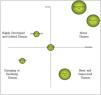
Each theme can be characterised by two measures (Callon et al., 1991): centrality and density. Centrality measures the degree of interaction of a network with other networks and can be seen as a measure of the importance of a topic in the development of the entire research field. Density measures the internal strength of the network and can be interpreted as a measure of the development of the topic. Considering both measures, a research field can be visualised as a set of research topics, mapped on a two-dimensional strategy diagram and classified into four groups (see Fig. 2a): motor topics (well developed and important for the structure of the research field); specialised or peripheral topics (highly developed but not very important for the development of the entire field); emerging or disappearing topics (both underdeveloped and marginal); and basic or transversal topics (important for a discipline but underdeveloped). Observing the evolution of these topics over time indicates whether they are emerging or disappearing.
According to Cobo (2012), the keywords of a research topic (see Fig. 2a) and their links create a network graph, known as a thematic network. Each thematic network is designated by the keyword most central to the related topic (see Fig. 2b). In Fig. 2, the size of the circles corresponds to the number of published articles related to each research topic, while the thickness of the lines connecting the circles reflects the magnitude of their equivalence index.
The results obtained using SciMAT can be used to optimise decision-making (Sott et al., 2021) and offer future projections in research, identify gaps in the literature and suggest ideas for future research (Furstenau et al., 2021). The analysis focused on keywords, extracts the frequency of their co-occurrence. The similarity was calculated using the equivalence index. For topic identification, the Simple Centre clustering algorithm was applied. In the data collection process, 203 documents were exported, including 1292 keywords, which were considered in the bibliometric analysis.
To analyse the evolution of research topics over the period studied, the thematic evolution structure was examined. To construct this map, the inclusion index was used. Fig. 2c presents a classic map, where lines 1 and 2 (solid) indicate that linked clusters share central themes, while line 3 (dashed) indicates that clusters share non-central elements. The absence of a line denotes a discontinuity, indicating the emergence of a new cluster. The thickness of the lines is proportional to the inclusion index, and the size of the clusters reflects the number of related documents (Cobo et al., 2012). The thematic evolution was segmented into two sub-periods: 2002–2020 and 2021–2024.
ResultsPublication trends and influential contributionsThis section presents a bibliometric analysis based on several performance metrics. It addresses the first research question. RQ1: What are the current publishing trends and growth trajectory in research that interrelates AI and HRM?
The evolution of documents on AI and HRM is shown in Fig. 3. The literature that analyses AI and HRM is quite recent. In the WoS database, the first article published on the subject dates to 2002: "Training for crisis decision-making: Psychological issues and computer-based solutions" by Sniezek, JA; Wilkins, DC; Wadlington, PL; Baumann, MR and published in the Journal of Management Information System. From this date until December 2024, there are a total of 203 articles published. As can be seen, from 2003 to 2016 there is a period in which there are no publications on this subject. The bibliographic explosion begins after this period, and fundamentally from 2020, after the COVID-19 pandemic.

Table 1 shows the top authors in the topic of AI and HRM from 2002 to 2024. The most prolific researcher in the field is Ashish Malik, with 8 publications, followed by Pawan Budhwar, who has published 6 papers.
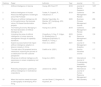
Related to the most cited publications in the period 2002–2024, Table 2 shows the ranking of the most relevant research in terms of the number of citations. The most cited work corresponds to the authors Huang and Rust (2018) entitled "Artificial Intelligence in Service", published in the Journal of Service Research, with a total of 1207 citations. It is followed by the paper of Tambe, Cappelli and Yakubovich (2019) "Artificial Intelligence in Human Resources Management: Challenges and a Path Forward" published in California Management Review with 341 citations.
Most relevant papers according to the total number of citations received (TC).
| Ranking | Paper | Author(s) | Year | Journal | TC |
|---|---|---|---|---|---|
| 1 | Artificial Intelligence in Service | Huang, MH; Rust, RT | 2018 | Journal of Service Research | 1207 |
| 2 | Artificial Intelligence in Human Resources Management: Challenges and a Path Forward | Tambe, P; Cappelli, P; Yakubovich, V | 2019 | California Management Review | 341 |
| 3 | Influence of artificial intelligence (AI) on firm performance: the business value of AI-based transformation projects | Wamba-Taguimdje, SL; Wamba, SF; Kamdjoug, JRK; Wanko, CET | 2020 | Business Process Management Journal | 266 |
| 4 | The Feeling Economy: Managing in the Next Generation of Artificial Intelligence (AI) | Huang et al. (2019) | 2019 | California Management Review | 200 |
| 5 | Unlocking the value of artificial intelligence in human resource management through AI capability framework | Chowdhury, S; Dey, P; -Edgar, SJ; Bhattacharya, S; Rodriguez-Espindola, O; Abadie, A; Truong, L | 2023 (a) | Human Resource Management Review | 139 |
| 6 | Explore success factors that impact artificial intelligence adoption on telecom industry in China | Chen et al. (2021) | 2021 | Journal of Management Analytics | 118 |
| 7 | The dark side of AI-powered service interactions: exploring the process of co-destruction from the customer perspective | Castillo et al. (2021) | 2021 | Service Industries Journal | 117 |
| 8 | Influences of artificial intelligence (AI) awareness on career competency and job burnout | Kong et al. (2021) | 2021 | International Journal of Contemporary Hospitality Management | 114 |
| 9 | Rebooting employees: upskilling for artificial intelligence in multinational corporations | Jaiswal et al. (2022) | 2022 | International Journal of Human Resource Management | 113 |
| 10 | When the machine meets the expert: an ethnography of developing AI for hiring | van den Broek, E; Sergeeva, A; Huysman, M | 2021 | MIS Quarterly | 112 |
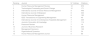
Since academic journals are considered the main medium for disseminating scientific production (Wuni et al., 2019), the main journals that have published research related to AI and HRM are shown below. Table 3 gives the leading journals, each with the number of publications and citations. The top journal is Human Resource Management Review with 12 publications and 672 citations. This is followed by Technological Forecasting and Social Change with 10 published papers and 171 citations; in third place is International Journal of Human Resource Management with 9 published papers and 449 citations.
The main journals, the number of papers on AI and HRM, the number of citations.
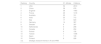
To conclude the performance analysis, the most productive country in the topic related to AI and HRM is the USA, with 52 articles published and 2910 citations, followed by China with 38 studies and 678 citations; the third place is occupied by England with 36 articles and 1463 citations (see Table 4).
Top 15 most productive countries.
In this section, a bibliometric network analysis of AI and HRM from 2002 to 2024 is presented, focusing on the strategic diagram, the thematic network structure and the thematic evolution structure. For a better understanding of each topic, detailed explanations are provided in Section 2. For this analysis, the focus will be on the 2021–2024 sub-period. However, when examining the evolution, both periods will be considered: the first spanning from 2002 to 2020, and the second from 2021 to 2024. This section aims to address research questions 2 and 3.
RQ2: What are the strategic themes of AI and HRM?
RQ3: What is the scientific thematic structure of AI and HRM and its evolution?
Fig. 4 shows six clusters, two of which are classified as motor themes (ORGANISATION and BIG DATA), one as a basic or transversal theme (MODEL), one as an emerging theme (CUSTOMER), and two as highly developed and isolated themes (DIGITALISATION and JUDGMENT).
Motor themes
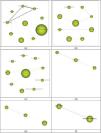
Fig. 5 illustrates the thematic network structure of AI and HRM. A detailed analysis of keyword co-occurrence was conducted to reveal underlying patterns, which are depicted in the figure.

The cluster ORGANISATION (Fig. 5a) is the most important group in the strategic diagram because it brings together most of the published documents (62 papers). Within this cluster, the most cited element is Human Resource Management and System.
The research that makes up this cluster examines the impact of technology, especially AI and algorithms on HRM. The topics dealt with in these studies underline the following aspects. First, the importance of addressing both the challenges and opportunities that technology and AI present in HRM, promoting a balanced approach that considers transparency, fairness and employee well-being (Larger & König, 2023; Kim et al., 2021; Malik et al., 2023).
Secondly, the positive and negative aspects of AI for employees are discussed; among the negative aspects are concerns about information security, data privacy, drastic changes due to digital transformations, occupational risk and insecurity, which could cause the so-called technostress (Malik et al., 2023). On the other hand, positive elements include greater flexibility and autonomy, the promotion of creativity and innovation, and improved work performance (Trocin et al., 2021). In addition, it is underlined that an AI-based HR ecosystem can capture real-time data, improve decision-making and personalise the employee experience. A positive employee experience is critical to improving work engagement and organisational performance (Malik et al., 2023). The incorporation of technology will also require the redefinition of workspaces by combining physical and virtual environments, generating affective and practical experiences. HRM should balance technological integration with the emotional well-being and privacy of the worker (Petani & Mengis, 2023).
Finally, a frequent theme in this cluster is the biases of algorithms. Algorithms can perpetuate biases if they are not designed and managed properly. It is crucial to question the supposed objectivity of algorithms and to recognise that their development and application are influenced by social values and assumptions (Larger & Köning, 2023; Vassilopoulou et al., 2024).
The other motor theme is BIG DATA (Fig. 5b). This cluster brings together papers that focus on how the use of algorithmic technologies in HRM is significantly transforming organisational operations. Technologies such as AI, Machine Learning (ML) and natural language processing (NLP) allow the management of large amounts of employee data, enabling improved decision-making and the efficiency of people management activities.
This group includes articles related to the ethical implications of big data in HRM, as well as the revolution brought about by the application of massive data analysis in different HR policies, such as recruitment and selection, training and development, compensation, performance appraisal or talent retention (Manroop et al., 2024). This group also studies how AI and ML models are significantly changing the structure and design of work. These technologies can improve productivity by automating repetitive tasks and allowing humans to focus on more creative and complex tasks (Kim et al., 2024). However, these models often lack transparency and explainability, making it difficult for hiring managers to understand the reasons behind the predictions. The Local Interpretable Model-Agnostic Explanations (LIME) technique is presented as a solution to intuitively explain the predictions of ML models (S. Chowdhury et al., 2023), since one of the main drawbacks of algorithms is their opacity (Zhou et al., 2023). In the context of big data, employee behaviour plays a crucial role in the acceptance and effectiveness of algorithmic technologies (Wan & Chen, 2024). Understanding employees' behavioural and emotional reactions to these technologies can help improve their implementation and maximise their benefits (Kim et al., 2024; Yang et al., 2024). The papers included in this cluster emphasise the correct definition of algorithms, data quality, strategic alignment and cultural acceptance (Radonjić et al., 2024). This requires collaboration and mutual support between developers and HR experts (Van den Broek et al., 2021).
Basic or transversal themesRegarding the basic themes that are important for research, MODEL is a basic or transversal theme in AI and HRM. From 2021–2024, there are thirteen documents in this group. The most cited keywords are Employees, Resources and Generative Artificial Intelligence (Fig. 5c). The studies that make up this cluster highlight the importance of integrating advanced technologies such as AI and deep learning (DL) algorithms to build a CC neural network (BPNN)-based HRM system model (Song & Wu, 2021). Some papers focus on AI models, specifically how AI models can replace or complement human cognitive capabilities in strategic decision-making (Krakowski et al., 2023). Other studies offer a comprehensive view of the challenges and strategies for HRM in the context of interaction between AI and workers, highlighting the importance of trust, communication and organisational support for effective collaboration (Arslan et al., 2022). Others study the use of generative artificial intelligence (GAI) in strategic decision evaluation (Doshi et al., 2024). GAI, especially large language models (LLMs), can generate evaluations of strategic alternatives such as business models, mergers and acquisitions, and organisational redesign.
Specialised themesSpecialised themes are DIGITALISATION and JUDGMENT. In the first group, the most representative keywords are Jobs and Pandemic (Fig. 5e), while in the second, the most cited keywords are Perspective and Time.
The DIGITALISATION cluster comprises studies that focus on analysing how digitalisation has transformed the world of work, especially in the context of the COVID-19 pandemic, with a special impact on jobs and people management. Digitalisation, accelerated by the COVID-19 pandemic, has significantly transformed the workplace, introducing technologies such as AI, ML and cloud computing (Lim, 2021). These changes have affected labour relations, the labour market and the nature of work, generating both benefits and concerns (Acemoglu & Restrepo, 2020; Santana & Cobo, 2020). Among the negative effects of digitalisation, anxiety, privacy, remuneration, well-being, work ambiguity, redundancy, and job security stand out (Brougham & Haar, 2020; Makridis & Han, 2021; Deng et al., 2024). These challenges require organisations to develop new capabilities and engage in continuous improvement and retraining of employees to adapt to new work environments (Malhotra, 2021; Bamel et al., 2022; Sutarto et al., 2022).
The Human Resource Practices that are proposed to mitigate the negative effects of digitalisation include (Makridis & Han, 2021; van Woerkom, 2021; Li et al., 2023; Dabić et al., 2023; del Val et al., 2024):
- •
Promotion of Work-Life Balance: Helping employees manage stress and improve their overall well-being.
- •
Employee Empowerment: Increase engagement, effectiveness and work performance.
- •
Fostering Entrepreneurial Behaviour: Supporting employees to develop their ability to work with disruptive technologies and reduce anxiety.
- •
Training in new skills: Develop transversal skills and specialisation in higher-level jobs, improving job security and quality of life.
On the other side, the JUDGMENT cluster concentrates research that analyses aspects related to the impact of AI on decision-making in HRM (Malin et al., 2024); studies show that AI can improve efficiency and reduce biases in staff selection and other HRM decisions. However, it also poses significant ethical and practical challenges. In this sense, models for ethical decision-making are proposed, such as the Throughput model (Rodgers et al., 2023); this model depicts how perceptions, judgments and the use of information affect strategy selection, identifying how diverse strategies may be supported by the employment of certain ethical decision-making algorithmic pathways. AI algorithms should incorporate ethical considerations and decision-making processes to determine the most appropriate HRM strategy in each situation (Rodgers & Gago, 2001). Perspective in decision-making, i.e., the vision and approach that individuals adopt when evaluating situations and options, is identified as a very important factor in the response of both employees and consumers to these decisions (Yan et al., 2024). It would be necessary to incorporate multiple ethical perspectives in the algorithms used in HRM to balance the interests of the various stakeholders and improve the acceptance and effectiveness of HRM decisions (Leicht-Deobald et al., 2022).
Emerging themesFinally, the Emerging theme is CUSTOMER, a group in which the keyword moderating role stands out (Fig. 5f).
The studies that make up this group focus on analysing how AI and AI-based technologies, such as voice assistants and chatbots, influence consumer trust, employee engagement and HRM. Voice assistants that balance your speaking and listening capabilities generate greater trust and social presence in consumers. Congruence between these attributes is crucial to induce a strong social presence and improve product recommendation acceptance and voice purchase intent (Hu et al., 2023). Similarly, the use of chatbots for personnel selection should balance their understanding and response capabilities to improve the user experience and build trust. Personalisation and accessibility of chatbots increase engagement, similar to how a good consumer experience strengthens brand loyalty (Dutta et al., 2023). The perception of usefulness and ease of use (Nguyen et al., 2024), together with social norms and emotions, play a crucial role in AI acceptance, specifically acting as moderators of AI acceptance (Karahanna, Agarwal, & Angst, 2006; Del Giudice et al., 2023). This cluster also includes papers that analyse other moderating factors in the relationship between people and technology such as the consumer's emotional experience (Hu et al., 2023), age (Dutta et al., 2023) or openness to experience (Chen et al., 2022; Shao et al., 2024).
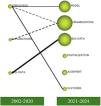
Thematic evolution of AI and HRM research (2002–2024)To conclude the network analysis, the thematic evolution structure of AI and HRM will be studied. Fig. 6 shows the evolution structure for the periods 2002–2020 and 2021–2024.

In the first period (2002–2020), three fundamental keywords were used by authors. The most significant cluster is EMPLOYEES, followed by BIG DATA and finally EXPLANATIONS.
The EMPLOYEES cluster is made up of three studies that analyse the impact of technology, especially robots and AI, on the hotel industry and employment in general. Specifically, Xu et al. (2020) study how robots will redefine leadership in hotel management; they conclude that managers need to adapt their strategies and leadership styles to achieve an adequate balance between technology, employees and customers. Meanwhile, Robinson et al. (2020) propose a conceptual framework to understand the impact of AI on service encounters, and the ethical implications of what they call “counterfeit service encounters”. Finally, Brougham and Haar (2020) examine how technological threat perception affects job insecurity and turnover intentions in different countries.
In the BIG DATA cluster, Oswald et al. (2020) explore the impact of big data and AI on industrial-organisational psychology and HRM. The article concludes that as organisations continue to adopt big data and related technologies, HR professionals must adapt to these changes, contributing to a deeper and more ethical understanding of the use of big data in organisational contexts.
The EXPLANATIONS cluster contains the oldest research on AI and HRM, dating back to 2002. Sniezek al. (2002) focus on analysing how training for decision-making in crises, based on immersive simulators (DC-Train), offers HR departments key tools to develop and manage talent in critical environments. These systems can have implications for all management practices, from selection (identifying employees with skills to manage stress and make decisions under pressure through simulated assessments) to training (through training in technical and soft skills in realistic scenarios) to performance appraisal (allowing for personalised feedback by using automated systems to provide specific critiques that are needed to improve individual and collective capacities).
The first period (2002–2020), represented by three clusters, focused on laying the theoretical foundations for technological impact, while the second period (2021–2024), composed of the six clusters explained above, addresses more specific and mature applications. Both share concerns about ethics and well-being, but the second period highlights the practical and strategic use of advanced technologies to optimise HRM, driving a comprehensive organisational transformation. In the second period, new clusters unrelated to those of the previous period appear, such as DIGITALISATION and JUDGMENT.
The only cluster that remains in the transition from the first to the second period is BIG DATA. This cluster evolved from an exploratory approach in the first period to a strategic integration into HRM in the second period. This evolution illustrates how organisations have moved from understanding the potential of big data to applying it to transform key management processes, boosting efficiency, personalisation and considering an ethical approach in its implementation.
The topics that have the strongest relationships are EMPLOYEES (first period) with ORGANISATION, CUSTOMER AND MODEL (second period). These relationships are discussed below.
In the first stage, the EMPLOYEES cluster, as explained above, focuses on understanding how technologies and artificial intelligence affect workplace safety, leadership and employee satisfaction (Xu et al., 2020; Brougham & Haar, 2020). In the second period, the ORGANISATION cluster expands these concepts by investigating how AI redefines key processes in HRM, implementing more ethical practices geared toward employee well-being, creating hybrid (physical-virtual) ecosystems and managing associated technostress. In both periods, the importance of designing and implementing technologies in an ethical manner is highlighted.
The relationship between the EMPLOYEES and CUSTOMER clusters lies in the connection between employee satisfaction and customer experience. Studies in the EMPLOYEES cluster underline the importance of maintaining employee satisfaction when integrating technologies. In the second period, articles located in the CUSTOMER cluster expand this perspective by analysing how technologies impact both employee and customer experience. The EMPLOYEES cluster highlights the emotional effects of technology on employees, while the CUSTOMER cluster complements this approach by exploring factors such as emotional experience and perceived usefulness, which are critical to employee and consumer acceptance of AI.
Finally, the relationship between EMPLOYEES and MODEL focuses on the transition from how employees address the challenges associated with technology adoption to the development and implementation of systems based on AI and DL to complement or replace human capabilities; specifically, it is in the MODEL cluster where studies related to GAI are located, which allows for the evaluation of high-level strategies such as business models or organisational redesign.
To conclude this thematic evolution study, we will comment on the relationship between the EXPLANATIONS cluster of the first period and the ORGANISATION cluster of the second period. The first cluster introduces technologies such as immersive simulators for training, while the studies that make up ORGANISATION expand this concept through advanced and holistic systems that cover multiple areas of HRM and other organisational dimensions. This development shows a movement from the training and evaluation of individual employees to the redesign of organisational processes that improve productivity, job satisfaction and employee engagement. Both clusters share a concern for ethics in the use of technologies, but ORGANISATION goes a step further by establishing standards to mitigate algorithmic biases and foster emotional well-being in hybrid work environments.
Key challenges, limitations and issues of AI and HRMIn this section, research question 4 will be addressed.
RQ4: What are the main challenges, limitations and difficulties in the field of AI and HRM?
The integration of AI into HRM faces numerous challenges, limitations and difficulties that span ethical, technological, organisational and cultural aspects. One of the main challenges lies in ensuring that AI algorithms and systems are transparent, fair and free of bias. Although these systems are considered objective, algorithms can perpetuate and amplify existing biases if not properly designed and managed (Larger & Köning, 2023; Vassilopoulou et al., 2024); therefore, it is essential to develop tools such as explainable models that allow us to audit and understand algorithmic decisions, thus increasing trust in AI (S. Chowdhury et al., 2023; Zhou et al., 2023).
Another critical aspect is the protection of employee data privacy and security. Collecting and analysing large volumes of information creates significant cybersecurity risks and potential privacy breaches, as well as challenges in complying with international regulations. Ethical and responsible management of data used by AI systems will be crucial to mitigate these threats and protect both organisations and their employees (Malik et al., 2021).
The adoption of AI can also generate technostress, job insecurity (Brougham & Haar, 2018) and anxiety, which negatively affect staff engagement and productivity (Petani et al., 2023). Therefore, another limitation of integrating AI into HRM consists of the redefinition of workspaces to combine physical and virtual environments to mitigate these negative effects, generating more positive and practical experiences (Malhotra, 2021). Training in digital skills and the design of organisational strategies that promote well-being will be essential in this context.
Another impediment that can affect the integration of AI into HRM is the redefinition of work roles and processes. AI transforms organisational structures and the skills required by employees, which requires a redesign of key HRM processes to take advantage of technology's capabilities without dehumanising work interactions. The quantity and quality of information provided by AI tools will need to be carefully managed so that cognitive overload does not occur and the integration of the technology can be optimised (Graf & Antoni, 2021; Glikson & Woolley, 2020).
Employee acceptance of technologies is another limitation that organisations may encounter when implementing them. Reluctance to change and employees' fear of being replaced by machines are barriers that organisations may face when incorporating AI technologies into HRM. Therefore, it will be essential to generate staff confidence in this technology (Kim & Kim, 2024), along with the incorporation of clear ethical principles in the design and use of AI, especially in critical decisions such as selection, promotion or lay-offs (Rodgers et al., 2023).
Finally, another difficulty that organisations may face in integrating AI with HRM is aligning the development of AI technologies with sustainability and corporate social responsibility objectives. Organisations should adopt approaches that balance technological advancement with their economic, social and environmental commitments, which can be a significant challenge (Zhou et al., 2023; Kraus et al., 2023; Ammirato et al., 2023).
DiscussionTheoretical contributions and implicationsThis study analyses how AI is transforming HRM, based on 203 articles published between 2002 and 2024. From these references, the article develops a conceptual framework that charts the evolution of the field, from an initial emphasis on automation and digitalisation to more nuanced discussions around ethics, emotional intelligence and strategic alignment (Bag et al., 2021; Malik et al., 2023; Petani & Mengis, 2023).
The findings show the existence of six key thematic clusters, where ORGANISATION and BIG DATA stand out as central pillars in the transition of AI as a tool to support a transformative force within HR systems. (Kim et al., 2021; Manroop et al., 2024). At the same time, the increasing focus on the areas referred to as JUDGEMENT and CUSTOMER reflects a broader shift towards more human-centric applications, focusing on how AI can foster trust in automated decisions, support emotionally intelligent interactions and improve the overall user experience (Rodgers et al., 2023; Dutta et al., 2023; Hu et al., 2023).
The evolution map that illustrates this thematic change is a clear deepening of the debate. Early research tended to focus on the psychological impact of automation, on issues such as employee anxiety or the use of simulations for training (Sniezek et al., 2002; Brougham & Haar, 2020). However, more recent studies focus on issues of transparency in algorithmic decisions, the potential of explainable AI to strengthen ethical oversight and the strategic incorporation of generative technologies into core HR functions (S. Chowdhury et al., 2023; Doshi et al., 2024; Krakowski et al., 2023).
Implications for practiceThe results of this research offer important conclusions for HR professionals, HR technology developers and policy actors addressing the intersection of AI and workforce management.
Ethical Use of AI in HR Environments. One of the most pressing issues is the opacity that often surrounds algorithmic decision-making. While algorithms are designed to improve efficiency, they can unintentionally perpetuate existing biases embedded in historical datasets, especially in areas such as hiring and performance appraisal. To address this, tools such as Interpretable Local Explanations and Model Agnostics (LIME) are being tested as promising strategies to improve transparency and promote more ethically based AI applications (S. Chowdhury et al., 2023; Zhou et al., 2023; Colther and Doussoulin, 2024).
Developing resilient hybrid work environments. Findings from the ORGANISATION and DIGITALISATION groups reveal that AI adoption can have psychological consequences for employees. Job insecurity, anxiety and technostress frequently arise in AI-enabled workplaces. HRM must go beyond the implementation of digital tools to actively promote employee well-being through flexible work policies, psychological safety and rigorous change management (Malik et al., 2023; Petani & Mengis, 2023).
Strengthening data governance and privacy protocols. As HR systems become more efficient and use more data, the need for robust governance mechanisms and strict compliance with data protection regulations is increasingly urgent. In an environment of increasing digital complexity and growing cybersecurity threats, having robust data management policies in place is essential not only for regulatory compliance, but also for maintaining employee trust (Malik et al., 2021; Han, 2024).
Fostering productive collaboration between people and AI. The success of AI integration often depends on organisational culture. Studies on implementation frameworks highlight the importance of developing digital skills, fostering curiosity and establishing trust between human users and AI systems. These factors are essential to ensure that AI enhances collaborative practices, rather than replacing them (Arslan et al., 2022; Singh & Pandey, 2024).
Prioritise user-centred design in AI interfaces. The design of AI applications, particularly chatbots and virtual assistants, plays a crucial role in user acceptance. Features such as intuitive functionality, responsive interaction and accessible design principles have been shown to significantly improve user experience and trust in the system (Hu et al., 2023; Dutta et al., 2023; Del Giudice et al., 2023).
LimitationsWhile this study offers a broad analysis of the literature on AI and HRM, several limitations should be considered when interpreting its findings.
Restricted data sources. The analysis is based exclusively on publications indexed in the WoS. While this database is widely recognised for its academic rigour, relying solely on it may result in the omission of relevant contributions available on other platforms. The inclusion of additional databases, such as Scopus or Google Scholar in future research could provide a broader and more diverse representation of the field, helping to capture alternative perspectives and emerging research not covered by the WoS (Harzing & Alakangas, 2016).
Methodological restrictions. The bibliometric methods employed, specifically SciMAT and keyword co-occurrence analysis, are suitable for identifying research trends and intellectual structures within a discipline (Cobo et al., 2012). However, these quantitative tools tend to prioritise highly cited and widely published topics, which could overlook newer or more nuanced areas of research. Future studies could benefit from integrating qualitative approaches, such as thematic content analysis or narrative synthesis, to uncover more subtle dynamics and provide deeper interpretive insight into the discourse (Donthu et al., 2021).
Broad thematic treatment. While the study maps key conceptual developments in the AI and HRM landscape. HR policies such as recruitment, employee development, or compensation strategy have not been considered. These areas can be affected by AI in different ways, depending on the size, industry and digital maturity of the organisation. Exploring these functional dimensions in greater detail would allow future research to generate more practical information adapted to the needs of professionals (Govindaraju et al., 2025; Ghosh & Itam, 2020).
Future research agendaBased on the findings and limitations identified, several key areas emerge as priorities for future academic exploration. These domains not only reflect conceptual gaps in the current literature but also address the evolving needs of organisations facing rapid technological transformation. The following research questions are proposed to guide future enquiry:
Ethical Algorithm Design in HRM. While algorithmic tools have become central to many HR processes, concerns around bias and transparency remain Langer and König (2023); Gowrishankkar et al. (2025); Vassilopoulou et al. (2024).
- •
RQ1: How can AI algorithms be designed to ensure fairness, explainability and accountability in recruitment, promotion and performance appraisal?
- •
RQ2: What governance frameworks are most effective in identifying and mitigating algorithmic bias in HR decision-making?
Technostress and Emotional Well-being. As AI becomes more integrated into daily work, its psychological impact on employees demands closer attention (Aggarwal & Stanley, 2024; Petani & Mengis, 2023; Malhotra, 2021).
- •
RQ3: What organisational strategies are most effective in mitigating technostress caused by AI systems in hybrid and digital workplaces?
- •
RQ4: How does the perception of autonomy and control mediate the emotional effects of AI integration in employee workflows?
Data Governance and Digital Ethics. Responsible AI use depends on effective data handling and employee trust (Han, 2024; Zhou et al., 2023; Malik et al., 2023).
- •
RQ5: What are the best practices for ensuring compliance with data privacy regulations while using AI for people analytics?
- •
RQ6: How can organisations foster a culture of digital ethics among HR and IT departments when deploying AI tools?
The use of AI to personalise HRM, particularly through adaptive learning platforms, has created promising new avenues in employee training and development. These technologies enhance learner engagement by delivering instructional content tailored to individual roles, skills and learning preferences. Although their short-term benefits, such as increased motivation and improved learning efficiency, are well-documented, there remains a notable gap in the understanding of their long-term effectiveness. Evaluating the sustained performance of these systems, especially in comparison with traditional training methods, represents a critical direction for future scholarly inquiry (Govindaraju et al., 2025; Tummalapalli et al., 2025; Ghosh & Itam, 2020). To support this exploration, the following research questions are proposed:
- •
RQ9: What are the long-term effects of AI-driven adaptive learning platforms on employee knowledge retention and job performance?
- •
RQ10: In what ways do employees assess the relevance, credibility and practical value of AI-generated training materials relative to traditional instructional methods?
Sustainability and Responsible Innovation in HRM. Integrating AI into sustainable HR strategies is still underexplored (Del Giudice et al., 2020; Bag et al., 2021; Maddikunta et al., 2022; Rubel & Rimi, 2024; Samanvitha et al., 2025).
- •
RQ11: In what ways can AI contribute to reducing the carbon footprint of HR operations and promoting green HRM practices?
- •
RQ12: How can AI-enabled HR practices support diversity, equity and inclusion while aligning with corporate social responsibility goals?
The convergence between AI and HRM is shaping a new organisational paradigm. A bibliometric analysis of 203 articles published between 2002 and 2024 identified six strategic clusters that reflect the evolution of the field, from initial debates focused on automation and digitalisation to more mature discussions concerning ethics, algorithmic transparency and employee well-being.
The evidence suggests that the integration of AI into HRM should not be understood as a mere technological improvement but rather as a profound strategic shift that redefines the foundations of work, organisational structures and the relationship between humans and technology. Balancing efficiency gains with principles of fairness, inclusion and sustainability emerges as a central challenge. Without these safeguards, the potential of AI may be compromised by risks such as ethical concerns, algorithmic bias and negative psychological outcomes, including technostress.
From a managerial perspective, the findings emphasise the importance of HR leaders and AI developers acting as guardians of organisational trust. Effective adoption of AI requires robust digital governance, continuous reskilling initiatives and workplace designs that prioritise human-centred experiences. Under these conditions, AI can function as a catalyst for resilience and creativity rather than as a source of anxiety or exclusion.
The results also highlight future directions for research in this area. Rather than a simple list of gaps, the proposed agenda signals three pressing priorities: the design of fair and explainable algorithms, the analysis of the psychological and emotional consequences of AI adoption and the exploration of how AI can contribute to responsible and sustainable HR practices aligned with broader social and environmental objectives.
In summary, the AI–HRM interface constitutes both a space of tensions and a field of opportunities. The key lies not only in advancing technological innovation but also in defining ethical, strategic and human frameworks that ensure responsible adoption. For academics, practitioners and policymakers alike, the ultimate challenge is to shape an AI-augmented HRM that is transparent, inclusive and sustainable, capable of supporting organisations in a context of accelerated transformation.
CRediT authorship contribution statementMercedes Úbeda-García: Writing – original draft, Visualization, Validation, Supervision, Software, Project administration, Methodology, Investigation, Formal analysis, Data curation, Conceptualization. Bartolomé Marco-Lajara: Writing – review & editing, Writing – original draft, Methodology. Patrocinio C. Zaragoza-Sáez: Writing – review & editing, Writing – original draft, Supervision. Esther Poveda-Pareja: Writing – review & editing, Writing – original draft, Supervision.
