
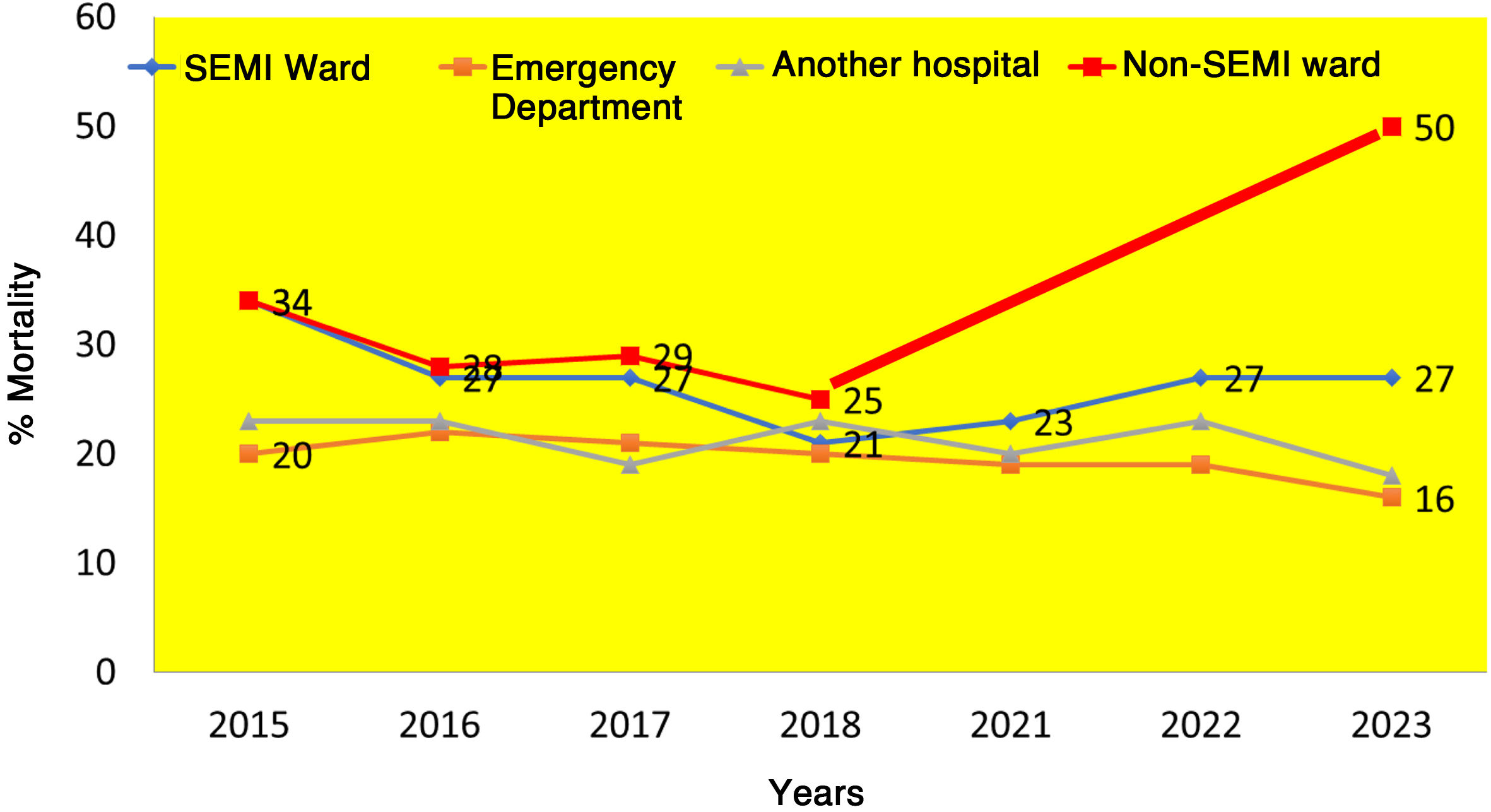


The clinical deterioration of patients admitted to hospital wards, characterised by physiological abnormalities, can be predicted 6–24 h in advance and often depends on the nurse's ability to detect it early. In addition, advances in the treatment and care of the critically ill patient have increased survival after discharge from the intensive care unit (ICU). This, together with increased severity, frailty, prolonged stays and special treatment needs, means that ICU survivors may have physical weakness and mental and/or cognitive impairment that persists over time. In this context, it is necessary to provide personalised care that guarantees the continuity of nursing care in the different care settings through which patients and their families pass.
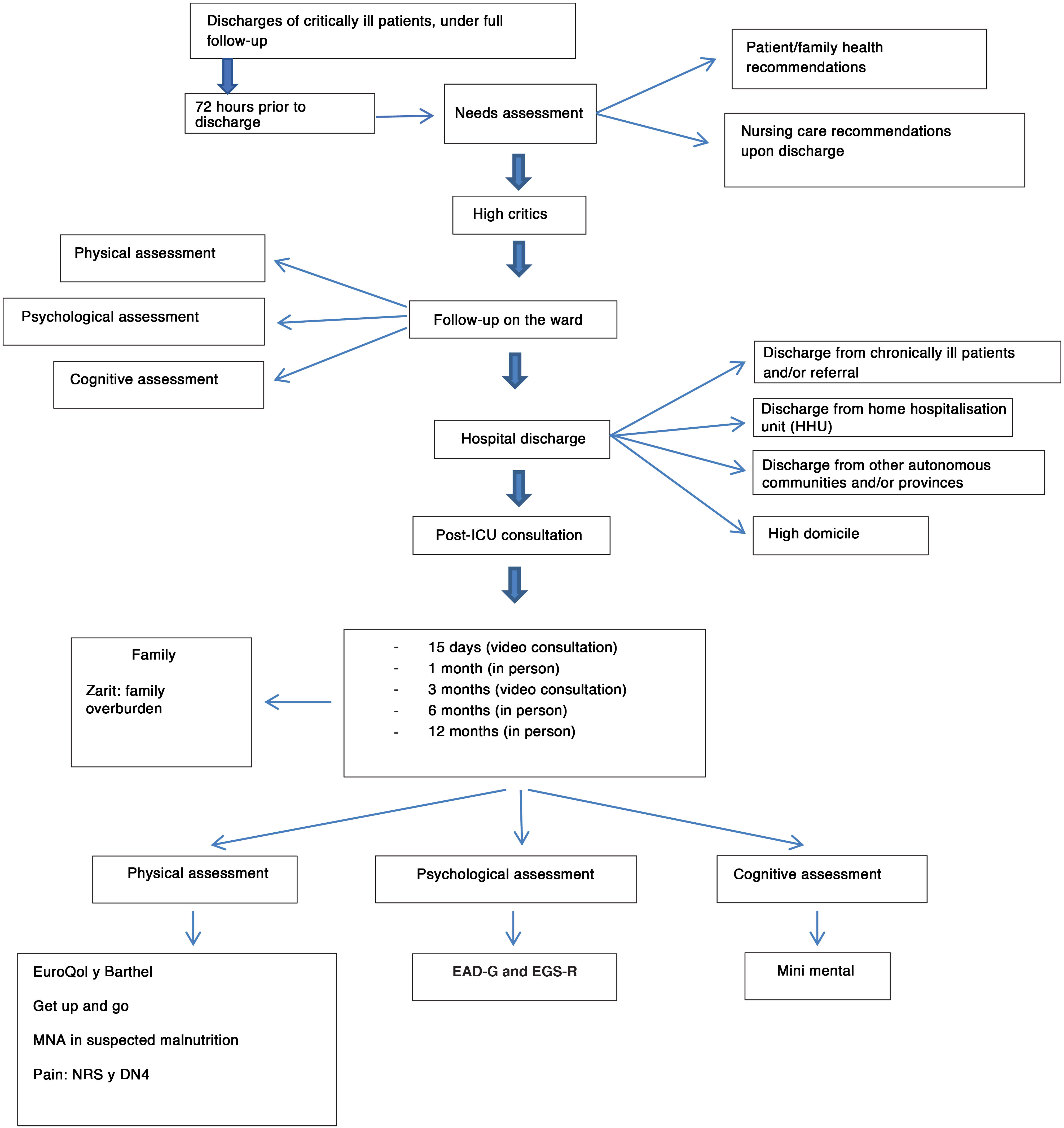
For all these reasons, a continuity of care nursing consultation was designed and implemented in conjunction with a surveillance system on all hospital wards and nurse monitoring for the prevention of post-acute syndrome after discharge from a critical care unit.
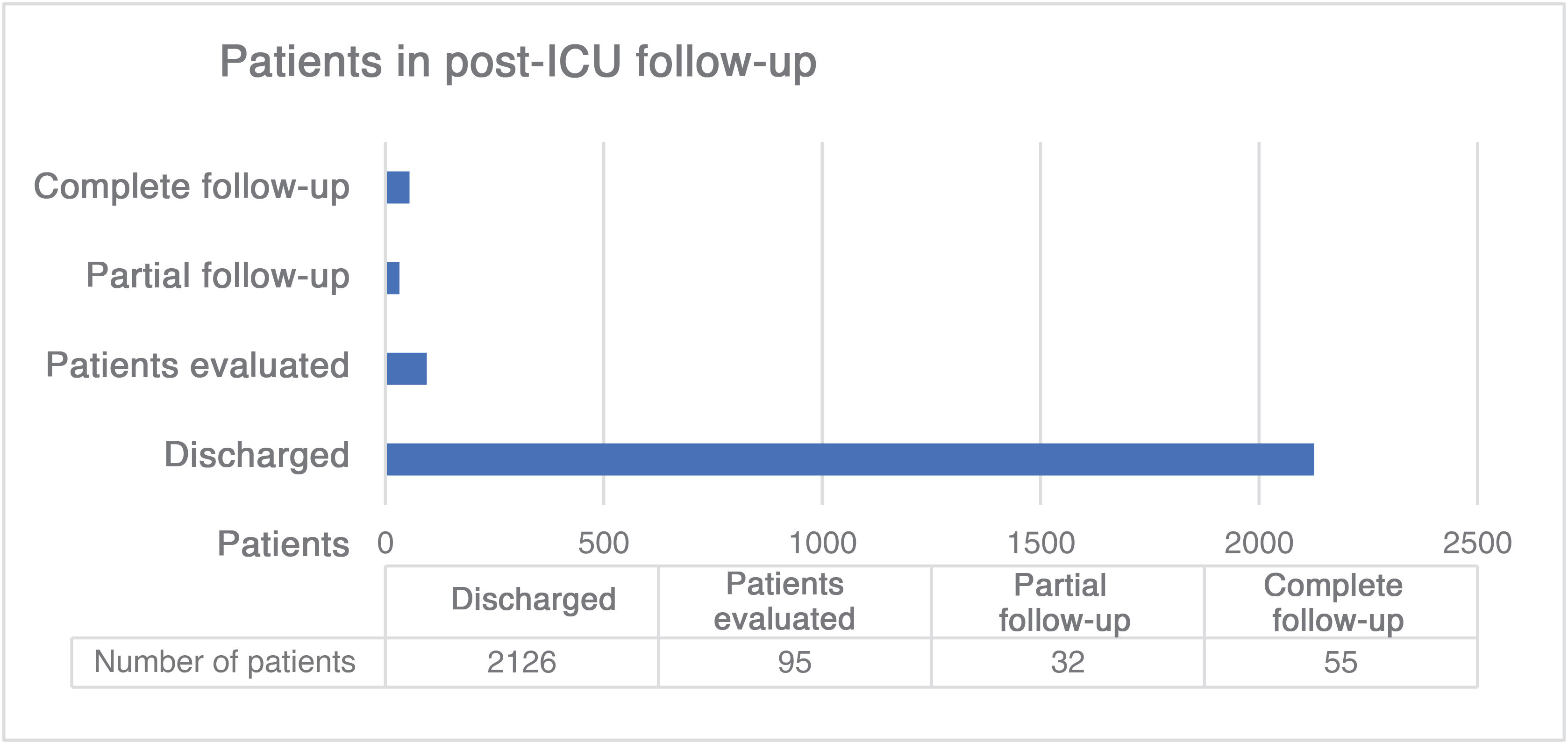
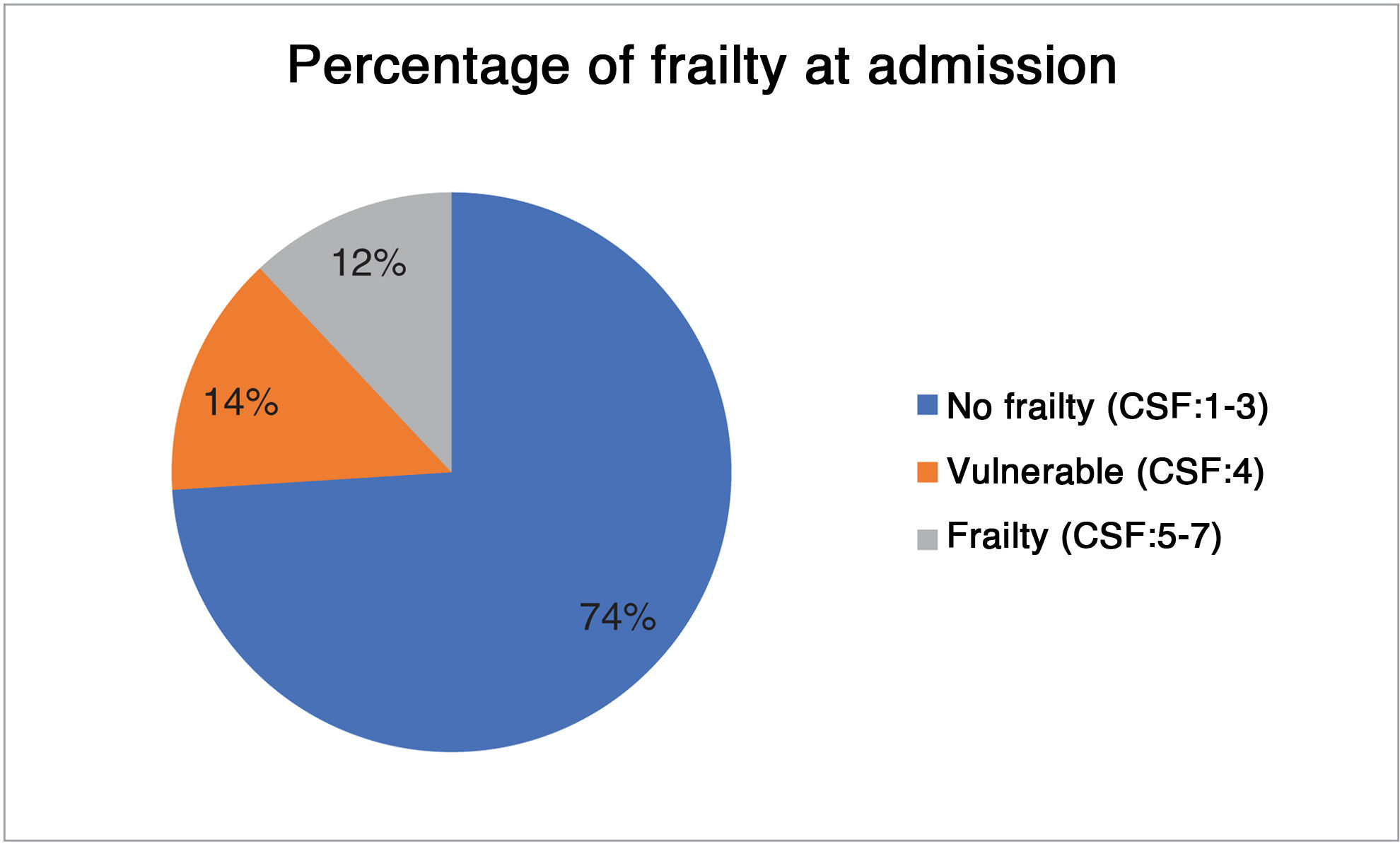
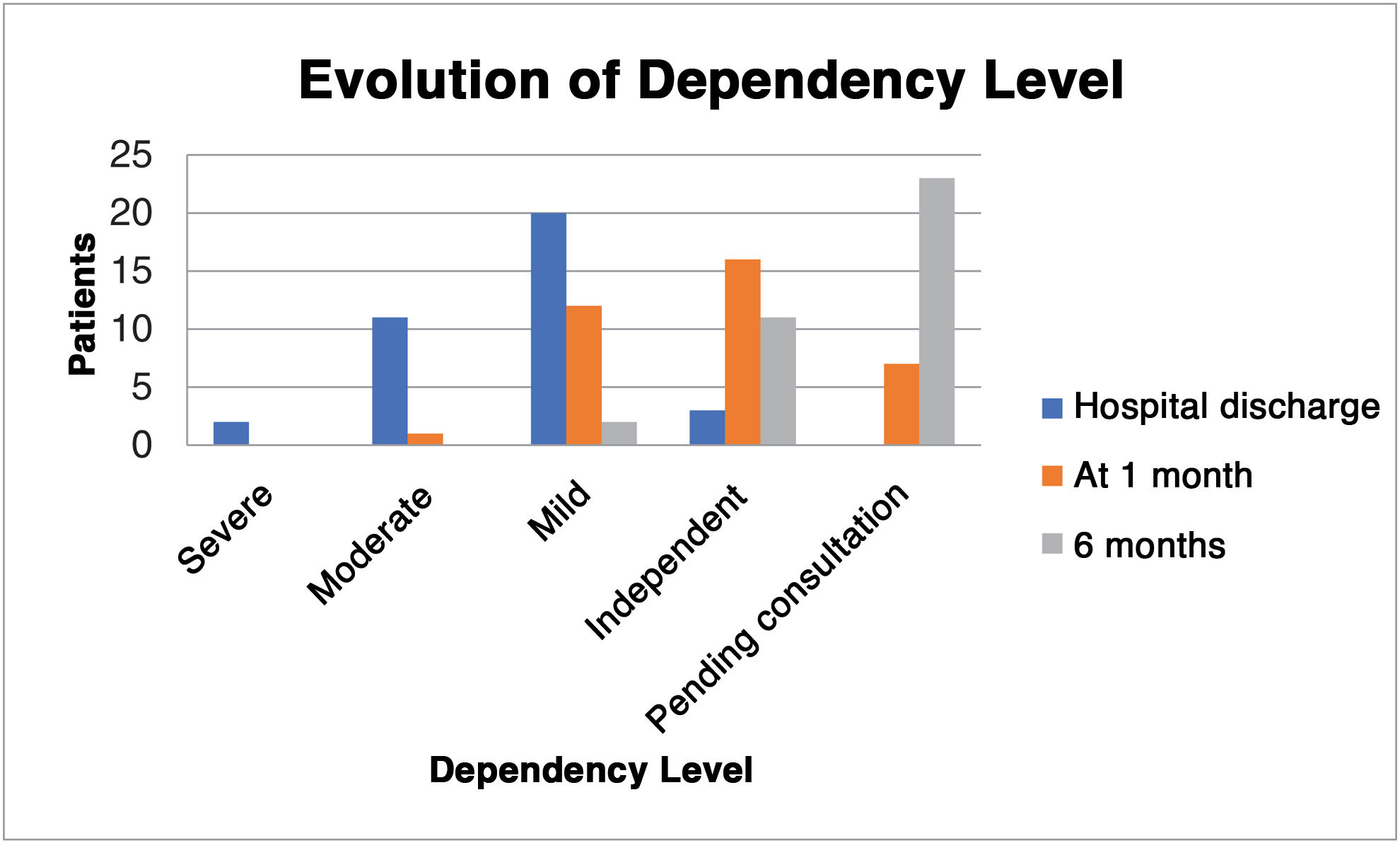
More than 665 adult inpatient beds are currently under surveillance. In the study period from February 2023 to January 2024, of the 2126 patients discharged from the critical care unit, 87 were in post-ICU follow-up, 55 in full follow-up and 32 in partial follow-up.
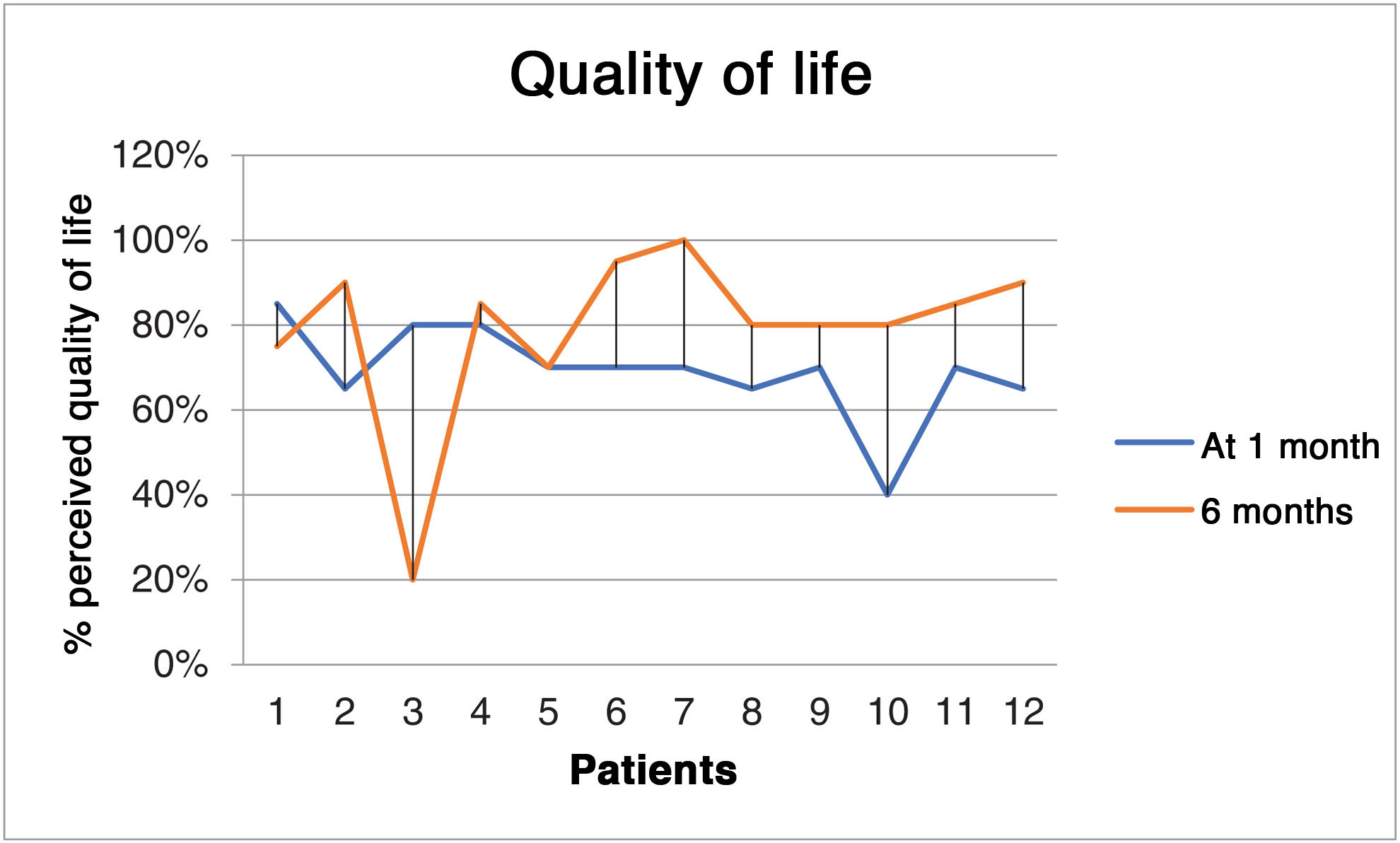
The implementation of a surveillance system, monitoring in the continuity of nursing care throughout the disease and during the recovery phases, at the different levels of care (critical care, hospitalisation, primary care), can prevent and/or minimise the physical, psychological and cognitive alterations of the post-ICU syndrome and can contribute to the recovery of the quality of life of patients and their families.
El agravamiento clínico de los pacientes ingresados en las plantas de hospitalización, caracterizado por anomalías fisiológicas, puede predecirse entre 6 y 24 h antes, y a menudo, depende de la capacidad de la enfermera para detectarlo de forma precoz. Además, los avances en el tratamiento y cuidado del paciente crítico han incrementado la supervivencia tras el alta de la unidad de cuidados intensivos (UCI). Esto, junto con el aumento de la gravedad, la fragilidad, las estancias prolongadas y las necesidades de tratamientos especiales, hace que los supervivientes de la UCI puedan presentar debilidad física y alteraciones mentales y/o cognitivas que perduren en el tiempo. En este contexto, es necesario proporcionar una atención personalizada que garantice la continuidad de los cuidados enfermeros, en los diferentes entornos asistenciales por los que transitan los pacientes y sus familias.
Es por todo ello, que se diseñó e implementó una consulta enfermera de continuidad de cuidados uniéndose a un sistema de vigilancia en todas las plantas de hospitalización y seguimiento enfermero para la prevención del síndrome post-UCI tras el alta de UCI.
En la actualidad están bajo vigilancia más de 665 camas de hospitalización de adultos. En el periodo de estudio comprendido entre febrero del 2023 y enero del 2024, de los 2126 pacientes dados de alta de unidad de críticos, 87 estaban seguimiento post-UCI, 55 en seguimiento completo y 32 en seguimiento parcial.
La implementación de un sistema de vigilancia, el seguimiento en la continuidad de cuidados enfermeros a lo largo de la enfermedad y durante las fases de recuperación en los diferentes niveles asistenciales (críticos, hospitalización, atención primaria), pueden prevenir y/o minimizar las alteraciones físicas, psicológicas y cognitivas del síndrome post-UCI pudiendo contribuir en la recuperación de la calidad de vida de los pacientes y sus familias.
Article
Diríjase al área de socios de la web de la SEEIUC, (https://seeiuc.org/mi-cuenta/iniciar-sesion/) y autentifíquese.