



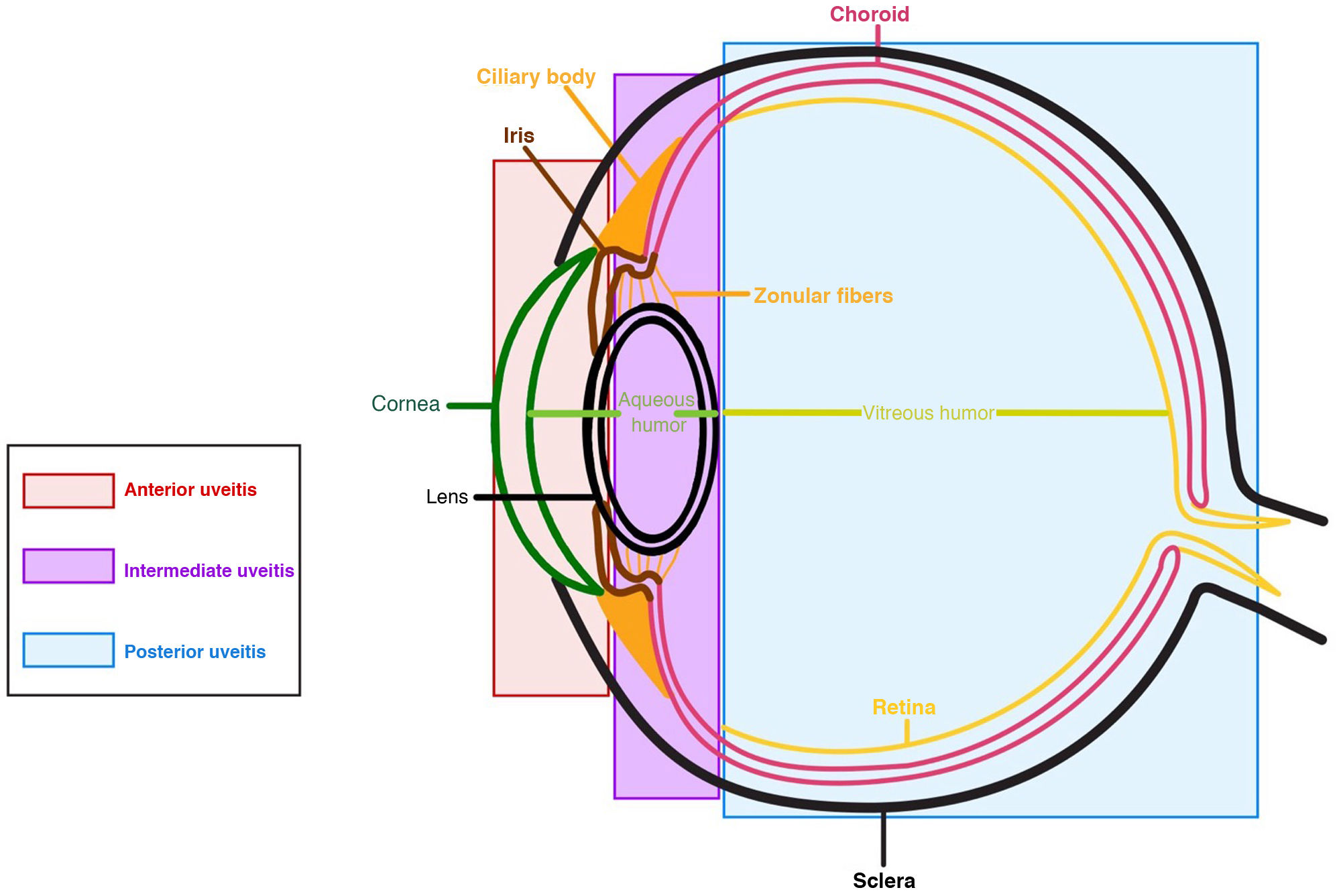


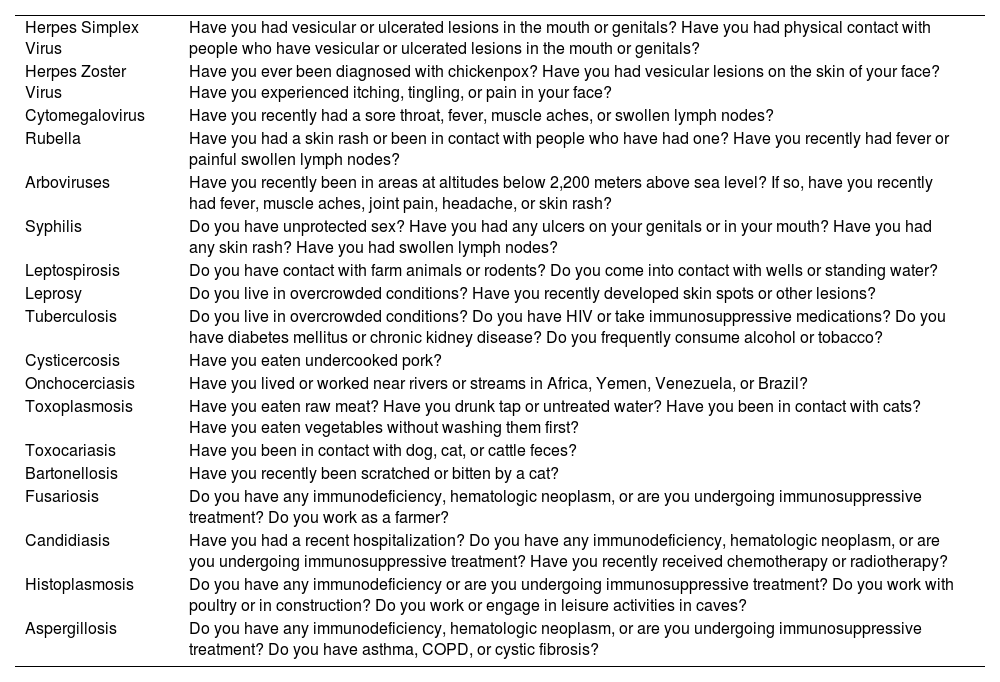
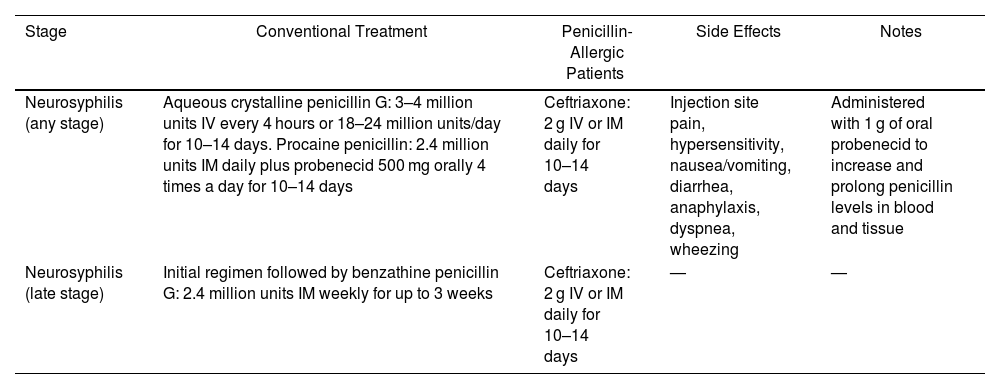
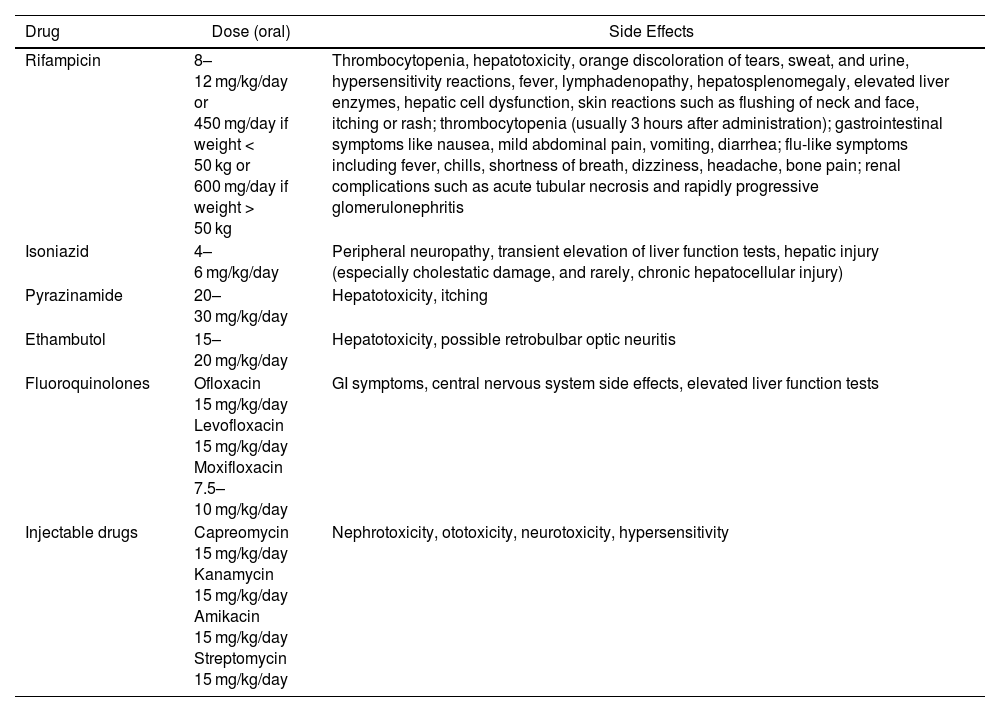
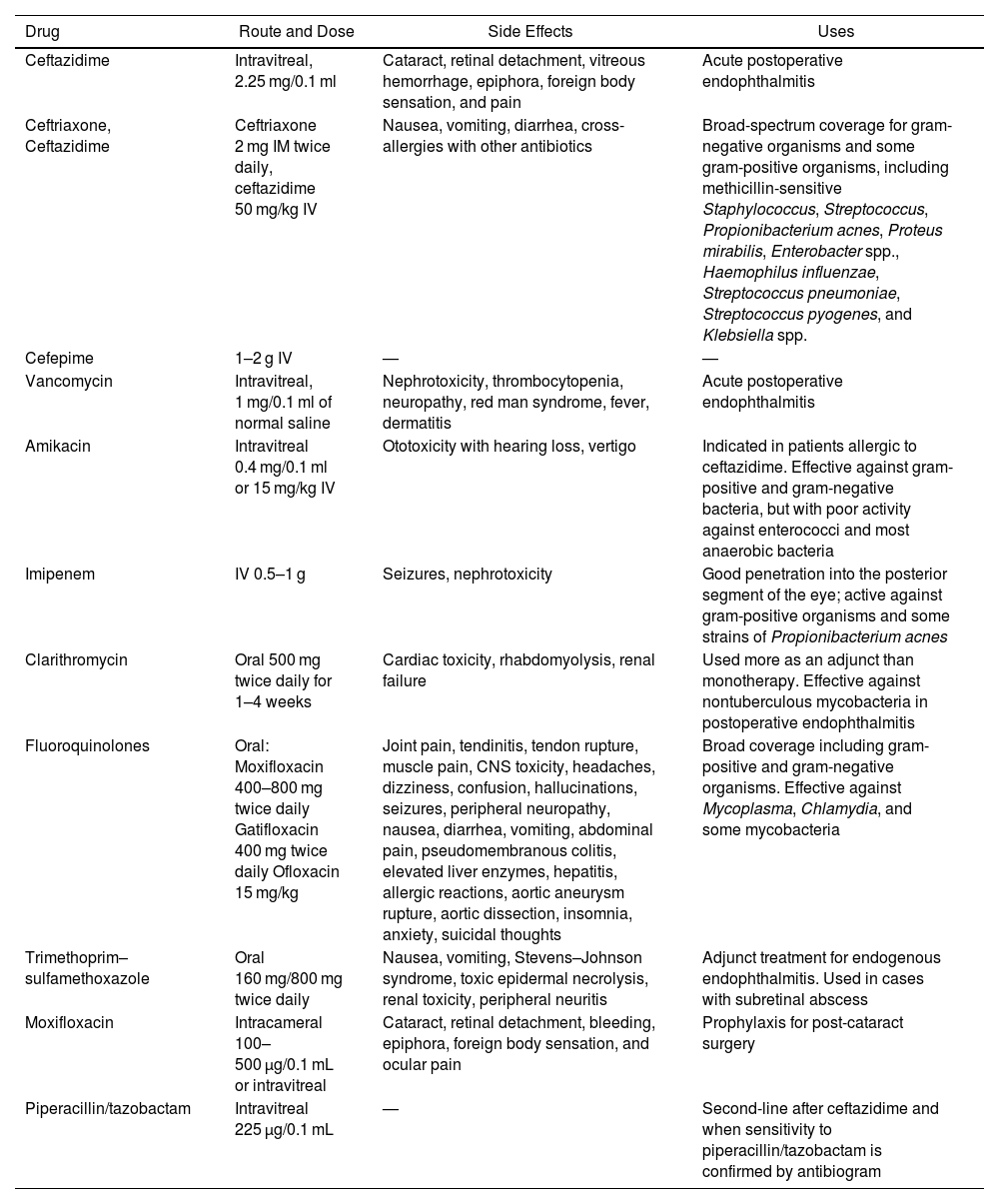
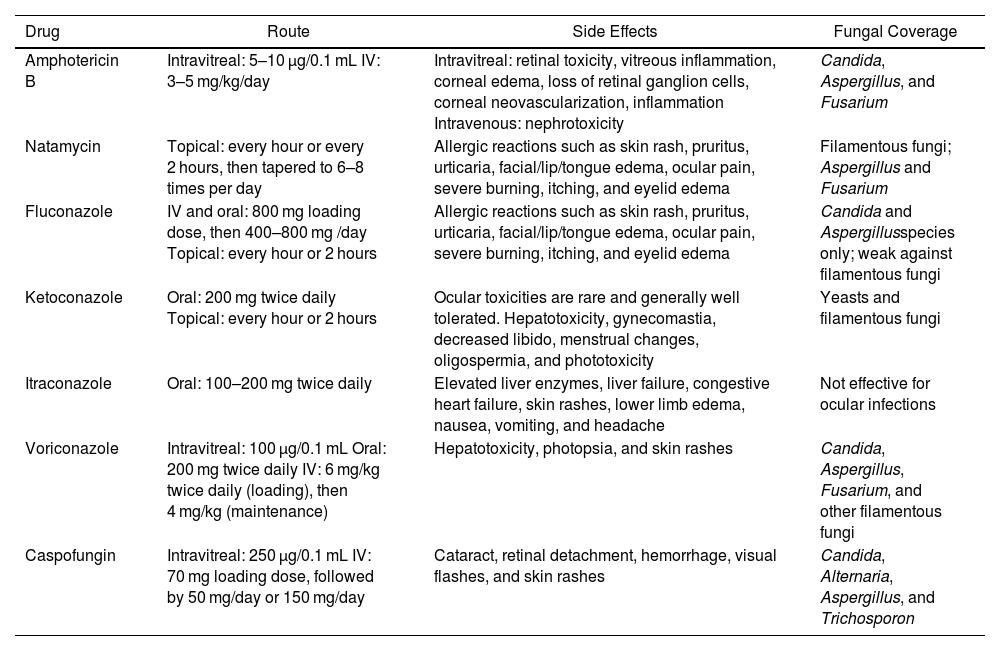
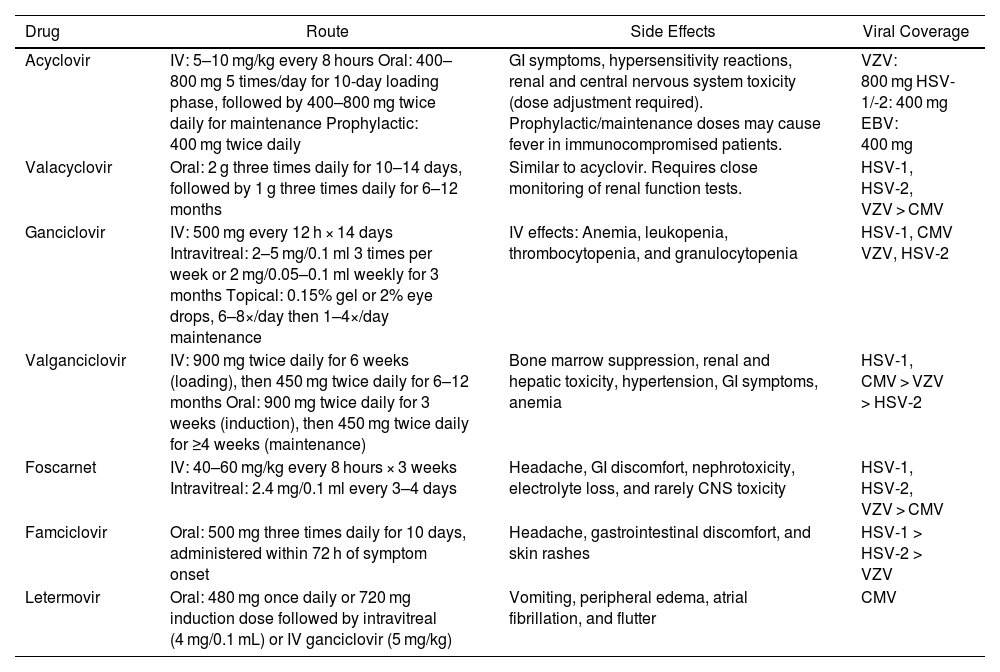
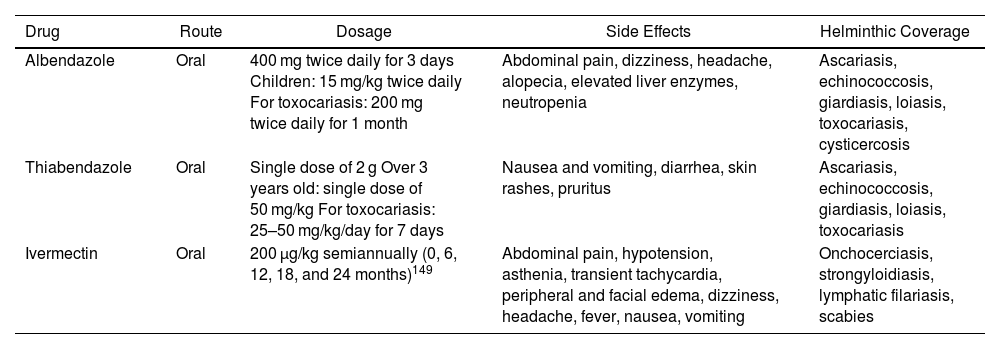
Infectious uveitis is an inflammation of the uveal tract, corresponding to the middle layer of the eye, triggered by a response against an infectious agent. This condition is classified into anterior, intermediate, posterior and panuveitis. The most frequent infectious agents in anterior uveitis are viruses, mainly Herpes simplex virus, although it can also be caused by other pathogens such as Bartonella spp., Mycobacterium tuberculosis and Fusarium spp. In intermediate uveitis, syphilis plays a predominant role, while in posterior uveitis various microorganisms are involved, among them Toxoplasma gondii, Cytomegalovirus, Plasmodium spp. and Candida spp. In certain cases, as in ocular toxoplasmosis, severe inflammation may involve the entire uvea, resulting in panuveitis.
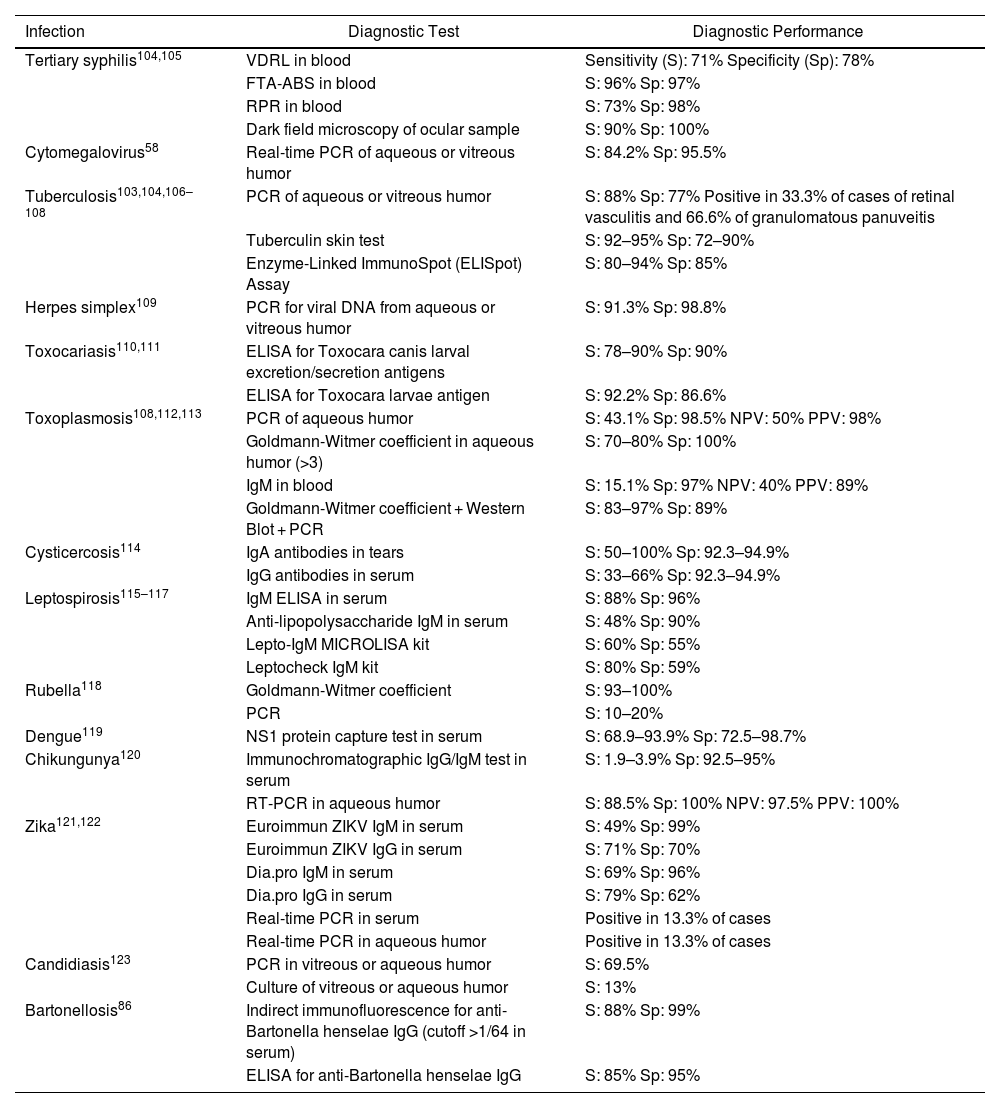
Clinical manifestations of uveitis include ocular pain, redness, myodesopsias, blurred vision, and even loss of vision. Direct identification of the causative agent is complex, and the diagnostic performance of available tests varies significantly. For example, polymerase chain reaction (PCR) on ocular specimens for Herpes simplex virus has a sensitivity of 91.3% and specificity of 98.8%, while for toxoplasmosis the sensitivity is 43.1% and specificity 98.5%. Another challenge in infectious uveitis is treatment, as systemic antimicrobials generally have a low penetration into ocular tissue, mostly less than 5%, mainly due to the blood-retinal and blood-aqueous barriers. The efficacy of the molecules in ocular tissue is favored by low protein binding and high liposolubility.
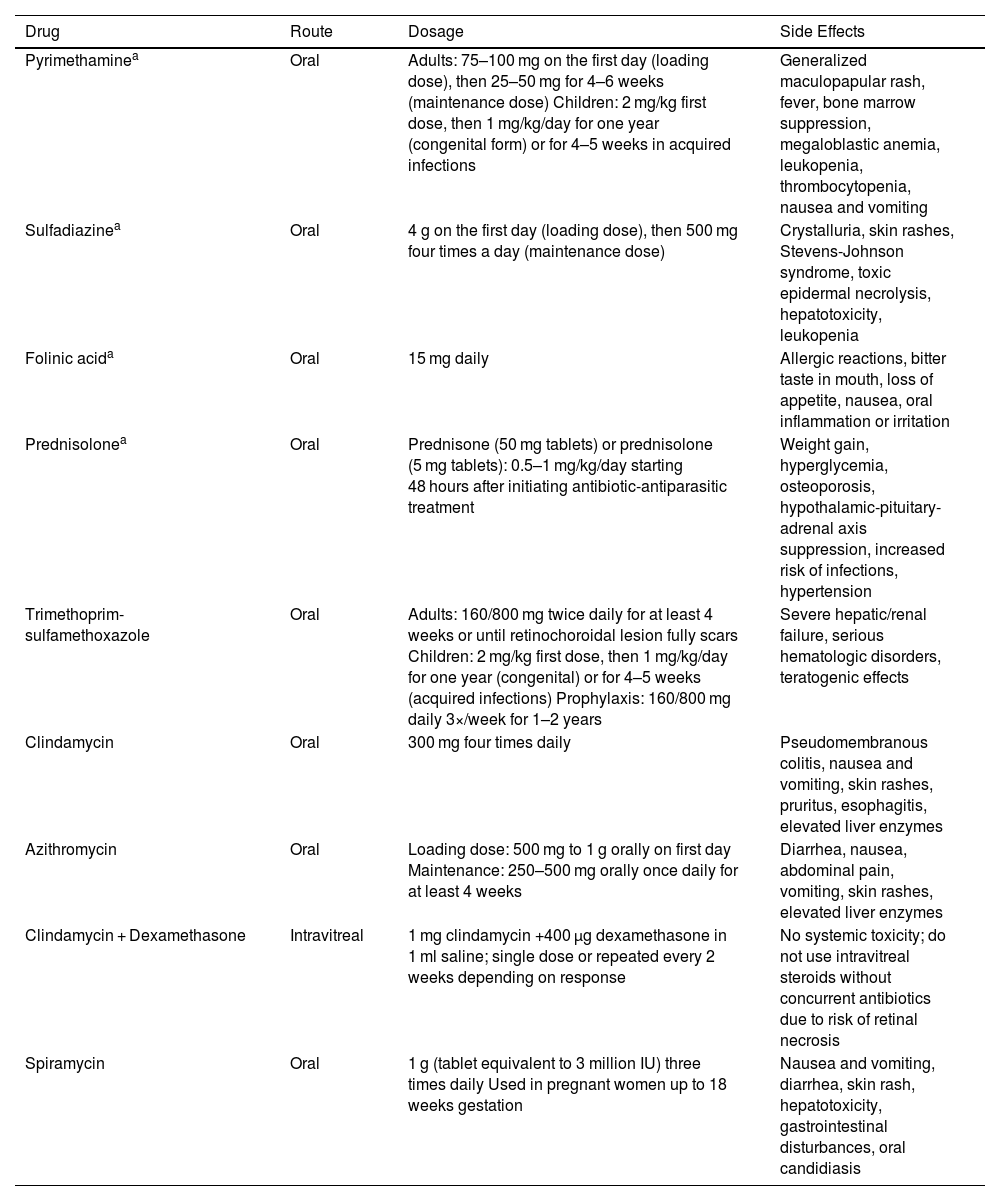
This review addresses the most frequent clinical manifestations of bacterial, viral, parasitic and fungal etiologies of infectious uveitis, as well as the diagnostic performance of available tests. In addition, emphasis is placed on the different therapeutic approaches depending on the etiology.
La uveítis infecciosa es una inflamación del tracto uveal, que corresponde a la capa media del ojo, desencadenada por una respuesta frente a un agente infeccioso. Esta condición se clasifica en anterior, intermedia, posterior y panuveítis. Los agentes infecciosos más frecuentes en la uveítis anterior son los virus, principalmente el virus del Herpes simple, aunque también puede ser ocasionada por otros patógenos como Bartonella spp., Mycobacterium tuberculosis y Fusarium spp. En la uveítis intermedia, la sífilis juega un papel preponderante, mientras que en la uveítis posterior se encuentran implicados diversos microorganismos, entre ellos Toxoplasma gondii, Citomegalovirus, Plasmodium spp. y Candida spp. En ciertos casos, como en la toxoplasmosis ocular, la inflamación severa puede comprometer toda la úvea, resultando en una panuveítis.
Las manifestaciones clínicas de la uveítis incluyen fotofobia, dolor ocular, enrojecimiento, miodesopsias, visión borrosa e incluso pérdida de la visión que pueden variar de acuerdo con la localización anatómica y severidad. La identificación directa del agente causal es compleja, y el rendimiento diagnóstico de las pruebas disponibles varía significativamente. Por ejemplo, la reacción en cadena de la polimerasa (PCR) en muestras oculares para el virus del Herpes simple presenta una sensibilidad del 91,3% y una especificidad del 98,8%, mientras que para la toxoplasmosis la sensibilidad es del 43,1% y la especificidad del 98,5%. Otro desafío en la uveítis infecciosa es el tratamiento, ya que los antimicrobianos sistémicos generalmente tienen una baja penetración en el tejido ocular, en su mayoría menor al 5%, debido principalmente a las barreras hematorretiniana y hematoacuosa. La eficacia de las moléculas en el tejido ocular se ve favorecida por una baja unión a proteínas y una alta liposolubilidad.
Esta revisión aborda las manifestaciones clínicas más frecuentes de las etiologías bacterianas, virales, parasitarias y fúngicas de la uveítis infecciosa, así como el rendimiento diagnóstico de las pruebas disponibles. Además, se hace énfasis en los diferentes abordajes terapéuticos según la etiología.

