

metricas
covid
Radiología (English Edition) Diastematomyelia on imaging: Clinical and radiological considerations of this sp...
Journal Information
Vol. 67. Issue 5.
(September - October 2025)
Visits
5
Vol. 67. Issue 5.
(September - October 2025)
Radiology through images
Diastematomyelia on imaging: Clinical and radiological considerations of this spinal abnormality
Diastematomielia en imágenes: consideraciones clínicas y radiológicas de esta anomalía espinal
Visits
5
P. Briceño Torralba
Corresponding author
palomabtvo@gmail.com

Corresponding author.
, E. Sierra Beltrán, A. Aranaz Murillo, A.C. Vela Marín, C. Bernal Lafuente, P. Seral Moral
Servicio de Radiología, Hospital Universitario Miguel Servet, Zaragoza, Spain
This item has received
Article information
Abstract
Full Text
Bibliography
Download PDF
Statistics
Figures (10)
Show moreShow less
Tables (1)
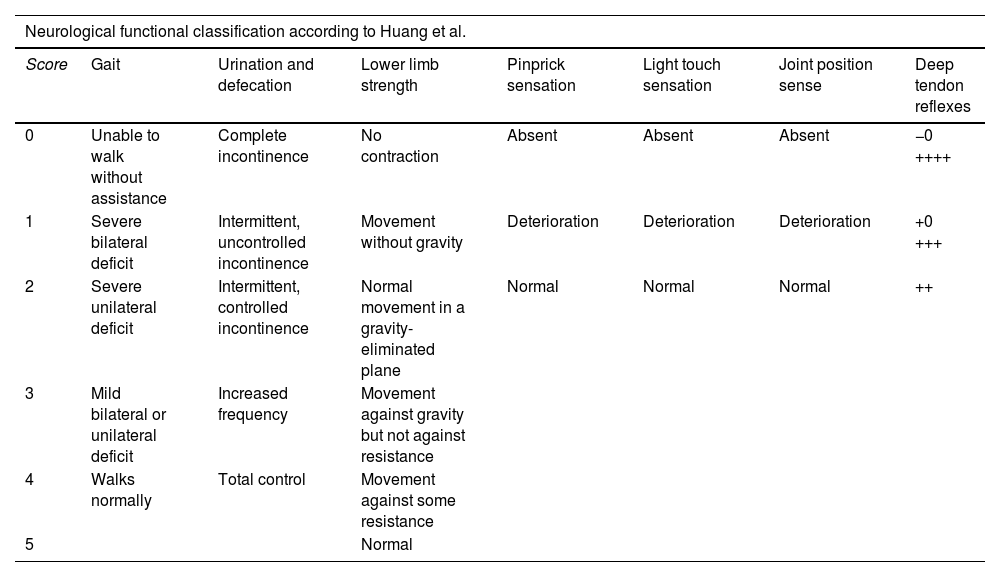
Table 1. Neurological functional classification according to Huang et al.13
Tables
Abstract

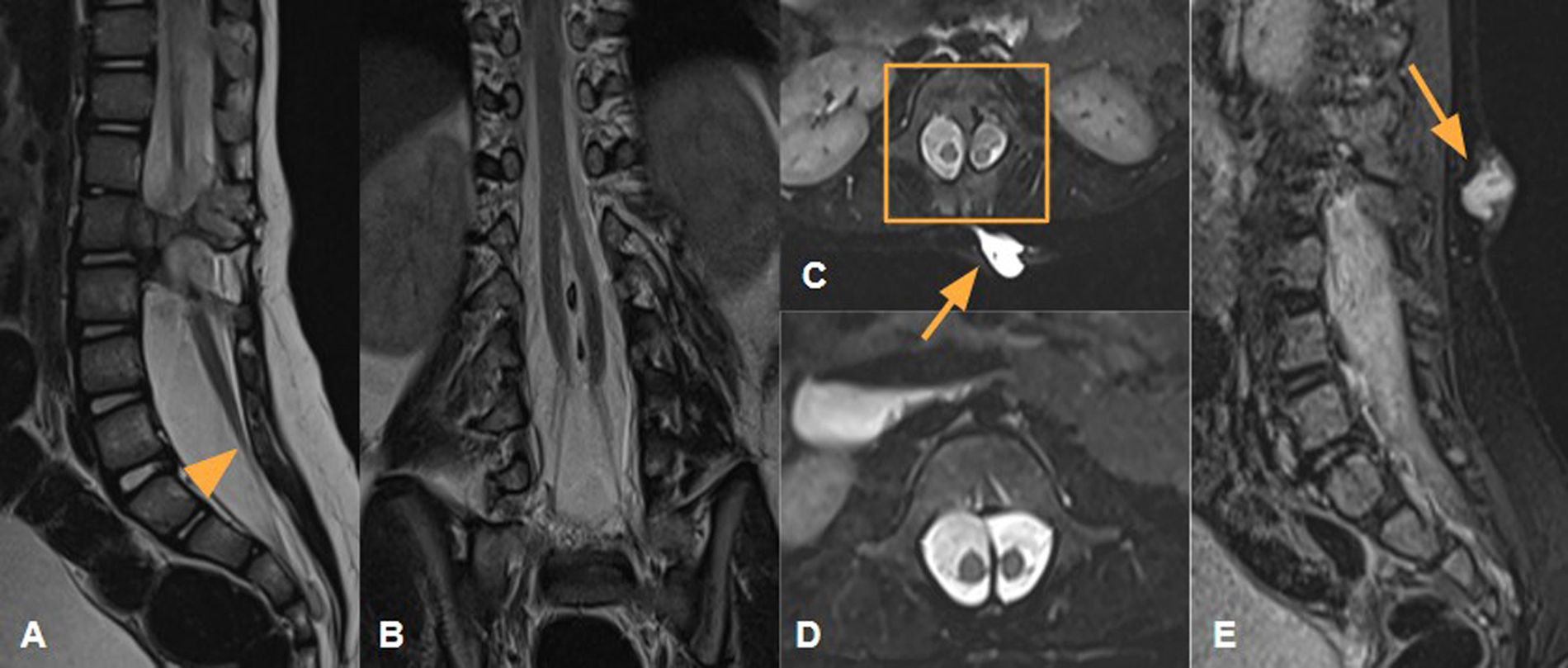
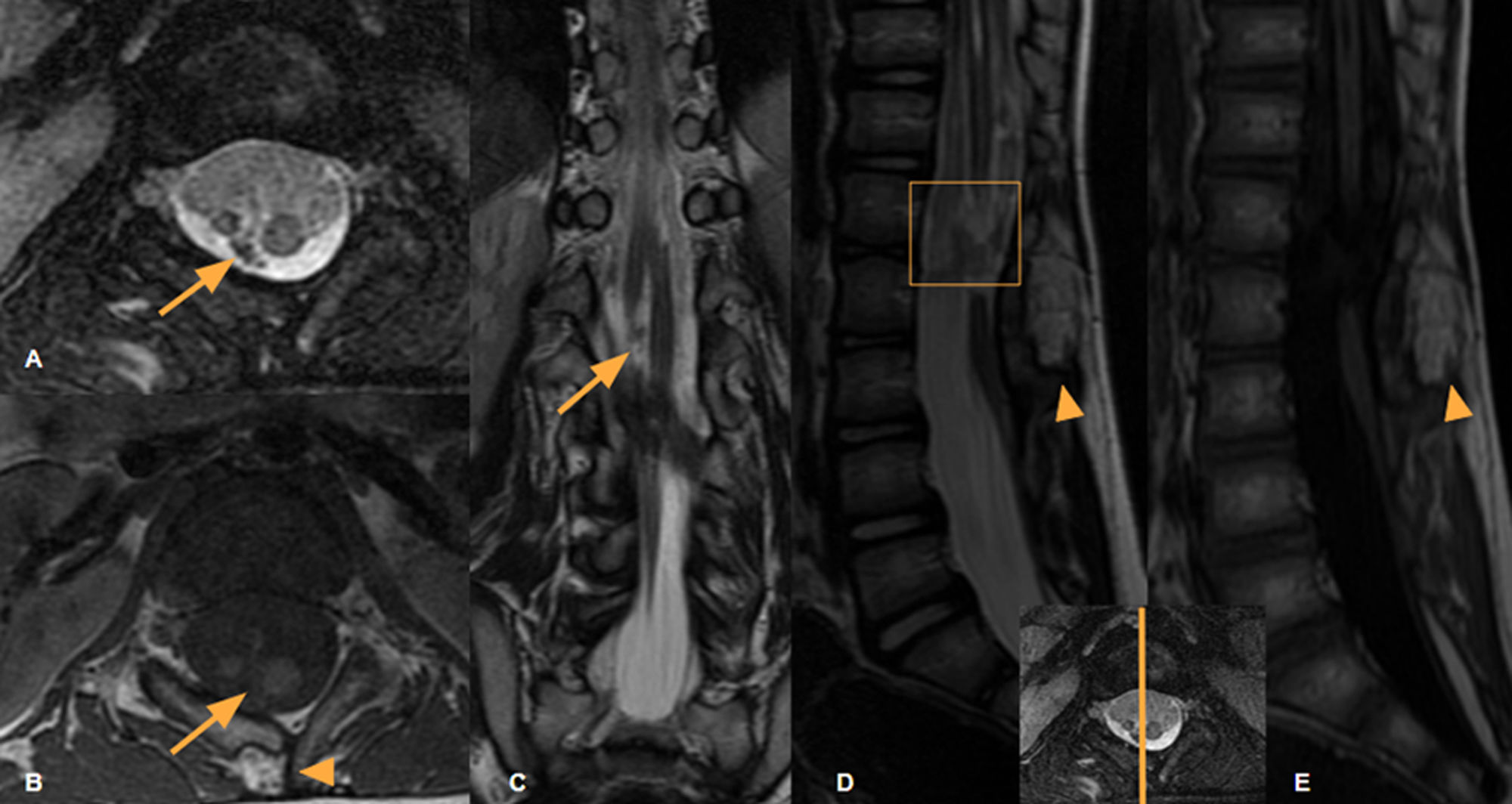
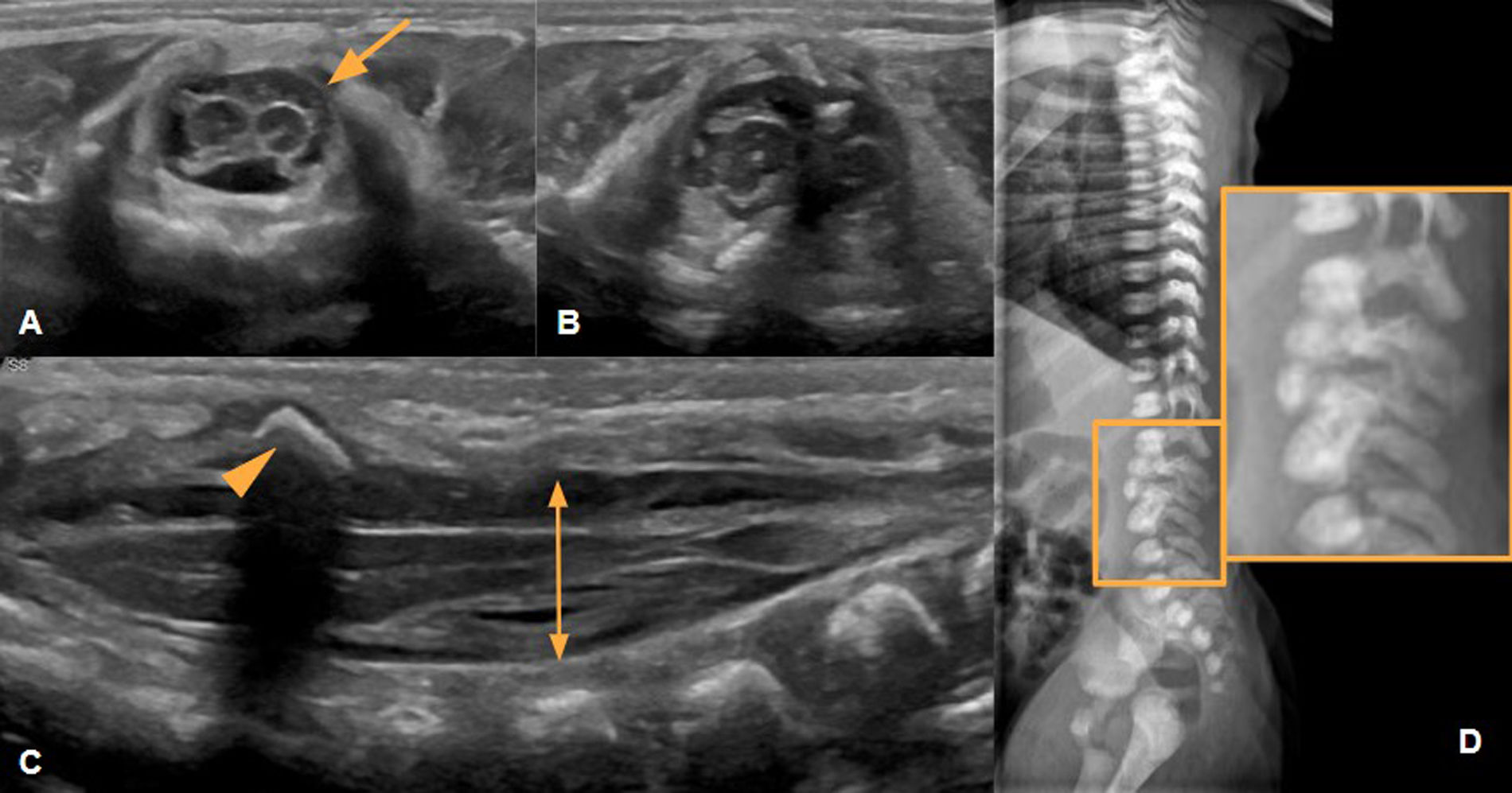
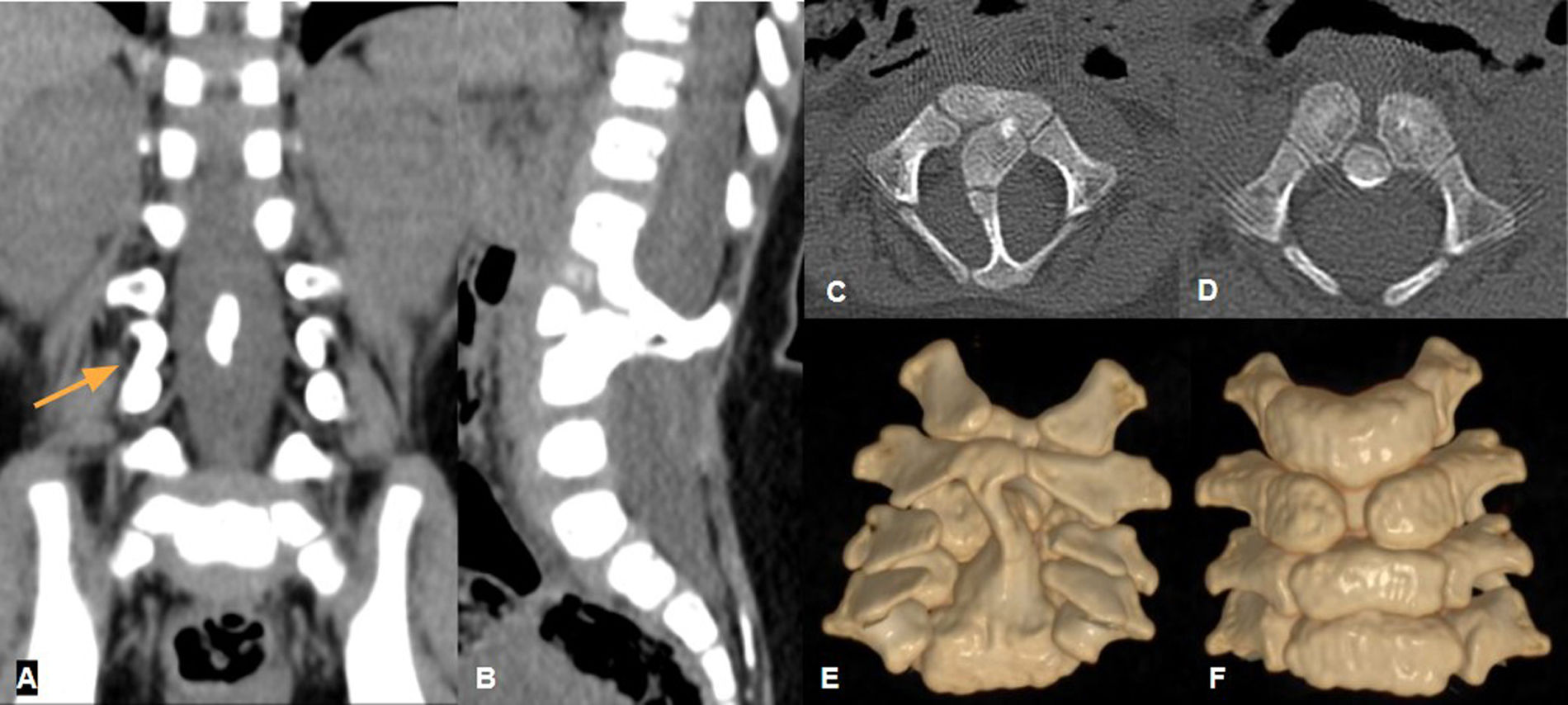
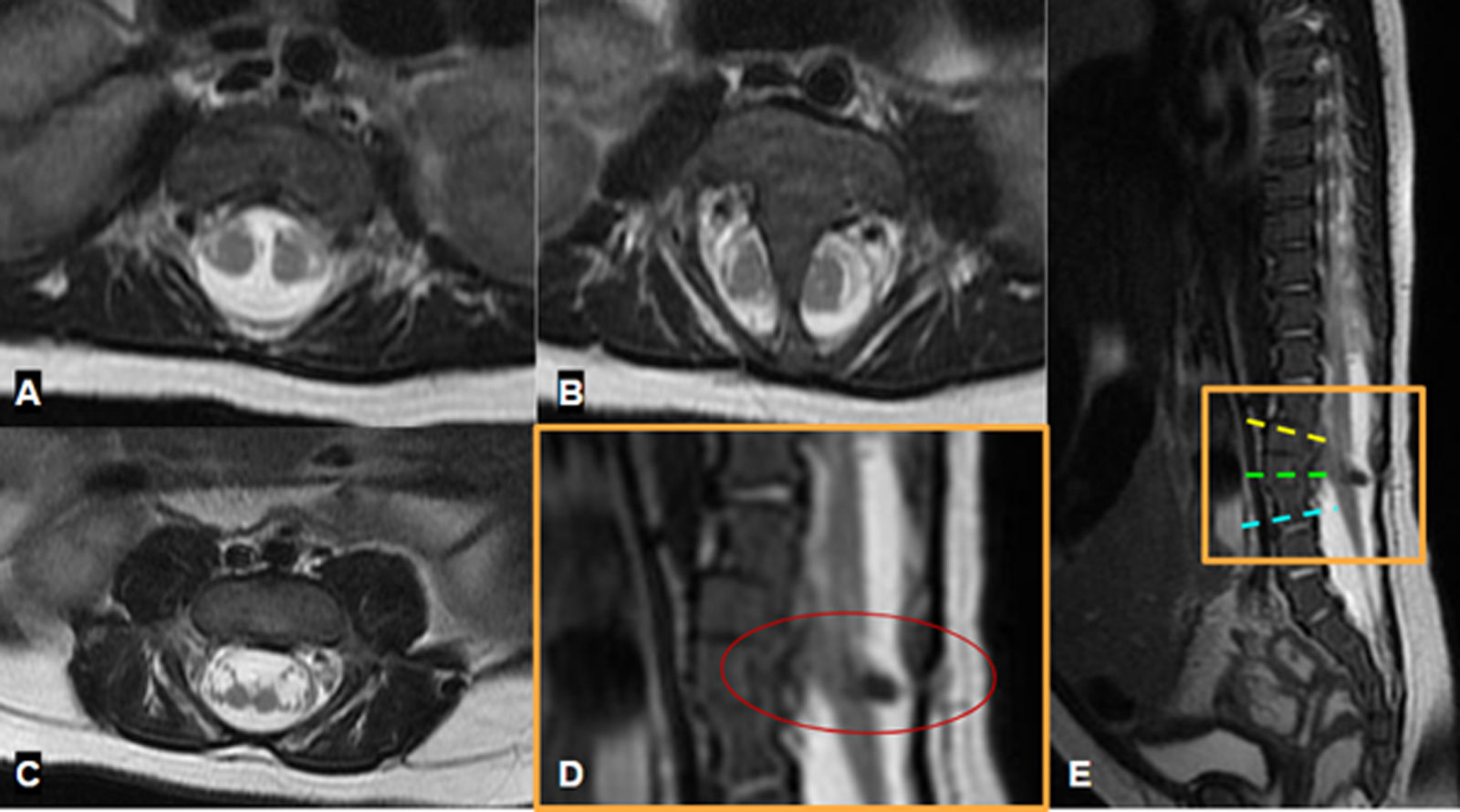
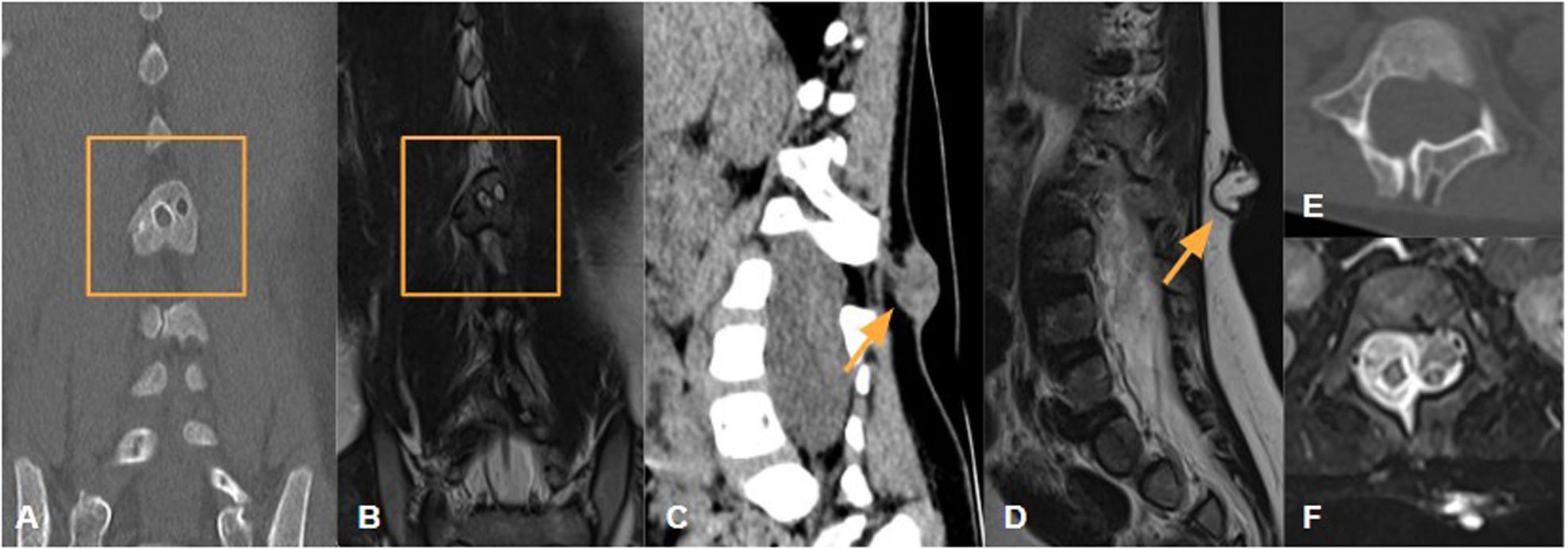
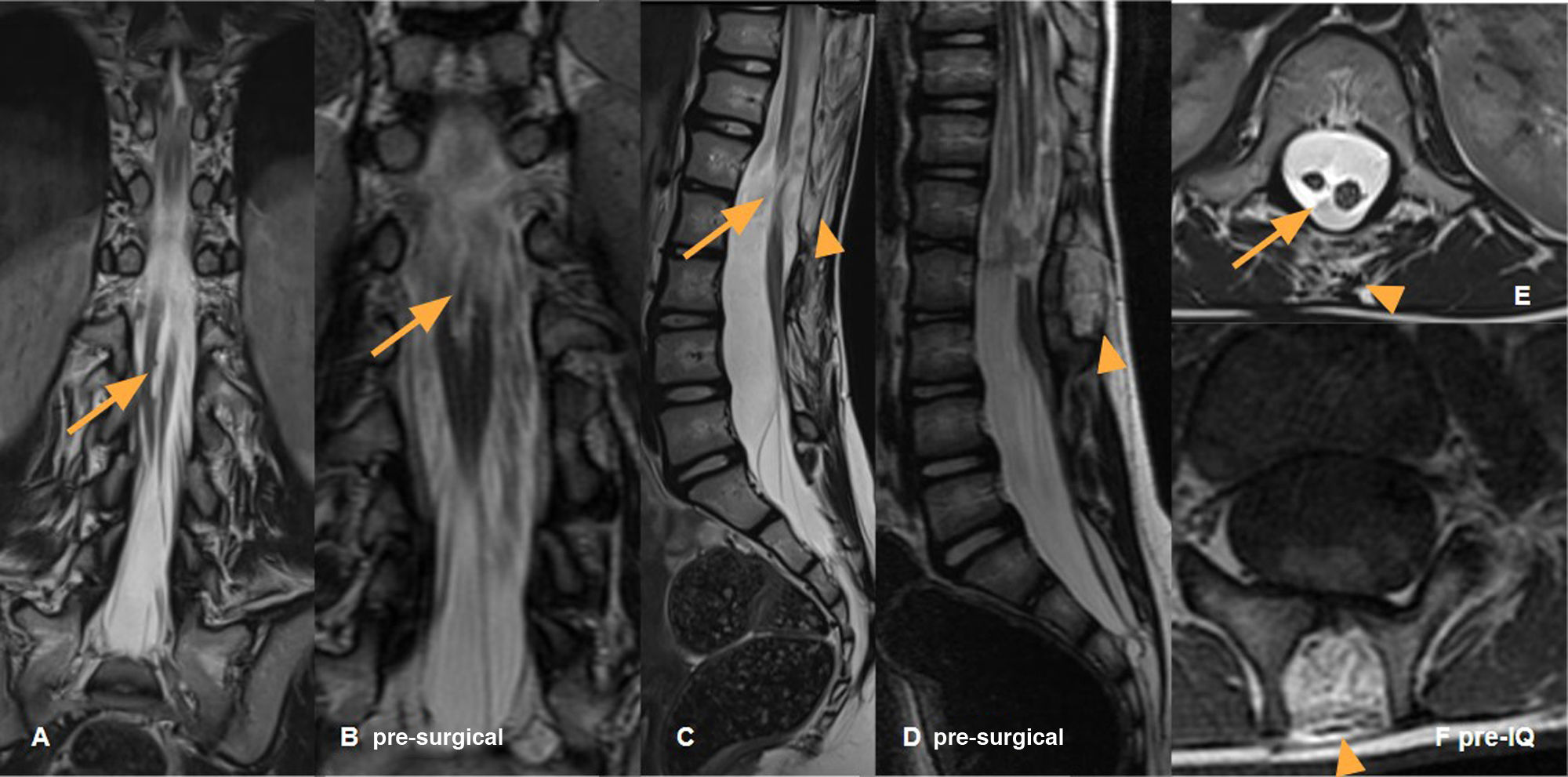
Diastematomyelia, a rare congenital anomaly of the spine, is characterised by the division of the spinal cord and is often associated with other spinal and cutaneous malformations. Diagnosis is primarily conducted via prenatal ultrasound and fetal Magnetic Resonance Imaging (MRI). The postnatal evaluation is carried out using Computed Tomography (CT) and MRI, which are essential for comprehensive assessment and therapeutic planning. Prognosis depends on the presence of neurological symptoms, whose severity may correlate with specific radiological findings. Treatment ranges from surgery in symptomatic cases to observation in asymptomatic patients. This article reviews diastematomyelia, providing illustrative images from postnatal CT and MRI to emphasize the importance of comprehensive evaluation in ensuring an accurate diagnosis that guides appropriate clinical management.

Keywords:
Diastematomyelia
Neural tube defects
Spinal dysraphism
Diagnosis
Radiology
Magnetic resonance imaging (MRI)
Computed tomography (CT)
Resumen

La diastematomielia, una rara anomalía congénita de la columna vertebral, se caracteriza por la división de la médula espinal y a menudo se asocia con otras malformaciones espinales y cutáneas. Su diagnóstico se realiza principalmente mediante ecografía prenatal y resonancia magnética (RM) fetal. La evaluación postnatal se lleva a cabo con tomografía computarizada (TC) y RM, que son esenciales para una evaluación integral y la planificación terapéutica. El pronóstico depende de la presencia de síntomas neurológicos, cuya gravedad puede correlacionarse con hallazgos radiológicos específicos. El tratamiento varía desde la cirugía en casos sintomáticos hasta la observación en pacientes asintomáticos. Este artículo revisa la diastematomielia aportando imágenes ilustrativas de TC y RM postnatal para recalca la importancia de su evaluación integral para garantizar un diagnóstico preciso que guíe el manejo clínico adecuado.


Palabras clave:
Diastematomielia
Defectos del tubo neural
Disrafismos espinales
Diagnóstico
Radiología
Resonancia magnética (RM)
Tomografía computarizada (TC)

Article

These are the options to access the full texts of the publication Radiología (English Edition)
Subscriber
Subscriber

If you already have your login data, please click here .

If you have forgotten your password you can you can recover it by clicking here and selecting the option “I have forgotten my password”
Purchase
Purchase article

Purchasing article the PDF version will be downloaded

Purchase now
Contact
Phone for subscriptions and reporting of errors
From Monday to Friday from 9 a.m. to 6 p.m. (GMT + 1) except for the months of July and August which will be from 9 a.m. to 3 p.m.
Calls from Spain
932 415 960
Calls from outside Spain
+34 932 415 960
E-mail
Article options
Tools
