





This study aimed to evaluate the efficacy and safety of ticagrelor-based dual antiplatelet therapy (DAPT) compared to clopidogrel-based DAPT in patients with chronic coronary syndrome (CCS) undergoing elective percutaneous coronary intervention (PCI) in a real-world setting.
Methods and resultsThis was a retrospective, single-centre study including consecutive CCS patients discharged on DAPT after elective PCI between 2019 and 2022. Propensity score matching (PSM) was performed to account for confounding factors, including clinical, angiographic, and procedural variables. The primary endpoint was the incidence of major adverse cardiovascular events (MACE) at 1-year follow-up, defined as a composite of all-cause death, non-fatal myocardial infarction, and non-fatal stroke. Secondary endpoints included the individual components of MACE and major bleeding, A total of 1236 patients were included, 731 treated with ticagrelor and 505 with clopidogrel. Before matching, ticagrelor prescription was associated with higher thrombotic risk and lower bleeding risk profile. PSM resulted in 351 pairs. Ticagrelor was associated with a lower 1-year incidence of MACE (2.3% vs. 6.6%; HR 0.34, 95% CI 0.15–0.76; p=0.008) and all-cause mortality (2.3% vs. 5.1%; HR 0.43, 95% CI 0.19–0.99; p=0.049). No significant differences were observed in non-fatal myocardial infarction, non-fatal stroke, or major bleeding.
ConclusionIn this cohort of patients with CCS undergoing PCI, ticagrelor was associated with a lower incidence of MACE at 1-year follow-up compared to clopidogrel, without an increase in major bleeding. Dedicated randomised controlled trials are needed to confirm these findings.
Evaluar la eficacia y seguridad de la doble terapia antiplaquetaria (DAPT) basada en ticagrelor frente a clopidogrel en pacientes con síndrome coronario crónico (SCC) sometidos a intervención coronaria percutánea (ICP) electiva en vida real.
Métodos y resultadosEstudio retrospectivo y unicéntrico que incluyó pacientes consecutivos con SCC, dados de alta con DAPT tras ICP electiva entre 2019 y 2022. Se realizó un emparejamiento por puntuación de propensión (PSM) para ajustar factores de confusión. El objetivo primario fue la incidencia de eventos cardiovasculares adversos mayores (MACE) a un año, compuesto por mortalidad por cualquier causa, infarto de miocardio (IAM) no fatal y accidente cerebrovascular no fatal. Los objetivos secundarios incluyeron los componentes individuales de MACE y el sangrado mayor. Se incluyeron 1,236 pacientes (731 con ticagrelor y 505 con clopidogrel). Antes del emparejamiento, ticagrelor se asoció con mayor riesgo trombótico y menor riesgo de sangrado. Tras el PSM (351 pares), ticagrelor mostró una menor incidencia de MACE a un año (2.3% vs. 6.6%; HR 0.34, IC 95% 0.15-0.76; p=0.008) y menor mortalidad por cualquier causa (2.3% vs. 5.1%; HR 0.43, IC 95% 0.19-0.99; p=0.049), sin diferencias significativas en IAM no fatal, accidente cerebrovascular no fatal o sangrado mayor.
ConclusiónEn esta cohorte de pacientes con SCC sometidos a ICP, ticagrelor se asoció con una menor incidencia de MACE a un año de seguimiento en comparación con clopidogrel, sin un aumento en el sangrado mayor. Se requieren ensayos controlados aleatorizados específicos para confirmar estos hallazgos.
Dual antiplatelet therapy (DAPT) is the standard antithrombotic therapy after percutaneous coronary intervention (PCI) to prevent stent thrombosis and reduce major adverse cardiovascular events.1
DAPT comprises the concomitant administration of acetylsalicylic acid and a P2Y12 inhibitor. Among P2Y12 inhibitors, ticagrelor and prasugrel are considered potent agents compared to clopidogrel, showing higher efficacy and less variable platelet inhibition.2 The choice of P2Y12 inhibitor and the duration of therapy are influenced by multiple factors, including the clinical indication for PCI, the bleeding risk and the complexity of target coronary lesions.3
In acute coronary syndrome (ACS), potent P2Y12 inhibitors are recommended over clopidogrel, except in individuals at high bleeding risk.4,5 Conversely, in the context of chronic coronary syndromes (CCS), current guidelines do not endorse the routine use of potent P2Y12 inhibitors due to insufficient evidence supporting their benefit.6,7 Nevertheless, off-label prescription of potent P2Y12 inhibitors is becoming increasingly common in clinical practice, particularly among patients with high thrombotic risk who might experience greater benefit from their more potent antiplatelet effect.8,9
The aim of this study was to evaluate the efficacy and safety of a ticagrelor-based DAPT compared to clopidogrel-based DAPT in CCS patients undergoing elective PCI in a real-world setting.
Materials and methodsStudy design and settingWe conducted a single-centre observational cohort study using routinely collected data from electronic health records. Consecutive adults discharged after elective PCI at Reina Sofía University Hospital (Córdoba, Spain) between 2019 and 2022 were identified from institutional databases. Two exposure groups were compared at 1 year (ticagrelor-based vs. clopidogrel-based DAPT). Patients were matched 1:1 using propensity score matching based solely on pre-treatment variables. Outcomes were prespecified and ascertained from the medical record up to 1 year after the index procedure. Data abstraction was performed after the inclusion period from routine clinical records, without additional patient contact. The antithrombotic regimen was selected jointly by the treating interventional cardiologist and the responsible clinical cardiologist during the index hospitalization, in accordance with international guideline recommendations and tailored to each patient's clinical and angiographic characteristics.5 This study was conducted according to the Declaration of Helsinki and was approved by the local clinical research ethics committee.
PopulationAll patients with CCS discharged on DAPT after elective PCI during the study period were eligible for inclusion. Patients receiving prasugrel-based DAPT, those requiring anticoagulation, and those who relocated to another healthcare area were excluded.
Endpoints and definitionsThe primary endpoint was a composite of major adverse cardiovascular events (MACE) at 1-year follow-up, including all-cause death, non-fatal myocardial infarction and non-fatal stroke. Secondary endpoints included the individual components of MACE and major bleeding at 1-year follow-up. Major bleeding was defined as a bleeding event type >3 according to the Bleeding Academic Research Consortium (BARC).10 The individual risk of bleeding associated with DAPT was calculated using the PRECISE-DAPT score.11 Short DAPT was defined as discontinuation of the P2Y12 inhibitor before 3 months, while long DAPT was defined as being maintained for more than 6 months. Events were independently adjudicated by two cardiologists who were unaware of the DAPT regimen.
Statistical analysisData were summarised as counts and percentages for qualitative variables and as mean and standard deviation or median and interquartile range for continuous variables, depending on the distribution. Patients treated with ticagrelor were propensity-score matched (PSM) to those treated with clopidogrel to account for confounding. Propensity scores were calculated using a logistic regression model, with the P2Y12 inhibitor as the dependent variable and covariates selected based on prior clinical knowledge of their prognostic impact. These covariates included: age, female, body mass index, hypertension, diabetes, hypercholesterolemia, smoking, peripheral artery disease, hematologic disorder, liver disease, cancer history, prior bleeding, chronic obstructive pulmonary disease, haemoglobin, estimated glomerular filtration rate, DAPT duration, PRECISE-DAPT score, multivessel disease, bifurcation lesion, calcified lesion, chronic total occlusion (CTO), long lesion (>20mm), left main coronary artery PCI. There were no missing data for these variables. The nearest neighbour matching method with no replacement, and a calliper width of 0.1 were used in the PSM on a 1:1 ratio. Standardised mean differences before and after the PSM were used to evaluate the balance of the groups regarding the covariates. A standardised mean difference (SMD) of <10% was considered to indicate an adequate balance. We evaluated propensity score distributional balance using histograms before and after matching; with adequate overlap after PSM. Time-to-event outcomes were analysed using Kaplan–Meier and Cox proportional hazards methods in the global and matched cohorts. The proportional-hazards assumption was assessed with the use of Schoenfeld residuals. As a sensitivity analysis, we reported the E-value for the primary endpoint, which quantifies, on the risk-ratio scale, the minimum strength of association an unmeasured confounder would need with both treatment and outcome to explain away the observed effect. Statistical analyses were performed using R software (version 4.4.2; R Foundation for Statistical Computing, Austria) with “MatchIt” and “cobalt” packages.
ResultsDuring the study period, 1563 PCIs were performed in patients with CCS, 1236 patients met the eligibility criteria and were included in the analysis (Fig. 1 of supplementary material). Of them, 731 were treated with ticagrelor (59.1%) while 505 were treated with clopidogrel (40.9%). PSM resulted in 351 pairs. Before matching, those on ticagrelor-based DAPT were younger (63.8±9.5 vs. 71.8±10.7 years), less likely women (21.2% vs. 31.1%] and had a more frequent smoking history (29.3% vs. 16.0%). Among those treated with clopidogrel, there was a higher proportion of hypertension (73.7% vs. 82.2%) and of non-cardiovascular comorbidities (haematological disease, chronic obstructive pulmonary disease and cancer). In addition, they presented lower haemoglobin (14.1±1.7 vs. 13.3±2.0mg/dL) and glomerular filtration rate (83.8±27.0 vs. 70.6±27.2mL/min) values compared to ticagrelor patients. Regarding the angiographic characteristics, the patients treated with ticagrelor presented a higher proportion of left main coronary artery disease (14.9% vs. 10.1%), bifurcation lesions (49.2% vs. 43.4%), long lesions (54.2% vs. 47.7%) and CTO (19.8% vs. 15.2%). The main baseline and angiographic characteristics are shown in Table 1.
Baseline characteristics.
| TicagrelorN=731 | ClopidogrelN=505 | |
|---|---|---|
| Clinical characteristics | ||
| Age (years) | 63.8±9.5 | 71.8±10.7 |
| Female | 155 (21.2%) | 157 (31.1%) |
| BMI (kg/m2) | 29.7±4.9 | 28.9±4.6 |
| Hypertension | 539 (73.7%) | 415 (82.2%) |
| Diabetes | 306 (41.9%) | 231 (45.7%) |
| Hypercholesterolemia | 486 (66.5%) | 356 (70.5%) |
| Smoker history | 214 (29.3%) | 81 (16.0%) |
| Previous PCI | 242 (33.1%) | 136 (26.9%) |
| Previous CABG | 14 (1.9%) | 11 (2.2%) |
| Peripheral artery disease | 38 (5.2%) | 53 (10.5%) |
| COPD | 28 (3.8%) | 39 (7.7%) |
| Haematological disease | 27 (3.7%) | 54 (10.7%) |
| Cancer | 49 (6.7%) | 62 (12.3%) |
| Liver disease | 20 (2.7%) | 17 (3.4%) |
| Previous relevant bleeding | 21 (2.9%) | 23 (4.6%) |
| Haemoglobin (mg/dL) | 14.1±1.7 | 13.3±2.0 |
| eGFR (mL/min) | 83.8±27.0 | 70.6±27.2 |
| PRECISE-DAPT | 16.0 (11.0, 23.0) | 24.0 (16.0, 30.0) |
| Angiographic characteristics | ||
| Multivessel disease | 297 (40.6%) | 217 (43.0%) |
| LMCA disease | 109 (14.9%) | 51 (10.1%) |
| Bifurcation | 360 (49.2%) | 219 (43.4%) |
| Calcification moderate or severe | 228 (31.2%) | 177 (35.0%) |
| Length >20mm | 396 (54.2%) | 241 (47.7%) |
| CTO | 145 (19.8%) | 77 (15.2%) |
Continuous variables are presented as mean±standard deviation and categorical variables as count (%). BMI: body mass index; CABG: coronary artery bypass grafting; COPD: chronic obstructive pulmonary disease; CTO: chronic total occlusion; eGFR: estimated glomerular filtration rate; LMCA: left main coronary artery; PCI: percutaneous coronary intervention.
Clopidogrel patients had a higher risk profile as calculated by the PRECISE-DAPT score [16 (11–23) vs. 24 (16–30)]. Accordingly, a short DAPT strategy was more common in the clopidogrel group compared to ticagrelor (7.5 vs. 2.7%). Long-DAPT therapy was more frequent in the ticagrelor-treated group (94.5% vs. 89.3%).
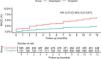
Clinical events in the unmatched cohortAt 1 year-follow-up, treatment with ticagrelor was associated with a moderate lower incidence of MACE compared with clopidogrel [2.3% vs. 6.1%; HR 0.35 (95% CI 0.21–0.67)] (Fig. 1 and Table 2), as well as a lower rate of all-cause mortality [2.2% vs. 5.0%; HR 0.43 (95% CI 0.23–0.81)]. No differences were found in the incidence of non-fatal myocardial infarction [0.7% vs. 0.6%; HR 1.13 (95% CI 0.27–4.74)] or non-fatal stroke [0.1% vs. 0.6%; HR 0.23 (95% CI 0.02–2.16)]. A possible late stent thrombosis occurred in a patient with LM-PCI initially treated with ticagrelor. Finally, major bleeding rates were low and similar between groups [0.1% vs. 0.4%; HR 0.34 (95% CI 0.03–3.74)].

Events at 1-year follow up. Unmatched cohort.
| TicagrelorN=731 | ClopidogrelN=505 | HR (95% CI) | |
|---|---|---|---|
| MACE | 17 (2.3%) | 31 (6.1%) | 0.37 (0.21–0.67) |
| All-cause death | 16 (2.2%) | 25 (5.0%) | 0.43 (0.23–0.81) |
| Non-fatal MI | 5 (0.7%) | 3 (0.6%) | 1.13 (0.27–4.74) |
| Non-fatal stroke | 1 (0.1%) | 3 (0.6%) | 0.23 (0.02–2.16) |
| Major bleeding | 1 (0.1%) | 2 (0.4%) | 0.34 (0.03–3.74) |
CI: confidence interval; HR: hazard ratio; MACE: major adverse cardiovascular events; MI: myocardial infarction.
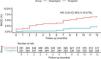
The variables used in the PSM and the standardised mean differences of the unmatched and matched cohorts are shown in Fig. 2 of supplementary material. After PSM, there was a good balance of all the variables included in the model, showing standardised mean differences below 0.10 (Figs. 2 and 3 of supplementary material). In the PSM cohort, during a 1 year of follow-up, the ticagrelor group showed a strongly lower MACE risk compared to the clopidogrel group [2.3% vs. 6.6%; HR 0.34 (95% CI 0.15–0.76)] (Fig. 2 and Table 3), as well as a substantial reduction in all-cause mortality [2.3% vs. 5.1%; HR 0.43 (95% CI 0.19–0.99)]. No differences were observed in the incidence of non-fatal myocardial infarction [0.6% vs. 0.9%; HR 0.65 (95% CI 0.11–3.89)], non-fatal stroke [0.3% vs. 0.6%; HR 0.48 (95% CI 0.04–5.35)] or in the rate of major bleeding [0.3% in both groups; HR 0.98 (95% CI 0.06–15.73)]. As a sensitivity analysis, the E-value was 5.36 for the MACE primary endpoint (lower bound of the 95% CI 1.98) suggesting that substantial unmeasured confounding would be required to explain away the observed association.

Events at 1-year follow up. Propensity score matched cohort.
| TicagrelorN=351 | ClopidogrelN=351 | HR (95% CI) | |
|---|---|---|---|
| MACE | 8 (2.3%) | 23 (6.6%) | 0.34 (0.15–0.76) |
| All-cause death | 8 (2.3%) | 18 (5.1%) | 0.43 (0.19–0.99) |
| Non-fatal MI | 2 (0.6%) | 3 (0.9%) | 0.65 (0.11–3.89) |
| Non-fatal stroke | 1 (0.3%) | 2 (0.6%) | 0.48 (0.04–5.35) |
| Major bleeding | 1 (0.3%) | 1 (0.3%) | 0.98 (0.06–15.73) |
CI: confidence interval; HR: hazard ratio; MACE: major adverse cardiovascular events; MI: myocardial infarction.
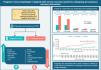
The main findings of this study are as follows (Fig. 3): (a) the use of ticagrelor in patients with CCS was associated with a lower risk of MACE at 1-year follow-up, without significant differences in bleeding compared to clopidogrel as a second antiplatelet agent; (b) patients treated with ticagrelor and clopidogrel had a differential clinical and angiographic profile.

In our study, the use of ticagrelor as a second antiplatelet agent was associated with a lower probability of MACE following CCS-PCI compared to clopidogrel. To date, no randomised clinical trial has compared the mid-term efficacy and safety of ticagrelor and clopidogrel in the CCS setting. The ALPHEUS trial, the only randomised clinical trial comparing these agents after elective PCI, did not demonstrate a differences between ticagrelor and clopidogrel in terms of periprocedural myocardial necrosis or major bleeding.12 Previous observational studies have also explored this comparison. Träff et al. evaluated the 30-day safety and efficacy of these treatments in 1003 patients with suspected CCS referred for coronary angiography.9 While no differences were found in bleeding complications or MACE, the interpretation of these findings is challenging due to the small number of patients discharged on ticagrelor, which represented only 46 out of 426 patients in the ticagrelor group. On the other hand, Koshy et al. compared clopidogrel versus ticagrelor/prasugrel based-DAPT in a large single-centre retrospective study of 11,508 patients, of whom 1717 (14.9%) received ticagrelor. In line with our results, no differences were found in bleeding outcomes between clopidogrel and ticagrelor/prasugrel. However, no differences in the 1-year incidence of MACE were observed either, both in the overall comparison and in the subgroup of patients treated with ticagrelor.7 We hypothesise that this discrepancy might stem from differences in the populations analysed, as our sample appears to represent patients with greater anatomical and procedural complexity. Specifically, the proportion of patients with LMCA disease, bifurcation lesions, moderate-to-severe calcification and CTO was higher in our study, a subgroup in which the more potent antiplatelet effect of ticagrelor might be particularly advantageous. Supporting this, Xi et al. reported an interaction between ticagrelor efficacy and procedural complexity in CCS-PCI, with this agent reducing 1-year MACE compared to clopidogrel only in patients undergoing complex PCI.13
In our study, the prescription of ticagrelor or clopidogrel appears to have been influenced by clinical judgement balancing bleeding and ischemic risk. Patients discharged on ticagrelor presented a lower bleeding risk and a higher thrombotic risk. The former was evidenced by a higher PRECISE-DAPT score (24 vs. 16; p<0.001), and a lower prevalence of bleeding-related comorbidities, such as haematological disorders and cancer. In contrast, clopidogrel patients had lower haemoglobin levels and poorer renal function. Regarding thrombotic risk, patients on ticagrelor were more likely to have anatomical and procedural features associated with higher ischaemic risk, including LMCA disease, bifurcation lesions, long lesions or CTOs. These findings are consistent with those previously described by Koshy et al, likely reflecting a tendency in routine clinical practice to prescribe ticagrelor to patients whose thrombotic risk outweighs their bleeding risk.7 Within this context, the high prevalence of complex anatomical and procedural characteristics in our CCS-PCI cohort, might be the reason behind the noticeable proportion of ticagrelor prescriptions.
The findings of this study provide real-world evidence supporting the use of ticagrelor over clopidogrel as a second antiplatelet agent in patients with CCS undergoing PCI, suggesting a beneficial effect in terms of MACE reduction at 1-year follow-up, without an increase in bleeding risk. Contextualizing our findings with previous evidence suggest that the beneficial effect of ticagrelor might be only evident in patients with high ischemic but low bleeding risk, underlying the importance of an individualised selection of the most appropriate DAPT therapy in the CCS PCI context.
This study has several limitations related to its observational and single-centre design. Although the PSM provided a good balance between the selected potential confounders and other baseline characteristics, the presence of unmeasured confounding cannot be entirely excluded, and a causal relationship cannot be fully established without dedicated randomised controlled trials. In addition, the single-centre design may limit the generalisability of the findings to other populations or centres with differing practices. Because this was a retrospective convenience sample rather than a probability sample or a randomized design, our confidence intervals reflect model-based uncertainty rather than sampling variability from a random selection process. As a result, the true uncertainty may be larger than suggested by these intervals if residual selection bias or model misspecification is present. Consistent with current recommendations, we therefore focused on effect sizes and their confidence intervals as compatibility ranges, and we avoided binary claims of statistical significance.
ConclusionIn this cohort of patients with CCS undergoing PCI, the use of ticagrelor as a second antiplatelet agent was associated with a lower incidence of MACE at 1-year follow-up compared to clopidogrel, without an increase in major bleeding. Dedicated randomised controlled trials, particularly in high-ischaemic, low-bleeding risk patients, are needed to confirm these findings and further optimise DAPT strategies in the context of elective PCI.
Ethics approvalThe study protocol was approved by the Local Clinical Research Ethics Committee according to institutional and Good Clinical Practice guidelines. All patients signed the informed consent for publication. The authors confirm that sex and gender variables have been considered in accordance with the SAGER guidelines.
FundingI. Gallo holds a Río Hortega Contract (CM24/00241, Carlos III Health Institute, Madrid, Spain). R. Gonzalez-Manzanares was awarded research contracts (CM22/00259, JR24/00064) and an international mobility grant (MV24/00106) by the Carlos III Health Institute (Madrid, Spain).
Funding for open access charge: Universidad de Córdoba / CBUA
Conflict of interestsR. Gonzalez-Manzanares has received speaker honoraria from Astra Zeneca. M. Pan received speaker fees from Abbott, Boston Scientific, World Medical and Philips. S. Ojeda received consulting fees from Medtronic and Edwards, speaker fees from Philips, World Medical and Boston Scientific. The other authors have no disclosures.
The following are the supplementary data to this article:


recomendados
Medicina Clínica Práctica

Medicina Clínica sigue las recomendaciones para la preparación, presentación y publicación de trabajos académicos en revistas biomédicas