




In the surgical setting, stress, burnout and non-technical skills are increasingly recognized as factors influencing quality of care, workplace well-being and economic costs. However, these issues have been scarcely studied among general and digestive surgery in Spain. This study aims to assess burnout, stress and non-cognitive aspects in this specific professional group in Spain.
MethodsA 28-item survey was designed to evaluate different dimensions of burnout and non-cognitive factors. Participation was voluntary and it was distributed through the Spanish association of surgeons (Asociación Española de Cirugía).
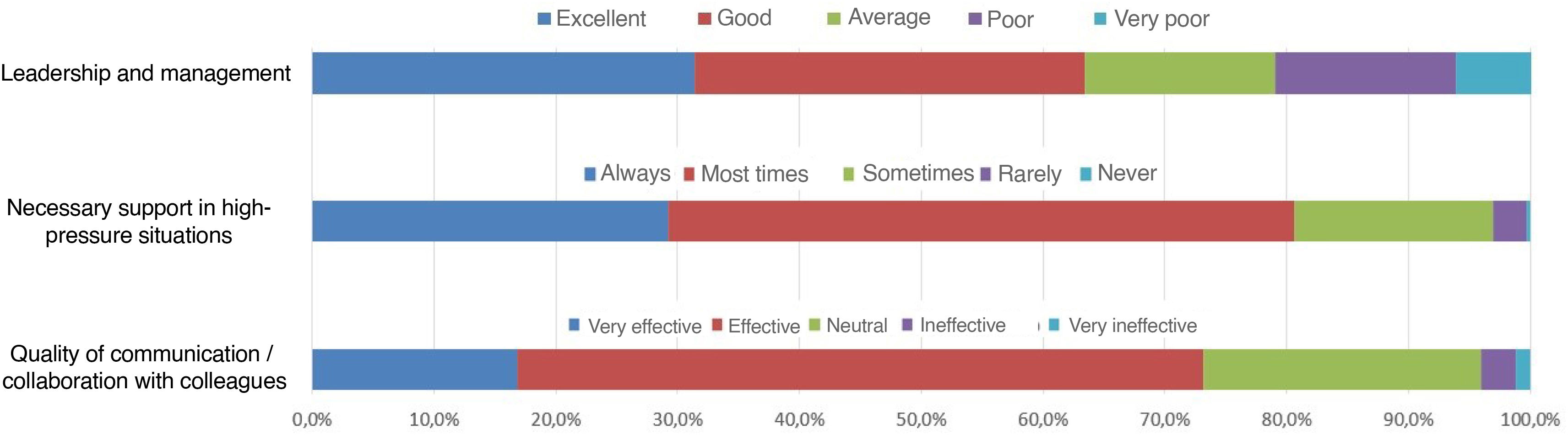
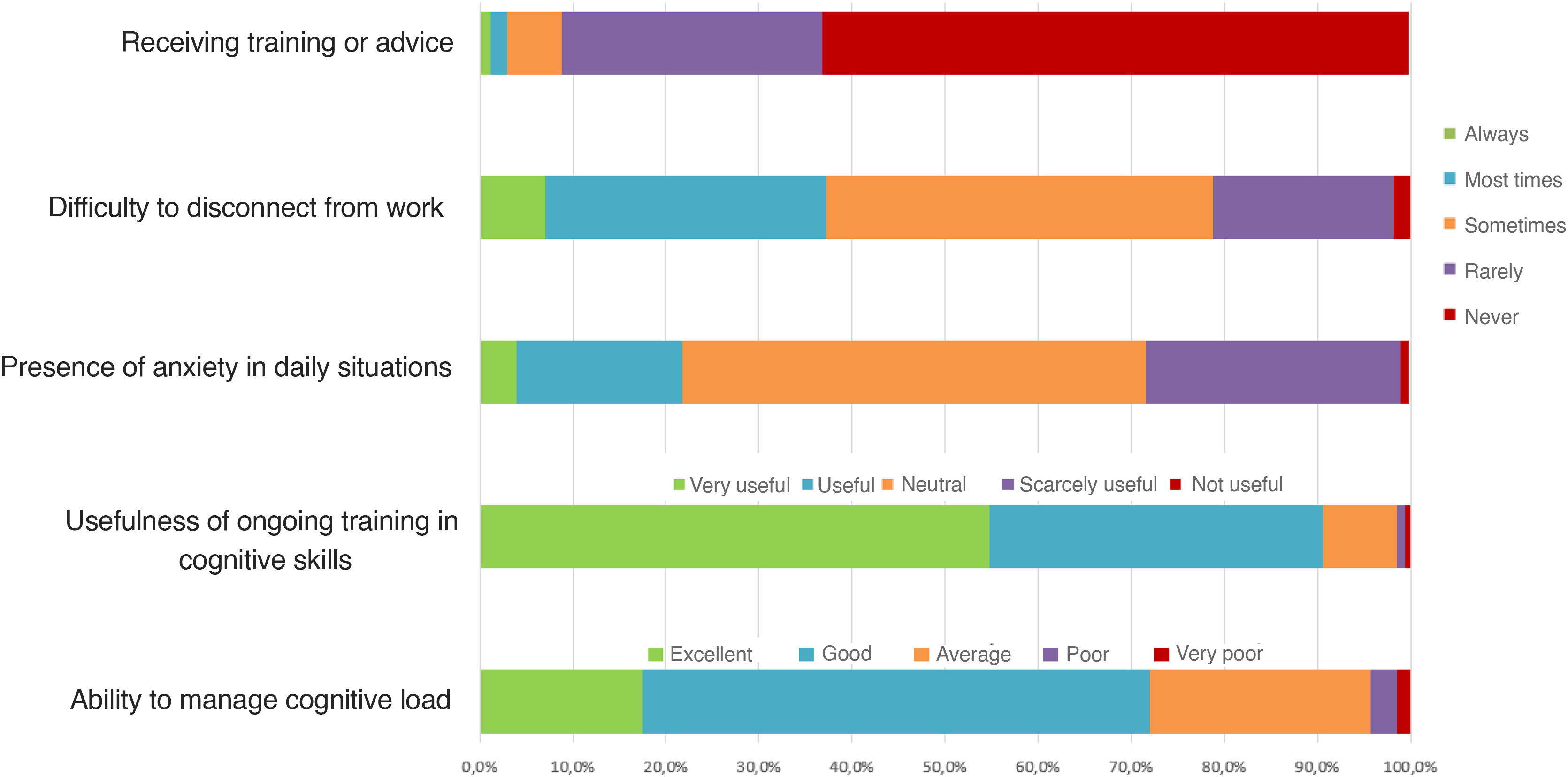
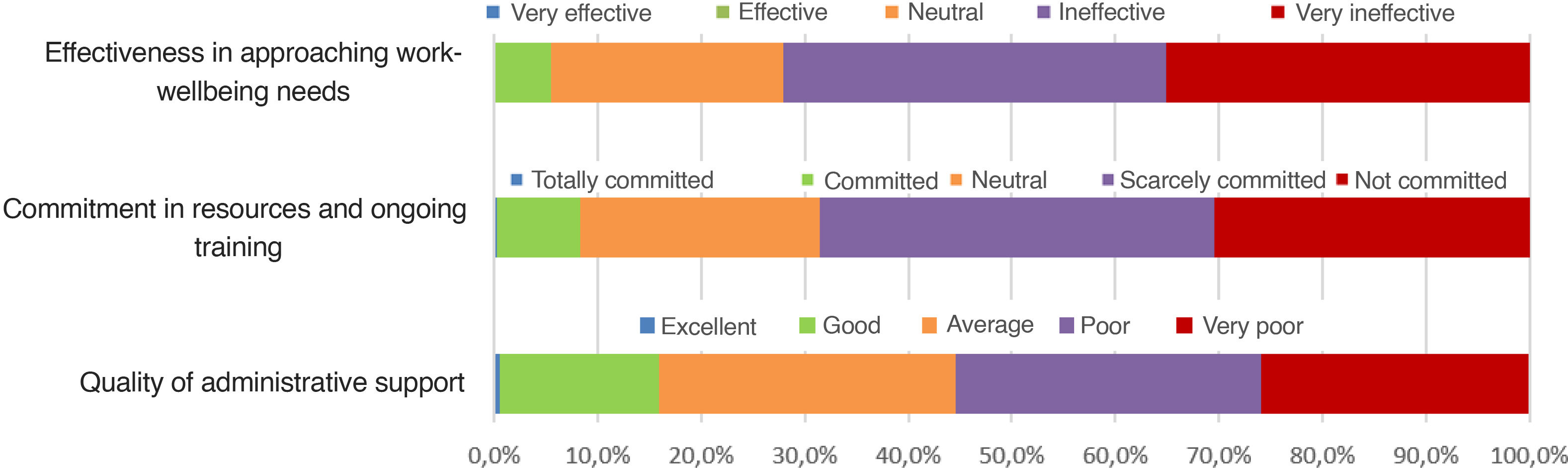
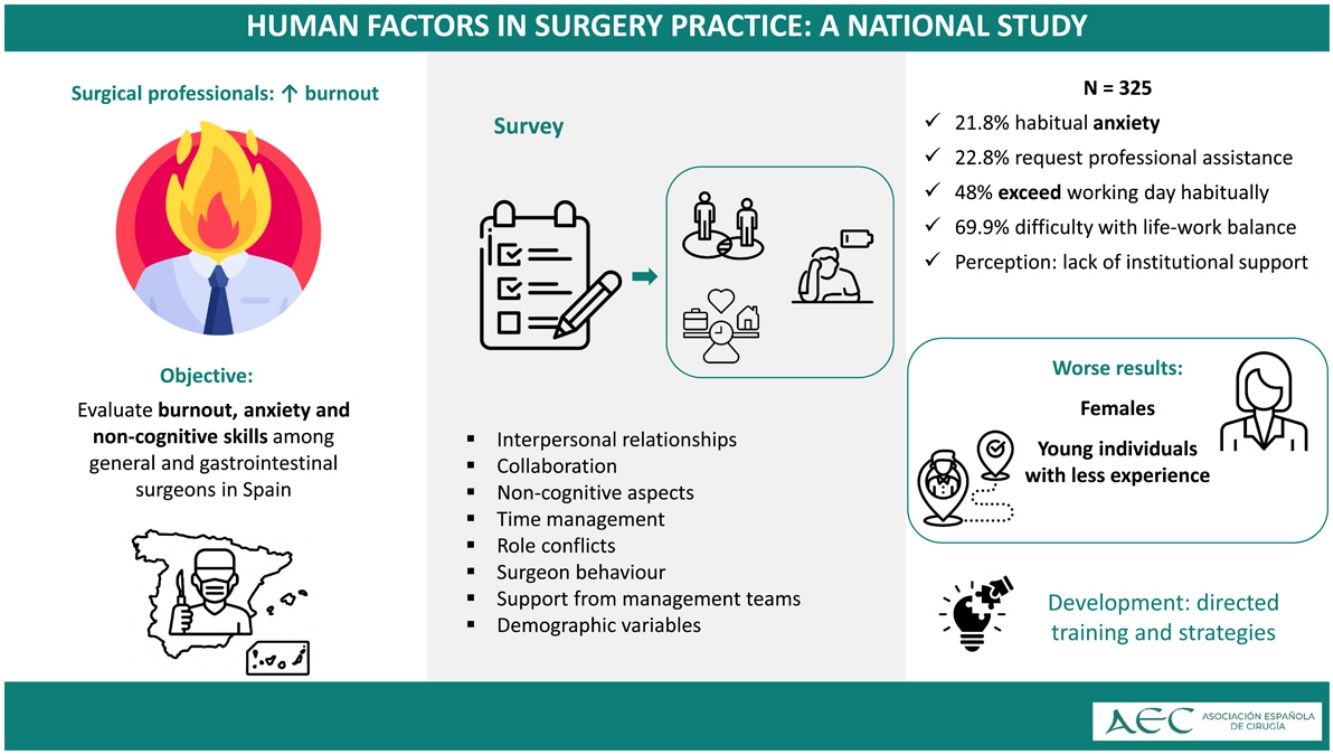
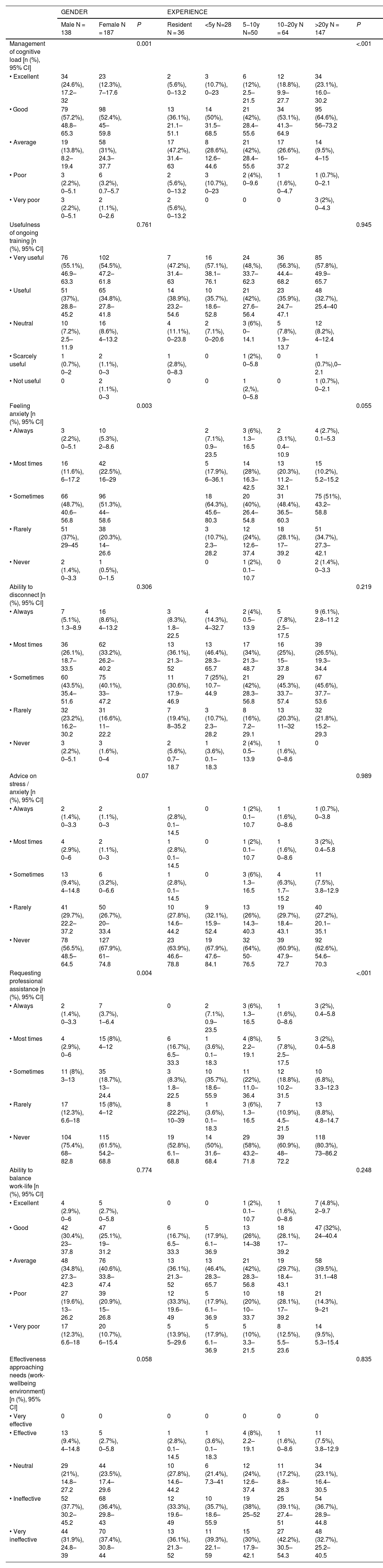
ResultsA total of 325 surgeons completed the survey. Women accounted for 57.5% of respondents and 95.1% worked in public hospitals. Up to 21.8% habitually experienced anxiety in daily situations, and 63% indicated a lack of training in these areas. Moreover, 22.8% acknowledged seeking professional assistance for related issues occasionally or frequently. Nearly 48% reported regularly exceeding their standard working hours, 69% experienced difficulties in achieving work-life balance, and a marked perception of insufficient institutional support was noted. These issues were significantly more prevalent among women and younger surgeons.
ConclusionsThe prevalence of anxiety, burnout, work-life balance difficulties and perceived lack of institutional support is high among general and digestive surgeons. These findings underscore the need to develop targeted strategies addressing these factors within the specialty.
En el entorno quirúrgico, el estrés, el “burnout” y los “non-technical skills” son cada vez más reconocidos ya que repercuten en la calidad asistencial, laboral y los costes económicos. Sin embargo, estos factores han sido poco estudiados en cirugía general y del aparato digestivo en España. Este estudio evalúa el “burnout”, el estrés y los aspectos no cognitivos en este colectivo específico en España.
MétodosSe diseñó una encuesta de 28 preguntas que evalúa distintos aspectos del “burnout” y los aspectos no cognitivos. Su participación fue voluntaria y se difundió a través de la Asociación Española de Cirugía.
Resultados325 cirujanos participaron en la encuesta. El 57.5% fueron mujeres y el 95.1% trabajadores de hospitales públicos. Se detectó hasta un 21.8% de ansiedad habitual en situaciones diarias y una ausencia de formación en estos aspectos en el 63% de los encuestados. Hasta un 22.8% refirieron solicitar asistencia profesional relacionada con estos aspectos ocasional o frecuentemente. El 48% manifestaron exceder su jornada laboral habitualmente, el 69.9% reportaron dificultades en la capacidad de conciliación laboral y se identificó una notable percepción de ausencia de soporte institucional. Esta problemática fue significativamente más acusada entre los cirujanos jóvenes y en mujeres.
ConclusiónLa prevalencia de ansiedad, “burnout”, dificultades en la conciliación de la vida laboral y la percepción de ausencia de soporte institucional es elevada entre cirujanos generales y del aparato digestivo. Todo ello fundamenta la necesidad de desarrollar estrategias dirigidas a un enfoque de estos aspectos dentro de la especialidad.


