





This study aims to evaluate the National Immunization Program (NIP) of a city in the interior of Pernambuco in the light of Donabedian's triad.
MethodsAn epidemiological, descriptive and observational study focused on analyzing data from 2019 to 2024 from the city of Calçado – PE. It seeks to understand the efficiency of the National Immunization Program (NIP), guided by the question of how to qualify the NIP in logistics and execution of immunobiologicals. The NIP Information System and SISAB were used to collect data. The evaluation is based on the structure, processes and results of vaccine care. The data was analyzed using SPSS software.
ResultsCalçado has over 11,000 inhabitants and 100% Family Health Strategy (ESF) coverage. The Primary Health Care (PHC) network has five Basic Health Units (BHU) and two support points in rural areas. Each UBS has vaccination rooms and is coordinated by a health team organized according to Ministry of Health guidelines. The infrastructure of the UBS is inconsistent in relation to the expected standards, with challenges in vaccination rooms and temperature control of vaccines. No new protocols have been created in the last five years. Supervision is carried out on a monthly basis, and the team faces challenges in terms of training and the population's adherence to vaccination.
ConclusionVaccination coverage in Calçado is monitored, but there is a lack of structured interaction between the NIP and the teams. Epidemiological surveillance is carried out, and educational actions are promoted, but there is a lack of formal feedback from the population that can help improve services. The study provides a clear view of the NIP's performance in the municipality, allowing us to discuss the quality of the health care offered.
Este estudio tiene como objetivo evaluar el Programa Nacional de Inmunización (NIP) de una ciudad del interior de Pernambuco a la luz de la tríada de Donabedian.
MétodosEstudio epidemiológico, descriptivo y observacional centrado en el análisis de datos de 2019 a 2024 de la ciudad de Calçado - PE. Busca comprender la eficiencia del NIP, guiado por la cuestión de cómo calificar el NIP en logística y ejecución de inmunobiológicos. El Sistema de Información del NIP y SISAB se utilizaron para recopilar datos. La evaluación se basa en la estructura, los procesos y los resultados de la atención de las vacunas. Los datos fueron analizados utilizando el software SPSS®.
ResultadosCalçado tiene más de 11.000 habitantes y el 100% de cobertura de la Estrategia de Salud de la Familia (ESF). La red de Atención Primaria de Salud (APS) cuenta con 5 Unidades Básicas de Salud (UBS) y 2 puntos de apoyo en las zonas rurales. Cada UBS dispone de salas de vacunación y está coordinada por un equipo sanitario organizado según las directrices del Ministerio de Sanidad. La infraestructura de las UBS es inconsistente en relación con los estándares esperados, con problemas en las salas de vacunación y en el control de la temperatura de las vacunas. No se han creado nuevos protocolos en los últimos 5 años. La supervisión se realiza mensualmente, y el equipo se enfrenta a retos en términos de formación y adhesión de la población a la vacunación.
ConclusionesLa cobertura de vacunación en Calçado es monitorizada, pero falta una interacción estructurada entre el NIP y los equipos. Se realiza vigilancia epidemiológica y se promueven acciones educativas, pero falta una retroalimentación formal de la población que ayude a mejorar los servicios. El estudio proporciona una visión clara del desempeño del NIP en el municipio, permitiendo discutir la calidad de la atención a la salud ofrecida.
The National Immunization Program (NIP) is one of the main strategies adopted by the Unified Health System (SUS) to ensure universal and equitable access to vaccines for the population, with the aim of promoting satisfactory vaccination coverage and preventing vaccine-preventable diseases, as well as reducing the impact of epidemics and promoting collective health in communities.1 As such, the vaccination process stands out as one of the most effective interventions in the context of public health, acting as a process responsible for significantly reducing morbidity and mortality from infectious diseases in Brazil and around the world.2,3
However, the implementation of the program and its actions at the various points of health care face numerous challenges, especially in municipalities, such as deficits in structure, professional training, lack of management incentives, as well as the population's adherence. These and other issues can directly affect the effectiveness of the program and its educational actions aimed at immunizing the population.1–3 In this context, evaluating the NIP is essential to identify barriers, challenges and advances in the vaccination process and to improve public health policies, especially at local level.
However, in order to carry out this evaluation systematically and robustly, it is necessary to adopt tools and/or theoretical references that can encompass the entire evaluation process, from structure to results. In this context, the theoretical and methodological model of the Donabedian triad is pertinent for carrying out this process, since it allows for an integrated and effective assessment of the quality of health services in different contexts and realities under the dimensions of structure, processes and results.1
From Donabedian's perspective, the structure dimension involves the material, human and organizational resources available to carry out the program; the process dimension refers to the actions and procedures adopted during the implementation of the health service or program, including planning, execution of vaccination campaigns and management of vaccine distribution logistics, in the case of the NIP. The results dimension is directly related to the impact of the interventions, such as vaccination coverage, the incidence of vaccine-preventable diseases and the impact on the population's health.2,3
Therefore, evaluating the NIP in the light of Donabedian's triad in a municipality in the interior of Pernambuco will provide a valuable opportunity to identify critical points in the structure, processes and results of the local program, and thus suggest improvement actions that can be adapted to the specific reality of the region. This will strengthen management in order to understand the existing process and propose strategies to optimize the available resources, guaranteeing a vaccination process with an effective impact on the population's health.1 The aim of this study is to evaluate the National Immunization Program (NIP) in a city in the interior of Pernambuco in the light of Donabedian's triad.
MethodsThis is a descriptive, cross-sectional observational epidemiological study with a retrospective approach. The purpose of this type of study is to use primary and/or secondary data to analyze the distribution of health-related events according to time, place and characteristics, which can vary according to the determinants that are directly and/or indirectly related to the event studied, such as age, gender, environment, structure and the like.4,5
Furthermore, as this is a cross-sectional cohort study with a quantitative approach, it will enable the researcher to visualize a specific event, which is pertinently characterized as a potentially unknown problem, which will subsequently be observed and described by the researcher without any interference in the reality studied, thus providing a solid corpus for discussion of the data observed and described based on the pertinent theoretical framework.6
Furthermore, it is worth noting that quantitative studies have become increasingly common nowadays, even after the widespread dissemination of qualitative research, because it is a type of study that allows for a more systematic and generalized evaluation of the problem in question.6,7 In view of this, the methodological choice is perfectly coherent for the development of the research, since its construction will make it possible to understand the efficiency of the National Immunization Program (NIP) in terms of structures, processes and results.
The study will therefore be guided by the following question: How can the National Immunization Program in the municipality of Calçado – PE be qualified in terms of the logistics of the structure, transport, storage, distribution and execution of immunobiologicals over the last 5 years?
Study siteThe study was based on secondary data from immunobiological records applied in the last 6 years (2019–2024) in the municipality of Calçado – PE. This data was collected through the databases of the National Immunization Program Information System (SI-NIP), the Primary Care Health Information System (SISAB), physical records, in addition to the process of non-participatory observation, which was carried out by the researcher, in order to evaluate structures, processes and results used and obtained by the local NIP technical team in the last 6 years.
This municipality was chosen because it is one of the smallest in the southern agreste region of Pernambuco, with just over 11,000 inhabitants according to the latest IBGE demographic census of 2022, as well as having 100% Family Health Strategy (ESF) coverage, which is mainly provided by 5 Family Health Teams (eSF) and a National Immunization Program (NIP).
Inclusion and exclusion criteriaInclusion criteria: Data available in the SI-NIP, SISAB, spreadsheets and record books related to the movement of immunobiologicals in the municipality of Calçado between 2019 and 2024. Non-inclusion criteria: Records that are more than 5 years old and/or have erasures, are incomplete or unavailable.
Collection instrumentAs well as searching the SI-NIP and SISAB databases, spreadsheets and physical records, data was also collected using a non-participatory observation checklist, which was drawn up based on the PlanificaSUS instruments for evaluating the vaccine room and vaccination macro-processes. It was also structured according to Donabedian's triad, which proposes evaluation in three dimensions: structure, process and result.
In the structure dimension, aspects related to the infrastructure of the UBS were assessed, such as physical conditions and the availability of material and human resources, all related to vaccination. The process dimension included an analysis of the activities carried out during the vaccination process, including technical procedures and workflows. Finally, the outcome dimension focused on the effects of the vaccination process, considering performance indicators and user satisfaction.
This instrument was applied during observations at the UBS, with the aim of identifying strengths and opportunities for improvement in the immunization service, contributing to the quality of care provided. In this way, the researcher using this tool made it possible to observe the processes without any interference in the context under observation, taking into account that this is a non-participatory observation process.8
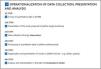
Data collection and analysis proceduresA systematized process divided into six stages was adopted for data collection through to analysis and interpretation, as shown in Fig. 1, where it is possible to see, in general terms, the methodological path adopted for this process.

The first step was to collect data from the SI-NIP and SISAB systems on the vaccine indicators in the municipality of Calçado over the last six years (2019–2024), so that it would be possible to identify the immunobiological logistics process in the municipality mentioned above in the reference years. The second stage was aimed at presenting the study proposal to the coordinator of the National Immunization Program (NIP) and the municipality's PHC, whose purpose was to obtain authorization to analyze the physical records of immunobiological logistics, as well as authorization to observe the facilities, processes and protocols used during the last 6 years to move immunobiologicals in the municipality.
In accordance with CEP/CONEP Resolution No. 738/2024, 466/2012 and CNS Resolution No. 510 of 2016, article 2, XIV, adopts the definition of public opinion research as: Art. 2, XIV […] verbal or written consultation of a punctual nature, carried out using a specific methodology, through which the participant is invited to express their preference, evaluation or the meaning they attribute to themes, the performance of people and organizations, or to products and services; without the possibility of identifying the participant. Therefore, the understanding of this Committee is that public opinion polls or observation of services, without the possibility of identifying the participant, should not be submitted for assessment by the CEP/CONEP System.
Therefore, after authorization, the records were taken by means of photographs and notes in a logbook, so that a solid base could later be built to carry out the analysis in the light of Donabedian's triad, in the aspects of structure, processes and results used and obtained by the municipality in the last six years in relation to the movement of immunobiologicals.
The quantitative data extracted from the SI-NIP and SISAB were entered into the Statistical Package for the Social Sciences (SPSS, version 28.0, An IBM Company, 2023), where categorical data were presented as absolute and percentage values and evaluated using the Chi-square test. The comparison of dimension variables was assessed using Student's T-test for parametric data and Mann–Whitney for non-parametric data.
In this way, the data was collected from the databases and through observation guided by the checklist was organized and presented in a structured way, following two main axes. The first axis dealt with the characterization of health services linked to the local NIP, describing the infrastructure and organization of PHC equipment and the municipality's immunization network. The second axis described the health facilities related to the NIP, detailing aspects related to structures, operational processes and the main results obtained from the application of the observation checklist and the data extracted from SISAB/PEC.
The data presented in the results section followed a systematic approach, which made it possible to evaluate and reflect on the operationalization of the NIPP in the municipality, as well as its effectiveness and compliance with current protocols. Finally, they were analyzed and interpreted in the light of Donabedian, which made it possible to discuss the dimensions of structures, processes and results, where it was possible to discuss the work processes, protocols, logistics and resources used, as well as which services were offered and what impacts they had on the population's health. This indicates the quality of health care in relation to the problem under study.9,10
ResultsFor a better understanding of the results obtained, the presentation of the data has been organized into two topics. The first is aimed at characterizing the health services linked to the local NIP, focusing on the infrastructure and organization of PHC equipment and the local immunization network. This will enable a better contextualization of how the NIP works in the municipality, highlighting its structure, coverage and teams working in the operationalization of primary care services.
The second topic focuses on describing the health facilities related to the NIP from the perspective of the structures, processes and results collected on-site, using the non-participatory observation checklist and data extracted from the Primary Care Health Information System (SISAB), through the Electronic Citizen Record (PEC).
Thus, the results structured in this way enabled a detailed assessment of the NIP's operationalization, considering aspects such as the adequacy of vaccine rooms, compliance with biosafety protocols, the organization of vaccine records and the effectiveness of immunization strategies adopted in the municipality, as well as the results produced by the NIP over the last five years.
Characterization of health services linked to the local NIPThe municipality of Calçado – PE, located in the Agreste region of Pernambuco, has a population of more than 11,000 inhabitants, according to data from the last Demographic Census of 2022.9 The town has 100% coverage of the Family Health Strategy (ESF), guaranteeing the population's access to basic health services, especially those linked to PHC. The municipality's PHC network is made up of five UBS and two support points, which are strategically distributed between urban and rural areas. Of these units, three are located in the urban area, while two serve the rural population, as do the three support points.
Each UBS has a Family Health Team (eSF), made up of a doctor, nurse, nursing technician and community health agents, as well as an Oral Health Team (eSB), made up of a dentist and an oral health assistant, in accordance with the minimum standard established by the 2017 PNAB.11 In addition, each UBS has a vaccination room, and there is also a support point located in the rural area of the municipality with a vaccination room. This makes a total of six vaccination rooms available and distributed between the urban and rural areas of the municipality to meet the needs of the population.
In addition to the UBS, the municipality has a “Vaccination Center”, which is located in the city center. This center acts as a local NIP and is responsible for managing and coordinating immunobiologicals in the municipality. Its duties include distributing vaccines to the UBS, recording the entry and exit of immunizers, training health teams, as well as storing and controlling vaccine stocks.
To illustrate part of how the NIP works and how it operates in the municipality, Table 1 shows the characterization of the visits recorded between 2019 and 2024, which are monitored by the agency. This data shows the distribution of care by type of registration, place of administration and profile of the population served, allowing for a more detailed analysis of coverage and adherence to the program.
Characterization of the National Immunization Program in terms of service results, with a time interval of 6 years, dating from 2019 to 2024, Belo Jardim, 2025.
| Variable | n (%)/nt | p |
|---|---|---|
| Type of record (identified) | 23.515 (97)/24.303 | 0.001 |
| Shift of immunobiological administration (morning) | 17.260 (91)/24.303 | 0.001 |
| Gender (female) | 15.454 (54)/28.830 | 0.34 |
| Place of service (at the UBS) | 26.958 (94)/28.816 | <0.001 |
| Specific population (pregnant women) | 988 (95)/1.035 | 0.002 |
| Doses of immunobiological administration (routine) | 30.076 (78)/38.301 | <0.001 |
| Age range: 20–39 years | 5.914 (21)/28.741 | 0.75 |
| Highlight dose (1st dose) | 12.806 (32)/38.816 | 0.002 |
| Single dose | 11.507 (30)/8.816a | 0.004 |
Legend: nt – total number of records. A Jansen single dose.
With regard to the general organization of the unit and human resources, according to the observation checklist, the municipality has an immunization coordinator with nursing training, specialization and experience in the field of immunization, which guarantees better quality and safety in the services provided, as well as the management and supervision of actions related to the program.
The vaccination rooms operate throughout the UBS's opening hours, from Monday to Friday, from 07:00 to 15:30, including the lunch period. This facilitates the population's access to immunobiologicals. All the professionals demonstrate knowledge of the technical standards for vaccination, covering procedures and the cold chain. In addition, the team has an up-to-date set of Standard Operating Procedures (SOPs) in the vaccination room, contributing to the standardization and safety of practices.
With regard to the infrastructure of the UBS, the NIP and the vaccination rooms, it was possible to observe that only one UBS located in the urban area fully follows the structural model recommended by the Ministry of Health.10 The two rural units partially meet the structural requirements, having their own buildings with a structure similar to that recommended by the Ministry of Health. On the other hand, the other two UBS in the urban area and the local NIP itself operate in adapted buildings, such as residential houses or shared spaces. The Vaccination Center, for example, shares its facilities with other offices for multiprofessional care, a reality that can influence the logistics and flow of care for the population.
Despite this scenario, the vaccination rooms are used exclusively for this purpose and are duly identified with the name “vaccination room”. However, the adequacy of the physical structure is non-compliant, because only one vaccination room in a UBS has half of the wall smooth, which directly impacts compliance with CGPNI/ANVISA standards, which recommend, among other things, smooth and washable walls.
In addition, one room located in the urban area does not have a sink, and two do not have air conditioning, which compromises ventilation and thermal comfort. As a result, maintaining the room temperature between 18°C and 20°C is only partially achieved. Despite these limitations, materials and supplies, such as syringes and needles, are properly organized and stored.
When observing the cold chain related to the municipality's NIP, according to the observation tool, it can be seen that the structure of the cold chain meets most of the established criteria. The electrical sockets are for the exclusive use of the refrigerators and are properly identified to avoid accidental disconnection.
The refrigerators are used exclusively for immunobiologicals and have a minimum capacity of 280 liters. Temperature control is carried out at the beginning and end of the working day, with the records visible on the daily control map, which is fixed to the refrigerator door, without compromising the view of the immunobiologicals, when they are in specific cold rooms for this purpose. Since not all vaccination rooms have cold rooms, most have domestic refrigerators. In addition, there are a sufficient number of thermal boxes and ice reels for routine activities, guaranteeing the proper preservation of vaccines.
Process dimensionIn terms of the processes carried out over the last five years in relation to activities linked to the municipality's NIP, it can be seen that during this period there was no creation of specific protocols for immunization in the municipality. This could compromise the systematization of practices and the standardization of conduct, thus limiting the adoption of innovative strategies for the continuous improvement of vaccination coverage in the municipality.
Despite this fact, when we looked at issues related to service and technical procedures, it was possible to identify that the service provided in vaccination rooms follows the technical standards established by regulatory bodies such as the Ministry of Health and ANVISA, ensuring the safety and effectiveness of the immunization process.
To this end, before administering the vaccine, the health professionals (nursing technicians) systematically check the age range of the users and the appropriate interval between doses, thus guaranteeing the integrity of the vaccination schedule. In addition, these professionals provide guidance on the immunobiological administered, informing about the timing and reinforcing the importance of complying with the vaccination schedule.
Additionally, as a preventive measure, the occurrence of adverse events that may occur as a result of the application of the immunobiological is investigated. The traceability of the immunobiologicals is also carried out by recording the date and time the vials were opened, respecting the expiration dates after opening, as established in the ANVISA and NIP standards.
Regarding the process of monitoring and managing the immunobiologicals, it was possible to identify that the supervision of immunization activities in the municipality is conducted in an organized manner, with the adoption of strategies that aim to qualify the services. The program coordinator carries out periodic, monthly supervisions, using a checklist, verifying the compliance of the technical and structural processes.
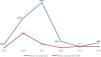
In addition to the periodic supervisions carried out by the program coordinator, the performance of the immunization teams is also influenced by epidemiological factors, which directly impact the availability of vaccines and the logistics of application. Fig. 2 demonstrates this relationship, highlighting how changes in the epidemiological scenario affect the supply of the immunobiological and the need for team adaptation to ensure the continuity of vaccination.

In this context, nurses from family health teams also regularly monitor the procedures performed by nursing technicians, ensuring compliance with the protocols established by the Ministry of Health and the National Immunization Program, even if they are old.
Regarding team training, it is observed that training and updates occur sporadically, being carried out only during vaccination campaigns and conducted by the central level, that is, by the National Immunization Program team of the Regional Health Management (GERES).
On the other hand, there is continuous monitoring of vaccination records and indicators, allowing the assessment of vaccination coverage and the identification of vulnerable population groups. The unit adopts strategies for actively searching for susceptible and absentees, using the ACS as the main agent in this process, in addition to the use of vaccination control cards organized by age group, which contributes significantly to the organization, control and expansion of vaccination adherence.
To this end, the management of immunobiologicals in the municipality is carried out systematically, ensuring the availability of vaccines, syringes and needles in sufficient quantities to meet the population's demand. The storage and control of inputs follow biosafety principles, with the adoption of appropriate procedures for the disposal of sharp materials and waste, which are sent to the local hospital for disposal and collection by the company responsible for this service.
In this way, inventory control is conducted through monthly records, documented both in a physical book and in the National Immunization Program Information System (SIES). The use of computerized systems for inventory management contributes to the traceability of immunobiologicals, reducing waste and optimizing the distribution of inputs.
Dimension of resultsVaccination coverage in the municipality is one of the main indicators monitored to assess the effectiveness of immunization strategies. Table 2 presents a detailed overview of the administration of doses by age group between 2019 and 2024, allowing a better understanding of the results regarding the vaccination reach in the population.
Characterization regarding dose and age group served by Primary Health Care, Belo Jardim, 2025.
| Age | Dose | Age group | p | ||||||||||
|---|---|---|---|---|---|---|---|---|---|---|---|---|---|
| 1a D | 2a D | 3a D | 1° R | 2° R | Single dose | <1 age | 1–9 age | 10–19 age | 20–39 age | 40–59 age | ≥60 age | ||
| 2019 | 708 | 478 | 140 | 166 | 68 | 526 | 256 | 362 | 138 | 341 | 186 | 99 | 0.087 |
| 2020 | 3018 | 1805 | 534 | 450 | 273 | 5710a | 803 | 2280 | 1370 | 2320 | 1581 | 588 | <0.001 |
| 2021 | 3968 | 1978 | 568 | 384 | 215 | 1787 | 764 | 943 | 608 | 1860 | 1611 | 1205 | <0.001 |
| 2022 | 1583 | 1183 | 434 | 387 | 238 | 1059 | 843 | 1155 | 478 | 390 | 321 | 119 | 0.001 |
| 2023 | 1739 | 1255 | 368 | 364 | 232 | 925 | 738 | 1288 | 741 | 408 | 328 | 88 | 0.001 |
| 2024 | 1790 | 1406 | 611 | 225 | 231 | 1500 | 826 | 1317 | 952 | 595 | 594 | 245 | 0.001 |
Legend: Single dose – revaccination, single dose and single reinforcement.
In view of this, vaccination coverage in the municipality is regularly monitored by the NIP coordination team as well as by the eSF. However, there is no structured discussion between the NIP and the eSF. Information on the indicators is passed on to the PHC coordination team, which distributes it among the eSF, with analysis and discussion being the responsibility of each team in a decentralized but isolated manner.
Vaccination dropout rates are monitored mainly by the ACS, without a formal systematization of the reasons for dropout, which can compromise the identification of barriers and the formulation of strategies to increase adherence. Regarding epidemiological surveillance, there is adequate monitoring of adverse events and vaccine-preventable diseases. The team is informed about possible adverse events following vaccination and makes notifications whenever necessary, ensuring user safety and traceability of occurrences. Furthermore, any case of a vaccine-preventable disease identified in the coverage area is reported and discussed with the team (Surveillance and eSF), allowing for a quick and effective response.
The unit also actively participates in containment strategies, such as blockade vaccination and reporting of suspected cases, demonstrating the integration between immunization and epidemiological surveillance. The promotion of immunization is strengthened through health education actions, conducted in partnership with different sectors to increase the population's knowledge about the importance of vaccination. During each service, users receive guidance on the importance of complying with the vaccination schedule, reinforcing the commitment to disease prevention.
Despite efforts to mobilize the community, there is no formal mechanism for collecting and analyzing user feedback, which prevents the identification of weaknesses in users’ perception of the services provided, which may limit the implementation of improvements based on the experience of the individuals served.
DiscussionThe structure of the NIP in Calçado-PE presents both positive and relevant challenges. The municipality has 100% coverage by the ESF, with five UBS and a centralized Vaccination Center. The fact that all UBS have vaccination rooms contributes to the decentralization of the service and facilitates the population's access to immunizations.11 However, the adequacy of the physical structure still presents deficiencies. Some UBS, especially in urban areas, do not fully comply with the structural standards recommended by the Ministry of Health, with problems such as the lack of sinks and air conditioning. These inadequacies, as well as the logistics processes, can negatively impact the biosafety and quality of the conservation of immunobiologicals.12
Just as the municipality's cold chain, responsible for the storage and conservation of the municipality's vaccines, partially complies with national guidelines, with exclusive refrigerators and daily temperature controls. However, some units still use domestic refrigerators, which can compromise the stability of immunobiologicals. The lack of specific cold storage facilities for vaccines can directly impact the maintenance of the cold chain, as well as the effectiveness of the doses administered. In this context, it can be inferred that the immunization process in the municipality mostly follows the technical standards established by the Ministry of Health, ensuring safety and effectiveness in the administration of immunobiologicals.
Even with outdated local protocols, professionals follow the protocols established by other agencies for the administration of immunobiologicals. This is in line with the literature, which emphasizes the importance of systematically checking the age range and interval between doses, as well as the importance of the entire process inherent to the immunization process being carried out by the professional, ensuring safety and adherence to the recommended vaccination schedule.13 Thus, it can be understood that one of the challenges identified is the lack of specific protocols aimed at municipal immunization, which may compromise the standardization and quality of the service provided. In line with the scientific literature, other studies indicate that the implementation of structured protocols significantly improves professionals’ adherence to good practices and enhances the effectiveness of vaccination campaigns, as well as biosafety throughout the process.14
Even in the face of challenges, periodic supervision carried out by the NIP coordination team is a positive factor, as it allows for the identification of nonconformities and the adoption of corrective measures quickly and assertively. This reinforces the findings of the scientific literature that emphasize the inseparability of the supervision process with the quality of health care, and is therefore an essential function for the provision of excellent service, since the act of continuous supervision makes it possible to offer support to employees, as well as for the institution to organize, evaluate and improve work processes.15
On the other hand, even in the face of this action, several points for improvement in the process can be identified, such as the need for team training. This is because it was possible to identify that team training occurs sporadically, generally during vaccination campaigns, which can significantly limit the technical updating of professionals, as well as interfere in the process of improvement and/or formulation of vaccination strategies. According to Pereira et al.,16 the continued training of health workers directly impacts the quality of care provided and the population's adherence to immunization strategies.
The active search for absentees, conducted by CHAs, is a relevant strategy to minimize vaccination abandonment. However, there is no formal system for analyzing the reasons that lead to evasion, which makes it difficult to formulate more effective strategies to increase vaccination adherence. In this context, Saavedra et al.17 suggest that integration between primary care and epidemiological surveillance can optimize user monitoring and reduce abandonment rates.
Even in this context, the results of the NIP demonstrate relatively satisfactory vaccination coverage, but with significant variations over the years. The analysis of coverage by age group indicates that adherence is higher among children aged 1 to 9 years, with a decrease in older age groups. This pattern is also observed in national studies, which highlight childhood as a period of greater adherence to vaccinations due to family control and requirements for access to daycare centers and schools.17
Furthermore, the data presented also indicate a significant variation in the administration of doses between 2019 and 2024. There was also a significant increase in vaccination in 2020 and 2021, critical years of the pandemic, especially in single doses and doses administered to adults. This increase can be attributed to vaccination against COVID-19, which mobilized national campaigns and generated greater awareness about the importance of immunizations.
Where studies show that health crises often result in greater adherence to vaccination for emerging diseases, but can compromise the coverage of regular vaccines due to the redirection of resources and efforts to control the epidemic.18 On the other hand, from 2022 onwards, there was a decrease in the administration of doses in specific age groups, especially in children aged 1–9 years. This may be related to multiple factors, such as the temporary closure of health units, fear of exposure to the virus in hospital settings, and misinformation about the need to keep childhood vaccinations up to date.
This highlights the negative impact caused by the COVID-19 pandemic on vaccination coverage of essential vaccines, such as MMR and pentavalent vaccines, resulting in an increased risk of outbreaks of diseases that had already been controlled.19 Another point identified in the results was the rate of vaccination abandonment, which is a cause for concern. Although monitored by the ACS, the absence of a formal mechanism to analyze the causes prevents the implementation of effective strategies to reduce it. According to studies, vaccine hesitancy and logistical barriers, such as transportation difficulties and UBS opening hours, are factors that negatively impact the continuity of the vaccination schedule.20
Therefore, it is necessary to strengthen health education to combat misinformation and vaccine hesitancy. During the pandemic, the circulation of fake news about vaccines undermined the population's confidence, a phenomenon that can have lasting impacts on adherence to routine immunizations.21 Therefore, integrating effective communication actions into the local NIP is essential to ensure that vaccination coverage remains at adequate levels. What is identified as a positive point is the integration between professionals responsible for immunizing the population and epidemiological surveillance, allowing for the rapid detection of vaccine-preventable diseases and the adoption of containment measures, such as blocking vaccination and outbreak monitoring.
ConclusionThe NIP in Calçado-PE presents important structural and procedural advances, ensuring reasonable access to immunization. However, challenges such as the lack of formal protocols, sporadic training and difficulties in the infrastructure of the UBS directly impact the effectiveness of the program.
To improve vaccination coverage and reduce dropout rates, it is recommended to implement municipal protocols, provide continuous training for health professionals and strengthen the integration between primary care and epidemiological surveillance. Since the adoption of evidence-based strategies can contribute to the improvement of the NIP and ensure greater adherence of the population to vaccines, thus promoting a positive impact on public health. Furthermore, statistical significance is observed when characterizing the NIP in the municipality of Calçado, PE, showing that a strategic cutout in the northeast region is similar to strategic cutouts in any region of the country.
However, when we refer to this statistical significance, we also come across the need for a change in conduct, since the time frame of this study includes a pandemic, where health actions aimed at schools, homes, campaigns and extended service hours were widely used and yielded excellent results and excellent vaccination coverage.
Although there was a significant increase in the administration of immunizations during the critical years of the pandemic, the drop observed after 2022 raises concerns about the need to strengthen public policies that guarantee the recovery of childhood vaccination coverage and the maintenance of successful strategies adopted during the health crisis.
In this sense, we need to think about strategies that worked during the pandemic, that are part of the structure of the SUS and that generate even better results in the performance of the eSF. Graph 1 makes it clear how much society is impacted by the actions of the ESF inside and outside its organizational walls. However, the process becomes even more contemplated in terms of immunization when it happens outside the UBS as well, since at the peak of the pandemic, in 2021, we had the largest number of doses applied inside and outside the UBS.
Therefore, strengthening primary care, qualifying professionals and implementing educational campaigns are fundamental measures to avoid setbacks in the immunization of the population.
Ethical considerationsIn accordance with CEP/CONEP Resolution No. 738/2024, 466/2012 and CNS Resolution No. 510 of 2016, article 2, XIV, adopts the definition of public opinion research as: Art. 2, or to products and services; without the possibility of identifying the participant. Therefore, the understanding of this Committee is that public opinion polls or observation of services, without the possibility of identifying the participant, should not be submitted for assessment by the CEP/CONEP System.
FinancingNo.
Conflict of interestNo.

