



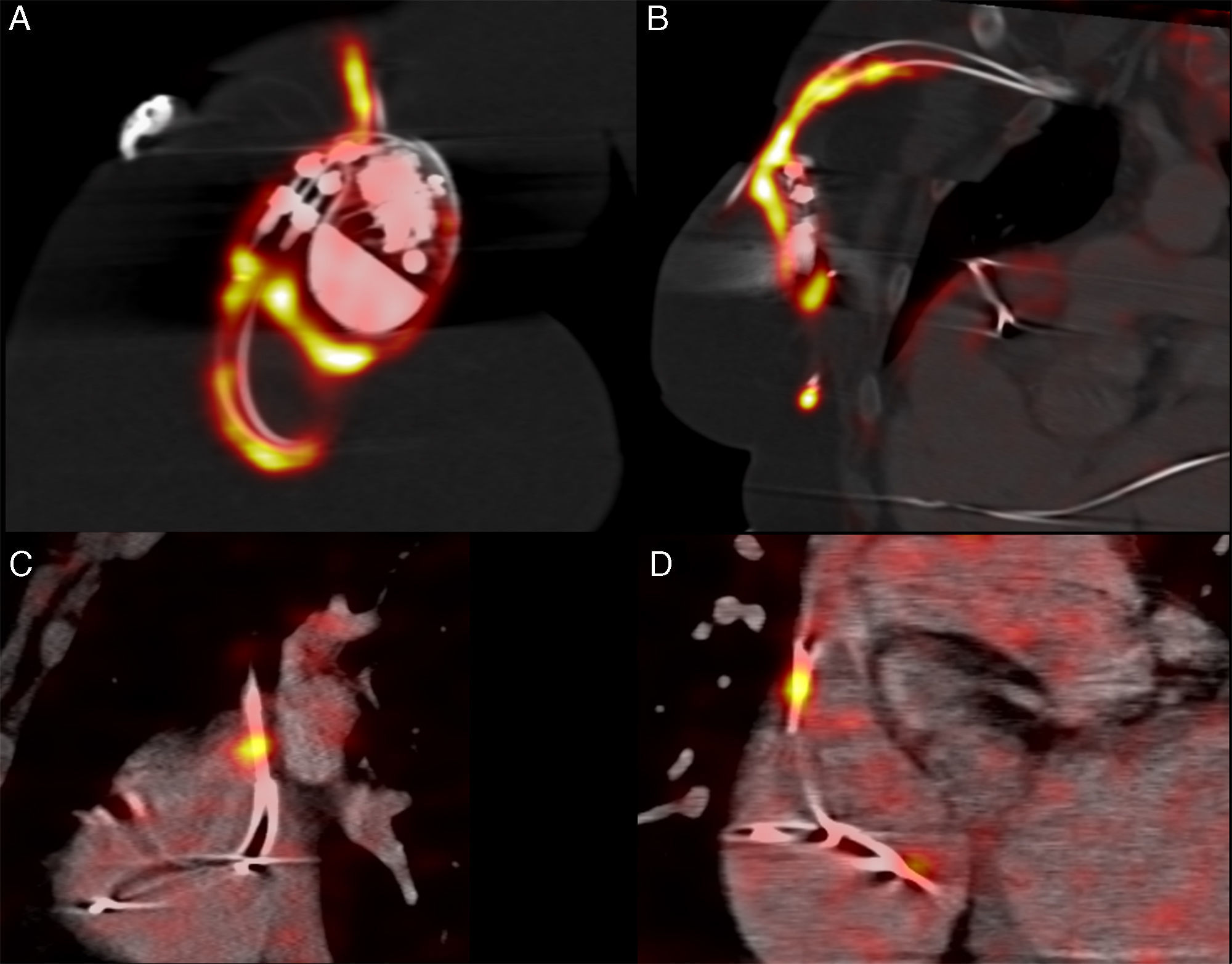
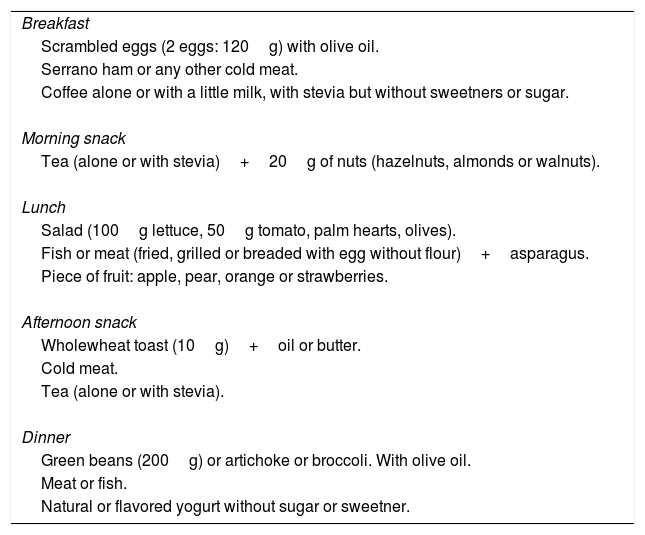
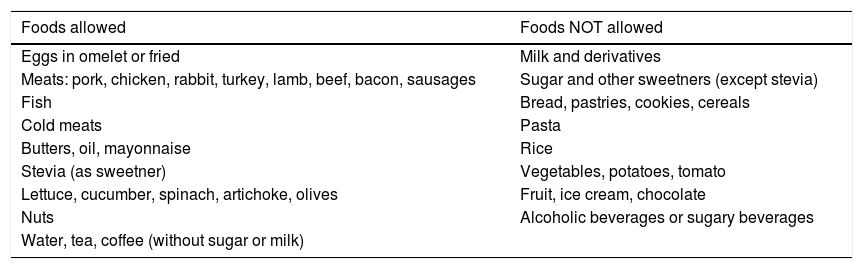
Infective endocarditis (IE) is a serious condition with a poor prognosis, its mortality unchanged significantly despite diagnostic and therapeutic advances in the last 30years. The diagnostic ability of the modified Duke criteria in prosthetic endocarditis and/or devices does not exceed 50%, so new tools are necessary for the diagnosis of this entity in this context. The 18F-FDG PET/CTA combines a highly sensitive technique to detect inflammatory-infectious activity with a technique with high anatomical resolution to assess the structural lesions associated with endocarditis. With a diagnostic sensitivity between 91% and 97%, this hybrid technique has become a useful diagnostic tool for patients with prosthetic valves or devices and suspicion of IE, becoming a major criterion in the diagnostic algorithm of current guidelines. This excellent diagnostic capacity ability depends directly on the quality of the obtained exploration and the knowledge at the time of interpreting the images.
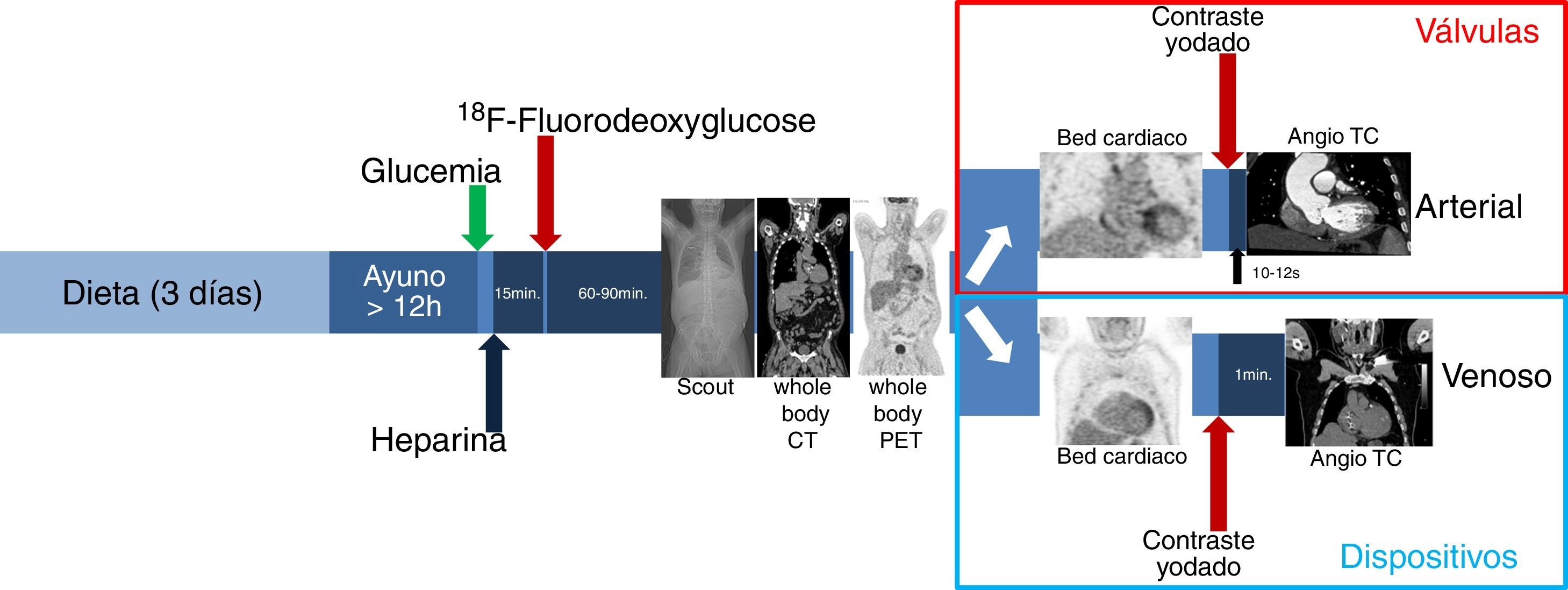
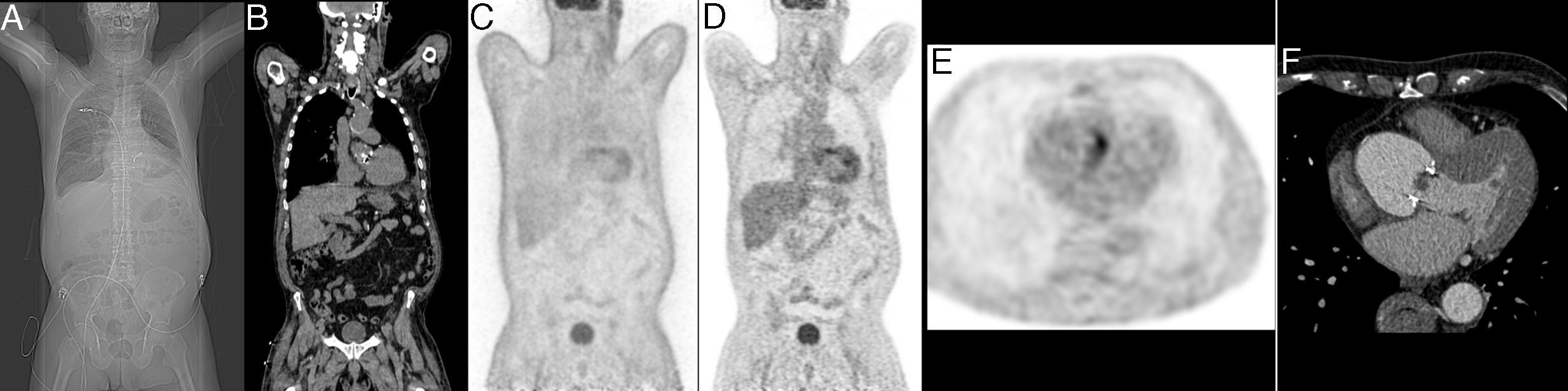
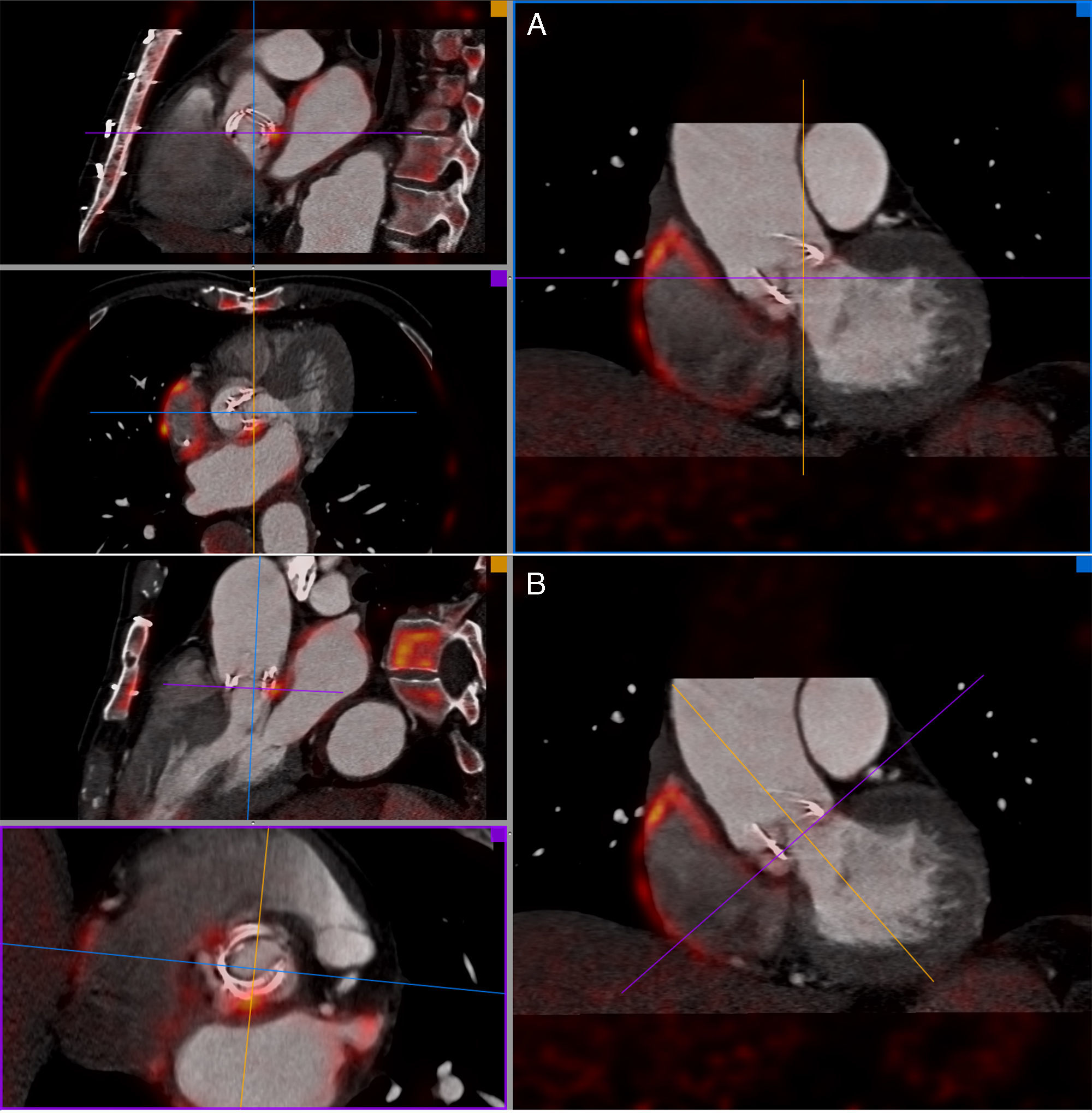
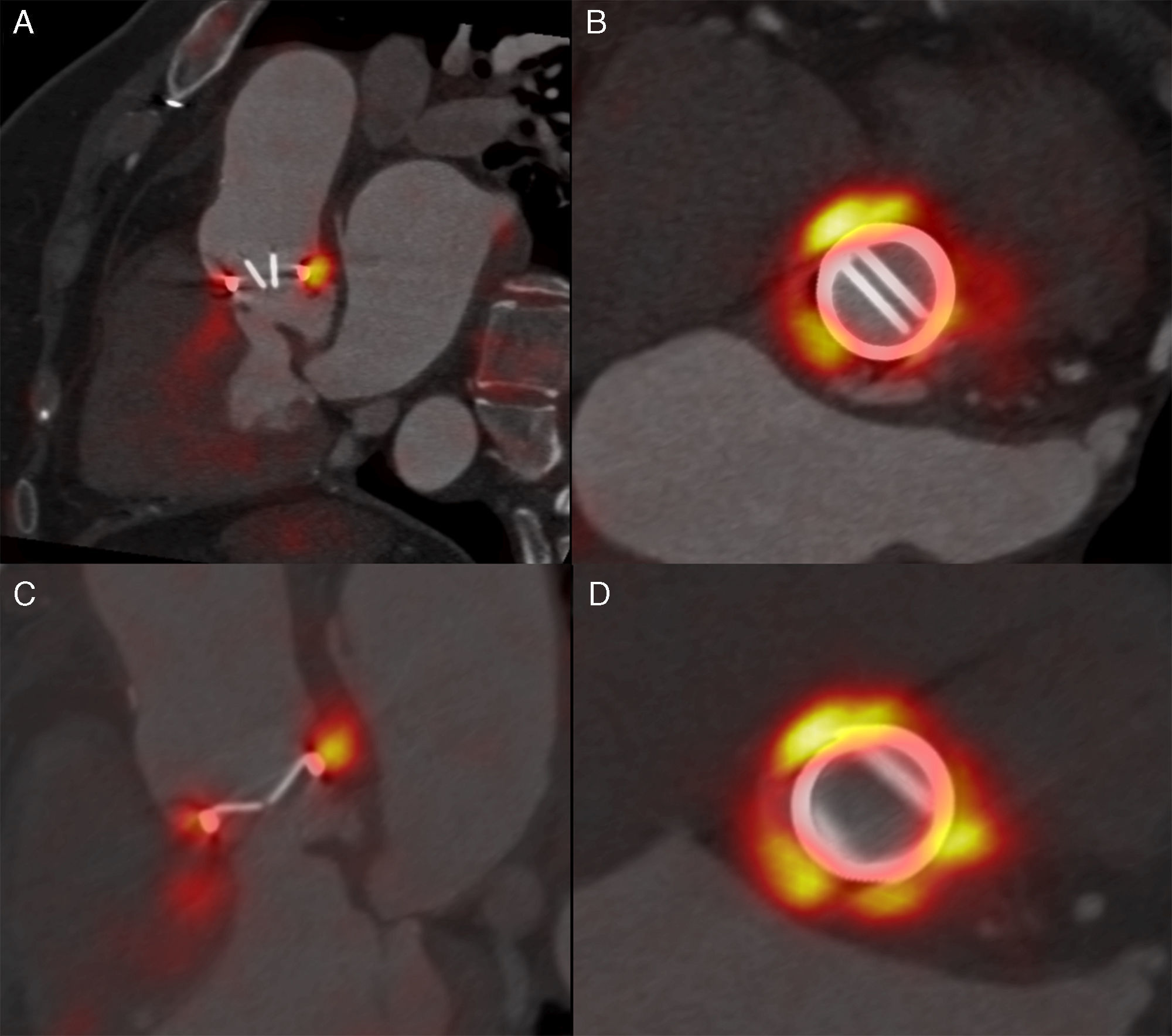
The aim of this review is to describe and standardize the methodology of cardiac 18F-FDG PET/CTA in the diagnosis of endocarditis in prosthetic valves and intracardiac devices, with special emphasis on the particularities of the patient's preparation, the PET and CT acquisition procedures, and the subsequent imaging postprocessing and interpretation.
La endocarditis infecciosa (EI) es una patología grave y con mal pronóstico cuya mortalidad no se ha modificado significativamente a pesar de los avances en su diagnóstico y tratamiento en los últimos 30años. La capacidad diagnóstica de los criterios de Duke modificados en la endocarditis protésica y/o de dispositivos no supera el 50%, por lo que se hacen necesarias nuevas herramientas para el diagnóstico de esta entidad en dicho contexto. La 18F-FDG PET/aTC combina una técnica con gran sensibilidad para detectar actividad inflamatoria-infecciosa y una técnica con gran resolución anatómica para valorar las lesiones estructurales asociadas a la endocarditis. Con una sensibilidad diagnóstica entre el 91 y el 97%, esta técnica híbrida se ha convertido en una herramienta de diagnóstico útil en la sospecha de EI de pacientes con válvulas protésicas o dispositivos, convirtiéndose en un criterio mayor en el algoritmo diagnóstico de las guías actuales. Esta excelente capacidad diagnóstica depende de forma directa de la calidad de la exploración obtenida y del conocimiento a la hora de interpretar las imágenes.
El objetivo de esta revisión es describir y estandarizar la metodología de la 18F-FDG-PET/aTC cardíaca en el diagnóstico de endocarditis protésica y de dispositivos intracardíacos, haciendo especial énfasis en las particularidades de la preparación del paciente, de la adquisición de los estudios PET y TC, y del posterior posprocesado e interpretación de las imágenes.
Article
If you experience access problems, you can contact the SEMNIM Technical Secretariat by email at secretaria.tecnica@semnim.es or by phone at +34 619 594 780.
Revista Española de Medicina Nuclear e Imagen Molecular (English Edition)

