
To assess the prevalence of Healthcare-Associated Infections (HAIs) acquired during hospitalization in a long-term care (LTC) hospital during three periods and identify associated factors.
MethodsAn observational, cross-sectional study had been conducted in 2019, 2021, and 2023 that included 380 patients. Data collected encompassed demographics, presence of risk factors (pressure sores, catheters, surgery), and HAIs acquired in the current hospitalization. Global and per location HAI was determined, and bivariate and a multiple logistic regression model was constructed to explore the association between the studied variables and infection.
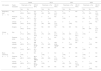
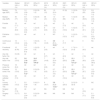
ResultsThe median age varied depending on the year of the survey between 77 and 80.5 years, and the proportion of female patients increased each edition. Length of stay peaked in 2021 (43.5 days), and risk factors in 2023. HAIs prevalences were 8.4% (2019), 10.7% (2021), and 5.6% (2023). Respiratory tract infection was the most frequent globally (34.4%), in 2019 (35.7%) and 2023 (50.0%), followed by urinary tract infection. Globally, HAI and any risk factor (OR: 3.8, 95% CI: 1.6–8.8), and pressure sores (OR: 2.4, 95% CI: 1.1–5.2) were associated, this last remained after adjustment (OR: 16.0, 95% CI: 2.5–104.9).
ConclusionsLTC hospitals pose a risk for HAI. Further research on associated factors and preventive strategies is crucial to improve care in this sector.
Evaluar la prevalencia de Infecciones Relacionadas con la Asistencia Sanitaria (IRAS) adquiridas durante el ingreso en un hospital de larga estancia (HLE) en tres periodos, e identificar factores asociados.
Materiales y métodosEstudio observacional de corte transversal en tres periodos temporales (2019, 2021 y 2023), que incluyó un total de 380 pacientes. Se recopilaron variables demográficas, factores de riesgo (úlceras por presión, catéteres, cirugías) e IRAS adquirida en el ingreso. Se determinó la prevalencia anual de IRAS, global y por localización. Se realizaron análisis de regresión logística binaria y múltiple para explorar la asociación entre las distintas variables estudiadas y la probabilidad de IRAS.
ResultadosLa edad mediana varió entre 77 y 80,5 años, la proporción de mujeres aumentó en cada periodo estudiado. La duración del ingreso fue máxima en 2021 (43,5 días), y los factores de riesgo en el periodo del 2023. Se hallaron prevalencias del 8,4% (2019), 10,7% (2021) y 5,6% (2023). Las infecciones respiratorias fueron las más frecuentes (34,4%), en 2019 (35,7%) y 2023 (50,0%), seguidas por infecciones del tracto urinario. En el análisis global, la infección, tener algún factor de riesgo (OR: 3,8; IC 95%: 1,6-8,8), y las úlceras por presión (OR: 2,4; IC 95%: 1,1-5,2) se asociaron de manera significativa a la probabilidad de IRA, manteniéndose esta última tras ajuste (OR: 16,0; IC 95%: 2,5-104,9).
ConclusionesLa estancia en un HLE supone un riesgo de IRAS. Es necesario realizar más investigación sobre factores asociados y estrategias preventivas para mejorar la atención en este sector.