
metricas
Enfermería Intensiva (English Edition) The diary in the intensive care unit: Concept analysis
Journal Information
Vol. 35. Issue 3.
Pages e23-e30 Pages 159-250 (July - September 2024)
Cite
Cite
Share
Download PDF
More article options
Visits
556
Vol. 35. Issue 3.
Pages e23-e30 Pages 159-250 (July - September 2024)
Original article
Full text access

The diary in the intensive care unit: Concept analysis

El diario en la unidad de cuidados intensivos: análisis de concepto
Visits
556
M.P. Muñoz-Reya,b, P. Delgado-Hitoc,d,e,
Corresponding author
pdelgado@ub.edu

Corresponding author.
, M.E. Juvé-Udinad, C. Cuzco-Cabellosc,f, A. Huertas-Zurriagaa,b, M. Romero-Garcíac,d,e
a Hospital Universitario Germans Trias i Pujol, Barcelona, Spain
b Grupo de Investigación Enfermera NURECARE-IGTP, Instituto de Investigación Germans Trias i Pujol, Badalona, Spain
c Departamento de Enfermería Fundamental y Clínica, Facultad de Enfermería, Universidad de Barcelona, Barcelona, Spain
d Grupo de investigación enfermera del Instituto de Investigación Biomédica de Bellvitge (GRIN-IDIBELL), Barcelona, Spain
e Red internacional proyecto HU-CI, Madrid, Spain
f Área de Vigilancia intensiva Hospital Clínico, Barcelona, Spain
This item has received
Article information
Abstract
Full Text
Bibliography
Download PDF
Statistics
Tables (1)
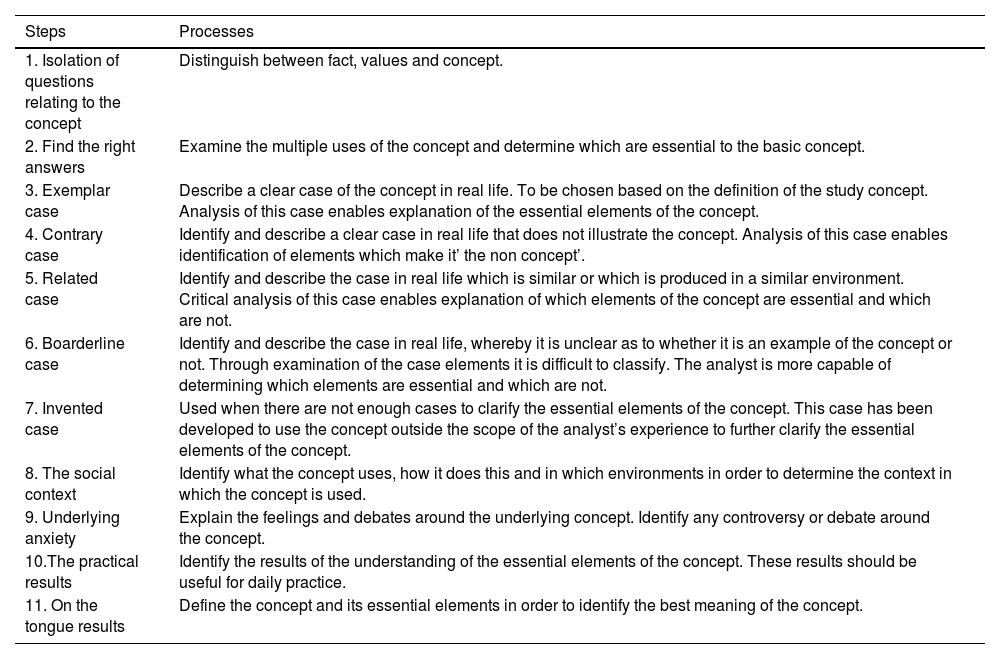
Table 1. Steps in the Wilsonian concept analysis method.
Tables
Abstract
Introduction

Admission to an intensive care unit can cause sequelae to both patients and family members. In some countries, the use of diaries is a preventive action.

Aim

This research proposes to critically examine the concept of ‘Intensive Care Unit Diary’ by analysing the current state of the scientific literature to develop a precise conception of this phenomenon in nursing practice, since there are multiple unknowns regarding its use and content.

Method

A bibliographic search was carried out in the PubMed, Cochrane Library, Scopus and CINAHL databases in January 2023. The terms used to search for their use and definitions in the databases included Nurse, Concept analysis, Family, Uci Diary, Patient Critical, Intensive Care Unit. We use Wilson’s concept analysis, later developed by Walker and Avant.

Results

The concept analysis shows that the ‘ICU Diary’ is a record made in colloquial language by health workers and relatives of the patient admitted to the intensive care unit. Aimed at the patient, with an empathic and reflective style, which offers a narrative of the process, daily life and the conduct or behaviour of the patient during his stay.

It is a therapeutic tool led by nurses accepted by patients, families and professionals. Its use benefits the recovery process, reducing post-traumatic stress in family members and patients. It favours communication and the bond between nurses, family members and patients, helping to express feelings and emotions.

Conclusions

The concept of ‘UCI Diary’ is complex. Through Wilson’s model, a clarification of the concept has been achieved, creating a starting point for more precise research on this phenomenon and its effects on patients, family members, professionals and the health system.

Keywords:
Nurse
Relatives
Diary
Patients
Intensive Care Units
Resumen
Introducción

Ingresar en una unidad de cuidados intensivos puede ocasionar secuelas tanto a pacientes como a familiares. En algunos países, el uso de diarios es una acción preventiva.

Objetivo

Esta investigación propone examinar críticamente el concepto de “Diario de Unidad de Cuidados Intensivos” mediante el análisis del estado actual de la literatura científica para desarrollar una concepción precisa de este fenómeno en la práctica enfermera, ya que existes múltiples incógnitas en cuanto al uso y contenido.

Método

Se realizó una búsqueda bibliográfica en las bases de datos de PubMed, Cochrane Library, Scopus y CINAHL en enero de 2023. Los términos utilizados para buscar su uso y definiciones en las bases de datos incluyeron: enfermera, análisis de concepto, familia, diario UCI, paciente crítico, unidad de cuidados intensivos. Empleamos el análisis de concepto de Wilson, posteriormente desarrollado por Walker y Avant.

Resultados

El análisis de concepto muestra que el “Diario de UCI” es un registro realizado en lenguaje coloquial por sanitarios y familiares del paciente ingresado en la unidad de cuidados intensivos. Dirigido al paciente, con estilo empático y reflexivo, que ofrece una narrativa del proceso, de la vida cuotidiana y de la conducta o comportamiento del paciente durante su estancia.

Es una herramienta terapéutica liderada por enfermeras aceptada por pacientes, familiares y profesionales. Su uso beneficia el proceso de recuperación, disminuyendo el estrés postraumático en familiares y pacientes. Favorece la comunicación y el vínculo entre enfermera, familiares y pacientes, ayudando a expresar sentimientos y emociones.

Conclusiones

El concepto de «diario de UCI» es complejo. Mediante el modelo de Wilson, se ha alcanzado una clarificación del concepto creando un punto de partida para realizar investigaciones más precisas sobre este fenómeno y sus efectos sobre los pacientes, los familiares, los profesionales y el sistema de salud.

Palabras clave:
Enfermera
Parientes
Diario
Pacientes
Unidad de cuidados intensivos
Full Text

What is known/what does it contribute?

Diaries are a tool to minimise the consequences after admission to intensive care units for both patients and their families. Diaries can help minimise post-traumatic stress, anxiety and depression in patients admitted to the ICU and their families. The article is an aid to the understanding of the ICU Diary concept and its systematic application.

Study implications

A clear definition of the concept is necessary to unify implementation criteria and promote future research on the use of diaries, their content and the benefits they provide.

Introduction

The stress that causes family members and patients to be admitted to an intensive care unit (ICU) can generate anxiety, depression and multiple sleep disorders.1–3 These symptoms not only occur during their stay in the ICU, but in most cases, they can continue after the patient has been discharged from the unit.1–3 Lack of memory, appearance of delusional memories, and even nightmares or hallucinations are some of them and can appear during the recovery process,4 impacting the quality of life of both the patient and their families.5 More than 50% of family members also suffer from these symptoms.6,7 Therefore, early detection of premonitory symptoms is relevant, to influence them and carry out preventive actions focused on both the patient and the family.8 In a systematic review and meta-analysis conducted by Parker, preventive measures carried out to reduce the impact suffered by the patient and their family were analysed, highlighting the external nursing consultation in the follow-up of patients, and the use of ICU Diaries.1

The use of the UCI Diary emerged in Scandinavian countries in the 1970s and 1980s and later in the 1990s in countries such as the United Kingdom and Australia.9–11 However, there are countries such as Spain in which there is little evidence of its use.12 Initially, the ICU Diaries were created on the initiative of nurses in most countries and they are the authors of the diaries, together with the relatives of the patients admitted during their stay in the ICU.13

Generally, the UCI Diary is accepted by family members and patients and they consider it a beneficial tool in the healing process. Family members use them as a tool to promote communication with the patient and with health professionals, where they express feelings and emotions towards the patient, helping them to cope at any given moment. After reading it, patients understand their perceptions of the dreams they experienced and relate and identify them with their stay in the unit.14,15 This enables them to distinguish reality from fiction,16 understand the fears they express upon discharge from the ICU and make sense of their experiences.17,18 In this way, it can contribute to reducing anxiety and depression and improving health-related quality of life.19

Despite the increase, in recent years, in the number of studies on the development and analysis of concepts in the international scientific literature, the lack of clarification of the “ICU Diary” concept is evident, along with the lack of solid scientific evidence regarding the benefits, use and design.13,20,21 In Spain, it is an unknown concept, since there is no evidence regarding its use in ICUs.12 We therefore proposed conceptual analysis of the “UCI diary”.

The purpose of this research is to critically examine the concept of “ICU Diary” by analysing the current state of scientific literature in order to develop a precise conception of this phenomenon in nursing practice.

Method

The method used is based on Wilson's conceptual analysis technique, as described and used by Avant.21

Wilson states that the concept analysis technique is designed to help its users develop thinking and communication skills to clarify a concept that is often subject to controversy.22 The Wilsonian technique is “particularly valuable when a concept has more than one meaning and is designed in a multi-step format, providing a framework for conceptual analysis”. This format includes a process of 11 steps that continue until reaching the ultimate objective, which is nothing more than the achievement of “results in the language” (Table 1).

Table 1.

Steps in the Wilsonian concept analysis method.

Steps  Processes 
1. Isolation of questions relating to the concept  Distinguish between fact, values and concept. 
2. Find the right answers  Examine the multiple uses of the concept and determine which are essential to the basic concept. 
3. Exemplar case  Describe a clear case of the concept in real life. To be chosen based on the definition of the study concept. Analysis of this case enables explanation of the essential elements of the concept. 
4. Contrary case  Identify and describe a clear case in real life that does not illustrate the concept. Analysis of this case enables identification of elements which make it’ the non concept’. 
5. Related case  Identify and describe the case in real life which is similar or which is produced in a similar environment. Critical analysis of this case enables explanation of which elements of the concept are essential and which are not. 
6. Boarderline case  Identify and describe the case in real life, whereby it is unclear as to whether it is an example of the concept or not. Through examination of the case elements it is difficult to classify. The analyst is more capable of determining which elements are essential and which are not. 
7. Invented case  Used when there are not enough cases to clarify the essential elements of the concept. This case has been developed to use the concept outside the scope of the analyst’s experience to further clarify the essential elements of the concept. 
8. The social context  Identify what the concept uses, how it does this and in which environments in order to determine the context in which the concept is used. 
9. Underlying anxiety  Explain the feelings and debates around the underlying concept. Identify any controversy or debate around the concept. 
10.The practical results  Identify the results of the understanding of the essential elements of the concept. These results should be useful for daily practice. 
11. On the tongue results  Define the concept and its essential elements in order to identify the best meaning of the concept. 

To collect the data, a bibliographic search was carried out in the databases of MEDLINE (PubMed), Cochrane Library, Scopus, CINAHL. The following keywords were used: Nurse, Relatives, Diary, Patients, Intensive Care Unit. In addition, the dictionary of the Royal Spanish Academy was used to identify the main uses of the concept.

All the steps described by Wilson were followed, as shown below:

Step 1. Isolate the questions related to the concept

The lack of clarity in the literature regarding the concept of the ICU diary raises a series of questions. These include: (1) What is the meaning of the concept?, (2) How is a UCI Diary made or written?, (3) What should it contain?, (4) Who should write it? (5) When should it be made? (6) When should it be delivered? (7) Is the use of the UCI Diary useful in critical care units? (8) Is it beneficial for patients, family members and/or professionals?

According to Wilson's technique, issues are separated into 3 categories: concept, fact, and values. This distinction is necessary because issues of concept are the focus of this analysis and only from this conceptual foundation can an adequate approach to issues of fact and issues of values be ensured.

Therefore, in this framework, the first question (the meaning of the UCI Diary concept) is a question of concept. The next five (2nd to 6th) are questions of fact and the last two, which refer to its use and benefits, are questions of values.

Step 2. Find the right answers

The concept of a UCI Diary is a composite concept, it is formed by the acronym UCI, which means intensive care unit, and by the noun diary.

The ICU according to the dictionary of the Royal Academy of Spanish Language (RAE)23 is a feminine noun that means hospital section where specialised equipment and personnel are concentrated for the monitoring and treatment of critically ill patients.

Also according to the RAE,23 the concept of diary comes from the Latin “diarium”, and has several definitions: (1) adj. Corresponding to every day, each day, a routine. (2). mn. Account of what has happened day by day. (3). mn. Book or notebook where a diary is kept. (4). mn. Newspaper that is published every day. (5) mn. Ordinary expense of a house every day. (6) m. com. Diary book.

The examples considered are the following: I) Machine log: where the machinists, on board the ships, record as much data as is appropriate for the operation of the machines and the consumption of fuel and lubricants; II) Navigation Log: personal and mandatory diary that naval officers keep on board at sea, where they record nautical and meteorological data, events, etc., which are recorded in the logbook; III) Operations diary: collective diary of the armed units and warships, where the operations in which they take part and their most important vicissitudes are recorded; IV) Session diary: diary that collects the minutes of parliamentary sessions, and V) Talking diary: radio newscast.

In this concept analysis, the second and third use given to the word diary in the RAE will be considered.

In this sense, Bäckman9 defines the ICU Diary as the daily record of the patient's stay in the unit, written by family members and professionals who care for critically ill patients. Regarding the content, the UCI Diary is written in colloquial, everyday language, without technicalities and directed at the patient, with an empathetic and reflective style.25 It explains the patient's condition and the events that occur at the time of writing.26 They are structured such that the first entry is a greeting and the reasons for the patient's admission. Later the entries or texts explain the patient’s evolution and a last entry is where the patient’s stay concludes and they are discharged.27 Nurses spend around 13 min on the first entry and 6 min on subsequent ones.28 Photographs can be added to the written text, with the express consent of the patient, although this is not an essential attribute, since they are not included in most countries.29 The definitive purpose of using diaries is to fill in the gaps that occur in the patient's memory during their stay in the ICU,24 thus reducing the risk of depression and preserving the patient's quality of life.30

To explain this concept, the following model cases are presented (exemplar cases). The examples are invented, based on real ones.

Steps 3−7. Exemplar cases

In the Wilsonian method, the next steps involve the use of case studies in order to identify the essential elements of the concept, in this case, the ICU diary. These elements are present in the following exemplar case and to some extent absent in the others.

Exemplar case

MP is a 40-year-old man who was admitted to the ICU for three weeks. He suffered a traffic accident while going to work and was taken by helicopter by EMS (Emergency Medical Service) to the hospital. He suffered a severe head injury, a CT scan was performed which revealed a subdural haematoma. He was sedated and intubated and on assisted mechanical ventilation for six days. He had an ICP (intracranial pressure) catheter and different venous access lines for the administration of medication during his stay. He also had a urinary catheter for strict control of diuresis. The patient's vital signs and nursing records were recorded in the patient's medical history, as well as the treatment to be followed. His evolution was stable and progressive, and he was discharged to the hospital ward after 12 days of stay in the ICU. Two months after discharge home, he had a follow-up visit with an ICU nurse and arrived accompanied by his wife. During the consultation, he was shown a folder with ringed pages that contained handwritten notes, dated and arranged chronologically in a DINA4 format.

MP's wife held his hand tightly while the nurse began the story. MP expressed his desire to hear it. He also commented that he had gaps during his stay, including nightmares of dreams lived as if they were real, which caused him distress. Reading it allowed him to clarify doubts and reduce gaps.

Part of the content of the entries was as follows:

E03: “My name is Ana, I am the nurse who received you three days ago in the ICU upon your arrival with the helicopter. You suffered a car accident with a significant blow to the head that caused bleeding. This is the reason why you have a catheter placed in your head, so as to see the pressure that this blood creates in the brain. They also had to put a tube in your mouth to help you breathe since your level of consciousness was very low.”

You are completely asleep, you are sedated, we need to keep you calm these first few days to see if the haematoma is reabsorbed. You have IVs and a urinary catheter to control diuresis. You don't have a fever or any sign of infection, this is a good sign. We have to let the days pass for the treatment to take effect, the haematoma to decrease and we can wake you up to see how you are on a neurological level.

Your family comes to see you every day. Your mother and your wife are very worried about your health. Inside the box you have a photo of your daughter Carolina, she is beautiful. Your wife brought it to us today and we hung it at the foot of the bed.

My shift ends in ten minutes, but we'll meet again tomorrow. “I am leaving you in good hands.”

“Honey, it’s Raquel, your wife. You have to get well. I'm really scared. I need you. Carolina and I need you. They called me from the hospital four days ago and scared me to death. When I saw you I was incredibly shocked. You have tubes and wires everywhere. The blow was huge but the doctors have told me that everything will be alright. You have to be very strong and everything will be fine.”

“My name is Pedro, and I'm the afternoon nurse. Today you're starting to wake up. You're slightly agitated. Your family has been here watching you and they have left very happy to see that you respond to simple commands and begin to open your eyes. Soon we will remove the tube from your mouth and you will be able to talk. Your wife asked me for the music you hear in the background, she says it's a song that relaxes you and you like it a lot. You are doing very well. I understand that having a tube in your mouth is not pleasant, but if everything goes well, they will remove it this afternoon.”

“Hello MP, I'm María, your night nurse. Tomorrow you're going to the ward. Everything has gone really well. I am very happy with how you have evolved. Your wife left a while ago, she is very happy. She can't believe everything went so well. You came here in a very serious condition and you have been with us for 12 days. I hope that now on the ward you will complete your recovery and be discharged soon and that you can go home with your daughter, because according to your mother, she is eager to see you. Take care of yourself. A big hug”.

This case is an exemplar case because it meets all the attributes included in the concept. The ICU Diary is a coherent and personal narrative, of support and encouragement to patients.26 It offers a narrative of the process (illness and treatment), of the daily life and of the conduct or behaviour of the patient during their stay in the ICU, while collecting the feelings and emotions of the people who participated in its writing. It has a double purpose: to care and cure.26,29 The diary is kept by nurses and family members, addressed to the patient, using an empathetic and reflective style, and therapeutic communication.29

The diary is used for patients who are admitted for more than 24 h to the ICU, those sedated and connected to assisted mechanical ventilation. Patients with dementia or psychiatric disorders, without family, who refuse to participate or with a language barrier are excluded.16,24,27,30–33

Another study carried out in Norway and another in Denmark conclude that when writing ICU diaries personal, non-private language has to be used, without medical jargon and easy to read. Each entry must respect the privacy and integrity of the patient. The frequency of writing is usually 1 or 2 entries per day, but it is highly variable. It is advisable to use DINA-4 loose sheets in case any have to be replaced. Photos, drawings or poems can be included in the first entry. The diary is placed at the bedside and delivered at discharge or at the discharge follow-up visit (2–3 months after discharge).13,29

Contrary case

As a contrary case, the case of MG is presented, a 50-year-old woman admitted to the intensive care unit for 18 days due to acute respiratory failure. She was sedated and intubated for 5 days. She was administered bronchodilator treatment and antibiotic therapy according to the unit's current protocols. She has been weaned without incident and is currently breathing spontaneously with blood gas parameters and vital signs within normal limits. Everything has been recorded in the Clinical History. The medical team and the nursing team have been informing the family and the patient of the evolution. The family has been very cooperative and has come to all the visits to see her. She is discharged to the internal medicine ward.

During her admission to the ICU, Ms. Mg asked numerous questions about what had happened to her. She stated that she had the sensation of having slept for a few days after having an episode of choking at home. She has the feeling of not being aware of what happened. Her family has explained to her everything that she has been through during her stay and the nurses have reinforced it with their explanations to help her understand the situation she experienced.

This action is a normal contrary case in the ICU, since no diary was kept during her stay.

If we want to define a pure contrary case, we should go back to the 70 s, to the first ICUs in Spain.34 Taking into account this scenario the pure contrary case is the following:

Admission of JM, a 45-year-old man admitted for persistent fever. He has been in the ICU for 8 days and died today. The ICU is located in a pavilion isolated from the rest of the hospital It is a completely hermetic location with restricted access, where patients who are very seriously ill are taken. It is the most modern part of the hospital, where the latest models of machines and the most expert doctors due to the complexity of the patients.

Families visit patients between 10 and 30 min daily, but there is no fixed visiting schedule, it depends on the activity of the unit. The important thing is that doctors can work and save as many lives as possible. JM's wife and mother have been in the waiting room these days, a cold and poorly equipped room, it has been their home for the time being. They have met other families in the same situation who have served as emotional support on many occasions. JM's mother and wife have taken turns in case the doctor came out to tell them that he had gotten worse at some point or had some information about his evolution.

The doctor has informed them daily of the situation since admission. JM's family considers that the information was correct. Although they did not fully understand what the doctor was telling them, they could tell that he was an expert and he made them feel that their family was in the best hands and in the best place to be able to do everything possible to save his life. Regarding the actions of the nurses, the family is very happy because “they are very kind, helpful, respectful and uplifting when they see you are feeling down.” The doctor has informed them that JM has died without knowing the origin of the fever. The family is very sad, but at the same time very satisfied with the work done by the doctor and very clear of conscience since they have been in the waiting room, near JM day and night.

As can be seen in this purely contrary case, the nurses did not participate in decision-making, nor did they have the autonomous role they currently have in informing family members, theirs was a more submissive role to the medical profession. At that time, the nurse was the “executor of medical orders” but could not give any type of information to family members about the patient's progress and family members viewed them as a docile, submissive and obedient person who took care of the patient.35

Related case

A related case is, for example, the case of PM, an 87-year-old woman who was admitted to the intensive care unit after suffering cardio respiratory arrest at home. A history and data collection were performed upon arrival at the intensive care unit, including vital signs, level of sedation, pupil size and Glasgow and Ramsay reactivity. The language used in clinical reports included technicalities and words typical of professional language. The medical team hurried to prescribe a medical treatment that would be administered by the nurse immediately. An urgent ECG was performed. The medical team informed the family of the patient's progress and the nurse reinforced this information at the bedside when the family members visited. The only record made was the clinical history (CH).

This is a related case since it contains information about the patient's clinical situation, but it is not directed at her, and is done in professional language. The family does not participate in it, only the professionals. The patient's clinical history contains many elements in common with the ICU diary. In a study, Egerod compares patients' diaries and CH, describing that the diary is coherent and personal, and provides support and encouragement to patients, it is a coherent narrative of the patient's process and behaviour. The CH, however, is fragmented, it is impersonal and very technical, concluding that the diary helps the patient to construct or reconstruct their own narrative of the health situation they experience.26

Borderline case

A borderline case would be that of RV, a 63-year-old man, who was admitted to the ICU due to acute renal failure. His son is a writer by profession, and after his father's admission to the ICU, he decides to write a book with the story of the experience from his point of view. The book expresses the feelings and fears that arise when having his father in a critical situation. He describes what the moment of admission and his entire stay are like. In the book he talks about the care received from health professionals.

This is a borderline case because it contains many of the essential elements of the UCI diary; It is a written text of what happened during the stay in the critical care unit, the objective is to be able to explain to the person who has been sedated how they evolved during admission. The big difference is that it is not carried out by family members and health professionals who participate in the process jointly. It is a story of the perceptions that the family member of an admitted patient has, it is not a story where the main actor is the patient and everything revolves around him.

Step 8. Social context

The concept of the ICU Diary began in Scandinavian countries in the 1980s, and it has been a widespread practice in different countries for several years, including Sweden, Switzerland, Italy, Australia, Austria, Denmark, Afghanistan, France, Norway, Portugal, the United Kingdom, and the United States. The majority of countries where this practice has been carried out are Protestant countries.25,36 In Spain, which is predominantly Catholic, no evidence of the use of diaries been found.12

The use of diaries has been progressive and has been driven, in most cases, by nurses on a voluntary basis, experiencing it as an innovative process. It is based on the motivation, inspiration and creativity of nurses.29,37 Furthermore, its use is a continuous process that requires a thoughtful adaptation of the structures and processes of each ICU, leading to a change in local cultures.37

Most ICUs that use diaries have extensive experience in writing them.29 They describe an evolving practice of patient empowerment thanks to the exchange of communication that takes place between patients, professionals and family members. 37 It becomes a useful tool to understand the ICU stay, as an act of caring and to initiate communication with the family.24,29 It has even been highlighted that the diary is a tool for psychological rehabilitation.38 Patients rely on it for their own healing process.39

The diary may contain photos, drawings or poems, although not all ICUs that use diaries incorporate photographs.29 Several authors affirm that the photos provide the patient with the security of having been well cared for, and although it is true that they are very impacting at the beginning, they are very valuable as a source of information, allowing them to recreate their story, helping them understand what happened, the seriousness of the process, and they are positively appreciated by the patient.13,26,29,40,41 The preferences of the participants in a study carried out by Egerod are that the family members get involved in writing, make more of descriptions of the dreams and behaviour of the patients, and that the delivery of the diaries is individualised. The images or photos were essential and complementary to those taken by the families with their mobile phones.26 However, others state that photos are not used due to the discrepancies regarding the legal and ethical issues that this can lead to with their use.13,16,41,42 Therefore, in cases where photos are included, authorisation must be requested from the patient/family.29

Step 9. Underlying emotions

After analysing the social and legal context surrounding the concept of “UCI Diary”, the underlying emotions are identified.

On the one hand, the acceptance by family members and patients of the use of the diary is highly positive.28,33,39,43,44 The diaries are received as a gift and the patients express their gratitude to the nurses for producing them. Furthermore, it serves as an intermediary and link in personal relationships, improving communication and expression of feelings between patients and family members as a first step to accepting their experiences and promoting psychological recovery.7,24,31,33,45 On the other hand, Perier studied the perception of professionals regarding the use of diaries and highlights that the main difficulties detailed by nurses refer to emotional immersion.46 In addition, the nurses detail that reading diary entries produces a great emotional burden that they must manage, as well as the feeling of intrusion into the privacy of the family and the patient. Likewise, some nurses express the difficulty in determining the optimal interpersonal distance with family members and patients, creating defence mechanisms against emotional involvement.46

Results

The final steps of the conceptual analysis process described by Wilson correspond to the results of the analysis.

Step 10. On the tongue results

The result of this concept analysis is the identification of the essential elements of the UCI Diary concept that include:

The ICU Diary is a record kept mainly by nurses and family members of the patient admitted to the ICU during their stay.

It is a record made in everyday, colloquial language, without technicalities and easy to understand. It consists of a first entry where a greeting is made and the reasons for the patient's admission, subsequent entries where the evolution is explained, and a last entry where the patient is discharged and said goodbye to.

It is directed at the patient, with an empathetic and reflective style, offering a narrative of the process of the health situation, the treatment, the daily life and the conduct or behaviour of the patient during their stay in the ICU.

Step 11. Practical results

This concept analysis shows that in countries that have used it since the 1980s, it is a therapeutic tool introduced by nurses with acceptance by patients, family members and professionals.

The diary is delivered 2–3 months after discharge from the ICU, and a first joint reading is carried out with the nurse to avoid negative effects that could arise from its reading. Subsequently, a follow-up visit is carried out in case there is a need to clarify what has been described.

It is considered a beneficial tool for the healing process, since, through subsequent reading, it fills in the gaps that occur in the patient's memory during their stay in the ICU. This makes patients better understand the fears they express upon discharge from the ICU, understand the perceptions they have of dreams and their relationships with the stay, favouring the distinction between reality and fiction, and thus offering greater meaning to their experiences. Currently, there is scientific evidence that shows that its use reduces the post-traumatic stress suffered by family members and patients after a prolonged admission to the ICU.

Its use favours communication between family members and patients, is a catalyst for conversations, and strengthens the nurse-patient/family bond, both in the period in which the patient is admitted and in follow-up consultations. In addition, family members use it as a tool to understand the situation they are experiencing and even to express feelings and emotions that arise at the time.

Discussion

The objective of this article was to explore the concept of the UCI Journal. The analysis of the current state of scientific literature shows that the UCI Diary is a record in everyday, colloquial language, without technicalities and with easy understanding of the process of the health situation, treatment, daily life and conduct or behaviour of the patient during the stay in the ICU.

Although its implementation and use began in ICUs, until today it had not been conceptualised. The use of ICU diaries has been progressively expanding since the 1970s throughout Europe and even the US. In Spain, their use is just beginning. Likewise, the benefits they bring to patients, family members and professionals have been demonstrated in other studies.7,24,31 Nursing professionals are leading these practices and are contributing to their development and evolution with reviews they make which analyse the contents and results obtained from their use.

The existing scientific evidence regarding their use means that work continues along these lines and the diaries continue to evolve, for the benefit of patients and family members.25,36 Furthermore, their use requires a thoughtful adaptation of the structures and processes of each ICU, leading to a change in local culture.37

The attributes of the present concept analysis could be discerned in other studies on the ICU diary.30 Some studies, such as that of Jones, 2010, show that the ICU diary improves communication and expression of feelings between patients and families and favours psychological recovery.7,24,31,33 The narrative was based on the motivation, inspiration and creativity of the nurses.13,29,37 However, the main difficulties detailed by the nurses refer to the fact that reading diary entries produces a great emotional burden that they must manage, in addition to the feeling of intrusion into the privacy of the family and the patient.46

The ICU diary is an available tool for achieving excellence in nursing care, framed within the actions to improve therapeutic communication and the current context in which we live of the “humanisation of care in critical care units.”

It is very important to emphasise the actions to be carried out during admission to an ICU, both for the patient and their families, to minimise the impact of admission to these units.

Given the great increase in survival of patients admitted to critical care units, the scientific community is beginning to consider how we can improve the quality of life of these survivors. Currently, it is not only important to survive an ICU admission, but also to observe under what conditions and how the incorporation of these survivors and their family back into society will be achieved. The path towards excellence in patient care in the ICU and the use of ICU diaries may be one more tool to achieve this.

The fact that this method is based on a philosophical design and on a bibliographic review could be regarded as a possible study limitation, with no provision of greater quality criteria related to the method. For this reason, future research on the use of the ICU diary should be based on mixed methods with qualitative research to analyse the experience of using the ICU diary and with quantitative research to analyse the results after the use of these diaries and thus provide greater levels of evidence about the construct.

Conclusions

The concept of “ICU Diary” deals with a complex phenomenon. Through the use of Wilson's concept analysis model, a clarification of the “ICU Diary” concept has been achieved. This analysis has been based on a comprehensive review of its rapid evolution, attributes, antecedents, and effects based on the most recent scientific literature. This clarification helps eliminate some of the ambiguity surrounding the concept, creating a starting point to conduct more precise research on this phenomenon and its benefits in patients, families, professionals, and the healthcare system.

The concept analysis carried out helps professionals and the scientific community to address this concept in all its dimensions and reports the necessary aspects for its definition, implementation, use and benefits that it can bring to patients, family members and professionals.

Within the context of “humanisation of care in critical care units” where the improvement of therapeutic communication is contemplated, the ICU diary becomes an available and effective tool to achieve excellence in nursing care. Clarification of the concept thereby contributes to improving nursing practice.

Funding

This study has been funded by the Nursing and Society Foundation (PR-284/18) and the Talents Scholarship, Fundación la Pedrera 2018.

Conflict of interest

The authors declare that they have no conflict of interest.

References
[1]
A.M. Parker, T. Sricharoenchai, S. Raparla, K.W. Schneck, O.J. Bienvenu, D.M. Needham.
Posttraumatic stress disorder in critical illness survivors: a metaanalysis.
Crit Care Med., 43 (2015), pp. 1121-1129
[2]
A. Gazzato, T. Scquizzato, G. Imbriaco, A. Negro, M.C. Caballo Garrido, G. Landoni, et al.
The effect of intensive care unit diaries on posttraumatic stress disorder, anxiety, and depression: a systematic review and meta- analysis of randomized controlled trials.
Dimens Crit Care Nurs., 41 (2022), pp. 256-263
[3]
G.B. Wintermann, F.M. Brunkhorst, K. Petrowski, B. Strauss, F. Oehmichen, M. Pohl, et al.
Stress disorders following prolonged critical illness in survivors of severe sepsis.
Crit Care Med., 43 (2015), pp. 1213-1222
[4]
M. Andresen, E. Guic, A. Orellana, M.J. DÍaz, R. Castro.
Posttraumatic stress disorder symptoms in close relatives of intensive care unit patients: Prevalence data resemble that of earthquake survivors in Chile.
J Crit Care., 30 (2015), pp. 1152.e7-11
[5]
R. Hatch, D. Young, V. Barber, J. Griffiths, D.A. Harrison, P. Watkinson.
Anxiety, depression and post traumatic stress disorder after critical illness: a UK-wide prospective cohort study.
Crit Care., 22 (2018), pp. 310
[6]
J.E. Davidson, C. Jones, O.J. Bienvenu.
Family response to critical illness: postintensive care syndrome-family.
Crit Care Med., 40 (2012), pp. 618-624
[7]
C. Jones, C. Bäckman, R.D. Griffiths.
Intensive care diaries and relatives’ symptoms of posttraumatic stress disorder after critical illness: a pilot study.
Am J Crit Care., 21 (2012), pp. 172-176
[8]
G.B. Wintermann, K. Weidner, B. Strauß, J. Rosendahl, K. Petrowski.
Predictors of posttraumatic stress and quality of life in family members of chronically critically ill patients after intensive care.
Ann Intensive Care., 6 (2016), pp. 69
[9]
C.G. Bäckman, S.M. Walther.
Use of a personal diary written on the ICU during critical illness.
Intensive Care Med., 27 (2001), pp. 426-429
[10]
I. Bergbom, C. Svensson, E. Berggren, M. Kamsula.
Patients’ and relatives’ opinions and feelings about diaries kept by nurses in an intensive care unit: pilot study.
Intensive Crit Care Nurs., 15 (1999), pp. 185-191
[11]
S.L. Storli, A. Lindseth, K. Asplund.
A journey in quest of meaning: a hermeneutic-phenomenological study on living with memories from intensive care.
Nurs Crit Care., 13 (2008), pp. 86-96
[12]
P. Muñoz, C. Villanueva, S. Alonso, C. Cuzco, M. Romero-García, M.P. Delgado-Hito.
Uso y efectos terapéuticos de los diarios en Unidades de Cuidados Intensivos.
Index Enferm [Internet]., 29 (2020), pp. 230-234
[13]
E. Akerman, A. Granberg-Axell, A. Ersson, B. Fridlund, I. Bergbom.
Use and practice of patient diaries in Swedish intensive care units: a national survey.
Nurs Crit Care [Internet]., 15 (2010), pp. 26-33
[14]
L. Floris, A. Madeddu, V. Deiana, D. Pasero, P. Terragni.
The use of the ICU diary during the COVID-19 pandemic as a tool to enhance critically ill patient recovery.
Minerva Anestesiol., 87 (2021), pp. 490-491
[15]
B. Brandao-Barreto, T. Brandao-Barreto, M. Luz, D. Gusmao-Flores.
Caring for COVID-19 patients and their relatives with the ICU diary.
Intensive Care Med., 47 (2021), pp. 1057-1058
[16]
L.M. Aitken, J. Rattray, J. Kenardy, A.M. Hull, A.J. Ullman, R. Le Brocque, et al.
Perspectives of patients and family members regarding psychological support using intensive care diaries: an exploratory mixed methods study.
J Crit Care., 38 (2017), pp. 263-268
[17]
B. Ewens, R. Chapman, A. Tulloch, J.M. Hendricks.
ICU survivors’ utilisation of diaries post discharge: a qualitative descriptive study.
Aust Crit Care [Internet]., 27 (2014), pp. 28-35
[18]
A.J. Ullman, L.M. Aitken, J. Rattray, J. Kenardy, R. Le Brocque, S. MacGillivray, et al.
Intensive care diaries to promote recovery for patients and families after critical illness: a cochrane systematic review.
Int J Nurs Stud., 52 (2015), pp. 1243-1253
[19]
P.A. McIlroy, R.S. King, M. Garrouste-Orgeas, A. Tabah, M. Ramanan.
The effect of ICU diaries on psychological outcomes and quality of life of survivors of critical illness and their relatives: a systematic review and meta-analysis.
Crit Care Med., 47 (2019), pp. 273-279
[20]
M.T. González-Gil, M.M. Sánchez-Sánchez.
Diario para la recuperación del pacientecrítico.
Enferm Intensiva., 31 (2020), pp. 44-45
[21]
K.C. Avant.
The Wilson method of concept analysis.
Concept development in nursing: Foundations, techniques, and applications, 2nd edn, pp. 55-64
[22]
J. Wilson.
Thinking with concepts.
Cambridge University Press, (1963),
[23]
Real Academia Española.
Diccionario de la Lengua Española.
23ª ed, Espasa, (2014),
[24]
L.M. Aitken, J. Rattray, A. Hull, J.A. Kenardy, R. Le Brocque, A.J. Ullman.
The use of diaries in psychological recovery from intensive care.
Crit Care., 17 (2013), pp. 253
[25]
I. Egerod, C. Bagger.
Patients’ experiences of intensive care diaries–a focus group study.
Intensive Crit Care Nurs., 26 (2010), pp. 278-287
[26]
I. Egerod, D. Christensen.
Analysis of patient diaries in Danish ICUs: a narrative approach.
Intensive Crit Care Nurs., 25 (2009), pp. 268-277
[27]
P. Nydahl, C.G. Bäckman, J. Bereuther, M. Thelen.
How much time do nurses need to write an ICU diary?.
Nurs Crit Care., 19 (2014), pp. 222-227
[28]
E. Gjengedal, S.L. Storli, A.N. Holme, R.S. Eskerud.
An act of caring–patient diaries in Norwegian intensive care units.
Nurs Crit Care [Internet]., 15 (2010), pp. 176-184
[29]
C. Glimelius Petersson, M. Ringdal, G. Apelqvist, I. Bergbom.
Diaries and memories following an ICU stay: a 2-month follow-up study.
Nurs Crit Care., (2015),
[30]
B.B. Barreto, M. Luz, M.N.O. Rios, A.A. Lopes, D. Gusmao-Flores.
The impact of intensive care unit diaries on patients’ and relatives’ outcomes: a systematic review and meta-analysis.
Crit Care., 23 (2019), pp. 411
[31]
M. Garrouste-Orgeas, I. Coquet, A. Périer, J.F. Timsit, F. Pochard, F. Lancrin, et al.
Impact of an intensive care unit diary on psychological distress in patients and relatives*.
Crit Care Med., 40 (2012), pp. 2033-2040
[32]
M. Garrouste-Orgeas, A. Périer, P. Mouricou, C. Grégoire, C. Bruel, S. Brochon, et al.
Writing in and reading ICU diaries: qualitative study of families’ experience in the ICU.
[33]
C. Jones, C. Bäckman, M. Capuzzo, I. Egerod, H. Flaatten, C. Granja, et al.
Intensive care diaries reduce new onset posttraumatic stress disorder following critical illness: a randomised, controlled trial.
Crit Care., 14 (2010), pp. R168
[34]
Sociedad española de medicina intensiva, crítica y unidades coronarias (SEMICYUC).
Junta Directiva. Medicina intensiva en España.
[35]
A.M. García, A. Sainz, M. Botella.
La enfermería vista desde el género.
[36]
M.J. Roulin, S. Hurst, R. Spirig.
Diaries written for ICU patients.
Qual Health Res [Internet]., 17 (2007), pp. 893-901
[37]
P. Heindl, A. Bachlechner, P. Nydahl, I. Egerod.
Extent and application of patient diaries in Austria: process of continuing adaptation.
Nurs Crit Care., (2016),
[38]
S. Nikayin, A. Rabiee, M.D. Hashem, M. Huang, O.J. Bienvenu, A.E. Turnbull, et al.
Anxiety symptoms in survivors of critical illness: a systematic review and meta-analysis.
Gen Hosp Psychiatry., 43 (2016), pp. 23-29
[39]
B.A. Ewens, J.M. Hendricks, D. Sundin.
Never ending stories: visual diarizing to recreate autobiographical memory of intensive care unit survivors.
Nurs Crit Care., 22 (2017), pp. 8-18
[40]
I. Egerod, K. Schwartz-Nielsen, G. Hansen, E. Lærkner.
The extent and application of patient diaries in Danish ICUs in 2006.
Nurs Crit Care., 12 (2007), pp. 159-167
[41]
I. Egerod, D. Christensen, K.H. Schwartz-Nielsen, A.S. Agård.
Constructing the illness narrative: a grounded theory exploring patients’ and relatives’ use of intensive care diaries.
Crit Care Med., 39 (2011), pp. 1922-1928
[42]
M. Hester, N.K. Ingalls, J.J. Hatzfeld.
Perceptions of ICU diary utility and feasibility in a combat ICU.
Mil Med., 181 (2016), pp. 895-899
[43]
K.T.A. Blair, S.D. Eccleston, H.M. Binder, M.S. McCarthy.
Improving the patient experience by implementing an ICU diary for those at risk of post-intensive care syndrome.
J Patient Exp., 4 (2017), pp. 4-9
[44]
M.M. Greco, C.G. Infermieristico, P.T. Vergata, L. Portis, A. Culturale, M. Galizio, et al.
Attitudini e percezioni del personale sanitario nell’utilizzo dei Diari di Terapia Intensiva.
Scenario, 29 (2012), pp. 12-18
[45]
S.L. Storli, R. Lind.
The meaning of follow-up in intensive care: patients’ perspective.
Scand J Caring Sci., 23 (2009), pp. 45-56
[46]
A. Perier, A. Revah-Levy, C. Bruel, N. Cousin, S. Angeli, S. Brochon, et al.
Phenomenologic analysis of healthcare worker perceptions of intensive care unit diaries.
Crit Care., 17 (2013), pp. R13
Copyright © 2023. Sociedad Española de Enfermería Intensiva y Unidades Coronarias (SEEIUC)
asdasdasd
Article options
Tools