





metricas
Enfermería Intensiva (English Edition) Cognitive predictors and decision-making in the experience of coronary syndrome ...
Journal Information
Vol. 35. Issue 2.
Pages e1-e22 Pages 77-158 (April - June 2024)
Cite
Cite
Share
Download PDF
More article options
Visits
585
Vol. 35. Issue 2.
Pages e1-e22 Pages 77-158 (April - June 2024)
Original article
Full text access

Cognitive predictors and decision-making in the experience of coronary syndrome symptoms

Predictores cognitivos y toma de decisiones en la experiencia de los síntomas del síndrome coronario
Visits
585
C.Y. Bernal-Cárdenasa,
Corresponding author
becarlos@javeriana.edu.co

Corresponding author.
, V.M. Céspedes-Cuevasb, J. Rojas-Reyesc
a Facultad de Enfermería, Pontificia Universidad Javeriana, Colombia
b Facultad de Enfermería, Universidad Nacional de Colombia, Bogotá, Colombia
c Facultad de Enfermería, Universidad de Antioquia, Medellín, Colombia
This item has received
Article information
Abstract
Full Text
Bibliography
Download PDF
Statistics
Figures (4)
fig0005
fig0010
fig0015
fig0020
Tables (5)
Table 1. Definition of concepts linked to the model by Dood et al.
Tables
Table 2. Measuring instruments and their psychometric properties.
Tables
Table 3. Sociodemographic and clinical characteristics of the population.
Tables
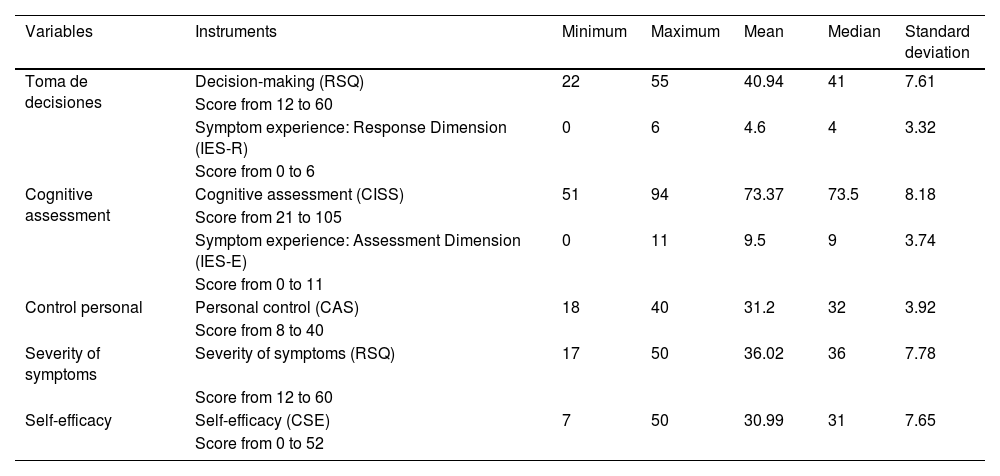
Table 4. Descriptive statistics of the variables.
Tables
Table 5. Summary of generalised linear regression model.
Tables
Abstract
Objective

To determine the predictive value of Cognitive Assessment, Symptom Severity, Personal Control and Self-Efficacy on decision making in the experience of Acute Coronary Syndrome symptoms.

Method

Quantitative study of cross-sectional analytical design, a probabilistic sampling was carried out for 256 participants diagnosed with coronary syndrome in three health institutions. The effects between the independent variables Cognitive Assessment, Symptom Severity, Personal Control, Self-Efficacy and the dependent Decision-Making were analyzed. Using inferential statistics, a Generalized Linear Regression Model was carried out, which allowed establishing the causal relationships between the variables.

Results

Two predictive models were obtained between decision making and cognitive evaluation, in which personal control, severity of symptoms, sex and context were significant. Self-efficacy was not reported as a predictor variable. The values ​​of the independent variables showed a behavior directly proportional to the Decision Making score.

Conclusion

A verification of the conceptual model for the management of symptoms was carried out.

Keywords:
Decision making
Cognitive assessment
Severity of symptoms
Personal control
Self-efficacy
Acute coronary syndrome
Resumen
Objetivo

Determinar el valor predictivo de la evaluación cognitiva, la severidad de los síntomas, el control personal y la autoeficacia sobre la toma de decisiones en la experiencia de los síntomas del síndrome coronario agudo (SCA).

Método

Estudio cuantitativo de diseño analítico transversal, se realizó un muestreo probabilístico para 256 participantes con diagnóstico de síndrome coronario en tres instituciones de salud. Se analizaron los efectos entre las variables independientes evaluación cognitiva, severidad de los síntomas, control personal, autoeficacia y la dependiente toma de decisiones. Utilizando estadística inferencial se realizó un modelo de regresión lineal generalizado que permitió establecer las relaciones causales entre las variables.

Resultados

Se obtuvieron dos modelos predictivos entre la toma de decisiones y la evaluación cognitiva, en las que fueron significativas el control personal, la severidad de los síntomas, el sexo y el contexto. La autoeficacia no se reportó como variable predictora. Los valores de las variables independientes mostraron un comportamiento directamente proporcional a la puntuación en la Toma de decisiones.

Conclusión

Se realizó una comprobación del modelo conceptual para el manejo de los síntomas.

Palabras clave:
Toma de decisiones
Evaluación cognitiva
Severidad de síntomas
Control personal
Autoeficacia
Síndrome coronario agudo
Full Text

What is known/what it contributes

Decision-making is a key element involving cognitive assessment, symptom severity, personal control, and self-efficacy, enabling timely symptom identification and response to reduce ACS mortality.

This research highlights the importance of promoting timely decision-making in the experience of coronary symptoms. Cognitive assessment, symptom severity, service, and sex should be prioritised in nursing interventions within the ICU.

It helps the ICU nurse gain an understanding of an individual’s cognitive process when experiencing ACS, focusing on the variables that affect decision making, which will enable them to provide timely care.

Implications of the study

The impact of this research study in practice is in health promotion and prevention, specifically in people with risk factors, intervening through education on predictive variables for decision making during the experience of coronary symptoms.

Introduction

The World Health Organisation (WHO),1 has warned of the increase in mortality from cardiovascular disease-related causes, projecting that by 2030, nearly 23 million people will die from ischaemic heart disease. Part of the increase in these numbers is related to the delay in people deciding to seek help when experiencing symptoms of acute coronary syndrome (ACS).2,3

Decision-making requires cognitive and contextual skills that enable the person to process the information gained from symptom experience. Research in this area has shown that delayed decision-making on experiencing ACS symptoms is related to believing the symptoms are benign or associated with other conditions, pretending that nothing is wrong, or self-medicating, delaying seeking help.4,5

When a person is experiencing ACS, they perceive bodily changes or symptoms and then assign a level of severity based on their assessment and make a decision.6,7 A study on the factors that delay decisions to seek help in these patients found that cognitive variables were predictors of this delay (β = −.26, P = .05), with actions such as trying to relax, pretending nothing is wrong, or praying for the symptoms to go away being their first line of response.8 Another study found significant relationships between longer delays in asking for help and waiting for symptoms to go away (r = .35, P = .005), not recognising symptoms as cardiac in origin (r = .27, P = .03), and not considering the symptoms to be severe (r = .28, P = .03).9

Delayed decision-making affects the time it takes to start treatment for symptoms,6,7 because in most cases, individuals give priority to other competing social demands, and do not prioritise care of their own health.8 Thus, with the review of the evidence on the subject, we determined that there are multiple factors that facilitate or limit decision-making. However, some are contradictory, or their associations are not so strong,6–9 hence the need to recognise some variables from evidence and theory as potential predictors of this phenomenon in Colombia.

For this reason, this research study used the assumptions of the Conceptual Symptom Management Model (CSMM) by Dood et al.,10 because it takes the person with symptoms as its focus. This theoretical framework asserts that decision-making includes individual perception, assessment of the experience of and response to symptoms, components that appear to be bidirectionally and simultaneously related. Decision-making is assumed to be the component of responses made by the individual within their experience of symptoms when undergoing ACS and predictors are approached from the component of assessment, defined as how a person assesses symptoms.

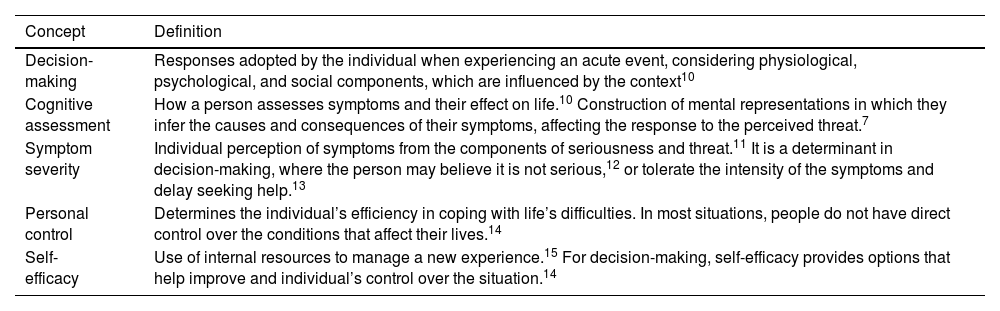
According to the Model, the predictors for decision-making are cognitive assessment, symptom severity, personal control, and self-efficacy, which were tested in this study. For clarity, these concepts are described in Table 1.

Table 1.

Definition of concepts linked to the model by Dood et al.

Concept  Definition 
Decision-making  Responses adopted by the individual when experiencing an acute event, considering physiological, psychological, and social components, which are influenced by the context10 
Cognitive assessment  How a person assesses symptoms and their effect on life.10 Construction of mental representations in which they infer the causes and consequences of their symptoms, affecting the response to the perceived threat.7 
Symptom severity  Individual perception of symptoms from the components of seriousness and threat.11 It is a determinant in decision-making, where the person may believe it is not serious,12 or tolerate the intensity of the symptoms and delay seeking help.13 
Personal control  Determines the individual’s efficiency in coping with life’s difficulties. In most situations, people do not have direct control over the conditions that affect their lives.14 
Self-efficacy  Use of internal resources to manage a new experience.15 For decision-making, self-efficacy provides options that help improve and individual’s control over the situation.14 

Source: Constructed by the authors.

Given the above, the aim of this study was to determine the predictive value of cognitive assessment, symptom severity, personal control, and self-efficacy on decision-making on experiencing ACS symptoms, which are linked to Dood's Model.10

Method

An observational study of cross-sectional analytical design using generalised linear regression modelling to establish predictor variables of decision-making. A sample of 256 participants was calculated considering a standard deviation of 60%, a type I error of .05, and a type 2 error of 80%; with this value, a stratified probability sampling was performed, obtaining a minimum of 85 participants per stratum, who were in the intensive or coronary care unit (ICU/CCU), cardiac hospitalisation and rehabilitation programme. The collection process attempted to maintain this proportion of participants per stratum; however, there were minor numerical differences between services, as described in the results. We included people over 18 years of age with a confirmed diagnosis of ACS, in three health institutions in the city of Bogotá, Colombia. Those for whom ACS was not the main reason for admission were excluded.

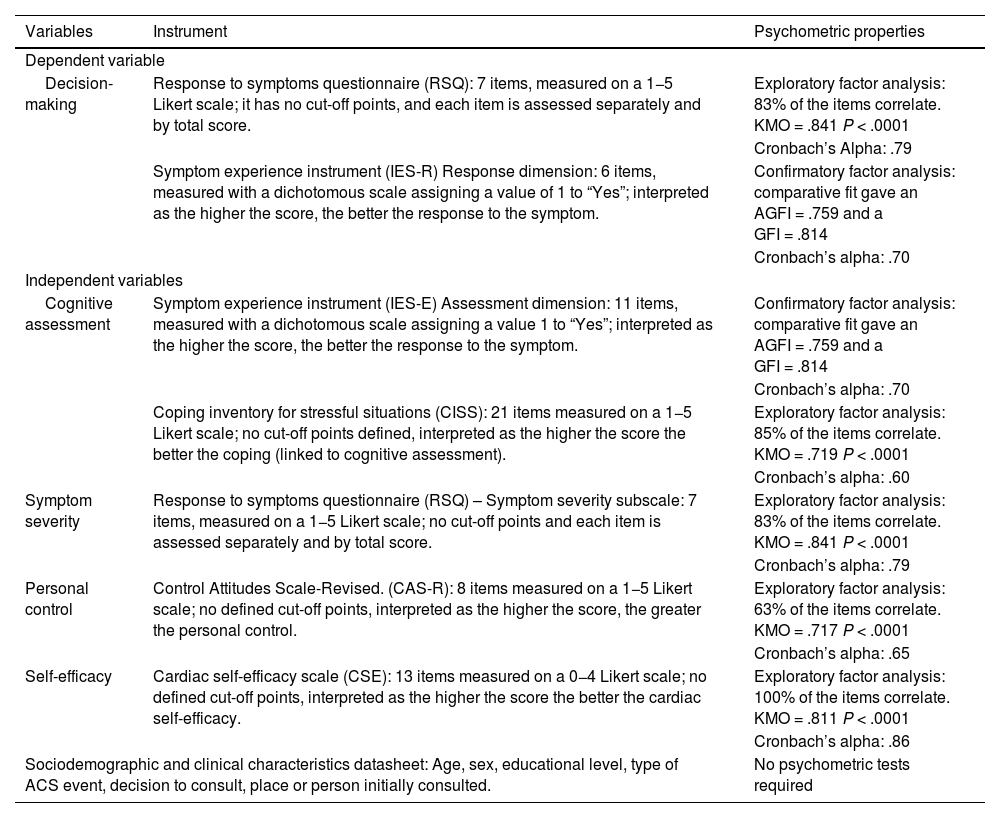
Cognitive assessment, symptom severity, personal control, self-efficacy, and sociodemographic and clinical characteristics were defined as independent variables; and decision-making was defined as the dependent variable. These variables were measured using the instruments detailed in Table 2, which were validated for the Colombian context.16

Table 2.

Measuring instruments and their psychometric properties.

Variables  Instrument  Psychometric properties 
Dependent variable
Decision-makingResponse to symptoms questionnaire (RSQ): 7 items, measured on a 1−5 Likert scale; it has no cut-off points, and each item is assessed separately and by total score.Exploratory factor analysis: 83% of the items correlate. KMO = .841 P < .0001 
Cronbach’s Alpha: .79 
Symptom experience instrument (IES-R) Response dimension: 6 items, measured with a dichotomous scale assigning a value of 1 to “Yes”; interpreted as the higher the score, the better the response to the symptom.Confirmatory factor analysis: comparative fit gave an AGFI = .759 and a GFI = .814 
Cronbach’s alpha: .70 
Independent variables
Cognitive assessmentSymptom experience instrument (IES-E) Assessment dimension: 11 items, measured with a dichotomous scale assigning a value 1 to “Yes”; interpreted as the higher the score, the better the response to the symptom.Confirmatory factor analysis: comparative fit gave an AGFI = .759 and a GFI = .814 
Cronbach’s alpha: .70 
Coping inventory for stressful situations (CISS): 21 items measured on a 1−5 Likert scale; no cut-off points defined, interpreted as the higher the score the better the coping (linked to cognitive assessment).Exploratory factor analysis: 85% of the items correlate. KMO = .719 P < .0001 
Cronbach’s alpha: .60 
Symptom severityResponse to symptoms questionnaire (RSQ) – Symptom severity subscale: 7 items, measured on a 1−5 Likert scale; no cut-off points and each item is assessed separately and by total score.Exploratory factor analysis: 83% of the items correlate. KMO = .841 P < .0001 
Cronbach’s alpha: .79 
Personal controlControl Attitudes Scale-Revised. (CAS-R): 8 items measured on a 1−5 Likert scale; no defined cut-off points, interpreted as the higher the score, the greater the personal control.Exploratory factor analysis: 63% of the items correlate. KMO = .717 P < .0001 
Cronbach’s alpha: .65 
Self-efficacyCardiac self-efficacy scale (CSE): 13 items measured on a 0−4 Likert scale; no defined cut-off points, interpreted as the higher the score the better the cardiac self-efficacy.Exploratory factor analysis: 100% of the items correlate. KMO = .811 P < .0001 
Cronbach’s alpha: .86 
Sociodemographic and clinical characteristics datasheet: Age, sex, educational level, type of ACS event, decision to consult, place or person initially consulted.No psychometric tests required 

Source: Table prepared by the authors based on data obtained from the adaptation and validation of the instruments in Colombia.

Regarding the analysis of the data collected, descriptive statistics were initially performed using the statistical software SPSS version 21 on dependent and independent variables and their normality was defined. Then, to address the CSMM hypotheses, a generalised linear regression model17 was performed using R software to estimate the probability of occurrence of an event according to predictor variables. This type of regression allows both numerical and categorical response variables17 to be unified within the model, using probability models of an event,18 thus responding to the nature of the variables, especially due to the use of the IES Instrument.

In view of the above, two types of models were generated according to the way the dependent variable was measured:

  • 1

    A model with a continuous-type response variable, represented in decision-making measured with the RSQ (Likert-type response scale) and whose regressor variables were cognitive evaluation, personal control, symptom severity, self-efficacy, gender, number of the event, and type of service: the generalised linear model was suggested with the identity link function and the logarithmic link function.

  • 2

    A model with a categorical response variable, represented by decision-making measured with the IES-R scale and whose regressor variables were cognitive assessment, personal control, symptom severity, self-efficacy, gender, number of events, and type of service: the generalised linear model considered the logit link function, probit link function, and cloglog link function.

As mentioned, the models were fitted with different link functions for each, where the best model was selected according to AIC (the Akaike information criterion) and which were significant and which were not were defined to fit the model using the Wald test. The hypothesis H0: βj = 0 was tested for each of the variables and with these parameters two models were developed and explained in the results.

Ethical considerations

In terms of the ethical aspects, we received the endorsement of the institutional ethics committee (information omitted at this time due to the double-blind review process) and the ethical principles of confidentiality, autonomy, justice, and reciprocity were respected through informed consent.

Results

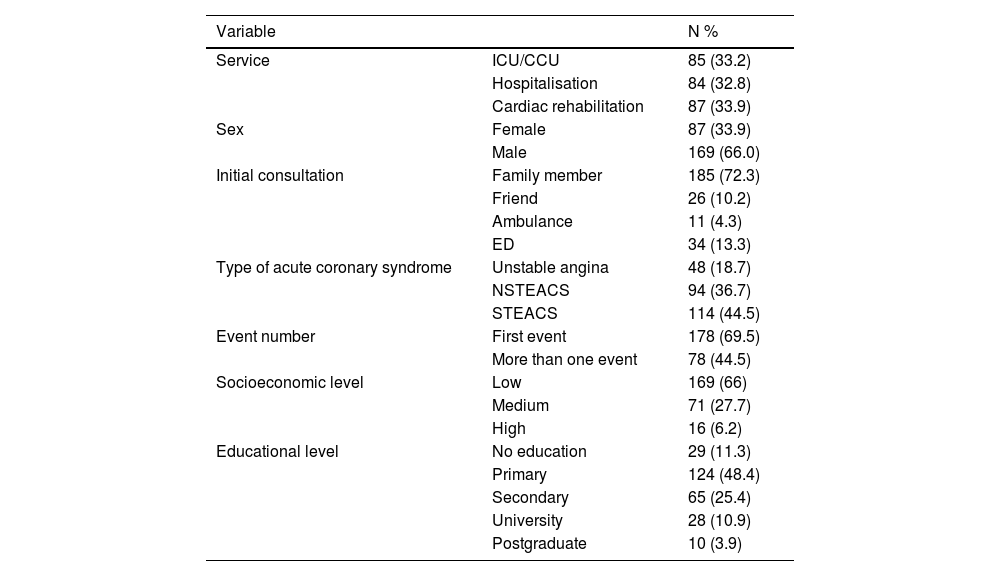
The sample studied consisted of 256 people, aged between 25 and 84 years (mean 63.7, SD 10.08), 66% were male, and 34% female. Regarding the decision to consult with symptoms, the initial approach was made by a family member in 72.2%, the first-time event was the most prevalent at 69.5%, and the types of ACS were acute ST-elevation myocardial infarction (STEMI) in 44.5%, non-ST-elevation acute coronary syndrome (NSTEACS) in 36.7%, and unstable angina in 18.7%. Table 3 expands on the description of these sociodemographic and clinical variables.

Table 3.

Sociodemographic and clinical characteristics of the population.

VariableN % 
ServiceICU/CCU  85 (33.2) 
Hospitalisation  84 (32.8) 
Cardiac rehabilitation  87 (33.9) 
SexFemale  87 (33.9) 
Male  169 (66.0) 
Initial consultationFamily member  185 (72.3) 
Friend  26 (10.2) 
Ambulance  11 (4.3) 
ED  34 (13.3) 
Type of acute coronary syndromeUnstable angina  48 (18.7) 
NSTEACS  94 (36.7) 
STEACS  114 (44.5) 
Event numberFirst event  178 (69.5) 
More than one event  78 (44.5) 
Socioeconomic levelLow  169 (66) 
Medium  71 (27.7) 
High  16 (6.2) 
Educational levelNo education  29 (11.3) 
Primary  124 (48.4) 
Secondary  65 (25.4) 
University  28 (10.9) 
Postgraduate  10 (3.9) 

Source: Table adapted from the data obtained in SPSS software.

In terms of the main study variables, the descriptive results are shown in Table 4, which show a tendency to high values in all variables except for self-efficacy, which shows a medium value.

Table 4.

Descriptive statistics of the variables.

Variables  Instruments  Minimum  Maximum  Mean  Median  Standard deviation 
Toma de decisionesDecision-making (RSQ)  22  55  40.94  41  7.61 
Score from 12 to 60           
Symptom experience: Response Dimension (IES-R)  4.6  3.32 
Score from 0 to 6           
Cognitive assessmentCognitive assessment (CISS)  51  94  73.37  73.5  8.18 
Score from 21 to 105           
Symptom experience: Assessment Dimension (IES-E)  11  9.5  3.74 
  Score from 0 to 11           
Control personal  Personal control (CAS)  18  40  31.2  32  3.92 
  Score from 8 to 40           
Severity of symptoms  Severity of symptoms (RSQ)  17  50  36.02  36  7.78 
  Score from 12 to 60           
Self-efficacy  Self-efficacy (CSE)  50  30.99  31  7.65 
  Score from 0 to 52           

Source: Table adapted to the data obtained in the SPSS software.

On the other hand, to test the hypotheses in which cognitive assessment, symptom severity, personal control and self-efficacy on decision-making are predicted, a generalised linear regression model was used, which is presented in Table 5.

Table 5.

Summary of generalised linear regression model.

Variable  β  CI  P-value 
Personal control  .12286  .045–.254  < .01 
Symptom severity  .95545  .78–.998  < .01 
Cognitive assessment * sex  −1.24131  −1.084 to 1.887  .00294 
Type of service  −.83464  −.754 to .92  .00905 

Source: Table adapted from the data obtained in R software.

Then, as described in the previous section, two models were posited according to how the dependent variable was measured. These models are presented below:

Model 1. Decision-making measured with the RSQ and cognitive assessment measured with the IES according to sex (Fig. 1).

Figure 1.

Decision-making model RSQ and Cognitive evaluation IES. Evaluacion_cognitiva: cognitive assessment; control_personal: personal control; severidad_sintomas: symptoms severity; sexo: sex.

Source: Model generated by R software.

For this model, the significant variables with respect to decision-making were cognitive assessment and gender, without neglecting personal control and symptom severity. Thus, two scenarios were considered with cognitive assessment as a constant:

  • a)

    If when assessing the experience of symptoms, symptom severity is constant in its behaviour, sex does not vary, but the personal control score does increase by one unit, the person's decision-making increases by .12286 units.

  • b)

    If when evaluating the experience of symptoms, personal control is constant, sex does not vary, but the measure of symptom severity does increase by one unit, the person's decision-making increases by .95545 units.

Likewise, when cognitive assessment is taken into consideration in this model, qualifying it as adequate and inadequate, together with sex (male or female), it is possible to determine 2 additional models:

  • Inadequate cognitive assessment according to sex (Fig. 2)

For this model, comparing two people of different sexes (a man and a woman) who experience inadequate cognitive assessment and have the same score on personal control and symptom severity, it was found that the man’s decision-making was .4907 units lower than the woman’s, showing that in these conditions women make better decisions.

  • Assessment of adequate cognitive according to sex (Fig. 3)

Figure 2.

Inadequate cognitive assessment model. Control_personal: personal control; severidad_sintomas: symptoms severity; sexo: sex.

Source: Model generated by R software.

For this model, comparing two people of different sexes (a man and a woman), who report adequate cognitive assessment and have the same score on personal control and symptom severity, showed that the man's decision-making was .75061 units higher than the woman's, demonstrating that under these conditions men make better decisions.

Figure 3.

Adequate cognitive assessment model. Control_personal: personal control; severidad_sintomas: symptoms severity; sexo: sex.

Source: Model generated by R software.

Model 2. Decision-making measured with the IES and cognitive assessment measured with the service-dependent CISS (Fig. 4).

Figure 4.

IES decision-making model and CISS cognitive assessment. Severidad_sintomas: symptoms severity; servicio: service.

Source: Model generated by R software.

With this model, it was considered important to know whether the symptom experience of the participants in each of the care services affected decision-making, verifying that proposed in the CSMM,10 where the influence of the setting on the dimension of symptom experience is considered.

This model indicates that, comparing two people, the first located in the ICI/CCU and the second in the cardiac rehabilitation and/or hospitalisation service, both with the same perception of symptom severity, it is possible that the appropriate response of the first is 56.59% lower than that of the second. This model, unlike the others, and with the service variable playing a role, shows an inversely proportional relationship to decision-making.

In summary, the variables that were generated in the models were cognitive assessment, personal control, and symptom severity, and therefore it can be stated that these are fundamental elements within the experience of coronary symptoms. The variable that did not occur in any model was self-efficacy.

Discussion

The statistical models generated represent the concepts of Dood's CSMM and test their relationships. In this respect, the predictor variables demonstrate that they are determinant in the decision-making of individuals when they are experiencing an ACS and this is evident in each of the models.

The first model presents 2 pathways that take the cognitive assessment performed and sex into account. Thus, one of the models generated from this indicates that, when comparing 2 people with an inadequate cognitive assessment and the same score in the variables of personal control and severity of symptoms, but the first being a man and the second woman, it is the woman who will make a better decision.

Overall, the scientific literature confirms that inadequate cognitive processes lead to delays in seeking help because coronary symptoms are not recognised,19 and because people with cardiovascular disease show significantly reduced cognitive functions at rest,20 which affects their cognitive assessment of the symptom experience. In this case, with the model proposed, women make better decisions in this context, where it seems that personal control and symptom severity are what regulate this decision-making,21 although it is not known why this occurs, beyond evidence of the multi-causal context that leads women to make the decision to consult despite inadequate cognitive assessment.22

On the other hand, there is the second option within this same model, which indicates that when comparing two people with adequate cognitive assessment and the same score on the variables of personal control and severity of symptoms, but the first being a man and the second a woman, it is the man who will make a better decision. This leads us to consider female sex as a decisive factor with respect to symptoms, as it has been proven that the atypical nature of the presentation of coronary symptoms in women, the difference in the age of onset of the event between men and women, better coping with the disease and poor recognition of prodromal symptoms are important factors in causing delayed response,23–26 in addition to the importance that women attach to the various roles they assume, which means that even with an adequate cognitive assessment, they present greater delays in decision-making.21,27

Regarding the second model, the service (ICU/CCU, cardiac rehabilitation and hospitalisation) behaved as a predictive variable within this model, in which, when comparing two people with the same score in symptom severity, the first being in ICU/CCU and the second in cardiac rehabilitation and/or an inpatient, the possibility of the first making a better decision is lower than the second.

In support of the above, the experience of people in the ICU/CCU is not very positive; instead, they report that, because it is a setting full of stimuli, technology, dependence, and social isolation, it is a source of stress, anxiety, and depression, which can negatively influence the response to new coronary symptom experiences.28,29

In the case of the inpatient service, the patient receives health education prior to discharge as part of the interventions of the service professionals and the cardiac rehabilitation programme. This allows the patient and their family to develop self-care skills in a voluntary and participatory manner.30

It is noteworthy that the variable of self-efficacy was not statistically significant despite being a central variable in the model. It seems that when its behaviour is analysed with other variables such as those described above, it is not as decisive as when working independently. This was the case with similar studies such as those of Lu et al.,31 and Lakeshia et al.,32 where this variable was either insignificant or had very low correlations.

In summary, the variables of cognitive assessment, personal control, and symptom severity are the predominant predictors of decision-making, with sex and care service emerging as complementary predictors. In turn, literature references have shown that knowledge about symptoms, risk factors, and preventive measures help to understand this experience, improving both personal control and cognitive assessment to be able to make decisions.33–35 Furthermore, the individual’s subjective feeling about symptom severity has been found to be a predictor that delays the decision to consult because they identify it as something benign.21,36

Finally, the CSMM approach, in which the assessment of symptoms influences the response to them, with a bidirectional relationship, was confirmed. Therefore, when there is an adequate level of symptom assessment and/or symptom severity increases, the response to symptoms is better if the sex of the person is disregarded, which coincides with the predictive model. However, it is necessary to recognise that the contextual variables of sex and setting affect the dimension of symptom experience, given the opportunity for future sex-specific testing of the model, focusing on predictors for decision-making in the symptom experience of women with ACS.

Limitations

Despite the findings regarding sex as an influential contextual variable in the experience of coronary symptoms, this could not be controlled for, due to the natural behaviour of the phenomenon, and therefore the sample size by sex did not allow for further analysis, which would have enhanced the way of working on prevention and intervention specific to men and women.

Conclusions

Identifying the predictive value of the influential variables in the experience of ACS symptoms will, in the long term, enable a reduction in the time delay in decision-making. This will mean significant improvement in the effective identification of this disease, timely treatment, and improvement of prognosis. In addition to the independent variables proposed as predictors, the models also indicated contextual variables such as sex and service as influential in decision-making.

These predictive models were able to verify the contributions of both the scientific literature and the theoretical approaches of the CSMM, demonstrating their usefulness in the clinical area by helping to develop tools and cardiovascular health promotion and prevention strategies, based on the screening of cognitive predictors and their intervention in preventing fatal outcomes.

Source and financing

Work derived from the doctoral thesis entitled “Cognitive predictors of decision making in the experience of symptoms of Acute Coronary Syndrome”, developed within the framework of the forgivable credit of Colciencias in Call 617 of 2013 for national doctorates – Colombia.

Declaration of interests

The authors declare that they have no known competing financial interests or personal relationships that could have appeared to influence the work reported in this paper.

The authors declare the following financial interests/personal relationships which may be considered as potential competing interests:

None.

References
[1]
World Health Organization WHO. The top 10 causes of death [Internet] [accessed Nov 20 2022]. 2018. Available from: https://www.who.int/news-room/fact-sheets/detail/the-top-10-causes-of-death.
[2]
R. Mishra, M. Kunduz.
Determinants of cardiovascular disease and sequential decision-making for treatment among women: a Heckman’s approach.
[3]
J.P. Collet, H. Thiele, E. Barbato, O. Barthélémy, J. Bauersachs, D. Bhatt, et al.
Guía ESC 2020 sobre el diagnóstico y tratamiento del síndrome coronario agudo sin elevación del segmento ST.
Rev Esp Cardiol., 74 (2021), pp. 482-710
[4]
C.G. Nielsen, K.G. Laut, L.O. Jensen, J. Ravkilde, C.J. Terkelsen, S.D. Kristensen.
Patient delay in patients with ST-elevation myocardial infarction: time patterns and predictors for a prolonged delay.
Eur Heart J Acute Cardiovasc Care., 6 (2017), pp. 583-591
[5]
T. Nestelberger, J. Boeddinghaus, D. Wussler, R. Twerenbold, P. Badertscher, K. Wildi, et al.
Predicting major adverse events in patients with acute myocardial infarction.
J Am Coll Cardiol., 74 (2019), pp. 842-854
[6]
C.A. Munro, J.M. Winicki, D.J. Schretlen, E.W. Gower, K.A. Turano, B. Muñoz, et al.
Sex differences in cognition in healthy elderly individuals.
Neuropsychol Dev Cogn B Aging Neuropsychol Cogn., 19 (2012), pp. 759-768
[7]
D. Cioffi.
Beyond attentional strategies: a cognitive-perceptual model of somatic interpretation.
Psychol Bull., 109 (1991), pp. 25-41
[8]
P.W. Li, D.S. Yu.
Predictors of pre-hospital delay in Hong Kong Chinese patients with acute myocardial infarction.
Eur J Cardiovasc Nurs., 17 (2018), pp. 75-84
[9]
R.E.M. van Oosterhout, A.R. de Boer, A.H.E.M. Maas, F.H. Rutten, M.L. Bots, S.A.E. Peters.
Sex differences in symptom presentation in acute coronary syndromes: a systematic review and meta-analysis.
J Am Heart Assoc., 9 (2020),
[10]
M. Dodd, S. Janson, N. Facione, J. Faucett, E. Froelicher, J. Humphreys, et al.
Advancing the science of symptom management.
J Adv Nurs., 33 (2001), pp. 668-676
[11]
T.S. Armstrong.
Symptoms experience: a concept analysis.
Oncol Nurs Forum., 30 (2003), pp. 601-606
[12]
A.K. Sigurdardottir, K. Sigurlásdóttir, K. Ólafsson, M.H. Svavarsdóttir.
Perceived consequences, changeability and personal control of coronary heart disease are associated with health-related quality of life.
J Clin Nurs., 26 (2017), pp. 3636-3645
[13]
K. Dracup, S. McKinley, B. Riegel, H. Mieschke.
A nursing intervention to reduce prehospital delay in acute coronary syndrome.
J Cardiovasc Nurs., 21 (2006), pp. 186-193
[14]
A. Bandura.
On the functional properties of perceived self-efficacy revisited.
J Manage., 38 (2012), pp. 9-44
[15]
Y. Kang, I.S. Yang.
Cardiac self-efficacy and its predictors in patients with coronary artery diseases.
J Clin Nurs., 22 (2013), pp. 2465-2473
[16]
C.Y. Bernal Cárdenas.
Predictores cognitivos de la toma de decisiones en la experiencia de los síntomas de Síndrome Coronario Agudo.
[17]
E. López González, M. Ruiz Soler.
Análisis de datos con el Modelo Lineal Generalizado. Una aplicación con R.
Rev Esp Pedagog., LXIX (2011), pp. 59-80
[18]
M.T. Escobedo Portillo, J.A. Hernández Gómez, V. Estebané Ortega, G. Martínez Moreno.
Modelos de ecuaciones estructurales: características, fases, construcción, aplicación y resultados.
Cienc Trab., 18 (2016), pp. 16-22
[19]
N.A. Khan, S.S. Daskalopoulou, I. Karp, M.J. Eisenberg, R. Pelletier, M.A. Tsadok, et al.
Sex differences in prodromal symptoms in acute coronary syndrome in patients aged 55 years or younger.
[20]
M. Gayda, V. Gremeaux, L. Bherer, M. Juneau, J. Drigny, O. Dupuy, et al.
Cognitive function patients with stable coronary heart disease: related cerebrovascular and cardiovascular responses.
PLoS one., 12 (2017), pp. 1-20
[21]
B. Andrade Mendez, L. Omaira Gomez, D. Arias Torres.
Síndrome coronario agudo en mujeres desde la teoría del manejo del síntoma.
Enfermeria Glob., 19 (2020), pp. 170-182
[22]
F. Rincón-Osorio, L.P. Díaz-Heredia, E. Vargas-Rosero, R.V. González-Consuegra, L.F. Moscoso-Loaiza, J. Manosalva-Murillo, et al.
Síntomas de angina en la mujer colombiana: una metasíntesis.
Rev Colomb Cardiol., 25 (2018), pp. 91-98
[23]
S. Allana, D.D.K. Moser, D.T.S. Ali, D.A.H. Khan.
Sex differences in symptoms experienced, knowledge about symptoms, symptom attribution, and perceived urgency for treatment seeking among acute coronary syndrome patients in Karachi Pakistan.
Heart Lung., 47 (2018), pp. 584-590
[24]
H. DeVon, L. Burke, K. Vuckovic, T. Haugland, A. Eckhardt, F. Patmon, et al.
Symptoms suggestive of acute coronary syndrome. When is sex important?.
J Cardiovasc Nurs., 32 (2017), pp. 383-392
[25]
D. Campo.
Recognizing myocardial infarction in women: a case study.
[26]
R. Pelletier, N. Khan, J. Cox, S. Daskalopaulou, M. Eisenberg, S. Bacon, et al.
Sex versus gender - related characteristics which predicts outcome after acute coronary syndrome in the young?.
J Am Coll Cardiol., 67 (2016), pp. 127-135
[27]
A.K. Bjørnnes, M. Parry, M. Leegaard, A.P. Ayala, E. Lenton, P. Harvey, et al.
Self-management of cardiac pain in women: a meta-summary of the qualitative literature.
Qual Health Res., 28 (2018), pp. 1769-1787
[28]
I.E. Florez Torres, C.V. Giraldo Mora, M.A. Arzuaga Salazar.
La experiencia vivida de una mujer revascularizada por enfermedad coronaria: estudio de caso.
Av Enferm., 34 (2016), pp. 236-250
[29]
V. Larrinaga, E. Hernandez.
Factores psicosociales relacionados con las enfermedades cardiovasculares.
Rev Cuba Cardiol Cir Cardiovasc., 22 (2016), pp. 1-5
[30]
A.M. López Beltrán, S. Barrios Casas, J. Cortés Quintana.
Calidad de vida en adultos posinfartados de la unidad cardiovascular del hospital Dr. Hernán Henríquez Aravena de Temuco.
Cienc Enferm., 23 (2017), pp. 81-89
[31]
M. Lu, H. Xia, J. Ma, Y. Lin, X. Zhang, Y. Shen, et al.
Relationship between adherence to secondary prevention and health literacy, self-efficacy and disease knowledge among patients with coronary artery disease in China.
Eur J Cardiovasc Nurs., 19 (2020), pp. 230-237
[32]
L. Cousin, H. Buck, B. Benitez, P. Mills, L. Redwine.
A structural equation model of gratitude, self-efficacy, and medication adherence in patients with stage B heart failure.
J Cardiovasc Nurs., 35 (2020), pp. E18-E24
[33]
A.A. Ammouri, A.H. Abu Raddaha, A. Tailakh, J. Kamanyire, S. Achora, C. Isac.
Risk knowledge and awareness of coronary heart disease, and health promotion behaviors among adults in Oman.
Res Theory Nurs Pract., 32 (2018), pp. 46-62
[34]
J. Zhou, X. Ding, Y. Zhai, Q. Yi.
Predicting physical activity and lifelong health through personal control and educational attainment.
Percept Mot Skills., 128 (2021), pp. 1998-2013
[35]
E.C. Taylor, M. O’Neill, L.D. Hughes, R. Moss-Morris.
An illness-specific version of the Revised Illness Perception Questionnaire in patients with atrial fibrillation (AF IPQ-R): unpacking beliefs about treatment control, personal control and symptom triggers.
Psychol Health., 33 (2018), pp. 499-517
[36]
A. Kärner Köhler, P. Tingström, T. Jaarsma, S. Nilsson.
Patient empowerment and general self-efficacy in patients with coronary heart disease: a cross-sectional study.
BMC Fam Pract., 19 (2018), pp. 76
Copyright © 2023. Sociedad Española de Enfermería Intensiva y Unidades Coronarias (SEEIUC)
asdasdasd
Article options
Tools