




Chronic post-surgical pain (CPSP) is a major concern following liver transplantation. Despite advancements in surgical and anaesthesia techniques, CPSP remains prevalent and under-researched.
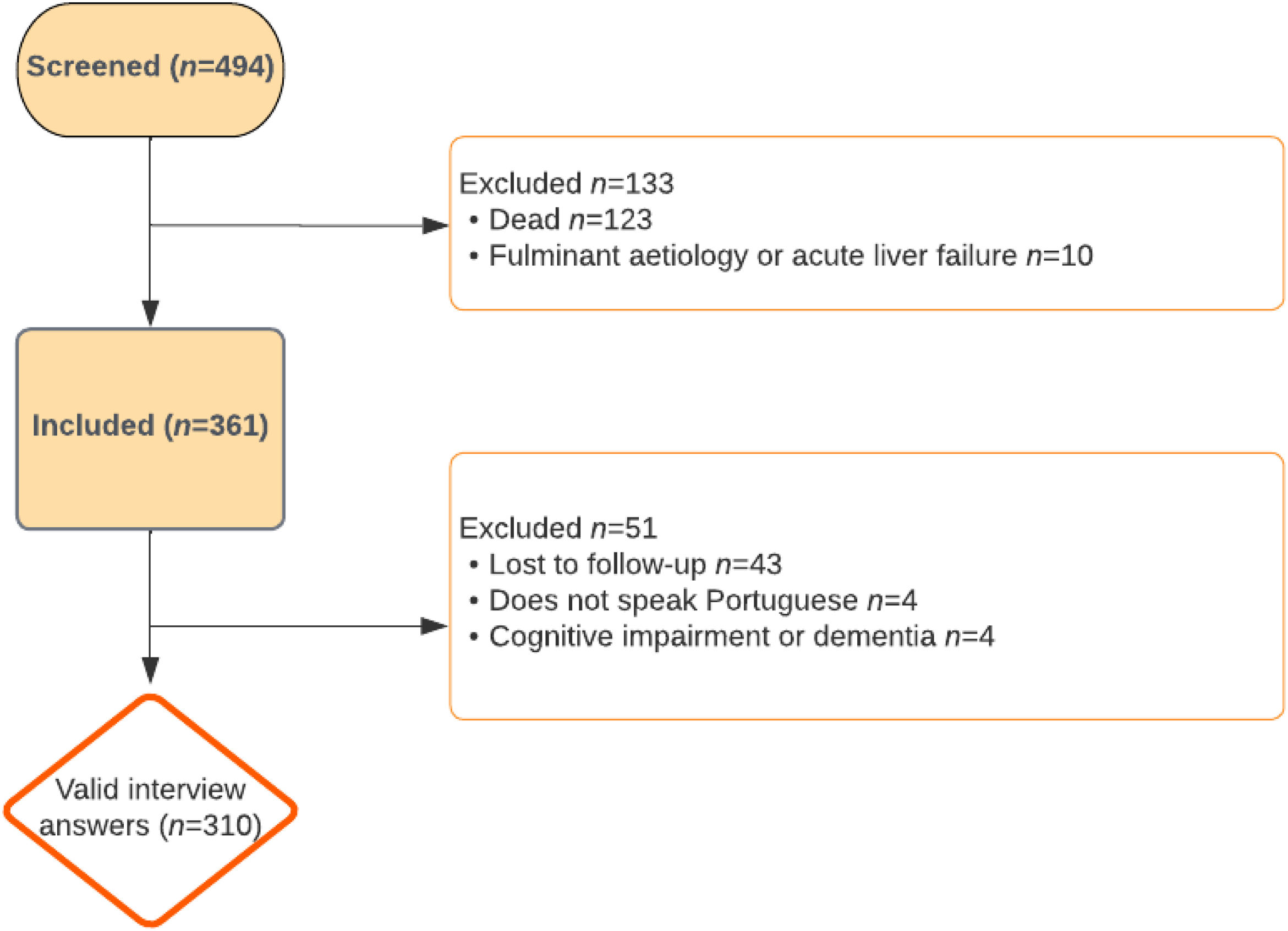
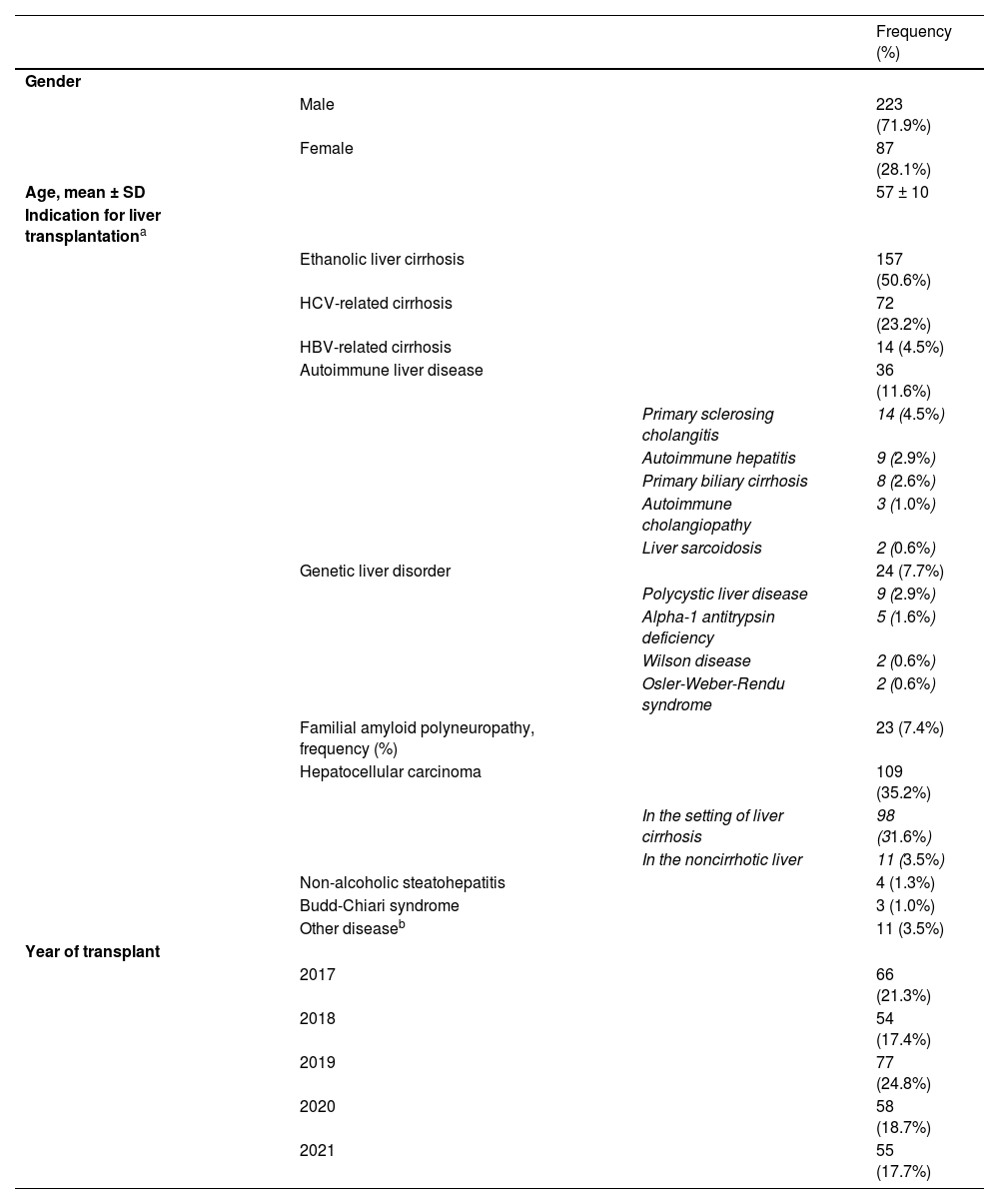
MethodsThis cross-sectional retrospective study was conducted at #, # in patients who underwent liver transplantation between January 2017 and December 2021. A total of 310 patients participated, exceeding the minimum sample size of 247 required for statistical significance. Data were collected from questionnaires administered over the phone – the Brief Pain Inventory Short Form (BPI-SF) and the Douleur Neuropathique en 4 Questions (DN4) – and from a review of each patient’s clinical history.
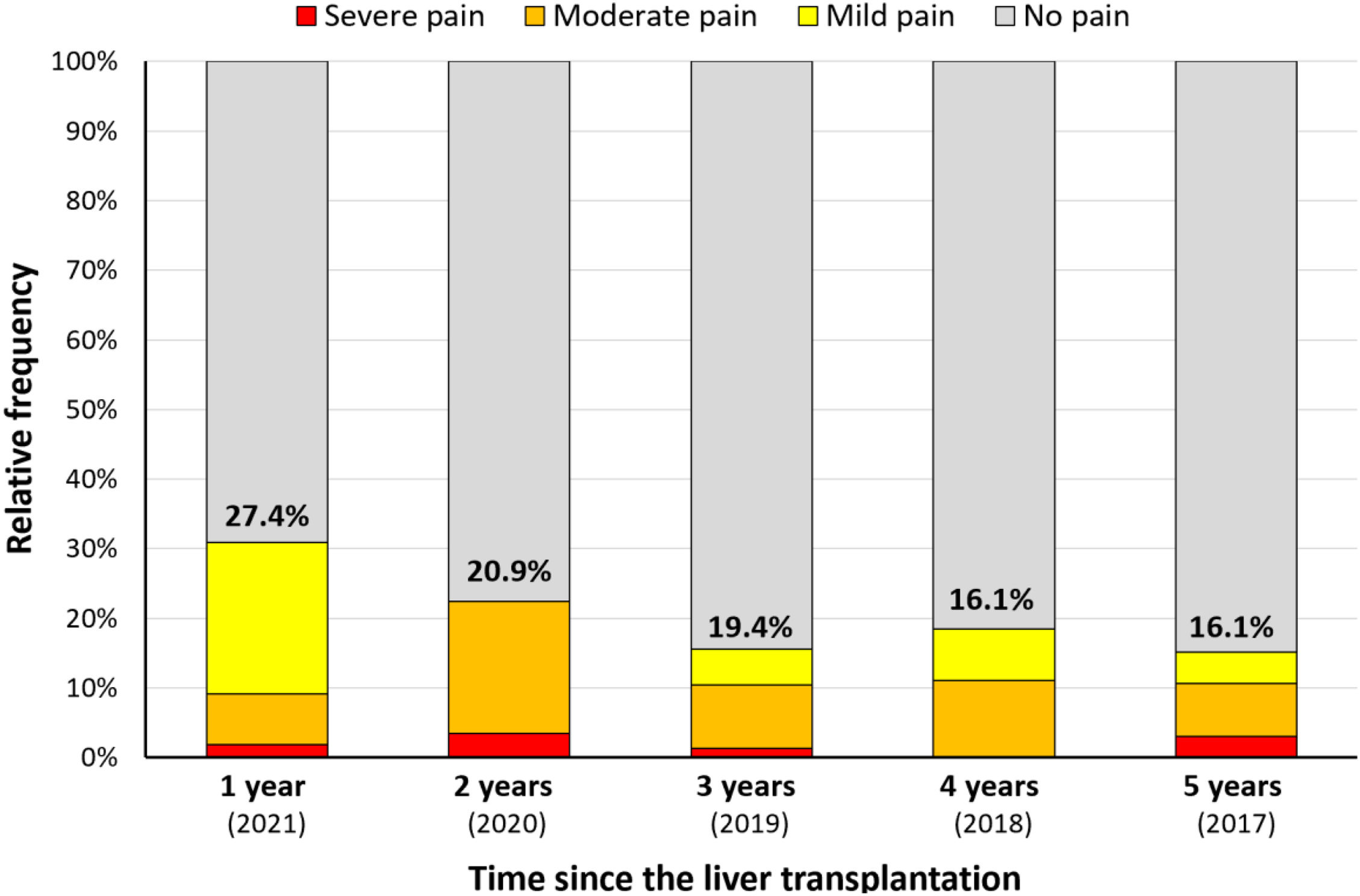
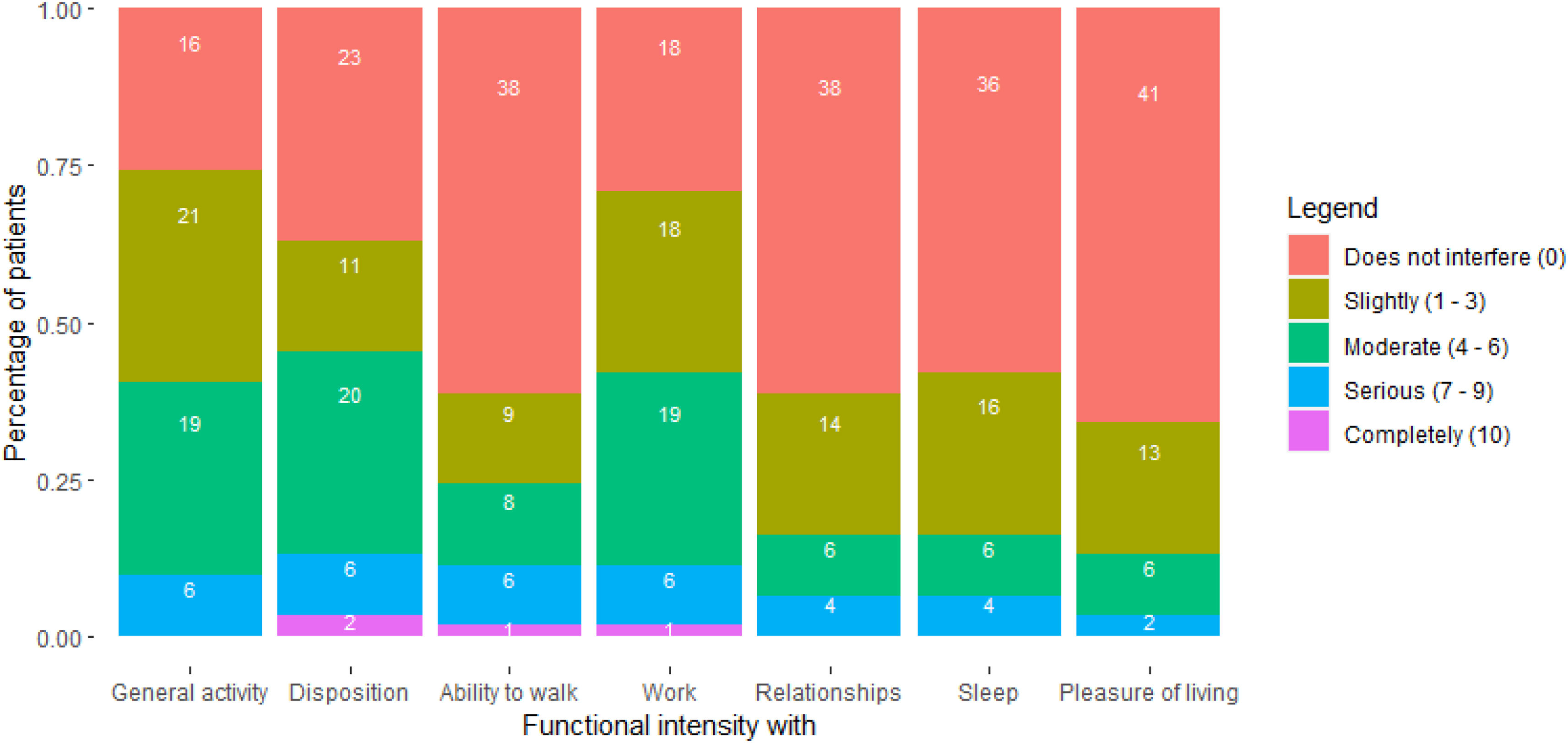
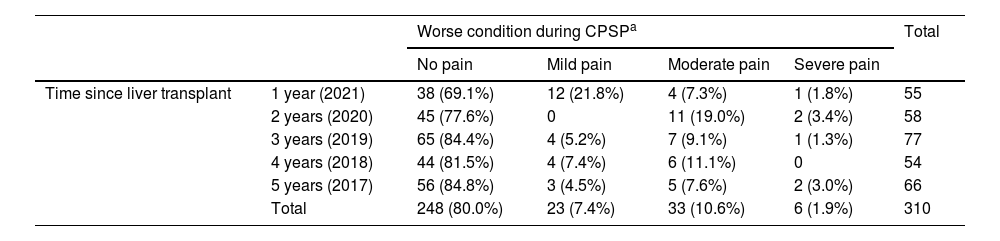
ResultsCPSP was identified in 20.0% of patients, with a higher prevalence in women (27.6%) conpared to men (17.0%) (odds ratio: 1.85; 95% confidence interval: 1.03–3.33; p = 0.019). Acute postoperative pain and female gender were significant independent predictors. Neuropathic pain characteristics were present in 25.8% of cases. We found that CPSP significantly interfered with daily activities, but despite its high incidence, only 24.2% of patients were receiving treatment for their pain.
DiscussionOur findings highlight the impact of CPSP on liver transplant recipients and the need for improved pain management. The study underscores the importance of addressing acute postoperative pain to prevent the development of CPSP and calls for heightened awareness and better treatment protocols to enhance outcones.
ConclusionThis study provides insights into the prevalence and impact of CPSP among liver transplant patients, and identifies acute postoperative pain and female gender as risk factors. The results show the need to improve pain management practices in order to mitigate the long-term effects of CPSP.
El dolor crónico postoperatorio (DCPO) es una preocupación mayor tras el trasplante hepático. A pesar de los avances de las técnicas quirúrgicas y anestésicas, el DCPO sigue siendo prevalente y poco investigado.
MétodosEste estudio retrospectivo transversal fue realizado en #, #, en pacientes sometidos a trasplante hepático entre enero de 2017 y diciembre de 2021. Participó un total de 310 pacientes, superando el tamaño muestral mínimo de 247 individuos requerido para lograr significación estadística. Se recopilaron datos de cuestionarios administrados por teléfono: BPI-SF (Brief Pain Inventory Short Form) y DN4 (Douleur Neuropathique en 4 Questions) y se revisó la historia clínica de cada paciente.
ResultadosSe identificó DCPO en el 20% de los pacientes, con una mayor prevalencia en mujeres (27,6%) en comparación con hombres (17%) (odds ratio: 1,85; intervalo de confianza del 95%: 1,03−3,33; p = 0,019). El dolor postoperatorio agudo y el sexo femenino fueron factores predictivos independientes significativos. Se presentaron características de dolor neuropático en el 25,8% de los casos. Encontramos que el DCPO interfirió significativamente en las actividades diarias, pero, a pesar de esta alta incidencia, sólo el 24,2% de los pacientes recibió tratamiento para el dolor.
DiscusiónNuestros hallazgos destacan el impacto del DCPO en los receptores de trasplante hepático, y la necesidad de mejorar el manejo del dolor. El estudio destaca la importancia de abordar el dolor postoperatorio agudo para prevenir el desarrollo de CPSP, abogando por incrementar la concienciación y por mejores protocolos terapéuticos para mejorar los resultados.
ConclusiónEl estudio aporta información sobre la prevalencia e impacto del DCPO entre los pacientes de trasplante hepático, e identifica el dolor postoperatorio agudo y el sexo femenino como factores de riesgo. Los resultados muestran la necesidad de mejorar las prácticas de manejo del dolor, a fin de mitigar los efectos a largo plazo del DCPO.
