

metricas
covid
Radiología (English Edition) Post-traumatic pelvic haemorrhage: What do I need to know?
Journal Information
Vol. 67. Issue 5.
(September - October 2025)
Visits
11
Vol. 67. Issue 5.
(September - October 2025)
Update in Radiology
Post-traumatic pelvic haemorrhage: What do I need to know?
Hemorragias pélvicas postraumáticas: ¿qué debo conocer?
Visits
11
S. Cayón Somacarreraa,
Corresponding author
s.cayons@gmail.com

Corresponding author.
, M.L. Parra Gordob, A. Mingo Basaílc, I. Galán Gonzálezd
a Servicio de Radiodiagnóstico, Hospital Universitario Marqués de Valdecilla, Instituto de Investigación Sanitaria Valdecilla (IDIVAL), Santander, Spain
b Servicio de Radiodiagnóstico, Hospital Universitario de La Paz, Instituto de Investigación Sanitaria La Paz (IdiPaz), Madrid, Spain
c Servicio de Radiodiagnóstico, Hospital Universitario de La Princesa, Madrid, Spain
d Servicio de Radiodiagnóstico, Hospital Universitario Infanta Leonor, Madrid, Spain
This item has received
Article information
Abstract
Full Text
Bibliography
Download PDF
Statistics
Figures (11)
Show moreShow less
Tables (2)
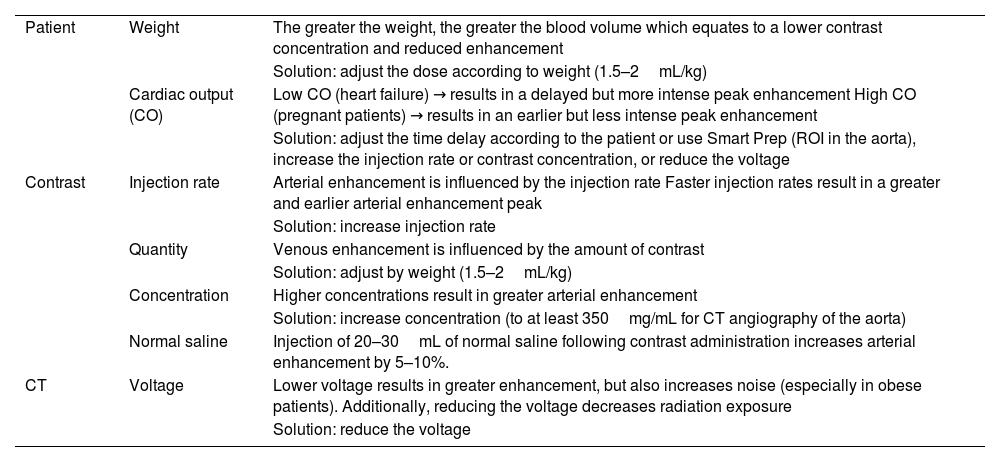
Table 1. Technical considerations for optimal image acquisition.
Tables
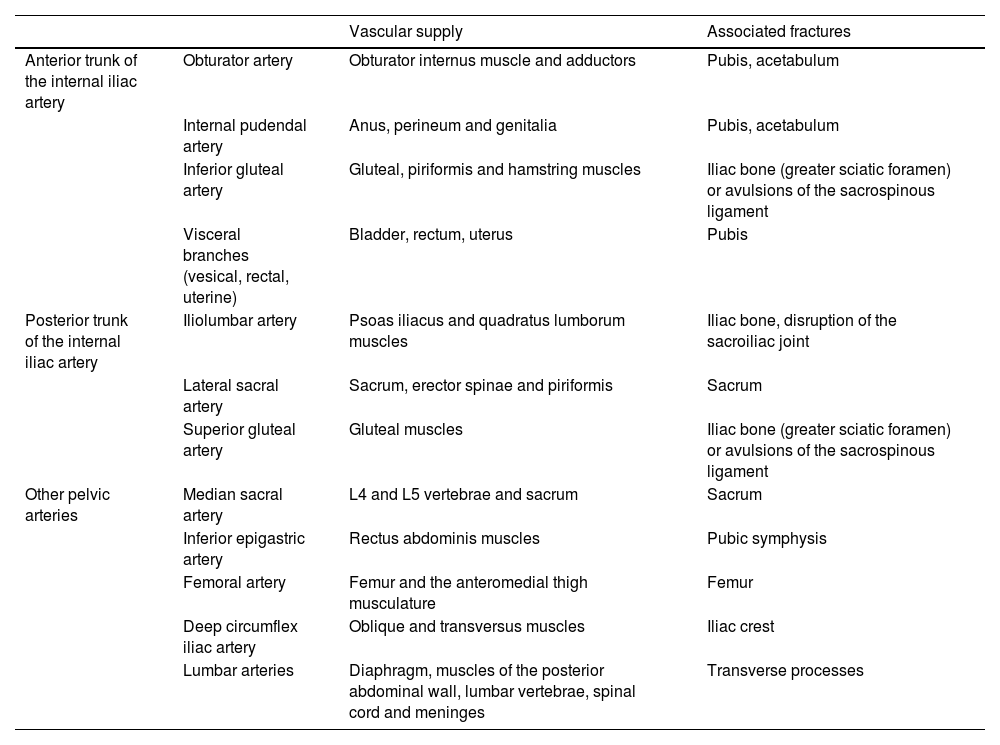
Table 2. Pelvic arteries, vascular supply and fractures associated with their injury.
Tables
Show moreShow less
Abstract

In patients with blunt pelvic trauma, haemodynamic instability resulting from vascular lesions and active bleeding is the main cause of morbidity and mortality. In order to make treatment decisions, an accurate diagnosis of the origin and characteristics of the bleeding is required, whether from arteries, veins or bony surfaces.

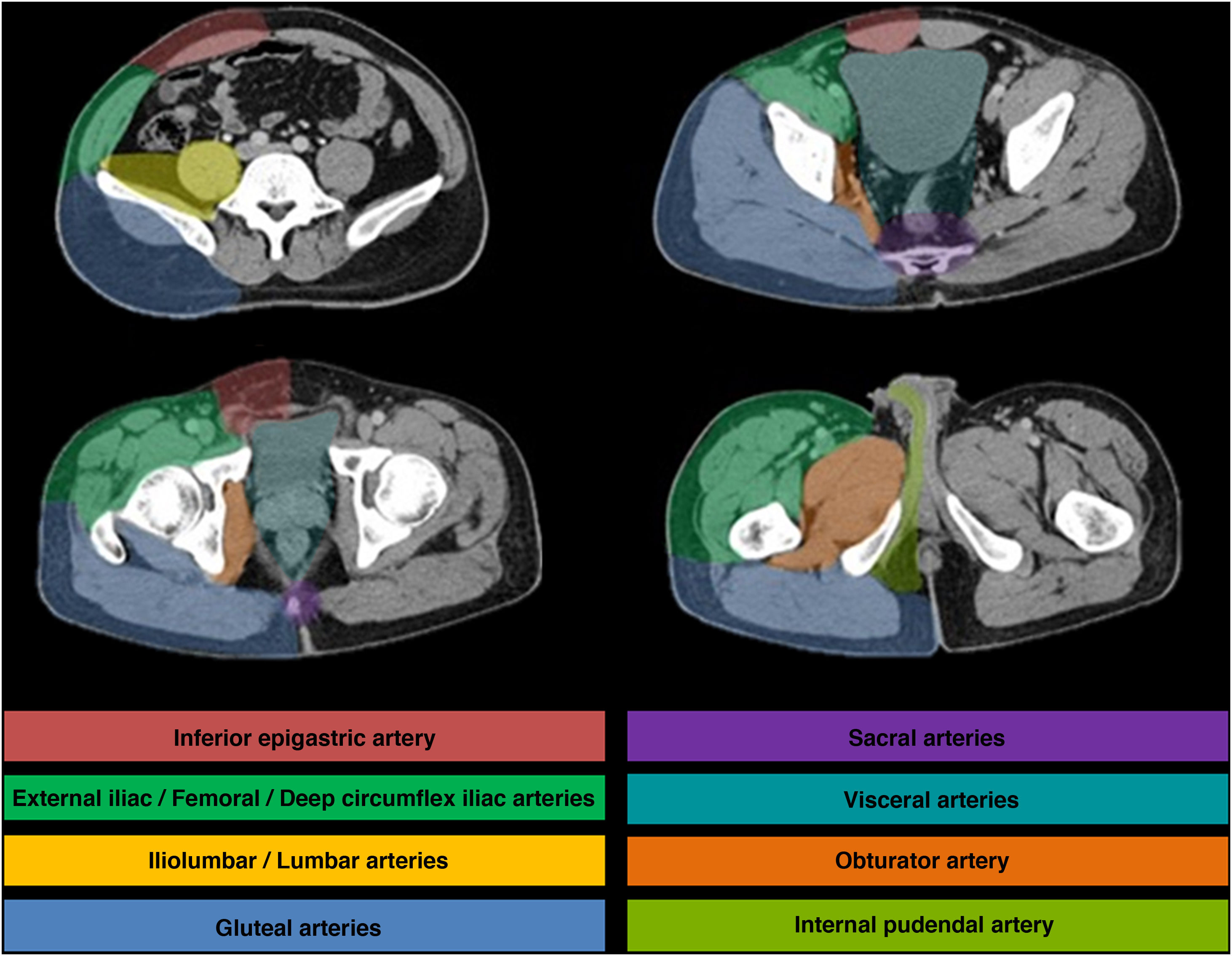
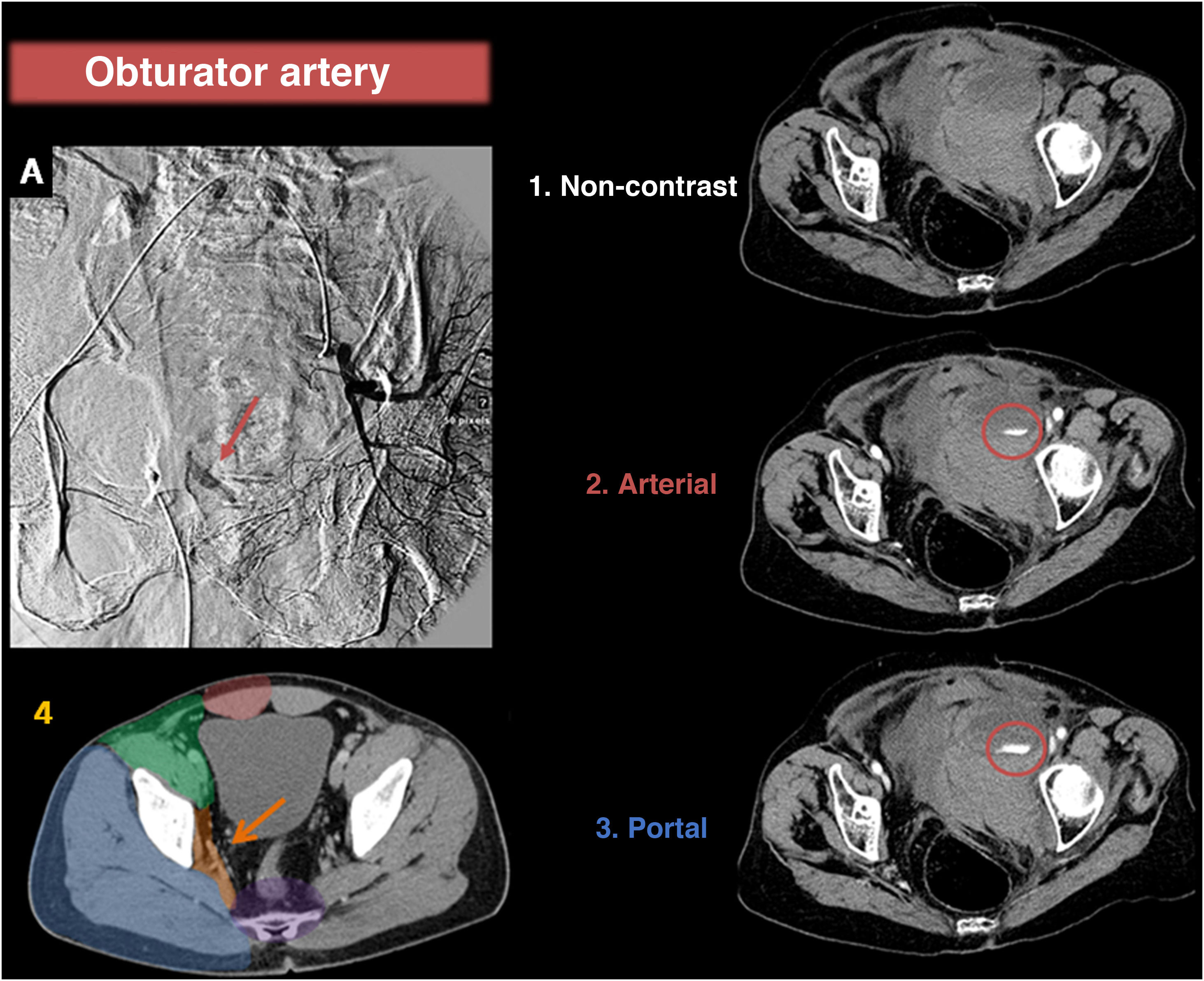
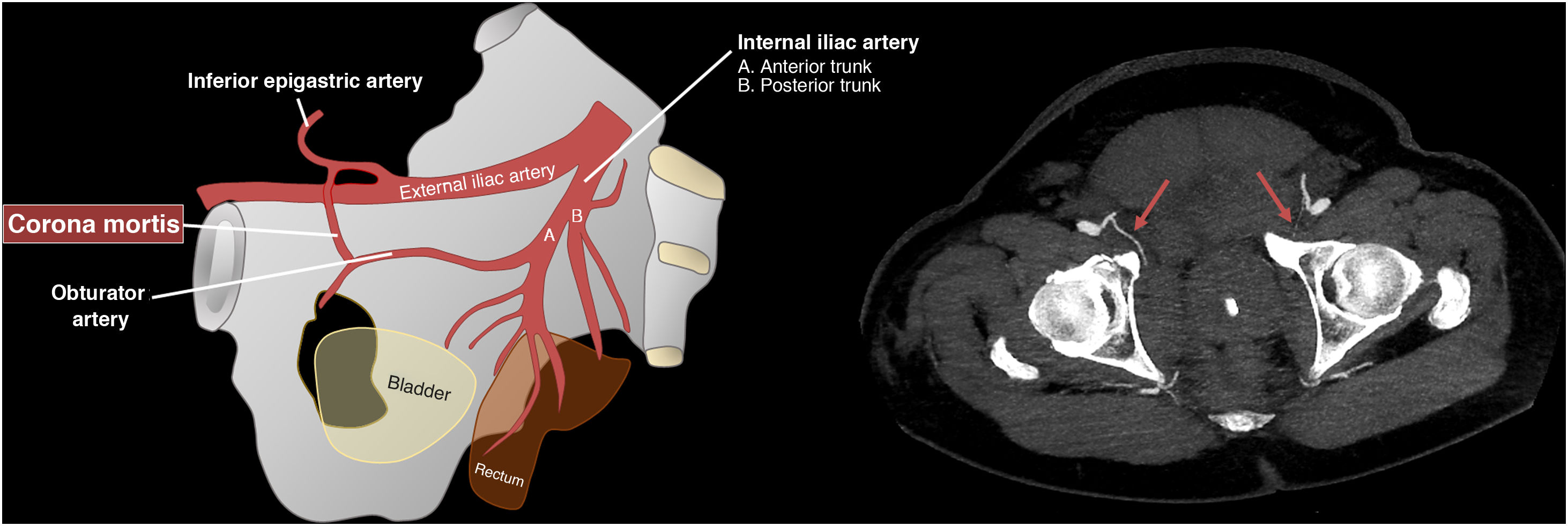
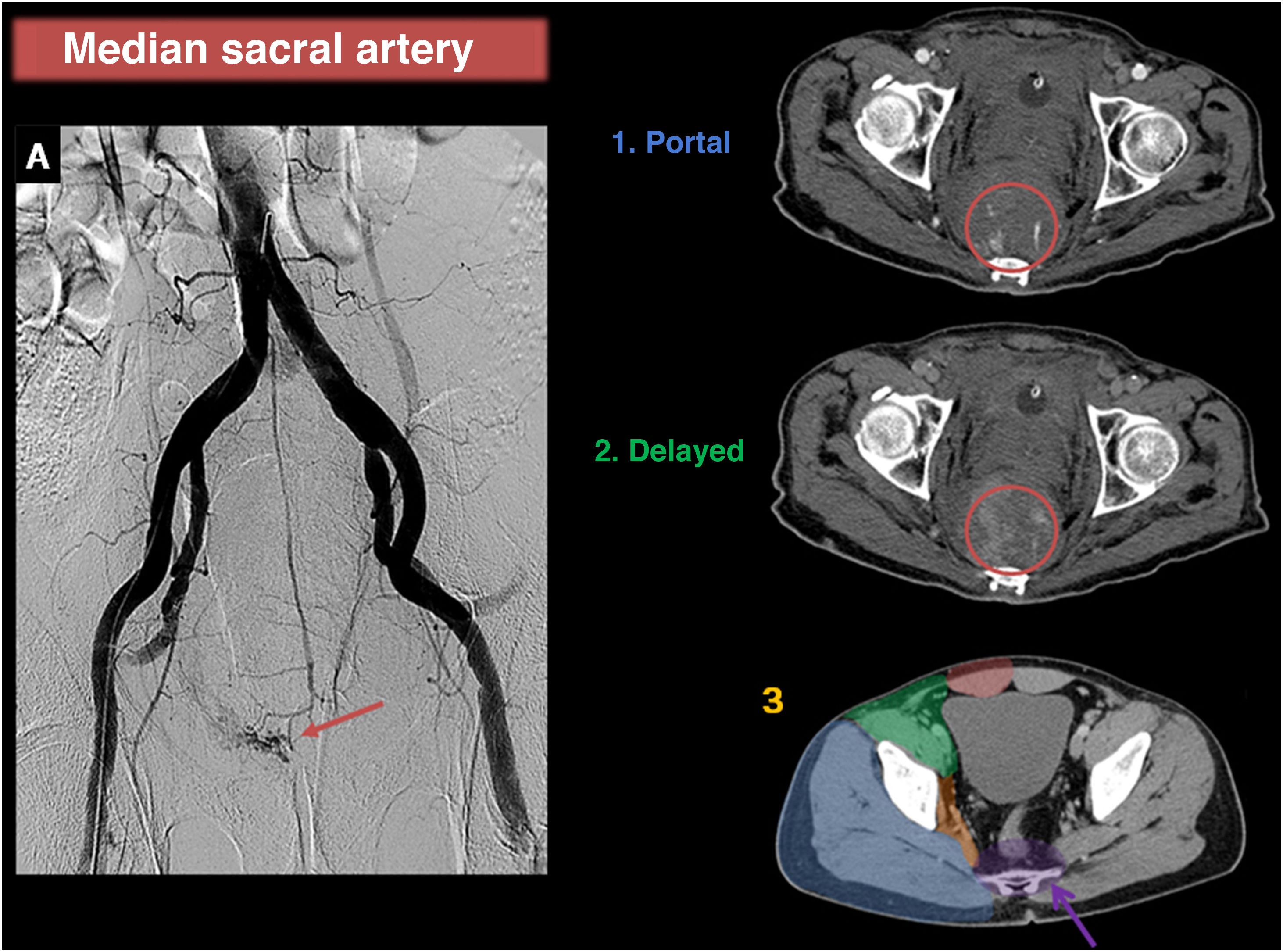
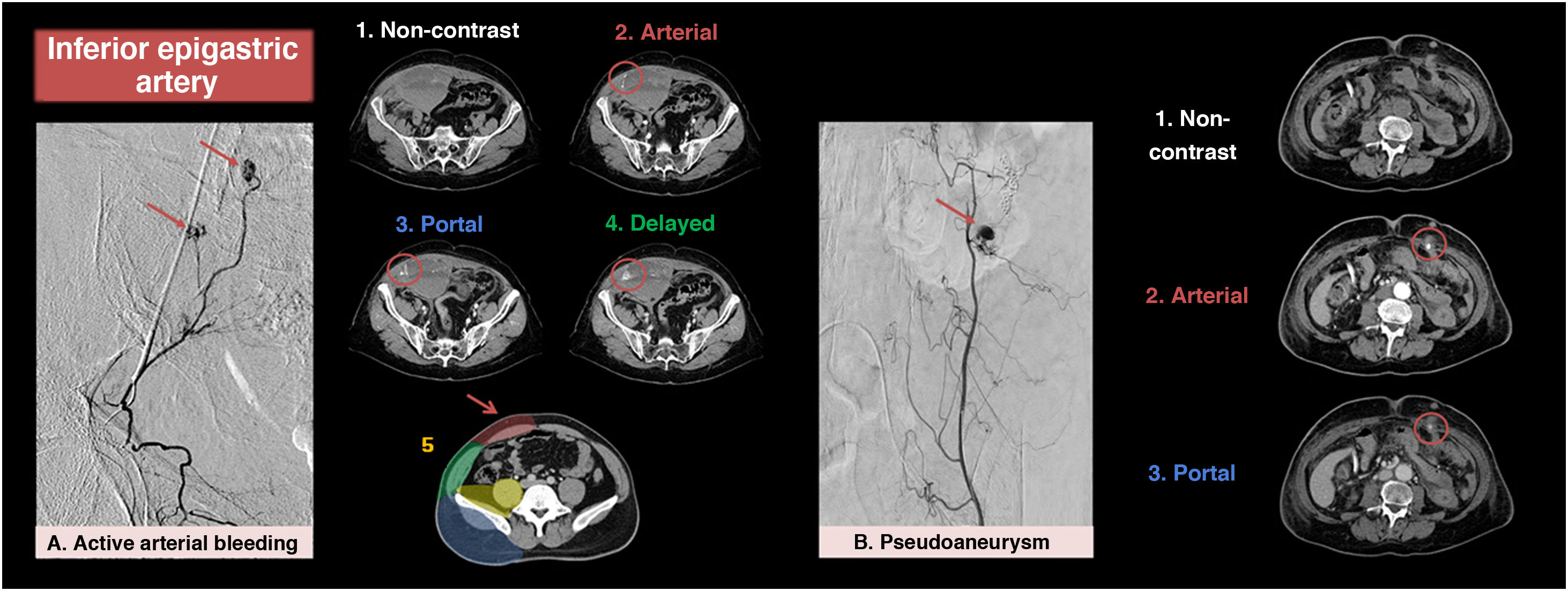
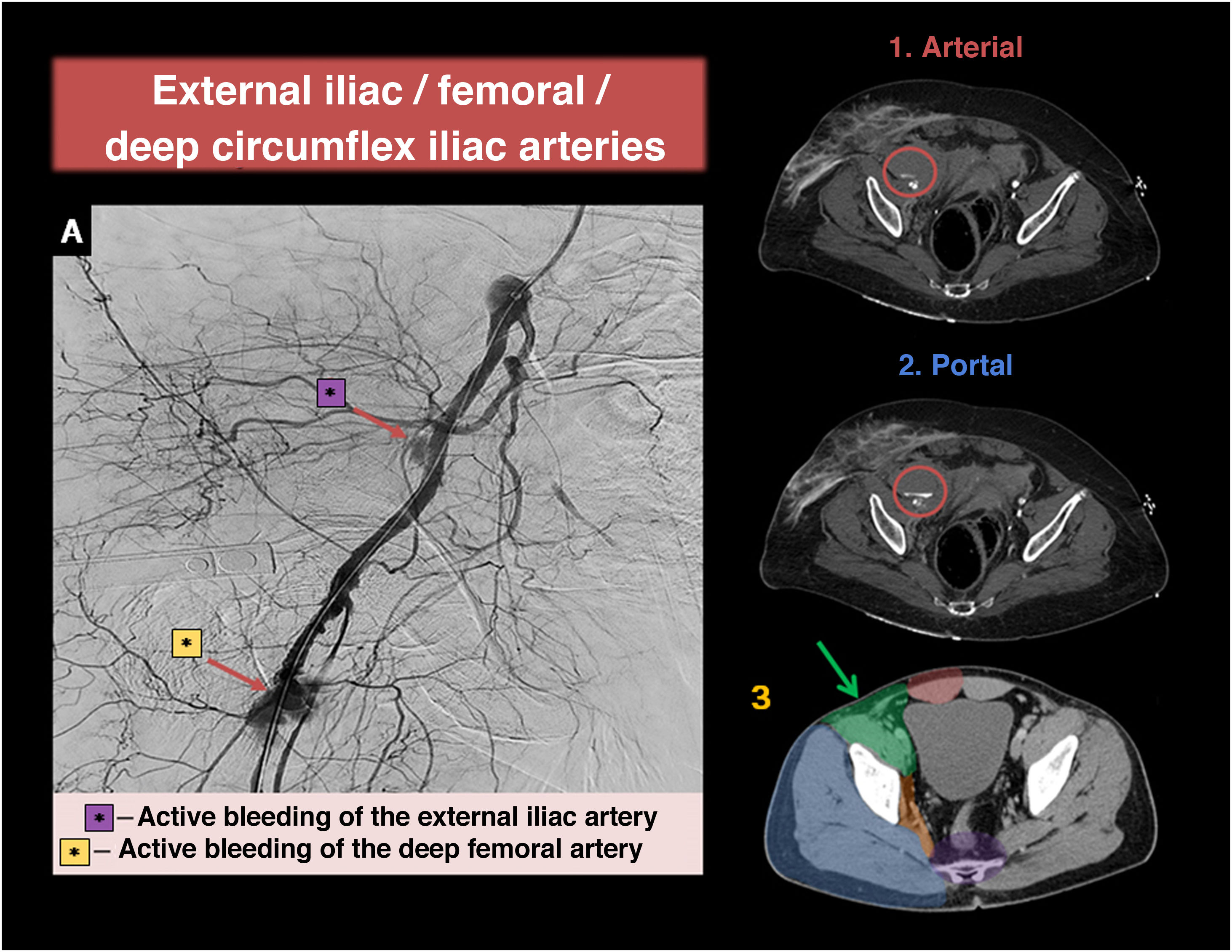
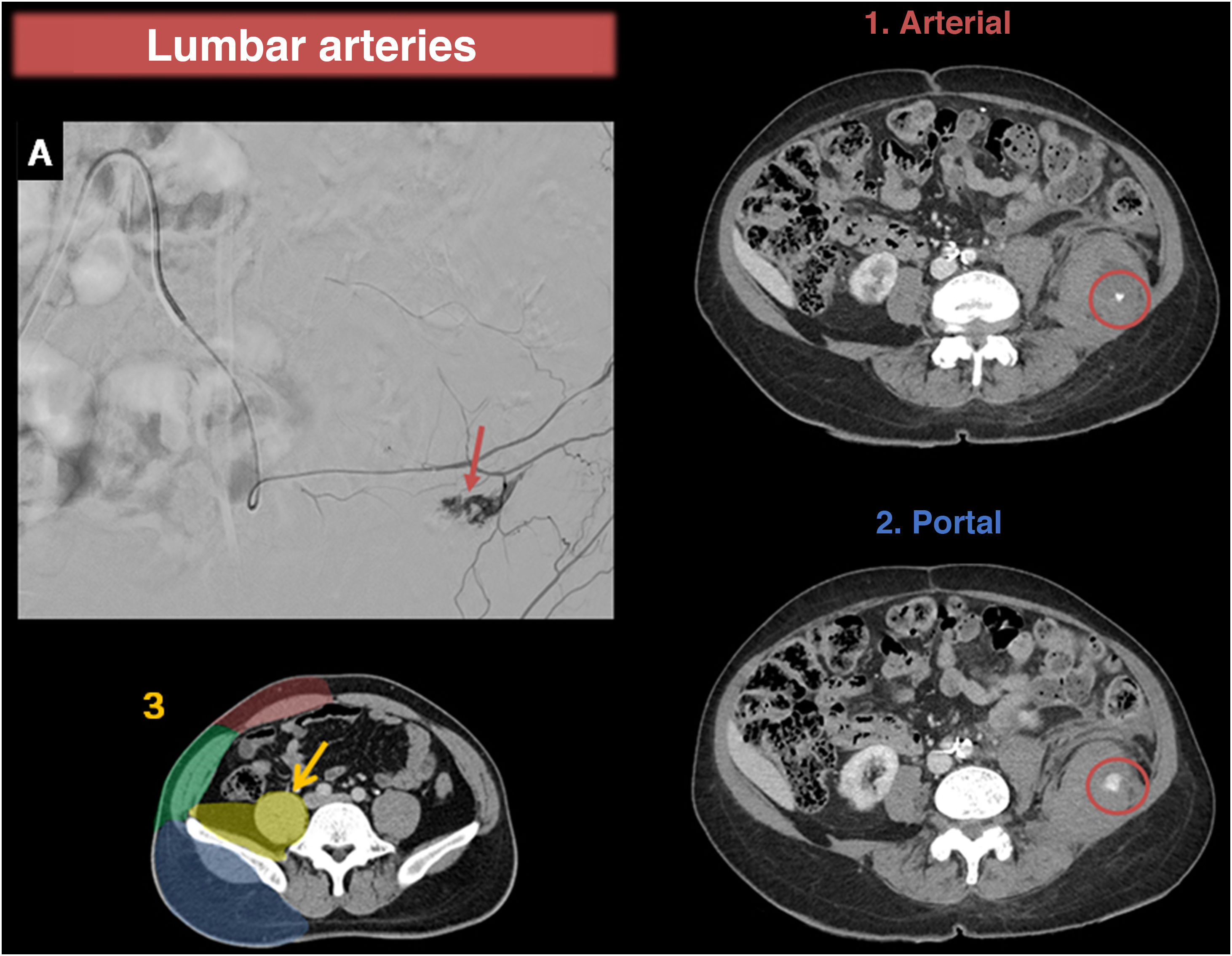
This article describes the anatomy of the pelvic vessels and the CT protocol for the diagnosis of vascular lesions. In addition, it presents a map of pelvic vascularisation that can help us quickly determine the artery most likely responsible for the bleeding in order to guide the interventional radiologist should embolisation be necessary. Early transarterial embolisation is the most effective intervention for managing arterial bleeding associated with pelvic fracture, and it has been proved useful in controlling bleeding and increasing survival.

Keywords:
Haemorrhages
Pelvic region
Anatomy
CT angiography
Arteriography
Embolisation
Resumen

En pacientes con traumatismos pélvicos cerrados, la inestabilidad hemodinámica derivada de las lesiones vasculares y el sangrado activo son la principal causa de morbilidad y mortalidad. Realizar un diagnóstico preciso del origen y características del sangrado, arterial o venoso-óseo, va a ser fundamental para la toma de decisiones en el tratamiento.

Este artículo revisa la anatomía de la vascularización pélvica y muestra el protocolo de TC para el diagnóstico de lesiones vasculares. Además, expone un mapa de la vascularización pélvica que nos va a facilitar determinar la arteria más probablemente responsable de la hemorragia de forma rápida para así poder orientar al radiólogo intervencionista en caso de necesidad de embolización. La embolización transarterial llevada a cabo de forma precoz es la intervención más efectiva para el manejo de la hemorragia arterial asociada con la fractura pélvica, habiendo demostrado su validez en el control del sangrado y aumento de la supervivencia.


Palabras clave:
Hemorragias
Región pélvica
Anatomía
Angio-TC
Arteriografía
Embolización

Article

These are the options to access the full texts of the publication Radiología (English Edition)
Subscriber
Subscriber

If you already have your login data, please click here .

If you have forgotten your password you can you can recover it by clicking here and selecting the option “I have forgotten my password”
Purchase
Purchase article

Purchasing article the PDF version will be downloaded

Purchase now
Contact
Phone for subscriptions and reporting of errors
From Monday to Friday from 9 a.m. to 6 p.m. (GMT + 1) except for the months of July and August which will be from 9 a.m. to 3 p.m.
Calls from Spain
932 415 960
Calls from outside Spain
+34 932 415 960
E-mail
Article options
Tools
