




The objectives of this study were to analyze the evolution of the prevalence of alcohol consumption between 2005 and 2022, to estimate the prevalence of hazardous alcohol consumption in 2022, and to characterize hazardous consumers.
Materials and methodsMicrodata from 9 editions of the EDADES survey were used. Prevalences of alcohol consumption were estimated overall, by sex and age group between 2005 and 2022. Additionally, the prevalence of hazardous alcohol consumption at the national level and in the autonomous communities was determined in 2022. Trend analysis was performed by applying joinpoint regression models and a multivariate logistic regression model was fitted to characterize hazardousconsumers.
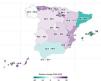
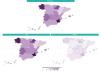
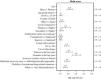
ResultsThe trend in the prevalence of alcohol consumption was found to be stable for lifetime, past 12 months, and past 30 days consumption, while a decreasing trend was observed for daily consumption. In 2022, 6.5% (95%CI: 6.1–6.9) of the Spanish population aged 15–64 years had risky alcohol consumption. This prevalence ranged from 13.1% (95%CI: 11.2–15.3) in the Region of Murcia to 2.9% (95%CI: 1.9–4.3) in Cantabria. The use of cannabis in the last year was the variable with the highest OR for hazardous alcohol consumption overall, in men and in women (OR > 2.7).
ConclusionsThe prevalence of alcohol consumption in Spain is high and its trend is stable. The use of other drugs such as tobacco or cannabis increases the odds of having a hazardous alcohol consumption.
Los objetivos de este estudio fueron analizar la evolución de la prevalencia de consumo de alcohol entre 2005 y 2022, estimar la prevalencia de consumo de riesgo de alcohol en 2022 y caracterizar a los consumidores de riesgo.
Materiales y métodosSe utilizaron microdatos de 9 ediciones de la encuesta EDADES. Se estimaron prevalencias de consumo de alcohol en global, por sexo y grupo de edad entre 2005 y 2022, y prevalencias de consumo de riesgo de alcohol a nivel nacional y en las comunidades autónomas en 2022. Se realizó un análisis de tendencia aplicando modelos de regresión joinpoint y se ajustaron modelos de regresión logística multivariante para caracterizar a los consumidores de riesgo.
ResultadosLa tendencia de la prevalencia de consumo de alcohol fue estable en el consumo alguna vez en la vida, en los últimos 12 meses y en los últimos 30 días, y decreciente en el consumo diario. El 6,5% (IC95%: 6,1–6,9) de la población española de 15–64 años presentó consumo de riesgo de alcohol en 2022; éste varió entre un 13,1% (IC95%: 11,2–15,3) en la Región de Murcia y un 2,9% (IC95%: 1,9−4,3) en Cantabria. Ser consumidor de cannabis en el último año fue la variable con la OR más elevada en el consumo de riesgo de alcohol en global, en hombres y en mujeres (OR > 2,7).
ConclusionesLa prevalencia de consumo de alcohol en España es alta y su tendencia es estable. El consumo de otras drogas como el tabaco o el cannabis aumenta la odds de tener un mayor consumo de riesgo de alcohol.

