







Revised: Given the increasing emphasis on knowledge management (KM) in academic circles and the growing body of research literature in this field, the researcher conducted a meta-analysis using the Scopus database. The review focused on data extracted between 1996 and 2024 and included functional, graphical, and content analyses. An initial search of Scopus retrieved 2495 scientific documents. The researcher then filtered the results using the database tools for publication year, document type, Scopus classification, and language. After preprocessing, 175 scientific documents remained for inclusion in the meta-synthesis. The researcher performed data visualization and analysis in RStudio, VOSviewer, and MAXQDA software. The main contributions of this research are as follows: (1) identifying the most influential authors, countries, journals, universities, and articles within the field; (2) mapping the dimensions of the field and identifying keyword gaps through content analysis; and (3) conducting thematic analysis and pinpointing central components.
Knowledge management (KM) has become a crucial mechanism for organizations to achieve strategic objectives through the systematic collection, organization, and dissemination of knowledge. Leading organizations recognize the significance of KM in navigating today's volatile and competitive environments. In such contexts, the ability to use knowledge not only as a critical resource but also as a strategic asset is essential for supporting adaptability and responsiveness. Effective KM enables organizations to respond to swift and unpredictable changes in their surroundings and creates avenues for innovation and continuous improvement. Recent studies indicate that knowledge serves as a fundamental component in sustaining competitive advantage, enabling organizations to make prompt decisions and deliver optimal solutions amid complex and uncertain conditions. Given the escalating importance of knowledge in organizational success, implementing well-designed KM strategies can significantly improve performance, increase efficiency, and empower employees to use knowledge effectively. These strategies include establishing frameworks for knowledge storage and organization, strengthening sharing mechanisms, and promoting a learning-oriented organizational culture that supports intra-organizational collaboration, learning, and innovation. In addition, KM enables organizations to draw on past experiences to prevent the recurrence of errors and to derive new insights through the analysis of existing data, which in turn informs more effective strategic decision-making.
In contemporary society, characterized by rapid technological advancements, intensified global competition, and complex environmental challenges, organizations increasingly use KM as a mechanism for swift adaptation and strengthening their competitive edge. Successful KM requires suitable organizational infrastructures that support knowledge-related processes. These infrastructures include information technology, human resources, organizational structure, and organizational culture, all of which are vital for effective KM. When these elements are in place, organizations use knowledge as a resource for innovation, problem-solving, and better decision-making. Many organizations, however, face a considerable gap between their existing and desired infrastructural states. This gap often reflects limited financial resources, technological constraints, an inadequate organizational culture, or deficiencies in management structures, and it creates major challenges for the effective implementation of KM strategies. Recent research, particularly that conducted by Kim and Fechner (2022), shows the central role of information technology in the successful implementation of KM. The findings indicate that organizations with well-developed technological infrastructures tend to perform better in their KM initiatives. Despite this, many organizations still face serious barriers to the adoption of KM practices. Common challenges include limited financial resources for technology upgrades, insufficient employee proficiency with these tools, and the absence of integrated platforms (Kim & Fechner, 2022).
Research by Novin et al. (2022) shows the critical role of organizational culture in the success of KM. A positive organizational culture supports knowledge sharing among employees and contributes to successful KM. Many organizations, however, struggle to build a culture that prioritizes knowledge sharing. Cultural barriers such as resistance to change, low motivation, and inadequate reward systems hinder the effective implementation of KM practices. Extensive research on KM implementation has also revealed persistent gaps in the existing body of knowledge. Previous studies have mainly examined individual organizational infrastructures and have not compared the current and desired states of these infrastructures. This focus has a limited understanding of the interaction and synergy among technology, human resources, organizational culture, and management structure during KM implementation. Most investigations have concentrated on single dimensions rather than using a holistic perspective. As a result, the complex challenges organizations face during KM implementation remain insufficiently understood, and strategies to address these challenges have not been fully specified.
The objective of this study is to address deficiencies in organizational infrastructures through a comparative analysis of their current and desired states, thereby contributing to the advancement of knowledge in this area. The research aims to identify challenges and barriers to effective KM implementation by comparing existing conditions with aspirational ones. This approach improves understanding of the issues and constraints faced during implementation and supports the development of practical solutions to overcome these challenges. By examining technology, human resources, organizational culture, and management structure in an integrated and simultaneous manner, this study offers a comprehensive perspective on the challenges and obstacles encountered. The results of this study are expected to assist organizations in improving and refining their KM processes and to support the development of new and effective strategies to address the challenges associated with the practical application of these concepts (Gold et al., 2001).
Following this, the article presents a detailed review and analysis of the existing literature, identifies gaps in the field, and then states the specific objectives of the research. The methodology section describes the bibliometric approach used and outlines the procedures for data collection and analysis. The study then offers a comparative evaluation of the current and desired states of organizational infrastructure for KM implementation, examining dimensions such as technology, human resources, organizational culture, and management structure. The discussion section interprets the research findings and provides practical recommendations for future studies and for more effective implementation of KM practices within organizations.
Research literature and theoretical frameworkKM and organizational productivityKM plays a central role in improving productivity and supporting organizational performance. Many organizations, however, encounter significant challenges when they attempt to implement these strategies. A key obstacle involves inadequate infrastructure, which provides the foundation for KM (Dastane, 2020). Core components such as technological resources, human resources, and cultural resources form fundamental pillars of KM, and deficiencies or limitations in any of these areas impede KM processes and substantially reduce their effectiveness (Migdadi, 2022).
New technologies, knowledge collection and sharingIn the field of technology, the relevance and suitability of information technology tools to KM requirements are critical. Many organizations struggle to store, retrieve, and disseminate knowledge effectively because they rely on outdated or unsuitable systems. These tools often lack the necessary functions to categorize and manage extensive and diverse data sets, which leads to the loss of important information and lower efficiency in knowledge access. Technology provides a core infrastructure for KM and must support fast and straightforward access to information and its distribution among organizational members. If organizations do not achieve this, knowledge becomes isolated and fragmented, and it no longer serves as a reliable resource for better decision-making and overall organizational performance (Rane, 2023).
Improving organizational performance and KMIn human resources, one of the main obstacles to successful KM initiatives is the lack of a skilled and specialized workforce that has proficiency in knowledge sharing and transfer. Many employees, especially those in operational roles, lack the necessary competencies in KM technologies or in techniques for documenting and transferring knowledge. This skills gap impedes the effective implementation of KM practices and prevents the organization from achieving its strategic objectives. Resistance to cultural change and to the adoption of new principles also creates major barriers to the success of these strategies. In some organizations, employees hesitate to share knowledge because they feel mistrust or lack motivation, which limits innovation and creativity. Organizations need to build a culture that supports sharing and continuous learning so that the knowledge transfer process succeeds (Kirupainayagam & Sutha, 2022).
Management structures and organizational policiesManagement structures and organizational policies, alongside individual factors, strongly influence the effectiveness of KM initiatives. Decentralized management frameworks, especially in team-oriented organizations with supportive KM policies, can markedly improve the sharing and flow of knowledge. By creating a flexible environment and promoting operational autonomy, these structures give employees more opportunities to exchange insights and draw on their colleagues' experience. In contrast, rigid and centralized management structures, or the absence of open and supportive KM policies, can limit employees' access to knowledge and restrict their ability to use it to improve performance. Such conditions make KM implementation more difficult and reduce the likelihood of success.
Building on this perspective, Chalikias et al. (2014) argued that effective KM structures require support from human resource policies that facilitate the acquisition, retention, and transfer of expertise within the organization. Their study showed that when recruitment and selection processes align with KM-oriented objectives, employees are more likely to contribute to collective learning and innovation. In a similar vein, Kyriakopoulos et al. (2020) stressed the importance of dynamic and adaptive systems in organizational decision-making, suggesting that flexible management structures supported by real-time data analysis improve the organization’s capacity to evaluate and develop its KM infrastructure. Taken together, these findings indicate that both human capital alignment and dynamic system design are critical for moving from the current to the desired state of KM implementation within organizations.
Decision-making and organizational collaborationThe effectiveness of KM strategies fundamentally depends on coordination among human resources, management frameworks, and organizational policies. Such coordination supports the transfer of knowledge, strengthens organizational learning, and improves overall organizational performance. Organizations need to recognize the importance of developing suitable cultural and managerial frameworks and to implement strategies that embed knowledge sharing as a routine practice, encouraging active and motivated participation from employees in the KM process (Kirupainayagam & Sutha, 2022; Tseng & Yip, 2021).
This research is particularly important because appropriate and efficient infrastructure is crucial to the success and effectiveness of KM initiatives. The study aims to provide both scientific insights and practical recommendations for improving these infrastructures by identifying and examining discrepancies between current conditions and optimal infrastructure requirements (Aviv et al., 2021). The findings of this research also help organizations identify obstacles and infrastructure needs, creating an environment that supports stronger knowledge flow, organizational learning, and faster innovation and creativity. As a result, achieving the desired level of KM infrastructure is likely to lead to better organizational performance, higher productivity, and the attainment of a sustainable competitive advantage (Mehmood et al., 2021).
The primary objective of this research is to assess and compare the existing organizational infrastructure with the ideal state defined by KM standards. This investigation identifies and analyzes discrepancies and proposes solutions to improve organizational infrastructure so that it supports the effective implementation of KM. By examining the factors that influence KM execution, the study aims to help organizations increase productivity and performance through stronger infrastructure and the strategic use of knowledge as a critical asset. The theoretical foundation draws on established models in KM and organizational infrastructure. Nonaka and Takeuchi (1996) highlight the significance of socialization processes and the conversion of tacit knowledge into explicit knowledge, and their model stresses the need for suitable infrastructure to support these processes for successful KM. In addition, the (Lee & Choi, 2003) model treats KM as a multifaceted and hierarchical process and stresses the importance of technological, human, and cultural infrastructures working in an integrated and coherent manner.
In academic literature, numerous studies identify obstacles to effective KM implementation within organizations. These obstacles fall into three primary domains: technological, human, and cultural infrastructures. Technological infrastructures concern the availability of advanced information systems and KM tools that improve the efficiency of information retrieval and support effective communication (Davenport, 1998). Human infrastructure refers to the presence of skilled personnel proficient in KM, as without adequate training and empowerment, the potential of technological infrastructure remains underused. Organizational culture and employees’ willingness to share knowledge also represent critical elements of the KM framework (Alavi & Leidner, 2001).
A prominent model in KM is the Nonaka and Takeuchi model, which classifies knowledge into two distinct types: tacit and explicit. This model outlines the processes of socialization, combination, externalization, and internalization as mechanisms for knowledge transformation within organizations. Nonaka and Takeuchi (2019) argue that organizational infrastructures must support these processes to enable the conversion of tacit knowledge into explicit knowledge and the reverse (Gold et al., 2001). For example, information technology infrastructures should strengthen communication among employees and support the storage and retrieval of information. Another important framework is the model proposed by Lee and Choi (2003), which stresses the critical interplay among technological infrastructures, human resources, and organizational culture. This model states that effective KM implementation requires a cohesive and integrated relationship among these three domains. Choi and Lee also note the importance of organizational culture and argue that it should create an environment in which employees feel encouraged to share knowledge and collaborate in KM initiatives. Within the theoretical context of this research, organizational culture and employee attitudes therefore appear as central factors that can determine the success or failure of KM implementation (Andreeva & Kianto, 2012).
This study adopts Nonaka and Takeuchi (2019) and Lee and Choi (2003) as foundational lenses because they address the relationship between tacit and explicit knowledge and the triad of human, technological, and cultural infrastructure. Unlike previous studies that focused on only one aspect, this research uses a meta-synthesis of 175 documents to compare empirically the current and desired states of infrastructure. In doing so, the study extends these traditional frameworks by (1) organizing 17 emerging concepts into four integrated themes and (2) identifying gaps in technology-driven areas such as AI, analytics, and cloud integration, which the original models did not emphasize.
Recent investigations in KM have led some scholars to argue that strengthening information and communication technology infrastructure is crucial for supporting KM processes. Research by Zhao and Liu (2024) shows that organizations that make substantial investments in their information technology infrastructure have a greater capacity to collect, store, and analyze knowledge-related data. The results of this study also indicate that advanced information systems support faster and more efficient exchanges among organizational segments and directly improve the effectiveness of KM (Donate & de Pablo, 2015).
A study by Chen et al. (2021) showed that a supportive and encouraging organizational culture is a critical determinant of success for KM strategies within organizations. The findings indicate that in environments where employees feel a sense of belonging and trust, and where participation in knowledge-sharing processes has clear value, the effectiveness of KM initiatives increases markedly. They also argue that a learning-oriented culture and active promotion of innovation strengthen the human resources involved in KM and, in turn, raise organizational productivity (Mills & Smith, 2011). In a related investigation, Wang et al. (2022) found that organizations that prioritize the development of an organizational learning culture tend to achieve superior outcomes in KM. Their research concluded that the successful execution of KM initiatives depends on the organization’s commitment to improving its cultural framework and building an atmosphere of trust and collaboration that encourages employees to share knowledge. They stress the need for employees to perceive their knowledge and information as being shared in a secure and valuable manner, which relies on a strong cultural infrastructure (López-Nicolás & Meroño-Cerdán, 2011).
The theoretical framework of KM includes various models that stress the significance of both technical and human infrastructure within organizations. A notable example is the model proposed by Drucker, Wang and Wang (2012) which highlights the central role of information technologies in improving organizational efficiency and productivity. Drucker advocates the adoption of new technologies to support the collection and dissemination of knowledge and to equip employees with the essential techniques and tools for effective KM. Supporting this perspective, recent research, including a study by AlMulhim (2023), has shown that advances in information technologies, such as document management systems and online collaboration platforms, play a key role in the successful implementation of KM initiatives within organizations (Gloet & Terziovski, 2004).
Moreover, beyond technology and organizational culture, research has highlighted the critical importance of human infrastructure, particularly the presence of skilled and competent human resources in KM. Evidence shows that training employees to use KM technologies proficiently, together with promoting effective communication and collaboration among colleagues, is vital. For example, a study by Alavi and Leidner (2001) indicates that ongoing employee training and the development of KM-related capabilities significantly influence the effectiveness of KM strategies. A more recent investigation by Darroch (2005) stresses the key role of technological infrastructure in the effective implementation of KM. The study concludes that organizations that adopt contemporary digital tools, such as artificial intelligence and big data analytics, are better positioned to improve their management of organizational knowledge. The results suggest that these technologies support rapid information processing and analysis, which in turn enables more informed decision-making within KM frameworks (Inkinen, 2016).
Furthermore, an examination of various models and studies indicates that successful KM requires a comprehensive, coordinated infrastructure. This infrastructure includes advanced technologies, skilled human resources, and a supportive organizational culture. Organizations that aim to improve their KM practices need to adopt suitable models and theories that support these infrastructures and show the importance of the interplay among these elements in achieving KM success (Cerchione & Esposito, 2017). Subsequently, Table 1 categorizes various KM models according to their levels (individual, group, organizational, and multilevel) and lists pertinent references for each model. This table provides a useful basis for reviewing and comparing diverse KM frameworks and offers important insights for researchers and practitioners in the field.
Research background.
| No. | Name of Model | Levels | Method | Dimensions | Aim |
|---|---|---|---|---|---|
| Individual Level | |||||
| 1 | Chuang (2021) | Individual | Descriptive | Learning, personal development | Emphasizes personal development and continuous learning |
| Individual–Group Level | |||||
| 2 | Bess (2020) | Individual, group | Analytic | Cultural influences, learning | Emphasis on cultural learning in organizations |
| 3 | Zhao et al. (2011) | Individual, group | Descriptive | Organizational learning, interactions | Emphasizes organizational learning and human interactions |
| 4 | Alavi and Leidner (2001) | Individual, group | Descriptive | Organizational culture, processes | Emphasizes cultural interactions in organizations |
| Organizational Level | |||||
| 5 | Alavi and Leidner (2001) | Organizational | Descriptive | Storage, sharing | Emphasizes the importance of information systems |
| 6 | Davenport (1998) | Organizational | Analytic | Sharing, interaction knowledge | Management as a social process |
| 7 | Grönroos and Gummerus (2014) | Organizational | Analytic | Information systems, culture | Considers the role of culture in KM |
| 8 | Kaplan and Norton (2002) | Organizational | Analytic | Balanced, progress, learning | An approach to assessing organizational performance |
| 9 | Senge (2006) | Organizational | Analytic | Organizational learning, structure | Emphasizes the importance of learning in organizations |
| 10 | Rollett (2012) | Organizational | Descriptive | Processes, tools | KM as a process |
| 11 | Manda et al. (2022) | Organizational | Descriptive | Information, management systems | Concerns the systematic management of information |
| 12 | Floyd (2019) | Organizational | Analytic | Innovation, competition | Emphasis on the role of KM in competition |
| 13 | Duan et al. (2022) | Organizational | Analytic | Tacit knowledge, explicit knowledge | Emphasis on tacit KM |
| Multilevel Models | |||||
| 14 | Nonaka et al. (1996) | Individual, group, organizational | Descriptive | Socialization, synthesis, internalization | Emphasizes the processes of knowledge transformation |
| 15 | Choi and Lee (2003) | Multilevel | Analytic | Human, technological, cultural infrastructure | Emphasizes the coordination of infrastructure |
| 16 | Kurita et al. (2020) | Multilevel | Descriptive | Recognize, transfer, use | Emphasizes learning processes |
| 17 | Parasuraman et al. (2017) | Multilevel | Analytic | Service quality, customer interactions | KM in the field of services |
| 18 | Brown and Gale (2018) | Multilevel | Analytic | Information, communication | Emphasizes information interactions |
| 19 | Yang et al. (2025) | Multilevel | Analytic | Social learning, innovation | Emphasizes innovation as a result of KM |
| 20 | Fish (2025) | Multilevel | Analytic | Processes, interactions | Emphasizes human interactions and social processes |
The generation and accumulation of knowledge in sustainable marketing are expanding rapidly and across disciplines, which makes it difficult to stay abreast of the latest advancements, maintain a leading position in research, and assess the collective evidence in this specialized area. As a result, the need for bibliometrics as a review methodology has increased. Traditional literature reviews often lack precision and timeliness and are typically conducted in an ad hoc manner without regular updates, rather than following a systematic and up-to-date methodology (Palacios-Marques et al., 2011). Given the swift rise in academic publications, researchers face increasing difficulty in remaining informed and understanding any particular scientific discipline.
Bibliometrics, a statistical approach within scientometrics, occupies a distinct role, as it is one of the few subfields dedicated to quantifying the output of scientific research (Donthu et al., 2021). This method is practical and appealing in academic contexts for the exploration and analysis of extensive scientific data. It supports focused and comprehensive literature reviews, the identification of research gaps, the definition of future research directions, and the improvement of scholarly contributions in this area (Zupic & Čater, 2015). With the digitization of scientific journals and the surge in published articles, methodologies such as informatics, particularly scientometrics, and more recently webometrics and bibliometrics, enable the examination of hundreds or even thousands of documents and related literature from a macro perspective.
The researcher must consider the concept of paradigm, which represents a set of shared beliefs and conventions among scholars in addressing the research problem, based on the identified research issue and the selected type of literature review in this domain Shrestha and Sharma (2024). In this study, the bibliometric approach, grounded in ontological and epistemological paradigms, leads to the adoption of a positivist paradigm characterized by a quantitative methodology (White & McCain, 1998). In alignment with the positivist paradigm, the researcher employs a deductive, quantitative approach and formulates a comprehensive plan for conducting bibliographic research. The researcher then identifies the necessary tactics for analyzing a substantial volume of citation data in accordance with the established research strategy (Börner et al., 2003).
Step 1: Selecting the problem and field of study
The extensive range and accumulation of knowledge across multiple disciplines relevant to this area, along with its implications for the future and the destinies of numerous nations, have motivated a large number of studies to date (Van Eck & Waltman, 2010). This study adopts a systematic and scientific approach to the topic (Birasnav, 2014), as reflected in the review of >5347 books and articles retrieved from the Google Scholar database using the Publish or Perish software. Over the past decade, 50 books and article titles were carefully selected from the most influential research related to the topic, based on the TC index (Andreeva & Garanina, 2016). This effort has resulted in the establishment of a comprehensive body of literature and a theoretical framework intended to provide a fresh perspective for researchers, policymakers, and national leaders on the environmental aspects of sustainable marketing.
Step 2: Determining objectives
The researcher has divided the aims of the current study into two categories: functional objectives and the creation of scientific maps. In addition, in response to the numerous critiques of bibliometrics and its predominantly quantitative focus (Delgado‐Verde et al., 2011), the objectives now also include qualitative content analysis of citation data. This addition aims to strengthen the findings and improve the overall quality of the research.
Step 3: Determining the search strategy
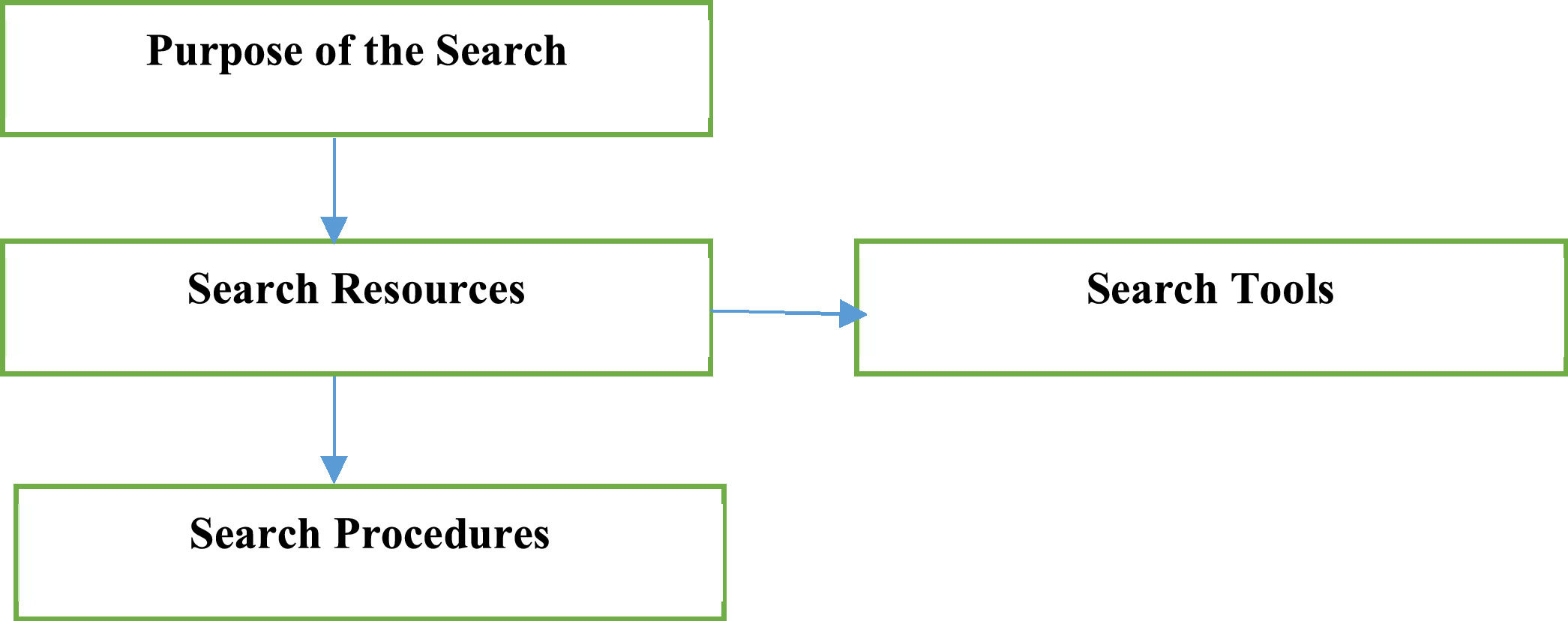
The rapid expansion of citation databases in recent years, together with the substantial increase in the volume of scientific articles indexed in these databases (Hislop et al., 2018), requires researchers to develop a comprehensive search strategy to manage the large amount of citation data. This section presents a four-step search strategy, as shown in Fig. 1 (Birasnav, 2014).

The objective of this investigation is to identify reliable citation data relevant to the research question from leading citation databases or search engines. In recent years, citation databases (DBs) have grown substantially and now serve as primary sources for publication metadata and bibliometric indices used in both scientific research and routine assessments. The accuracy and precision of these tasks largely depend on the nature of the data source, so DB users must select the most suitable option. The main citation and bibliographic databases include Elsevier Scopus and Thomson Reuters Web of Science (Kianto et al., 2017). Although numerous studies have examined the coverage, accuracy, and visibility of these citation sources, this study uses the Scopus citation database, with priority given to the accuracy and comprehensiveness of information relevant to the area of interest (Bratianu, 2018). In addition, the study uses tools such as Mendeley and its extensions for the organization and management of citation sources (Serrat, 2017).
In the methodology section of the scientific search, the researcher identified three primary keywords, “KM” and “organization's infrastructure,” derived from a literature review in this domain. By considering synonyms and ensuring correct spelling, the researcher used Boolean operators and other operators, such as quotation marks and parentheses, to refine the search for relevant sources. Quotation marks prevent a two-part keyword from being split during searches. Finally, the researcher applied the necessary filters to further refine the search within the Scopus citation database, with the results and criteria presented in Table 2.
Procedures and criteria for searching citation sources.
With this well-structured approach to identifying citation sources, the researcher now gathers and organizes the research data effectively.
Step 4: Choosing software for bibliometric analysis
In light of technological advancements and the proliferation of websites and software developed to support descriptive analysis and citation network evaluation in various ways, each endorsed by leading academic organizations and institutions (see Table 3, Massaro et al., 2016), the researcher has selected and become familiar with the following software for this task.
Step 5: Data collection, screening, and data extraction
Information on common bibliometric software.
An initial search of the Scopus citation database yielded 2495 documents that matched the specified keywords and operators. The researcher then refined the dataset by excluding irrelevant studies based on criteria such as publication date, document type, and Scopus classification, which reduced the sample to 876 studies. In the next phase, the researcher applied the PRISMA protocol, updated in 2020, to conduct a secondary screening in line with the established screening criteria. This process removed duplicate entries, inaccuracies, and publications without an English version, title, abstract, or keywords. To maintain the integrity of the bibliometric analysis, the researcher also excluded all publications categorized as notes, errors, retractions, letters, data articles, conference reviews, trade journals, unspecified journals, books, book chapters, quick access articles, and any publications without a specified document type (Martelo Landroguez et al., 2011). Fig. 2 shows the study selection framework.
Step 6:

In Step 6, the researcher examined and coded all selected articles multiple times. Each article received one or more codes that captured essential information relevant to the research. This phase used open, axial, and selective coding techniques. Open coding involved identifying a wide range of codes that represented foundational concepts and definitions, forming the initial framework for the research data. Next, axial coding linked higher-level categories to more specific categories. In the final phase, selective coding removed any additional codes that did not align with the research objectives and refined the core concepts.
Step 7:
In this step, the researcher delineated the study's primary concepts and dimensions. Concepts were defined as the shared attributes of the codes derived from the preceding step. The researcher then organized and synthesized the codes into concepts based on the principle of semantic differentiation. This process unfolded over several stages of the study and included consultations with four experts in entrepreneurship, business, and service design. Ultimately, the analysis identified 17 distinct concepts. By examining these concepts in terms of their similarities, the researcher extracted four overarching themes, which are detailed in the findings section.
Step 8:
This step involved assessing and quantifying the reliability of the derived concepts by presenting the analysis results to an additional expert in the relevant field and comparing them with the initial analyses. The researcher then used the Kappa index, a statistical measure of agreement, to analyze these results. Kappa values below 0.3 indicate low agreement, values between 0.3 and 0.5 indicate moderate agreement, values between 0.5 and 0.7 reflect high agreement, and values between 0.7 and 0.9 denote very high agreement. In this investigation, the calculated Kappa index of reliability was 0.743, and the researcher validated this result using SPSS. The analysis showed a significance level of 0.00 and a standard deviation of 0.08. This Kappa value, which exceeds 0.7, indicates an acceptable level of reliability.
Bias mitigation and data reliabilityTo minimize potential biases in document selection and data interpretation, the study applied several procedures. First, two researchers independently performed the initial search and screening using predefined inclusion and exclusion criteria (publication year, document type, language, and relevance to KM infrastructure). They discussed and resolved discrepancies through consensus, with a third expert arbitrating when necessary. Second, the data were preprocessed to remove duplicate or non-English documents and ensure coding consistency. Third, the coding process in MAXQDA followed three phases (open, axial, and selective) to limit subjective interpretation. Inter-coder reliability was evaluated using Cohen’s Kappa (κ = 0.743, p < 0.001), which indicates substantial agreement (Chi et al., 2023). Finally, the study used triangulation by cross-validating bibliometric outputs (from RStudio and VOSviewer) with qualitative findings to ensure accuracy and strengthen interpretations.
Research findingsDescription of citationsTime-referencingThe upward trend in publications on service design over recent years indicates growing researcher interest in the field, as illustrated in Fig. 3.

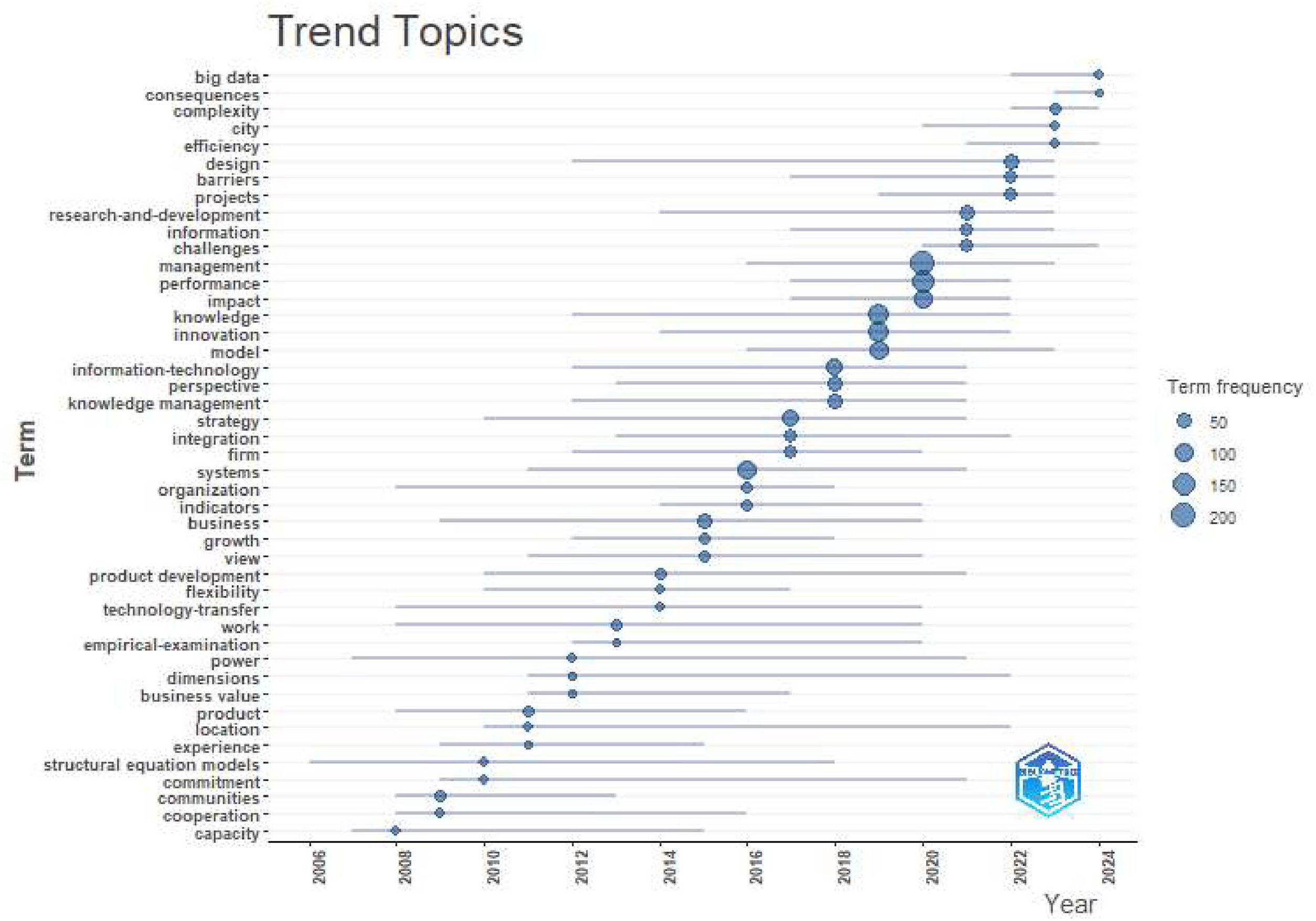
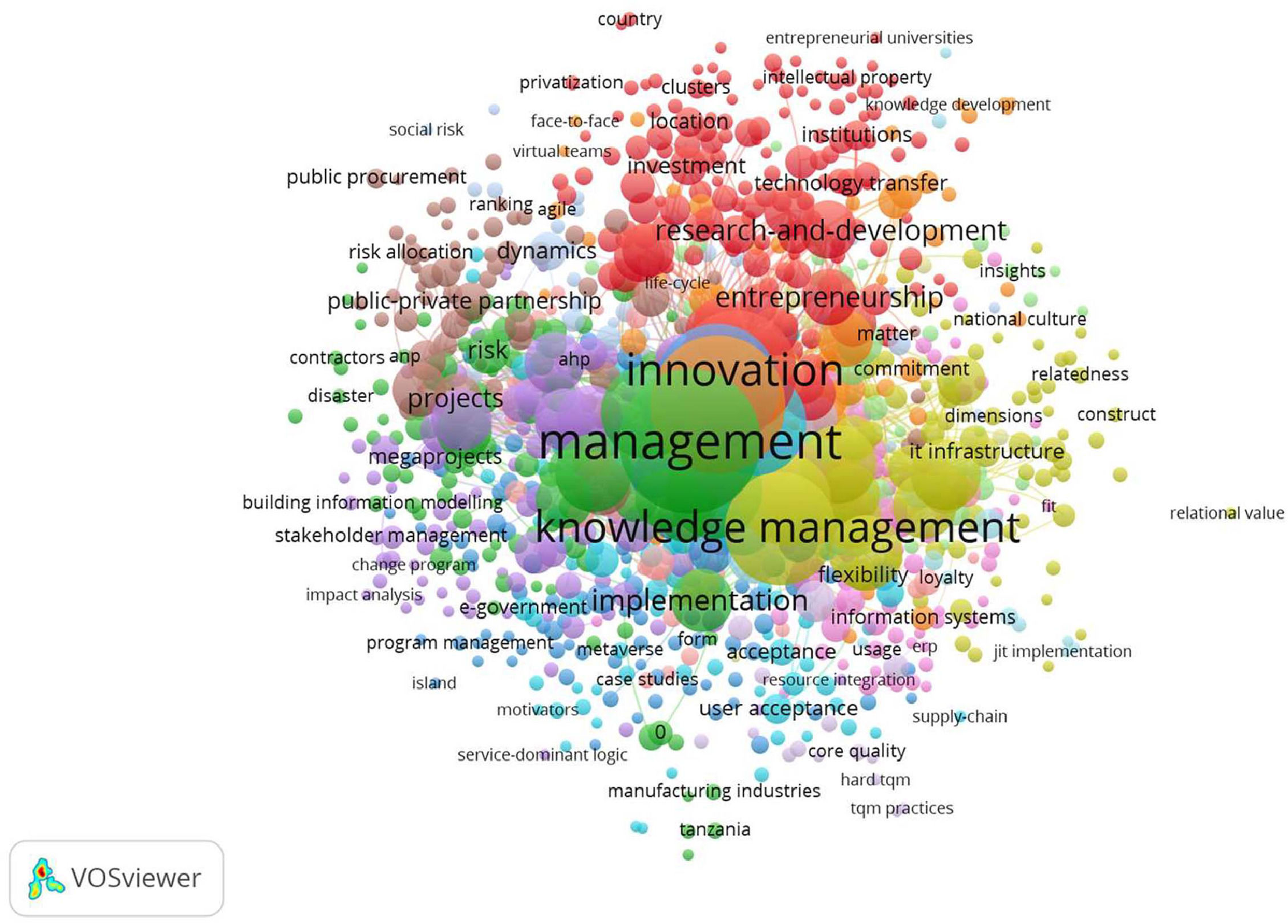
The analysis of the frequency chart for terms used in scholarly articles, along with the chart of synonyms relevant to the research subject presented in Figs. 4 and 5, reveals several key concepts. In particular, "management" appears 212 times, "performance" 182 times, "knowledge" 122 times, "innovation" 112 times, and "impact" 93 times. This pattern indicates a focus on the managerial, functional, and innovative aspects of the research (Karakose et al., 2022). Regarding the temporal distribution of these key terms, "management" and "model" appear frequently from 2016 through 2023, indicating their continued importance in recent research. "Knowledge" and "innovation" also gain prominence from the early 2010s onward, with marked increases in usage observed up to 2019 and 2022 (Lee et al., 2024). This balance in importance also appears in categories related to information technology and systems, such as "systems" (80 occurrences) and "information technology" (54 occurrences), both of which have remained popular since 2011 and 2012, respectively, and have continued as central topics of research since the late 2010s.
Geographical-spatial-referencing

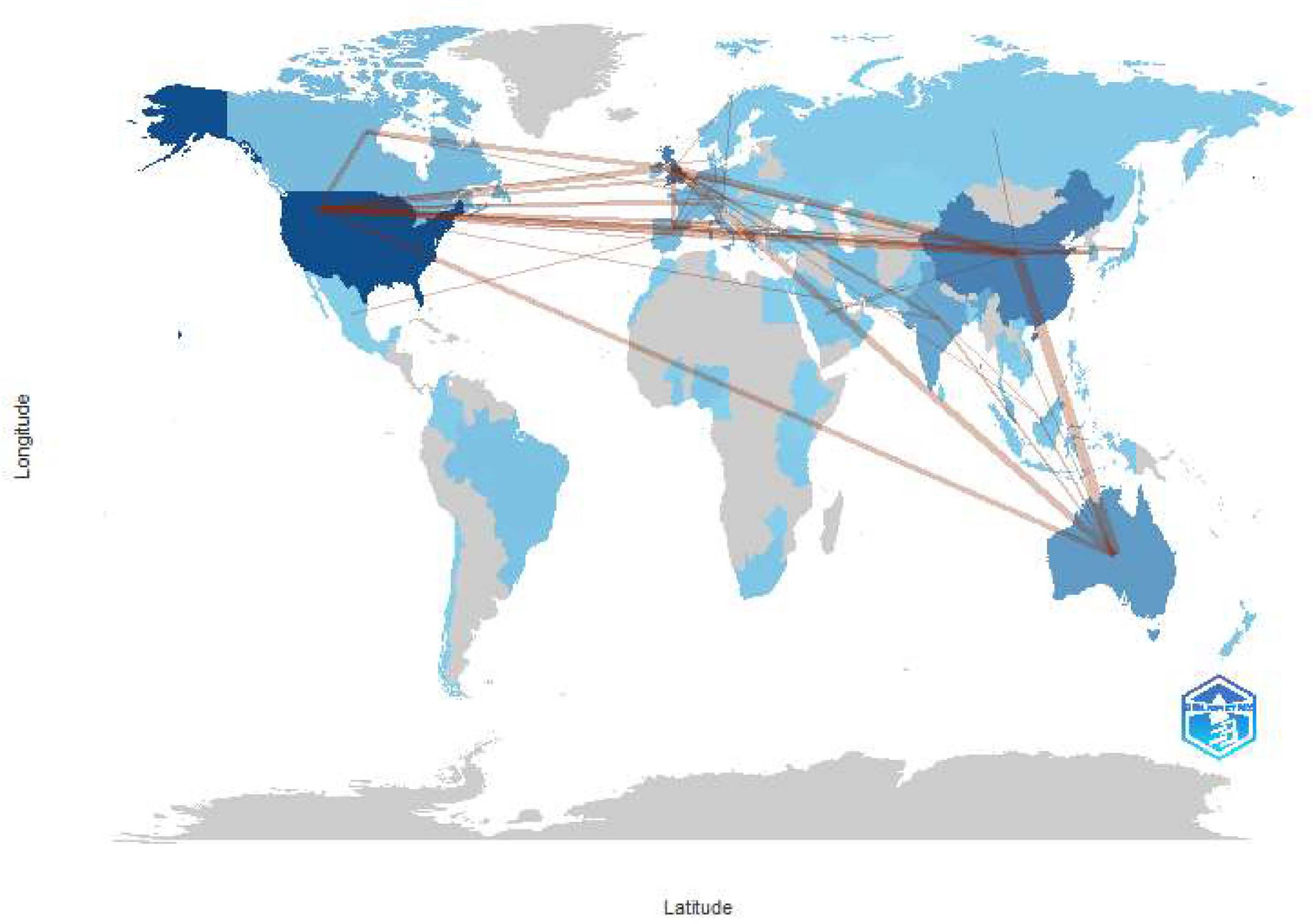
The analysis of the frequency chart for terms used in scholarly articles, together with the chart of synonyms relevant to the research subject in Figs. 4 and 5, reveals several key concepts. In particular, "management" appears 212 times, "performance" 182 times, "knowledge" 122 times, "innovation" 112 times, and "impact" 93 times. These Figs. indicate a clear focus on the managerial, functional, and innovative aspects of the research (Karakose et al., 2022). Regarding the temporal distribution of these key terms, "management" and "model" have featured prominently since 2016 and continue to do so through 2023, indicating their sustained relevance in current research. "Knowledge" and "innovation" have also gained traction since the early 2010s, with marked increases in usage observed up to 2019 and 2022 (Lee et al., 2024). This balance in importance is especially apparent in categories related to information technology and systems, such as "systems" (80 occurrences) and "information technology" (54 occurrences), both of which have remained popular since 2011 and 2012, respectively, and continue to represent central topics of research from the late 2010s onward as shown in Fig. 6.

The analysis in Fig. 7 shows that Portland State University is the primary contributor to research on this subject, with 16 published articles, positioning the university as a leading institution advancing scientific knowledge in this field. Newcastle University in the United Kingdom and the Pennsylvania State University System of Higher Education (PCSHE) follow with 8 published articles each, reflecting their strong involvement in related research activities. In the third tier, the Chinese Academy of Sciences, Hong Kong Polytechnic University, Indian Institute of Technology (IIT), University of Montreal, and the University of California system each contributed 7 articles, indicating substantial engagement by institutions from Asia, North America, and Europe in this area of study (Lancho-Barrantes & Cantu-Ortiz, 2021). Curtin University and Tilburg University also rank among the top ten institutions, with 6 articles each, and make important contributions to the production and dissemination of scientific literature. Overall, the distribution of publications among these universities points to a pattern of international collaboration and a concentration of leading academic institutions worldwide.
Bibliometric analysisCo-citation analysis
This study used co-citation analysis to identify the intellectual foundations and key scholarly linkages that shape the field of KM. This method reveals how seminal works are conceptually connected and how KM research has evolved through shared theoretical perspectives. The most frequently co-cited foundational references include Nonaka et al. (1996), which introduces the SECI model and tacit knowledge creation; Davenport (1998), which addresses managerial aspects of knowledge sharing; Alavi and Leidner (2001), which propose a conceptual framework for KM systems; Wiig (1997), which outlines organizational readiness for KM; and Gold et al. (2001), which develop the KM capability model linking infrastructure and process enablers. Taken together, these co-cited works show that KM research has developed through the integration of organizational learning, information systems, and innovation management perspectives. Compared with adjacent fields such as organizational innovation and digital transformation, KM retains a distinctive focus on the interaction among human, structural, and technological infrastructures. This pattern of co-citation supports the view of KM as a multidisciplinary field with sustained theoretical cohesion over time.
Most cited authorsBased on citation counts retrieved from Scopus in June 2025, the most frequently cited authors in KM research are Ikujiro Nonaka (55 citations), Thomas H. Davenport (49), Alavi (46), Wiig (41), and Gold (38). These scholars form the intellectual backbone of the KM discipline, and their work has strongly shaped its development, both theoretically and practically. Nonaka et al. (1996) introduced the SECI model, which reframed the understanding of the transformation of tacit and explicit knowledge. Davenport and Prusak (1998) translated KM into managerial practices, while Alavi and Leidner (2001) linked information systems with KM processes. Wiig (1997) drew attention to organizational readiness, and Gold et al. (2001) developed the KM capability model. The prominence of these authors shows that KM scholarship focuses on the intersection of organizational learning, technology, and performance management. Compared with broader fields such as innovation or digital transformation, KM research presents a more integrated perspective that balances human and technological infrastructures to support long-term competitive advantage.
Bibliographic coupling of sourcesBibliographic coupling identified journals that share common reference bases and form thematic clusters within KM research. The most strongly coupled sources include the Journal of Knowledge Management, Knowledge and Process Management, Information & Management, Journal of Intellectual Capital, and Management Decision. This concentration of publications in these outlets indicates a central research network and suggests that KM has matured into a distinct discipline with its own set of specialized journals. In addition, the coupling among these sources shows interdisciplinary convergence, as KM increasingly overlaps with domains such as information systems, organizational behavior, and strategic management (Ferreira & Ferreira, 2025). This concentration also points to the strategic importance of KM in organizational studies, since the dissemination of research through these core journals reinforces KM's conceptual identity and academic visibility across disciplines.
Author keyword co-occurrenceAuthor keyword co-occurrence analysis identified frequently linked terms such as “Knowledge Management,” “Strategy,” “Infrastructure,” “Technology,” and “Organizational Performance.” These recurrent keywords mark the main conceptual nodes that shape KM research and its current areas of focus.
The strong co-occurrence between “knowledge management” and “strategy” reflects the growing focus on the strategic use of knowledge to achieve competitive advantage. Similarly, the repeated link between “technology” and “infrastructure” suggests that KM increasingly aligns with digital transformation initiatives, with particular attention to technological enablers of knowledge processes (Putri et al., 2023).
Overall, the keyword network shows that KM remains a multidimensional and interdisciplinary field that connects organizational theory, innovation, and IT systems. This analysis indicates that, despite the rise of adjacent fields, KM continues to maintain theoretical coherence and practical relevance in contemporary research discourse.
Open codingThe following analysis presents the codes in Table 4, together with theoretical interpretations of the research findings shown in Fig. 7. This compilation covers several primary codes related to KM and its implementation within organizations. These codes address key processes, including the collection, organization, and dissemination of information, as well as the use of emerging technologies to improve decision-making and strengthen organizational performance. A central aspect in this table is the role of effective KM in supporting collaboration within organizations and promoting information sharing among employees. By using KM systems, organizations can efficiently gather, store, and transfer information, which they can then apply to innovation, process improvement, and higher decision quality. Analytical and search systems also play an important role in data analysis and in providing timely access to information. Consequently, KM functions as a strategic asset that improves overall organizational performance, stimulates innovation, and helps secure competitive advantages in an increasingly complex and dynamic business environment.
Primary codes.
| Primary Code | Main Text | References |
|---|---|---|
| KM | KM functions as a fundamental organizational strategy that supports the systematic collection, storage, and dissemination of information and knowledge. This approach improves decision-making processes and increases organizational efficiency. KM also enables organizations to extract valuable insights from dispersed data and to use this information effectively when needed. | (Abdalla Alfaki & Ahmed, 2013; Alam et al., 2021; Bongers et al., 2000; Chui & Grieder, 2020; Fosso Wamba & Akter, 2019; Horner et al., 2019; Hossain et al., 2025; Jain et al., 2024; Lourenço et al., 2014; Luo et al., 2023; Moenaert et al., 2000; Nilakantan et al., 2019; Pittaway et al., 2004; Too et al., 2023; Van Burg et al., 2008; Wagner et al., 2022; Zhang et al., 2023) |
| Decision Making Process | An essential component of KM is the application of knowledge in decision-making processes. By using current knowledge and conducting thorough data analysis, organizations make more informed decisions that improve performance and reduce risks. Access to timely and accurate information supports effective decision-making and enables organizations to handle challenges and address issues more effectively. | (Andreeva & Kianto, 2012; Chen et al., 2021; Donate & de Pablo, 2015; Lee & Choi, 2003; López-Nicolás & Meroño-Cerdán, 2011; Mills & Smith, 2011; Moenaert et al., 2000; Nonaka, Takeuchi, 1996; Wang & Tsai, 2005) |
| Knowledge Exploitation | Effective use of knowledge enables organizations to draw on their existing experience and information to support innovation, refine processes, and increase efficiency. This approach also supports the development of new products and services. By capitalizing on collective knowledge, organizations achieve more effective solutions and strengthen their competitive advantages. | (Alam et al., 2021; Bongers et al., 2000; Burg et al., 2008; Chui & Grieder, 2020; Horner et al., 2019; Hossain et al., 2025; Jain et al., 2024; Lourenço et al., 2014; Moenaert et al., 2000). |
| Improving Organizational Performance | KM has the potential to improve organizational performance significantly. By using knowledge and information effectively, organizations can raise the quality of decision-making, increase productivity, and refine internal processes. The implementation of information systems in conjunction with KM practices enables organizations to achieve better outcomes across multiple domains, based on more precise data and up-to-date analysis. | (Andreeva & Kianto, 2012; Chen et al., 2021; Donate & de Pablo, 2015; Lee & Choi, 2003; López-Nicolás & Meroño-Cerdán, 2011; Mills & Smith, 2011; Moenaert et al., 2000; Nonaka & Takeuchi, 1996; Wang & Tsai, 2005) |
| Gathering Information | The collection of information plays an essential role in KM. Organizations must source data from multiple origins and arrange it systematically so that decision makers can access it easily. They also need to gather and update this information continuously to plan and implement their activities effectively. | (Hossain et al., 2025; Jain et al., 2024; Lourenço et al., 2014; Van Burg et al., 2008). |
| Organizing Data | The collection of information requires its subsequent organization within KM systems. This organization must support easy access to, and use of, data and information when needed. A critical component of an effective KM process is arranging data in a way that improves searchability and retrieval. | (Hossain et al., 2025; Jain et al., 2024; Lourenço et al., 2014; Van Burg et al., 2008). |
| Knowledge Transfer | Knowledge transfer within organizations is a critical process in which employees and teams share experiences and information. This process plays a vital role in supporting collaboration and driving innovation across the organization. | (Hossain et al., 2025; Jain et al., 2024; Lourenço et al., 2014; Van Burg et al., 2008). |
| Using New Technologies | Organizations use new technologies to support KM activities, ensuring efficient knowledge storage, retrieval, and dissemination, as well as supporting collaboration and innovation. | (Andreeva & Kianto, 2012; Cerchione & Esposito, 2017; Corral de Zubielqui et al., 2019; Darroch, 2005; Gloet & Terziovski, 2004; Hashem et al., 2021; Inkinen, 2016; Mesquita et al., 2007; Wang & Wang, 2012) |
| KM Systems | KM systems help organizations use information effectively. They gather, categorize, and archive dispersed data so that decision makers can access it easily. | (Andreeva & Kianto, 2012; Cerchione & Esposito, 2017; Corral de Zubielqui et al., 2019; Darroch, 2005; Gloet & Terziovski, 2004; Hashem et al., 2021; Inkinen, 2016; Mesquita et al., 2007; Wang & Wang, 2012) |
| Collaboration in the Organization | A significant challenge in KM is building and sustaining a collaborative culture. Collaborative efforts improve decision-making capabilities and raise overall performance. | (Hossain et al., 2025; Jain et al., 2024; Lourenço et al., 2014; Van Burg et al., 2008). |
| Information Sharing | The exchange of information and experiences represents a core principle of KM. Such sharing improves decision-making processes and contributes to better organizational performance. | (Hossain et al., 2025; Jain et al., 2024; Lourenço et al., 2014; Van Burg et al., 2008). |
| Support for KM Processes | Effective KM requires strong managerial support for processes and systems, thereby improving understanding and use of KM initiatives. | (Hossain et al., 2025; Jain et al., 2024; Lourenço et al., 2014; Van Burg et al., 2008). |
| Analytic and Search Systems | Analytics and search systems are essential for the optimal use of available information and for rapid access to necessary data. | (Lee & Choi, 2003; Moenaert et al., 2000; Wang & Tsai, 2005). |
| Innovation in the Organization | KM supports innovation by enabling knowledge exchange and using current information to generate novel ideas and products. | (Hossain et al., 2025; Jain et al., 2024; Lourenço et al., 2014; Van Burg et al., 2008) |
| Internal Process Improvement | Effective use of knowledge can streamline operations, reduce costs, and increase productivity. | (Andreeva & Kianto, 2012; Donate & de Pablo, 2015; Lee & Choi, 2003; Moenaert et al., 2000; Nonaka & Takeuchi, 1996) |
| Data Analysis | Data analytics enables organizations to use collected data for strategic decision-making and scenario simulations. | (Lee & Choi, 2003; Moenaert et al., 2000; Wang & Tsai, 2005) |
| Team Collaboration | Effective collaboration among teams supports knowledge transfer and improves collective processes. | (Hossain et al., 2025; Jain et al., 2024; Lourenço et al., 2014; Van Burg et al., 2008) |
The categorization in Table 5 provides a detailed framework for KM within organizations. It is divided into eight distinct categories, each with corresponding primary codes. At the core of this framework is KM and its associated processes, which highlight the importance of knowledge transfer, sharing, and support. These elements are crucial for establishing an effective platform for knowledge use. Knowledge exploitation involves the effective application of knowledge to create innovative products and services, which gives the organization a competitive edge.
Primary code categorization.
| Category | Primary Codes | References |
|---|---|---|
| KM and Related Processes | KM, Knowledge Transfer, Information Sharing, Support for KM Processes | (Abdalla Alfaki & Ahmed, 2013; Alam et al., 2021; Bongers et al., 2000; Burg et al., 2008; Chui & Grieder, 2020; Fosso Wamba & Akter, 2019; Horner et al., 2019; Hossain et al., 2025; Jain et al., 2024; Luo et al., 2023; Lourenço et al., 2014; Moenaert et al., 2000; Nilakantan et al., 2019; Pittaway et al., 2004; Too et al., 2023; Wagner et al., 2022; Zhang et al., 2023). |
| Knowledge Exploitation | Effective Use of Knowledge, Innovation in Products and Services, Exploitation of Shared Information | (Hossain et al., 2025; Jain et al., 2024; Lourenço et al., 2014; Van Burg et al., 2008). |
| Systems and Technologies | Using New Technologies, KM Systems, Analytical and Search Systems, Information Management Software | (Lee & Choi, 2003; Moenaert et al., 2000; Wang & Tsai, 2005). |
| Information Collection and Organization | Information Collection, Scattered Data, Up-to-Date Information, Information Sources, Data Organization, Information Storage | (Hossain et al., 2025; Jain et al., 2024; Lourenço et al., 2014; Van Burg et al., 2008). |
| Decision-Making Processes | Using Knowledge for Decision-Making, Strategic Decision-Making, Selecting the Best Options, Data Analysis | (Lee & Choi, 2003; Moenaert et al., 2000; Wang & Tsai, 2005). |
| Improving Organizational Performance | Improving Organizational Performance, Improving Processes, Increasing Productivity, Reducing Costs, Using Up-to-Date Information | (Lee & Choi, 2003; Moenaert et al., 2000; Wang & Tsai, 2005) |
| Organizational Collaboration and Interaction | Collaboration in the Organization, Culture of Collaboration, Intra-Organizational Collaboration, Facilitating Communication, Sharing Ideas, Teamwork | (Hossain et al., 2025; Jain et al., 2024; Lourenço et al., 2014; Van Burg et al., 2008). |
| Innovation and Continuous Improvement | Innovation in the Organization, Creating New Ideas, Developing Innovative Products, Improving Processes, Attracting New Customers, Optimizing Operations | (Hossain et al., 2025; Jain et al., 2024; Lourenço et al., 2014; Van Burg et al., 2008). |
Additionally, systems and technologies play a crucial role in KM. Advanced tools, such as analytical systems and information management software, provide quick and accurate access to data. The processes of information collection and organization create a foundational infrastructure for decision-making in KM and highlight the importance of structuring information and data sources.
Decision-making processes involve applying knowledge to data analysis and the selection of strategic alternatives, which directly relate to improving organizational performance. This domain focuses on raising productivity, reducing costs, and refining processes, which represent core objectives for many organizations. In this context, organizational collaboration and interaction highlight the importance of effective communication and the exchange of ideas, which can open pathways to innovation. The emphasis on innovation and continuous improvement, particularly in generating new concepts and optimizing operational practices, reflects the proactive orientation of organizations toward growth and development.
In summary, this examination shows that KM functions as a practical mechanism for improving organizational performance, supports innovation, and helps secure a competitive edge through the interplay of technology, processes, and organizational culture.
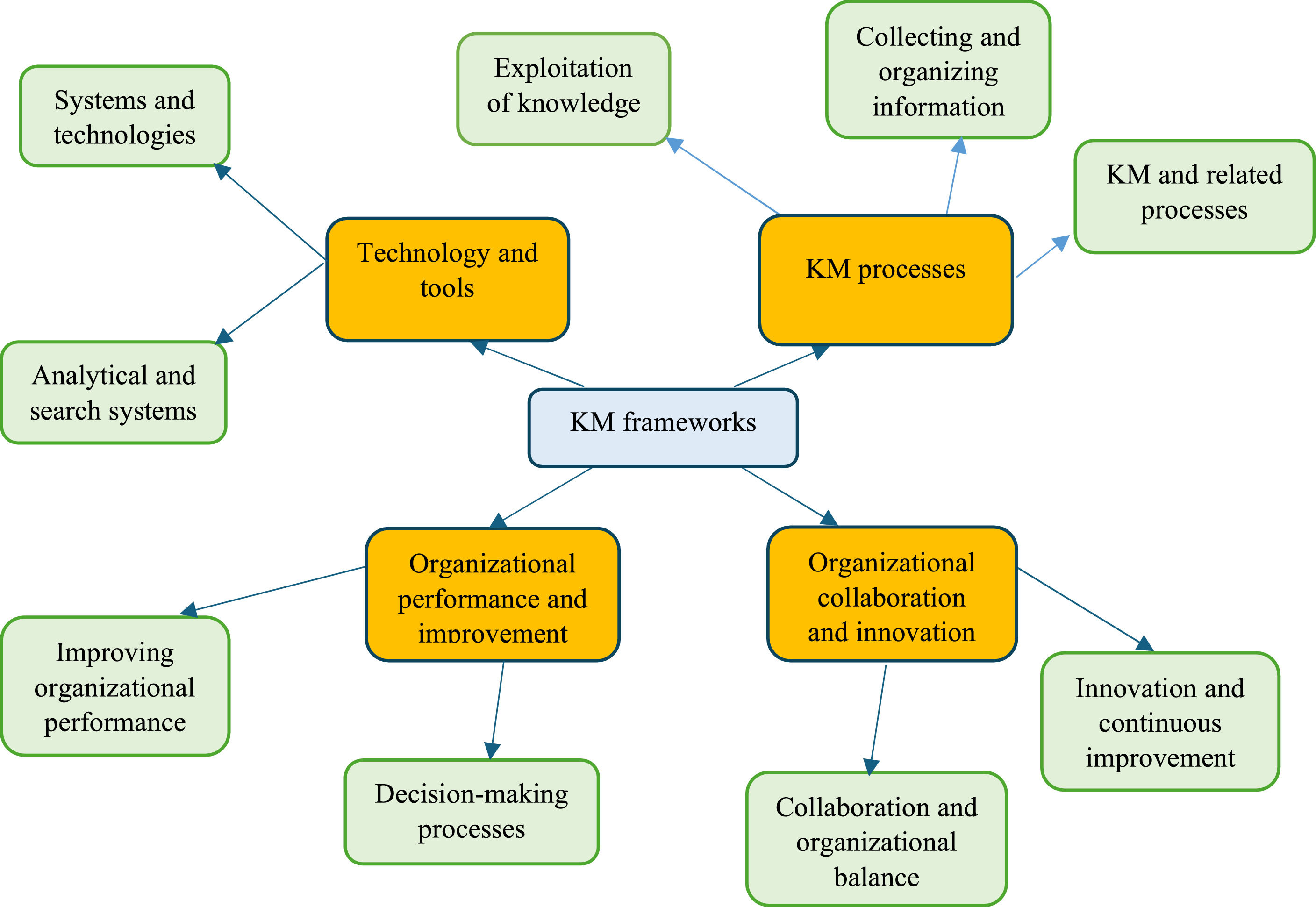
Table 6 presents a detailed framework for examining KM within organizations and consists of four primary core codes. KM processes, which form a fundamental component, focus on activities related to the collection, organization, and application of knowledge (Bongers et al., 2000; Corral de Zubielqui et al., 2019; Horner et al., 2019). These processes are crucial for organizations that seek to manage existing knowledge effectively and use it for strategic decision-making and improved performance. The categories associated with this core code show that gathering and structuring information are essential for enabling knowledge use at all levels of the organization.
Core codes.
Technology and tools also support KM. Analytical and search systems, for example, help provide quick, accurate access to information, thereby increasing the efficiency of management processes. These tools allow organizations to use their data effectively. In addition, the focus on organizational performance and improvement, particularly in decision-making and productivity, enables organizations to make well-informed decisions based on accurate knowledge and information. Finally, the importance of organizational collaboration and innovation highlights the value of internal interactions and idea-sharing. This aspect stresses the creation of new concepts and continuous improvement, which are essential for sustainable growth and development within organizations.
This analysis indicates that KM, as a central concept, can improve performance, support collaboration, and drive innovation through the integration of technology, processes, and organizational culture. The proposed framework in Fig. 8 provides a detailed guide for organizations to manage knowledge strategically and use it as a vital asset.
Discussion
KM is a fundamental element contributing to the success of contemporary organizations, significantly influencing productivity, driving innovation, and refining organizational processes. The research presented in this study establishes a framework built on four essential components: KM processes, technology and tools, organizational performance and improvement, and organizational collaboration and innovation. These components examine various facets of KM and show how organizations can use knowledge as a strategic asset (Andreeva & Kianto, 2012).
KM processes represent a critical dimension of this framework, focusing on the systematic collection, organization, and application of information. Prior research has shown that effective KM supports more informed and strategic decision-making. For example, findings from Mesquita et al. (2009) indicate that organizations that convert tacit knowledge held by employees into explicit knowledge tend to perform more effectively when facing environmental challenges. In addition, the results of this study show that the timely collection and proper organization of information enable organizations to respond more quickly to changes in their environment.
Conversely, technology and tools act as essential enablers of KM. Technological solutions, including KM systems, advanced analytics, and information-sharing platforms, enable rapid, precise access to information. Research, such as that conducted by Karan, shows that integrating emerging technologies, such as artificial intelligence and machine learning, improves the efficiency of KM processes. Furthermore, the current study found that organizations that have made substantial investments in advanced technologies are better positioned to use these tools to drive innovation and increase productivity.
The study gives particular attention to organizational performance and improvement and shows that KM directly influences productivity and cost reduction. Numerous research efforts support this relationship. Prior studies indicate that the use of knowledge in strategic decision-making reduces risks and strengthens competitive advantage. This research proposes that improved organizational performance through KM, especially in strategic and operational decision-making, represents a key outcome. In addition, the role of organizational collaboration and innovation stresses the importance of human interactions within KM (Gürlek & Çemberci, 2020). A culture that supports knowledge sharing and teamwork can encourage the generation of innovative ideas and help resolve complex challenges. Organizations that promote intra-organizational collaboration and interaction tend to perform better in technological innovation and new product development. The findings of this study confirm the value of intra-organizational collaboration and the promotion of innovation as important results of effective KM.
Overall, the outcomes of this research align with existing literature and show the vital role of KM in achieving organizational objectives. This study also examines the practical dimensions of KM and shows that successful integration of technology, organizational processes, and a collaborative culture forms an essential prerequisite for effective KM. Ultimately, KM does not function merely as a tool. It provides a strategic framework that steers organizations toward higher productivity, continuous innovation, and adaptability in the face of rapid environmental change.
The study faces several key limitations. A primary constraint involves the absence of reliable data and sources for analyzing both the current and desired states of organizational infrastructure. Often, the available information is inadequate or outdated, which adversely affects the precision of the findings. In addition, bibliometric studies require substantial time investment, which often limits the breadth of the review and the analysis of different sources. Cultural and organizational differences across countries and industries also reduce the generalizability of the results, because infrastructures frequently differ across sectors and regions. Moreover, even when research identifies the advantages of implementing KM strategies, practical challenges, such as employee resistance or insufficient resources, frequently hinder effective implementation.
Despite these efforts, some bias remains. The use of a single citation database (Scopus) often limits coverage of certain regional or non-English publications. Although the study applied independent screening and coding, qualitative meta-synthesis never completely removes interpretive subjectivity. Future studies need to address these limitations by including additional databases (for example, Web of Science), widening the language scope, and using automated text-mining techniques to reduce researcher bias further.
ConclusionThis study establishes a comprehensive framework that integrates four key pillars: KM processes, technology and tools, organizational performance, and collaboration and innovation, showing how organizations use knowledge strategically to achieve competitive advantage. The findings indicate that systematic management of knowledge, supported by digital technologies and a collaborative culture, enables organizations to improve decision-making, increase efficiency, and strengthen adaptability in dynamic environments.
Future investigations should broaden the research scope to include a wider range of organizations with distinct characteristics. This approach would allow examination of structural differences and sector-specific challenges, thereby improving the generalizability of the findings. Integrating cultural and social dimensions in KM implementation would also provide valuable insights, since organizational culture strongly influences the success of KM initiatives.
Organizations should strengthen their KM infrastructure by investing in intelligent systems such as artificial intelligence, big data analytics, and cloud computing to support faster access to information and improve analytical precision. Establishing reward systems for knowledge sharing, appointing dedicated knowledge managers, and forming specialized knowledge teams can institutionalize KM practices. In addition, developing collaborative partnerships with academic and research institutions can expand access to diverse knowledge resources and support innovation.
Overall, this research shows that KM should not be treated as an isolated managerial practice but as a strategic core of organizational success. By embedding KM into organizational strategy, companies can cultivate continuous learning, accelerate innovation, and sustain competitive advantage in rapidly changing global environments.
CRediT authorship contribution statementReza Rostamzadeh: Writing – review & editing, Supervision, Conceptualization. Taher Najari: Writing – original draft, Software, Investigation. Dalia Streimikienė: Writing – review & editing, Supervision, Conceptualization. Hero Isavi: Writing – review & editing, Validation, Investigation.

articles