





With the acceleration of digital transformation, the issue of the digital divide between enterprises has become increasingly prominent. However, prior studies have primarily examined how digital transformation levels affect an enterprise’s operations and innovation; limited attention has been paid to the effects of differences in digital transformation between different enterprises. Drawing on knowledge-based theory, this study employs supply chain data from China between 2007 and 2022 to examine the impact of the digital divide between enterprises and customers (DDEC)11 DDEC in this article refers to “the digital divide between enterprises and customers”. IIC in this article refers to “Enterprise’s information integration capability”.
Currently, digital transformation is an important drive of economic development in various countries. However, limitations in resources and capabilities have precipitated significant differences in access to and use of digital technology across diverse regions and populations (Van Dijk, 2017; Wang et al., 2025), which has created the problem of the digital divide and exacerbated the imbalance in development. As early as 2003, the World Summit on the Information Society emphasized the need to narrow the global digital divide—particularly between nations at different stages of economic development—and to establish a fair, rational, and transparent information society to promote shared human development and progress. In 2023, the United Nations, through the “Global Digital Compact,” advocated for meaningful and affordable ways to bridge the digital divide, aiming to enhance digital skills for everyone, especially vulnerable groups, so that everyone can participate fully in the digital economy. However, according to the “2024 Digital Economy Report” released by the United Nations Conference on Trade and Development, approximately 50 % of the global population remains offline, particularly in developing nations. Taking China as an example, according to the “2024 China SME Digital Transformation Report,” although 98.8 % of small and medium-sized enterprises (SMEs) in China have initiated digital transformation, over 60 % of these SMEs remain in the early stages of transformation. Only 3.2 % of SMEs have managed to create innovative business models and novel growth engines through digital transformation, which highlights the severity of the digital divide.
Scholars have engaged in extensive discussions on mitigating the digital divide. The International Information Center defines the digital divide as the disparity in access to and utilization of modern information technology among diverse social groups. According to the different levels at which the digital divide exists, it can be categorized into regional, enterprise, and population digital divide (Wang et al., 2022). Considering the pivotal role of enterprises in the market economy, the digital divide between them has garnered significant focus. Research has indicated that different enterprises have demonstrated significant disparities in digital transformation progress, influenced by factors such as internal capabilities, resource endowments, and the local digital economy’s growth, thereby forming a digital divide between enterprises (Shakina et al., 2021). During the digital economy age, enterprises with backward digital transformation cannot seize digital opportunities and share digital dividends in time, which is detrimental to their sustained growth. Wang et al. (2022) highlighted that the digital divide, on the one hand, creates barriers to cooperation between enterprises, hindering their interconnectivity and collaborative efforts. On the other hand, it exacerbates information asymmetry during the cooperation process, rendering it easy for leading enterprises in the transformation to exploit lagging enterprises, which results in a winner-takes-all scenario (Autor et al., 2020). Regarding how to bridge the digital divide between enterprises, existing research has suggested that the government should implement top-down planning and promote the development of relevant policies to ensure that enterprises can develop in a fair competition environment, thereby effectively narrowing the digital divide between enterprises (Sun et al., 2025).
A literature review highlights the following deficiencies in current research on the digital divide: (1) Few studies have addressed the digital divide between enterprises (Lythreatis et al., 2022). Existing studies have mostly focused on the digital divide between different regions and populations (Guo & Wan, 2022; Hwang & Nam, 2017; Peng & Dan, 2023), with limited focus on the digital divide between enterprises. (2) The impact of the digital divide on business operations has not been examined from a supply chain perspective. Existing research has either approached the issue from a regional perspective, exploring the digital divide between enterprises stemming from the unequal advancement of regional digital economy (Ren, 2023), or considered the digital divide as the gap between general enterprises and those leading in digital transformation, discussing how enterprises can overcome the digital divide to enhance their own digital transformation levels (Du et al., 2022). The influence of DDEC on business operations has not been adequately explored. In fact, there is a close supply-demand relationship between enterprises and their customers, and the digital divide between them affects business operations more severely. (3) Extensive research is required on the impact mechanism of the digital divide between enterprises on enterprise performance. The current research only highlights that the digital divide between enterprises hinders collaborative innovation and commercial credit financing of enterprises (Liu et al., 2017; Ren, 2023), while the underlying mechanism through which enterprise digital divide affects enterprise performance has not been fully revealed. (4) Research on how to mitigate the negative impacts induced by the digital divide between enterprises is lacking. Recent research has increasingly examined the digital divide between enterprises and its adverse effects (Liu et al., 2017; Morris et al., 2022; Ren, 2023) and has suggested the need to alleviate the digital divide through policy formulation and resource investment from a governmental perspective (Sun et al., 2025). However, research on how enterprises themselves can attenuate the divide’s detrimental consequences remains limited.
Therefore, this study considers the supply chain perspective as the starting point, utilizes text mining technology to construct the digital divide index between enterprises, and examines the impact and path of the DDEC on enterprise performance based on knowledge-based theory. Knowledge-based theory regards the enterprise as an organization that integrates knowledge and believes that knowledge is the most important strategic resource of the enterprise and the strongest driving force of competitive advantage (Grant, 1996). However, knowledge is scattered among different subjects, and enterprises must actively acquire it from the outside. In a highly uncertain environment, the widespread acquisition of high-quality knowledge has become the key to the success or failure of enterprises (Ying et al., 2015). The supply chain—as a key relationship network of enterprises—not only provides enterprises with access to heterogeneous and complementary knowledge (Belderbos et al., 2004; Geng et al., 2024), but also affects the knowledge acquisition behavior of enterprises, especially the customer enterprises often determine the direction of knowledge acquisition of enterprises (Yang et al., 2025). Enterprises will selectively obtain relevant technical knowledge and market knowledge from other links of the supply chain or external institutions to meet the needs of customer enterprises (Briscoe & Rogan, 2016; Doloreux et al., 2019). Meanwhile, the diversity and variability of customer needs will prompt enterprises to continuously expand the scope and depth of knowledge acquisition (Yang et al., 2025). Previous studies have demonstrated that acquiring heterogeneous knowledge and resources enables enterprises to break through cognitive path dependence, enhance environmental adaptability, and ultimately achieve performance improvement (Alexander & Van Knippenberg, 2014). Therefore, knowledge acquisition is crucial for the performance results of enterprises, and knowledge search happens to be a significant means to acquire the necessary knowledge. This study explores the impact of the DDEC on enterprise performance and the role that the width and depth of knowledge search may play in it based on knowledge-based theory.
Simultaneously, knowledge-based theory highlights that enterprises need to continuously integrate and optimize knowledge resources to build a sustainable competitive advantage. However, knowledge does not arise spontaneously, and its formation depends on the effective processing and understanding of information. The DIKW model (data-information-knowledge-wisdom) underscores that information is the foundation of knowledge, and knowledge is the understanding and application of information (Rowley, 2007). Therefore, the information integration capability (IIC) affects the acquisition of enterprise knowledge. Existing research indicates that strong IIC can boost information sharing and operational coordination between enterprises and their supply chain partners (Liu et al., 2013). Thus, this study further regards the IIC of enterprises as a moderating variable to explore its role in DDEC and knowledge search.
This study’s research contributions are as follows: First, this study breaks through the limitations of traditional digital divide research focusing on regions and groups, and discusses the digital divide between enterprises in the context of the supply chain. It reveals the impact mechanism of the DDEC on enterprise performance, enriches the research on the digital divide at the enterprise level, and provides key enlightenment for the digital transformation of enterprises; that is, enterprises should not only pay attention to their own digital transformation, but also pay attention to the digital transformation gap with downstream customers. Matching transformation steps is the key to improving performance.
Second, based on knowledge-based theory, the study reveals that the DDEC will hinder the width and depth of enterprise knowledge search, thereby adversely impacting enterprise performance, which not only deepens the understanding of the impact of the DDEC but also enriches the research on the antecedent variables of enterprise knowledge search behavior. It inspires enterprises to pay attention to the digital divide between them and their customers. Bridging the DDEC can help enterprises achieve more efficient knowledge acquisition and better performance amid fierce market competition.
Finally, from the perspective of enterprises, this study proposes that improving IIC alleviates the digital divide’s negative impact at the enterprise level, which supplements the existing research. In the digital economy era, it suggests directions for enterprises to improve their capabilities, encouraging them to focus on cultivating IIC, thereby reducing the adverse impact of the digital divide on knowledge search and enhancing their competitiveness.
The remainder of this paper is organized as follows: Section 2 reviews the literature and proposes the hypotheses. Section 3 presents the research design. Sections 4 and 5 present the research results and further analysis, respectively. Section 6 concludes and discusses the implications.
Literature review and research hypothesisResearch on the digital divide between enterprisesWith the digital economy’s continuous growth, the value and significance of digital transformation for enterprises have been widely confirmed in both the practical and academic fields. However, owing to limitations in resources and capabilities, access to and the adoption of modern information technology differ among various enterprises, which, in turn, precipitates differences in the digital transformation process, creating a digital divide between enterprises (Shakina et al., 2021). Although digital technology’s application has accelerated cooperation between enterprises, the digital divide has introduced impediments to this cooperation, which is not conducive to the interconnection and cooperation between enterprises (Wang et al., 2022). Additionally, the digital divide will further expand the information asymmetry in the process of cooperation. Leading enterprises in transformation may erode the interests of lagging enterprises, whereas those lagging in digital transformation will be at a disadvantage in areas such as marketing and financing (Morris et al., 2022; Ren, 2023), thus aggravating the imbalance of development. For example, Liu et al. (2017) found that the digital divide between high-tech enterprises hinders the collaborative innovation output by affecting the management mode, strategic objectives, cooperation input, team division of labor, and learning-absorption ability. Regarding bridging the digital divide between enterprises, existing research from a governmental perspective suggests that favorable conditions should be created for enterprises to acquire digital skills and capabilities—including ensuring comprehensive infrastructure and robust support systems and promoting relevant policies and incentive mechanisms—to ensure that all enterprises enjoy fair competition opportunities in the digital economy (Sun et al., 2025).
Current research has primarily examined the consequences of the digital divide between enterprises and how to bridge it from a governmental perspective. However, it has not yet fully explored the specific impact pathways of the DDEC on enterprise performance in a supply chain scenario and how to mitigate the adverse effects of the divide in a dynamic market environment.
Knowledge search supported by digital technologyWith the acceleration of knowledge updating speed, enterprises find fulfilling their knowledge needs solely through their own accumulation increasingly difficult. Knowledge search has emerged as a crucial way for enterprises to acquire heterogeneous knowledge and improve performance (Hu & Wang, 2025; Katila & Ahuja, 2002). Knowledge search refers to the specific activity process in which enterprises search, acquire, integrate, and utilize internal and external knowledge to enhance their competitive advantage (Hu & Wang, 2025). Based on the behavioral characteristics of enterprise knowledge search, knowledge search can be categorized into knowledge search width and knowledge search depth. Knowledge search width refers to the number of search channels involved in the enterprise’s knowledge search process, reflecting the coverage of knowledge search (Laursen & Salter, 2006). The larger the scope, the more heterogeneous resources and knowledge the enterprise can obtain (Katila & Ahuja, 2002), which is more conducive to performance improvement. Knowledge search depth is the intensity of knowledge acquisition from existing channels by enterprises, reflecting the depth of knowledge search (Laursen & Salter, 2006). The deeper the knowledge search, the smoother the transfer of knowledge between different entities, and the less friction between entities (Yuan et al., 2021). Accordingly, enterprises can achieve more effective performance improvements. Therefore, how to enhance the width and depth of knowledge search has emerged as a crucial challenge for promoting enterprise performance.
The widespread use of AI, cloud computing, and big data has enhanced the efficiency of the flow of knowledge between enterprises, significantly reducing the difficulty of conducting knowledge search. From the perspective of knowledge itself, the use of digital technology has provided a more accurate and convenient carrier for the transmission of explicit knowledge, while tacit knowledge that was previously difficult to accurately express and characterize has gradually become explicit (Dong & Zhang, 2024). From the perspective of enterprises, on the one hand, digital technologies such as AI and big data facilitate enterprises to achieve real-time communication and interaction with different entities, and conduct a wider range of information search at a lower cost, thereby expanding the width of knowledge search (Wu et al., 2020), which helps enterprises quickly identify heterogeneous knowledge and resources; on the other hand, the mining and analytical capabilities of digital technologies can significantly enhance the depth of enterprise knowledge search. Enterprises can precisely extract high-value knowledge from existing knowledge channels and analyze the complex interconnections between knowledge by deeply mining large amounts of data (Yang et al., 2025), thereby increasing the depth of knowledge search.
Although digital technology provides great convenience and security for knowledge search, it requires achieving data interconnectivity between related entities, which means higher demands on the efficiency and quality of data transmission between enterprises.
The DDEC and enterprise performanceThe acquisition and accumulation of knowledge and capabilities are crucial for enterprises to maintain their current and future competitive advantages. However, as enterprises undergo deeper digital transformation, the DDEC becomes increasingly prominent because of limitations in their own resources and capabilities. The existence of the digital divide restricts the transfer, digestion, and absorption of knowledge between enterprises and their customers. The DDEC exerts a more direct and evident effect on enterprise performance because of the close supply-demand relationship between them. This article deliberates on the ramifications of the DDEC on enterprise performance from the standpoint of enterprises, primarily manifesting across three aspects. First, the existence of a digital divide will affect data transmission and strengthen the data barriers between enterprises. A significant DDEC implies that the lagging party in terms of digital transformation has notable deficiencies in data recording, storage, and other aspects, which leads to data distortion in the transfer process, subsequently affecting smooth data transfer between enterprises and their customers (Morris et al., 2022). Second, the existence of a digital divide hinders the role of data-driven decision-making. Some studies have pointed out that the role of data-driven decision-making requires data collaboration between enterprises (Vanpoucke et al., 2017). When the lagging party fails to provide the leading party with the requisite types and accuracy of data, the value of supply chain data will follow the barrel theory (Ma et al., 2023), preventing enterprises from effectively utilizing data to make decisions. Finally, the digital divide will exacerbate the information asymmetry between enterprises and their customers, thereby increasing the cost of information search and processing (Shakina et al., 2021) and subsequently affecting enterprise performance. Moreover, the digital divide obstructs enterprises from acquiring, developing, and utilizing customer information, making accurately identifying needs and developing markets cumbersome for enterprises (Grimpe et al., 2017). This, in turn, precipitates a mismatch between products and customer needs, undermines the enterprise’s sustained and stable profitability, and results in higher operational risks. The following hypothesis is formulated based on these considerations:
Hypothesis 1. The DDEC negatively affects enterprise performance.
The DDEC and knowledge searchKnowledge-based theory posits that an enterprise’s competitive advantage not only stems from internal knowledge but also from external sources, especially the knowledge and information from customer enterprises (Li Pira et al., 2025). In a highly uncertain environment, broadly acquiring high-quality knowledge becomes the key to an enterprise’s success or failure (Ying et al., 2015). When the DDEC exists, it affects the enterprise’s knowledge search in at least two ways. First, the DDEC affects the enterprise in gathering knowledge and information from customers. It impedes effective knowledge transmission and sharing between enterprises and customers. When the pace of the digital transformation of customers is faster than that of the enterprise, the enterprise lacks the necessary digital technology and analytical capabilities to fully understand and utilize the complex knowledge conveyed by customers, making accurately capturing, responding to, and predicting changes in customer demand difficult. Conversely, if the enterprise’s digital transformation outpaces that of the customers, the customers may not be able to fully express their real needs or provide high-quality feedback owing to technological and cognitive limitations. This may result in deviations or insufficient knowledge and information that the enterprise can obtain from customers, thereby limiting the depth and width of the information gathered by enterprises from customers. Second, the DDEC affects the enterprise’s ability to acquire knowledge from other entities. The existence of the digital divide intensifies the information asymmetry between enterprises and customers. This asymmetry prevents enterprises from fully understanding customer needs, leading to a lack of clear goals and value judgment standards in their knowledge search (Zhao et al., 2021). Owing to the inability to effectively discern knowledge, enterprises are prone to encountering information overload during the knowledge search process, unnecessarily increasing the cost of knowledge search. Therefore, enterprises tend to slow down the width and depth of their knowledge search. This discussion leads to the following hypotheses:
Hypothesis 2a. The DDEC diminishes knowledge search width.
Hypothesis 2b. The DDEC diminishes knowledge search depth.
Knowledge search’s mediating effectNew knowledge is a key resource for building core competitive advantages. Previous studies have demonstrated that acquiring heterogeneous knowledge and resources enables enterprises to break through cognitive path dependence, enhance environmental adaptability, and ultimately achieve performance improvement (Alexander & Van Knippenberg, 2014). Therefore, knowledge acquisition is crucial for the performance results of enterprises, and knowledge search happens to be a significant means to acquire the necessary knowledge. On the one hand, knowledge search width can expand the richness and diversity of enterprise knowledge sources, reduce the information gap with external partners, and provide more innovation opportunities and resource combinations for enterprises. Enterprises can gain a more comprehensive understanding of market demand, technological trends, and industry dynamics by extensively searching and integrating knowledge, thereby diminishing the risks and costs stemming from information asymmetry in decisions, and ultimately improving enterprise performance. On the other hand, knowledge search depth can deepen an enterprise’s understanding of current domain knowledge, which is beneficial for the enterprise to better absorb and digest the knowledge, thereby promoting the generation of more complex technical knowledge and forming the competitive advantage of enterprises (Yuan et al., 2021). Simultaneously, through in-depth exploration of knowledge in specific fields, it can help enterprises form knowledge barriers that are difficult to imitate and maintain innovation uniqueness and competitive advantages in specific fields. Evidently, knowledge search plays a crucial role in improving enterprise performance. The discussion suggests these hypotheses:
Hypothesis 3a. Knowledge search width acts as a mediator between the DDEC and enterprise performance.
Hypothesis 3b. Knowledge search depth acts as a mediator between the DDEC and enterprise performance.
IIC’s moderating effectThe ability to reintegrate and use information resources is termed IIC, which prompts the organization to maintain a dynamic balance between the internal and external environments (Qiao et al., 2024). With the explosive growth of data volume, IIC has increasingly become an indispensable capability for enterprises in the era of the digital economy (Bai & Wang, 2018). Existing research has suggested that strong IIC boosts information sharing and operational coordination between enterprises and their supply chain partners (Liu et al., 2013). Therefore, this paper argues that the enterprise’s IIC weakens the negative impact of DDEC on the knowledge search of enterprises. The details are presented below: First, enterprises with stronger IIC can weaken the data barriers between enterprises and effectively alleviate the distortion in the process of data transmission and the mismatch between supply and demand caused by information asymmetry (Bach et al., 2020), which will aid enterprises in grasping the real requirements of customers, clarifying knowledge search focal points, and subsequently minimizing the adverse effects of the DDEC on the knowledge search width. Second, a stronger IIC can weaken the demand of enterprises for information richness and integrity; that is, enterprises can extract and obtain more valuable information from less information, which will promote information sharing and knowledge flow between enterprises (Liu et al., 2013), thereby decreasing the detrimental effects of the DDEC on the knowledge search depth. Additionally, enterprises with a stronger IIC can effectively mitigate the risk of information overload during the knowledge search process (Bai & Wang, 2018). Such enterprises can efficiently filter, organize, and analyze information to obtain valuable knowledge, thereby facilitating wider and deeper knowledge search. Zhou et al. (2020) found that enterprises with stronger IIC can attract diverse entities to engage in innovative cooperation, enhancing interaction and knowledge sharing among entities. Therefore, this paper posits that the negative impact of the DDEC on the width and depth of knowledge search will be weakened when an enterprise has a strong IIC. Thus, this paper proposes the following hypotheses:
Hypothesis 4a. IIC functions as a positive moderator between the DDEC and knowledge search width. Specifically, a stronger IIC results in a less noticeable negative effect of the DDEC on the knowledge search width.
Hypothesis 4b. IIC functions as a positive moderator between the DDEC and knowledge search depth. Specifically, a stronger IIC results in a less noticeable negative effect of the DDEC on the knowledge search depth.
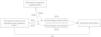
Based on the literature review and abovementioned research hypotheses, Fig. 1 succinctly illustrates this study’s objectives and content.
Research designData collection
For our study, we utilized supply chain data from five leading customers of Chinese A-share listed enterprises, covering the 2007–2022 period. Consistent with Wei et al.’s (2024) top five customer selection paradigm, the data processing involves the following sequential steps: First, we eliminate enterprises operating in the financial sector, along with ST and ST* firms, as well as enterprises that lack complete data. Subsequently, this study adopts Yang et al.’s (2022) method to construct a data set of Enterprise-Customer-Year. Considering that an enterprise (A) in a given year (2021) may correspond to multiple customer enterprises (C1, C2), we construct observed values of A-C1-2021 and A-C2-2021. We ultimately construct a total of 2325 annual enterprise-customer observations from 814 suppliers and 615 customers from 2007 to 2022. Finally, all continuous variables are winsorized at the 1 % and 99 % levels to mitigate outlier effects. The specific information on supply chain, data for measuring enterprise performance, and control variables are all sourced from the China Stock Market & Accounting Research (CSMAR). The enterprises’ annual report data is sourced from the official websites of the Stock Exchanges.
MeasurementsEnterprise performance (Roe)For the measurement of enterprise performance, referring to the practice of existing research, this study uses Roe (return on equity) and Roa (return on assets) as enterprise performance metrics (Zhai et al., 2022). Roe is employed in the main regression, and Roa is used in the robustness test.
The digital divide between enterprises and customers (DDEC)To measure the DDEC in the supply chain, this study must first assess the level of digital transformation of enterprises and their customers. As the core documents disclosed by enterprises, the annual report of listed enterprises is both summarizing and forward-looking, and its language characteristics can effectively reflect the strategic priorities and future layout of enterprises (Xiong et al., 2025). Therefore, this study quantifies the level of digital transformation of enterprises through text analysis. Specifically, it draws on Xiong et al. (2025) and Chen et al.’s (2025) approach to construct a lexicon containing 161 transformation keywords across five dimensions, including cloud computing technology, digital technology application, etc. See Table A.1 for specific dimensions and keyword details. Subsequently, digital transformation indices for enterprises and customers are derived from the keyword frequency to total word ratio in the annual enterprise reports. Further, the DDEC is assessed by calculating the absolute value of the difference in their respective levels of digital transformation. The larger the absolute value, the greater the digital divide between the two.
Information integration capability (IIC)Regarding the measurement of IIC, following Qiao et al. (2024), this study measures IIC using digital intangible assets as a proportion of total assets. A higher ratio signifies stronger IIC.
Control variablesIn selecting control variables, this study follows Zhai et al.’s (2022) approach. The selected variables include the digital transformation of enterprises (Digit), enterprise size (Size), enterprise nature (Soe), board size (Board), institutional investor shareholding ratio (Institution), etc. Table 1 outlines the specific calculations and definitions employed for each variable.
The definition of variables.
To verify the research hypotheses, this study constructs the model as follows, where i represents the i-th enterprise, t represents the t-th year; Roeit refers to enterprise performance of enterprise i in year t; DDECit represents the digital divide between enterprise i and its customers; Controls refers to a set of control variables; Year and Industry indicate the fixed effect of year and industry respectively; and εit is the random error term.
ResultsDescriptive statistics
Table 2 presents the results of the descriptive statistics for the variables. The mean value of enterprise performance (Roe) is 0.0582, and the standard error is 0.1480. The mean values of the digital transformation index for enterprises (Digit), the digital transformation index for customers (Cus_Digit) and the DDEC are 0.0006, 0.0005, and 0.0951, respectively, with standard errors of 0.0009, 0.0006, and 0.0760, indicating an evident DDEC in the supply chain.
Description of variables.
Table 3 presents the empirical analysis results of how DDEC impacts enterprise performance. Column (1) details the regression outcomes when controlling solely for year and industry fixed effects. The coefficient for DDEC is -0.112 and statistically significant at the 1 % level without adding any control variables, indicating that the DDEC negatively impacts the enterprise performance. Column (2) includes the enterprise-level characteristics and governance variables to bolster the robustness of the findings. Presently, the coefficient remains negative at -0.108 and continues to be significant at the 1 % level, which suggests that the DDEC in the supply chain will affect data transmission and the realization of data element value between enterprises, rendering it difficult for enterprises to grasp the needs of customers and thereby impacting enterprise performance level. Thus, Hypothesis 1 is supported.
The DDEC and enterprise performance: baseline results.
Note: Standard errors are in parentheses, ***p < 0.01, **p < 0.05, *p < 0.1.
Several robustness tests are conducted to ensure that the research is reliable. The first is altering the method of measuring the dependent variable. Consistent with Zhai et al. (2022), this study uses Roa instead of Roe to measure enterprise performance. The second concerns retaining the samples from manufacturing and high-tech industries. This study refers to Liu and Ye (2022) and separately retains manufacturing and high-tech samples for regression. The final concerns omitted variable tests. Despite incorporating multiple control variables into the primary regression analysis, some variables that affect the DDEC and enterprise performance may still be omitted. Therefore, this study includes the interactive fixed effects of year-industry and year-city. The empirical findings from Table 4 indicate that the coefficients retain statistical significance and align with the main effect after the interactive fixed effect is added, demonstrating the robustness of this study’s core conclusion.
Robustness test results.
Considering the problem of omitted variables, this study employs instrumental variable to address endogeneity. Specifically, drawing on Bartik’s approach (2009), this study constructs a “Bartik instrument” (the product of the first-order lagged digital divide and the first-order difference of the annual growth rate of enterprise digital transformation over time), and then uses the two-stage least squares method for regression, with estimation outcomes presented in Table 5. The Kleibergen-Paap rk LM statistic achieves statistical significance at the 1 % level, indicating that the null hypothesis of under-identification is not supported. Additionally, the Cragg-Donald Wald F statistic exceeds the 10 % significance level Stock-Yogo threshold, resulting in the rejection of the hypothesis regarding weak instrumental variable. These results demonstrate that the selected instrumental variable is appropriate. The first-stage regression findings reveal a positive relationship between the DDEC and the instrumental variable at the 1 % significance level displayed in Column (1). The second-stage regression analysis is outlined in column (2). After alleviating the possible endogenous problems, the DDEC’s coefficient remains significantly negative, demonstrating its robust negative effect on enterprises. Therefore, this study’s main conclusion is tenable.
Endogenous test results.
Based on the previous theoretical analysis, this subsection explores the mechanism of knowledge search based on the following two paths: the width and depth of knowledge search. In the specific empirical design, the width of knowledge search is measured by the natural logarithm of the total number of organizations that cooperate with sample enterprises to apply for patents in the observation year, while the depth of knowledge search is measured by the natural logarithm of dividing the number of patents jointly applied for by sample enterprises and cooperating organizations by the number of cooperating organizations in the observation year (Yuan et al., 2021). To verify the mediating effect, the following regression model is constructed based on Equation (1):
where Medit is the mediating variable, including the width (Width) and depth (Depth) of the knowledge search of enterprises. Eqs. (2) and (3) are utilized to test whether the DDEC affects enterprise performance by weakening the width and depth of knowledge search of enterprises.

Table 6 presents the results of the mechanism test regressions for the width and depth of knowledge search. Columns (2) and (4) of Table 6 reveal negative DDEC coefficients, significant at the 5 % and 10% levels, respectively, indicating that the DDEC negatively affects the width and depth of the knowledge search of enterprises. Thus, Hypothesis 2a and Hypothesis 2b are verified. Columns (3) and (5) suggest that the width and depth of knowledge search significantly improve enterprise performance. Concurrently, the coefficients of the DDEC are still significantly negative after adding the mediating variables and independent variable, indicating that the mechanism of knowledge search width and depth is established; that is, the DDEC negatively affects the performance level of enterprises by weakening the width and depth of knowledge search of enterprises. Hence, Hypotheses 3a and 3b are supported.
Intermediary effect test results of knowledge search.
The subsequent model is used for further analyzing the moderating effect of IIC on the DDEC and the width and depth of knowledge search. During the examination process, we include the interaction term between the digital divide and IIC (DDEC×IIC).
where Moderatingit refers to the IIC of enterprises i in year t. Table 7 presents the regression results. Columns (2) and (4) show that the coefficients of the interactive term (DDEC × IIC) are 33.695 and 31.050, respectively, both of which are significantly positive at the 5 % and 10 % levels, respectively. Therefore, IIC plays a positive role in regulating the DDEC and the width and depth of knowledge search. When the IIC is stronger, the negative impact of the DDEC on the width and depth of knowledge search is smaller; that is, IIC can reduce the DDEC’s suppression of enterprise knowledge search width and depth. Thus, Hypothesis 4a and Hypothesis 4b are verified.

Moderation effects test results of information integration capability (IIC).
Based on knowledge-based theory, this study examines the impact of the DDEC in the supply chain on enterprise performance. The results show that: (1) The DDEC in the supply chain can reinforce data barriers between enterprises and increase information asymmetry, hindering enterprises from identifying the needs of customer enterprises and developing markets, thereby negatively impacting enterprise performance. This finding remains valid after carrying out multiple robustness tests. (2) The mechanism test shows that the DDEC in the supply chain will make it difficult for enterprises to grasp the focus and direction during the knowledge search endeavor, thereby affecting the promotion of the width and depth of knowledge search and ultimately impacting enterprise performance. (3) The moderating effect test found that the IIC of enterprises can weaken the data barriers between enterprises, promote enterprises to clarify the focus of knowledge search, and subsequently minimize the adverse impact of the DDEC on the knowledge search width. Simultaneously, stronger IIC can reduce the demand of enterprises for information richness and integrity, thus reducing the adverse impact of the DDEC on knowledge search depth. Therefore, the IIC of enterprises can decrease the negative effects of the DDEC on the width and depth of the knowledge search of enterprises, consequently attenuating the DDEC’s detrimental impact on enterprise performance.
Theoretical contribution(1) The study proposes a novel idea for the research of enterprise-level digital divide. Most studies on the digital divide focus on the digital divide between different regions and populations (Guo & Wan, 2022; Hwang & Nam, 2017; Peng & Dan, 2023), while research on the divide between enterprises is scarce (Lythreatis et al., 2022). The extant literature has examined the performance, influence, and ramifications of the digital divide at the enterprise level, from both theoretical and empirical standpoints (Liu et al., 2017; Morris et al., 2022; Ren, 2023). However, these studies ignore the digital divide between enterprises in the supply chain. From a supply chain perspective, this research examines how the DDEC affects enterprise performance, which provides new scenarios and ideas for the research on the digital divide, and also responds to the initiative of Lythreatis et al. (2022) to conduct more research on the enterprise-level digital divide. (2) The impact mechanism of the DDEC on enterprise performance is revealed. Drawing from knowledge-based theory, this study ascertains that the DDEC will affect the width and depth of knowledge search of enterprises, and subsequently affect the operating performance of enterprises. This study not only enriches the relevant research on the digital divide at the enterprise level, but also explores the important antecedent variable that affects the knowledge search of enterprises in the digital age: the digital divide between enterprises. Previous research has indicated that using digital technology facilitates the development of knowledge search (Yang et al., 2025). However, our study reveals that the digital divide stemming from differences in digital transformation between enterprises can negatively impact their knowledge search, thereby enriching the related research on the relationship between digital divide and knowledge search. (3) This study contributes to the literature on mitigating the negative consequences of the enterprise-level digital divide. Previous research has primarily adopted the governmental perspective, pointing out that the government should invest more educational resources, undertake more digital infrastructure, and formulate more lenient financial terms to bridge the digital divide between different enterprises (Sun et al., 2025). However, this study adopts the enterprise perspective and finds that improving an enterprise’s own IIC helps it extract valuable information from less data, thereby mitigating the adverse effects of the digital divide.
Practical contributionFirst, enterprises should not only focus on their own digital level but also on the degree of transformation collaboration with downstream customer enterprises in the process of promoting digital transformation. Research demonstrates that the DDEC negatively affects enterprises’ performance. Therefore, enterprises must systematically assess and work to narrow the digital transformation gap with customers. For example, enterprises can try to introduce big data analysis methods to accurately identify the differences between the two sides in terms of technology application and data maturity. On this basis, deep integration and complementarity in terms of technology, data, and processes between the two sides can be promoted through technical approaches such as building data sharing platforms and deploying joint AI predictive models, thereby effectively bridging the digital divide and enhancing the overall performance level of enterprises.
Second, the research highlights customers’ significant role in enterprises’ knowledge search. Enterprises should build a customer-centric, data-driven knowledge network to enhance the efficiency of knowledge search. For example, enterprises can deploy intelligent analysis systems based on natural language processing to analyze customer feedback and market information in real time and accurately capture changes in demand. Simultaneously, big data technology is used to integrate multi-channel customer data, build a dynamic knowledge graph, and expand the width of search. Additionally, digital twin technology can be used to establish customer behavior simulation environments, deeply explore implicit knowledge in usage scenarios, and systematically improve the depth and accuracy of knowledge search.
Finally, the research finds that IIC performs a pivotal function in reducing the adverse effect of the DDEC on the width and depth of knowledge search. Therefore, enterprises should go beyond the primary stage of using technologies such as big data and artificial intelligence merely for automation or process optimization, and instead focus on building a strong information integration system through these technologies. For example, introducing cloud-based data hubs and intelligent integration systems can enhance the integration and real-time analysis capabilities of internal and external data, thereby improving enterprises’ response speed and decision quality in complex information environments, effectively supporting knowledge search and innovation activities.
Limitations and prospectsThe digital divide, as an important social phenomenon in the digital age, is a significant direction for future research, particularly in exploring its impact on different enterprises and its potential consequences (Lythreatis et al., 2022). This study uses publicly listed enterprises as samples and takes the DDEC in the supply chain as the starting point to deeply explore its specific impact on enterprise performance and the underlying mechanisms. However, the measurement method of the digital divide in this study can only capture the differences in digital construction between enterprises, but cannot reflect the differences in data quality and data application capabilities between enterprises. Future studies can utilize questionnaires to address this shortcoming.
Moreover, this study specifically investigates how an enterprise’s IIC can alleviate the adverse effects of the digital divide between enterprises; however, it does not reveal how enterprises can bridge the digital divide between themselves and their customers. Therefore, future research can, on the one hand, adopt comparative case studies to explore different strategies for bridging the digital divide between enterprises; on the other hand, it can also employ single case studies to explore the dynamic evolution of strategies to bridge the digital divide between enterprises.
CRediT authorship contribution statementChaoyue Meng: Writing – review & editing, Methodology, Conceptualization. Xiaoxia Yu: Writing – original draft, Validation, Investigation, Formal analysis. Junmei Luo: Writing – review & editing. Zhonghui Jiang: Writing – review & editing, Conceptualization.
The authors declare that they have no known competing financial interests or personal relationships that could have appeared to influence the work reported in this paper.
This research work is supported by the Shandong Province Social Science Planning and Research Project (24DGLJ38).
Keywords for enterprise digital transformation.

articles