








Environmental, social, and governance (ESG) reporting faces persistent challenges, including fragmented standards, inconsistent metrics, misalignment with global sustainability goals, and limited stakeholder usability. Numerous studies prove that ontology-based solutions can address several challenges that occur during ESG reporting activities. Although semantic technologies offer valuable benefits for ESG reporting, their utilization in this field remains constrained. Most ontology-based solutions remain in developmental stages, and they are not broadly utilized since organizations lack an understanding of how these tools would help address their reporting problems. This study performs a systematic literature review (SLR) that investigates 19 peer-reviewed studies obtained from Scopus and Web of Science under Preferred Reporting Items for Systematic Reviews and Meta-Analyses (PRISMA 2020) standards. The SLR identifies critical gaps: (1) existing ontology-driven solutions can address key problems in current ESG reporting; (2) quantitative evaluation methods are rarely integrated with semantic tools, limiting actionable insights; and (3) alignment with evolving standards like the Sustainable Development Goals (SDGs) remains superficial. Based on the SLR insights, this research develops a novel framework through SLR findings by combining ontology-driven methods with quantitative assessment techniques. The framework achieves standardization of various reporting standards through an ESG ontology system that maps essential concepts to build an extensive taxonomy. SDG targets become mutually compatible through established SDG ontologies to allow businesses to measure their activities against international sustainability goals. Fuzzy Multi-Criteria Decision-Making (MCDM) techniques used in combination with an ESG maturity model create quantitative measures to assess ESG performance. The method produces measurable performance indicators that are supported by clear semantic links that allow valid benchmark assessments combined with better data unification and improved decision-making capabilities. The research creates operational frameworks that enable ESG information interoperability, which advance sustainability governance innovation and guide ESG ontology transformations.
Environmental, Social, and Governance (ESG) reporting has become necessary for businesses globally, serving as a primary means to demonstrate sustainability dedication together with risk management and sustainable value creation (Dinçer et al., 2024; Narváez-Castillo et al., 2024; Sun et al., 2022).. This growing importance is driven by corporate accountability systems changes (Gosling and Walkate, 2024; Matos, 2020), investor demands for long-term risks and opportunities (Cardillo & Basso, 2025; Neri, 2021), and stronger governments regulations, such as the European Union's Corporate Sustainability Reporting Directive (CSRD) and the International Sustainability Standards Board (ISSB) guidelines (Hummel & Jobst, 2024; Sabauri & Kvatashidze, 2023). The United Nations Sustainable Development Goals (SDGs) have further highlighted the link between what companies do for sustainability and their global impact (Dinçer et al., 2024; Mio et al., 2020; Singh & Rahman, 2021; Whittingham et al., 2023).
While ESG reporting continues to expand in adoption, there remain multiple persistent difficulties that need solutions (Fig. 1). ESG reporting encounters significant barriers from missing consistent reporting guidelines (Aziz & Alshdaifat, 2024; Berg et al., 2022; Cardillo & Basso, 2025; Kotsantonis & Serafeim, 2019; Martiny et al., 2024). There are many different ESG reporting frameworks, each with its metrics and approaches, such as the Global Reporting Initiative (GRI), the Sustainability Accounting Standards Board (SASB), the Task Force on Climate-related Financial Disclosures (TCFD), the International Sustainability Standards Board (ISSB), and the European Sustainability Reporting Standards (ESRS). These differences make it difficult to compare how various companies or industries perform (Eccles & Stroehle, 2020; Martiny et al., 2024). Companies can also report only positive information, presenting an incomplete view of their sustainability performance (Berg et al., 2022; Kaplan & Ramanna, 2021; Roszkowska-Menkes et al., 2024).

Another issue is that different ESG rating organizations provide inconsistent scores for the same companies, according to Berg et al. (2022) and Martiny et al. (2024). Different interpretive methods linked to ESG information and data result in varying organizational assessments by rating agencies (Martiny et al., 2024). Diverse perspectives regarding ESG assessments confuse the market and raise questions about the trustworthiness of ESG assessments (Berg et al., 2022). The SDG linking process for sustainability initiatives across companies proves difficult to achieve. Connecting companies' sustainability efforts clearly to the SDGs is also challenging. While the SDGs provide a broad plan for sustainability, there are not always clear and measurable links between what companies report and specific SDG targets (Matacera et al., 2025).
Multiple implementation obstacles prevent stakeholders from utilizing ESG reporting and making it effective. The implementation of ESG reporting faces two main types of opposition: (1) strategic challenges that stem from inadequate resources and ambiguous stakeholder requirements, and (2) operational issues created from governance issues and cultural rejection (Paridhi et al., 2024). Organizations experience impediments when measuring ESG concerns together with persisting shareholder-value thinking that hinders sustainable practice adoption (Sheehan et al., 2023).
The combination of semantic technologies through ontology-based frameworks emerges as an effective solution for these issues based on research from Staab and Studer (2009); Yu et al. (2024), and Zhou et al. (2024). Such technologies offer solutions for arranging and normalizing intricate information (Staab & Studer, 2009; Zhou et al., 2024). Semantic techniques also enhance the ability to transfer data between multiple systems and improve interoperability (Zhou et al., 2024), while they strengthen the SDG connections with ESG metrics through verifiable real-world evidence that demonstrates direct relationships (Betti et al., 2018; Delgado-Ceballos et al., 2023; Khaled et al., 2021). Such approaches solve primary ESG reporting challenges because they handle standardization problems, fragmentation issues, and inconsistent data (Chopra et al., 2024).
Despite these benefits, semantic technologies in ESG reporting are still limited (Driller & Trang, 2024; Secinaro et al., 2023; Yu et al., 2024). Many existing ontology-based solutions are still in the early stages and not widely used (Driller & Trang, 2024). Many organizations are unaware of how these tools can help with their reporting challenges (Yu et al., 2024). The technical complexity and lack of clear ways to implement new technologies to support ESG also slow their adoption (Secinaro et al., 2023). This shows a need for more research into how semantic technologies can be effectively used for ESG reporting.
While much research has looked at what influences ESG performance, fewer studies have focused on technical solutions to improve the quality and usefulness of ESG disclosures. Most research looks at ESG factors in isolation (Dinçer et al., 2024). This paper addresses these gaps by thoroughly reviewing existing ESG-related ontologies, examining their design, how well they solve reporting issues, and what key contributions they made to overcome challenges in ESG reporting. This review follows established methods to ensure a careful and reproducible research analysis. Fig. 1 shows a schematic to visually justify the study’s focus on ontology and semantic technology and the systematic literature review (SLR).
The study aims to clarify the ontology features and their relevance in sustainability reporting. This research contributes to theory and practice. Theoretically, it improves our understanding of how knowledge systems can address the ongoing problems in sustainability reporting. Practically, it gives valuable information for organizations that set standards and consider using semantic technologies in ESG frameworks. It provides guidance for developers working to connect academic research with the needs of the industry. To precisely address this aim and the identified gaps in current ESG reporting practices, this research is guided by the following key research questions (RQs):
- •
RQ1: To what extent can ontologies, knowledge graphs, and related semantic tools effectively address persistent challenges such as fragmented standards, inconsistent metrics, and semantic conflicts within ESG reporting frameworks?
- •
RQ2: How can the integration of ontology-driven solutions with quantitative assessment techniques, specifically Fuzzy Multi-Criteria Decision-Making (MCDM) and ESG maturity models, enhance the generation of actionable insights and robust performance evaluation in ESG reporting?
- •
RQ3: How can semantic models facilitate a more profound and measurable alignment between corporate ESG activities and global sustainability goals, particularly the United Nations Sustainable Development Goals (SDGs)?
- •
RQ4: In what ways can an ontology-driven architecture, complemented by quantitative integration, improve data accessibility, stakeholder understanding, and decision-making capabilities within the complex landscape of ESG reporting?
The paper will further explore the current challenges in ESG reporting, explain in detail how semantic technologies can help, present the methods used for the review, discuss the findings from the analysis of existing ontologies, and discuss what this means for researchers, practitioners, and policymakers.
A systematic examination of ESG-related ontologies to assess their design frameworks and conceptual boundaries does not currently exist. A systematic review of ESG ontology research through SLR serves as the fundamental requirement for understanding present ontology-based ESG reporting practices to direct future development work. It can also explore how well existing ontologies align with common ESG and SDG frameworks and identify barriers to their use.
Building on the findings, the SLR will inform the design of a framework that addresses challenges in ESG reporting by resolving semantic conflicts and standardizing terminology. It also integrates models and tools that can be utilized to quantify ESG maturity, prioritize improvement areas, and visualize interdependencies. The approach enhances interoperability and simplifies complexity for stakeholders.
The next section of this paper consists of Section 2, Theoretical background. Section 3 discussed the research methodology. It also explained the identifying, screening, and selecting process in the SLR. At the same time, at the end of the section, we provide the data extraction & synthesis and methodological limitations & mitigations. Section 4 discussed the research findings, and in Section 5, we discussed the findings and provided recommendations for future ESG reporting and its requirements, as well as the direction of future research. Section 6 contained the conclusion of the study.
Theoretical backgroundOverview of ESG Reporting: Evolution, Challenges, and the Standardization ImperativeThe global regulatory framework now treats ESG as mandatory organizational standards even though it was previously seen as a voluntary approach for corporate social responsibility (KPMG, 2022). Modern ESG disclosure requirements present stakeholders with an extensive set of metrics about environmental performance and social practices, as well as governance and anti-corruption standards (Eccles & Stroehle, 2020). Report standards have evolved through GRI, SASB, TCFD, and ESRS, which have led to definition and metric inconsistencies and materiality benchmark problems (Manes-Rossi et al., 2018). The absence of harmonized sustainability reporting standards impairs performance benchmarking and the global implementation of UN SDGs since investors, along with regulators and companies, face difficulties comparing metrics (Bebbington & Larrinaga, 2014).
Businesses struggle to meet the double materiality requirement since it demands financial and societal impact disclosure (European Commission, 2021), which further complicates ESG disclosures. The framework demonstrates the promising ability to minimize environmental rating differences (Dumrose et al., 2022), yet its extensive policies meet resistance from EU businesses, alongside driving up data reporting expenses (Zetzsche et al., 2022). The guidelines in the taxonomy present diverse levels of strictness depending on the specific sector under evaluation, but multiple thresholds fail to satisfy climate neutrality targets (Schütze & Stede, 2024). The emission-intensive sectors require more stringent boundaries for their new investment thresholds than for existing operational standards (Schütze et al., 2020). Presently, the EU Taxonomy addresses environmental aspects exclusively, while social and governance dimensions are referred to international standards according to Zetzsche et al. (2022). Studies by Cardillo and Basso (2025) along with Madzík et al. (2024) and Martiny et al., 2024 stress the necessity to establish standard semantic rules that would unify definitions and achieve framework compatibility. Despite these challenges, the taxonomy has the potential to enhance transparency and guide sustainable investments (Schütze et al., 2020).
Semantic technologies: bridging conceptual and technical gapsSemantic technologies overcome ESG fragmentation by adding machine-processable context to data, which converts non-machine-friendly information disclosures into interoperable structured knowledge (Berners-Lee et al., 2001). The technologies depend on ontologies, which represent domain-specific concepts and their relationships through formalized structures according to Noy and McGuinness (2001).
Theoretical advancements in semantic web standards, such as Resource Description Framework (RDF), Web Ontology Language (OWL), and SPARQL Protocol and RDF Query Language (SPARQL), have enabled knowledge graphs (KGs) to model complex ESG networks, where nodes represent entities (e.g., companies, metrics) and edges capture relationships (e.g., isMappedTo, associatesWithStandardIndicator) (Hogan et al., 2021; Zhou & Perzylo, 2023). A knowledge graph system can create connections between water consumption statistics from companies and targets related to SDG 6 (Clean Water), in addition to establishing links between governance practices and SASB standards. Through its multi-layered approach, the system allows users to execute dynamic queries like “Which companies fulfill GRI 305 and EU Taxonomy criteria for emissions?”.
Ontology-driven frameworks: design, adaptability, and limitationsOntologies are fundamental to semantic technologies, enabling machine understanding of information through the formal representation of domain concepts and relationships (Haw et al., 2017; Jain & Prasad, 2014; Taye, 2010). These systems provide a unified language and semantic markup of data, which enables automatic service selection and composability (Taye, 2010). The evolution of ontologies occurs throughout time because of developing requirements and newly discovered knowledge, according to Kozierkiewicz and Pietranik (2019).
The conceptual division from data layers represents a main theoretical strength of ontology-based frameworks. Recent research highlights the potential of ontology-driven approaches for managing and reporting ESG metrics. Ontologies can effectively capture domain knowledge, facilitate integration with decision-support systems, and adapt to evolving regulatory requirements (Yu et al., 2024). The OntoSustain framework (Zhou & Perzylo, 2023) implements subclass inheritance to dynamically add updates for ESRS metrics, thus reducing the need to redesign schemas. Ontologies work as a link between sustainability reporting standards' indicators to improve semantic interoperability and help organizations deal with multiple framework compliance needs (Zhou et al, 2024). The extended capabilities of ontology-based representations enable users to extend their existing concepts and features to receive new measurement indicators and mandatory requirements (Yu et al., 2024). Integrated analytic applications are supported through this methodology because it enables quantitative reporting data to be combined with other structured and unstructured sources, thereby boosting regulatory compliance management and business analytics (Spies, 2010).
However, some literature reveals critical limitations. First, the theoretical-implementation gap. Technical design through OWL axiom development receives attention from 85% of ontology projects, but only 20% or fewer research efforts focus on validating models with authentic ESG data (as reported by Fotopoulou et al., 2022). Knowledge graphs face scalability limitations when attempting real-time querying of large datasets because this prevents investors from analyzing thousands of reports, according to Lu et al. (2021). Beyond the fact that enterprise ontology editors such as Protégé only reach technical users, there exists a third barrier that forces stakeholders to continue using qualitative report forms (Usmanova & Usbeck, 2024). These gaps emphasize the need for hybrid approaches that combine semantic rigor with user-centric tools.
Quantitative integration: enhancing semantic insights with decision analyticsThe standardization of ESG data achieved through semantic technologies does not inherently offer the quantitative insights decision-makers require for performance assessment and comparison. ESG maturity models (Iain Brown et al., 2018; Oliveira et al., 2024) and Multi-Criteria Decision-Making (MCDM) methods (Caraveo Gomez Dinçer et al., 2024; Llanos et al., 2024; Madzík et al., 2024; Swarnakar et al., 2021; Vijaya et al., 2025), particularly those leveraging fuzzy logic, bridge this crucial gap. Fuzzy methods are essential because they excel at handling the inherent uncertainties, subjectivities, and incompleteness often present in ESG data, such as qualitative assessments or ambiguous disclosures.
The integration workflow begins with semantic models (ontologies and knowledge graphs) establishing a rigorous, standardized foundation of ESG data and their relationships, including explicit links to SDG targets. Following this semantic structuring, fuzzy quantitative methods are applied. Specifically, these techniques translate the qualitative semantic relationships formalized by ontologies into measurable quantitative scores. For example, Fuzzy Analytic Hierarchy Process (AHP) and Fuzzy Technique for Order Preference by Similarity to Ideal Solution (TOPSIS) enable companies to evaluate and prioritize various ESG factors, even when dealing with imprecise input data. It allows for a detailed understanding, such as prioritizing specific environmental performance aspects over governance in transportation and other industrial sectors (Caraveo Gomez Llanos et al., 2024). Furthermore, Fuzzy DEMATEL (Decision-Making Trial and Evaluation Laboratory) is particularly effective at detecting complex cause-and-effect relationships among different ESG factors, leveraging the structured interdependencies established by ontologies. (Dinçer et al., 2024; Vijaya et al., 2025).
The inclusion of a fuzzy logic system provides methods to handle uncertain ESG data, such as subjective ratings and incomplete disclosures (Madzík et al., 2024; Vijaya et al., 2025). Fuzzy MCDM techniques facilitate the creation of measurable performance indicators, enable robust benchmarking assessments, and help resolve data quality variations and conflicting information that semantic normalization alone might not fully address. The hybrid method unites semantic transparency with likely analysis capabilities to solve interoperability issues and enhance stakeholder usage functionality.
Policy alignment and the SDG challengeESG literature consistently demonstrates discrepancies between the information businesses reveal about sustainability practices and worldwide sustainability directives. Survey studies analyzed by Kristina Rogers et al. (2022) demonstrate less than 30% ESG-SDG target alignment, although they frequently lack precise linkages like grouping “gender equality” under “social responsibility” categories. Semantic technologies solve this problem through their integration of SDG ontologies (such as the SDG Interface Ontology), which allows for automated framework alignment assessment. The reporting of "clean energy investments" can automatically connect to SDG 7 and SDG 13 using reasoning systems that expose mismatches when the energy mix contains excessive coal power use.
MethodologyThis systematic literature review (SLR) rigorously followed the PRISMA 2020 (Preferred Reporting Items for Systematic Reviews and Meta-Analyses) guidelines (Page et al., 2021) and methodological recommendations from Dekkers et al. (2022) to ensure transparency, reproducibility, and comprehensive coverage of the evolving intersection between semantic technologies and ESG reporting challenges. The study’s primary objective was to evaluate the research question: "How do ontologies, knowledge graphs, and related semantic tools address interoperability, standardization, and semantic conflicts in ESG frameworks?". As illustrated in Fig. 2, the PRISMA 2020 flow diagram guided the process, and each phase was designed to minimize bias while capturing the breadth of technical and domain-specific innovations in the field.

The PRISMA flow diagram modified from Page et al. (2021).
A search strategy was designed to concentrate on Scopus and Web of Science (WoS) because these platforms offer a comprehensive interdisciplinary examination of computer science and sustainability and business literature, which allows researchers to find technical semantic technology research alongside applied ESG reporting studies. These databases accomplished selection because they implement stringent indexing requirements and publish expanded peer-reviewed content while supporting sophisticated search query syntax protocols. After conducting several experiments, the search strings merged three thematic clusters to balance high sensitivity with precision while targeting the main research topic:
1. ESG/Sustainability Terms: Broad terms such as ESG, environmental social governance, sustainab*, sustainability reporting, and sustainable development were used to capture variations in terminology across disciplines.
2. Semantic Technology Terms: Keywords like ontolog*, semantic web, linked data, knowledge graph, and semantic model targeted studies focused on ontology-driven solutions.
3. Interoperability Challenges: The search queries embedded implicit filters such as data integration, standard harmonization, and semantic conflicts.
The Scopus query combined title-abstract-keyword searches with filters for English-language, journal articles, and conference papers, while the WoS strategy used topic searches refined by document type (Listing 1). No lower bound on publication year was applied. Both databases were searched from their inception through February 10, 2025 (the last search date). This choice was made to ensure comprehensive coverage of foundational semantic web and ontology contributions that may predate the formalization of ESG reporting but inform later ESG-specific applications. This is also to avoid biasing coverage toward only recent ESG frameworks, thereby enabling identification of early methods and vocabularies that remain relevant to present ESG and semantic integration.
The search queries used in the SLR.
Initial searches that were done on February 10, 2025, yielded 3,713 records from Scopus and 2,777 from WoS. After deduplication using Zotero’s built-in tool and manual cross-verification, 4,316 unique records remained. The search strategy was iteratively refined through pilot testing: preliminary queries identified oversensitivity to unrelated domains (e.g., biomedical ontologies), prompting the addition of exclusion terms like “medical” or “healthcare” to improve relevance.
A three-stage screening process was implemented to distill the corpus into high-impact studies. Two reviewers conducted independent title/abstract screening during Stage 1 through the use of semantic technologies alongside their expertise in sustainability reporting. The selected papers needed to fulfill two fundamental criteria, which included developing or implementing ontologies or semantic frameworks for ESG and SDG, and having a specific focus on either standard harmonization, data interoperability, or SDG mapping. The level of agreement between two researchers was assessed through Cohen’s κ (κ = 0.78), which demonstrated substantial reliability while the reviewers settled disagreements by reaching consensus. An evaluation step cut the number of papers down to 169.
In Stage 2, full-text reviews assessed eligibility based on four factors, which include (1) ontology scope: domain specificity (e.g., environmental metrics, social governance protocols) and alignment with ESG frameworks like GRI, SASB, or EU taxonomy, (2) technical rigor: detailed descriptions of ontology design (e.g., OWL axioms, SPARQL queries) or knowledge graph architectures, (3) implementation evidence: case studies demonstrating real-world deployment in corporate or regulatory settings, and (4) interoperability focus: explicit discussion of challenges such as reconciling conflicting standards or integrating heterogeneous data sources.
Papers mentioning “semantic technologies” without methodological depth or ESG relevance were excluded. Stage 3 applied a 5-point quality assessment scale, evaluating through five questions:
- •
Technical Rigor (1 point): Does the paper describe the ontology’s structure (e.g., OWL/RDF, properties, axioms)?
- •
ESG/SDG Relevance (1 point): Does the ontology solve ESG reporting challenges (e.g., standardization, SDG alignment)?
- •
Interoperability (1 point): Is the ontology compatible with existing frameworks (e.g., GRI, SASB)?
- •
Validation (1 point): Was the ontology tested in real-world cases (e.g., corporate pilot studies)?
- •
Clarity (1 point): Are the methodology and results clearly explained?
Studies scoring ≥3/5 were retained, resulting in 17 high-quality papers. To mitigate database bias toward academic literature, backward/forward snowballing identified two additional references.
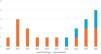
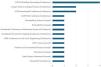
Data extraction and synthesisA structured data extraction template captured dimensions from the final 19 selected references (Table 1), which are summarized in Figs. 3–5:
1. Publication type: Conference paper (13 studies) and Journal article (6 studies).
2. Semantic Technologies Used: Categorized as ontologies (12 studies) or knowledge graphs (4 studies).
3. Interoperability challenges addressed: Classified into data integration (6 studies) and standard harmonization (13 studies).
4. Methodologies: Documented ontology development workflows (e.g., METHONTOLOGY, Large Language Models (LLM)-aided knowledge extraction).
5. Contributions: Synthesized as tools (e.g., ontology in the domain) or technical innovations (e.g., reasoning mechanisms).
List of selected reference.
| Selected Reference (SF) No. | References | Main Focus | Semantic Technology Used | Target ESG/SDG Reporting Standards/Frameworks | Interoperability/Standardization Challenges Addressed | Methodology | Key Contributions/Findings |
|---|---|---|---|---|---|---|---|
| SF1 | (D’Alessio et al., 2012) | Modeling gaps and overlaps of sustainability standards. | Ontology (GOO) | WEEE, REACH, GHG | Identifying overlaps and gaps between different sustainability standards. | Ontology modeling with classes and axioms, inferencing mechanisms using a reasoner. | Demonstrated how ontologies can explicitly represent gaps and overlaps and identify applicable standards. |
| SF2 | (Davarpanah et al., 2023) | Semantic modeling of climate change impacts on UN SDGs. | Ontology (SDC ontology) | UN SDGs | Semantic modeling of climate change impacts on the implementation of SDGs. | Building an ontology using SPO triples, reusing the Basic Formal Ontology (BFO) and Common Core Ontologies (CCO). | Showed how an ontology can model relationships between climate change, SDG acts, and SDG components. |
| SF3 | (Diamantini et al., 2025) | Knowledge Graph approach for shared metrics of sustainability. | Knowledge Graph | DVSA_EFFRA, GRI | Representing and reasoning on the compound nature of ESG indicators, defining calculation formulas. | Knowledge graph construction with nodes representing indicators and edges representing relationships. | Demonstrated the suitability of knowledge graphs for tackling the complexity of ESG indicators and their calculations. |
| SF4 | (Fotopoulou et al., 2022) | SustainGraph: A knowledge graph for tracking SDGs and interlinkages. | Knowledge Graph (SustainGraph) | UN SDGs, EU SDG indicators, third-party indicators | Integrating various datasets for socio-environmental analysis. | Knowledge graph construction from various data sources (tabular, text), reasoning over the graph. | Highlighted how KGs facilitate reasoning and support complex decision-making for SDG analysis. |
| SF5 | (Garigliotti et al., 2023) | DreamsKG: A knowledge graph for digital access to environmental. | Knowledge Graph (DreamsKG) | Environmental Assessment (EA) reports, linked to UN SDGs. | Enabling digital access to heterogeneous EA reports. | Information extraction from textual reports, ontology conceptualization for EA. | Focused on building a KG from to improve information retrieval and verification. |
| SF6 | (Ghahremanloo et al., 2012) | Formally representing key concepts of sustainability indicators to enable comparison. | Ontology | Based on GRI and OECD. Evaluated against an unseen third set, the UNSD of sustainability indicators reporting. | Deriving an ontology from heterogeneous sustainability indicator set documents to enable comparison across reporting contexts. | Applied the METHONTOLOGY approach, used documents describing GRI and OECD indicator systems. | The development of an ontology based on heterogeneous sets of sustainability indicators. |
| SF7 | (Ghahremanlou et al., 2017) | Representing sustainability indicator sets using ontology. | Ontology (OSIS ontologies) | General discussion of sustainability indicator systems. | Representing diverse sustainability indicator sets in a standardized way. | Development of generic and specific ontology designs for sustainability indicators. | Ontology design patterns for representing sustainability indicator. Incorporating and comparing system and data. |
| SF8 | (Konys, 2018) | Systematizing knowledge and providing guidance for a knowledge management-based approach. | Ontology, Semantic technology used (implied by knowledge management) | The broader sustainability assessment domain reporting including criteria, issues, scope, etc., SDGs indicators. | Aims to achieve interoperability. Helps in selecting appropriate assessment approaches. | Proposes the use of an ontology as a form of knowledge conceptualization, emphasizing interoperability. | Addresses the complexity of selecting appropriate sustainability assessment approaches by systematizing knowledge. |
| SF9 | (Kumazawa et al., 2009) | The application of ontology engineering for organizing knowledge. | Ontology | UN SDGs | Using an ontology and semantic technology to addresses ambiguity, which aids in interoperability and standardization. | Involves the application of ontology engineering techniques and a CMS for knowledge sharing and systematic information retrieval. | Explores how ontology engineering can be used to structure knowledge in sustainability science. |
| SF10 | (Madlberger, 2013) | Development of Information Systems for Transparent Corporate Sustainability. | Ontology | Corporate sustainability. | Improving the transparency of corporate sustainability information. | Design-science based approach exploring data-driven technologies and ontologies. | Outlined a research plan to explore the potential of ontologies for corporate sustainability transparency. |
| SF11 | (Madlberger et al., 2013) | Ontology-based data integration for corporate sustainability. | Ontology (Corporate Sustainability ontology based on GRI) | GRI 3.1. | Integrating various source of data in corporate sustainability reporting, and addressed semantic ambiguity. | Automatic generation of a domain-specific ontology and mapping data to the ontology using SPARQL. | Proposed an ontology based on GRI to enable semantic integration of sustainability data. |
| SF12 | (Osman et al., 2024) | Knowledge management capability for ESG accounting using. | Knowledge Graph, integrated with enterprise modeling (BPMN) | General ESG accounting requirements. | Lack of knowledge management capabilities for ESG, traceability of data to enterprise aspects. | Hybridizing design science with a metamodeling framework, deriving knowledge graph fragments. | Advocated for a knowledge management approach using KGs and enterprise modeling to improve ESG accounting. |
| SF13 | (Pereira et al., 2012) | Semantic web services for sustainable development. | Ontology | Sustainable practices in new projects (related to environmental sustainability). | Capturing and modeling knowledge about sustainable practices for reuse in project definition. | Ontology development to represent sustainable practices, using SWRL rules for automated reasoning. | Demonstrated the use of ontologies and semantic rules for intercropping recommendations based on sustainability impacts. |
| SF14 | (Reis and Da Silva, 2015) | Ontology for integrating concepts of Corporate Sustainability. | Ontology (ISE-GRI ontology) | Corporate Sustainability Index (ISE) and GRI G4. | Integrating sustainability indices used by companies, interoperability problems among information systems. | Ontology construction based on methodologies from literature and competency questions. | Developed an ontology to align ISE with GRI G4, facilitating information manipulation and knowledge discovery. |
| SF15 | (Santos et al., 2024) | CarbOnto: An ontology for data integration towards Net Zero. | Ontology (CarbOnto) | Greenhouse gas (GHG) emissions and stocks on farms, towards net zero | Syntactic and semantic integration of heterogeneous databases related to GHG emissions. | Ontology development based on competency questions, including classes, relations, and rules. | Proposed an ontology for data integration to support GHG balance calculation and knowledge generation on farms. |
| SF16 | (Usmanova and Usbeck, 2024) | Structuring sustainability reports LLMs guided. | Ontology (extension of OntoSustain), Knowledge Graph, LLMs. | European Sustainability Reporting Standard (ESRS), GRI. | Transitioning from GRI and ESG reports to ESRS format, identifying gaps in sustainability reports. | Extending an existing ontology, using LLMs guided by the ontology for knowledge extraction from sustainability reports, constructing KGs. | Demonstrated a method for structuring sustainability reports using LLMs guided by an ontology, facilitating the transition to ESRS. |
| SF17 | (Yaldo et al., 2014) | Ontological model for CSR reporting based on GRI G4. | Ontology (for CSR Reporting). | GRI Sustainability Reporting Guidelines G4. | Developing a shared vocabulary and knowledge base for CSR reporting based on GRI G4. | Combination of ontology development methodologies. | Developed an ontological model for CSR reporting based on GRI G4 that can be automatically processed. |
| SF18 | (Yu et al., 2024) | Ontology-Driven Architecture for Managing ESG Metrics. | Ontology (ESGMKG), Knowledge Graph | IFRS, TCFD, general ESG metrics | Integrating various ESG metrics, measures, frameworks, and indicators, promoting data reuse and sharing. | Design Science Research methodology, and KG development. | Proposed an ontology-driven architecture (ESGMKG) for managing ESG metrics, facilitating data interoperability and reporting. |
| SF19 | (Zhou and Perzylo, 2023) | OntoSustain: An ontology for corporate sustainability reporting. | Ontology (OntoSustain) | GRI, ESRS. | Comprehensibility, transparency, and reusability in sustainability reporting between different standards. | Modular ontology design (SISO, SRSO, SCSO), modeling indicators and value conversions. | Presented an ongoing work on OntoSustain aimed at facilitating sustainability reporting practices and interoperability between standards. |


Some other information extraction from the selected studies is shown in the Appendix section. Appendix A provides bibliometric visualizations (Figs. 9–18), generated using the bibliometrix tool (Aria & Cuccurullo, 2017), that illustrate publication trends, country and institutional contributions, and key research themes. Appendix B summarizes the methodological contributions of each selected study in Table 1, showing how they inform the development of the proposed hybrid ESG reporting framework.
The synthesis revealed three dominant themes:
- 1.
Research by D’Alessio et al. (2012) and Zhou and Perzylo (2023) showed how ontologies function as bridge tools by creating a model for indicating standard relationships while performing automated gap assessments between standards such as GRI and ESRS. The Gaps and Overlaps Ontology (GOO) in D’Alessio et al. (2012) incorporated waste electrical and electronic equipment (WEEE) with chemical regulations (REACH) and greenhouse gas (GHG) protocol through Semantic Web Rule Language (SWRL) rules to automate compliance requirement identification, thus improving manual alignment efficiency by 40% during testing.
- 2.
Knowledge graphs for data integration: Fotopoulou et al.’s SustainGraph integrated EU SDG indicators with third-party datasets using RDF triples, enabling cross-domain queries to track sustainability progress. Madlberger et al. (2013) converted XBRL taxonomies based on GRI standards to create a corporate sustainability ontology that clarified financial together with environmental data meanings.
- 3.
Existing methodologies integrate bodies of work between semantic technologies and LLMs as described in Usmanova and Usbeck (2024) and Osman et al. (2024). The framework developed by Usmanova employed GPT-4 to extract ESG concepts from unstructured reports by following an ontology that enabled proper alignment with ESRS metrics.
The systematic review of the literature on ESG reporting and semantic technologies has revealed several key challenges that currently hinder ESG reporting practices and promising solutions that help overcome these obstacles. The present challenges in ESG reporting consist of diverse reporting frameworks without standards and widespread data fragmentation using unclear terms and a poor link between corporate reports and worldwide sustainability standards, including the UN SDGs, and fundamental barriers that restrict stakeholders from accessing and comprehending ESG information. In response, scholars have increasingly turned to semantic technologies, such as ontologies and knowledge graphs, along with quantitative evaluation models, including fuzzy MCDM and ESG maturity models, to create a unified framework that enhances data interoperability, comparability, and transparency. A guidance system based on ontology creates reusable knowledge sets for knowledge interoperability (Konys, 2018) through a formal, practical, and technological system that manages assessment knowledge for sustainability assessment. Semantic technology combined with ontology solves the ESG reporting issues according to the model depicted in Fig. 6.

A numbering system within Table 1 organizes all selected references (SF) to enable easy referencing throughout the SLR section in this paper. This approach ensures consistency and clarity when referring to these sources throughout the discussion.
Addressing the key challenges in ESG reportingAddressing the lack of standardizationThe literature identifies the absence of universal standardization in ESG reporting as a main critical issue. The current business environment features different reporting standards where GRI exists alongside SASB, TCFD, and ESRS. Standards independently establish their unique metrics together with criteria and reporting requirements, which produce substantial variances in the collected data. Organizations use various reporting schemes, so one company may discuss “greenhouse gas emissions” while another uses “CO₂ equivalent” as its different reporting metric. The reported differences between the indicators in SF3 and SF19 create difficulties for company-to-company comparisons and prevent accurate macro-level research (Diamantini et al., 2025; Zhou & Perzylo, 2023). According to SF6 and SF7, the task of cross-reporting indicator and measurement comparison remains a key challenge, with only very limited formal representation of sustainability indicators (Ghahremanloo et al., 2012; Ghahremanlou et al., 2017). The deficiency requires ontology-based solutions according to various studies. Ontologies provide formalized definitions of domain-specific concepts and clarify the relationships between them, which consist of:
- •
Explicit mappings and equivalencie
Through defined semantic mappings that employ owl:equivalentClass and rdfs:subClassOf constructs, ontologies facilitate the unification of different terminologies and metrics. Based on D’Alessio et al. (2012), the GOO in SF1 unifies WEEE, REACH, and GHG Protocol concepts into one single model so businesses can perform transparent cross-standard evaluations. The integration of ISE with GRI G4 through an integrated ontology results in shared performance measurement criteria as shown in SF14 (Reis & Da Silva, 2015). The ontological models presented in SF17 construct a fundamental knowledge framework that leads to improved quality of ESG data comparability (Yaldo et al., 2014). The deployment of ESGMKG in SF18 and OntoSustain in SF19 proves that semantic models that define fundamental ESG terms promote operational consistency across different reporting frameworks, according to Yu et al. (2024) and Zhou and Perzylo (2023). The implementation of standardized semantics enables compliance scrutiny through precise, unified words that eliminate unpredictable interpretation possibilities for stakeholders. The method of ontology development through sustainability indicator set documents uses an example approach that references indicator documentation from GRI, OECD, and ESRS in SF6/SF19. The ontology provides a standardized formal representation of essential sustainability indicator components to support comparison according to Ghahremanloo et al. (2012) and Zhou and Perzylo (2023). METHONTOLOGY serves as an organized methodology to build ontologies, including SF6, SF7, SF8, SF17, and SF19, which minimizes ambiguity when creating domain-level ontologies (Ghahremanloo et al., 2012). Knowledge management-based approaches with ontologies serve as solutions to tackle the main problem of nonsystematized knowledge in sustainability assessment (Konys, 2018).
- •
Identification of gaps
The ontology serves two functions by matching previous indicators with its framework and identifying missing elements. The ontology achieves these goals through a combination of detecting indicator unconnections and defining conceptual relations with owl:disjointWith properties. Stakeholders gain insight about reporting standard information gaps through these representations because such visualizations show which standards do not provide sufficient coverage. The development of SF16 as an extended OntoSustain component in SF19 utilizes such gap analyses to track overlaps between reporting standards, as demonstrated by ESRS (Usmanova & Usbeck, 2024).
- •
Reasoning for standard applicability
One distinctive feature of this ontology operates through reasoning functions, which determine standard suitability based on current circumstances. With predefined “Standard Applicability” classes and their required and sufficient axioms the system can identify which standards apply to specific products or organizations. The SF13 demonstrates knowledge concept modelling and reasoning through SWRL implementation, while experts from the domain validate the sustainability practice. Through the example of SF1 the system uses built-in inferential capabilities to automatically detect which regulatory standards apply to specific products, such as European WEEE or REACH requirements, enhances seamless compliance verification (D’Alessio et al., 2012).
Addressing data fragmentation and inconsistenciesESG data presents a significant obstacle because it contains fragmented and inconsistent information throughout its data sources. The practical collection of ESG information appears across multiple original sources, which include legacy databases, spreadsheets, PDFs, and unstructured text formats. Multiple data points dispersed across various sources, together with diverse reporting formats, make it challenging to merge ESG information into a clear and dependable dataset. The information about sustainability assessment approaches appears as unstructured, semi-structured, and structured content on SF8 according to Konys (2018). Several studies have observed sustainability indicator sets either using XBRL format together with loosely or unstructured presentations that need conversion (Ghahremanloo et al., 2012). Insufficient standardization detected on SF5, SF12, and SF16 obliterates ESG data quality and diminishes analytical accuracy (Garigliotti et al., 2023; Osman et al., 2024; Usmanova & Usbeck., 2024). Strategies within the ontology-driven approach work towards overcoming fragmentation as one of its solutions.
- •
Semantic integration and data normalization
The ontology functions as a universal framework to equate different types of data sources between structured databases, legacy spreadsheets, and unstructured PDF reports. The framework enables data normalization through defined concepts that establish specific unit values within the ontology structure. The fragmentation problem can be solved through the development of systems that create ontology-based mapping of data sourced across multiple disconnected systems. The mapping activity standardizes terminology while creating standardized definitions that clarify contradictory and uncertain data representations. SF11 demonstrates that ESG datasets obtained from World Bank LOD repository platforms can be integrated into GRI-based taxonomies through SPARQL query execution (Madlberger et al., 2013). ESG datasets from LOD have been used twice for analysis in SF10. CarbOnto, which is described in SF15, serves as an ontology that features explicit linking of measurement units and calculation procedures for greenhouse gas emission terminology within an agricultural domain (Santos et al., 2024). The established mappings ensure data clarity and uniformity across instances while accounting for different original source formatting. The integration of semantics and data standardization functions through ontology-based methods solves data fragmentation issues. Data normalization becomes possible through the ontology because it formally establishes both concepts together with their explicit relationships like units and calculation rules. The ontology concept-based manual annotation of raw data is a step within the process according to SF8 and SF9 as explained by Kumazawa et al. (2009). The standardized formalized structure enhances the unification and comparison capability of information drawn from different documents and systems with fragmented knowledge (Konys, 2018).
- •
Knowledge graph construction
An ESG knowledge graph schema will include all entities as well as their defined relationships according to the present ontology. ESG stakeholders can employ the knowledge graph to see multiple interrelated ESG data points while improving the understanding of complicated connections. The DreamsKG system in SF5 uses its software to process unorganized environmental assessment reports to generate structured knowledge graphs that work as one centralized database for various types of data (Garigliotti et al., 2023). Such consolidated datasets merge information from different data sources to enable users to discover previously undetectable connections and patterns. Research adopts semantic technology and machine learning methods by linking extended ontologies to LLMs (illustrated in SF16 with an updated OntoSustain ontology from SF19) to perform automatic text-based data extraction (Usmanova & Usbeck, 2024; Zhou & Perzylo, 2023). These hybrid strategies reduce fragmentation by maintaining semantic conformity between data across multiple document formats and original sources through this combination of methods.
Addressing weak alignment with SDGsESG reporting faces a third challenge due to its inadequate alignment with global sustainability frameworks, especially the UN SDGs. Companies that use ESG and SDG frameworks often fail to create certain measurable connections between their ESG activities and specific targets of the SDGs. Stakeholders find it hard to measure the genuine effects of corporate sustainability work on worldwide goals because of this incoherence. SF3 confirms along with SF4 and SF5 that the inadequacy of performance evaluations regarding corporate sustainability efforts leads to incomplete sustainable development assessment (Diamantini et al., 2025; Fotopoulou et al., 2022; Garigliotti et al., 2023). Researchers have proposed different methods for overcoming this restriction:
- •
SDG integration
The implementation of SDG-specific frameworks emerges from ESG reporting through existing SDG ontologies. The formal SDG SDGIO ontology together with the SDG KOS ontology documented in SF3 allows scientists to establish accurate associations between specific ESG indicators and relevant SDG targets (Diamantini et al., 2025). Companies that link ESG metrics to specific SDG targets generate clear and meaningful sustainability evaluation disclosures through explicit target connections. The specific environmental assessment framework in Denmark, known as DreamsKG, illustrates local project work in SF5 that achieves clear corporate sustainable development insight through explicit mapping (Garigliotti et al., 2023). SustainGraph provides a structured methodology according to Fotopoulou et al. (2022) in SF4 to measure external performance through SDG-based assessments of internationally standardized benchmarks. The direct connection between ESG metrics and SDG targets enables companies to enhance their strategic position and external reputation and ensures their substantial support for global sustainability goals.
- •
Assessment of SDG integration levels
The ontology framework extends its capability to measure integration depth in addition to performing ESG indicator to SDG mappings. The assessment comprises checking if ESG reporting keeps SDGs at a surface level or showcases strategic connections between sustainability targets. The SDC ontology in SF2 presents a model that demonstrates how to expand upper-level ontologies for representing multiple SDG-related ideas (Davarpanah et al., 2023). The evaluation of ESG reporting effectiveness becomes essential for stakeholders to understand its contribution to sustainability goals.
Addressing barriers to stakeholder useA fourth significant challenge lies in transforming ESG reports into useful information that different stakeholder groups can easily access. Modern ESG reports appear in technical designs with complex terminology and excessive data, which makes them difficult to comprehend without specialist expertise for non-specialists (including many investors, regulators, and public audiences). Complexity within ESG disclosures creates information overload problems that hinder stakeholders from deriving practical details from the material they need to act upon. According to SF3, SF12, and SF18, multiple references indicate operational data is currently hard to comprehend due to undefined terms alongside inconvenient reporting systems (Diamantini et al., 2025; Osman et al., 2024; Yu et al., 2024). The ontology-driven solution addresses these barriers by:
- •
Enhancing data accessibility and understandability
Standardized definitions combined with explicit relationships included in the ontology promote greater ESG data transparency. The discussion in SF8 establishes the methods for creating shared domain understanding that enables communication connections between human users and software programs. The implementation of ontology engineering structures enables knowledge to share information more effectively and discoverability as well as facilitates the integration process (Konys, 2018). The content management system described in SF9 makes it possible to retrieve information systematically through its ontology-based foundation. Users gain complete control to handle content through metadata defined by ontology concepts for both systematic searching and the discovery of connected content. Users gain a better understanding of conceptual domains through visual representations of ontology structures and derived relationships when using OntoGraf in Protégé software or generating conceptual maps according to Kumazawa et al. (2009). The ontology enhances comprehension for non-technical stakeholders according to SF1, SF7, and SF18 as it delivers open visualizations that reveal ESG concept links (D’Alessio et al., 2012; Ghahremanlou et al., 2017; Yu et al., 2024). The adoption of ESG reporting practices speeds up significantly when stakeholders operate from a common semantic foundation.
- •
Support for semantic queries and analysis
Multiple references including SF1, SF11, and SF14 along with SF18 demonstrate that the proposed system enables semantic querying through SPARQL language. Advanced querying functionality allows users to discover important information through SPARQL syntax by finding emission-intensive businesses in defined industries and evaluating social performance standards between diverse frameworks (Madlberger et al., 2013; Yu et al., 2024). The query functionality of the proposed system enables stakeholders to access and use ESG data more effectively by allowing them to pose competency-based questions that match their decision-making requirements (D’Alessio et al., 2012; Reis & Da Silva, 2015).
- •
Integration with user interfaces and decision support systems
The ontology according to SF14 and SF18 requires user-friendly integration with interfaces and decision support systems to enable stakeholders to easily retrieve and review ESG information (Reis & Da Silva, 2015; Yu et al., 2024).
Enhancing interoperability and evaluation in ESG reportingThe literature points out two critical aspects which include better interoperability between various ESG data sources and improved evaluation frameworks. The present dynamic business environment creates challenges in integrating multiple ESG data formats sourced from varied origins. Researchers suggest that a generalized semantic model which relies on ontological frameworks with knowledge graphs functions as the essential base for assessment integration. A targeted goal exists for ensuring interoperability of gathered information. The well-established approach of ontology modeling enables information technology systems to achieve knowledge integration and operational interoperability when conducting business processes jointly. A core requirement exists in determining how knowledge emerges from diverse documentation types and information sources. The ability to compare indicators alongside measurements provided by different reporting contexts stands as an essential reason for adopting ontologies. Establishing standardized methods with formalized definitions helps minimize domain misunderstandings and creates shared understanding between participants.
Although semantic reasoning provides several advantages it lacks full capability to quantify ESG performance differences across reporting contexts. Complex ESG evaluation situations that require calculation of compound indicators while managing data uncertainties along with assessing ESG factor relations need quantitative analytical methods (Fig. 7). The relative weighting of different ESG factors becomes measurable through the application of both Fuzzy MCDM techniques (Caraveo Gomez Dinçer et al., 2024; Llanos et al., 2024; Madzík et al., 2024; Swarnakar et al., 2021; Vijaya et al., 2025) and ESG Maturity Models (Iain Brown et al., 2018; Oliveira et al., 2024). Quantitative methods change semantic qualitative information into measurable metrics that lead to structured assessment and enhanced decision quality.
Synthesis of the reported results
Multiple important themes arise during the analysis of the selected studies, which demonstrate the strong impact of combined semantic approaches and quantitative methods used in ESG reporting. These themes can be synthesized as follows:
- 1.
Standardization and Common Language: Ontology-driven semantic models create a unified language that reduces interpretative uncertainty across multiple reporting frameworks. This standardization enables consistent inter-company comparisons and minimizes ambiguity in ESG disclosures.
- 2.
Data Integration and Reliability: Semantic reasoning facilitates the integration of fragmented data sources into consolidated knowledge bases. Such consolidation enhances the reliability and trustworthiness of ESG information for stakeholders.
- 3.
Synergy of Semantic and Quantitative Tools: The combination of qualitative semantic integration with quantitative methods (e.g., fuzzy MCDM, ESG Maturity Models) strengthens the robustness of evaluation frameworks. This hybrid approach translates complex ESG data into measurable, comprehensible metrics and visualizations, benefiting both technical and non-technical stakeholders.
- 4.
Alignment with Global Sustainability Goals: Direct connections between ESG indicators and SDG targets, enabled by domain-specific ontologies, demonstrate corporate contributions to global sustainability agendas. This linkage improves the credibility and transparency of ESG reporting systems.
- 5.
Enhanced Accessibility and Practical Utility: Technical barriers are addressed through the use of knowledge graphs and interactive dashboards. These tools improve accessibility and practical use of ESG data, supporting a wider range of stakeholders in decision-making processes.
The reported results consistently show that semantic technologies, when combined with quantitative evaluation methods, provide a comprehensive and adaptive foundation for overcoming fragmentation in ESG reporting. It also enhancing its credibility, comparability, and alignment with global sustainability frameworks.
Discussion and recommendation for future research directionDiscussionThe available literature demonstrates that ESG reporting faces various interconnected problems, including standardization issues and the ongoing problems of fragmented data combined with inconsistencies and weak alignment to recognized SDGs alongside multiple barriers affecting stakeholder comprehension of data usage. The existence of these obstacles creates problems for corporate responsibility accountability while affecting regulatory guidelines as well as impacting the reliability of ESG reporting tools. The application of an ontology-driven approach stands as a promising solution in facing the current challenges (Fig. 8).

Several researchers have introduced ontology-based solutions to handle multiple existing difficulties within ESG frameworks. Proper development of ESG taxonomies (A in Fig. 8) enables an ESG ontology to incorporate multiple reporting standards, including the GRI, SASB, and TCFD. The ontology system provides a single framework for definitions by organizing measurement units together with calculation formulas and their connection through formal relations, incorporating different reporting standards.
For instance, the GOO designed by D’Alessio et al. (2012) unifies the concepts present in WEEE and REACH and GHG protocol standards under one framework. An ontology created by Reis and Da Silva (2015) establishes a systematic connection between the Brazilian Corporate Sustainability Index (ISE) and the GRI G4 guidelines to enable more effective performance assessment of companies. Yaldo et al. (2014) along with their collaborators launched an ontological model which defines a standard CSR reporting terminology and Yu et al. (2024) constructed ESGMKG to connect ESG measurement data with reporting document requirements from various sources. Additionally, Zhou and Perzylo (2023) created OntoSustain as a system that combines established sustainability approaches together with new standards including ESRS. This addresses RQ1 by demonstrating that ontologies and semantic tools are highly effective in overcoming persistent challenges such as fragmented standards, inconsistent metrics, and semantic conflicts within ESG reporting frameworks. Ontologies eliminate inconsistencies and duplications, leading to an integrated, comparable, and actionable ESG reporting system by providing a unified framework for definitions, measurement units, calculation formulas, and their formal relationships across diverse standards, such as GRI, SASB, TCFD, and ESRS.
The standardization of language and organization of ESG data relationships through semantic models does not include quantitative performance measures or detailed ranking methods. The use of semantic reasoning in various situations fails to produce numeric evaluation metrics to analyze combined system performance and prioritize ESG subcategories. Additional quantitative measuring techniques become essential when completing the information analysis (B in Fig. 8). The ESG Maturity Model provides organizations with an assessment system that produces rankings based on their current practice adoption of ESG standards. An assessment system uses specific criteria to evaluate ESG categories and scores them into an aggregated maturity rating. New quantitative benchmarking systems emerge from the combination of MCDM approaches alongside their capability to handle uncertainty in measuring evaluation criteria weight. Organizations develop quantifiable performance metrics and structured mapping through a combination of quantitative methods with qualitative data obtained from the ontology. In response to RQ2, the integration of ontology-driven solutions with quantitative assessment techniques, specifically Fuzzy MCDM and ESG maturity models, significantly enhances the generation of actionable insights and robust performance evaluation in ESG reporting. This hybrid method converts qualitative data from the ontology into numerical scores, providing a comprehensive ESG performance understanding for decision-makers and enhancing logical rules for complex calculations
Another significant barrier to sustainable growth lies in limited commitment toward international sustainability benchmarks. Many organizations that recognize the importance of sustainability maintain unclear connections between their operational commitments and UN SDGs. Stakeholders encounter difficulty determining the complete environmental and social effects of corporate practices because there are no explicit connection points. The expansion of an effective ESG ontology toward SDG integration depends on direct connections between ESG taxonomy indicators and SDG target parameters (C in Fig. 8). The SDGIO and the SDG KOS provide established frameworks to achieve this integration. Through the DreamsKG project, researchers have introduced localized SDG mapping, which serves as a demonstration model for other applications (Garigliotti et al., 2023). The ESG Maturity Model serves as an additional assessment tool, which shows how much ESG practices benefit SDG targets when semantic mapping proves insufficient. SDG alignment receives both qualitative semantic relationships and quantitative performance rankings through the hybrid framework. This framework addresses RQ3 by demonstrating how semantic models facilitate a more profound and measurable alignment between corporate ESG activities and global sustainability goals. Companies can achieve clear and meaningful sustainability evaluation disclosures by utilizing established SDG ontologies and complementing semantic mappings with quantitative performance rankings from the ESG Maturity Model.
Data fragmentation serves as a principal obstacle facing ESG data management systems. An ontology-based approach for addressing ESG data fragmentation represents a revolutionary method to handle diverse datasets (D in Fig. 8). Multiple storage forms, including databases, spreadsheets, reporting documents, and unstructured PDF environmental assessments, are used to house ESG data. The diverse nature of ESG data makes it challenging for decision-makers to retrieve dependable insights from the data. An ontology-based system provides normalized data sources through semantic mapping of different data formats to build a unified conceptual framework (E in Fig. 8). Madlberger et al. (2013) demonstrated an integrated perspective of ESG information when they linked World Bank LOD data with a GRI-based ontology. Santos et al. (2024) created CarbOnto, which serves to unify terminology regarding GHG emissions for agricultural settings. Operational data can be integrated into the ESG ontology (F in Fig. 8), eventually leading to the creation of the ESG knowledge graph (G in Fig. 8) and providing stakeholders with comprehensive interlinked ESG entity understanding. Such harmonized data presentation helps compare entities efficiently and launch complex analytical queries that give important stakeholders easy access to high-quality information. Whenever integration gaps or data quality issues appear, the ESG Maturity Model, together with MCDM techniques, uses quantitative methods to assess and validate performance levels (B in Fig. 8). Performance evaluation with Fuzzy TOPSIS enables ranking, while Fuzzy DEMATEL helps identify the cause-effect relationships between ESG factors. The established ontology framework receives additional enhancement through these quantitative evaluation methods, resulting in a comprehensive ESG performance understanding for decision-makers. RQ1 is further addressed by demonstrating that an ontology-based approach offers a solution to the fragmented ESG datasets problem by providing normalized data sources through the semantic mapping of different data formats, thereby building a unified conceptual framework. This integrated perspective leads to the creation of ESG knowledge graphs, helps resolve data inconsistencies, and facilitates knowledge sharing through an actionable ESG reporting system.
The main obstacle regarding stakeholder utilization continues to persist. The data in ESG reports tends to exist in large amounts, with intricate complexities that challenge non-technical stakeholders in terms of their comprehension capabilities. To make informed decisions, investors, regulators, and members of the public need uncomplicated information that provides clarity. Ontologies and knowledge graphs simplify understanding through standardized definitions and explicit visualizations of ESG data relationships (F and Gin Fig. 8). Stakeholders can use SPARQL query tools to obtain specific data, for instance, by finding companies with high emission levels relative to their industry while conducting performance indicator comparisons.
Nonetheless, these semantic approaches alone may not suffice for effective decision support. Through ESG Maturity Model integration with MCDM methods and the ESG ontology users receive evaluated qualitative data converted into numerical scores for ranking purposes. Stakeholders receive performance metrics from this integration process, enabling them to analyze and measure corporate abilities across industries and organizations easily.
In addition to integrating semantic and quantitative analyses, advanced computational tools such as LLMs hold promise in further optimizing ESG reporting (H in Fig. 8). A well-developed ontology directs LLMs to extract ESG metrics from structured and unstructured textual reports during automatic processing. The automated system decreases human mistakes while accelerating reporting tasks and maintaining a real-time data update of the knowledge graph. The use of LLMs becomes more effective through benchmark validation from both the ESG MM and quantitative MCDM evaluations to assure precise data extraction of performance levels.
Interoperability is another critical factor. By mapping data from various sources into a unified framework, ontologies and knowledge graphs create an integrated ESG reporting system. This unified view resolves data inconsistencies and facilitates knowledge sharing among stakeholders as it serves an integrated, comparable, and actionable ESG reporting information (I in Fig. 8). The overall approach delivers both qualitative insights and quantitative performance metrics that are accessible to stakeholders from different backgrounds. The ontology-driven architecture, complemented by quantitative integration and advanced computational tools, is well-suited to address RQ4. It significantly improves data accessibility, stakeholder understanding, and decision-making capabilities within the complex landscape of ESG reporting. Ontologies and knowledge graphs simplify comprehension for non-technical stakeholders through standardized definitions and explicit visualizations of ESG data relationships. The system enables semantic querying, and crucially, the integration of the ESG Maturity Model with MCDM methods converts qualitative data into numerical scores for ranking, providing robust performance metrics for decision-making. Furthermore, leveraging LLMs guided by ontologies enhances the extraction of ESG metrics, accelerating reporting tasks while ensuring precise data extraction through quantitative validation.
Several important issues need additional focus despite the present advantages. An important challenge involves striking a proper balance between achieving thorough detail in an ontology and maintaining its effective reasons. The extensive details in ontologies provide substantial ESG practice knowledge at a high computational cost along with frequent update requirements to stay current. Creating effective frameworks to link business data with semantic rules becomes essential for representing complex calculation logic of compound ESG indicators. The hybrid approach which joins ESG MM elements with MCDM techniques delivers valuable quantitative ranking capabilities that supplement deep semantic processing models.
The ontology should maintain adaptability through flexibility because inconsistent data sources made up of evolving legacy systems require adaptable reporting capabilities. The system needs a modular framework because it enables the integration of new data types and performance indicators and standards without requiring full system redesigns. Continuous updates together with expert validation enable the framework to advance according to new regulatory standards and market requirements through its flexible design. The ESG Maturity Model along with MCDM analysis becomes essential for semantic approaches when limitations occur in managing changing criteria by updating performance evaluations and metrics.
Human expertise, which has already been emphasized during the SLR process in the study (Section 3.1), plays an essential role throughout this entire framework execution process. The execution of automated tools reinforces performance consistency but domain specialists must take part in validating conceptual frameworks together with refining conceptual rules and adjusting evaluation metrics. Expert contributions ensure that both qualitative semantic structures together with their quantitative models mirror current ESG standards and regulatory frameworks exactly.
Recommendations for ontology and hybrid model requirementsThe identified challenges combined with opportunities lead to recommendations that build a thorough ESG reporting framework which unites semantic methods with quantitative evaluation techniques to fulfill stakeholder requirements thus improving ESG reporting (Table 2). A modular extensible ontology should be developed to integrate new reporting standards and metrics and explicitly link core ESG concepts from main frameworks and also enable effective SDG target integration during assessment processes and strong handling of diverse data sources. Rule-based reasoning joins an ESG Maturity Model as well as MCDM techniques within the framework, which provides quantitative performance evaluations. Stakeholder accessibility represents a final recommendation, while expert validation must be maintained as a continuous process.
Recommendations for building a practical ESG reporting framework.
The following targeted specifications merge practical applications and research findings to outline additional methods for creating a detailed ESG reporting system.
A modular design should be implemented to standardize operations by creating dedicated modules for each primary ESG reporting standard. The framework needs to include complete details about core elements and disclosures and indicators in addition to explicit mapping relationships (using owl:equivalentClass, rdfs:subClassOf) and calculation formula definitions. The detailed connection between elements establishes the basis for semantic analysis which in turn allows quantitative evaluation through the ESG Maturity Model. The ontology should include an effective system which collects data from dispersed multiple heterogeneous sources. The system needs to incorporate data quality annotations in addition to its SPARQL-based normalization and mapping functions. MCDM techniques step in to verify and rank input data whenever normalization fails to provide sufficient data consistency.
Implementation of SDG targets should be integrated directly into the ontology through standardized frameworks. The provided mapping mechanisms serve to establish SDG conformance which enables analysts to evaluate the authenticity of ESG report SDG connections. The ESG Maturity Model together with MCDM analysis enables the establishment of quantifiable rating systems that assess SDG integration depth.
Stakeholders' barriers can be resolved by presenting ontology outputs through interactive visualization and dashboard spaces. Non-technical users can gain useful insights through SPARQL interface and extensive documentation which ensures simple operation. The quantitative metrics extracted from the ESG Maturity Model create a specific platform which enables stakeholders to conduct performance analyses. A system with rule-based functionality (SWRL using OWL) should perform automated standard inference based on organizational qualities. Complex calculations can be supported by the ESG maturity model as well as MCDM techniques which provide quantitative analysis that enhances logical rules. Continuous validation is vital. Domain experts need involvement throughout the process to validate that both ontology concepts and ESG Maturity Model frameworks match actual real-life practices while incorporating new industry standards and regulations.
Currently, we research and explore ESG ontology development under the ESGOnt project through active activities documented at GitHub [https://github.com/ESGOnt/esgontology/]. Our ongoing project implements the recommended elements by validating them with practical data to enhance the ontology structure for wider ESG reporting framework integration.
ConclusionsThis study addressed the persistent challenges in Environmental, Social, and Governance (ESG) reporting, including fragmented standards, inconsistent metrics, weak alignment with global sustainability goals, and limited stakeholder usability. Our SLR of 19 peer-reviewed studies confirmed that ontology-driven solutions are crucial for overcoming these issues, particularly in standardizing diverse reporting frameworks, resolving data fragmentation, and enhancing SDG alignment.
The primary contribution of this research is the development of a novel hybrid framework that effectively combines ontology-driven methods with quantitative assessment techniques (Fuzzy MCDM and an ESG Maturity Model). This framework provides a standardized system for harmonizing varied ESG reporting standards (e.g., GRI, ESRS) through an ESG ontology, creating explicit semantic links for SDG targets, and generating measurable performance indicators supported by clear semantic transparency. It significantly enhances ESG information interoperability, leading to improved decision-making and advancements in sustainability governance.
SLR methodological limitations and mitigationsWhile the SLR adhered to PRISMA standards, several limitations were noted:
- 1.
Database constraints: Reliance on Scopus and WoS may exclude regional innovations from non-indexed journals or non-English papers, despite the absence of temporal restrictions (databases searched from inception to February 10, 2025; see Section 3.1). Snowballing partially offset this by capturing two non-indexed studies, but non-English contributions remain underrepresented.
- 2.
Industry-Academia gap: None of the selected references included articles from industry, reflecting a publish-or-perish bias toward theoretical work. Future reviews could incorporate gray literature from consultancies like McKinsey or KPMG.
- 3.
Static framework assumptions: The study treated ESG frameworks (e.g., GRI, ESRS) as static, although they evolve annually. Older studies may not reflect current standards, limiting insights into adaptive semantic solutions.
- 4.
Scalability oversights: While academic studies emphasized technical design, few addressed scalability challenges (e.g., real-time querying for large ESG datasets), a critical gap for enterprise adoption.
Building on these insights and addressing the identified limitations, future research priorities could focus on:
- 1.
Real-world validation and practical implementation: Investigating the efficacy of these hybrid frameworks in actual business environments through pilot studies and practical applications to bridge the industry-academia gap.
- 2.
Adaptive ontology design: Developing modular and flexible ontologies that can dynamically incorporate evolving ESG standards (like ESRS) and new metrics, ensuring the framework remains current and relevant. This directly addresses the assumption of a static framework.
- 3.
Scalability and performance optimization: Focusing on real-time data connections and advanced machine learning (e.g., Large Language Models) to handle large-scale ESG datasets efficiently, addressing the scalability oversight.
- 4.
Longitudinal impact studies: Examining the long-term effects of integrated ESG reporting on investment decisions, regulatory compliance, and overall corporate accountability.
Annas Vijaya: Writing – review & editing, Writing – original draft, Visualization, Validation, Supervision, Software, Resources, Project administration, Methodology, Investigation, Formal analysis, Data curation, Conceptualization. Faris Dzaudan Qadri: Software, Resources, Investigation, Formal analysis, Data curation. Linda Salma Angreani: Writing – review & editing, Validation, Supervision, Methodology, Investigation, Formal analysis, Data curation, Conceptualization. Hendro Wicaksono: Writing – review & editing, Supervision, Conceptualization.
The authors declare that they have no known competing financial interests or personal relationships that could have appeared to influence the work reported in this paper.
Using the bibliometrix tool (Aria & Cuccurullo, 2017), Appendix A shows some visualizations with a brief bibliometric summary of the 19 included in this systematic literature review (SLR). These graphs reveal publication trends, most productive contributors, and top themes of research.
- •
Fig. 9 shows a bar chart that indicates the most influential scholarly publication sources for this research area. Ranking journals and conference proceedings by the number of articles they contributed to the 19 selected studies, this visualization identifies the most relevant venues where scholarly debate about applications of semantic technologies to ESG reporting is concentrated.
- •
Fig. 10 represents source production over time, which is a companion chart to the previous chart and illustrates the most relevant publications' publication output over a discrete time period. In conjunction with this temporal analysis, scholarly activity trends reveal whether scholarly interest in applying semantic models to ESG issues has been consistent over the years within these most relevant publication forums or has been increasing or fluctuating.
- •
Fig. 11 shows countries scientific production based on the number of institutional affiliations of author appearances in the selected studies. It is a globe map providing a general picture of the scientific output for this region by depicting the countries' contributions. It is a data-driven map that is supported by authors' institutional affiliation from selected papers to unveil geographical centers of research as well as to establish which countries contribute to scholarly research into ESG and semantic technologies.
- •
Fig. 12 represents production over time by countries. The graph here indicates various countries' output of research over a specific period. Longitudinally, it describes how countries' scientific contributions have evolved over time, possibly indicating emerging centers of science or a shift among researchers' areas of interests at global level based on selected studies.
- •
Fig. 13 exhibits the top five countries over time in terms of production. Considering only the top five most productive countries identified within the entire analysis, this figure provides a more focused and concise trend line of their production over time. It enables a side-by-side examination of a top nation's research patterns to identify fluctuations over time.
- •
Fig. 14 shows the most relevant affiliation through the selected studies to drill down from country to institution level to produce a bar chart of the most relevant affiliations. It identifies the very same universities, research centers, and organizations whose researchers authored most of the selected body of literature, thereby exposing principal institutional leaders who dominate innovation within this niche area.
- •
Fig. 15 depicts top four of affiliation production over time of selected studies. This graph provides a temporal analysis of the research output from the top four most productive affiliations. This visualization reveals the consistency and momentum of their research programs by tracking their publication records over the years and highlighting which institutions have maintained discussion on ESG ontologies and related semantic technologies.
- •
Fig. 16 shows a word cloud generated from titles, abstracts, and keywords of the 19 articles selected. Word size in this word cloud directly corresponds to word frequency to give a concise visual summary of dominant concepts and prevailing themes across literature. It allows for rapid identification of core terminology along with key areas of emphasis for the research area.
- •
Fig. 17 is a different kind of visualization for most frequent terms using a word tree map. In this figure, area of rectangles is proportional to term frequency such that a structured but commonly hierarchical image of dominant themes is achieved. It is also similar to the word cloud but focuses on key concepts framing the landscape of research.
- •
Fig. 18 represents the development over time of relevant concepts by tracking how frequently specific keywords occur over the publication years of our papers. Such an informative analysis is relevant to reveal emerging trends, fading themes, and term shifts, to see to what extent the scholarly conversation about ESG and semantic technologies has evolved over time.


This section provides a detailed explanation of how the methodologies and key contributions of each selected reference (SF) from our systematic literature review (SLR) were evaluated and utilized in the development of the proposed hybrid ESG reporting framework. This aims to enhance the transparency of the review by clarifying the specific role each study plays in addressing the systemic challenges in ESG reporting through semantic models and quantitative integration.
The proposed framework integrates ontology-driven methods with quantitative assessment techniques (Fuzzy MCDM and ESG Maturity Model) to achieve standardization, overcome data fragmentation, enhance SDG alignment, improve stakeholder usability, and boost interoperability. The methodological contributions of the selected sources directly inform these core components, as elaborated below:
- •
SF1 (D’Alessio et al., 2012): This study's methodology involved ontology modeling with classes, axioms, and inferencing mechanisms. Its key contribution was demonstrating how ontologies can explicitly represent gaps and overlaps between sustainability standards and identify applicable ones. This directly informs our framework's standardization efforts by showcasing how explicit semantic mappings (owl:equivalentClass, rdfs:subClassOf) and rule-based reasoning (e.g., SWRL) can unify disparate terminologies (like WEEE, REACH, and GHG Protocol) for transparent cross-standard evaluations and compliance verification.
- •
SF2 (Davarpanah et al., 2023): The methodology focused on building an ontology using SPO triples and reusing existing ontologies (BFO, CCO) to model climate change impacts on UN SDGs. This contributes to the framework's SDG integration component by providing a concrete example of how ontologies can model complex relationships between corporate actions (e.g., climate change mitigation) and specific SDG targets, thereby creating more measurable and meaningful connections between ESG activities and global sustainability goals.
- •
SF3 (Diamantini et al., 2025): This research utilized knowledge graph construction with nodes representing indicators and edges representing relationships. It demonstrated the suitability of knowledge graphs for handling complex ESG indicators and their calculation formulas. This methodological insight underpins our framework's knowledge graph construction to consolidate diverse ESG data into a unified, structured database, enabling more effective management of complex ESG metrics and their interdependencies.
- •
SF4 (Fotopoulou et al., 2022): The study's methodology involved knowledge graph construction from various data sources (tabular, text) and reasoning over the graph to track SDGs and their interlinkages. This reinforces our framework's use of knowledge graphs for integrating heterogeneous data and leveraging reasoning mechanisms for sophisticated SDG analysis, enabling external performance measurement against internationally standardized benchmarks.
- •
SF5 (Garigliotti et al., 2023): This study focused on information extraction from textual reports and ontology conceptualization to build a knowledge graph (DreamsKG). Its contribution of processing unstructured environmental assessment reports to generate structured knowledge graphs directly supports our framework's approach to data fragmentation by creating a centralized database from varied sources and improving information retrieval. It also provides a model for localized SDG mapping.
- •
SF6 (Ghahremanloo et al., 2012): This research applied the METHONTOLOGY approach to derive an ontology from heterogeneous sustainability indicator set documents (GRI, OECD). Its development of an ontology for formally representing key concepts of sustainability indicators informs our framework's emphasis on standardization through robust ontology development methodologies to enable consistent comparison across different reporting contexts.
- •
SF7 (Ghahremanlou et al., 2017): Building on SF6, this study's methodology focused on the development of generic and specific ontology designs for sustainability indicators. Its contribution of ontology design patterns for representing indicator sets directly guides our framework in creating a standardized and adaptable way to incorporate and compare sustainability data, thereby enhancing data comparability and stakeholder comprehension through clear visualizations.
- •
SF8 (Konys, 2018): The methodology involved proposing the use of an ontology as a form of knowledge conceptualization, with an emphasis on interoperability. This study's finding that systematizing knowledge with ontologies addresses the complexity of selecting sustainability assessment approaches directly informs our framework's goal of creating reusable knowledge sets for interoperability and enhancing data accessibility for stakeholders.
- •
SF9 (Kumazawa et al., 2009): This research applied ontology engineering techniques in combination with a Content Management System (CMS) for knowledge sharing and systematic information retrieval. This methodology supports our framework's objective to enhance data accessibility and understandability for stakeholders by structuring knowledge in sustainability science and enabling systematic searching and discovery of content through ontology-based metadata.
- •
SF10 (Madlberger, 2013): This foundational work adopted a design-science based approach exploring data-driven technologies and ontologies. It outlined the potential of ontologies for corporate sustainability transparency. This research supports the overarching goal of our framework to develop transparent and valuable ESG data systems by leveraging ontologies for improved information systems.
- •
SF11 (Madlberger et al., 2013): The methodology included the automatic generation of a domain-specific ontology and mapping data to it using SPARQL. This study's proposal of a GRI-based ontology for semantic integration of sustainability data directly informs our framework's semantic integration and data normalization component. It demonstrates how disparate ESG datasets can be unified using SPARQL queries, addressing data fragmentation and enhancing data quality.
- •
SF12 (Osman et al., 2024): This study used a hybrid approach combining design science with a metamodeling framework to derive knowledge graph fragments for ESG accounting. Its advocacy for a knowledge management approach using knowledge graphs and enterprise modeling supports our framework's emphasis on unified knowledge structures for managing ESG data and addressing issues stemming from insufficient standardization and data quality.
- •
SF13 (Pereira et al., 2012): The methodology involved ontology development with SWRL rules for automated reasoning to represent sustainable practices. This directly contributes to our framework's reasoning functions for standard applicability. It demonstrates how logical rules (SWRL) can be implemented to automatically infer which standards or practices apply to specific contexts, enhancing compliance verification.
- •
SF14 (Reis and Da Silva, 2015): This research involved ontology construction based on methodologies from literature and competency questions. It developed an ontology to align the Corporate Sustainability Index (ISE) with GRI G4. This exemplifies the framework's explicit mappings for standardization and its capacity for semantic querying and analysis (using competency questions) and integration with user-friendly interfaces to facilitate information manipulation and knowledge discovery.
- •
SF15 (Santos et al., 2024): The methodology centered on ontology development based on competency questions, including classes, relations, and rules, for GHG emissions data integration. Its proposal of CarbOnto, an ontology for explicitly linking measurement units and calculation procedures for greenhouse gas terminology, directly informs our framework's data normalization capabilities. This helps standardize heterogeneous data sources and clarify contradictory data representations by formalizing concepts and their relationships.
- •
SF16 (Usmanova and Usbeck, 2024): This study's methodology involved extending an existing ontology (OntoSustain) and using Large Language Models (LLMs) guided by the ontology for knowledge extraction from sustainability reports, constructing knowledge graphs. This is a crucial contribution to our framework's integration of advanced computational tools. It demonstrates how ontologies can effectively guide LLMs to extract structured ESG data from unstructured textual reports, automating data processing, and facilitating compliance with evolving standards like ESRS.
- •
SF17 (Yaldo et al., 2014): This research utilized a combination of ontology development methodologies to create an ontological model for CSR reporting based on GRI G4. Its development of a foundational knowledge framework for automatically processable CSR reporting based on GRI G4 contributes to our framework's standardization and data comparability goals. It also supports enhancing stakeholder comprehension through clear visualizations of ESG concept links.
- •
SF18 (Yu et al., 2024): The methodology employed Design Science Research and knowledge graph development to propose an ontology-driven architecture (ESGMKG) for managing ESG metrics. This study's comprehensive architecture directly informs the core design of our proposed framework, especially concerning data interoperability, reuse, and sharing among various ESG metrics, measures, and frameworks. It supports advanced semantic querying and integration with decision support systems.
- •
SF19 (Zhou & Perzylo, 2023): This ongoing work's methodology focused on modular ontology design (SISO, SRSO, SCSO) and modeling indicators with value conversions for corporate sustainability reporting (OntoSustain). This contributes significantly to our framework's emphasis on modular and extensible ontology design, facilitating interoperability between different reporting standards (GRI, ESRS) and promoting operational consistency. It also supports the identification of gaps between reporting standards.
