



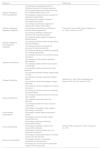

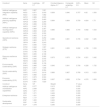





The rapid evolution of artificial intelligence (AI) presents unprecedented opportunities for knowledge creation and sustainable innovation in global digital commerce. This study investigates how AI orchestration capability generates new forms of knowledge that drive sustainable development in cross-border e-commerce multinational enterprises, with enterprise resilience serving as a critical knowledge transformation mechanism. Drawing on resource orchestration theory and employing a mixed-methods approach, we analyze data from 444 enterprises across China and Europe using partial least squares-structural equation modeling (PLS-SEM), importance–performance map analysis, and fuzzy-set qualitative comparative analysis (fsQCA), and executive interviews. Our findings reveal that AI orchestration capability—encompassing planning, integration, and reconfiguration dimensions—creates actionable knowledge that significantly enhances sustainable development both directly and indirectly through enterprise resilience. Enterprise resilience emerges as a dual-function capability that not only mediates knowledge flows between AI systems and sustainability outcomes but also amplifies the innovation potential of AI-generated insights. Regional analysis uncovers distinct knowledge creation pathways: Chinese enterprises excel at transforming AI capabilities into resilience-based knowledge, while European firms demonstrate superior translation of resilience-derived knowledge into sustainability innovations. Configurational analysis identifies multiple equifinal combinations of AI capabilities and resilience dimensions that generate high-impact sustainable innovations. This research advances our understanding of how digital technologies create enduring knowledge for sustainability, offering novel theoretical insights into innovation–knowledge dynamics and practical guidance for leveraging AI as a catalyst for sustainable business transformation in the digital economy.
The transformation of knowledge into sustainable innovation represents a fundamental challenge for multinational enterprises navigating the digital economy, particularly within cross-border e-commerce (Anwar et al., 2025; García-Sánchez et al., 2023; Kavadis et al., 2024). This digitally intensive sector exemplifies how innovative technologies can generate new forms of knowledge that drive environmental, social, and economic sustainability (Chen et al., 2024; Chowdhury et al., 2025; Crespo et al., 2024). The accelerating convergence of artificial intelligence (AI) and global commerce creates unprecedented opportunities for knowledge creation that transcends traditional organizational boundaries, demanding novel approaches to transforming technological capabilities into enduring sustainability knowledge (Gama & Magistretti, 2025; Guo et al., 2025; López-Cabarcos et al., 2020). AI emerges as a catalyst for knowledge innovation, enabling cross-border e-commerce multinational enterprises to generate insights that revolutionize resource utilization, operational efficiency, and stakeholder value creation across globally distributed networks (Climent et al., 2024; Harfouche et al., 2025; Jerez-Jerez, 2025). The integration of machine learning, natural language processing, and predictive analytics creates new knowledge paradigms that fundamentally alter how enterprises understand and navigate international market complexities while advancing sustainability imperatives (Madanaguli et al., 2024; Peretz-Andersson et al., 2024). However, translating AI innovations into sustainable knowledge requires sophisticated organizational capabilities and resilience mechanisms that enable continuous learning and adaptation (Akhtar et al., 2019; Liu et al., 2024; Shollo et al., 2022). The volatile nature of global e-commerce, characterized by disruptive innovations and evolving stakeholder expectations, underscores how enterprise resilience functions as a critical knowledge transformation mechanism that ensures AI-driven innovations yield lasting sustainability insights (Belhadi et al., 2024; Nguyen et al., 2024; Ortiz‐de‐Mandojana & Bansal, 2016). This research investigates how cross-border e-commerce multinational enterprises orchestrate AI capabilities to create actionable knowledge, with enterprise resilience serving as the crucial bridge between technological innovation and sustainable development outcomes.
Our research enters a vibrant scholarly conversation at the nexus of digital technology and sustainable development (Ciulli & Kolk, 2023). A growing body of research has demonstrated AI’s potential in reshaping organizational practices for the better, for instance, by enabling circular business models (Madanaguli et al., 2024), facilitating green servitization (Chowdhury et al., 2025), and enhancing the pursuit of Sustainable Development Goals (Jerez-Jerez, 2025). Scholars have also begun to unpack the specific innovation capabilities that AI either enables or enhances (Gama & Magistretti, 2025) and the value creation mechanisms that firms must navigate (Shollo et al., 2022). However, while these studies have powerfully established AI’s potential, a critical gap remains in understanding the organizational mechanisms that transform AI’s analytical power into enduring, actionable sustainable knowledge. This is particularly salient in knowledge-intensive industries, such as the cross-border e-commerce sector, where competitive advantage hinges on the ability to continuously generate and leverage insights from vast digital data streams (Pedota, 2023; Weber et al., 2025). Our study addresses this gap directly. We move beyond examining the direct effects of AI implementation (e.g., Akhtar et al., 2019; Peretz-Andersson et al., 2024) to theorize and empirically evaluate how enterprise resilience—a firm’s capacity to absorb, adapt, and transform in the face of disruptions (Ortiz‐de‐Mandojana & Bansal, 2016)—acts as a pivotal knowledge transformation mechanism. This focus on the process of sustaining knowledge creation through a resilience lens provides a novel micro-foundational perspective on how firms can achieve technology-driven sustainable innovation.
To anchor our study, we first ground our work in the established view of corporate sustainable development, which involves the simultaneous pursuit of economic, social, and environmental objectives (Bansal, 2005; Kavadis et al., 2024; Torugsa et al., 2013). Building on this foundation, we define sustainable knowledge as the accumulated body of actionable insights and dynamic learning capabilities, generated through the orchestration of AI technologies, which enables an enterprise to continuously identify, create, and implement innovations that advance this triple-bottom-line performance. This conceptualization distinguishes sustainable knowledge from related but distinct constructs in the literature. For instance, while knowledge retention—preserving organizational memory through disruptions—is a component of resilience (Ortiz‐de‐Mandojana & Bansal, 2016; Van Der Vegt et al., 2015), sustainable knowledge is more dynamic and forward-looking, focused on generating novel solutions. Similarly, it extends beyond general organizational learning, which may target any performance metric (Sirmon et al., 2007), by having an explicit normative orientation toward sustainability goals. Sustainable knowledge is not only about knowledge reuse but also about the transformation and amplification of AI-driven data into strategic wisdom that creates enduring societal value (Guo et al., 2025; Harfouche et al., 2025).
Critical knowledge gaps persist at the intersection of digital innovation and sustainable development. First, while researchers have examined information technology’s performance impacts (Pavlou & El Sawy, 2006) and AI applications in specific functions (Belhadi et al., 2024; Madanaguli et al., 2024; Peretz-Andersson et al., 2024), little is understood of how AI orchestration capability—encompassing planning, integration, and reconfiguration dimensions—creates sustainable development knowledge (Chowdhury et al., 2025; Gama & Magistretti, 2025). Second, despite scholarly recognition of the role of enterprise resilience in preserving organizational knowledge during disruptions (Almutairi et al., 2019; Ortiz‐de‐Mandojana & Bansal, 2016; Van Der Vegt et al., 2015), its function in transforming AI innovations into sustainability knowledge remains unexplored (Lee et al., 2024; Nguyen et al., 2024). Third, while studies have highlighted multinational enterprises’ role in sustainable knowledge creation (Bansal, 2005; Kavadis et al., 2024; Torugsa et al., 2013), cross-border e-commerce’s unique knowledge generation dynamics have received limited attention (Chen et al., 2024). This study addresses these gaps by posing the following research questions:
- •
How does AI orchestration capability generate sustainable development knowledge in cross-border e-commerce multinational enterprises?
- •
And what role does enterprise resilience play in this knowledge creation process?
This study makes several theoretical contributions to the innovation–knowledge literature. First, it extends resource orchestration theory (Sirmon et al., 2007, 2011) by revealing how technological resource management creates sustainability knowledge through resilience mechanisms. Second, it demonstrates how AI orchestration capability generates actionable knowledge for sustainable development, both directly and through the mediating function of enterprise resilience. Third, it illuminates the dual role of enterprise resilience in knowledge transformation—both preserving AI-generated insights and amplifying their sustainability impact. Fourth, through a comparative analysis of Chinese and European enterprises, it reveals distinct knowledge creation pathways shaped by institutional contexts (Cavusgil & Deligonul, 2025; Cong et al., 2024; Kavadis et al., 2024; Zhang et al., 2024). Finally, the mixed-methods approach provides a holistic understanding of complex knowledge generation processes (Fainshmidt et al., 2020; Fiss, 2011; Shollo et al., 2022; Zhang et al., 2024). These contributions advance theoretical knowledge about innovation-driven sustainability while offering practical insights for leveraging AI as a knowledge creation catalyst.
The paper proceeds as follows: Section 2 develops the theoretical foundations and hypotheses. Section 3 details the research methodology. Sections 4 through 7 present the empirical findings from our four studies: structural equation modeling (Study 1), importance-performance map analysis (Study 2), fuzzy-set qualitative comparative analysis (Study 3), and executive interviews (Study 4). Section 8 discusses the findings, followed by Section 9, which outlines the theoretical and practical implications. Finally, Section 10 concludes the paper and suggests directions for future research.
Theoretical foundations and knowledge creation hypothesesResource orchestration as knowledge creation frameworkResource orchestration theory provides a knowledge-centric lens for understanding how enterprises transform resources into innovation capabilities that generate strategic insights. Building on the resource-based view’s basic insight that unique resources create competitive advantage (Barney, 1991), resource orchestration theory reveals how managerial actions convert resources into knowledge through structuring, bundling, and leveraging processes (Sirmon et al., 2007). Structuring creates knowledge by identifying, acquiring, and organizing resources to form strategic portfolios that embody organizational learning (Sirmon et al., 2011). Bundling generates knowledge through resource integration and stabilization, forming capabilities that encode tacit understanding into deployable competencies (Teece et al., 1997). Leveraging produces knowledge by mobilizing and deploying capabilities in ways that reveal new value creation opportunities (Chirico et al., 2025). This knowledge creation process continuously adapts to environmental changes, emphasizing how intentional resource management generates insights that transcend immediate applications (Chowdhury et al., 2024; Hao et al., 2022; Jiang et al., 2024; Zeng et al., 2023). Recent theoretical advances have explored how resource orchestration creates knowledge across organizational boundaries, revealing how relational dynamics and ecosystem interactions generate collective insights (Lee et al., 2024; Weber et al., 2025).
Resource orchestration theory illuminates how cross-border e-commerce multinational enterprises transform AI capabilities into sustainable development knowledge through resilience mechanisms (Dzhunushalieva & Teuber, 2024). The accelerating pace of technological innovation, combined with global operational complexity and sustainability imperatives, demands a sophisticated understanding of how enterprises create knowledge from digital resources (Chowdhury et al., 2024). This theoretical framework reveals how enterprises structure AI resources to generate insights, bundle them into knowledge-creating capabilities, and leverage these capabilities to produce sustainability innovations while building adaptive capacity (Peretz-Andersson et al., 2024). The theory’s emphasis on dynamic, context-specific resource management aligns with the knowledge challenges associated with cross-border e-commerce across diverse markets and regulatory environments (Cavusgil & Deligonul, 2025; Sirmon et al., 2011). Resource orchestration theory thus provides analytical power for understanding how AI capabilities create knowledge that enhances resilience and drives sustainable development, contributing to a deeper comprehension of technology-enabled knowledge creation for sustainability innovation.
AI orchestration capability as knowledge generatorAI orchestration capability represents a knowledge-creating meta-capability that transforms AI resources into strategic insights and innovation opportunities. This multidimensional construct transcends technical implementation to encompass knowledge generation through strategic alignment, organizational learning, and adaptive innovation (Pavlou & El Sawy, 2006; Peretz-Andersson et al., 2024). Effective AI orchestration creates knowledge by systematically discovering patterns in AI initiatives, integrating technological insights with organizational wisdom, and continuously reconfiguring resources based on emerging understanding (Chowdhury et al., 2025; Sirmon et al., 2007). This capability establishes knowledge ecosystems where AI resources generate cumulative insights that enhance organizational intelligence and innovation capacity (Madanaguli et al., 2024; Shollo et al., 2022). Within cross-border e-commerce, AI orchestration capability becomes a critical knowledge engine, enabling enterprises to decode market complexities, uncover optimization opportunities, and generate customer insights that drive continuous innovation (Gama & Magistretti, 2025; Weber et al., 2025). Thus, AI orchestration emerges as a strategic knowledge creation mechanism essential for digital age success (Lee et al., 2024).
Cross-border e-commerce multinational enterprises manifest AI orchestration capability through three interconnected knowledge-generating dimensions. AI planning capability creates strategic knowledge by systematically analyzing AI opportunities, aligning technological potential with business objectives, and developing implementation roadmaps that encode organizational learning (Peretz-Andersson et al., 2024). This involves generating insights about AI applications, resource requirements, and performance trajectories that inform strategic decision-making (Pavlou & El Sawy, 2006). AI integration capability produces operational knowledge by embedding AI technologies within existing systems, revealing process improvement opportunities and creating a new understanding of the workflow (Chowdhury et al., 2025; Weber et al., 2025). This integration generates knowledge about human–machine collaboration, system interdependencies, and capability complementarities (Lee et al., 2024; Shollo et al., 2022). AI reconfiguration capability creates adaptive knowledge by dynamically modifying AI resources based on market feedback, technological advances, and operational learning (Gama & Magistretti, 2025; Madanaguli et al., 2024). This encompasses knowledge about scaling strategies, application pivots, and capability evolution that maintains innovation relevance (Sirmon et al., 2007). Together, these dimensions form a comprehensive knowledge creation system that transforms AI resources into strategic insights for sustainable competitive advantage.
A robust AI orchestration capability generates sustainable knowledge by systematically revealing innovation pathways that advance environmental, social, and economic objectives. This process goes beyond mere data analysis; it represents a form of technology-enabled organizational learning aimed squarely at sustainability challenges. On the environmental dimension, AI-enabled knowledge creation is pivotal for optimizing resource utilization. It uncovers opportunities for waste reduction, enhances supply chain efficiencies, and devises strategies to minimize environmental impact, directly contributing to a firm’s green capabilities (Chowdhury et al., 2025; Gama & Magistretti, 2025). For instance, predictive analytics generate deep knowledge about demand patterns and inventory needs, enabling sustainable supply chain innovations that curtail overproduction and reduce the carbon footprint associated with logistics (Harfouche et al., 2025; Madanaguli et al., 2024). On the social dimension, AI orchestration generates knowledge that strengthens relationships with stakeholders and promotes social equity. AI-driven personalization can create profound social sustainability knowledge by revealing nuanced stakeholder preferences, allowing firms to tailor engagement strategies and foster more inclusive value propositions that align with Sustainable Development Goals (Jerez-Jerez, 2025; Peretz-Andersson et al., 2024). This creates a virtuous cycle in which technology enhances stakeholder trust and social license to operate. Finally, on the economic dimension, sustainable knowledge emerges through efficiency insights that bolster long-term viability. AI’s ability to identify cost optimization opportunities and new revenue streams from sustainable practices ensures that sustainability is not a cost center but a driver of resilient financial performance (Akhtar et al., 2019; Ciulli & Kolk, 2023). When AI orchestration capability is strategically aligned with a firm’s sustainability objectives, it ensures that technological innovations are purposefully channeled to generate enduring knowledge for triple-bottom-line value creation, a cornerstone of sustainable strategy in the digital age (Guo et al., 2025; Kavadis et al., 2024; Torugsa et al., 2013). We, therefore, propose the following hypothesis:
H1 AI orchestration capability positively affects sustainable development.
A well-developed AI orchestration capability enhances enterprise resilience by creating anticipatory knowledge that enables proactive disruption management. Effective AI planning generates vulnerability insights and contingency knowledge, strengthening preparedness for unforeseen challenges (Lee et al., 2024; Peretz-Andersson et al., 2024). Seamless AI integration creates operational knowledge that enhances flexibility, enabling rapid adaptation through real-time insights and predictive understanding (Chowdhury et al., 2025; Shollo et al., 2022). AI reconfiguration capability generates adaptive knowledge about resource redeployment and capability evolution, enabling swift recovery while maintaining critical functions (Gama & Magistretti, 2025; Madanaguli et al., 2024). This knowledge creation fosters organizational learning environments where AI insights enhance uncertainty navigation and operational continuity amid diverse disruptions (Belhadi et al., 2024; Nguyen et al., 2024; Ortiz‐de‐Mandojana & Bansal, 2016). Strategic AI resource management thus creates resilience knowledge that is essential for thriving amid disruption. We, therefore, propose the following hypothesis:
H2 AI orchestration capability positively affects enterprise resilience.
Enterprise resilience represents organizational capacity to transform disruptive experiences into actionable knowledge for sustainable development. This multifaceted capability encompasses knowledge domains of operational, strategic, and resource resilience that collectively enable learning from adversity (Ortiz‐de‐Mandojana & Bansal, 2016; Van Der Vegt et al., 2015). These resilience dimensions create distinct knowledge types that enhance adaptive capacity and innovation potential (Almutairi et al., 2019; Belhadi et al., 2024; Nguyen et al., 2024). Operational resilience generates procedural knowledge about maintaining critical functions and restoring processes, creating insights for continuous improvement (Faro et al., 2024; Zhang et al., 2024). Strategic resilience produces anticipatory knowledge about long-term challenges and opportunities, enabling proactive innovation through alternative pathway development (Faro et al., 2024; Wang et al., 2025). Resource resilience creates allocation knowledge about securing, maintaining, and deploying critical assets for both stability and transformation (Chirico et al., 2025; Lee et al., 2024). For cross-border e-commerce multinational enterprises, these resilience-based knowledge domains prove essential, given operational complexities, technological disruptions, and evolving global dynamics (Cavusgil & Deligonul, 2025; Chen et al., 2024).
Enterprise resilience transforms disruption experiences into sustainable development knowledge by converting challenges into innovation opportunities. Resilient enterprises generate environmental knowledge by discovering resource-efficient recovery strategies that minimize ecological impacts during disruptions (Belhadi et al., 2024; Ortiz‐de‐Mandojana & Bansal, 2016). Operational resilience creates process knowledge that reduces expediting needs and identifies sustainable alternatives to crisis responses (Chowdhury et al., 2025; Nguyen et al., 2024). Strategic resilience generates foresight knowledge that embeds sustainability considerations into long-term planning, revealing market opportunities aligned with Sustainable Development Goals (Faro et al., 2024; Tang et al., 2025). Resource resilience produces deployment knowledge that ensures that critical capabilities support sustainability initiatives even under stress, creating insights about resource optimization and stakeholder value (Guo et al., 2025; Jerez-Jerez, 2025). We, therefore, propose the following hypothesis:
H3 Enterprise resilience positively affects sustainable development.
Enterprise resilience mediates the knowledge creation impact of AI orchestration capability by serving as a transformation mechanism that converts technological insights into sustainability innovations. While AI orchestration generates raw insights about optimization and innovation opportunities, enterprise resilience transforms these insights into actionable sustainability knowledge (Peretz-Andersson et al., 2024; Shollo et al., 2022). Operational resilience ensures that AI–generated knowledge remains applicable during disruptions, maintaining innovation momentum toward sustainability goals (Chowdhury et al., 2025; Nguyen et al., 2024). Strategic resilience aligns AI insights with long-term sustainability visions, transforming immediate discoveries into enduring value creation knowledge (Gama & Magistretti, 2025; Harfouche et al., 2025). Resource resilience provides the foundation for sustaining knowledge creation processes, ensuring continuous learning even during instability (Chirico et al., 2025; Lee et al., 2024). Enterprise resilience thus bridges AI’s innovation potential with realized sustainability knowledge. We, therefore, propose the following hypothesis:
H4 Enterprise resilience mediates the knowledge creation relationship between AI orchestration capability and sustainable development.
The synergistic knowledge interaction between AI orchestration capability and enterprise resilience amplifies sustainable development insights through complementary learning mechanisms. This interaction suggests that resilience not only enables AI knowledge deployment but also enhances its transformation into sustainability innovations (Belhadi et al., 2024; Lee et al., 2024). Operationally resilient enterprises better leverage AI insights for resource optimization and environmental impact reduction, even during supply chain disruptions (Chowdhury et al., 2025; Nguyen et al., 2024). Strategic resilience combined with AI planning creates anticipatory knowledge that identifies sustainability opportunities, generating innovation cycles that create cumulative value (Gama & Magistretti, 2025; Madanaguli et al., 2024). Resource resilience ensures continuous knowledge creation capacity, maximizing AI’s long-term sustainability impact through sustained learning and adaptation (Guo et al., 2025; Jerez-Jerez, 2025). We, therefore, propose the following hypothesis:
H5 Enterprise resilience positively moderates the knowledge creation relationship between AI orchestration capability and sustainable development.
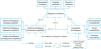
Firm-specific attributes systematically influence knowledge creation pathways from technological resources to sustainability innovations, necessitating controls for firm size, firm age, and industry sector to account for knowledge resource heterogeneity (Bansal, 2005; Kavadis et al., 2024; Torugsa et al., 2013). Fig. 1 illustrates the knowledge creation model, depicting how AI orchestration capability generates enterprise resilience and sustainable development knowledge, with resilience serving dual roles as knowledge mediator and amplifier, providing a comprehensive framework for understanding innovation-driven sustainability knowledge in cross-border e-commerce contexts (Gama & Magistretti, 2025; Sirmon et al., 2011; Van Der Vegt et al., 2015).
MethodsMethodology flowchart
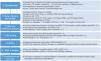
The methodology flowchart presents a structured progression starting with the questionnaire design and culminating in semi-structured interviews. Fig. 2 illustrates how data collection, bias assessments, partial least squares-structural equation modeling (PLS-SEM), importance–performance map analysis, and fuzzy-set qualitative comparative analysis (fsQCA) interconnect to achieve methodological rigor. The integrated design ensures comprehensive triangulation of quantitative and qualitative insights.
Research context
Cross-border e-commerce multinational enterprises represent an ideal research context for examining AI orchestration capability and sustainable development. The rapid digital transformation of cross-border e-commerce has positioned these enterprises at the forefront of AI implementation and sustainable practices (Chowdhury et al., 2025; Gama & Magistretti, 2025). Global operations spanning China and Europe provide a rich setting for investigating enterprise resilience, as these regions exhibit distinct institutional environments and technological infrastructure maturity levels (Weber et al., 2025; Zhang et al., 2024). The selection of cross-border e-commerce multinational enterprises aligns with theoretical predictions that resource orchestration becomes particularly critical in digitally intensive, globally distributed operations in which enterprises must balance technological capabilities with sustainability imperatives (Lee et al., 2024; Sirmon et al., 2011). Moreover, these enterprises face unique challenges in orchestrating AI capabilities across diverse market conditions while maintaining operational, strategic, and resource resilience (Peretz-Andersson et al., 2024; Tang et al., 2025). The sampling frame encompasses both business-to-business and business-to-consumer operations to capture comprehensive insights into how AI orchestration capability influences sustainable development through various business models. The cross-border e-commerce sample encompasses diverse industry sectors that shape knowledge creation dynamics. Electronics and technology products (28.4 %) dominate the sample, reflecting this sector’s advanced AI adoption and innovation intensity as documented in prior research (Madanaguli et al., 2024; Weber et al., 2025). Fashion and apparel (22.1 %) represents the second-largest sector, where AI-driven personalization and sustainability practices create distinct knowledge patterns (Jerez-Jerez, 2025). Home and lifestyle products (18.2 %) demonstrate unique resilience requirements given supply chain complexities, while health and beauty (15.5 %), food and beverages (9.4 %), and industrial supplies (6.4 %) each present sector-specific knowledge creation challenges.
Industry characteristics systematically influence qualitative findings through distinct knowledge creation mechanisms (Chen et al., 2023; Fu et al., 2024; Wei et al., 2024). To control for industry effects, we conducted supplementary analyses comparing high-technology sectors (electronics, industrial supplies) with consumer-oriented sectors (fashion, food), revealing that the diversity of industry sectors did not have a significant impact on the dependent variable (p > 0.05). Executives from each major sector were deliberately included in the qualitative interviews to capture industry-specific knowledge transformation mechanisms, with a systematic comparison revealing convergent themes despite sectoral variations. This contextual setting enabled rigorous examination of the hypothesized relationships while accounting for the complex interplay between technological capabilities, organizational resilience, and sustainable development in global digital commerce.
Questionnaire designUnderstanding the transformation of cross-border e-commerce multinational enterprises through AI capabilities requires rigorous measurement instruments. The questionnaire development process incorporated systematic construct operationalization (Sirmon et al., 2011), expert validation (Weber et al., 2025), and assessment procedures (Hair et al., 2022). The operationalization of AI orchestration capability was built upon resource orchestration theory, focusing on planning, integration, and reconfiguration dimensions that enable firms to structure, bundle, and leverage technological resources (Sirmon et al., 2007). Enterprise resilience measures were adapted from established resilience frameworks spanning operational, strategic, and resource dimensions (Van Der Vegt et al., 2015). Sustainable development metrics were drawn from environmental, social, and economic performance indicators validated in prior research (Bansal, 2005; Torugsa et al., 2013).
The measurement items underwent iterative refinement through an expert panel review comprising scholars in strategic management, digital transformation, and sustainability domains. Pre-testing with 32 senior executives from cross-border e-commerce enterprises yielded satisfactory internal consistency (Cronbach’s alpha > 0.7). The back-translation procedure involved two bilingual experts independently translating between the English and Chinese versions to ensure semantic equivalence across cultural contexts.
The final questionnaire employed a 7-point Likert scale (1 = strongly disagree, 7 = strongly agree) for AI orchestration capability and enterprise resilience constructs, while sustainable development utilized a 7-point percentage scale to capture quantifiable sustainability outcomes. This measurement approach aligns with established practices in strategic management research examining technological capabilities and organizational outcomes (Table 1). The complementary screening questions identified qualified respondents based on cross-border e-commerce operations and AI implementation status.
Questionnaire.
| Questions | References | |
|---|---|---|
| Artificial Intelligence Planning Capability | Our enterprise systematically plans AI initiatives aligned with business objectives | Pavlou & El Sawy, 2006; Peretz-Andersson et al., 2024; Sirmon et al., 2007 |
| Our enterprise effectively allocates resources for AI implementation across units | ||
| Our enterprise comprehensively evaluates AI deployment opportunities | ||
| Our enterprise accurately forecasts AI technology requirements | ||
| Artificial Intelligence Integration Capability | Our enterprise seamlessly integrates AI systems with existing infrastructure | |
| Our enterprise successfully coordinates AI activities across departments | ||
| Our enterprise efficiently combines AI resources with business processes | ||
| Artificial Intelligence Reconfiguration Capability | Our enterprise rapidly adapts AI systems to market changes | |
| Our enterprise flexibly modifies AI applications based on feedback | ||
| Our enterprise quickly reconfigures AI resources to meet new demands | ||
| Our enterprise effectively updates AI capability for emerging opportunities | ||
| Operational Resilience | Our enterprise maintains core functions during disruptions | Belhadi et al., 2024; Ortiz‐de‐Mandojana & Bansal, 2016; Van Der Vegt et al., 2015 |
| Our enterprise quickly restores operations after setbacks | ||
| Our enterprise adapts operational processes to challenges | ||
| Our enterprise sustains performance under pressure | ||
| Strategic Resilience | Our enterprise identifies strategic opportunities in crises | |
| Our enterprise develops alternative strategic options | ||
| Our enterprise implements strategic changes effectively | ||
| Our enterprise maintains strategic focus during turbulence | ||
| Resource Resilience | Our enterprise maintains resource availability during disruptions | |
| Our enterprise accesses alternative resources when needed | ||
| Our enterprise reallocates resources efficiently | ||
| Our enterprise preserves critical resources under stress | ||
| Environmental Sustainability | Percentage of renewable energy usage in total energy consumption | Bansal, 2005; Kavadis et al., 2024; Torugsa et al., 2013 |
| Percentage of waste materials recycled or reused | ||
| Percentage of environmentally certified products/services | ||
| Social Sustainability | Percentage of employees receiving sustainability training | |
| Percentage of suppliers meeting social responsibility standards | ||
| Percentage of diversity targets met in the workforce composition | ||
| Economic Sustainability | Percentage of sustainable products in the total revenue over the past year | |
| Percentage increase in sustainable investment over the past year | ||
| Percentage of cost savings from sustainable practices over the past year | ||
Purposive sampling techniques were employed to target cross-border e-commerce multinational enterprises with AI implementation experience. The sampling strategy focused on enterprises operating in China and Europe through professional networks and industry associations, reflecting resource orchestration theory’s emphasis on context-specific capability deployment (Sirmon et al., 2007). Multiple data collection waves spanning six months yielded 444 valid responses from 224 Chinese and 220 European enterprises.
Sample size determination incorporated both statistical power analysis and theoretical considerations. G*Power 3.1 analysis (α = 0.05, power = 0.80, medium effect size) indicated a minimum requirement of 78 responses, while the ten-times rule for PLS-SEM suggested 30 responses given the model’s complexity (Hair et al., 2022). The obtained sample size (n = 444) substantially exceeded both thresholds, enabling robust statistical analysis and theoretical generalization (Cavusgil & Deligonul, 2025).
The sample composition was designed to reflect diverse organizational characteristics (Table 2). Firm size distribution ranged from small enterprises (15.1 % with <50 employees) to large corporations (7.9 % with >1000 employees), with a balanced representation of medium-sized enterprises. Firm age distribution captured both emerging (35.4 % ≤5 years) and established enterprises (29.7 % >10 years). Industry sector composition encompassed business-to-business (35.1 %), business-to-consumer (39.9 %), and hybrid operations (25.0 %), providing comprehensive coverage of cross-border e-commerce business models (Weber et al., 2025).
Sample characteristics.
PLS-SEM was employed to evaluate both the measurement and structural models, with SmartPLS 4 serving as the primary analytical tool (Wang & Zhang, 2024; Zhang et al., 2024). PLS-SEM is a robust technique for handling complex causal relationships among latent constructs, particularly when data deviate from normal distributions and include multiple mediation or moderation paths (Hair et al., 2022). This technique captures direct and indirect relationships to clarify how AI orchestration capability, enterprise resilience, and sustainable development jointly function. An importance–performance map analysis was then conducted to identify the relative influence and performance of each latent construct, generating practical insights for prioritizing organizational initiatives that strengthen sustainable development (Hair et al., 2024). An fsQCA further complemented the partial least squares approach, revealing configurations of antecedent conditions capable of explaining high levels of sustainable development (Fainshmidt et al., 2020; Fiss, 2011; Zhang et al., 2024).
Common method bias and non-response biasGiven our single-source survey design, we took extensive measures to mitigate the potential for common method bias (CMB) both procedurally (a priori) and statistically (post hoc) (Podsakoff et al., 2003). Procedurally, we implemented several remedies during the survey design phase. First, we ensured the psychological separation of constructs by placing the items for the predictor variables (AI orchestration capability), mediator (enterprise resilience), and criterion variables (sustainable development) in distinct sections of the questionnaire. Second, we used different scale formats for our key constructs—a 7-point Likert scale for capabilities and resilience and a 7-point percentage scale for sustainability outcomes—to reduce the likelihood of straight-line responding. Third, we guaranteed respondent anonymity and confidentiality to minimize social desirability bias and encourage candid responses. Finally, we carefully worded all items to be clear, concise, and neutral. Statistically, we conducted two widely recognized post hoc tests to confirm the effectiveness of these remedies. First, Harman’s single-factor test revealed that the first factor accounted for 35.735 % of the total variance, well below the 50 % threshold (Hair et al., 2022). Second, a marker variable technique using “perceived ease of use” (a theoretically unrelated construct) yielded non-significant correlations with all substantive constructs (all p > 0.05). Taken together, these procedural and statistical remedies provided strong evidence that CMB did not pose a significant threat to the validity of our findings (Hair et al., 2024). Non-response patterns warrant careful investigation in survey research spanning multiple regions. Independent sample t-tests comparing early and late respondents reveal no significant differences across firm characteristics, including size (p = 0.548), age (p = 0.784), sector (p = 0.382), and region (p = 0.451). Chi-square tests further confirm the absence of systematic differences in respondent profiles between temporal waves, indicating that non-response bias does not threaten the validity of findings (Wang & Zhang, 2024).
Study 1: Knowledge creation pathways through structural equation modelingMeasurement modelRigorous measurement validation established construct reliability and validity for analyzing AI orchestration capability’s impact on sustainable development through enterprise resilience (Hair et al., 2022, 2024). Factor loadings for all reflective constructs exceeded 0.7, with most items ranging from 0.8 to 0.9, demonstrating strong individual item reliability (Hair et al., 2022). Internal consistency reliability was confirmed through Cronbach’s alpha (0.837–0.894) and composite reliability (0.838–0.894) values well above the 0.7 threshold, while average variance extracted (AVE) values (0.692–0.789) surpassed the 0.5 criterion (Zhang et al., 2024).
The square roots of AVE for all constructs were higher than their correlations with other constructs, satisfying the Fornell–Larcker criterion. Cross-loading examination revealed that each item loaded the highest on its assigned construct, with inter-construct correlations below the 0.85 threshold, establishing discriminant validity (Wang & Zhang, 2024). For the formative second-order constructs, variance inflation factors ranged from 1.130 to 2.089, substantially below the conservative threshold of 3.3, indicating the absence of multicollinearity concerns (Hair et al., 2022). The significant weights (p < 0.001) of all formative indicators demonstrated their relative importance in forming their respective constructs (Hair et al., 2024).
The measurement model (Tables 3 and 4) demonstrated strong properties across reliability, convergent validity, and discriminant validity assessments, enabling confident progression to the structural model evaluation (Hair et al., 2024).
Reliability and convergent validity.
Fornell–Larcker criterion, heterotrait–monotrait ratio and cross loadings.
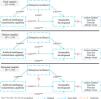
AI orchestration capability exhibited a significant positive association with sustainable development (β = 0.197, p < 0.001), indicating support for H1 and highlighting the role of dynamic resource management in advancing environmental, social, and economic outcomes. The analysis also showed that AI orchestration capability positively influenced enterprise resilience (β = 0.534, p < 0.001), supporting H2 and suggesting that effective planning, integration, and reconfiguration of AI resources can strengthen enterprises’ capacity to absorb disruptions. Moreover, enterprise resilience was positively related to sustainable development (β = 0.671, p < 0.001), providing evidence for H3 and emphasizing that operational, strategic, and resource-based resilience mechanisms drive longer-term sustainability outcomes. Mediation testing indicated that enterprise resilience partially mediated the relationship between AI orchestration capability and sustainable development (β = 0.358, p < 0.001), supporting H4 and underscoring the importance of robust internal processes for leveraging innovative technologies toward sustainable practices. Moderating analysis revealed that enterprise resilience further strengthened the positive effect of AI orchestration capability on sustainable development (β = 0.095, p < 0.01), offering support for H5 and highlighting the dual role of resilience as both an intervening and amplifying factor in technology-driven sustainability initiatives (Fig. 3 and Table 5).

Hypothesis test.
Multi-group analysis revealed distinct patterns between Chinese and European enterprises. Chinese enterprises demonstrated stronger effects in the AI orchestration capability–enterprise resilience path (β = 0.595 vs. β = 0.489) and the moderating relationship (β = 0.152, p < 0.001 vs. β = 0.043, p > 0.05). European enterprises had a greater impact on the enterprise resilience–sustainable development relationship (β = 0.690 vs. β = 0.652). Notably, the moderation effect (H5) manifested significance only for Chinese enterprises, suggesting regional heterogeneity in how enterprise resilience amplifies the impact of AI orchestration capability on sustainable development. These findings suggest that regional differences may amplify the interplay between resource orchestration and internal adaptive mechanisms.
R2, Q2, and f2The model's R2 for sustainable development is 0.661, indicating acceptable explanatory power (Hair et al., 2022). The predictive relevance indices (Q²) of 0.208 for enterprise resilience and 0.392 for sustainable development further affirmed the model’s robustness in estimating out-of-sample predictions (Hair et al., 2022). The effect sizes (f²) indicated that enterprise resilience exerted the most substantive impact on sustainable development (f² = 0.935), while AI orchestration capability had a medium effect on enterprise resilience (f² = 0.397) and a more modest effect on sustainable development (f² = 0.081). The interaction effect between AI orchestration capability and enterprise resilience, although smaller (f² = 0.025), significantly enhanced sustainable development outcomes (Wang & Zhang, 2024). These findings emphasize the strong predictive ability of the proposed framework, paving the way for deeper investigation into the multifaceted interplay between resilience and technology-driven sustainability initiatives (Hair et al., 2024).
Study 2: Importance–performance map analysisThe importance–performance map analysis (Fig. 4) revealed strategic insights for enhancing sustainable development through capability deployment prioritization. Enterprise resilience had a superior effect value (0.668) compared with AI orchestration capability (0.553), while both constructs exhibited comparable performance levels (59.760 vs. 60.205). This pattern suggests that while cross-border e-commerce multinational enterprises have achieved balanced capability development, enterprise resilience offers greater leverage for advancing sustainable development outcomes (Hair et al., 2024). The relatively high performance scores indicate mature implementation of both capabilities, yet the differential effect sizes highlight opportunities for targeted enhancement of enterprise resilience mechanisms to maximize sustainability impact (Wang & Zhang, 2024). These findings establish a strategic foundation for exploring configurational pathways through which these capabilities may combine to generate sustainable competitive advantages.
Study 3: Configurational knowledge patterns
To complement the net effects identified through PLS-SEM, we conducted an fsQCA. This configurational approach is exceptionally well-suited for unraveling complex causal recipes, as it embraces principles of equifinality (multiple pathways to the same outcome) and conjunctural causation (outcomes arising from combinations of conditions) (Fiss, 2011; Ragin, 2008). In line with recent studies that combined PLS-SEM and fsQCA to gain a more holistic understanding (e.g., Chen, Wang, Liang, & Zhang, 2023; Wang, Qiang, & Yao, 2025), this method allowed us to identify which specific combinations of AI orchestration and enterprise resilience dimensions lead to high (and non-high) sustainable development. Our rigorous fsQCA procedure unfolded in three stages: data calibration, analysis of necessary conditions, and analysis of sufficient conditions.
Data calibrationThe first and most critical step in fsQCA is data calibration, which transforms the original scale measures into fuzzy-set membership scores ranging from 0 (full non-membership) to 1 (full membership) (Ragin, 2008; Schneider & Wagemann, 2012). Calibration is fundamentally different from standardization in conventional statistical analysis—rather than simply rescaling variables, calibration assigns qualitative meaning to quantitative data by establishing substantively meaningful thresholds that distinguish among qualitative states (Greckhamer et al., 2018). This transformation is essential because fsQCA operates on set-theoretic principles whereby cases are understood as having degrees of membership in sets rather than variable values (Furnari et al., 2021).
The calibration process requires defining three qualitative anchors for each construct that serve as critical breakpoints in determining the set membership (Chen & Chen, 2024; Ragin, 2009): (1) the threshold for full membership (fuzzy score = 0.95), representing cases definitely “in” the set; (2) the crossover point of maximum ambiguity (fuzzy score = 0.5), representing the point of maximum indifference between being “in” or “out” of the set; and (3) the threshold for full non-membership (fuzzy score = 0.05), representing cases definitely “out” of the set. These three anchors create a continuous S-shaped logistic function that transforms raw data into membership scores while preserving the relative distances between cases (Greckhamer et al., 2018; Ragin, 2008).
Following the direct calibration method recommended by Ragin (2009) and validated in recent innovation and technology management studies (Casalegno et al., 2023; Fu et al., 2024; Yao & Li, 2023), we employed a theory-guided, data-informed approach to establish calibration anchors. This approach helped balance theoretical considerations with empirical distribution properties, ensuring that our calibration captured meaningful variation in our constructs while remaining grounded in the actual data patterns observed in cross-border e-commerce enterprises (Chen et al., 2023; Greckhamer et al., 2018).
Specifically, we adopted the percentile-based calibration strategy widely accepted in management and innovation research (Beynon et al., 2016; Fiss, 2011; Ordanini et al., 2014; Pappas et al., 2021), defining the thresholds based on the 95th (full membership), 50th (crossover point), and 5th (full non-membership) percentiles of our data distribution. This percentile approach offers several advantages: (1) it ensures sufficient variation in fuzzy membership scores across cases, avoiding the clustering of cases at extreme values that can occur with arbitrary thresholds; (2) it maintains consistency across all conditions and outcomes, facilitating meaningful comparison and interpretation; (3) it aligns with the empirical reality of our sample while preserving theoretical meaningfulness, as the 95th and 5th percentiles naturally distinguish between high-performing and low-performing enterprises; and (4) it provides transparency and replicability, as future researchers can apply similar calibration logic to comparable datasets.
Several reasons explain why the selection of percentile-based thresholds is particularly appropriate for our study context of cross-border e-commerce enterprises. First, given the heterogeneity in firm sizes, ages, and operational contexts within our sample, percentile-based calibration helps ensure meaningful variations across diverse organizational configurations are captured, rather than imposing arbitrary absolute thresholds that might not reflect the reality of different enterprise types (Douglas et al., 2020; Kraus et al., 2018). Second, for constructs measured on 7-point Likert scales, such as AI orchestration capabilities and enterprise resilience, the 50th percentile provides a natural and theoretically meaningful crossover point that distinguishes between enterprises with above-average capabilities and those with below-average capabilities (Pappas et al., 2021; Woodside, 2013). Third, the use of extreme percentiles (5th and 95th) for full non-membership and full membership ensures that only genuinely high-performing or low-performing cases are classified as being fully “in” or “out” of the sets, reducing measurement error and enhancing the robustness of our configurational analysis (Mendel & Korjani, 2013). The specific calibration anchors for our six antecedent conditions (AIIC, AIPC, AIRC, OPR, STR, RER) and the outcome (sustainable development) are detailed in Table 6.
Data calibration.
Before examining sufficient configurations, we first conducted a necessity analysis to determine if any single condition is indispensable for achieving high sustainable development. A condition is considered necessary if its consistency score is above the established threshold of 0.9 (Schneider & Wagemann, 2012). This step is crucial for building robust causal theories and has been implemented as a standard procedure in recent fsQCA studies (Huang & Bu, 2023; Gómez-Olmedo et al., 2024). Table 7 presents the results of our necessity analysis for both the presence of high sustainable development and its absence (non-high sustainable development,). As Table 7 presents, no single condition (or its absence) achieved a consistency score of 0.9 or higher. This indicates that no single dimension of AI orchestration capability or enterprise resilience is, by itself, a necessary prerequisite for achieving high (or non-high) sustainable development. This result underscores the complexity of the phenomenon and reinforces our theoretical rationale for a configurational approach, as high performance likely emerges from the interplay among these capabilities rather than from any single silver bullet.
Analysis of necessary conditions.
Next, we proceeded to the analysis of sufficient conditions to identify the configurations of capabilities that consistently lead to the outcome. We constructed a truth table and applied standard analysis procedures (Ragin, 2008). We set a minimum case frequency threshold of 3, raw consistency threshold of 0.80, and Proportional Reduction in Inconsistency threshold of 0.80. These parameters are rigorous and consistent with recent high-quality fsQCA research (Chen & Chen, 2024; Vargas-Zeledon & Lee, 2024). Following Fiss (2011), we distinguished between core conditions (◉ for presence, ◎ for absence), which are part of both the parsimonious and intermediate solutions, and peripheral conditions (● for presence, ○ for absence), which appear only in the intermediate solution. A key advantage of fsQCA is its ability to test for causal asymmetry, which posits that the explanations for an outcome’s presence are often distinct from the explanations for its absence (Ragin, 2008). To explore this further, we analyzed the configurations for both high sustainable development and non-high sustainable development. The results are presented in Table 8.
High- and non-high-level configurations of sustainable development.
Note: ◉/● = Presence of core/peripheral conditions; ◎/○ = Absence of core/peripheral conditions. Blank cells represent “don’t care” conditions.
The analysis for high sustainable development yielded three distinct configurations (solution consistency = 0.937; solution coverage = 0.625), demonstrating equifinality. Resource resilience (RER) emerged as a core condition present in all three successful pathways, highlighting its foundational role in enabling sustainable innovation. Configuration 1 (Resilience-driven Adaptation) combined core strengths in all three resilience dimensions (OPR, STR, RER). This pathway suggests that a holistic and deeply embedded resilience capability is sufficient for high performance, even with varied levels of AI orchestration. Configuration 2 (Strategic Orchestration) focused on the core conditions of high AI Reconfiguration, Strategic, and Resource Resilience (AIRC, STR, RER) and was peripherally supported by strong AI Planning and Integration (AIPC, AIIC). This pathway indicates a deliberate, strategy-led approach in which AI capabilities are leveraged upon a strong resilience foundation. Configuration 3 (Agile AI Deployment) highlighted the combination of high AI Integration and Reconfiguration (AIIC, AIRC) as well as Operational and Resource Resilience (OPR, RER), as core conditions. This represents a technology-forward, agile pathway in which rapid AI deployment and adaptation, supported by robust operational and resource systems, drive sustainability.
The analysis for non-high sustainable development revealed four distinct configurations that led to poor outcomes (solution consistency = 0.962; solution coverage = 0.571). Crucially, these pathways are not mirror opposites of the success configurations, confirming the principle of causal asymmetry. The most striking finding was the consistent absence of Resource Resilience (◎ RER) as a core condition in all four recipes for non-high performance. This strongly suggests that a lack of resource resilience is a critical vulnerability that consistently undermines sustainable development, regardless of other capabilities. For instance, Configuration 1 for non-high SD showed that even with some peripheral AI capabilities, the core absence of all three resilience dimensions leads to failure. This contrasts with Configuration 1 for high SD, in which the presence of these resilience dimensions was found to be sufficient for success. This asymmetric finding provides a much richer insight: while building a suite of AI capabilities can contribute to success (as in Configuration 3), failing to establish foundational resource resilience is a more certain path to failure. While multiple paths lead to successful sustainable innovation, a common thread of robust resource resilience is essential. Conversely, the lack of resource resilience is a near-universal ingredient in the recipes for failure, providing a powerful and asymmetric insight for both theory and practice.
Study 4: Knowledge transformation insights from executive perspectivesSemi-structured interviews with ten senior executives from Chinese cross-border e-commerce enterprises revealed three distinct knowledge creation mechanisms through which AI orchestration capability generates sustainable innovations (Table 9) (Shollo et al., 2022). Enterprise resilience emerged as a knowledge transformation catalyst that converts AI–generated insights into actionable sustainability innovations through dual-knowledge pathways. Strategic resilience creates anticipatory knowledge that enables long-term AI value realization through adaptive learning processes. A chief digital officer (I6) articulated this knowledge dynamic: “Strategic resilience transforms market uncertainties into learning opportunities, converting AI insights into enduring sustainability knowledge that transcends economic cycles.” Operational resilience generates procedural knowledge that accelerates AI integration while preserving organizational wisdom. A senior product manager (I3) explained this knowledge conversion: “Operational resilience creates tacit knowledge about seamlessly embedding AI innovations into customer processes, generating both efficiency insights and satisfaction understanding.”
Interviewee characteristics.
Regional knowledge creation patterns emerge from distinct institutional learning environments and innovation ecosystems. Chinese enterprises excel at transforming AI capabilities into resilience-based knowledge through policy-enabled learning mechanisms. A vice president of strategy (I7) highlighted this knowledge advantage: “Government innovation initiatives create knowledge spillovers that accelerate our capacity to convert AI investments into resilience insights.” A chief sustainability officer (I10) emphasized this knowledge pathway: “Stakeholder engagement generates collaborative knowledge that transforms resilience capabilities into sustainable innovation practices.”
The interviews validated the knowledge configuration patterns identified through the fsQCA, revealing how different capability combinations generate distinct innovation knowledge. Resource resilience creates foundational knowledge that enables continuous innovation by preserving critical learning capabilities across market cycles. An IT director (I8) described this knowledge preservation function: “Resource management excellence generates cumulative knowledge that sustains AI innovation capacity through disruptions, creating continuous sustainability learning.” An emerging enterprise founder (I5) illustrated how capability combinations produce specialized knowledge: “Planning–strategic resilience combinations generate foresight knowledge for breakthrough innovations, while reconfiguration–operational resilience pairings create adaptive knowledge for rapid market learning.”
These qualitative insights illuminate temporal knowledge dynamics linking AI orchestration to sustainable innovation through resilience-based learning mechanisms. An operations manager (I9) captured this knowledge evolution: “Resilience capabilities transform ephemeral AI insights into enduring sustainability knowledge by creating organizational memory that preserves innovation lessons while enabling continuous adaptation.” These knowledge transformation mechanisms complement quantitative findings by revealing how contextual learning processes and organizational knowledge flows shape innovation outcomes in cross-border e-commerce enterprises.
DiscussionThis study’s findings illuminate the complex knowledge creation dynamics between AI orchestration capability, enterprise resilience, and sustainable innovation within cross-border e-commerce multinational enterprises, advancing our theoretical understanding of technology-driven knowledge generation (Anwar et al., 2025). The integration of resource orchestration theory with resilience-based knowledge creation provides novel insights into how technological capabilities generate enduring innovation knowledge in digitally intensive environments (Sirmon et al., 2007; Van Der Vegt et al., 2015). Departing from prior research emphasizing direct technology–performance relationships, this study reveals enterprise resilience to be a critical knowledge transformation mechanism that converts AI insights into sustainable innovation practices (Chowdhury et al., 2025; Climent et al., 2024). This knowledge mediation function underscores how adaptive learning capacities enable organizations to transform technological innovations into environmental, social, and economic knowledge, advancing our understanding of digital transformation’s role in sustainability knowledge creation (Gama & Magistretti, 2025; Harfouche et al., 2025).
To remove ambiguity and enable mechanism-level inference, we distinguished between two analytically non-redundant pathways by which enterprise resilience links AI orchestration to sustainability: a transformation path (mediation) and an amplification path (moderation). In the transformation path, AI orchestration capability was found to enhance resilience (operational, strategic, and resource), and resilience in turn was found to convert AI-generated insights into environmental, social, and economic outcomes (AI → Resilience → Sustainability). The pooled-sample estimates in Table 5 indicate a robust unconditional indirect effect (β_AI→ER = 0.534, p < 0.001; β_ER→SD = 0.671, p < 0.001; indirect = 0.358, p < 0.001), consistent with recommended tests of unmoderated mediation (Preacher et al., 2007). In the amplification path, resilience was found to magnify the marginal returns of AI orchestration for sustainability (AI × Resilience → Sustainability): the interaction was positive in the pooled sample (β = 0.095, p < 0.01) and statistically discernible in China (β = 0.152, p < 0.001) but not in Europe (β = 0.043, p > 0.05). The transformation path tended to dominate when AI maturity was low to moderate and governance regimes favored standardization and compliance, conditions that routinize AI insights into stable processes; the amplification path tended to dominate when technological velocity and environmental turbulence were high and resource slack enabled rapid recombination—features more salient in our Chinese subsample (Cavusgil & Deligonul, 2025; Lee et al., 2024; Wang et al., 2025; Weber et al., 2025). We have adopted these labels throughout the Discussion and cross-referenced Table 5 to align the empirical results with the appropriate causal pathway.
Beyond the statistical significance of the hypothesized paths, a deeper theoretical insight emerges from the pattern of their respective effect sizes (f2). Our results showed that enterprise resilience has a large effect on sustainable development (f2 = 0.935), while AI orchestration capability has a medium effect on enterprise resilience (f2 = 0.397) and a small-to-medium direct effect on sustainable development (f2 = 0.081). Critically, the interaction effect, while significant, is small (f2 = 0.025). This pattern suggests a nuanced story: while AI orchestration is a crucial catalyst, enterprise resilience is not merely a conduit but a powerful, foundational capability in its own right. Its large effect size implies that the ability to manage disruptions and learn from them is a primary driver of sustainable innovation, perhaps even more so than the technological capability itself. This finding contributes to resource orchestration theory (Sirmon et al., 2007) by highlighting that the value derived from orchestrating new technological resources (such as AI) may be bounded by the strength of more fundamental, stabilizing capabilities (such as resilience). The small interaction effect suggests that resilience acts less as a “supercharger” that dramatically alters the nature of AI’s impact and more as a crucial enabling condition that allows AI-generated knowledge to be effectively absorbed and applied. This challenges a purely synergistic view and points toward a more foundational, enabling role for resilience in the context of technology-driven transformation, offering a more complex perspective on the interplay between dynamic and operational capabilities (Teece et al., 1997).
The comparative analysis between Chinese and European enterprises revealed distinct regional knowledge creation pathways shaped by innovation ecosystems and institutional learning environments. Chinese enterprises’ superior transformation of AI capabilities into resilience knowledge reflects supportive innovation policies and competitive learning dynamics that accelerate digital knowledge creation (Cong et al., 2024; Zhang et al., 2024). European enterprises’ enhanced translation of resilience knowledge into sustainability innovations aligns with stakeholder-driven learning processes and regulatory frameworks promoting sustainable knowledge practices (Kavadis et al., 2024). These regional knowledge patterns underscore how institutional contexts shape innovation–knowledge relationships, extending resource orchestration theory’s emphasis on context-specific capability deployment to knowledge creation domains (Cavusgil & Deligonul, 2025; Sirmon et al., 2011). The variations demonstrate that knowledge creation pathways reflect the specific characteristics of innovation environments.
The configurational analysis revealed multiple knowledge creation pathways through which AI capabilities and resilience dimensions combine to generate sustainable innovations. Unlike linear knowledge models, an fsQCA uncovers equifinal knowledge configurations, highlighting substitutability and complementarity in innovation generation (Fainshmidt et al., 2020; Fiss, 2011). The prominence of resource resilience as a core knowledge condition underscores its foundational role in preserving innovation capacity and enabling continuous learning (Chirico et al., 2025; Guo et al., 2025). Strategic resilience combined with planning and integration capabilities creates anticipatory knowledge that drives breakthrough innovations by aligning long-term vision with operational excellence (Tang et al., 2025). These findings challenge assumptions about optimal knowledge configurations, demonstrating that multiple innovation pathways can achieve sustainable development through different knowledge creation mechanisms (Zhang et al., 2024).
Executive insights illuminate practical knowledge transformation mechanisms linking AI orchestration to sustainable innovation through resilience-based learning. The role of strategic resilience in enabling long-term AI knowledge investments and the function of operational resilience in facilitating seamless innovation integration provide context-specific examples of knowledge creation in practice (Shollo et al., 2022). The executives’ perspectives on regional knowledge variations and temporal learning dynamics emphasize the need to align organizational knowledge practices with innovation ecosystems and market learning opportunities (Ciulli & Kolk, 2023; Pedota, 2023). These qualitative insights complement quantitative findings by revealing organizational knowledge processes and innovation decision-making that shape capability deployment, providing a comprehensive understanding of how cross-border e-commerce enterprises leverage AI for sustainable knowledge creation.
This study extends prior theoretical frameworks by making several knowledge-focused contributions. While Sirmon et al. (2007) introduced resource orchestration concepts, this research explicitly linked orchestration to knowledge creation through resilience-mediated innovation processes in AI contexts. Unlike Pavlou and El Sawy (2006), who examined IT competence for product development, this study explored broader AI orchestration dimensions and their impact on sustainable knowledge creation through resilience-based learning. Building on Peretz-Andersson et al. (2024), who investigated AI within manufacturing SMEs, this research examined knowledge creation in complex multinational enterprises, revealing how global operations generate diverse innovation insights. Extending Belhadi et al. (2024), who explored supply chain resilience, this study encompassed enterprise-wide knowledge creation and its multifaceted contribution to sustainable innovation. Finally, the focus on sustainable development in this study adds critical knowledge dimensions to the literature on resource orchestration, demonstrating how innovation creates enduring societal value beyond traditional performance metrics (Bansal, 2005; Torugsa et al., 2013).
ImplicationsTheoretical implications for innovation–knowledge literatureThis research advances innovation–knowledge theory through several contributions to understanding technology-driven knowledge creation and sustainable innovation. First, it extends resource orchestration frameworks by establishing enterprise resilience as a critical knowledge transformation mechanism linking AI capabilities to sustainable innovation in cross-border e-commerce (Sirmon et al., 2007, 2011). Unlike research focusing on direct technology–performance relationships (Pavlou & El Sawy, 2006; Peretz-Andersson et al., 2024), this study reveals resilience as a dual-knowledge function that both mediates innovation flows and amplifies AI’s knowledge creation potential. This finding challenges assumptions that resource orchestration independently generates innovation outcomes, demonstrating instead that knowledge creation effectiveness depends on organizational capacity for transforming disruptions into learning opportunities (Belhadi et al., 2024; Van Der Vegt et al., 2015).
Second, this research expands our understanding of digital innovation’s role in sustainable knowledge creation by examining AI orchestration capability as a specific generator of environmental, social, and economic insights. Whereas previous studies have explored the implications of broad digital transformation (Ciulli & Kolk, 2023; Harfouche et al., 2025), this research provides granular analysis of how planning, integration, and reconfiguration dimensions create distinct sustainability knowledge. Our findings demonstrated the positive knowledge creation effects of AI orchestration, both directly and through resilience-mediated learning pathways, contributing to understanding digital globalization’s potential for addressing sustainability challenges through innovation (Chowdhury et al., 2025; Gama & Magistretti, 2025).
Third, this study contributes to the literature on regional innovation ecosystems by revealing distinct knowledge creation patterns between Chinese and European enterprises. The findings indicated that innovation–knowledge relationships are shaped by institutional learning environments and market knowledge dynamics (Cavusgil & Deligonul, 2025). Chinese firms’ stronger AI–resilience knowledge linkages reflect supportive innovation policies accelerating digital learning (Cong et al., 2024; Zhang et al., 2024), while European firms’ enhanced resilience–sustainability knowledge translation aligns with stakeholder-driven innovation practices (Kavadis et al., 2024).
Finally, the mixed-methods design enabled a comprehensive understanding of complex innovation–knowledge relationships (Fainshmidt et al., 2020; Fiss, 2011). The structural equation modeling revealed linear knowledge pathways and resilience’s mediating–moderating effects, while the fsQCA uncovered multiple equifinal knowledge configurations leading to sustainable innovation (Zhang et al., 2024). The foundational importance of resource resilience across configurations highlights its role in preserving innovation capacity, while varied capability combinations demonstrate context-specific knowledge creation (Chirico et al., 2025; Guo et al., 2025). The qualitative insights obtained serve to illuminate knowledge transformation mechanisms and innovation decision processes shaping capability deployment (Shollo et al., 2022).
Practical implications for innovation managementManagers can decide which role of resilience to emphasize by matching context to mechanism. In regulated, stakeholder-intensive settings where AI maturity is nascent and reliability is paramount, resilience operates as a knowledge transformer: utilities and city informatics programs have institutionalized predictive analytics into continuity protocols that reduce waste and stabilize environmental performance; hospitality and service firms have routinized AI-driven stakeholder interaction and service delivery systems into social sustainability practices through operational and strategic resilience; and destination platforms have translated platform-level AI spillovers into partner capabilities that sustain local eco-outcomes (Chen et al., 2024; Harfouche et al., 2025; Jerez-Jerez, 2025; Lee et al., 2024). In such contexts, codifying AI insights, strengthening governance, and investing in organizational memory yield steady sustainability gains via the transformation path. By contrast, in high-velocity, environmentally stressed domains—global supply chains facing shocks, circular manufacturing seeking material recapture, climate-exposed agribusiness, and cross-border logistics—resilience functions as a knowledge amplifier that increases the slope of AI’s impact on sustainability. Supply chains realize larger carbon and waste reductions when demand-sensing and risk-prediction systems are paired with resource and operational resilience that permits rapid rerouting and low-emission substitutions under disruption (Belhadi et al., 2024; Jiang et al., 2024). Circular manufacturers scale AI-guided remanufacturing when reconfiguration capability is buffered by resource resilience (Madanaguli et al., 2024). Agribusinesses convert AI forecasting into sustained input efficiency when data access and resource redundancy absorb climate variability (Guo et al., 2025). Cross-border e-commerce and logistics reduce expedited shipments and emissions when strategic and operational resilience maintain service levels through geopolitical or weather shocks (Wang & Zhang, 2024; Weber et al., 2025). A practical heuristic follows: when turbulence and AI maturity are low to moderate, investment should be made first in resilience as a transformer to institutionalize AI insights; when both are high, investment should be made in resilience as an amplifier—resource slack, redundancy, and rapid recombination—to unlock steeper sustainability returns.
Second, cross-border enterprises should adopt differentiated knowledge strategies based on regional innovation ecosystems. Chinese enterprises benefit from strengthening AI–resilience knowledge linkages through supportive innovation environments (Zhang et al., 2024). This involves targeted investments in AI knowledge capabilities coupled with resilience-based learning initiatives. Chinese firms can establish innovation governance-facilitating knowledge flows across departments while aligning with strategic objectives (Weber et al., 2025). Investment in AI skill development and innovation experimentation cultures accelerates knowledge creation. European enterprises should emphasize resilience–sustainability knowledge connections given stakeholder-driven innovation expectations (Kavadis et al., 2024). This entails implementing knowledge-sharing mechanisms, engaging stakeholders in innovation co-creation, and leveraging resilience insights for sustainable value generation. European firms can explore collaborative innovation partnerships that enhance sustainability knowledge while building adaptive capacity.
Third, managers should recognize that multiple knowledge configurations achieve sustainable innovation success. Resource resilience emerges as a foundational knowledge condition supporting AI initiatives and sustainability innovations (Chirico et al., 2025). Enterprises should prioritize knowledge management practices, ensuring continuous access to innovation resources, including data, talent, and infrastructure under adverse conditions (Guo et al., 2025). This involves diversifying knowledge sources, investing in innovation capability development, and establishing technology partnerships that maintain cutting-edge AI access. Different AI–resilience combinations prove effective depending on innovation objectives and operational contexts. Long-term sustainability innovations benefit from combinations of planning and strategic resilience knowledge, while immediate market innovations prioritize reconfiguration–operational resilience insights (Tang et al., 2025).
Fourth, enterprises should leverage importance–performance insights prioritizing knowledge capability development. While both AI orchestration and enterprise resilience generate innovation knowledge, resilience offers greater leverage for sustainable outcomes (Hair et al., 2024). Managers should strengthen resilience-based knowledge mechanisms in which performance lags behind importance using regular innovation audits, identifying knowledge gaps, benchmarking against best practices, and investing in learning initiatives aligned with strategic priorities (Wang & Zhang, 2024). Balanced approaches that address both capability sets maximize sustainable innovation potential through cross-functional teams combining AI and sustainability expertise, continuous learning cultures, and performance systems that incentivize innovation and resilience.
Policy implications for innovation ecosystemsThis research provides insights for policymakers promoting innovation-driven sustainable development through digital transformation. First, governments should recognize enterprise resilience as a critical enabler of technology-driven innovation knowledge and develop policies supporting resilience-based learning in the private sector. This involves incentivizing resilience-enhancing knowledge investments through tax advantages for robust innovation systems, subsidies for adaptive capability development, or grants for resilient innovation research (Almutairi et al., 2019). Regulatory frameworks can encourage innovation best practices through resilience assessment requirements and knowledge-sharing mandates (Wang et al., 2025).
Second, policymakers should adopt differentiated approaches that promote AI innovation and sustainability knowledge based on regional ecosystems. The study reveals that innovation–knowledge relationships vary across contexts, suggesting that uniform approaches will prove ineffective (Ciulli & Kolk, 2023). In innovation-supportive regions such as China, governments can enhance AI–resilience knowledge linkages through targeted capability development resources (Cong et al., 2024). This involves specialized AI innovation funding, technology transfer facilitation, and industry-specific implementation guidelines (Madanaguli et al., 2024). In stakeholder-driven regions such as Europe, policymakers can strengthen resilience–sustainability knowledge connections through transparency, accountability, and collaborative innovation promotion. This entails disclosure requirements for sustainability performance and resilience strategies, multi-stakeholder innovation platforms, and incentives for sustainable knowledge leadership (Al-Omoush et al., 2022; Kavadis et al., 2024).
Third, governments should invest in digital infrastructure and talent that support AI–driven innovation knowledge creation. The study highlights the foundational role of resource resilience in enabling AI initiatives and sustainability innovations, underscoring the need for robust innovation resources, including data, technology, and skilled personnel (Chirico et al., 2025). Infrastructure investments in connectivity, data centers, and cloud computing particularly benefit underserved innovation areas (Zhang et al., 2024). Workforce development focusing on data science, AI ethics, and sustainability innovation creates human capital for knowledge-driven development (Jerez-Jerez, 2025).
Finally, policymakers should encourage collaborative knowledge creation among enterprises, researchers, and stakeholders accelerating AI–driven sustainable innovation diffusion. Complex innovation–sustainability challenges require multi-stakeholder approaches that leverage diverse expertise (Harfouche et al., 2025). Governments facilitate collaboration through innovation dialogue platforms, including industry–university partnerships, technology hubs, and sustainability networks (Zhang et al., 2024).
Conclusion: Knowledge creation for sustainable innovationThis research revealed how AI orchestration capability and enterprise resilience jointly create knowledge that drives sustainable innovation in cross-border e-commerce multinational enterprises. The findings indicated how systematic planning, effective integration, and agile reconfiguration of AI resources combine with operational, strategic, and resource-based resilience to generate environmental, social, and economic knowledge. Integrated analyses revealed that resilience not only mediates but also amplifies AI’s knowledge creation impact, highlighting the unique role of adaptive learning in transforming digital innovations into enduring societal insights. Comparative findings from China and Europe indicated contextual factors that shape knowledge creation pathways, demonstrating how innovation ecosystems modulate resilience’s role in converting AI capabilities into sustainability knowledge. Configurational exploration uncovered multiple equifinal knowledge combinations that achieve sustainable innovation, confirming that diverse strategic approaches succeed when anchored by adaptable knowledge management and robust learning processes. These insights advance our understanding of technology-driven knowledge creation, offering new directions for leveraging AI as a catalyst for innovation-based value generation.
Despite this study’s contributions, sustainable development measurement could capture more granular knowledge dimensions. Investigating specific innovation practices such as carbon reduction insights, supply chain transparency knowledge, and ethical innovation standards could reveal nuanced mechanisms through which AI orchestration and enterprise resilience generate distinct sustainability knowledge. While the study identified resource resilience as a core knowledge condition, further exploration of specific knowledge configurations and mobilization processes could yield valuable innovation insights. Future research could employ qualitative methods uncovering micro-foundations of knowledge orchestration and resilience-based learning in AI contexts. Examining contingencies such as digital maturity, innovation competition intensity, and regulatory stringency could refine our understanding of conditions maximizing AI–resilience–sustainability knowledge interactions. Finally, exploring ecosystem actors, including suppliers, customers, and regulators, could provide holistic views of multi-stakeholder knowledge dynamics that shape AI–driven sustainable innovation in cross-border e-commerce.
FundingThis work was supported by 2024 Fujian Province Innovation Strategy Research Joint Project Plan [2024R0142]; Shandong Provincial Natural Science Foundation General Program [ZR2024MG002]; and Shandong Provincial Natural Science Foundation Youth Program [ZR2025QC758]..
Consent for publicationAll authors have read and agreed to the published version of the manuscript.
Data availability statementThe datasets used or analysed during the current study are available from the first author on reasonable request.
Ethics approvalNot applicable.
CRediT authorship contribution statementShaofeng Wang: Writing – review & editing, Writing – original draft, Project administration, Conceptualization. Liang Ma: Writing – review & editing, Writing – original draft. Feifei Hao: Writing – review & editing, Writing – original draft. Hao Zhang: Writing – review & editing, Writing – original draft.
The authors have no conflicts of interest to declare.
Thank all respondents for participating in this survey. Thanks to our colleagues and Digital Tools for their help with the article's language.
