





Telehealth services, as an innovative solution in the healthcare sector, hold potential benefits for addressing the needs of individuals with Multiple sclerosis (MS). This study aims to investigate the level of telehealth service utilization among MS patients in Iran and explore the factors influencing their use.
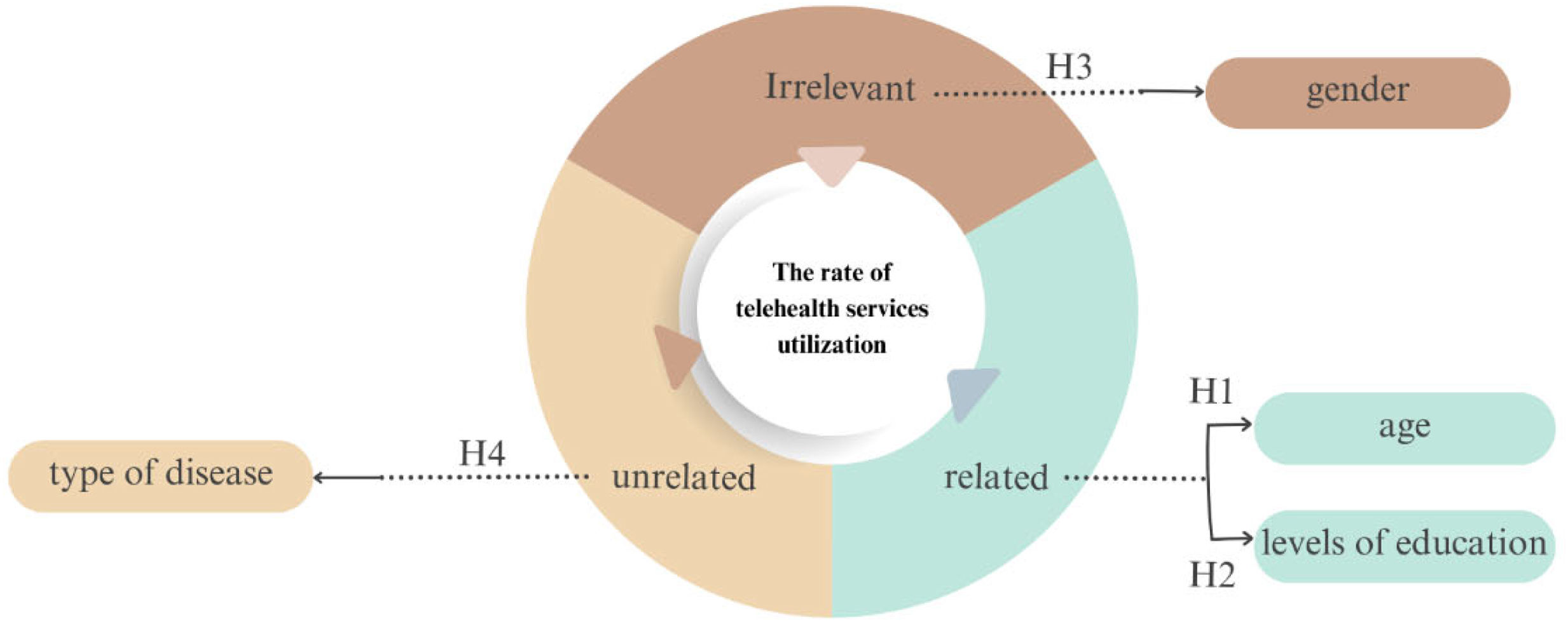
MethodThis study adopts a descriptive-analytical approach for its research objective and employs a survey-based method for data collection and analysis. The validity and reliability of the questionnaires underwent evaluation through content analysis and quantitative methods. Hypotheses regarding factors such as age, education level, sex, and type of disease affecting the extent of telehealth service utilization were examined.
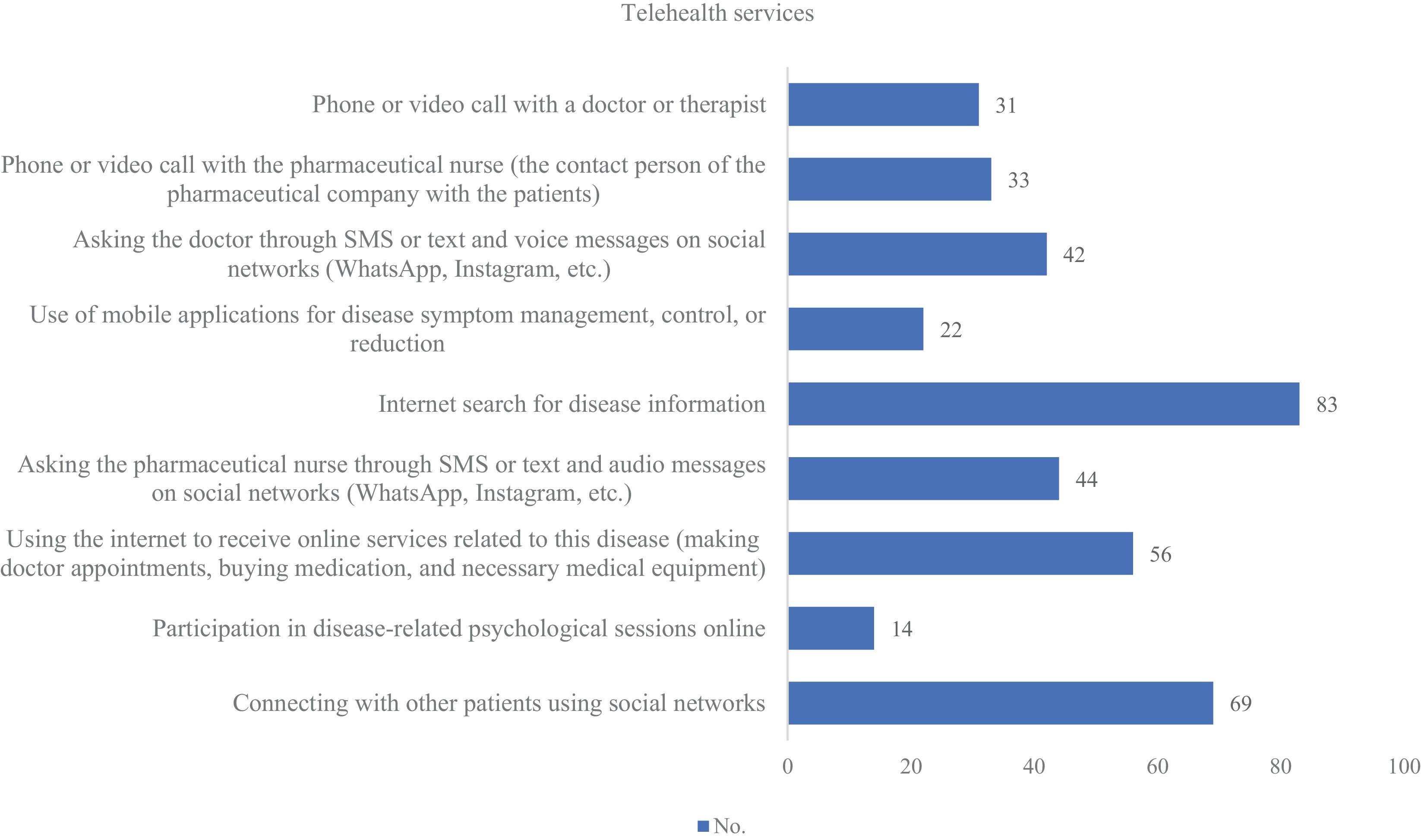
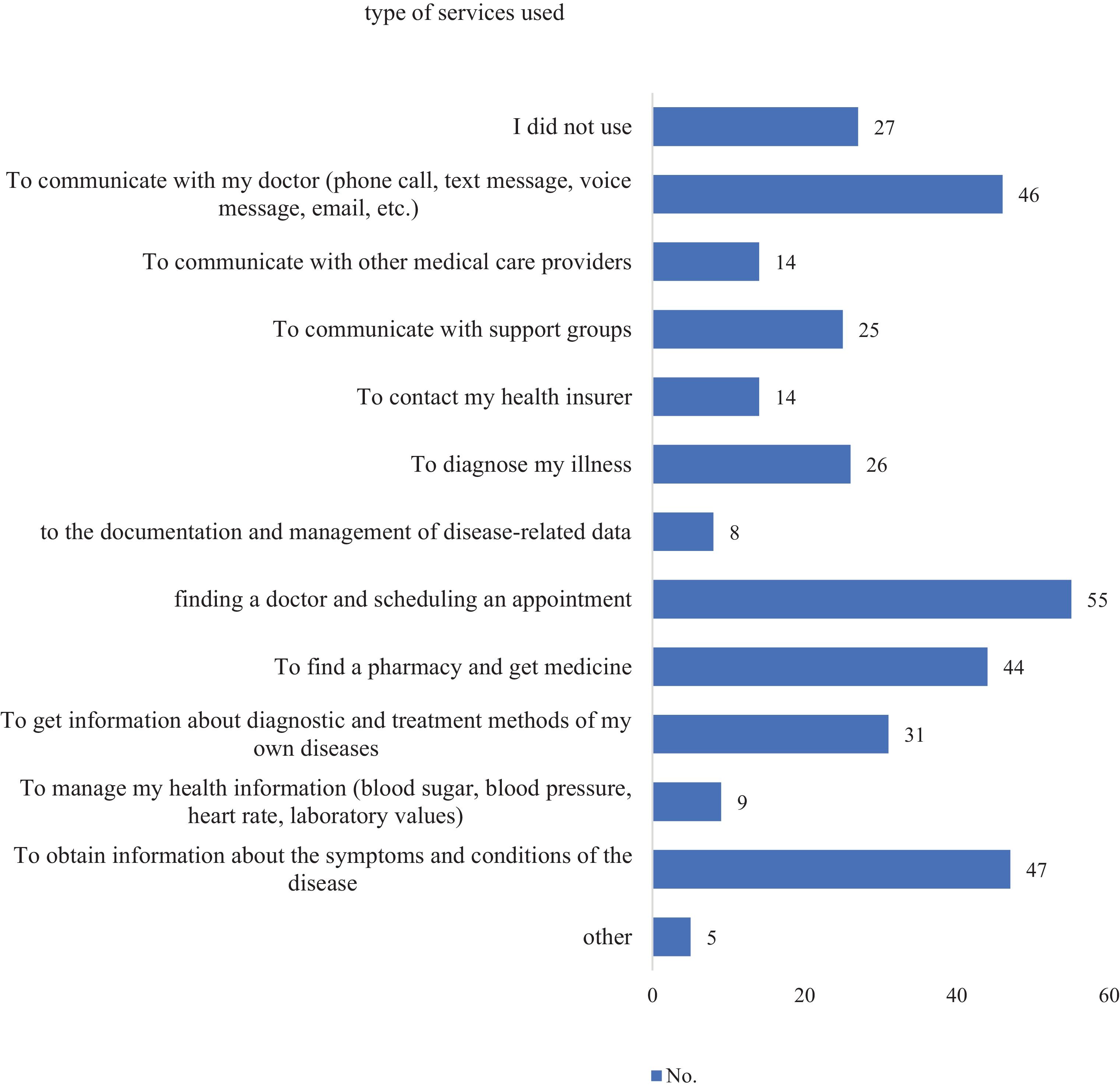
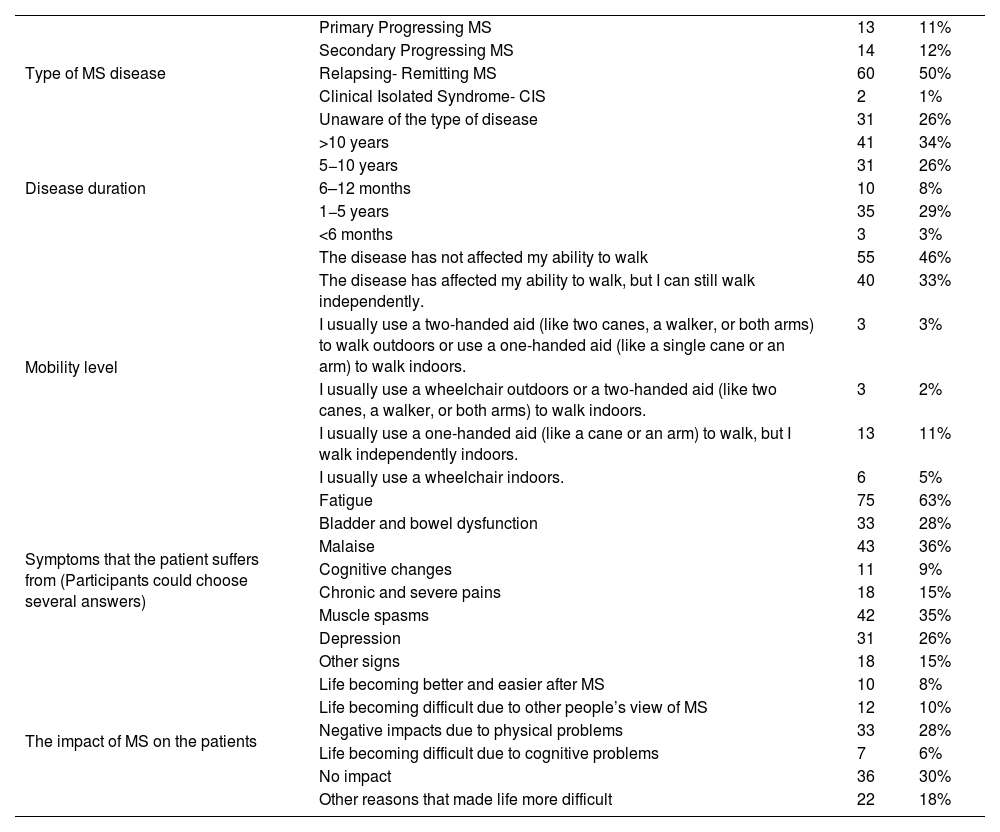
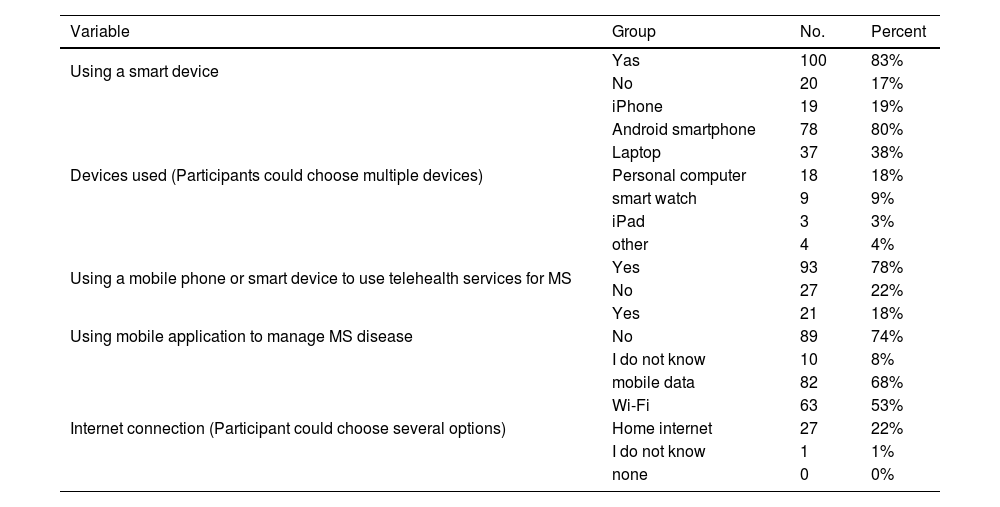
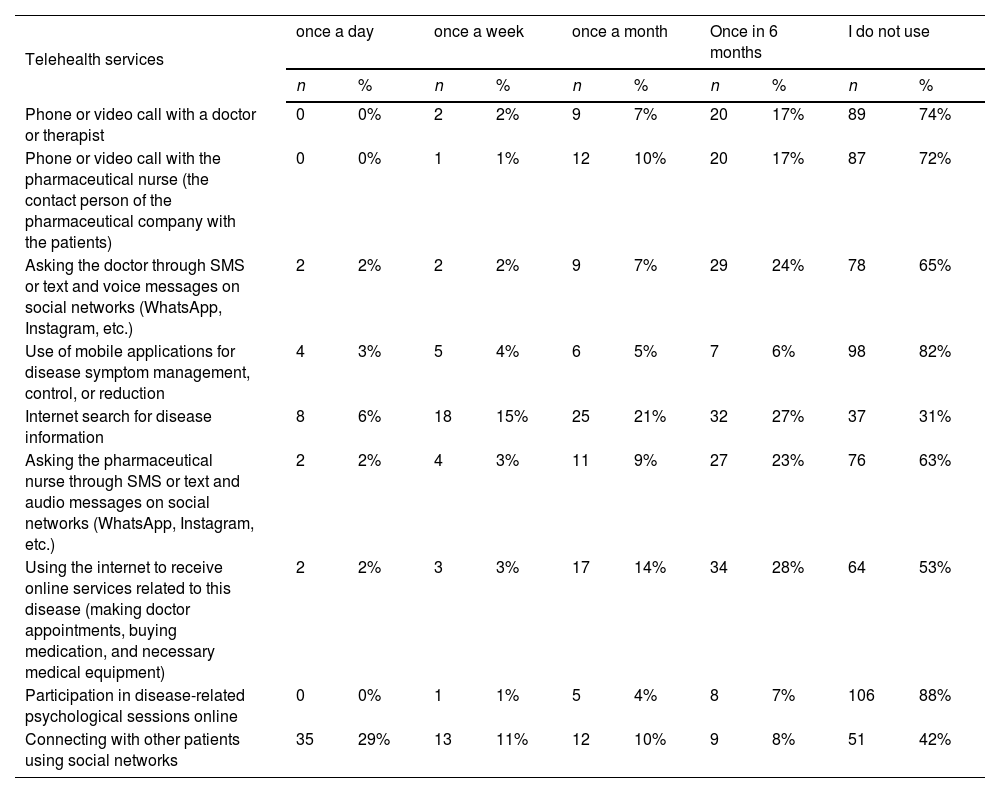
ResultsA majority of patients have availed themselves of telehealth services (78%), with a lower percentage using mobile applications for MS management (18%). Among patients, higher utilization of telehealth services was observed for finding a doctor and scheduling appointments (46%), accessing information about symptoms and disease conditions (39%), and communicating with physicians (38%). The study revealed no significant association between sex, age, and type of disease with the extent of telehealth service usage (p>0.05). However, the study demonstrated that education level is linked to the extent of telehealth service utilization (p<0.05).
ConclusionThe effective advancement of telehealth services for MS patients necessitates a thorough understanding of the needs, preferences, and constraints within this demographic. Consequently, telehealth platforms should be designed to be accessible and user-friendly for all patients, irrespective of age, sex, type of disease, or education level.
Los servicios de telesalud, como solución innovadora en el sector de la salud, ofrecen beneficios potenciales para abordar las necesidades de las personas con esclerosis multiple (EM). Este estudio tiene como objetivo investigar el nivel de utilización de los servicios de telesalud entre los pacientes con EM en Irán y explorar los factores que influyen en su uso.
MétodoEste estudio adopta un enfoque descriptivo-analítico para su objetivo de investigación y emplea un método basado en encuestas para la recolección y análisis de datos. Los cuestionarios se recopilaron tanto en línea como en persona entre pacientes con EM. La validez y confiabilidad de los cuestionarios se evaluaron mediante análisis de contenido y métodos cuantitativos. Se examinaron las hipótesis relativas a factores como la edad, el nivel educativo, el género y el tipo de enfermedad que afectan el grado de utilización de los servicios de telesalud.
ResultadosLa mayoría de los pacientes han utilizado servicios de telesalud (78%), y un porcentaje menor utiliza aplicaciones móviles para el manejo de la EM (18%). Entre los pacientes, se observó una mayor utilización de los servicios de telesalud para encontrar un médico y programar citas (46%), acceder a información sobre síntomas y condiciones de la enfermedad (39%) y comunicarse con médicos (38%). El estudio no reveló una asociación significativa entre el género, la edad y el tipo de enfermedad con el grado de uso del servicio de telesalud (p>0,05). Sin embargo, el estudio demostró que el nivel educativo está relacionado con el grado de utilización de los servicios de telesalud (p<0,05).
ConclusiónEl avance efectivo de los servicios de telesalud para pacientes con EM requiere una comprensión profunda de las necesidades, preferencias y limitaciones dentro de este grupo demográfico. En consecuencia, las plataformas de telesalud deben diseñarse para que sean accesibles y fáciles de usar para todos los pacientes, independientemente de su edad, género, tipo de enfermedad o nivel educativo.

