



Los pacientes con insuficiencia renal en hemodiálisis se enfrentan a importantes desafíos físicos y emocionales que afectan su calidad de vida, escuchar sus inquietudes y atender sus necesidades emocionales implica comprender y aliviar su sufrimiento como parte de una atención centrada en el paciente.
ObjetivoIdentificar las necesidades emocionales de las personas en hemodiálisis, proponer líneas de investigación futuras y acciones prácticas orientadas a mejorar la calidad del cuidado humanizado.
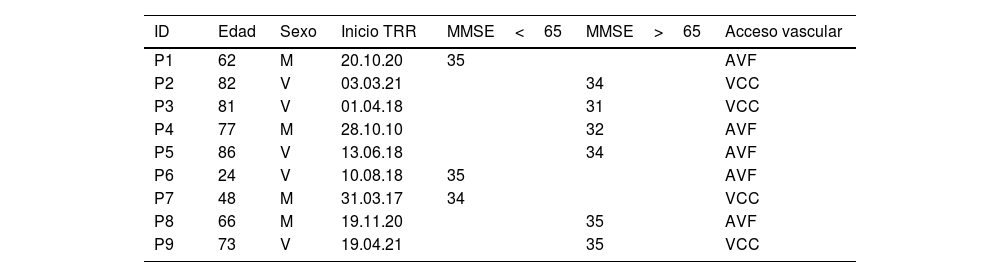
MétodoInvestigación descriptiva cualitativa, mediante entrevistas semiestructuradas con pacientes en hemodiálisis (n=9) desde septiembre de 2021 hasta el 30 de junio de 2022. Los datos se analizaron mediante codificación temática con el software ATLAS.ti 22.
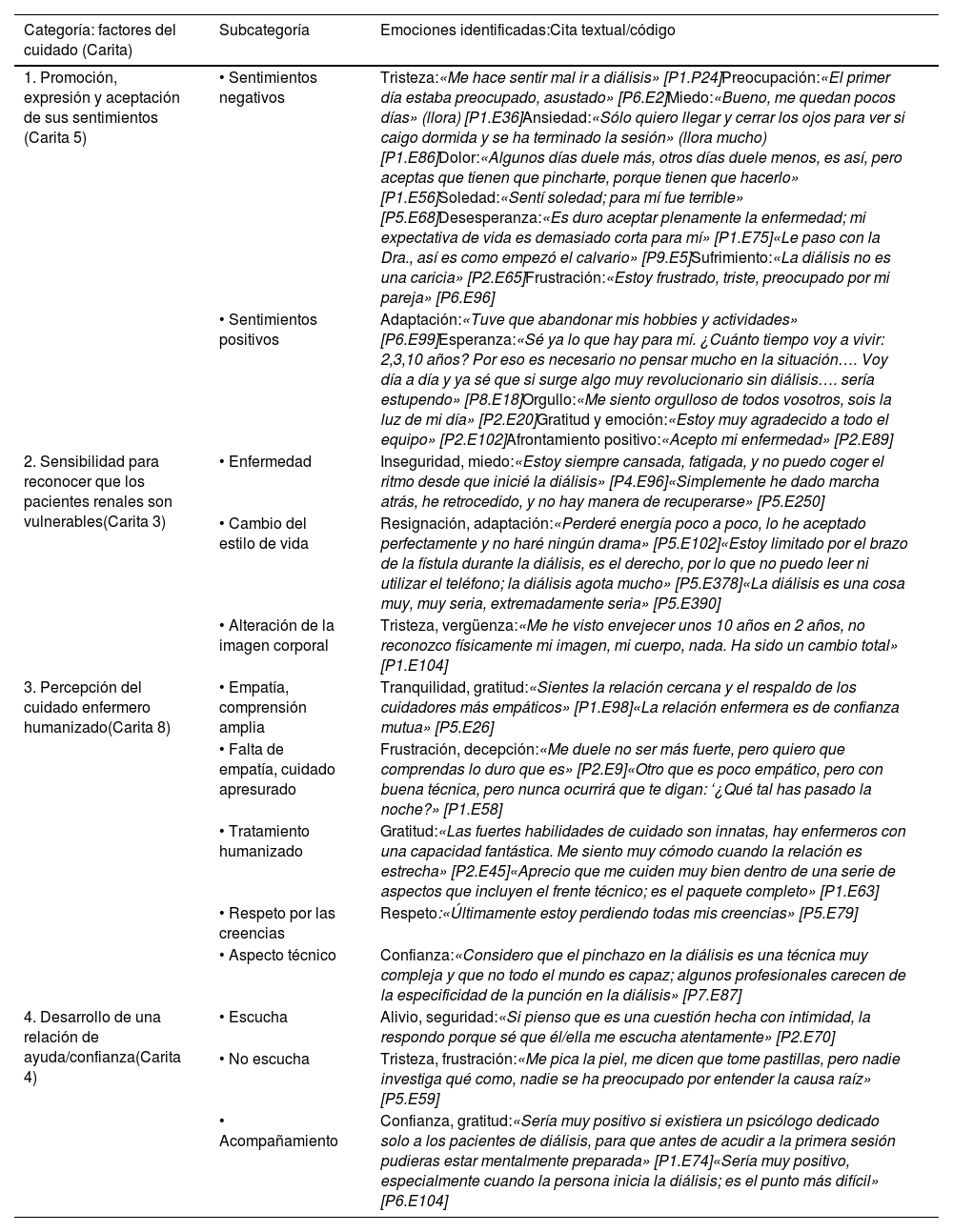
ResultadosSe identificaron 4 categorías principales: 1) Promover y aceptar la expresión de sentimientos; 2) Reconocer la vulnerabilidad del paciente; 3) Percibir la atención de enfermería humanizada; y 4) Fortalecer la relación de asistencia y confianza entre enfermeras y pacientes.
ConclusiónLos pacientes renales necesitan sentirse escuchados al expresar sus emociones y sentimientos, siendo reconocidos como vulnerables y en riesgo de sufrir daño físico o emocional. Requieren cuidados de enfermería basados en el respeto a su dignidad, la compasión y la empatía, una conexión de apoyo y confianza basada en la escucha atenta, un vínculo estrecho y de apoyo durante todo el proceso de atención. Estos hallazgos refuerzan la relevancia de la teoría de Watson para orientar los enfoques éticos, emocionales y holísticos en la práctica enfermera. Por tanto, nuestra atención no debe centrarse únicamente en los aspectos técnicos, sino también en las necesidades emocionales del paciente.
Patients with kidney failure on hemodialysis face significant physical, emotional, and social challenges that affect their quality of life. Providing humane care, listening to their concerns, and addressing their emotional needs means understanding and alleviating their suffering as a key element of comprehensive, patient-centered care.
ObjectiveTo identify the emotional needs of people receiving hemodialysis treatment, and to propose future lines of research, practical actions aimed at improving the quality of care based on Jean Watson's Theory of Humanized Care.
MethodQualitative descriptive research, employing semi-structured interviews with hemodialysis patients (n=9) from September 2021 to June 30, 2022. Data were analyzed using thematic coding supported by ATLAS.ti 22 software.
ResultsFour main categories were identified: 1) Promoting and accepting the expression of their feelings; 2) Recognizing the patient's vulnerability; 3) Perceive humanized nursing care and 4) Enhancing the relationship of assistance and trust between nurses and patients.
ConclusionKidney patients need to feel heard when expressing their emotions and feelings, being recognized as vulnerable and at risk of physical or emotional harm. They require nursing care based on respect for their dignity, compassion and empathy, a supportive and trusting connection based on attentive listening, and a close and supportive bond throughout the care process. These findings reinforce the relevance of Watson's theory in guiding ethical, emotional, and holistic approaches in nursing practice. Therefore, our attention should not focus solely on technical aspects but also on the patient's emotional needs.

