


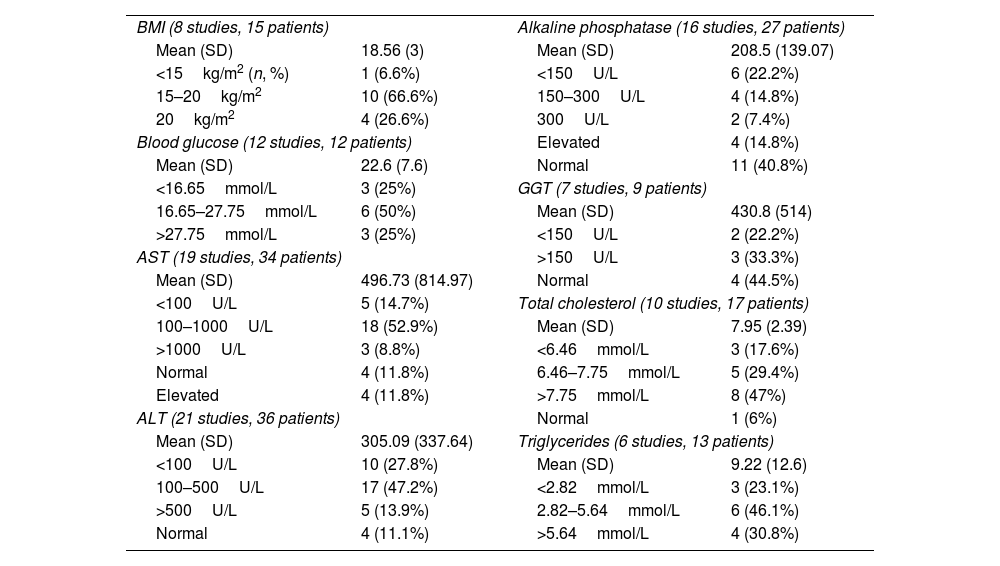
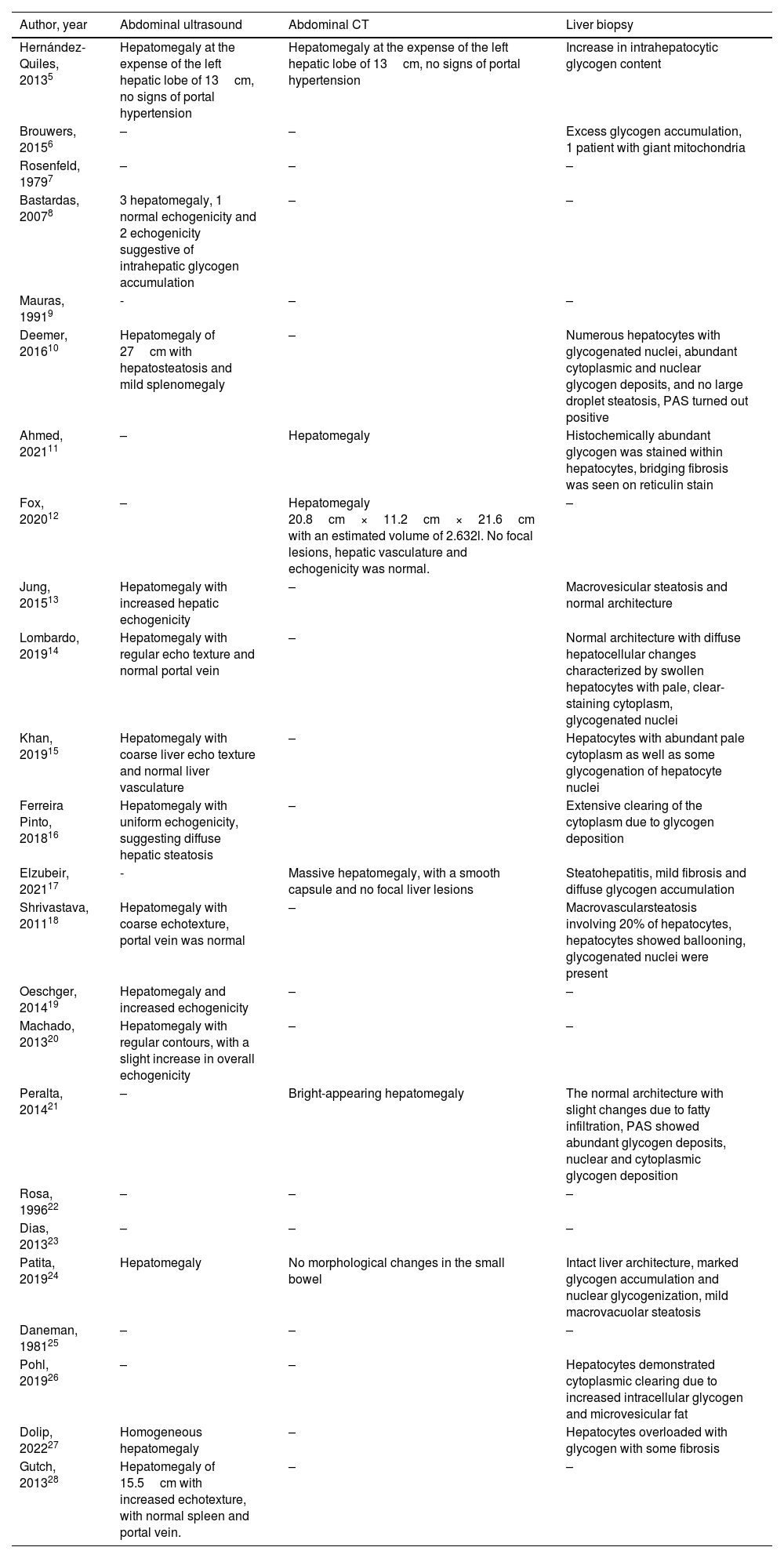
This systematic review aimed to present the main clinical, diagnostic and therapeutic aspects of Mauriac syndrome, which is a rare syndrome that mainly affects children and adolescents with uncontrolled type 1 diabetes mellitus. This review was carried out in accordance with PRISMA and registered in PROSPERO (CRD42024531249). The following databases were used in our search: PubMed, Lilacs and Scielo, on 04/02/2024. Studies that presented any data on patients with Mauriac syndrome were included, however, review studies, letters to the editor and animal studies were excluded. The risk of bias was assessed using a specific method for case reports. To analyze the results, the general, clinical, diagnostic and therapeutic characteristics were analyzed using a qualitative analysis. A total of 24 studies were included, 18 case reports and 6 case series. The patients’ mean age was 16.26 years, and the mean glycated hemoglobin was 12.93%. The main signs and symptoms reported were hepatomegaly (88%), short stature (52%), cushingoid features (35%) and abdominal discomfort (26%). The means of AST, ALT, GGT, alkaline phosphatase, total cholesterol, triglycerides and lactate were above the reference value. Some studies used abdominal ultrasound (US), abdominal computed tomography (CT) or liver biopsy to make the diagnosis. CT and US showed hepatomegaly, while liver biopsies showed glycogen accumulation in hepatocytes. Treatment in most studies was based on improving blood glucose levels and diet. Therefore, Mauriac syndrome has diverse symptoms. Lab test and imaging modalities can be useful to establish diagnosis.
Esta revisión sistemática tuvo como objetivo presentar los principales aspectos clínicos, diagnósticos y terapéuticos del síndrome de Mauriac, que es un síndrome poco común, y que afecta principalmente a los niños y los adolescentes con diabetes mellitus tipo 1, no controlada. Esta revisión se realizó de acuerdo con PRISMA y se registró en PROSPERO (CRD42024531249). En la búsqueda se utilizaron las siguientes bases de datos: PubMed, Lilacs y Scielo, el 02/04/2024. Se incluyeron los estudios que presentaron datos sobre los pacientes con síndrome de Mauriac; sin embargo, se excluyeron los estudios de revisión, las cartas al editor y los estudios en animales. El riesgo de sesgo se evaluó mediante un método específico para informes de casos. Para analizar los resultados se analizaron mediante un análisis cualitativo las características generales, clínicas, diagnósticas y terapéuticas. Se incluyeron 24 estudios, 18 reportes de casos y 6 series de casos. La edad promedio de los pacientes fue de 16,26 años y la hemoglobina glucosilada promedio fue del 12,93%. Los principales signos y síntomas reportados fueron: hepatomegalia (88%), talla baja (52%), rasgos cushingoides (35%) y malestar abdominal (26%). Las medias de AST, ALT, GGT, fosfatasa alcalina, colesterol total, triglicéridos y lactato estuvieron por encima del valor de referencia. Algunos estudios utilizaron ecografía abdominal (EE. UU.), tomografía computarizada (TC) abdominal o biopsia hepática para realizar el diagnóstico. La TC y la ecografía mostraron hepatomegalia, mientras que las biopsias hepáticas mostraron acumulación de glucógeno en los hepatocitos. El tratamiento en la mayoría de los estudios se basó en mejorar los niveles de glucosa en sangre y la dieta. Por tanto, el síndrome de Mauriac presenta diversos síntomas. Las pruebas de laboratorio y de imagen pueden ser útiles para realizar el diagnóstico.