



Ascending Thoracic Aortic Aneurysm (ATAA) is a progressive dilation of the aorta that can be complicated by its dissection leading to death in 80–90% of the patients. When associated with ageing and atherosclerosis, the outcome is worse and reconstructive surgery is the only effective therapy. Our objective was to characterise differential expressed genes (DEG) involved in endoplasmic reticulum (ER) and mitochondria dysfunction in patients with degenerative ATAA.
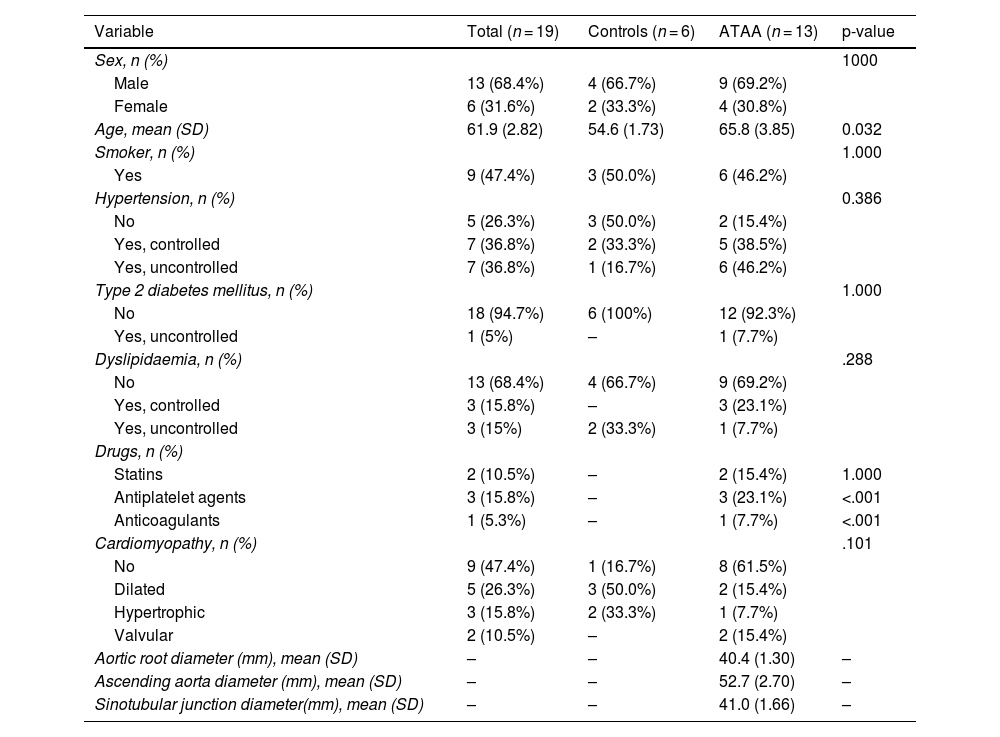
Methodsa transcriptomic analysis was performed by RNA sequencing using RNA isolated from ATAA of patients classified as degenerative (n = 13) and multi-organ healthy donors (n = 6). DEGs related to ER stress and mitochondrial dysfunction were identified with the DESeq2 package. Enriched pathway (Reactome) and protein interaction (PPI) analysis was performed with the clusterProfiles package. PPI of the selected DEGs was analysed based on the string database and visualised by Cytoscape software.
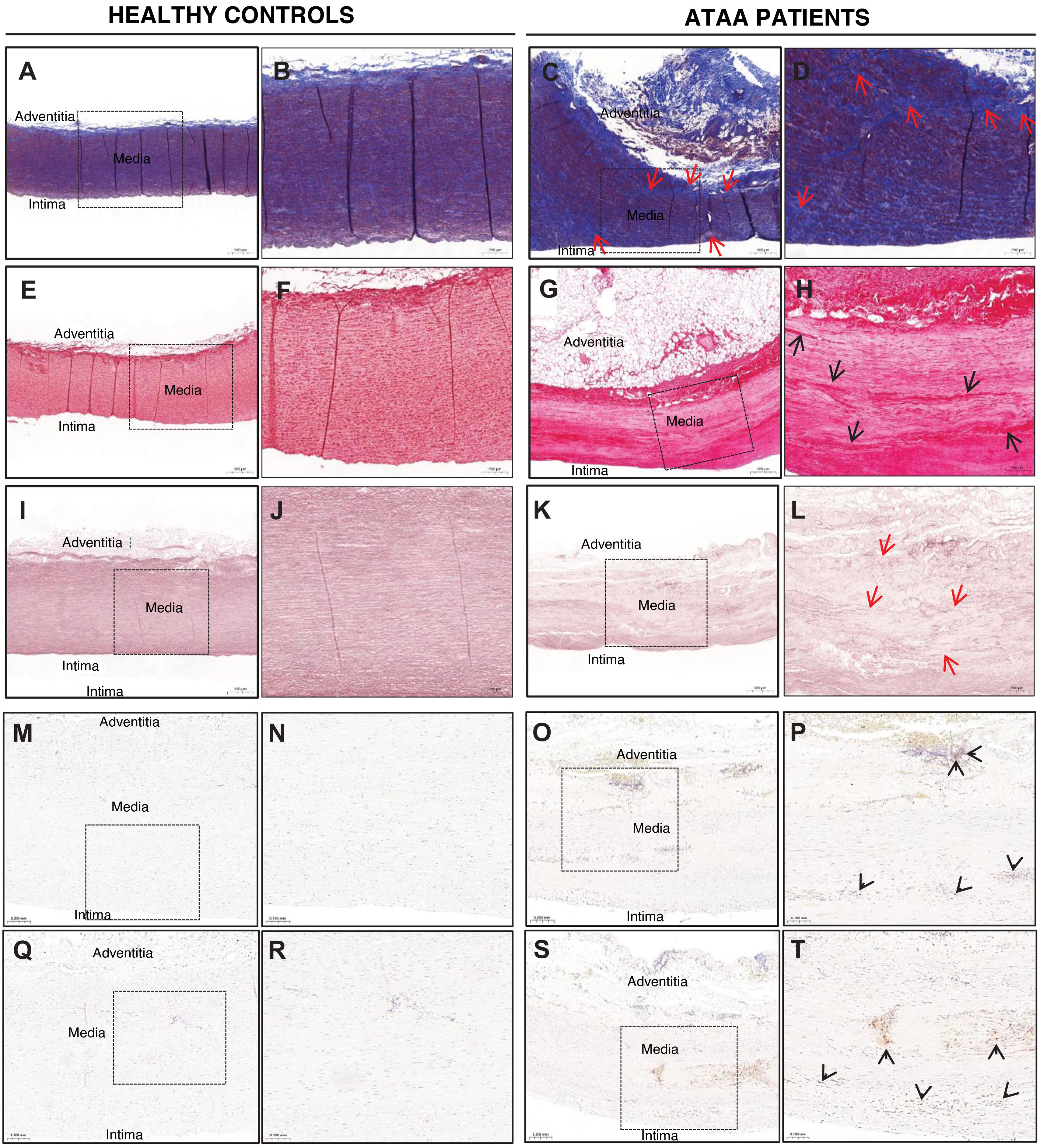
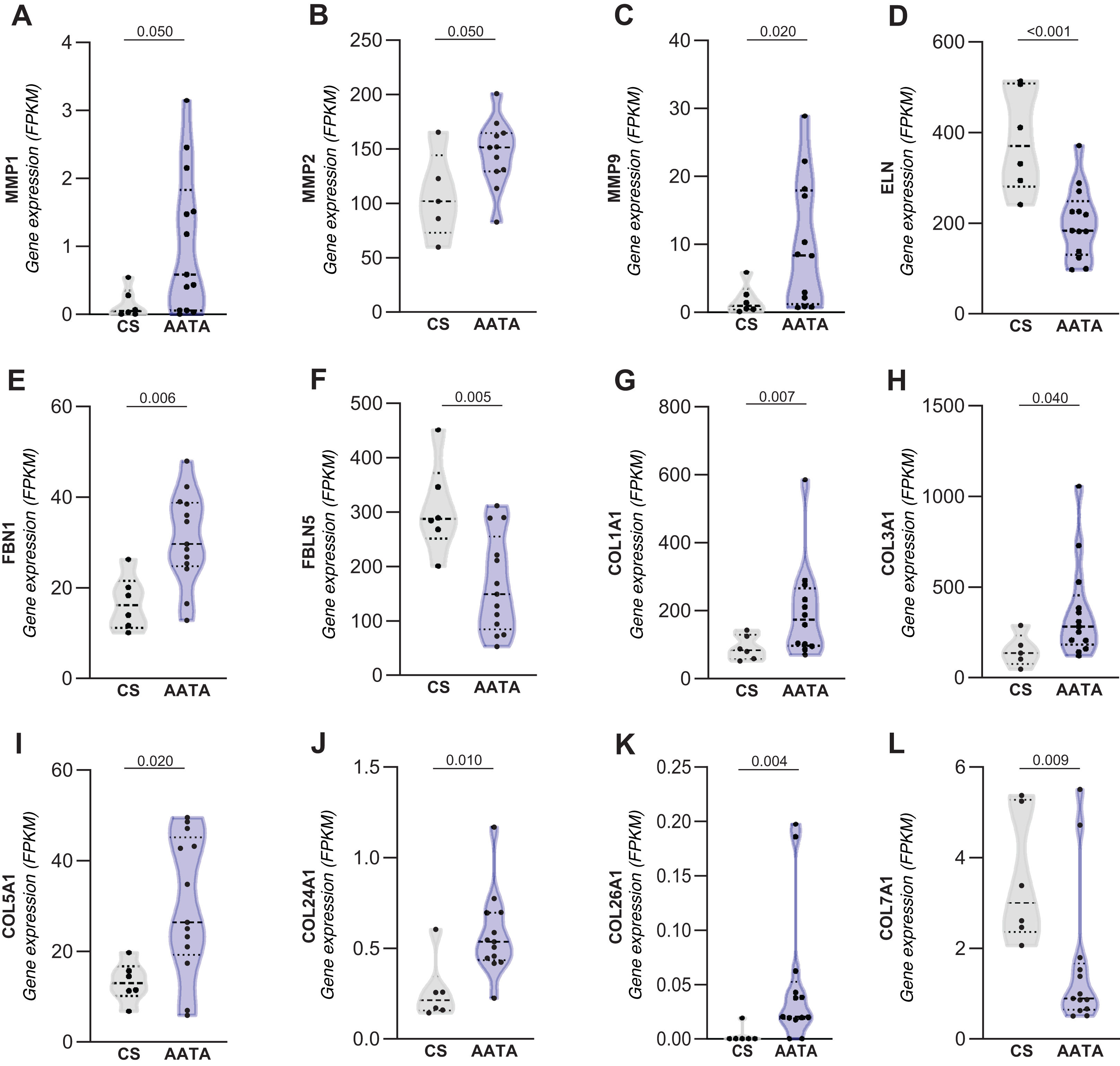
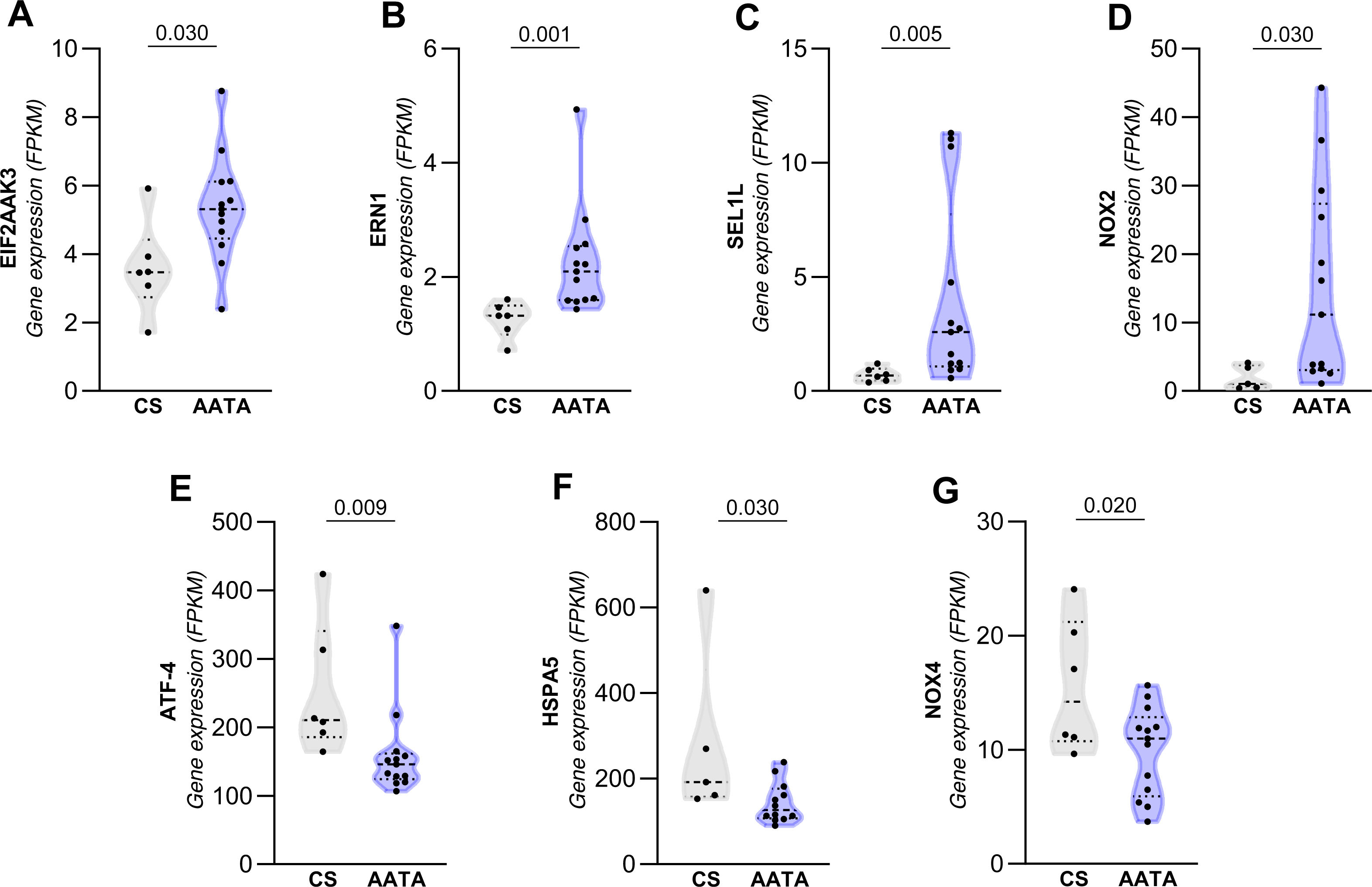
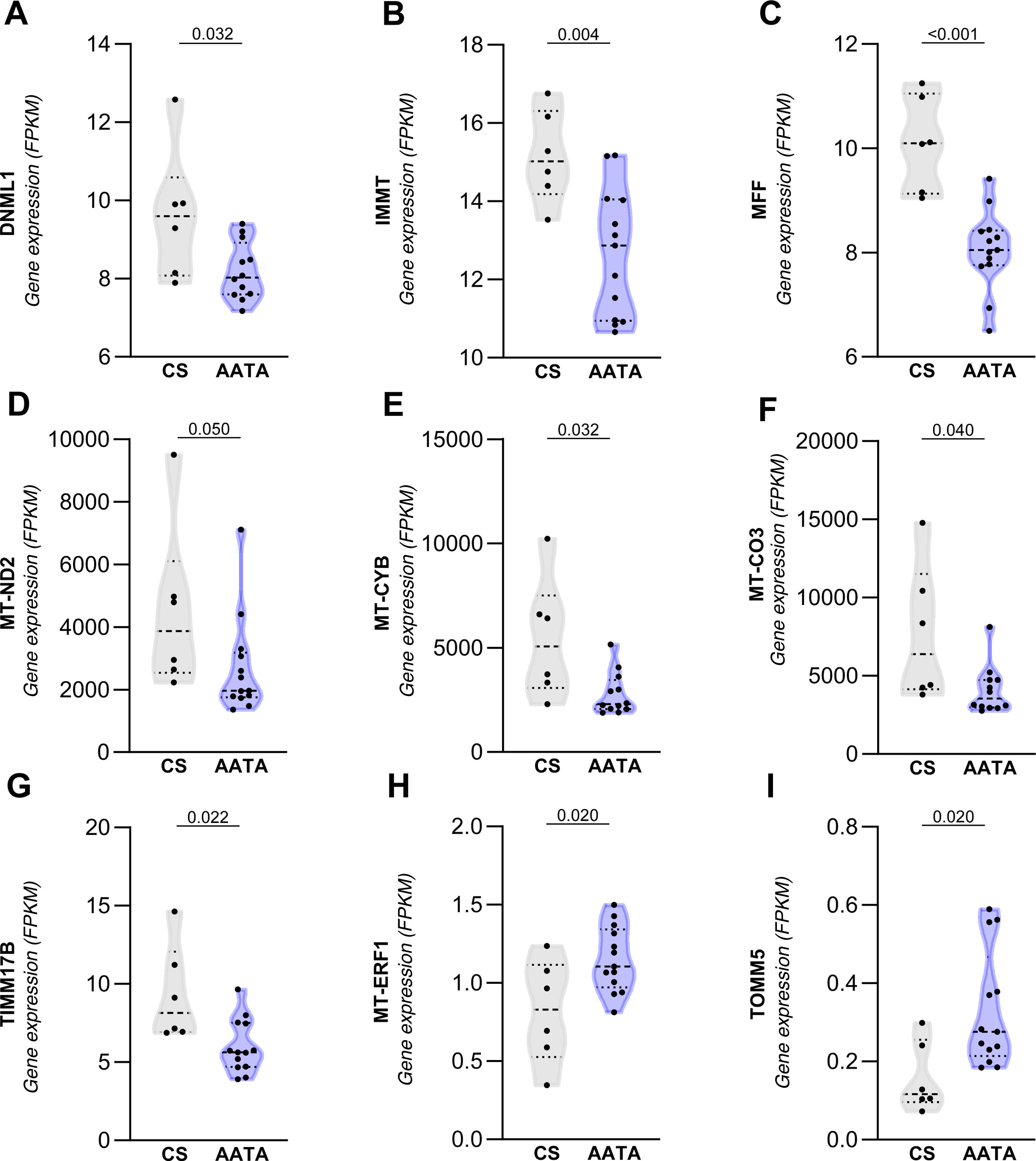
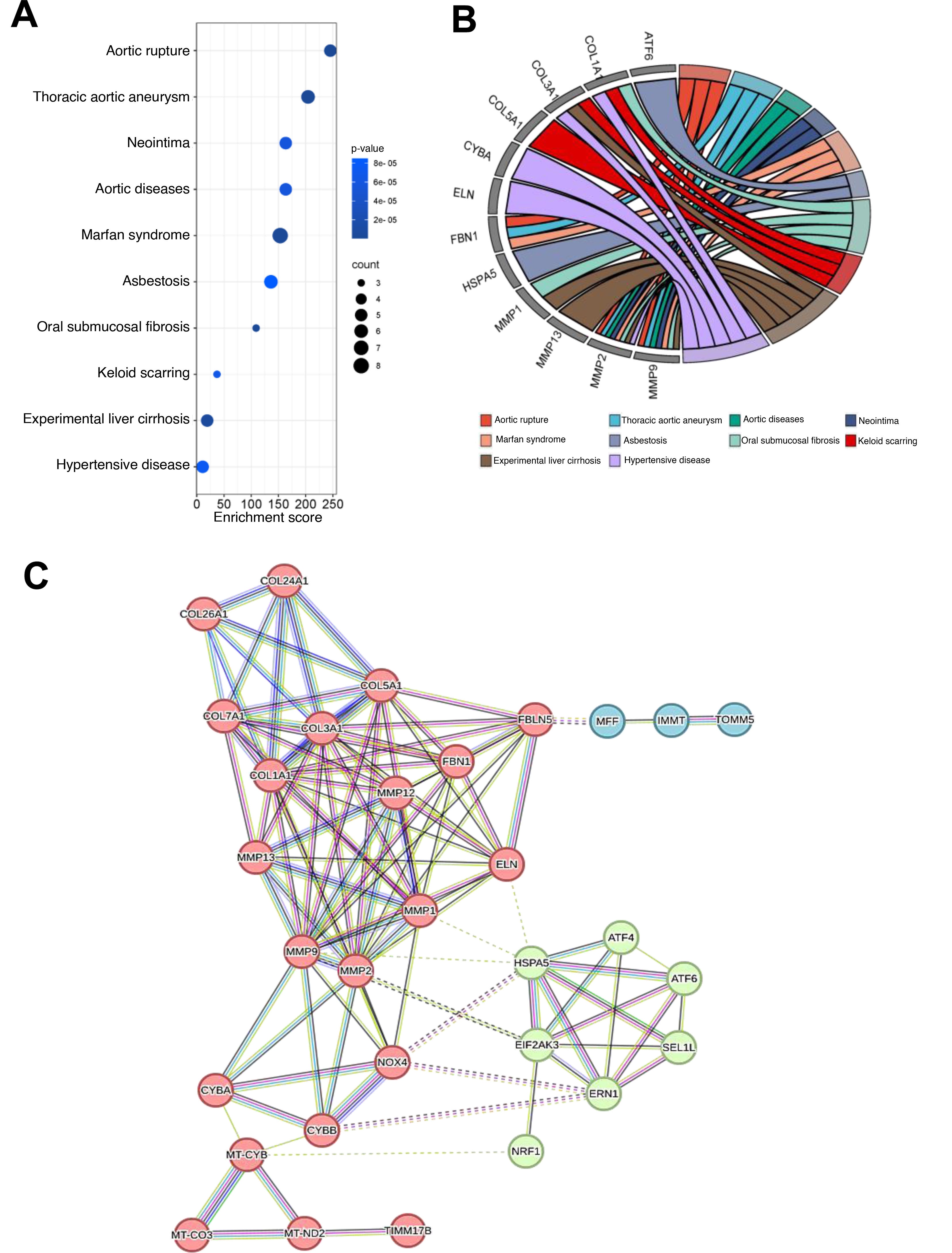
Resultshistology revealed a complete disorganisation of the extracellular matrix (ECM) and cell loss in the aortic wall of ATAA patients where the upregulation of 15 DEGs and the downregulation of 13 DEGs that encode proteins related to ER stress (ATF4, EIF2AK3, HSPA5, ERN1, SEL1L), mitochondrial dysfunction (DNML1, IMMT, MT-CO3, MT-CYB, MT ND2, TIMM17B, MT-ERF1, TOMM5) and ECM was detected. The results of GO term and enriched pathway analysis indicated that these DEGs are mainly enriched in pathways related to aortic diseases.
Conclusionsour data show that proteins related to mitochondrial dysfunction and ER stress might be therapeutic targets for the treatment of ATAA.
El aneurisma de aorta torácica ascendente (AATA) es una dilatación progresiva de la aorta que puede complicarse con su disección causando la muerte del 80-90 % de los pacientes. Cuando se asocia con el envejecimiento y la aterosclerosis, su pronóstico es peor siendo la cirugía reconstructiva la única terapia disponible. Nuestro objetivo es caracterizar el perfil de genes expresados diferencialmente (GED) implicados en el estrés del retículo endoplásmico y la disfunción mitocondrial en pacientes con AATA degenerativo.
MétodosMediante secuenciación de ARN utilizando ARN extraído de AATA de pacientes degenerativos (n = 13) y donantes multiorgánicos sanos (n = 6) identificamos GED relacionados con el estrés del RE y la disfunción mitocondrial con el paquete DESeq2. El análisis de vías enriquecidas (Reactome) y de interacción de proteínas se realizó con el paquete clusterProfiles y se analizó con la base de datos String y el software Cytoscape.
ResultadosLa histología reveló una desorganización completa de la matriz extracelular y pérdida celular en la pared aórtica de los pacientes donde detectamos una regulación positiva de 15 GED y negativa de 13 GED relacionados con el estrés del RE (ATF4, EIF2AK3, HSPA5, ERN1, SEL1 L), la disfunción mitocondrial (DNML1, IMMT, MT-CO3, MT-CYB, MT ND2, TIMM17B, MT-ERF1, TOMM5) y la remodelación de la matriz extracelular. Los resultados del análisis del término GO y de las vías enriquecidas confirmaron la relación de estos GED con enfermedades de la aorta.
ConclusionesNuestros datos demuestran que las proteínas relacionadas con la disfunción mitocondrial y el estrés del RE podrían postularse como dianas terapéuticas para tratar el AATA.
