






Nasopharyngeal carcinoma (NPC) is an uncommon neoplasm in non-endemic regions such as Spain, with most data coming from Asia. The aim of this study is to describe the epidemiological characteristics, oncological and functional outcomes, and treatment-related toxicities in a cohort of patients from a single centre in northern Spain.
Patients and methodsA retrospective study was conducted including 64 patients diagnosed with NPC between 2010 and 2022. Demographic and clinicopathological data, treatments received, survival outcomes, relapse patterns, and long-term sequelae were collected and analysed.
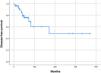
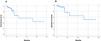
ResultsA total of 87.5% of the cases received primary treatment at our hospital, while the remaining 12.5% were referred from other centres for the management of either recurrence or treatment-related toxicities. The mean age was 52 years, with a predominance of males (76.6%). The most common histological subtype was undifferentiated (70.3%), although Epstein–Barr virus (EBV) was negative in 61% of cases. A total of 68.8% of patients were diagnosed at advanced stages. All patients received radiotherapy, which was intensity-modulated radiotherapy (IMRT) in 78.1% of cases, and 85.9% received concomitant chemotherapy. The 5-year disease-free survival was 68.4%. Most relapses were local (56.2%), and the most frequent long-term sequela was xerostomia (53.5%). Endoscopic surgery was an effective and safe treatment for local recurrences.
ConclusionsThe epidemiology of NPC in this northern Spanish cohort is similar to that of endemic regions. Oral functional sequelae are the main treatment-related toxicity. Endoscopic surgery is a safe and effective treatment option for local recurrences.
El carcinoma nasofaríngeo (CNF) es una neoplasia infrecuente en regiones no endémicas como España, con la mayoría de los datos procedentes de Asia. El objetivo de este estudio es describir las características epidemiológicas, los resultados oncológicos, funcionales y las toxicidades del tratamiento en una cohorte de pacientes de un único centro en el norte de España.
Pacientes y métodosSe realizó un estudio retrospectivo con 64 pacientes diagnosticados de CNF entre 2010 y 2022. Se recogieron y analizaron datos demográficos, clínico-patológicos, tratamientos realizados, supervivencia, patrones de recaída y secuelas a largo plazo.
ResultadosEl 87,5 % de los casos fueron tratados de forma primaria en nuestro hospital, mientras que el 12,5 % restante fueron derivados desde otros centros para el manejo de recurrencias o de toxicidades asociadas al tratamiento inicial. La edad media fue de 52 años, con predominio de hombres (76,6%). El subtipo histológico más común fue el indiferenciado (70,3%), pero el virus de Epstein-Barr (VEB) fue negativo en el 61% de los casos. Un 68,8% debutó en estadios avanzados. Todos los pacientes recibieron tratamiento con radioterapia, que fue de intensidad modulada (IMRT) en el 78,1% de los casos, y el 85,9% recibieron quimioterapia concomitante. La supervivencia libre de enfermedad a 5 años fue del 68,4%. La recaída fue mayoritariamente local (56,2%) y la secuela más frecuente fue la xerostomía (53,5%). La cirugía endoscópica fue un tratamiento eficaz y seguro para las recidivas locales.
ConclusionesLa epidemiología del CNF en esta serie del norte de España es similar a la de zonas endémicas. Las secuelas funcionales orales son la principal toxicidad del tratamiento. La cirugía endoscópica es una opción de tratamiento segura y eficaz para las recidivas locales.
