
Float nurses are frequently assigned to unfamiliar settings where they must perform a wide range of tasks, often without prior orientation, specific training, or knowledge of local protocols and equipment. Given the widespread use of floating as a staffing strategy, it is essential to allocate resources that support their integration while prioritising patient safety. This study aimed to develop a self-administered Integration Checklist for float nurses, highlighting key aspects to address before delivering direct patient care.
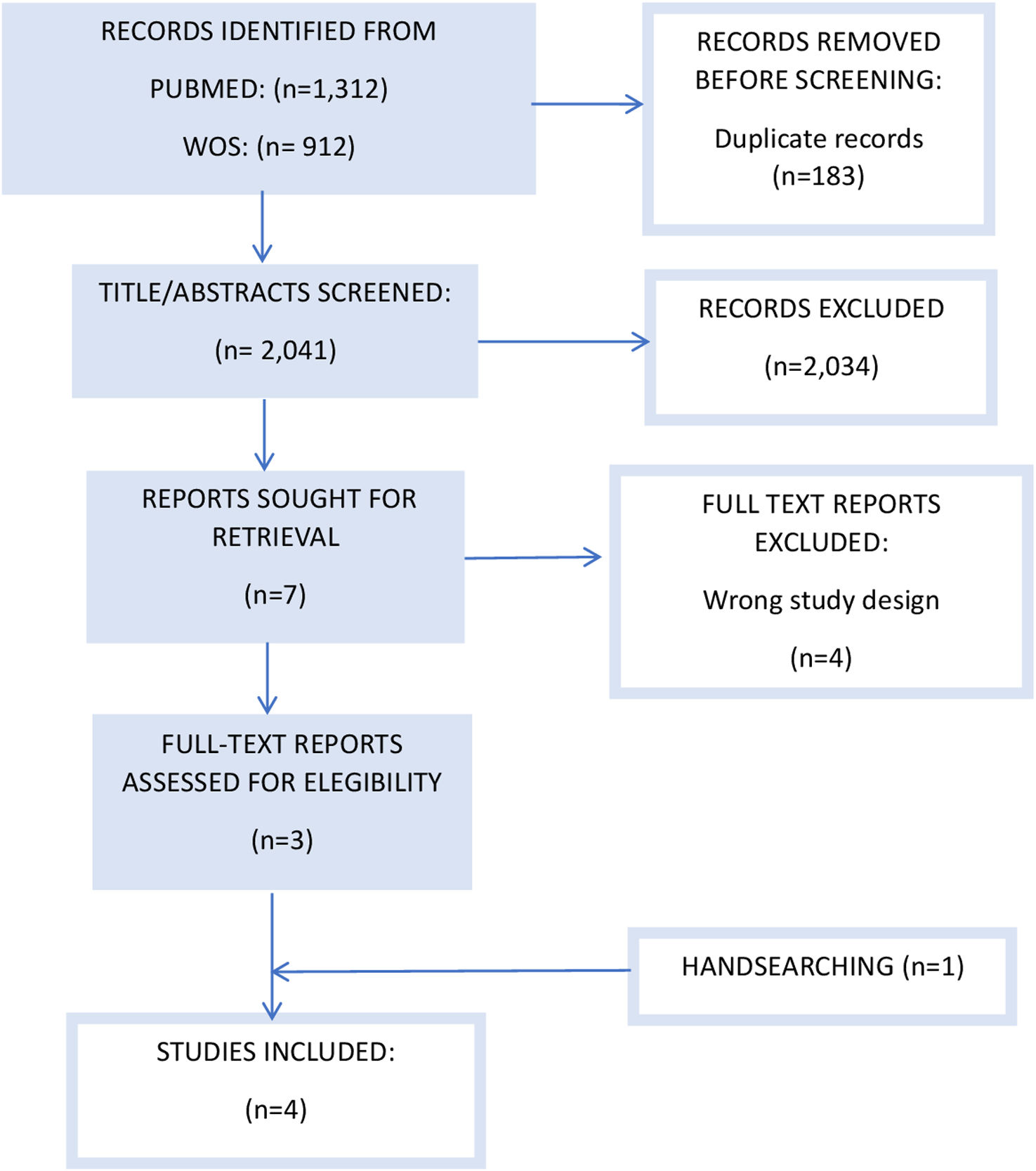
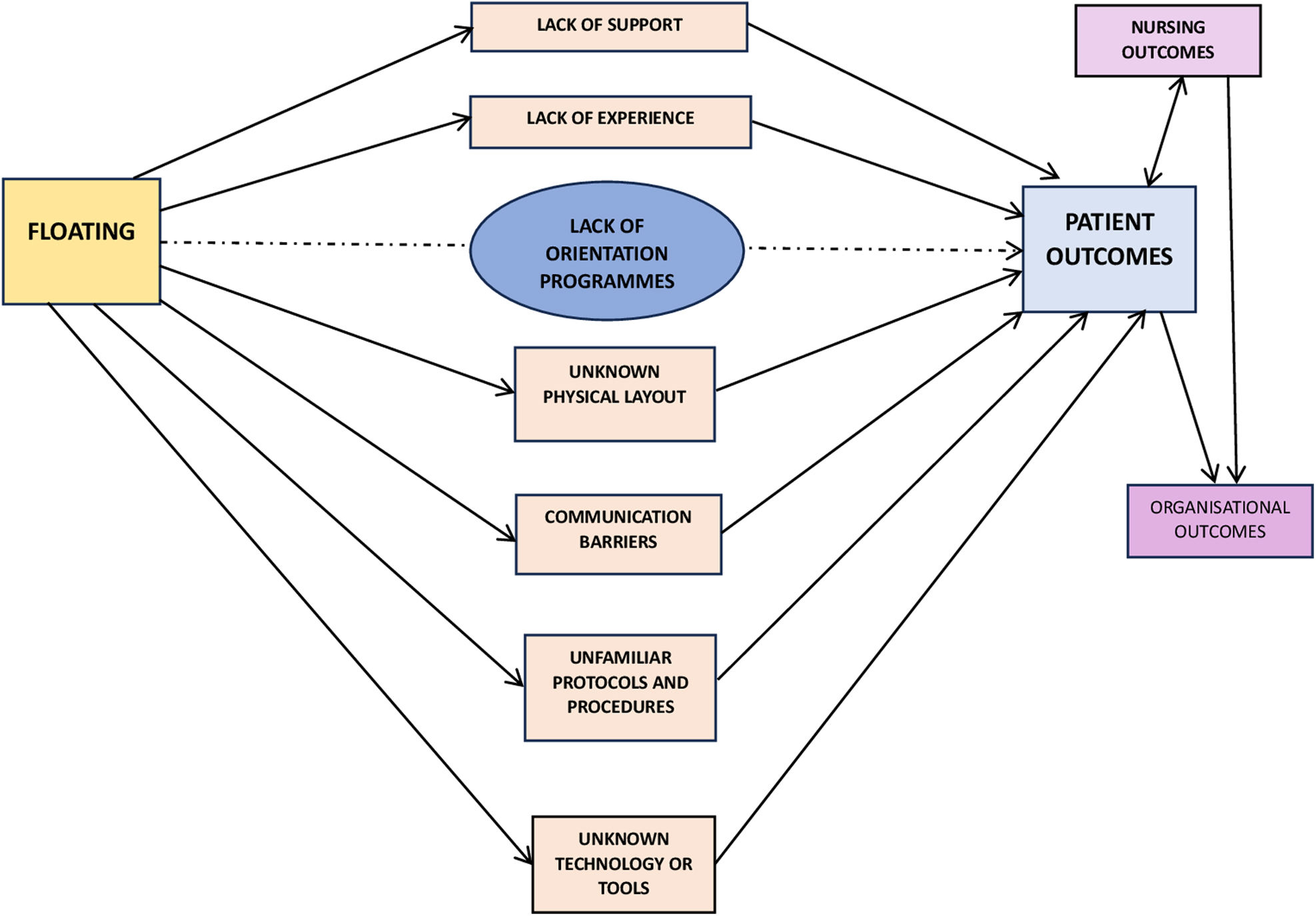
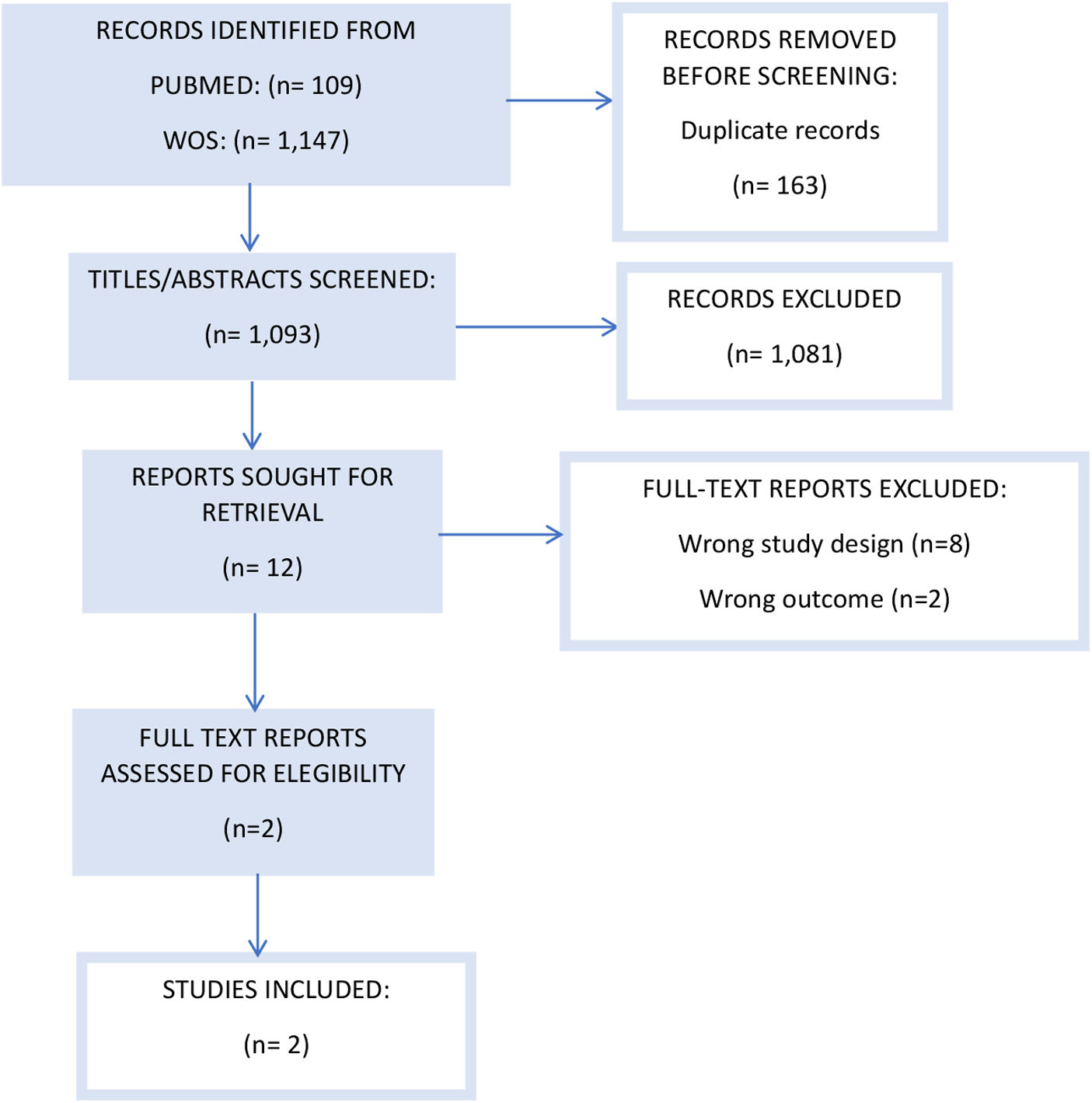
Materials and methodsA three-phase approach was employed, integrating brainstorming sessions with nurses and patient safety experts alongside a literature review: (A) identification of key barriers encountered by float nurses; (B) critical analysis of literature-based solutions; and (C) development of the Integration Checklist.
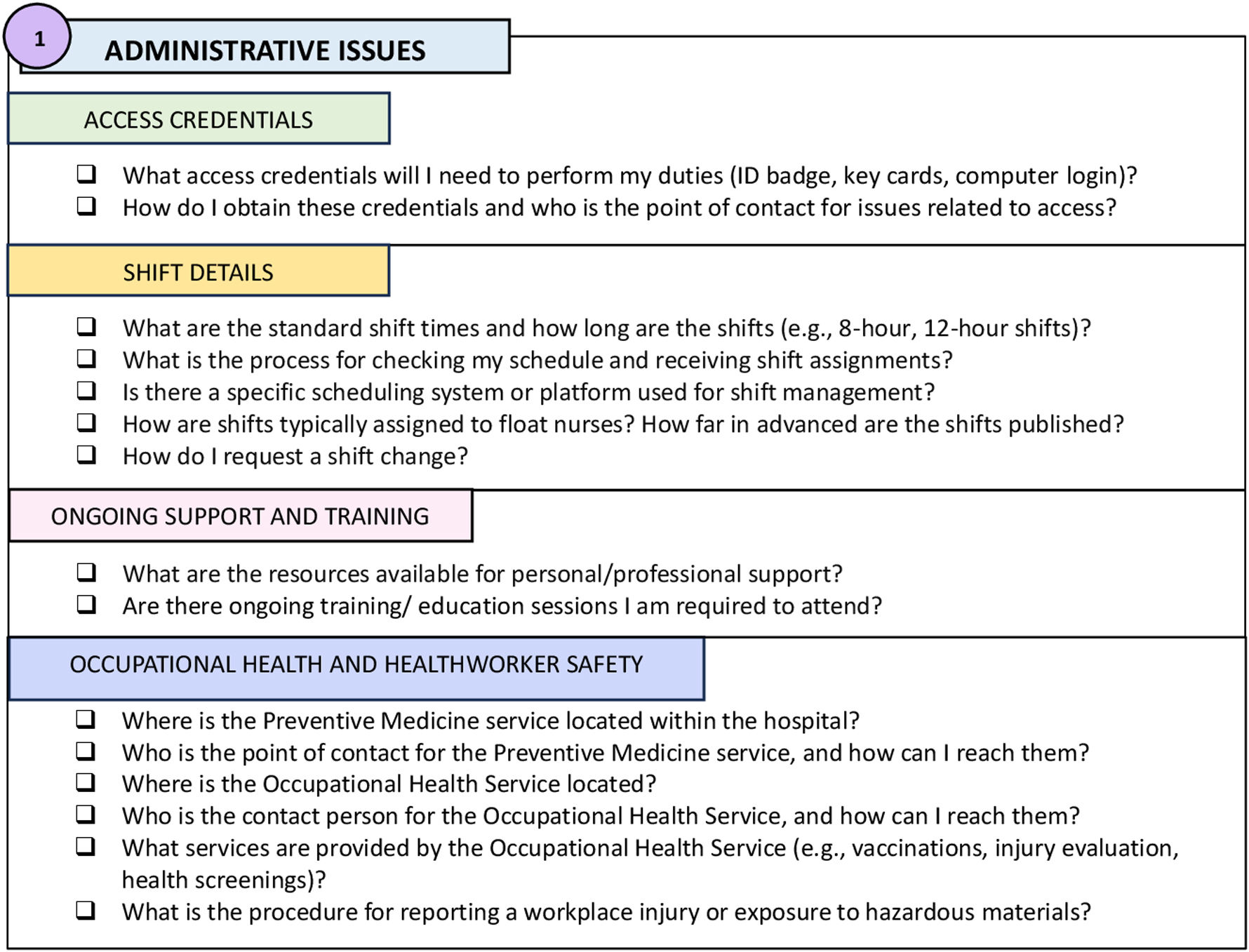
ResultsAfter identifying core challenges and reviewing solutions at the institutional-level, a practical Integration Checklist was created using a reverse approach to conventional orientation programmes. The tool comprised three sections: administrative, unit-specific, and patient care. Each section included targeted questions to ensure that float nurses were aware of the critical information relevant to each area before delivering care.
ConclusionsThe implementation of a Safety Integration Checklist for float nurses has the potential to enhance the onboarding process into new units by optimising transition time, increasing professional confidence, and reducing staff-related stress. However, further research is needed to assess its practical value and effectiveness in improving both patient and staff outcomes across diverse clinical settings.
Las enfermeras flotantes son asignadas con frecuencia a entornos desconocidos, donde deben desempeñar diferentes tareas, a menudo sin orientación ni entrenamiento previos. Dado el uso generalizado de la rotación como estrategia de dotación de personal, es fundamental destinar recursos que faciliten su integración, priorizando la seguridad del paciente. El objetivo de este estudio fue desarrollar una lista de verificación de integración autoadministrada para enfermeras flotantes, con los aspectos clave a considerar antes de brindar atención directa.
Materiales y métodosSe empleó una metodología en 3 fases, combinando sesiones de lluvia de ideas con enfermeras y expertos en seguridad del paciente, junto con una revisión de la literatura: (A) identificación de las principales barreras afrontadas por las enfermeras flotantes; (B) análisis de soluciones documentadas, y (C) desarrollo de la lista de verificación de integración para enfermeras flotantes.
ResultadosTras identificar los principales problemas asociados con la rotación y analizar soluciones institucionales, se diseñó una lista de verificación de integración con un enfoque inverso al de los programas de acogida convencionales. Se estructuró en 3 secciones: administrativas, sobre la unidad y sobre el cuidado del paciente, con preguntas diseñadas para facilitar la identificación autónoma de información crítica en cada área.
ConclusionesLa aplicación de una lista de verificación para la integración con seguridad de las enfermeras flotantes podría mejorar el proceso de incorporación a nuevas unidades, facilitar la adaptación, aumentar la confianza profesional y reducir el estrés relacionado con la rotación, aumentando la seguridad del paciente. No obstante, es necesaria una evaluación rigurosa de su utilidad y eficacia en diversos entornos clínicos.