
The increased use of screen media has raised unknown effects on mental health among adolescents. This study aimed to examine the correlational and causal association between screen media activity (SMA) and mental health problems, and the mediating role of brain functions and structures in this relationship.
Data from 4557 adolescents (mean age = 9.955 ± 0.164 years) in the Adolescent Brain Cognitive Development (ABCD) study were analysed across four time points: baseline, 1-year, 2-year, and 3-year follow-ups. Linear mixed models assessed SMA’s association with mental health indices and the brain's developmental pattern, respectively. Cross-lagged panel models examined the SMA-mental health problems’ longitudinal and causal relationship. Mediation analyses explored brain functions and structures as mediators on the SMA-mental health correlation.
Baseline SMA positively correlated with internalizing, externalizing, and stress problems; and negatively correlated with brain volume, area and diverse sets of resting-state functional connectivity (RSFC) after three years. Higher baseline SMA associated with increased internalizing (β = 0.030, SE= 0.012, pfdr = 0.016), and stress problems (β = 0.026, SE = 0.012, pfdr = 0.037) three years later. The RSFC between the cingulo-opercular network (CON) and the retrosplenial temporal network (RTN) mediated the effects of SMA on externalizing (β = 0.002, pfdr = 0.042) and stress problems (β = -0.003, pfdr = 0.022). TV watching predicted higher externalizing problems (β = 0.054, pfdr < 0.001), while video watching predicted increased internalizing (β = 0.061, pfdr < 0.001), externalizing (β = 0.033, pfdr = 0.035), and stress problems (β = 0.060, pfdr < 0.001).
The findings indicate the negative impact of SMA, particularly TV and video watching, on adolescent mental health, mediated by changes in CON and RTN functional connectivity. Future research can explore the specific risks associated with video streaming and consider the role of emerging technologies such as virtual reality in SMA on adolescent mental health.
Over the past ten years, young adolescents aged 9 to 13 have steadily increased their screen time on devices such as television, smartphones and tablets. According to a recent meta-analysis, younger adults spent 8.8 h on screens before the COVID-19 pandemic (Pandya & Lodha, 2021). On average, children and adolescents spend six hours on screens, which exceeds the 4-hour-per-day recommendation from the American Academy of Child and Adolescent Psychiatry (Strasburger & Hogan, 2013).
Screen activities could offer various benefits for young children when they are used appropriately and lasts for a reasonable duration (Glick et al., 2022). Nevertheless, excessive screen activities and screen time, might have a negative impact on adolescents’ psychological well-being and mental health (Hoare et al., 2016; Nagata et al., 2023; Twenge & Campbell, 2018). A review revealed a positive association between television watching and behavioural problems, when more than one hour was spent on such an activity (Stiglic & Viner, 2019). TV watching in adolescent and preschool children might be a risk factor of both internalizing problems and externalizing problems (McAnally et al., 2019; Verlinden et al., 2012). Extending beyond television, recent large-scale studies have shown that excessive screen time across multiple formats—including video games, social media, and video content—is associated with a range of mental health symptoms, particularly depressive symptoms among girls (Nagata et al., 2024; Santos et al., 2023). Consistently, screen time spent on media activities (e.g., social media, video games, television watching) has been linked to an increased risk for anxiety, depression, and behavioral problems in youth (Dy et al., 2023; Hu et al., 2020; Raney et al., 2023) and could induce stress (Nakshine et al., 2022).
Adolescence represents a crucial period of brain development characterized by experience-dependent neuroplasticity (Larsen & Luna, 2018). Neuroplasticity refers to the brain’s ability to change its structure and function in response to environmental stimuli, experiences, or injuries, particularly during sensitive developmental periods such as adolescence (Kolb Phd & Gibb Phd, 2011). Adolescent brain might be particularly susceptible to the influence of SMA as the brain is still maturing (Belcher et al., 2021; Paulus et al., 2023). Importantly, adolescent brain is characterized by an imbalance between a rapidly developing affective system, responsible for processing rewards and emotional stimuli, and a more gradually maturing cognitive control system (The Dual systems model (Shulman et al., 2016; Steinberg, 2010). Specifically, during adolescence, the brain undergoes extensive synaptic pruning and myelination, particularly in regions involved in self-regulation and higher-order cognition such as the prefrontal cortex and anterior cingulate cortex (Casey et al., 2008; Gogtay et al., 2004). These neural refinements are thought to support adolescents’ developing capacities for executive functioning, including attention control, impulse regulation, and emotional modulation. However, these control systems mature more gradually than subcortical regions such as the amygdala and ventral striatum, which are involved in emotion and reward processing (Somerville et al., 2010). This asynchrony contributes to a developmental imbalance, where heightened reactivity to affective and rewarding stimuli may not yet be matched by sufficient regulatory control. Such an imbalance may increase adolescents’ vulnerability to emotionally stimulating environments, including the highly engaging nature of screen-based media.
Given the inherent nature of neuroplasticity, habitual SMA and screen time represent an environmental factor that potentially alter the development and functions of the adolescent brain. Consistent with this postulation, previous studies revealed the neural correlates of SMA on adolescent brain development, both anatomically and functionally. For instance, the amount of screen time use was found to be associated with alterations in brain regions involved in cognitive control, emotion regulation, and reward processing (Hutton et al., 2022). These regions include the prefrontal cortex, anterior cingulate cortex, amygdala, and striatum, which are central to executive functioning and affective regulation (Kühn & Gallinat, 2014; Takeuchi et al., 2016). Functionally, alterations in intra- and inter-networks’ functional connectivity in the default mode network (DMN) and salience network (SN) were also related to SMA, based on the evidence found among adolescents with internet addiction (Chang & Lee, 2024; Darnai et al., 2019), symptoms of internet addiction (Hong et al., 2013; Wang et al., 2017) and heavy video consumption (Song et al., 2023). A recent systematic review of fMRI studies found that adolescents and young adults with internet and smartphone addiction show altered functional connectivity in networks subserving cognitive control, including the frontoparietal network, anterior cingulate cortex, and dorsolateral prefrontal cortex (León Méndez et al., 2024). These disruptions were particularly evident in regions associated with emotion regulation, cognitive flexibility, and self-monitoring—highlighting possible mechanisms by which excessive screen exposure may contribute to emotional and behavioral difficulties (Chang & Lee, 2024). Moreover, an imbalanced development in the thalamus-prefrontal cortex-brainstem circuitry, which has been linked to externalizing behaviors in children, was also reported among adolescents who have high-quantity of SMA (Zhao et al., 2022). The imbalance in the thalamus-prefrontal cortex-brain circuitry, mediated the relationship between SMA and symptoms of internalizing disorders (Knickmeyer et al., 2014).
While adolescence is widely recognized as a sensitive period for psychological and neural development, the longitudinal impact of SMA on mental health trajectories remains unknown (Cataldo et al., 2021; Zayeni et al., 2020). This study thus aimed to identify the neural correlates of SMA from both anatomical and functional perspective, and to explore the interaction between them over time. Drawing on a population-representing adolescent cohort (9–10 years at baseline) from the Adolescent Brain and Cognitive Development (ABCD) Study® (Bagot et al., 2022; Garavan et al., 2018), we applied the linear mixed model and the cross-lagged panel model to examine the longitudinal associations between SMA and mental health outcomes (Fig. 1B and Fig. 1C). We further tested whether structural and functional brain development mediated the relationship between baseline SMA and later mental health problems using a mediation model (Fig. 1D). Based on existing literature and theoretical frameworks, we hypothesized that adolescents with higher SMA at baseline, irrespective of SMA subtypes such as television watching and video game playing, would associate with internalizing, externalizing and stress problems three years later. Specifically, we expected that these associations would be mediated by structural and functional alterations in brain regions implicated in cognitive control and affective processing, including the anterior cingulate cortex, dorsolateral prefrontal cortex, amygdala, and striatum. Informed by prior studies highlighting the involvement of intrinsic brain networks in screen-related psychopathology and mental health outcomes (Wang et al., 2017; Chang & Lee, 2024), we also expected that the SN and DMN—given their roles in attention reorientation, emotion regulation, and self-referential processing—to contribute to the observed mediation pathways, although we did not have a specific hypothesis regarding the direction of mediation.

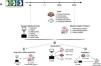
A) Our study used the ABCD study's multimodal data, which consisted of over 10,000 US adolescents aged 9–10 years. The data of SMA includes 6 types only baseline and 3-year follow-up data were included in this study. The brain imaging data includes structural and functional MRI data were acquired at the 2-year follow-up. Mental health problems, including behavioral and stress-related symptoms, were assessed using the parent-reported Child Behavior Checklist (CBCL) at baseline and 3-year follow-up. Only data from baseline (BL), 2-year follow-up (2YFU), and 3-year follow-up (3YFU) were used in the final analyses; 1-year follow-up (1YFU) data were excluded. B) For each type of SMA and overall SMA, we examined the associations between usage time and mental health data and brain data. C) Bidirectional longitudinal associations between SMA and mental health problems were examined for each type of SMA and overall SMA, using a two-wave cross-lagged panel model (SMA and CBCL measured at baseline and 3-year follow-up). D) For each type of SMA and overall SMA with effects, we examined if neural correlates related to SMA mediated the effects of SMA on behavioural and stress disorders.
Data were obtained from the ABCD project of the National Institute of Mental Health National Data Archive (Casey et al., 2018; Volkow et al., 2018). The data of release 4.0 included 11,878 youths from 21 sites in the United States. Baseline data was collected between 2017 and 2018, during which adolescents were 9–10 years old. Longitudinal data at the 2-year follow-up and 3-year follow-up were also used in our analysis (Fig. 1A).
Imaging preprocessingIn the ABCD dataset, MRI data were collected by three 3T scanners from two different manufacturers with the following key imaging parameters: TR = 2500 ms (Siemens Prisma and General Electric 750) or 6.31 ms (Philips), TI = 1060 ms, flip angle = 128, voxel size =1 mm3, acquisition matrices = 256 × 256 (Casey et al., 2018). Raw imaging data were preprocessed by the ABCD Data Acquisition and Integration Core using FreeSurfer v5.3.0 with standardised pipelines (Hagler Jr et al., 2019). The team also conducted quality control on the processed images. Subjects were excluded from analyses if they had a severe problem(s) in one or more of the following quality control criteria: motion, intensity inhomogeneity, white-matter underestimation, pial overestimation, and/or magnetic susceptibility artefacts (Hagler Jr et al., 2019). For T1-weighted structural images, cortical regions were segmented into 68 distinct regions using the Desikan-Killiany' cortical atlas (Desikan et al., 2006) and subcortical regions were delineated into 40 subregions following the algorithms from Fischl et al. (2002). For resting-state fMRI, post-processed time series were resampled onto the cortical surface regions, which were then divided into four sensory networks and eight neurocognitive networks using the Gordon atlas (Gordon et al., 2016) and 10 subcortical regions using Freesurfer’s anatomically segmentation atlas (Fischl et al., 2002).
MeasuresScreen media activityTo capture the usage of SMA, we used the data collected from the self-reported ABCD Youth Screen Usage Questionnaire at three time points: baseline, 2-year follow-up, and 3-year follow-up. This questionnaire captures the time people spend on six distinct types of SMA (TV, video games, texting on a phone or tablet, video viewing, video chat, and social media) during weekdays and weekends, respectively. The 14-item Screen Usage Questionnaire was used at the baseline and 1-year follow-up. Starting from the follow-up two years after the baseline (2-year follow-up), SMA data were collected using an updated Screen Usage Questionnaire. This updated questionnaire additionally captures information regarding mobile phone ownership, social media account credentials, online dating status, and the types of video games played on top of screen time (Bagot et al., 2022).
SMA Data collected from the 2-year follow-up were standardized as the baseline and 1-year follow-up data. For instance, in the survey conducted from the 2-year follow-up and onwards, screen time spent in single-player and multiplayer video games was assessed separately. We combined the time reported in these two types of video games so that only the sum spent on video games was reported. Some variables from the updated Screen Usage Questionnaire were excluded from our analysis. To substantiate, screen time spent on photo/video editing and internet browsing was excluded because this information was not collected in other time points. We computed the weighted screen time spent on weekdays and weekends for different types of SMA separately as an indicator of the weekly average SMA time. The formula for computing such a measure is adapted from Nagata et al. (2021) and is:

The weekly average of SMA time across media types was calculated using the following formula:
Mental health measures
The severity of mental health problems was assessed by the parent-reported Child Behaviour Checklist (CBCL, Achenbach, 1991; Achenbach et al., 2003).We focused on three types of mental health problems in this study: internalizing problems, externalizing problems, and stress problems. We used the sex- and age-normed t scores for each type of mental health problem. Syndromes of internalizing problems captured by CBCL included anxious/depressed feelings, withdrawn/depression and somatic complaints. Rule breaking and aggressive behavior encompassed the syndrome profile of externalizing problems. Stress problem includes syndromes such as engagements in arguments, poor concentration, mood change and defiance. Higher t-scores indicate greater severity of mental health problems.
Brain structural developmentTo capture the structural development of the brain, four morphological features were extracted from structural MRI in cortical regions, including surface area, thickness, and grey matter volume as well as and the gray matter volume in subcortical regions. A total of 68 grey matter volumes from cortical regions and 17 grey matter volumes from subcortical regions (bilateral hippocampus, amygdala, caudate, putamen, pallidum, nucleus accumbens, ventral diencephalon, thalamus proper, and brainstem) were used in the analysis.
Brain functional developmentResting-state functional connectivity (RSFC) was used to reflect the functional development of the brain. For the RSFC between- or within-cortical networks, a total of 78 RSFCs were reported among networks in the cortical area (12 within- and 66 between-network RSFC). There were 120 RSFCs generated between cortical networks and subcortical regions. Two coefficients were available to independently reflect the connection involving a subcortical region, with one for the subcortical region in each hemisphere. Therefore, for the RSFC involving a subcortical region, we averaged the strength obtained across hemispheres, leaving only one coefficient to indicate the strength of the connection between a cortical network and a subcortical region.
Statistical analysisOur main analysis consisted of four parts: 1) the predictability of baseline SMA on mental health problems; 2) the predictability of baseline SMA on the brain’s structure and function; 3) the causal influence between SMA and mental health problems; 4) brain’s mediating role in the SMA-mental health relationship. We utilized data from three assessment points (baseline, 2-year, and 3-year follow-ups) in our analyses. In all four analyses, we focused on the weekly average of SMA across media types, which was the weekly SMA time (general). In addition to the main analysis, further analyses examining the same four types of relationships using media-specific SMA time were conducted.
Predicting mental health problems with baseline SMAA 3-level linear mixed model was employed to examine the relationship between SMA time and mental health problems. Specifically, we assessed the predictive effects of baseline weekly average SMA time (general) on internalizing, externalizing, and stress problems reported at the 3-year follow-up. One model for each type of mental health problem (internalizing, externalizing, and stress) was constructed, resulting in three linear mixed models in total. Fixed effect includes the effect of age, gender, race, household income, parental education and pubertal level. Random effect includes site and family nested within each site.
Predicting brain’s structure and function with baseline SMATwo other linear mixed models were used to examine the relationship between SMA time (general) and the brain. One model examined the relationship between SMA time (general) and the brain’s structure; another examined the relationship between total SMA and the brain’s function (RSFC). For structural brain outcomes, the predictor was the weekly average SMA time (general) at baseline, and the outcomes were morphological measures at the 2-year follow-up. In addition to all the fixed effects mentioned in the SMA-mental health relationship, intracranial volume was also included as a fixed effect. Random effects include the scanner type, and all random effects mentioned in the SMA-mental health section.
For the relationship between SMA and the brain's function, weekly average of SMA time (general) at the baseline was the predictor and RSFC at the 2-year follow-up was the outcome. The fixed effect includes all effects mentioned in the SMA-mental health section, with an additional effect from the mean framewise displacement. Random effects also include the scanner type, and all the random effects mentioned in the SMA-mental health relationship.
Longitudinal relationships between SMA and mental health problemsWe used a two-wave cross-lagged panel model to study the longitudinal effect of SMA on mental health problems. To substantiate, SMA at the baseline was used to predict both the SMA and mental health problems at a 3-year follow-up. Additionally, mental health condition at the baseline was used to predict both the SMA and mental health problems at the 3-year follow-up. We used R package lavvan (Rosseel, 2012) and performed the cross-lagged panel model using R 4.3.2 in R studio (R Core Team, 2023).
The weekly average of SMA (general) at 3-year follow-up was calculated based on four (video games, texting on a phone or tablet, video chat, social media) instead of six types of SMA as hours spent on TV- and video watching were missing in the 3-year follow-up.
Brain’s mediating role in the SMA-Mental health relationshipMediation analysis was performed using the Mediation Toolbox (Wager et al., 2008, 2009) in MATLAB R2022b. We performed 10,000 bootstraps after regressing out the fixed effects mentioned in total SMA-mental health relationship and total SMA-brain relationship, including age, gender, race, household income, parental education and pubertal level. We explicitly controlled for different assessment time points by using baseline SMA as the predictor, brain measures from the 2-year follow-up as mediators, and mental health outcomes from the 3-year follow-up as outcomes. To facilitate the interpretation of effect sizes, all variables (SMA, brain measures, and mental health outcomes) were standardized prior to analysis. Therefore, all β coefficients reported from the mediation analyses represent standardized effect sizes. Following standard interpretation guidelines (Cohen, 2013), we consider effect sizes of 0.10–0.29 as small, 0.30–0.49 as medium, and ≥ 0.50 as large.
Multiple comparisons arising from the large number of brain connectivity pathways tested across multiple brain regions were rigorously controlled using Benjamini-Hochberg False Discovery Rate (FDR) corrections. Specifically, FDR correction was applied separately to the p-values from each mediation path (PathA, PathB, PathC’, PathC, and PathA*PathB) across all tested structural and functional brain features, maintaining a false discovery rate of 0.05. The predictor in the mediation analysis was total SMA at baseline, the outcome was mental health problems reported at the 3-year follow-up, and the mediator was the brain’s functional and structural development at the 2-year follow-up. Separate mediation analysis was performed to examine the distinct mediating role of the brain’s function (RSFC) and structure (morphology) on the total SMA-mental health relationship.
Media-specific analysisIn addition to the main analysis, we performed further analyses that examined the same four types of relationships with media-specific SMA time instead of general SMA time. To substantiate this, we further examined the predictability of baseline SMA on mental health problems and the brain's structure and function with linear mixed models, the causal influence between SMA and mental health problems with cross-lagged panel models, and the brain's mediating role in the SMA-mental health relationship with media-specific SMA time.
For the causal relationship between each type of SMA and mental health problems, we wanted to examine such a relationship among all six types of SMA (TV watching, video watching, video games, texting on a phone or tablet, video chat, social media). However, hours spent on TV- and video-watching were missing in the self-report updated Screen Usage Questionnaire at the 3-year follow-up. Therefore, for the casual relationship between each type of SMA and mental health problems, we used media-specific SMA at the baseline and at the 2-year follow-up, in addition to mental health problems at the baseline and at the 2-year follow-up.
All tests performed in this study (linear mixed model, cross lagged panel model, mediation analysis) were two-sided. We controlled for multiple comparison by Benjamini-Hochberg FDR correction with a false discovery rate of 0.05 in all types of analyses.
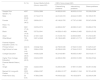
ResultSample characteristicsAfter excluding adolescents whose data were missing for at least one time point, we included 4557 adolescents (mean age = 9.955±0.164 years at baseline) in this study. Among all adolescents, 2107 (46.21 %) were female. Table 1 shows screen media activity and CBCL scores have no significant differences in sex, ethnicity, household income, parental marital, and parental education at baseline
Demographic characteristics for baseline.
Results from the linear mixed model revealed a significant and positive relationship between baseline SMA time (general) and mental health problems three years later. Higher baseline SMA time was associated with a higher severity of internalizing problems (β = 0.041, pfdr = 0.011), externalizing problems (β = 0.058, pfdr <0.001), and stress problems (β = 0.068, pfdr < 0.001).
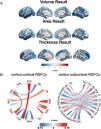
SMA at baseline predicted future structural and functional changes in the brainAs shown in Fig. 2A, all features reflecting the brain’s morphology at the 2-year follow-up were significantly associated with the baseline SMA time. To substantiate, there was a negative relationship between baseline SMA time and total brain volume (β = −0.038, pfdr <0.001), brain surface mean thickness (β = −0.036, pfdr =0.018), and brain surface total area (β= −0.030, pfdr <0.001). For the association between each brain region’s morphological status and SMA, please see Table S1 in the Supplement.
![The association results between SMA and brain developmental pattern. A. The association between SMA usage and brain morphology, including cortical volumes, area and thickness. Only significant brain regions are displayed in colour. B. Left is the associations between SMA and RSFCs among 12 cortical networks [auditory network (AN), visual network (VN), sensorimotor hand network (SHN), sensorimotor mouth network (SMN), cingulo-opercular network (CON), cingulo-parietal network (CPN), dorsal attention network (DAN), default mode network (DMN), fronto-parietal network (FPN), retrosplenial temporal network (RTN), salience network (SN), ventral attention network (VAN)]. Right is the associations between SMA and cortico-subcortical RSFCs [10 subcortical regions including cerebellum cortex (Crcx), thalamus (Tha), Hippocampus (Hip), amygdala (Amg), Putamen (Pt), pallidum (Pl), caudate (Cde), nucleus accumbens (NAc), ventral diencephalon (Vtcd) and brainstem (BS)]. (pfdr < 0.05).](https://static.elsevier.es/multimedia/16972600/0000002500000003/v2_202510270535/S169726002500047X/v2_202510270535/en/main.assets/gr2.jpeg?xkr=ue/ImdikoIMrsJoerZ+w997EogCnBdOOD93cPFbanNensa1rW+zY7MJT+xyAusAd1eWSWVsld5nw/a67MxcQhONrtIClogDsvAOARrArSx1899OaOLJo8eXUOASptlDEdVl/PpMrcK/r3Rlp3fvYkRS/LGVuL2reApQTd6GS4Po24SA8t5Tlq/ES1mWR7LUcnyiS77gy7/jSgicN9WOk0i2XGGMVn3DVpKuTN1PWeDdfzH1Pq+5qKaVmBR7xPCSR3kruQIb7Juqsd7Nm+IeUjnP2vtd9dY54iiE3uXQnhfU= "The association results between SMA and brain developmental pattern. A. The association between SMA usage and brain morphology, including cortical volumes, area and thickness. Only significant brain regions are displayed in colour. B. Left is the associations between SMA and RSFCs among 12 cortical networks [auditory network (AN), visual network (VN), sensorimotor hand network (SHN), sensorimotor mouth network (SMN), cingulo-opercular network (CON), cingulo-parietal network (CPN), dorsal attention network (DAN), default mode network (DMN), fronto-parietal network (FPN), retrosplenial temporal network (RTN), salience network (SN), ventral attention network (VAN)]. Right is the associations between SMA and cortico-subcortical RSFCs [10 subcortical regions including cerebellum cortex (Crcx), thalamus (Tha), Hippocampus (Hip), amygdala (Amg), Putamen (Pt), pallidum (Pl), caudate (Cde), nucleus accumbens (NAc), ventral diencephalon (Vtcd) and brainstem (BS)]. (pfdr < 0.05).")
The association results between SMA and brain developmental pattern. A. The association between SMA usage and brain morphology, including cortical volumes, area and thickness. Only significant brain regions are displayed in colour. B. Left is the associations between SMA and RSFCs among 12 cortical networks [auditory network (AN), visual network (VN), sensorimotor hand network (SHN), sensorimotor mouth network (SMN), cingulo-opercular network (CON), cingulo-parietal network (CPN), dorsal attention network (DAN), default mode network (DMN), fronto-parietal network (FPN), retrosplenial temporal network (RTN), salience network (SN), ventral attention network (VAN)]. Right is the associations between SMA and cortico-subcortical RSFCs [10 subcortical regions including cerebellum cortex (Crcx), thalamus (Tha), Hippocampus (Hip), amygdala (Amg), Putamen (Pt), pallidum (Pl), caudate (Cde), nucleus accumbens (NAc), ventral diencephalon (Vtcd) and brainstem (BS)]. (pfdr < 0.05).
Regarding the association between baseline SMA and the brain’s function, a total of 51 types of RSFC were significantly correlated with baseline SMA. Specifically, 34 types of RSFC were negatively associated with baseline SMA time, and 17 types of RSFC were positively associated with baseline SMA time. As shown in Fig. 2B, RSFC negatively associated with baseline SMA time included four cortical RSFC connections and 30 cortical-subcortical RSFC connections. RSFC that were positively associated with baseline SMA time involved five cortical connections and 12 cortical-subcortical connections. The most frequently involved networks in these connections were the ventral attention network (VAN), and the most frequently involved subcortical regions were the caudate, putamen, pallidum, and amygdala. The strongest negative correlates of SMA time, as measured by Pearson r, were the RSFC within the CON and the RSFC between the RTN and the brainstem, which was −0.121 and −0.123, respectively. The strongest positive correlate of SMA was the RSFC between the CON and RTN (r = 0.105).
The longitudinal influence of SMA on mental health problemsOverall, SMA time at baseline was positively associated with internalizing problems (β = 0.030, SE= 0.012, pfdr = 0.016), and stress problems (β = 0.026, SE = 0.012, pfdr = 0.037) three years later. That is, every additional hour spent on screen at baseline increased the severity of internalizing symptoms by 0.03 and stress symptoms by 0.026 three years later, as measured by CBCL. No significant association was found between baseline SMA and externalizing problems three years later (β = −0.001, SE = 0.012, pfdr = 0.900). On the contrary, mental health problems at baseline were not associated with future SMA. This was true for externalizing problems (β = 0.026, SE = 0.014, pfdr = 0.065), internalizing problems (β = 0.012, SE = 0.014, pfdr = 0.400), and stress problems (β = 0.004, SE = 0.014, pfdr = 0.764).
Mediating role of the brain in the SMA-mental health relationshipThe RSFC between the CON and the RTN partially mediated the association between SMA and both externalizing and stress problems. For externalizing problems, SMA at baseline was negative associated with CON–RTN RSFC at year 2 (Path A: β = −0.057, pfdr = 0.003), and CON–RTN RSFC was negative associated with externalizing problems at year 3 (Path B: β = −0.033, pfdr = 0.035). The indirect effect (Path AB) was significant (β = 0.002, pfdr = 0.0416, indicating a small but significant mediation. However, the direct effect (Path C′) remained significant (β = 0.676, pfdr <0.001), suggesting partial—not full—mediation. A similar pattern was observed for stress problems. SMA at baseline was negative associated with CON–RTN RSFC at year 2 (Path A: β = −0.057, pfdr = 0.002), which in turn was positive associated with stress problems at year 3 (Path B: β = 0.055, pfdr = 0.003). The indirect effect was significant (Path AB: β = –0.003, pfdr = 0.022), and the direct effect of SMA on stress remained significant (Path C′: β = 0.054, pfdr <0.001), again supporting partial mediation. Effect sizes of significant mediation pathways were small, with indirect effects ranging from β = 0.015 to –0.003. Full effect size estimates and confidence intervals are provided in Tables 2 and 3. No significant mediation was found for internalizing problems via RSFC, as none of the tested connectivity paths met the threshold for statistical significance after FDR correction.
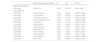
Direct effects of screen time behaviors through brain developmental patterns.
*AN, auditory network; CPN, cingulo-parietal network; CON, cingulo-opercular network; RTN,retrosplenial temporal network; DMN, default mode network; SHN, sensorimotor hand network; SMN, sensorimotor mouth network; VN, visual network (pfdr of both path A and path B < 0.05). All β coefficients are standardized regression coefficients and can be interpreted as effect sizes.
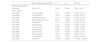
Indirect effects of screen time behaviors through brain developmental patterns.
*AN, auditory network; CPN, cingulo-parietal network; CON, cingulo-opercular network; RTN, retrosplenial temporal network; DMN, default mode network; SHN, sensorimotor hand network; SMN, sensorimotor mouth network; VN, visual network (pfdr of both path A and path B < 0.05). All β coefficients are standardized regression coefficients and can be interpreted as effect sizes.
Regarding the SMA’s differential effect in predicting mental health problems, baseline screen time on TV and video-watching, texting, and social media was found to be predict mental health problems three years later. To substantiate, time spent on TV watching predicted more future externalizing problems (β = 0.054, pfdr <0.001), whereas time spent on video watching predicted the severity of all types of mental health problems three years later (internalizing: β = 0.061, pfdr <0.001; externalizing: β = 0.033, pfdr = 0.035; stress problems: β = 0.060, pfdr <0.001). Baseline screen time spent on texting predicted more future stress problems (β = 0.051, pfdr =0.003), and baseline screen time spent on social media predicted more internalizing problems (β = 0.032, pfdr =0.038), externalising problems (β = 0.055, pfdr = 0.001), and stress problems (β = 0.055, pfdr =0.001).
Regarding SMA’s differential effect on predicting the structural and functional changes in the brain, video watching had the strongest influence on future changes in the brain, followed by texting, video chatting, game playing, and TV watching. Specifically, video watching predicted changes in 22 RSFC connections. Longer hours spent in video watching were also associated with volume changes in bilateral inferior temporal cortex, left inferior temporal cortex, and left lateral orbitofrontal, area changes in left inferior and middle temporal cortex and thickness changes in bilateral rostral middle frontal cortex, left entorhinal cortex, right frontal pole, bilateral putamen and left thalamus proper. For the full result of SMA’s differential effect, please refer to Table S2 in the Supplement.
Regarding the causal influence between media-specific SMA and mental health problems, time spent on video-watching at the baseline led to more internalizing problems two years later (β = 0.019, SE = 0.011, pfdr = 0.085) whereas time spent on video chat at the baseline led to less internalizing problems in the future (β = −0.021, SE = 0.011, pfdr = 0.069). Furthermore, time spent on TV-watching at the baseline led to more externalizing problems two years later (β = 0.019, SE = 0.011, pfdr = 0.079).
Mental health problems at baseline also had a causal influence on future media-specific SMAs. Specifically, internalizing problems at the baseline led to more video-watching (β = 0.026, SE = 0.013, pfdr = 0.044) and game-playing (β = 0.027, SE = 0.013, pfdr = 0.043) activities two years later. Moreover, externalizing problems at the baseline led to longer SMA time in TV-watching (β = 0.056, SE = 0.014, pfdr < 0.001), video-watching (β = 0.040, SE = 0.013, pfdr = 0.003), game playing (β = 0.044, SE = 0.013, pfdr < 0.001), texting (β = 0.038, SE = 0.014, pfdr = 0.005), and social media (β = 0.037, SE = 0.014, pfdr = 0.007). Stress problems at the baseline casually led to more video-watching (β = 0.033, SE = 0.013, pfdr = 0.012) and game playing (β = 0.035, SE = 0.013, pfdr = 0.009) activities two years later.
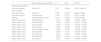
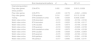
As shown in Table 4 and Table 5, RSFC between the CON and the RTN partially mediated the relationship between game playing and both externalizing and stress problems. The indirect effect from game playing to externalizing problems via CON–RTN RSFC was β = 0.002, 95 % CI [0.0013, 0.0026], pfdr = 0.030, while the indirect effect on stress problems was β = –0.003, 95 % CI [–0.0041, –0.0024], pfdr = 0.018. These effect sizes, although small, were statistically significant and reflect the mediating influence of CON–RTN RSFC in these associations.
Direct effects of different types of screen time behaviors through brain developmental patterns.
*AN, auditory network; CPN, cingulo-parietal network; CON, cingulo-opercular network; RTN retrosplenial temporal network; DMN, default mode network; SHN, sensorimotor hand network; SMN sensorimotor mouth network; VN, visual network (pfdr of both path A and path B < 0.05). All β coefficients are standardized regression coefficients and can be interpreted as effect sizes.
Indirect effects of different types of screen time behaviors through brain developmental patterns.
*AN, auditory network; CPN, cingulo-parietal network; CON, cingulo-opercular network; RTN retrosplenial temporal network; DMN, default mode network; SHN, sensorimotor hand network; SMN sensorimotor mouth network; VN, visual network (pfdr of both path A and path B < 0.05). All β coefficients are standardized regression coefficients and can be interpreted as effect sizes.
Beyond the CON–RTN pathway, other brain connectivity features also served as mediators of media-specific SMA. For example, CON–putamen RSFC significantly mediated the association between game playing and stress problems (β = 0.014, pfdr = 0.004), while RSFCs involving the brainstem, caudate, and pallidum significantly mediated the relationship between online video watching and stress problems, with standardized indirect effects ranging from β = –0.045 to –0.013. For texting, SHN–cerebellum–cortex RSFC showed a positive mediation effect on stress problems (β = 0.005, pfdr = 0.034). All β coefficients represent standardized estimates and thus may be interpreted as effect sizes. The direction and magnitude of these effects highlight the differentiated brain mechanisms underlying distinct types of SMA in relation to adolescent externalizing and stress-related symptoms.
DiscussionThe current study investigated the long-term impacts of screen media use on adolescent mental health and explored the mediating role of structure and functional brain connectivity in the association between screen media use and mental health problems. Using the ABCD longitudinal dataset, we found that higher SMA predicted more internalizing and stress problems among adolescents in a three-year window. The functional connectivity between the cingulo-opercular and the retrosplenial temporal networks partially mediated the relationship between SMA and externalizing and stress problems but not internalizing problems.
The longitudinal effects of SMA on mental health problemsIn this study, we found that SMA had a long-term effect on future internalizing and stress problems but not externalizing problems. SMA’s long-term influence on internalizing problems is expected, as the relationship between SMA and anxiety and depression, two representative internalizing problems, has already been found (Gunnell et al., 2016; K.M. Kim et al., 2020; Maras et al., 2015). However, recent systematic reviews highlight substantial inconsistencies and methodological variability across longitudinal studies, indicating that the long-term relationships between screen time and internalizing symptoms remain unclear or weaker than previously assumed (Tang et al., 2021). Furthermore, poor stress regulation in the form of heightened sympathetic activation and cortisol dysregulation has been reported in previous studies, hence supporting the correlation that we found between SMA and stress problems (Lissak, 2018). Unlike the previous meta-analysis regression that included 150,000 adolescents (Eirich et al., 2022), we did not find a significant relationship between SMA and future externalizing problems with the linear mixed model. According to their findings, the correlation between SMA and externalizing problems was weaker when computed based on parents’ instead of observer and peers’ reports. Furthermore, several research studies have found that externalizing problems stabilize as children age, implying that SMA has no causal influence on externalizing problems despite their connections . Additionally, it was proposed that SMA's influence on externalizing problemsstems from sleep disorders (Guerrero et al., 2019; Nagata et al., 2023; Riehm et al., 2019), and hence their relationships could remain undetectable in the absence of sleep problems as an important confound. Lastly, it is important to note that although our cross-lagged panel model provides valuable insights into reciprocal associations between SMA and mental health problems, the observational nature of our data limits the ability to conclusively establish causality. Unmeasured confounding variables (e.g., parental monitoring, peer influence, or genetic predisposition) could potentially bias these associations, highlighting the necessity of caution when interpreting directional and causal relationships. Nonetheless, the cross-lagged model offers some insights into the reciprocal relationships between SMA and mental health problems.
Despite the small effect sizes observed in our correlations, these findings are consistent with recent large-scale neuroimaging research suggesting robust brain–behavior associations at modest magnitudes. For example, Marek et al. (2022) demonstrated that even in studies with thousands of participants, effect sizes for brain-behavior links frequently fall below β = 0.10 yet remain statistically meaningful and reproducible. This highlights the importance of interpreting effect sizes within the context of large developmental datasets like ABCD, where subtle neural mechanisms may still hold substantial explanatory power over time. Our findings show that higher SMA levels predicted increased internalizing and stress problems over a three-year period. We acknowledge that the broader literature reflects nuanced and sometimes inconsistent patterns. For example, Li et al. (2025), using a nationally representative longitudinal UK dataset, found that screen time was significantly associated with adolescents’ depressive and anxiety symptoms in cross-sectional analyses. However, these associations did not persist in longitudinal models after accounting for baseline symptoms and covariates. This contrast between short-term and long-term effects underscores the complexity of interpreting screen time influences on youth mental health. By incorporating functional brain connectivity into a longitudinal framework, our study extends previous research by offering a neurodevelopmental account of how emotionally engaging digital environments may shape later behavioral and emotional outcomes. Future research should continue to explore these mechanisms while considering individual differences, contextual moderators, and the evolving nature of digital media.
Differential mediating role of brain structure and function in the SMA-mental health relationshipAlthough our hypotheses were informed by previous literature suggesting that the SN and DMN might mediate the relationship between SMA and adolescent mental health problems (Wang et al., 2017; Chang & Lee, 2024), these networks did not emerge as significant mediators in our analyses. Instead, the RSFC between the CON and RTN uniquely accounted for both externalizing and stress-related symptoms, with a particularly strong direct effect observed in this pathway (β = 0.676). This suggests a more direct influence of SMA on behavioral outcomes via this circuit. The CON, as part of the brain’s dual-network architecture for top-down control (Dosenbach et al., 2008), is implicated in sustained attention, task-set maintenance, and salience attribution (Palaniyappan & Liddle, 2012; Sadaghiani & D’Esposito, 2015). Although often considered functionally related to the broader SN, the CON in our study specifically reflects connectivity among particular frontal and opercular regions, rather than the canonical SN as a whole. Prior developmental studies have indicated that these frontal-opercular regions mature relatively late, with cognitive control capacities continuing to develop into late adolescence and early adulthood (Fair et al., 2007; Luna et al., 2015). Thus, adolescents might be especially vulnerable to overstimulation or dysregulation from emotionally charged digital experiences due to the ongoing maturation of these regulatory systems. Meanwhile, the RTN, which overlaps anatomically with regions such as the posterior cingulate and retrosplenial cortices, has been implicated in self-referential processing, contextual memory, and affective integration (Spreng et al., 2013; Vogt & Laureys, 2005), functions that may underlie its role in translating emotionally salient screen-based content into behavioral outcomes. While retrosplenial and posterior cingulate regions are frequently associated with the DMN (Andrews-Hanna et al., 2010; Buckner et al., 2008), the RTN as defined here does not directly correspond to the canonical DMN examined in our analyses. Instead, our results suggest a more specific, context-dependent interaction between CON and RTN regions, distinct from the general DMN–SN connectivity. Future studies should investigate these finer-grained regional interactions to better understand their unique contributions to SMA and adolescent mental health.
Our findings indicate that connectivity within the CON–RTN network positively mediates the relationship between screen media use and externalizing problems. The positive mediating effect of CON–RTN RSFC on SMA’s influence on future mental health problems suggests that abnormal integration between attention-control and emotion-processing systems may serve as a mechanistic pathway from SMA to behavioral and emotional difficulties in adolescence. This interpretation is consistent with the Dual Systems Model, which provides a developmental framework for understanding how reward-seeking tendencies in adolescents may interact with the immature cognitive control system in the context of emotionally engaging digital environments. While our analysis did not directly assess the emotional or reward-related nature of SMA, previous research suggests that many forms of SMA—such as gaming, video watching, and social media—are designed to provide immediate gratification and emotionally engaging content (He et al., 2017; Paulus et al., 2019) Although the functional role of the CON–RTN circuit in the context of SMA remains less clearly defined in existing literature, regions implicated in this network, including the anterior cingulate cortex (ACC), dorsolateral prefrontal cortex, and retrosplenial cortex, have been individually associated with attention, self-regulation, and emotional processing (Guiote et al., 2023; Vann et al., 2009). We cautiously propose that heightened demands from stimulating screen content might influence the connectivity of these regions, potentially impairing adolescents’ regulatory mechanisms and thus contributing to increased externalizing problems. Further targeted studies directly examining the functional properties of the CON–RTN network are necessary to confirm these hypotheses.
Interestingly, while the CON-RTN network also plays a role in regulating emotional responses to stressors, it might have a buffering effect when it comes to screen media exposure which may provoke emotional reactions (Yue et al., 2022). Although hippocampal structures were not the focus of our analysis, prior neurofeedback research has shown that the parahippocampal gyrus—an anatomical component of the RTN—is actively involved in emotion regulation (Zhu et al., 2019), further supporting the RTN’s role in integrating affective information and regulating responses to emotionally salient stimuli. These functional characteristics of the CON and RTN align with prior findings showing their altered connectivity in externalising problems (Karcher et al., 2021) and stress-related dysregulation (Gold et al., 2015).
We did not find the mediating effect of any type of RSFC on the internalising problem-SMA relationship. Internalizing disorders, such as anxiety and depression, are typically characterized by inward-focused behaviors, making them harder to detect through general observation and the effects tend to be even weaker and less discernible among healthy individuals. Prior seed-based analysis often relied on specific “seeds” or targeted measures to identify internalizing symptoms due to their less overt nature (Pawlak et al., 2022). In our study, we used the processed RSFC metrices from the ABCD study, which did not zoom into any previously targeted seeds. The effect of RSFC was thereby captured at the network level, instead of regional level, hence might weaken our chance detecting the mediating effect of RSFC on the internalizing-SMA relationship. Contrary to our hypothesis, brain structure did not mediate the relationship between SMA and mental health problems among adolescents despite SMA’s direct effect on the brain. This result was rather unexpected because the thalamus-prefrontal-cortex-brainstem circuitry was found to mediate SMA and future internalizing problems (Zhao et al., 2023), and thus structural changes within this circuitry might also mediate SMA’s influence on future mental health problems. A potential reason is that regional structural changes in the brain may take longer to manifest than functional circuitry changes, making it less likely to observe mediation effects within the study’s timeframe. Furthermore, individual differences in brain maturation rates and the specific developmental trajectory of brain structures might reduce the detectability of SMA’s structural mediation effect on mental health (Foulkes & Blakemore, 2018). It should also be noted that SMA was self-reported by children aged 9–10, while mental health problems were assessed through parent-reported CBCL. Although this reduces shared method bias, it may introduce informant variance.
SMA’s differential effect on mental health problemsAmong the different types of SMA, the linear mixed model revealed a positive and longitudinal relationship between stress problems and two subtypes of SMA: TV watching and game playing. TV watching tends to be a passive activity, where individuals consume content without actively engaging with it. This passivity might result in limited cognitive stimulation and reduced opportunities for emotional processing or problem-solving. Research shows that passive media consumption can lead to rumination or avoidance coping mechanisms linked to increased stress over time (Primack et al., 2009). When individuals are engaged in SMA, such as TV watching, they tend to remain seated. The hours spent in indoor activities such as SMA would reduce opportunities for social interaction and physical activity, two protective factors against externalizing behaviors (Zimmerman & Bell, 2010). Interestingly, video watching not only predicted externalizing problems but also internalizing and stress problems two years later. This implies that video watching has a general and pervasive impact on adolescent mental health. This might be due to the interactive nature of video platforms (e.g., YouTube, Netflix), which offer personalized content to make the videos more addictive (Anderson et al., 2023). These personalized and multi-media content also could lead more intense emotional involvement, contributing to a higher cognitive load and emotional stress (Radesky & Christakis, 2016).
Crucially, the differing associations between RSFC and other media forms like texting, video chatting, and gaming reflect the varying cognitive demands and emotional stimuli these activities impose, which may differently affect adolescent mental health. We found a robust association between video watching and changes in the brain's structure and function. Video watching had the strongest association with future changes in RSFC of the brain, suggesting that prolonged exposure may induce neural changes, particularly in brain areas related to emotion regulation and attention control (Horowitz‐Kraus & Hutton, 2018).
Informant discrepancies in measurement of SMA and mental healthWhile the ABCD dataset includes both youth-reported and parent-reported measures of SMA (Bagot et al., 2022), we focused on youth-reported SMA for both theoretical and methodological reasons. First, empirical evidence suggests that children and adolescents are more accurate reporters of their own screen use, particularly for device-based activities occurring in private settings or outside parental oversight (Radesky et al., 2020). Parent-reported estimates of screen time tend to underestimate actual usage, especially for individualized or mobile media consumption, such as video streaming or social media engagement (Domoff et al., 2019). Thus, youth-reported SMA is likely to more precisely capture the frequency, type, and context of digital media engagement that are directly relevant to brain development and mental health outcomes. Moreover, using youth-reported SMA and parent-reported mental health outcomes (via the CBCL) allows us to minimize shared method variance, a known confound in behavioral research where correlations may be artificially inflated if both predictor and outcome variables stem from the same informant (Podsakoff et al., 2003). This multi-informant strategy strengthens the internal validity of the observed associations, particularly in large-scale observational studies like ABCD. However, we acknowledge that informant discrepancies may also introduce unique variance that attenuates effect sizes. For example, youth may over-report or under-report media use due to recall limitations or social desirability, while parents may fail to detect internalized symptoms such as anxiety or sadness that are less overt (De Reyes & Kazdin, 2005).
Taken together, while our approach attempts to balance the strengths and weaknesses of multi-informant data, future studies should integrate objective screen monitoring (e.g., device-logged data) or real-time ecological assessments to triangulate findings and reduce measurement error. These enhancements could clarify the true magnitude of the association between SMA and mental health and support the development of more targeted interventions.
Overall, our findings underscore the complexity and context-dependent nature of neural mechanisms associated with digital media use. Our study highlights a nuanced mediating role of CON–RTN connectivity in SMA and adolescent mental health. These findings also suggest several potential directions for early intervention research. For example, mindfulness-based programs have shown promising effects in improving adolescents’ attention regulation and emotional resilience (Zenner et al., 2014). In parallel, parent-guided interventions—such as co-viewing, screen media rules, or emotion coaching—could support adolescents in better interpreting and managing emotionally charged digital content (Nathanson, 2001; Padilla-Walker et al., 2012).
LimitationsThis study, though longitudinal in design, remains correlational in nature. While we examined temporal associations between SMA, brain development, and mental health using cross-lagged panel models and mediation analyses, we did not control for environmental and psychosocial variables such as academic achievement and peer pressure, which are known to shape adolescent emotional and cognitive development (S. Kim et al., 2020; Stepanous et al., 2023). Without accounting for such confounding factors, no causal inferences should be drawn from these findings. The timing and structure of data collection inherent in the ABCD study further introduce methodological constraints. Although we selected baseline, 2-year, and 3-year follow-ups to examine predictive and mediating relationships, inconsistencies in data availability—such as missing video and TV screen time data at year 3—limit the precision of our modelling. Attrition over time may also introduce sample bias in longitudinal inference. Future research may consider employing designs that incorporate quasi-experimental approaches or sensitivity analyses to mitigate these limitations.
Second, SMA was assessed via adolescent self-reports beginning at age 9, a developmental period associated with limited recall accuracy. Future studies may benefit from incorporating objective screen monitoring tools or ecological momentary assessment methods to better capture adolescents’ real-time media behaviors and their neural correlates. Mental health symptoms were measured using the parent-reported CBCL, potentially subject to social desirability and perception biases. The use of different informants for predictors and outcomes introduces variability unrelated to the constructs being assessed. Moreover, while we applied Benjamini-Hochberg FDR correction to control for multiple comparisons across brain connectivity pathways, the high number of comparisons raises the possibility of both type I and type II errors. Although we attempted to reduce these risks by applying FDR correction to each mediation path across brain regions separately, caution in interpretation remains warranted.
Third, technological and contextual factors further limit generalizability. The study was based on a U.S.-representative sample, and patterns of screen use may differ significantly in non-Western or low-resource settings where access and cultural norms surrounding media vary. Moreover, specific types of screen media, such as competitive or action video games, may elicit heightened physiological arousal and stress responses (Király et al., 2023; Lobel et al., 2017), yet our SMA measures did not distinguish between game genres or content characteristics. Additionally, our SMA measures did not account for emerging technologies such as virtual and augmented reality devices, smart glasses, and other evolving digital media platforms. As adolescent engagement with these technologies grows, future research must adapt measurement tools accordingly. Effect sizes observed across most analyses were small. Although statistically significant in a large sample, these associations may not reflect practically meaningful effects and should be interpreted with restraint in clinical or policy contexts.
Lastly, due to the use of connectome data formats in the ABCD functional connectivity dataset, we were unable to isolate precise node-level connections between the CON and RTN. Future research should consider using node-level or ROI-to-ROI connectivity analyses, rather than network-averaged measures, to more precisely identify which specific subregions within the CON and RTN contribute to the observed mediating effects.
ConclusionIn conclusion, our findings provide a deeper understanding of how SMA and different types of SMA may affect adolescent brain and mental health development over time. We provided a potential brain mechanism—the RSFC between the CON and RTN—underlying the relationship between SMA and, externalising problems and stress problems. More effort is needed to identify other sources promoting internalising, externalising and stress psychopathology, particularly those suitable for preventive or therapeutic intervention targeting SMA-related mental health concerns.
FundingThis work was supported by the Research Grants Council, University Grants Committee [grant numbers 27607921], and the State Key Laboratory of Brain and Cognitive Sciences, University of Hong Kong. The funding agencies had no role in study design, data collection, and analysis, decision to publish, or preparation of the manuscript.
Declaration of generative AI in scientific writingDuring the preparation of this work the principal author used CHATGPT in order to improve writing style and check grammar and spelling. After using this tool, the authors reviewed and edited the content as needed and takes full responsibility for the content of the publication.
GlossarySMA: Screen media activity
RSFC: resting-state functional connectivity
CON: cingulo-opercular network
RTN: retrosplenial temporal network
DMN: default mode network
SN: salience network
The authors declare that they have no known competing financial interests or personal relationships that could have appeared to influence the work reported in this paper.
The authors sincerely thank Professors Benjamin Beckers and Cao Fan for their discussion on this study.