


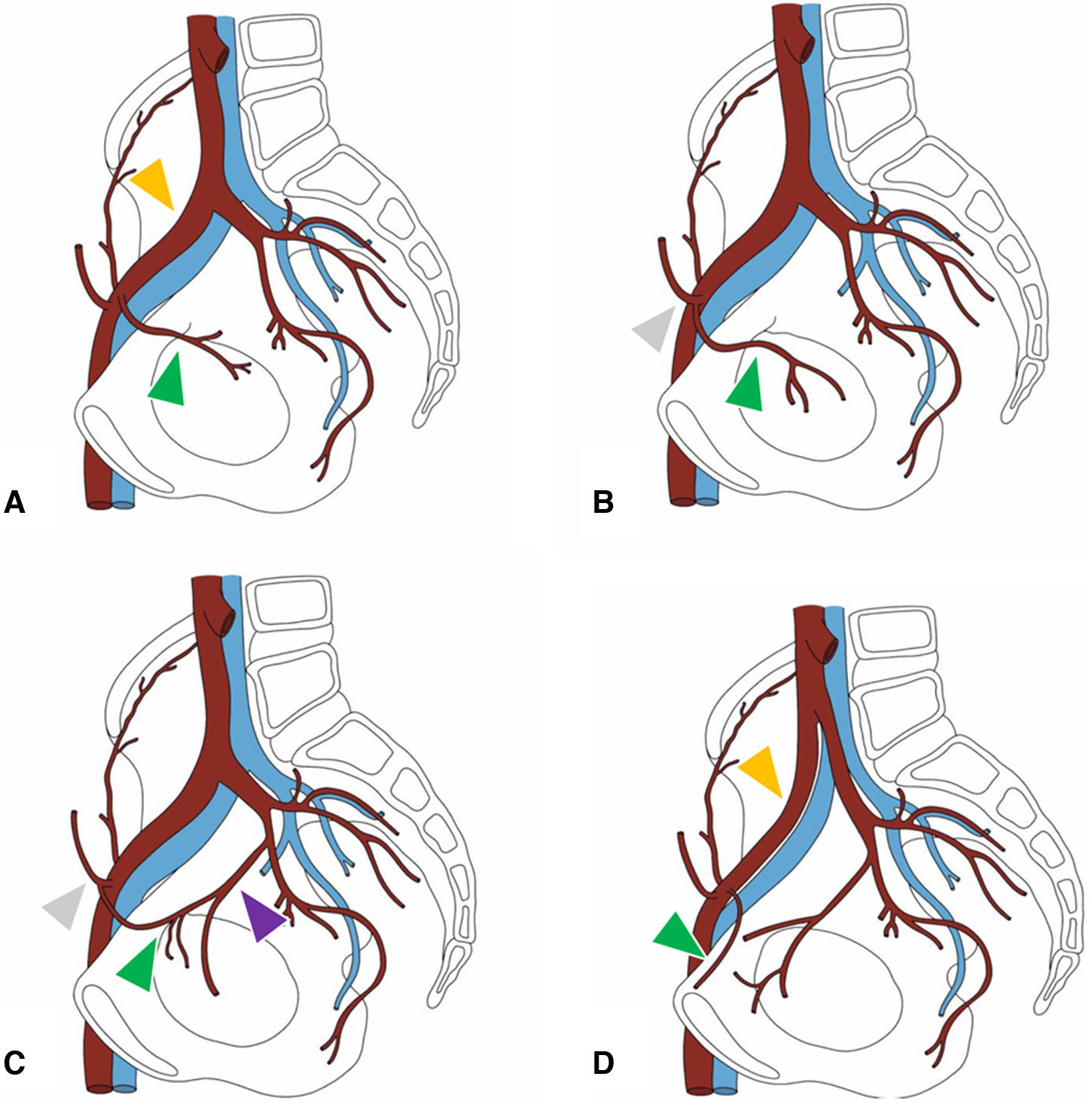
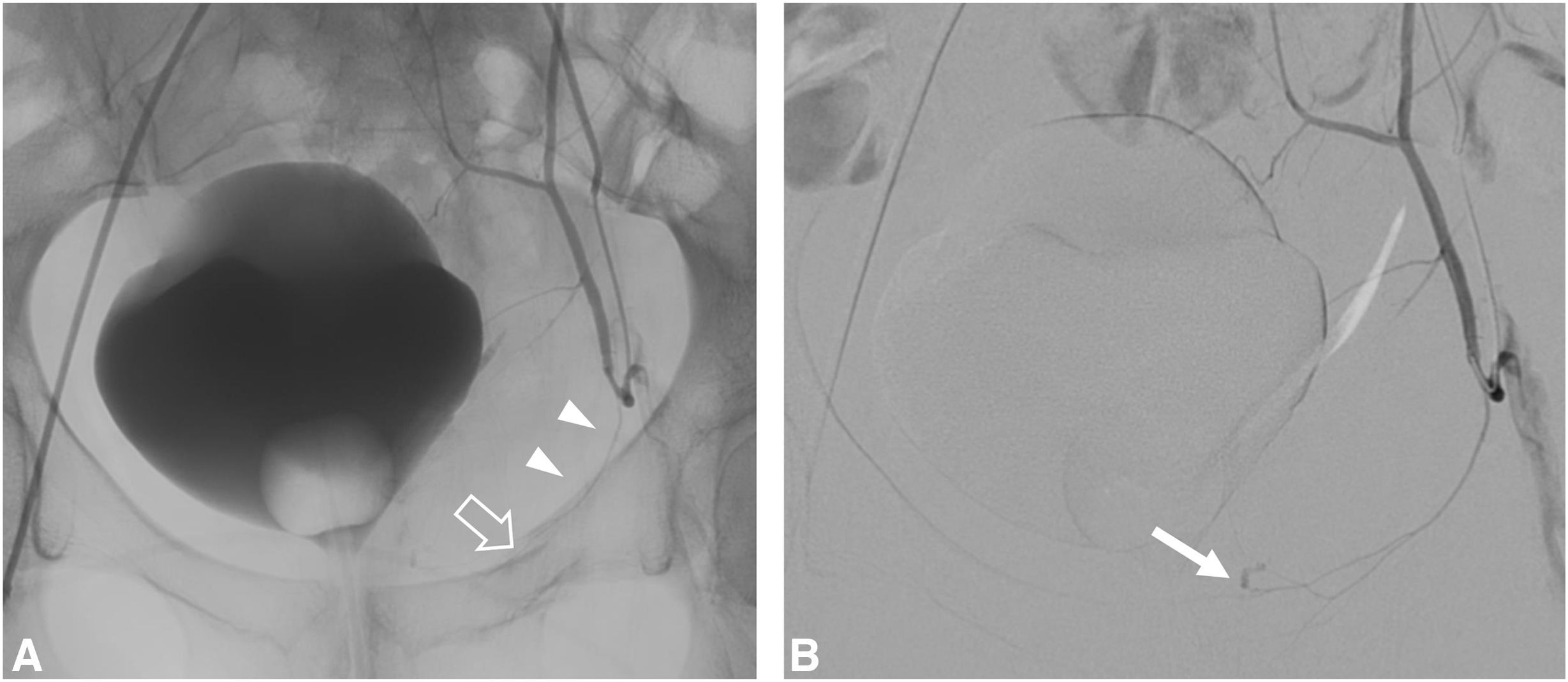
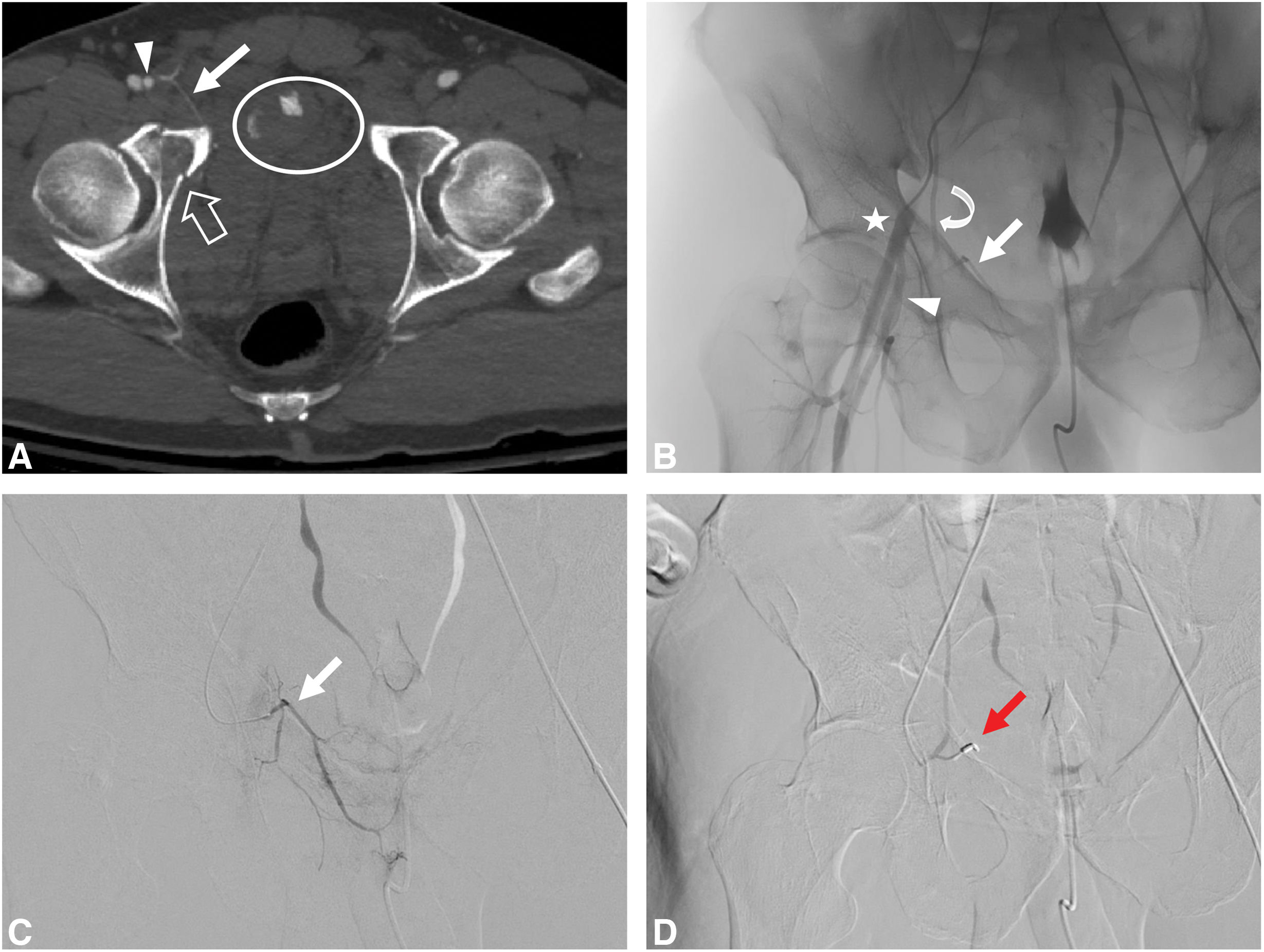
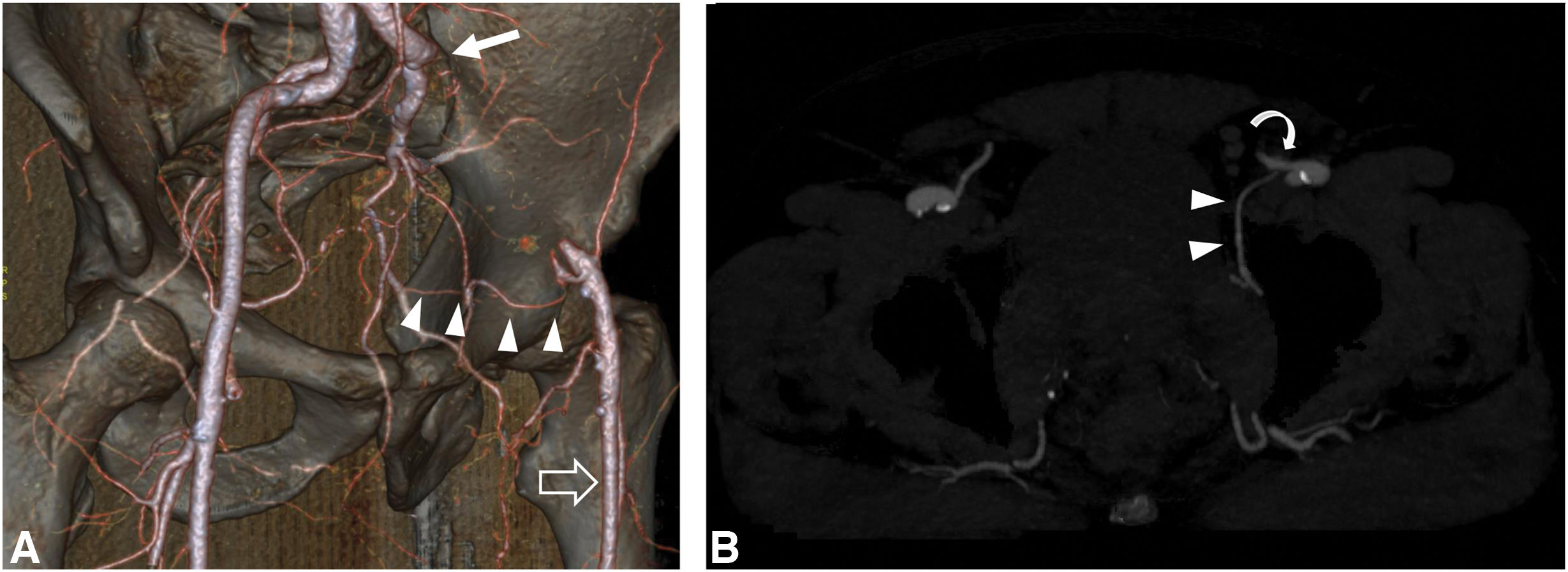
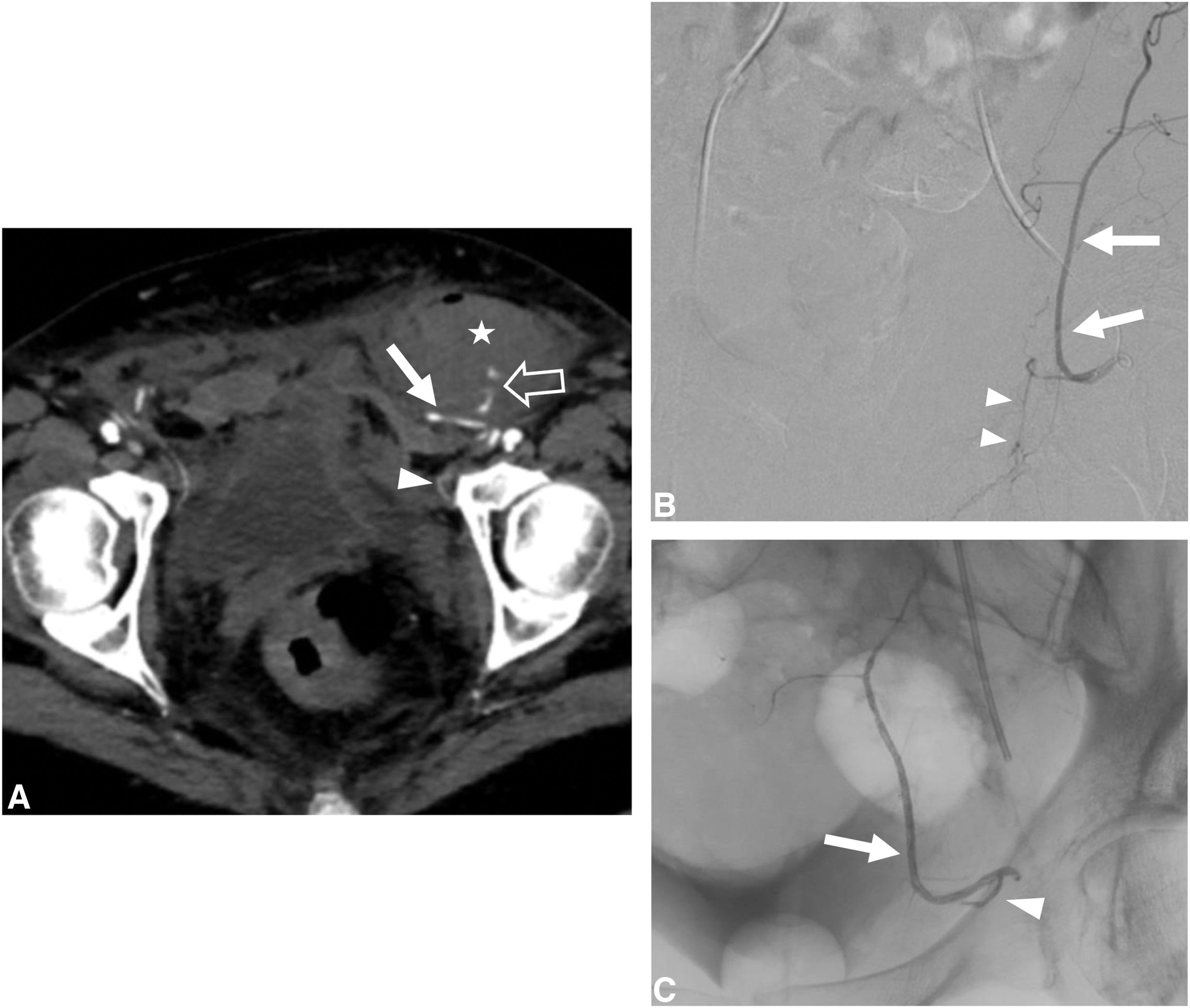
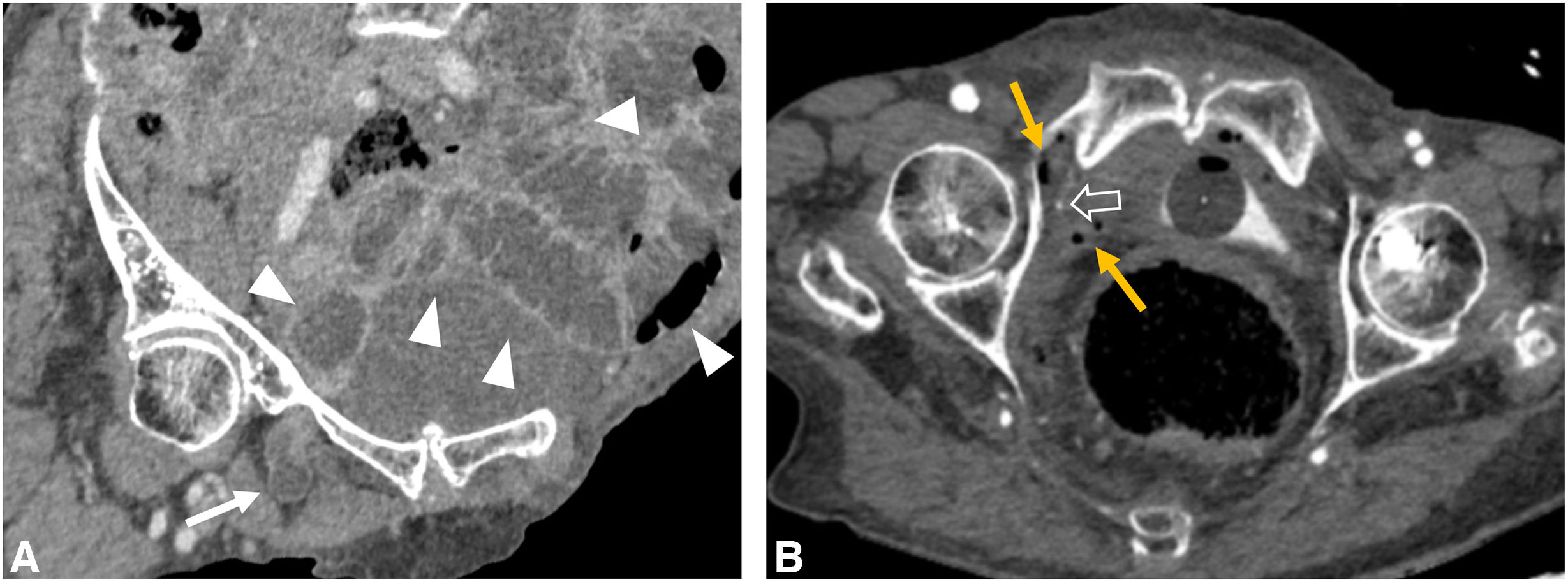
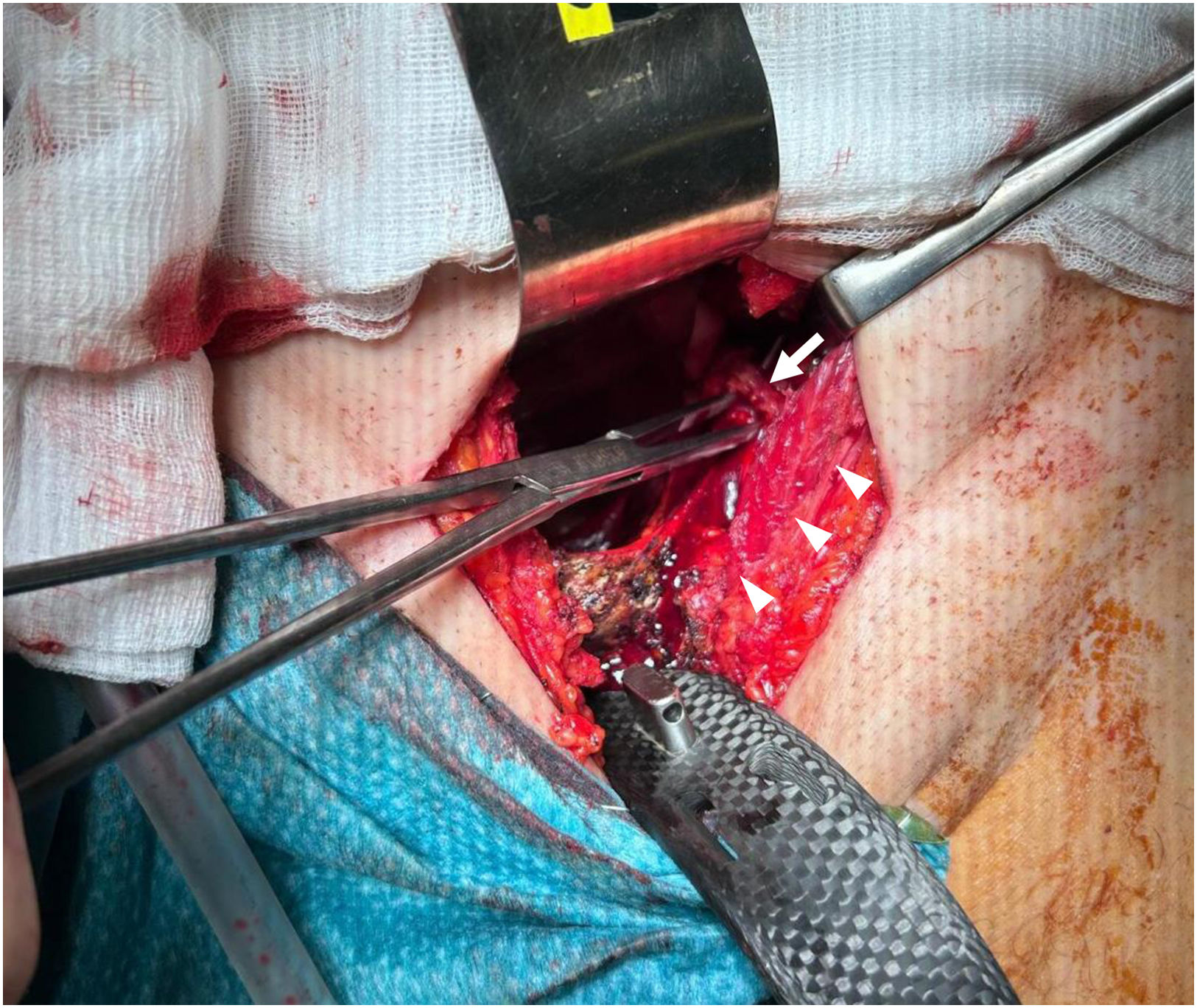
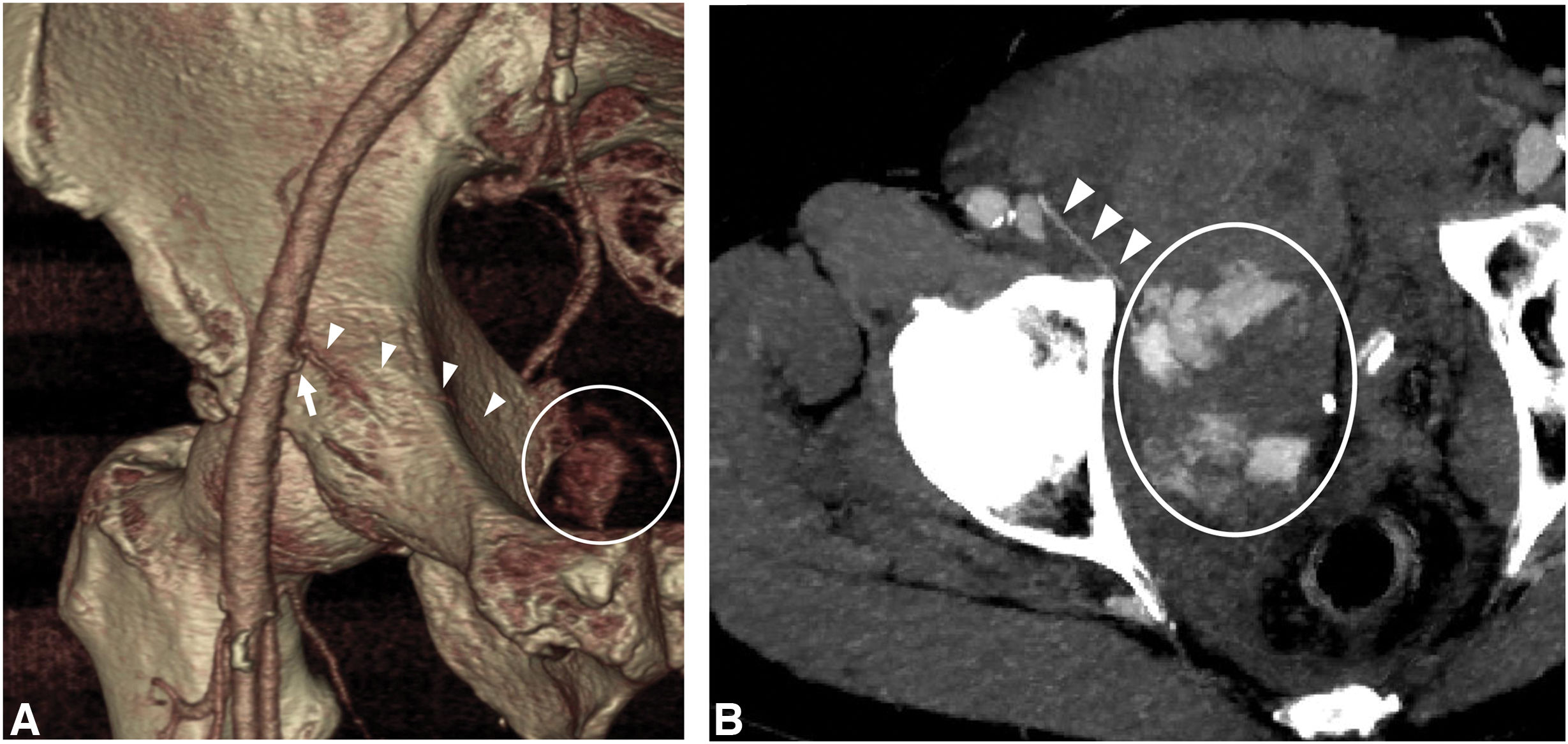
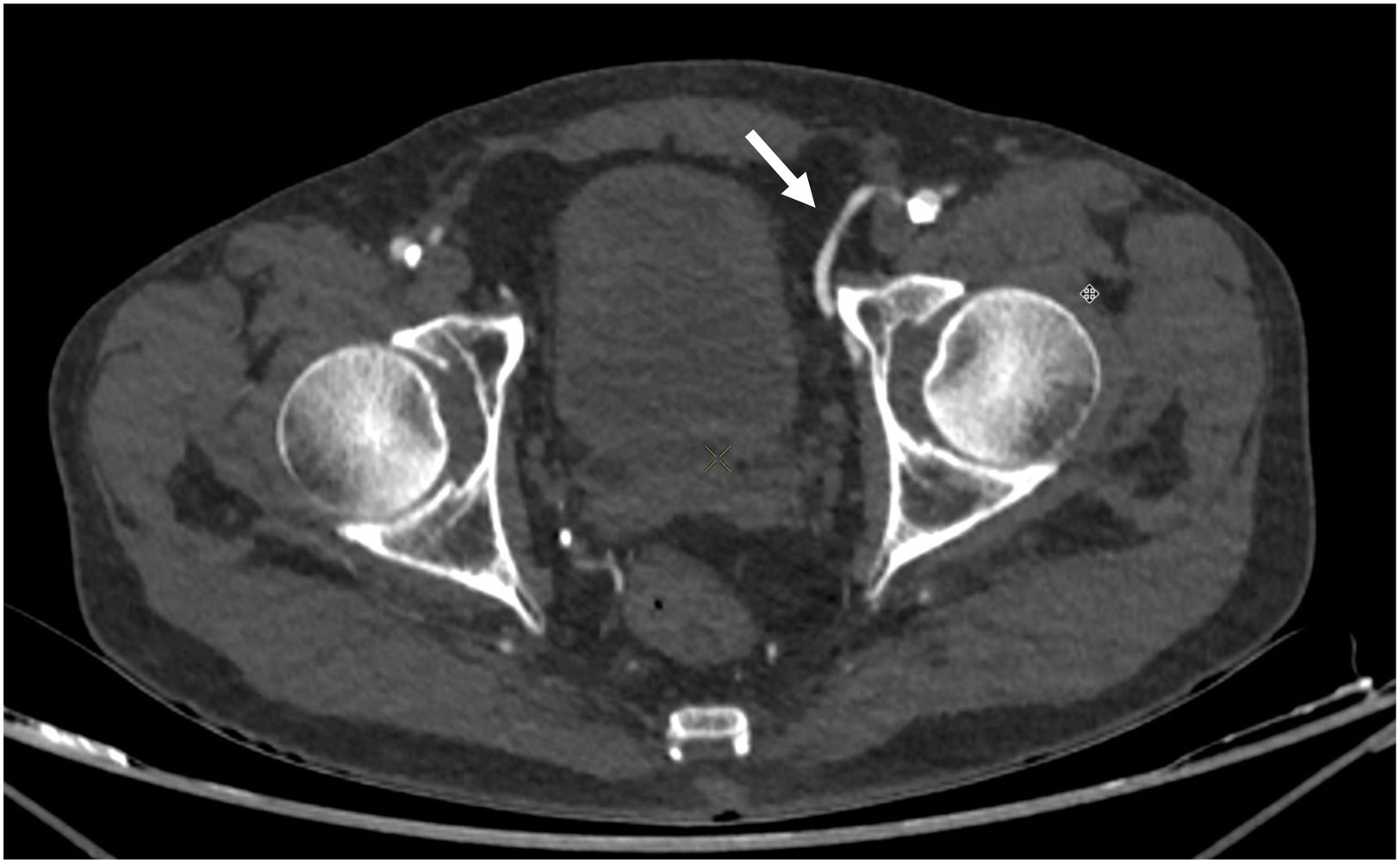
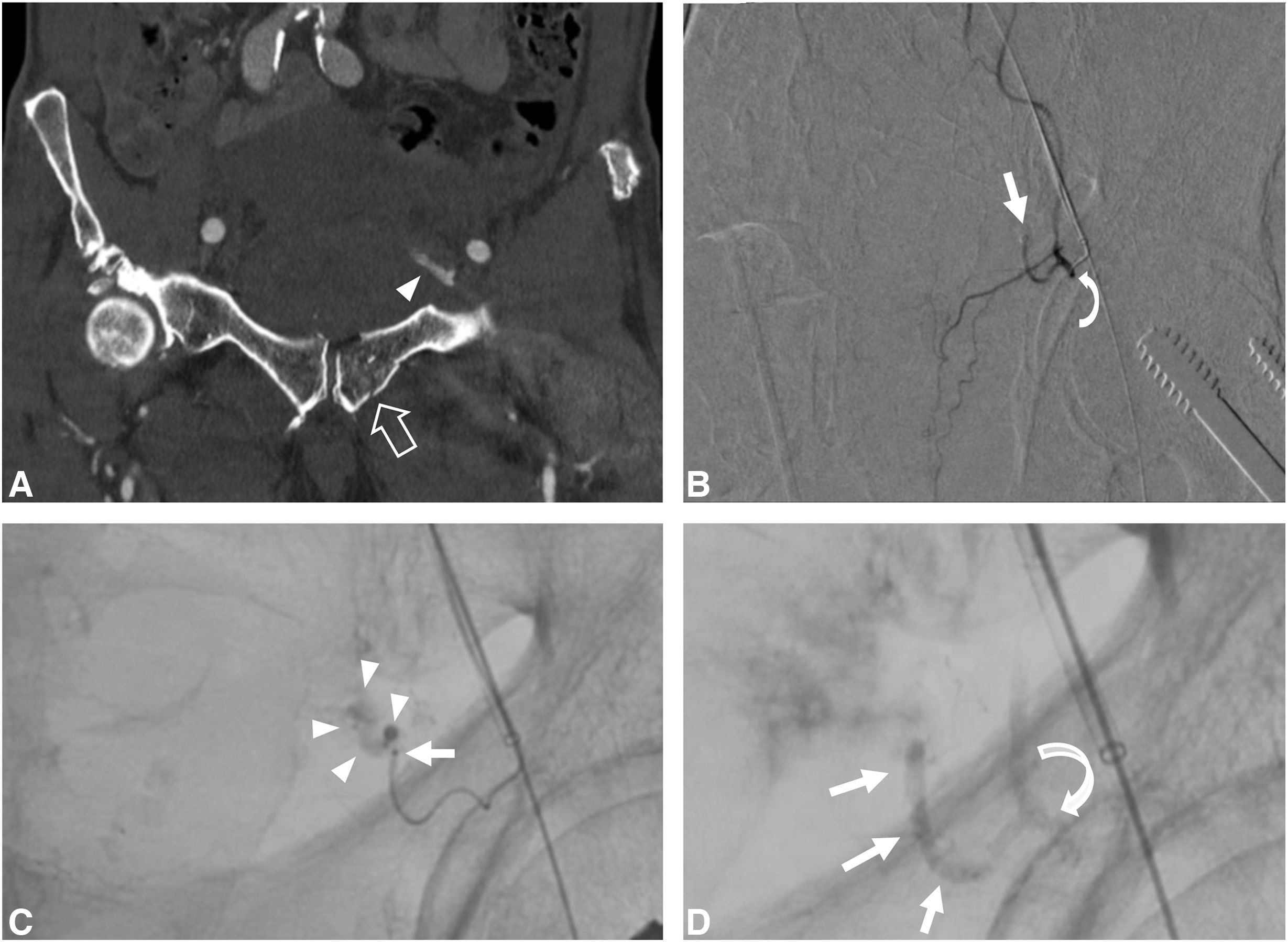
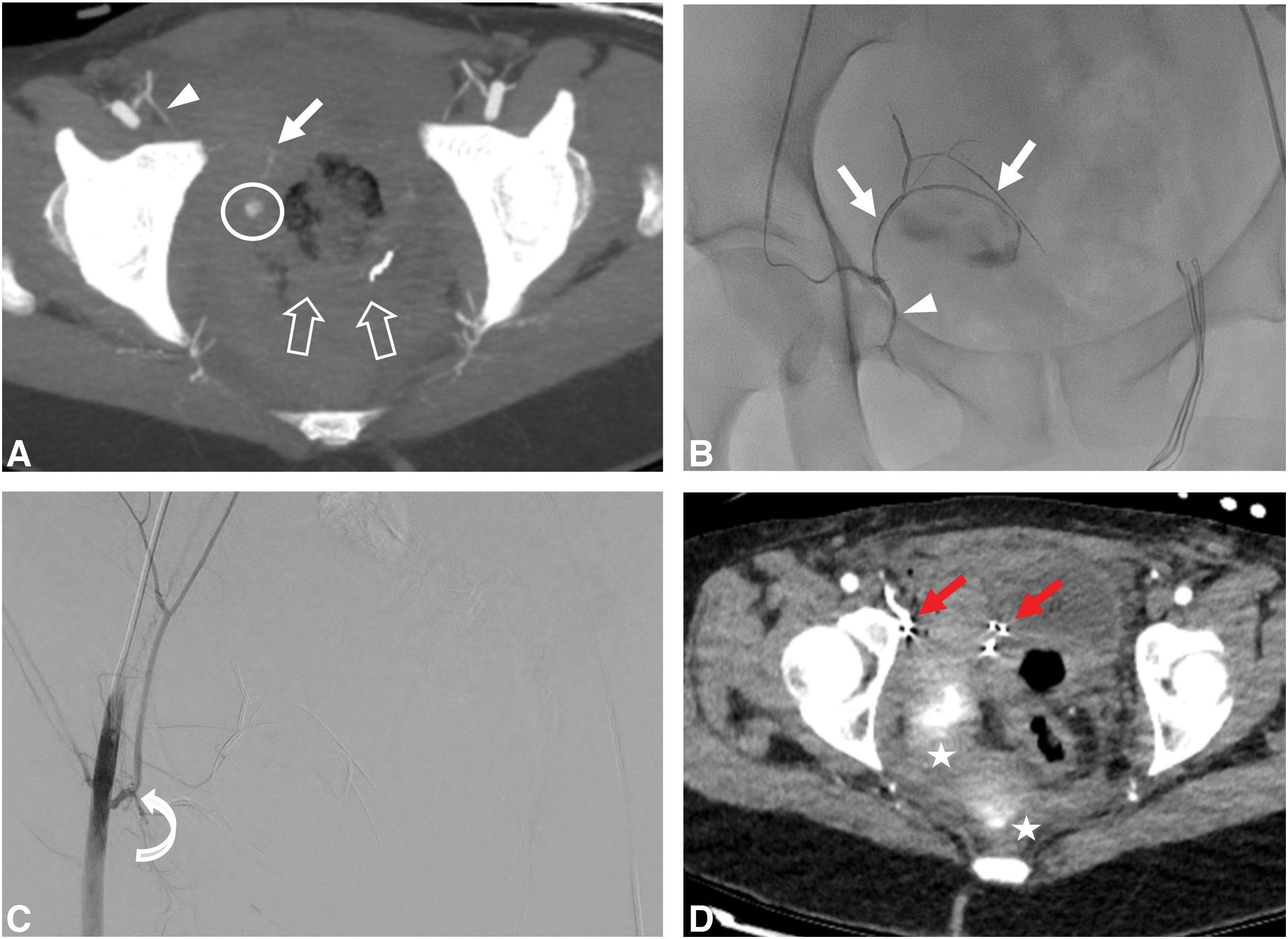
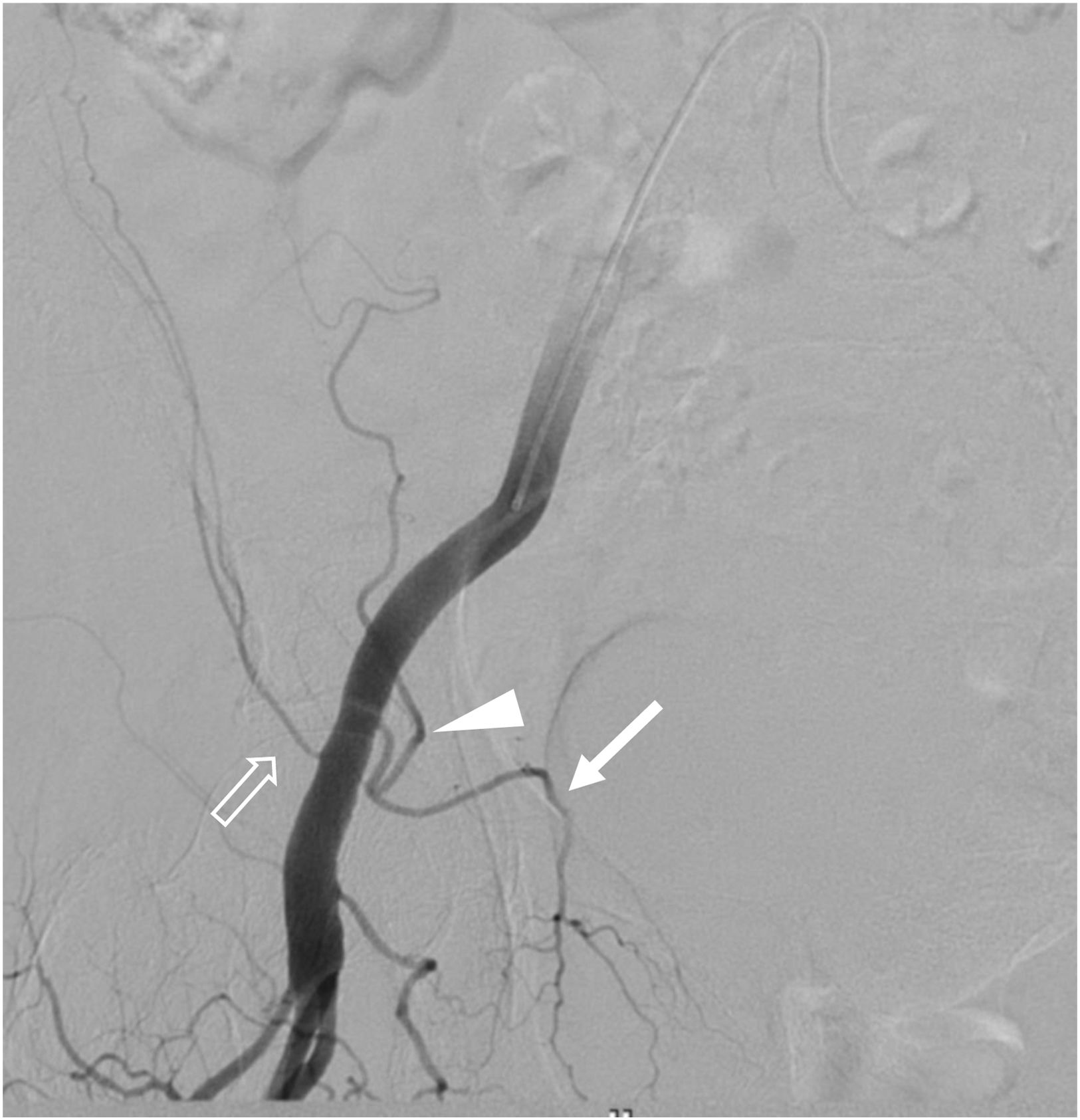
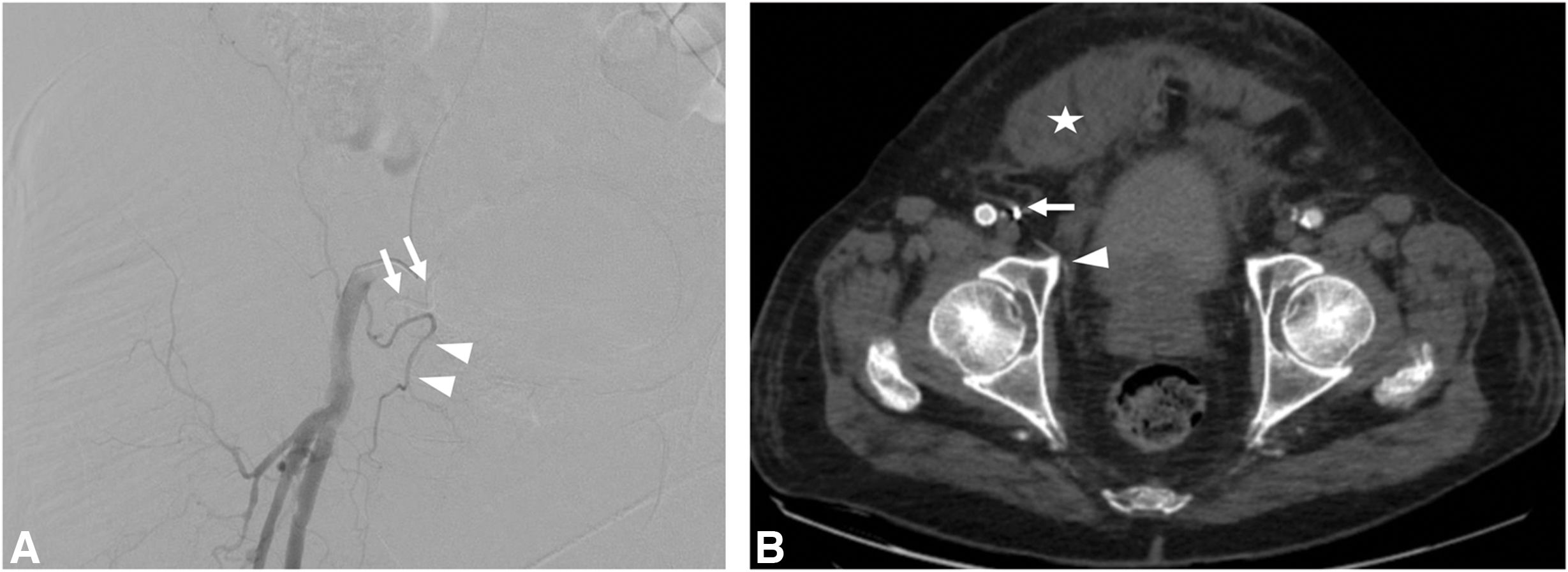
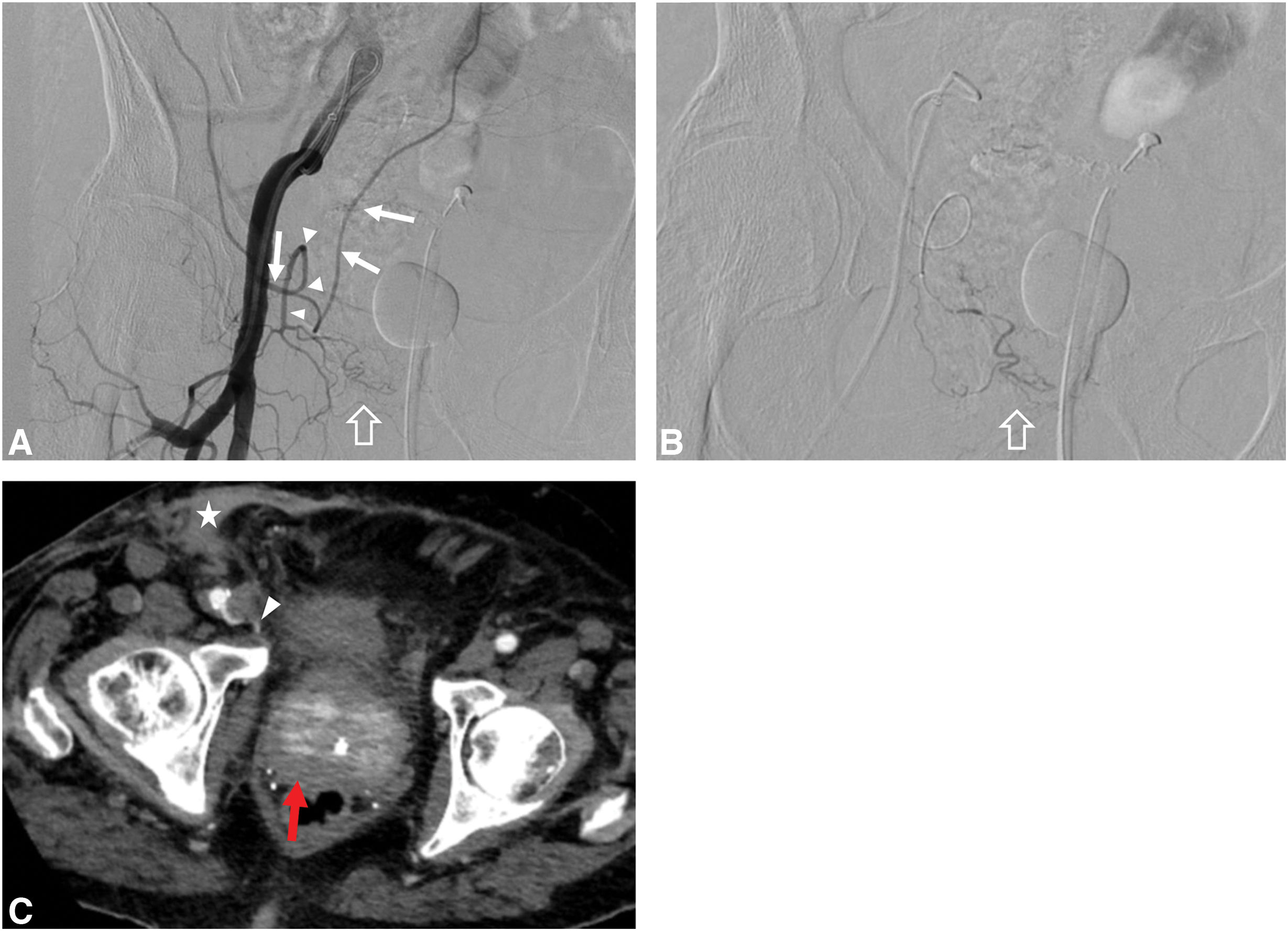
Corona mortis is a common vascular variant in the pelvis with significant clinical importance. While there is no standardised definition, the term generally refers to any anatomical situation where a vessel—either arterial or venous—crosses over the superior pubic ramus and is thus susceptible to injury. This anatomical course places it at high risk of injury in numerous clinical scenarios, including pelvic trauma and various surgical procedures. The aim of this article is to review the anatomy of arterial corona mortis using computed tomography angiography (CTA) and digital subtraction angiography and to use examples to illustrate the considerable clinical significance of this vascular variant. With its high prevalence and relevance, arterial corona stands out as the leading pelvic vascular variant. Radiologists should be familiar with its anatomy and high haemorrhagic risk, explicitly including it in radiological reports when the clinical situation means it could be of significance.
La corona mortis es una variante vascular frecuente de la pelvis, con una gran importancia clínica. Aunque no existe consenso en su definición, es un término que hace referencia a cualquier situación anatómica en la que un vaso, arterial o venoso, es susceptible de lesionarse en su recorrido al cruzar por encima de la rama iliopubiana. Este recorrido anatómico le confiere un alto riesgo de lesión en múltiples escenarios clínicos, como el trauma pélvico o diferentes procedimientos quirúrgicos. El objetivo de este artículo es revisar la anatomía de la corona mortis arterial mediante angiografía por tomografía computarizada (angio-TC) y arteriografía, e ilustrar con ejemplos la gran relevancia clínica de esta variante vascular. Por prevalencia e importancia, la corona mortis arterial puede considerarse la reina de las variantes vasculares de la pelvis. Es conveniente que el radiólogo esté familiarizado con su anatomía y alto riesgo hemorrágico, para incluirla de manera explícita en el informe radiológico en aquellas situaciones clínicas donde puede resultar crucial.


