








CAR-T therapy is indicated in patients with refractory disease who usually present comorbidities, toxicities associated with previous treatments, and disease instability. Additionally, they must travel close to the infusion center, incurring financial and psychosocial costs. Our study aims to describe the quality of life and psycho-emotional state of candidates for CAR-T therapy.
MethodsAn observational study was conducted from January to December 2022. The inclusion criteria were being 18 years or older, eligible for CAR-T therapy, and able to understand Spanish. Sociodemographic, clinical variables and Hospital Anxiety and Depression and quality of life scales were collected.
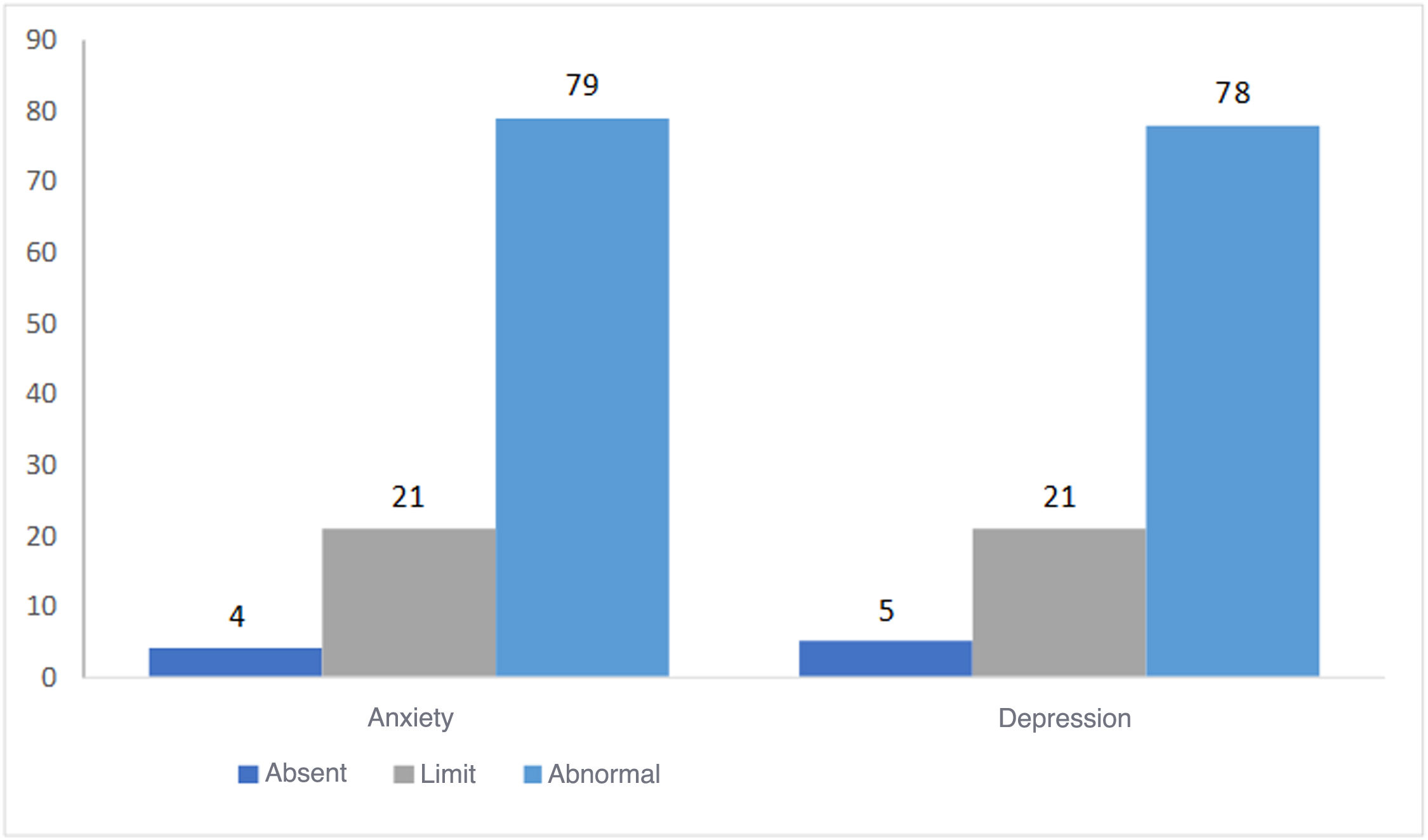
ResultsOne hundred and four participants were recruited, among them, seventy percent did not live in their usual residence. Seventy-five percent of the participants had depression, 76% anxiety, and 78% emotional function impairment. No statistically significant differences between the presence of anxiety/depression associated with not residing in their usual address (p 0.056) or receiving psychological care in their center of origin (p 0.583) were found. However, a correlation between the presence of anxiety/depression among participants referred to the psychology service by the Advanced Practice Nurse (APN) (p < 0.001) was found.
ConclusionsIn conclusion, assessing the quality of life and psycho-emotional state of candidates for CAR-T therapy with validated scales allows us to identify candidates presenting anxiety and depression with the goal of improving the management of their emotional health. The APN's role is crucial in detecting complications and facilitating early referral to the psychology team.
La terapia CAR-T está indicada en pacientes con enfermedad refractaria que suelen presentar comorbilidades, toxicidades asociadas a los tratamientos previos e inestabilidad de la enfermedad. Además, deben desplazarse cerca del centro infusor asumiendo costes financieros y psicosociales. El objetivo principal de nuestro estudio es describir la calidad de vida y estado psíquico-emocional de los candidatos a terapia CAR-T.
MétodosEstudio observacional realizado entre enero y diciembre de 2022. Los criterios de inclusión fueron: personas ≥18 años, candidatos a terapia CAR-T y con comprensión lectora del español. Se reconocieron las variables sociodemográficas, clínicas y las escalas de Ansiedad y Depresión Hospitalaria y calidad de vida.
ResultadosCiento cuatro participantes fueron reclutados. El 70% no reside en su domicilio habitual. 75% de los participantes presentaban depresión, 76% ansiedad y 78% afectación de función emocional. No hallamos diferencias estadísticamente significativas entre presencia de ansiedad/depresión asociada a no residir en su residencia habitual (p 0,056) ni en recibir atención psicológica en su centro de origen (p 0,583). Encontramos medición entre presencia de ansiedad/depresión entre los participantes derivados al servicio de psicología por la Enfermera de Práctica Avanzada (EPA) (p < 0.001).
ConclusionesPodemos concluir que evaluar con escalas validadas la calidad de vida y estado psíquico-emocional de candidatos a terapia CAR-T permite identificar a aquellos que presentan ansiedad y depresión con el objetivo de mejorar el manejo de su salud emocional. El papel de la EPA es fundamental en la detección de complicaciones y la derivación al equipo de psicología de manera precoz.

