




To evaluate and compare the health-related quality of life of parents of newborns admitted to the Neonatal Intensive Care Unit, during neonatal hospitalization and at home, and to identify the factors that influence it by analyzing sex differences.
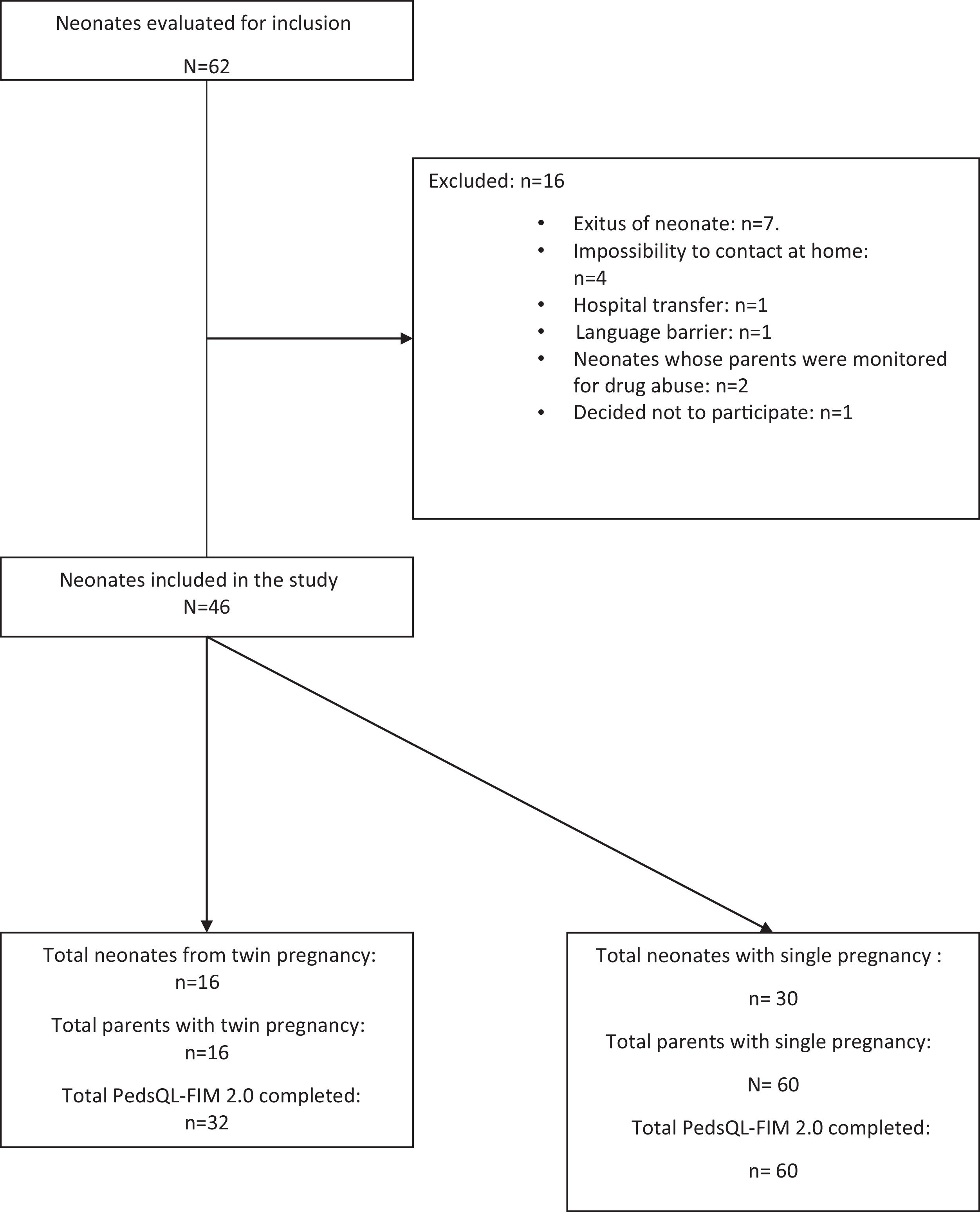
MethodObservational, prospective, and analytical study conducted with 92 parents of 46 newborns admitted to the Neonatal Intensive Care Unit. Health-related quality of life was assessed using the PedsQL-FIM 2.0 questionnaire at three different time points. Sociodemographic variables of the parents and clinical data of the newborns, including the use of medical devices, were recorded. The study was approved by the Ethics Committee, and statistical analysis was performed using the Jamovi® v.2.3.13 software.
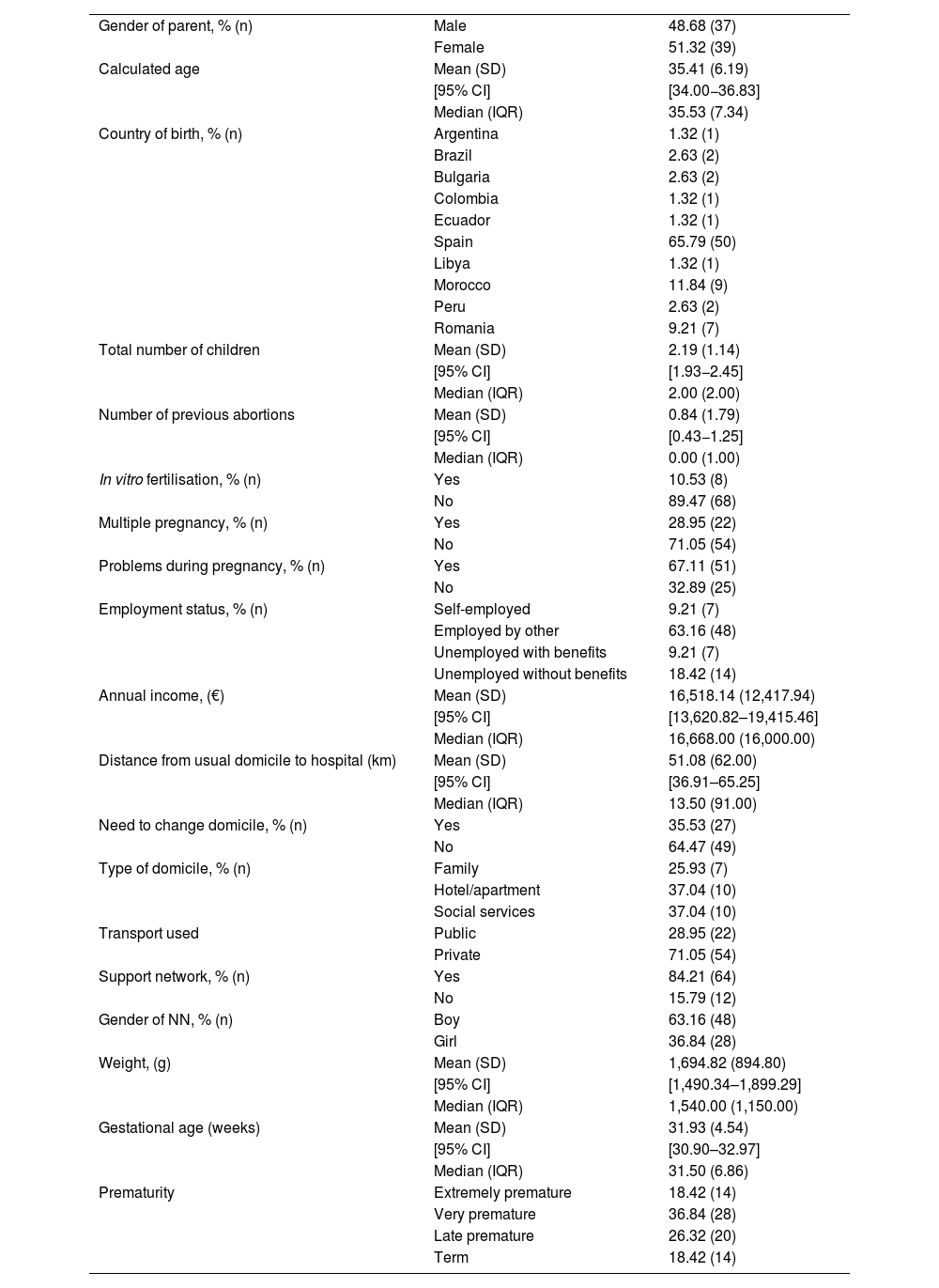
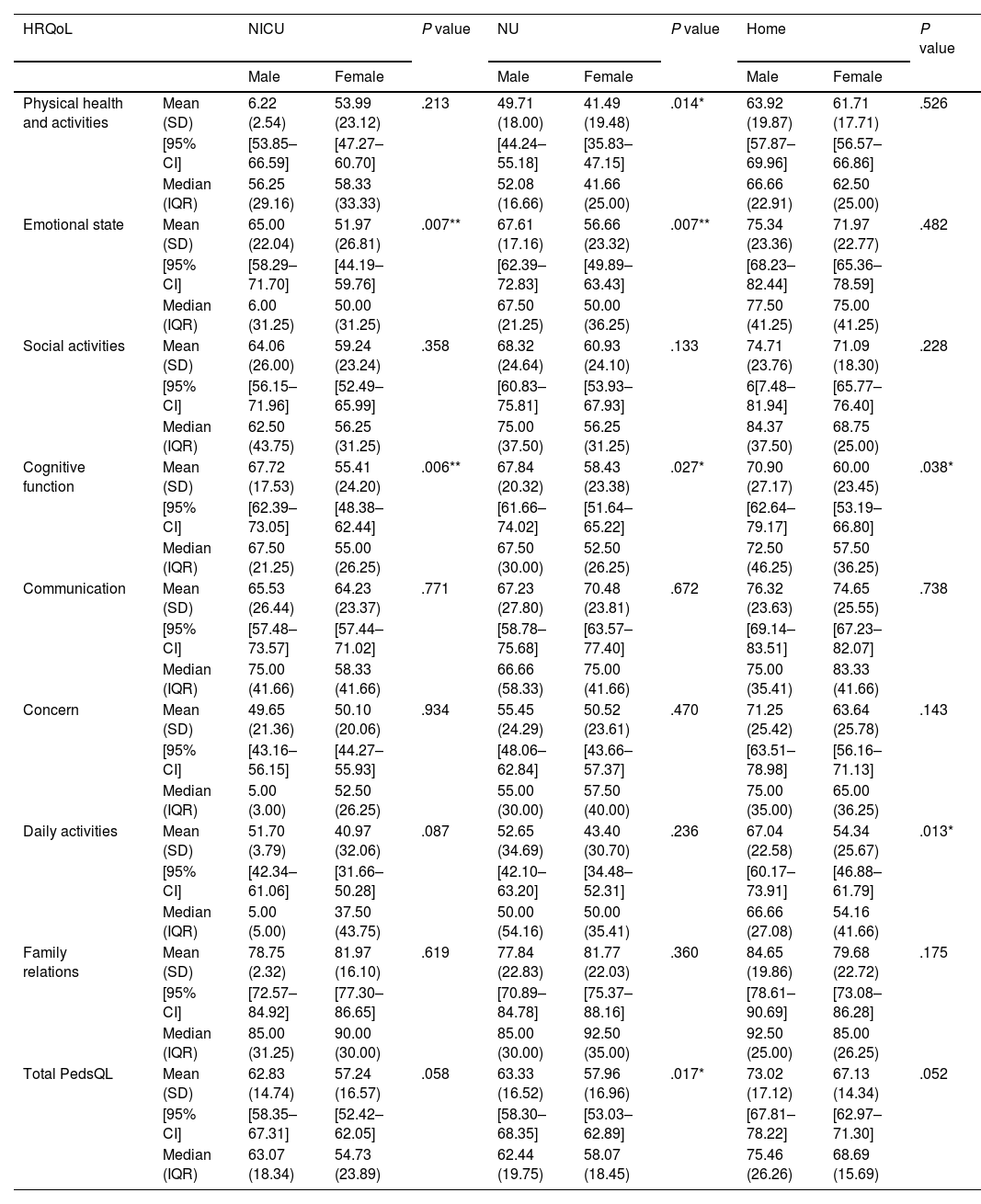
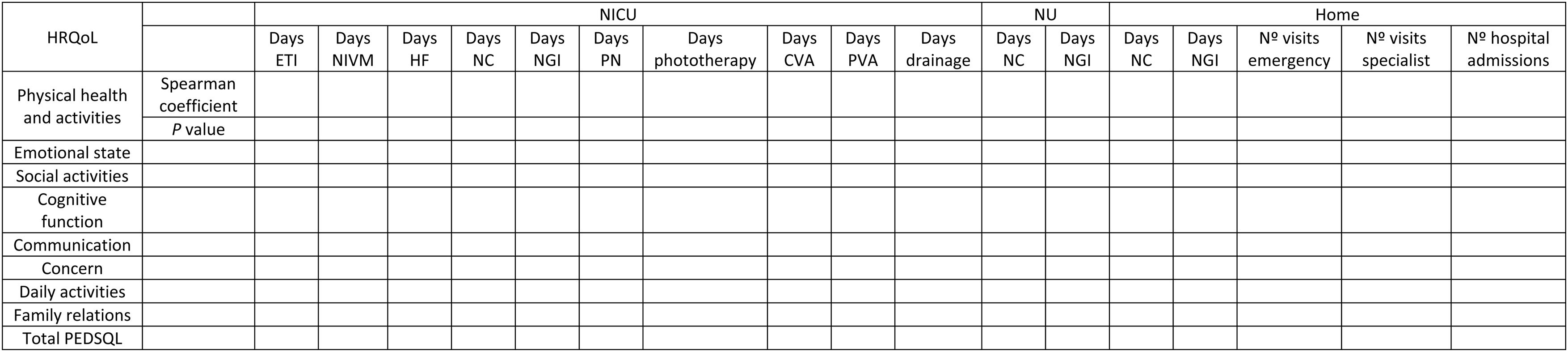
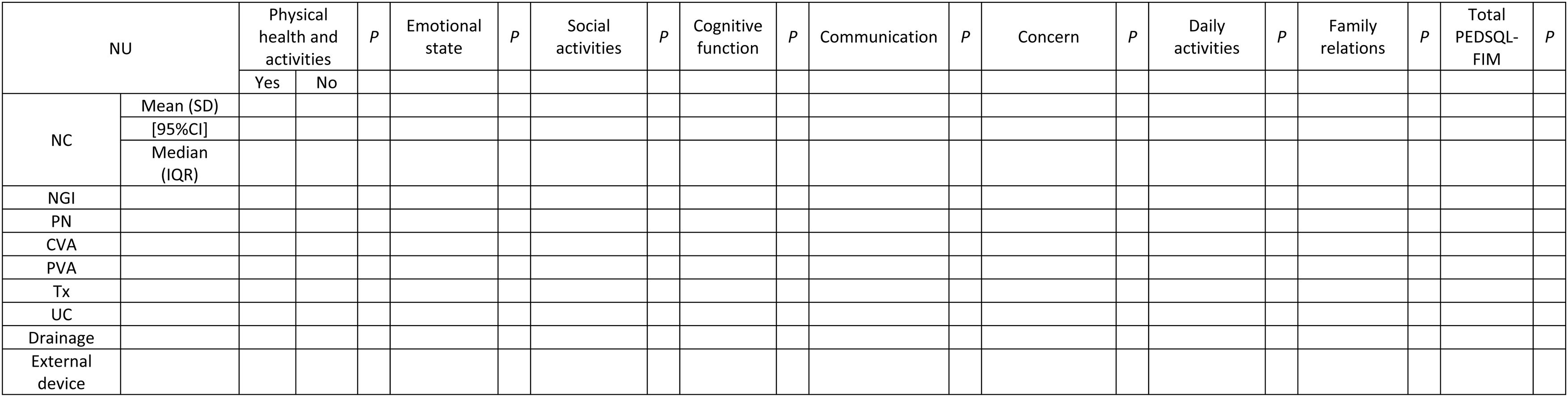
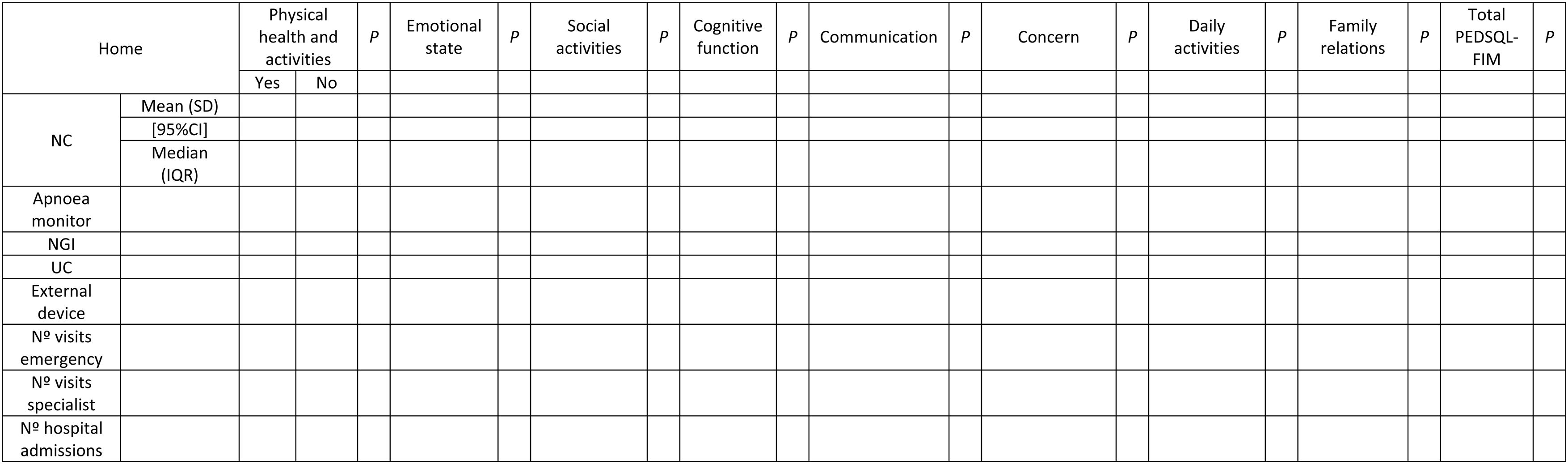
ResultsThe mean age of the parents was 35,41 ± 6,20 years; 51,32% were women. No correlation was found between age and quality of life at any of the time points, but differences were observed by sex in emotional well-being during intensive care (P = .007), physical health and activities during hospitalization (P = .01), and daily activities at home (P = .01). Quality of life was negatively associated with the duration of medical device use, both in intensive care and during hospitalization.
ConclusionsAge does not influence the quality of life of parents. However, women showed lower scores in emotional well-being and cognitive function. Prolonged use of medical devices is associated with poorer quality of life, which improves as the newborn's health condition evolves favorably.
Evaluar y comparar la calidad de vida relacionada con la salud de los progenitores de recién nacidos ingresados en la unidad de cuidados intensivos neonatales, en hospitalización neonatal y en domicilio, e identificar los factores que influyen en ella analizando las diferencias por sexo.
MétodoEstudio observacional, prospectivo y analítico realizado con 92 progenitores de 46 recién nacidos ingresados en la unidad de cuidados intensivos neonatales. La calidad de vida se valoró mediante el cuestionario PedsQL-FIM 2.0 en los 3 momentos. Se registraron las variables sociodemográficas de los progenitores y los datos clínicos del recién nacido, incluido el uso de dispositivos médicos. El estudio fue aprobado por el Comité de Ética y el análisis estadístico se realizó con el programa Jamovi® v.2.3.13.
ResultadosLa edad media de los progenitores fue de 35,41 ± 6,20 años; el 51,32% fueron mujeres. No se correlacionó la edad y la calidad de vida en ningún momento, pero sí por sexo en estado emocional en cuidados intensivos (P = ,007), en salud física y actividades durante la hospitalización (P = ,01) y en actividades diarias en el domicilio (P = ,01). La calidad de vida se relacionó negativamente con el tiempo de uso de dispositivos médicos tanto en cuidados intensivos como en hospitalización.
ConclusionesLa edad no influye en la calidad de vida de los progenitores. Las mujeres presentan puntuaciones más bajas en estado emocional y función cognitiva. El uso prolongado de dispositivos médicos se asocia con peor calidad de vida, que mejora conforme evoluciona favorablemente la salud del recién nacido.

