



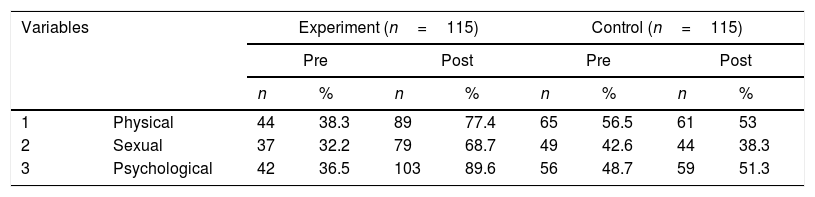
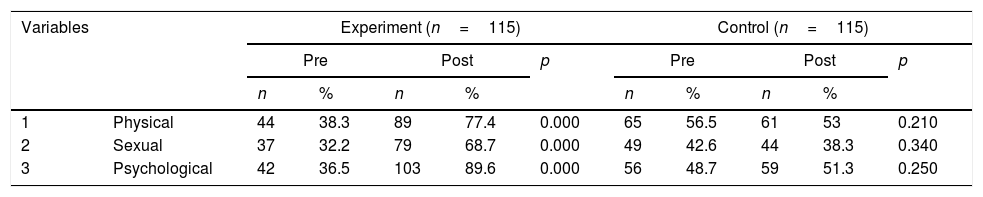
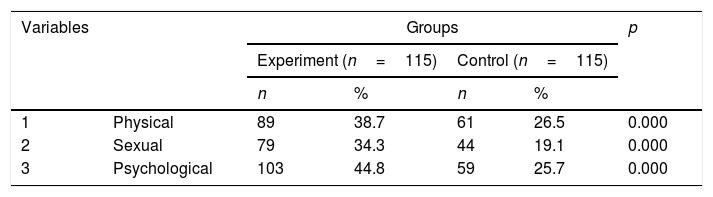
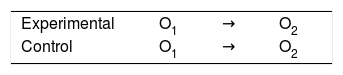
Aging process in menopausal women is an effect of estrogen deficiency. It will cause physical changes in vasomotor instability such as hot flushes, decreased immune system, vertigo, nausea, insomnia, and palpitation. Sexual problems also occur during menopause, such as vaginal infection, dyspareunia, painful intercourse, and decreased libido. The psychological changes also reported in menopause women. They tend to have low self-esteem and decreased memory that affects their daily social interaction. The study explained a new concept, called Aging Treatment Model, for menopausal women so they can deal with physical, psychological and sexual changes during menopause. The Quasi-Experimental with pre and post-test design and control group used in this study. A total of 230 menopause women in 5 cities in Indonesia were recruited. The data analyzed by using Mc Nemar and Chi-Square test. The result showed that the Aging Treatment Model had a significant impact on self-management to solve physical (p<0.001), psychological (p<0.001), and sexual (p<0.001) problems among women in the experimental group compared with the control group. By using the Aging Treatment Model, health care providers can help menopausal women to build self-management. A better treatment will make a better quality of life and is a key aspect to achieve the health Sustainable Development Goals.

