



Various studies have explored the concept of diabetes mellitus (DM) as a coronary risk equivalent. However, current evidence does not wholly support this conclusion. This study aimed to ascertain whether DM can be validated as a coronary risk equivalent through stress perfusion cardiac magnetic resonance (stress CMR) imaging.
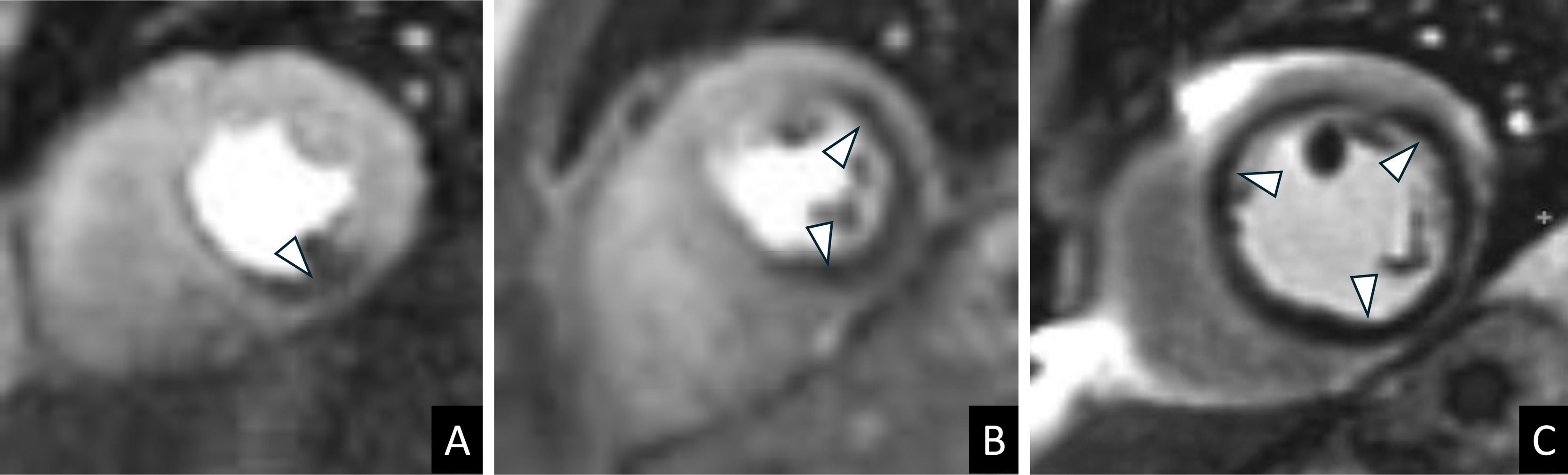
Material and methodsThree hundred thirty-three patients with and without DM who were referred for stress CMR between 2009 and 2013 were retrospectively reviewed. Images were visually interpreted and classified based on the presence of myocardial ischemia. Survival data and occurrence of major cardiovascular events were recorded and compared.
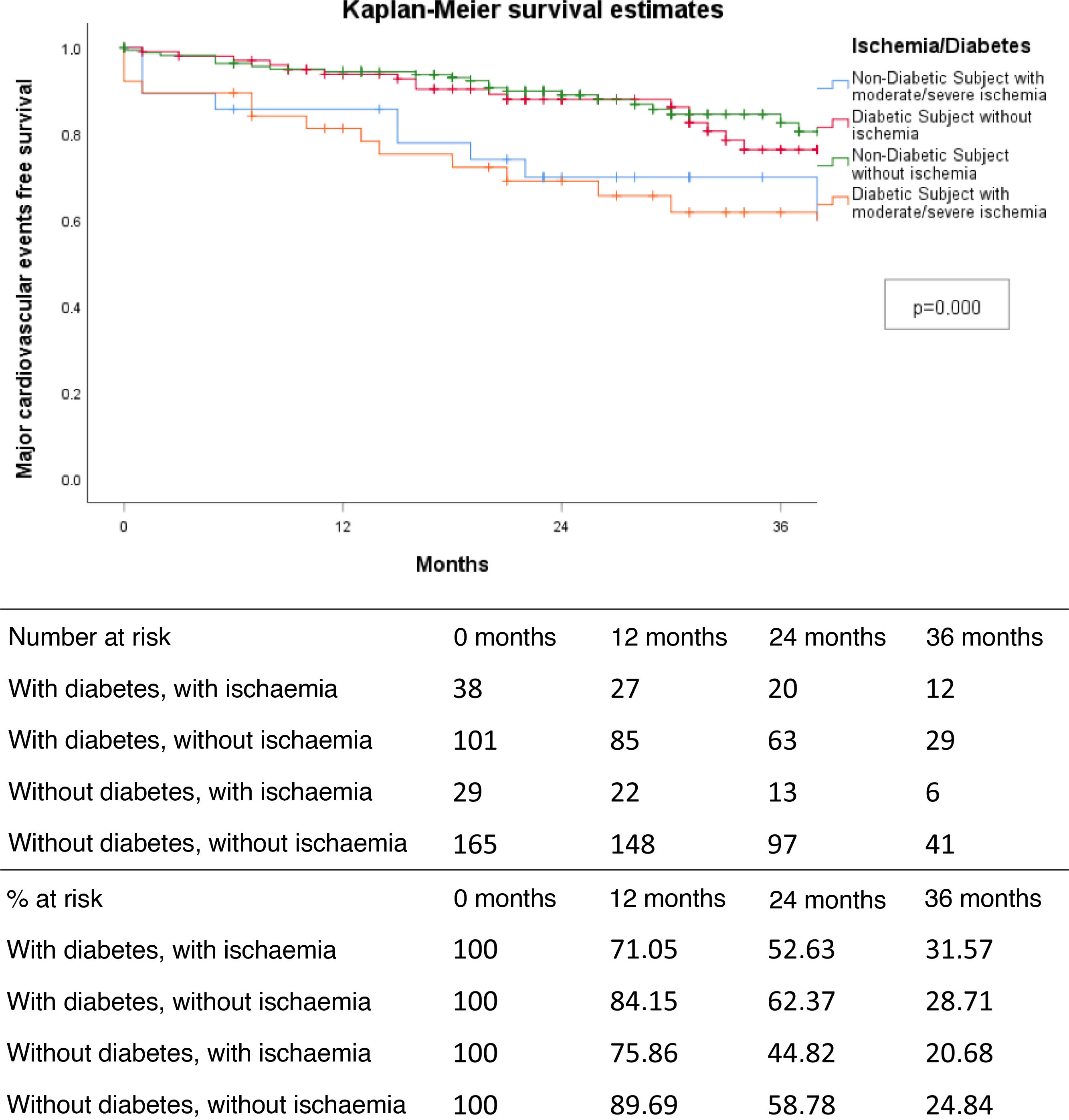
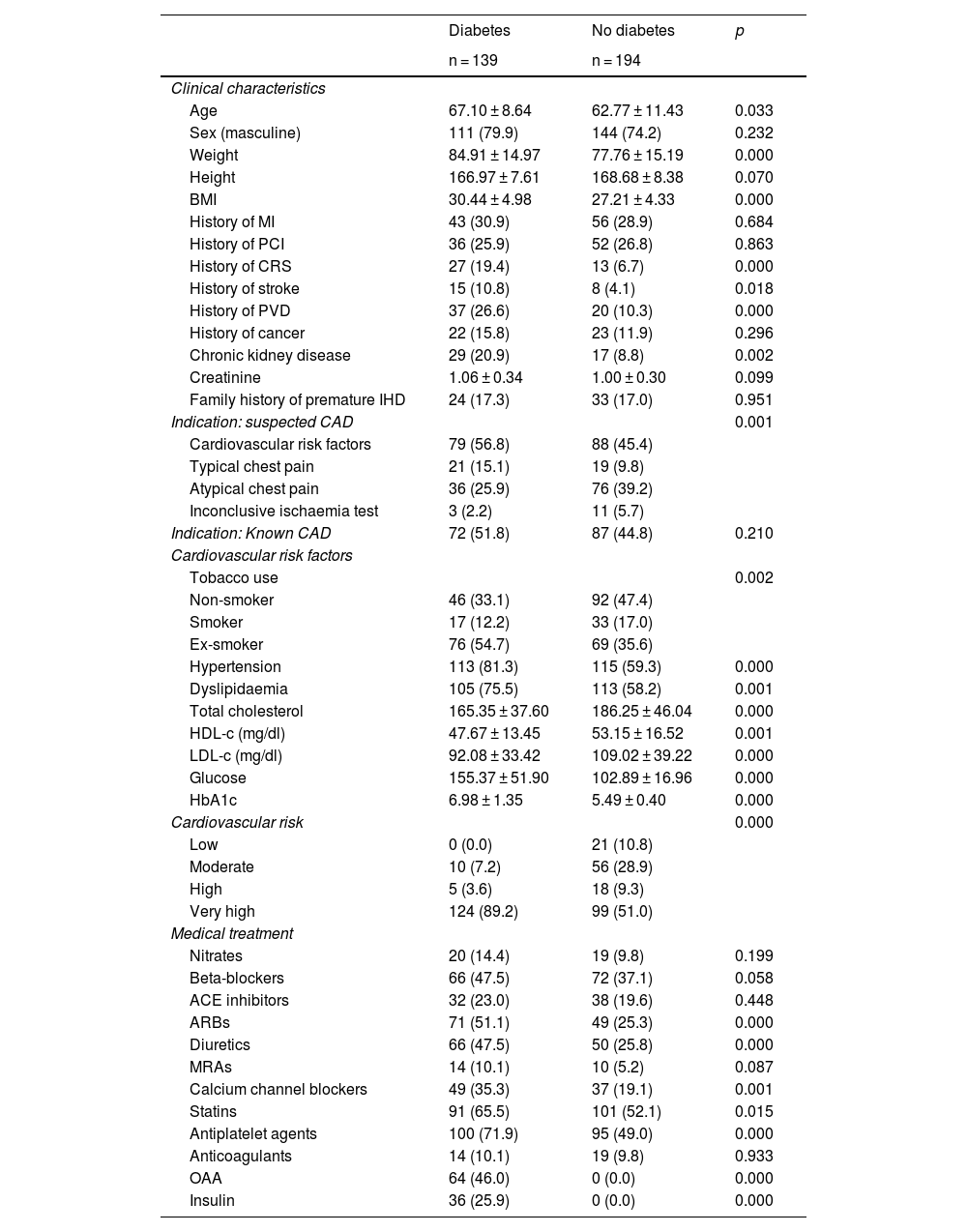
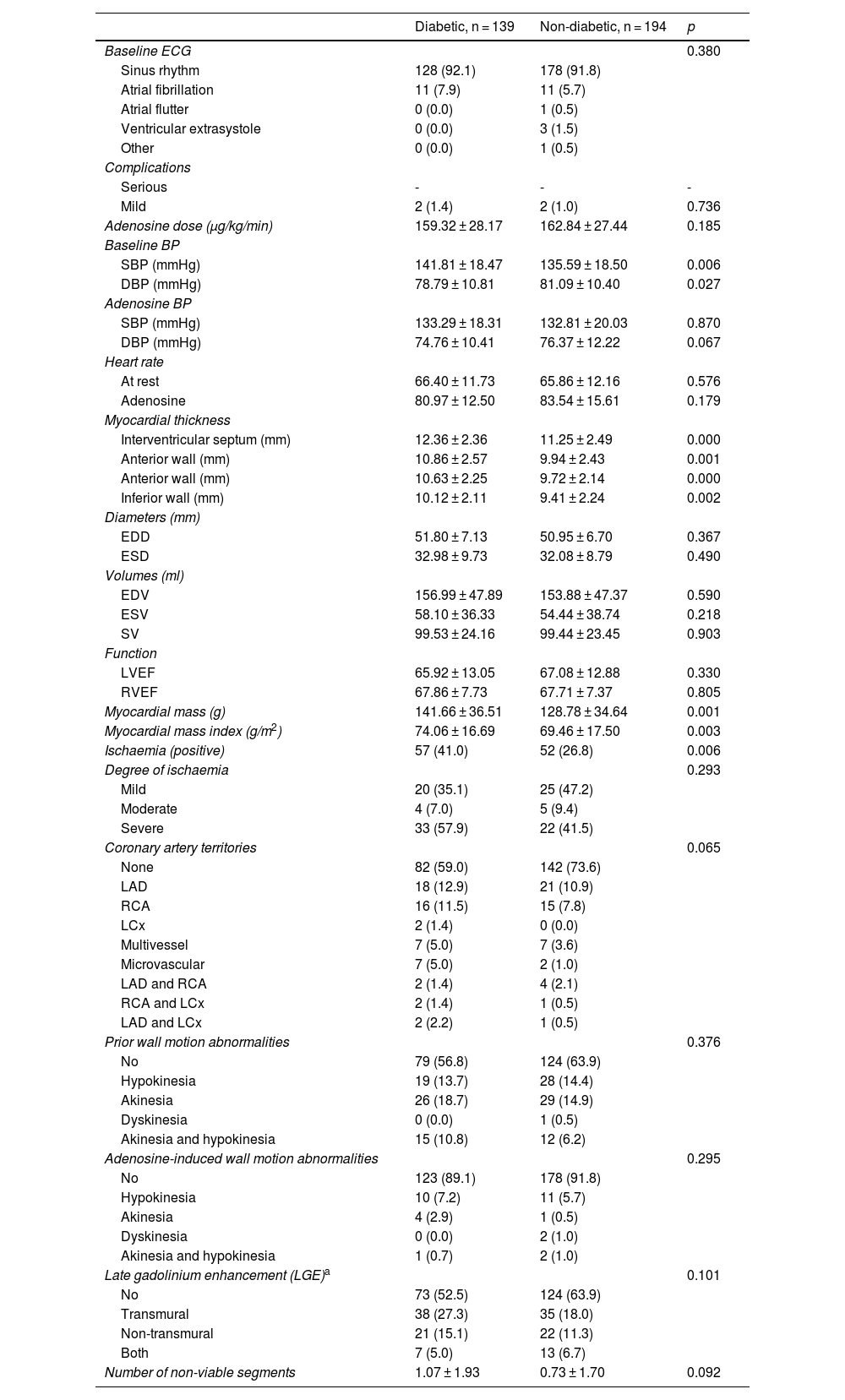
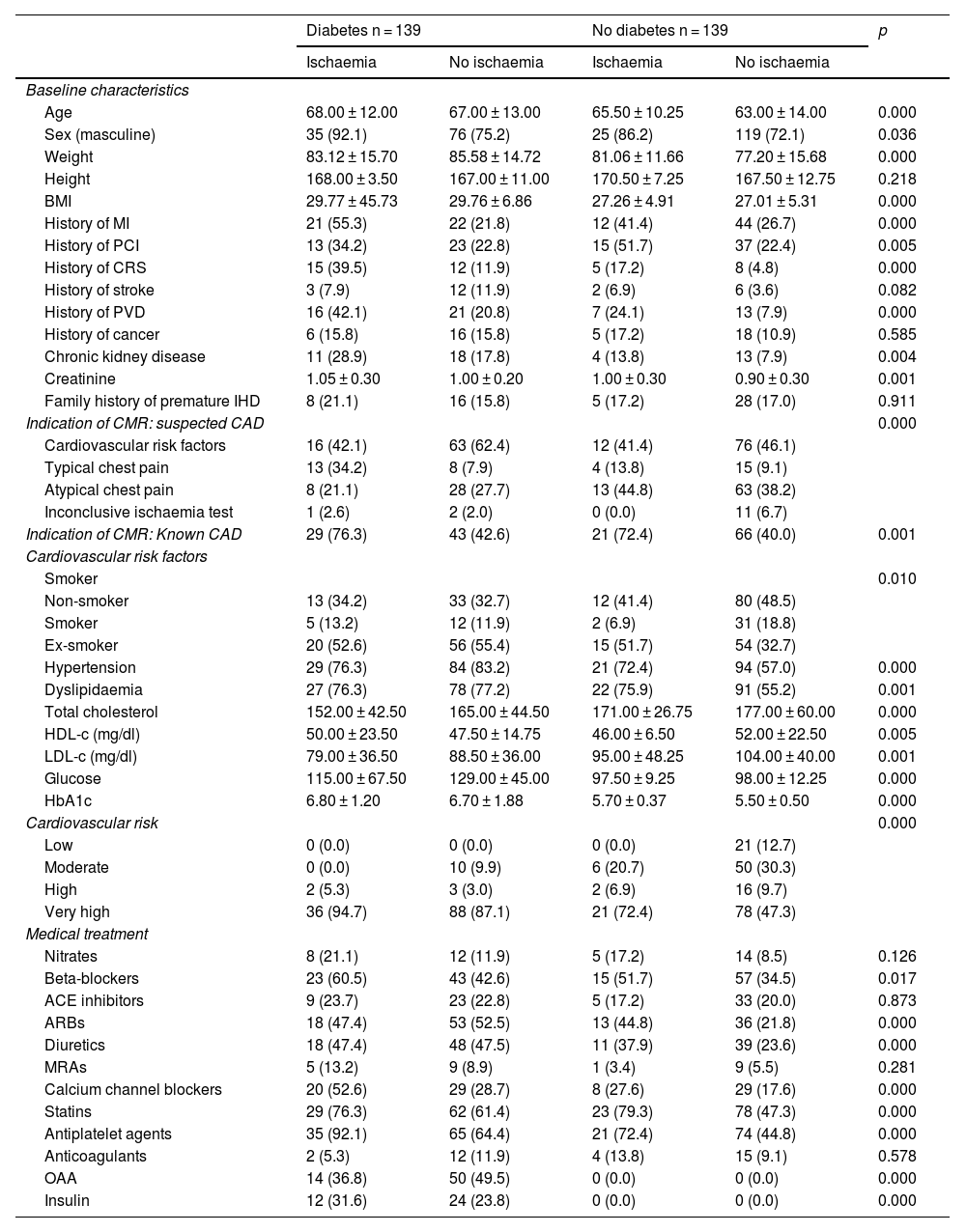
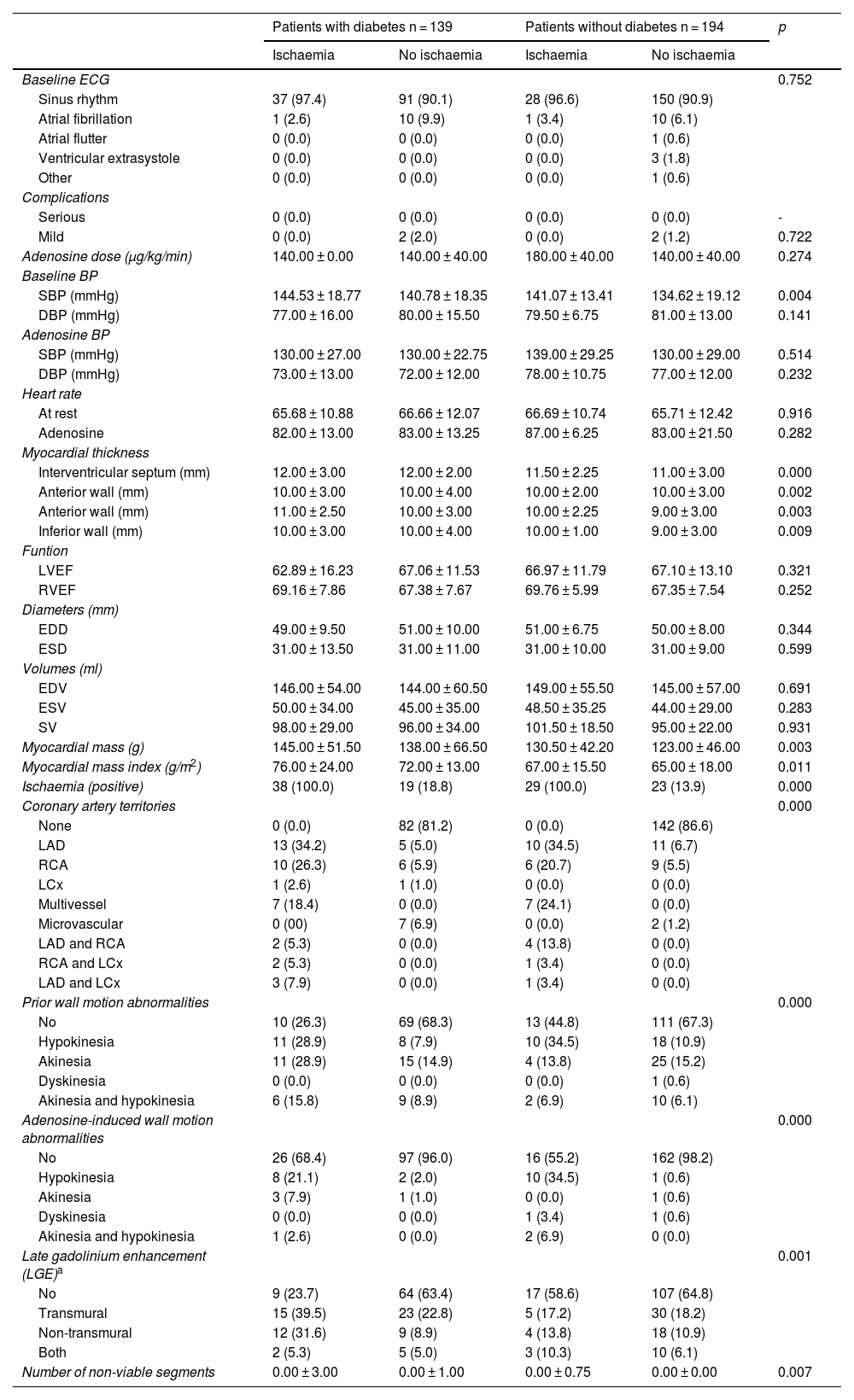
ResultsOf the 333 patients, 139 had DM (133 DM type I y 6 type II), (101 without ischemia, 38 with ischemia) and 194 had no DM (165 without ischemia and 29 with ischemia). A total of 70 events occurred during a median follow-up of 27 months. Diabetic patients without myocardial ischemia had a lower incidence of major cardiovascular events (death any cause, acute coronary syndrome, or need for revascularization) compared with non-diabetic patients with ischemia (16.8% vs. 41.1% respectively, p < 0.001).
ConclusionDiabetic patients with high cardiovascular risk without ischemia exhibit a more favourable prognosis compared to non-diabetic subjects with high prevalence of obstructive coronary artery disease and ischemia. According to our results, DM may not be considered as equivalent to coronary risk. Patients should be treated individually, given the heterogeneity found in DM population.
Diversos estudios han explorado el concepto de diabetes mellitus (DM) como equivalente de riesgo coronario. Sin embargo, la evidencia actual no respalda del todo esta conclusión. El objetivo de este estudio es determinar si la DM puede validarse como equivalente de riesgo coronario mediante resonancia magnética cardiaca de perfusión de estrés (RMC de estrés).
Materiales y métodosSe revisaron retrospectivamente 333 pacientes con y sin DM que fueron remitidos para RMC de estrés entre 2009 y 2013. Las imágenes se interpretaron visualmente y se clasificaron en función de la presencia de isquemia miocárdica. Se registraron y compararon los datos de supervivencia y la aparición de eventos cardiovasculares graves.
ResultadosDe los 333 pacientes, 139 tenían DM (133 DM tipo I y 6 tipo II), (101 sin isquemia, 38 con isquemia) y 194 no tenían DM (165 sin isquemia y 29 con isquemia). Se produjeron un total de 70 eventos durante una mediana de seguimiento de 27 meses. Los pacientes diabéticos sin isquemia miocárdica tuvieron una menor incidencia de eventos cardiovasculares graves (muerte por cualquier causa, síndrome coronario agudo o necesidad de revascularización) en comparación con los pacientes no diabéticos con isquemia (16,8 % frente a 41,1 % respectivamente, p < 0,001).
ConclusiónLos pacientes diabéticos con alto riesgo cardiovascular sin isquemia presentan un pronóstico más favorable que los sujetos no diabéticos con alta prevalencia de enfermedad coronaria obstructiva e isquemia. Según nuestros resultados, la DM no debe considerarse equivalente al riesgo coronario. Los pacientes deben ser tratados de forma individual, dada la heterogeneidad encontrada en la población con DM.


