


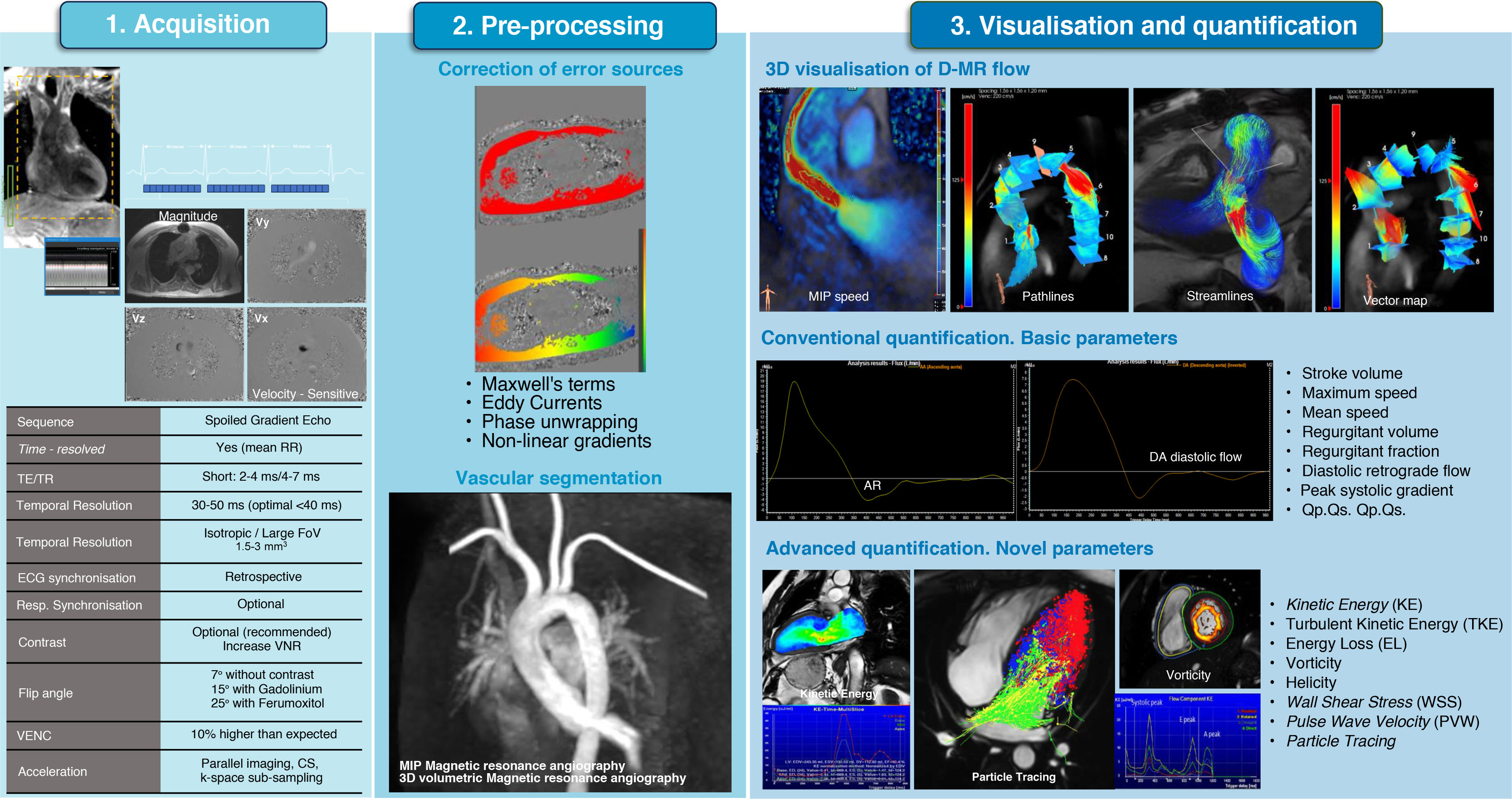

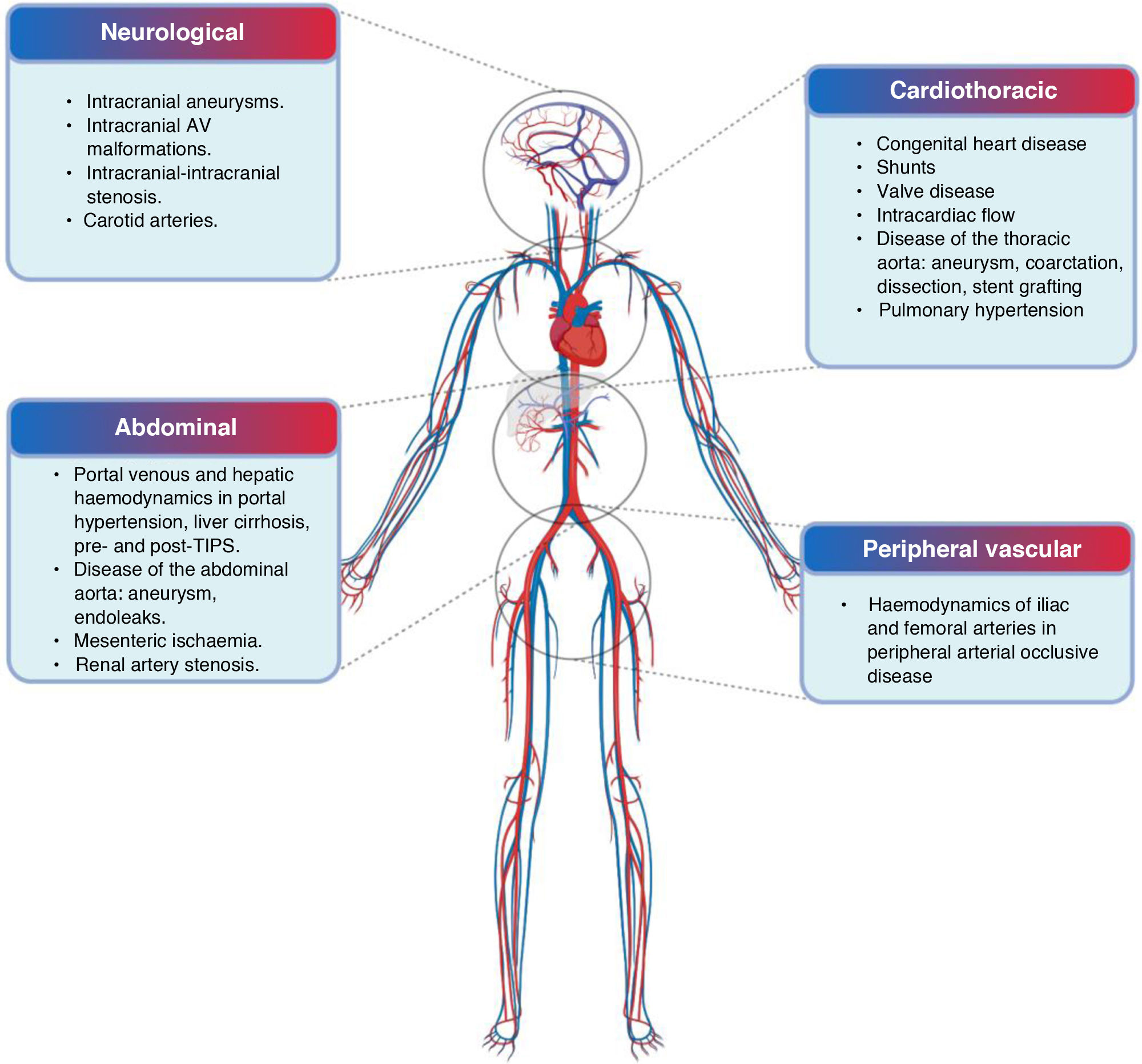
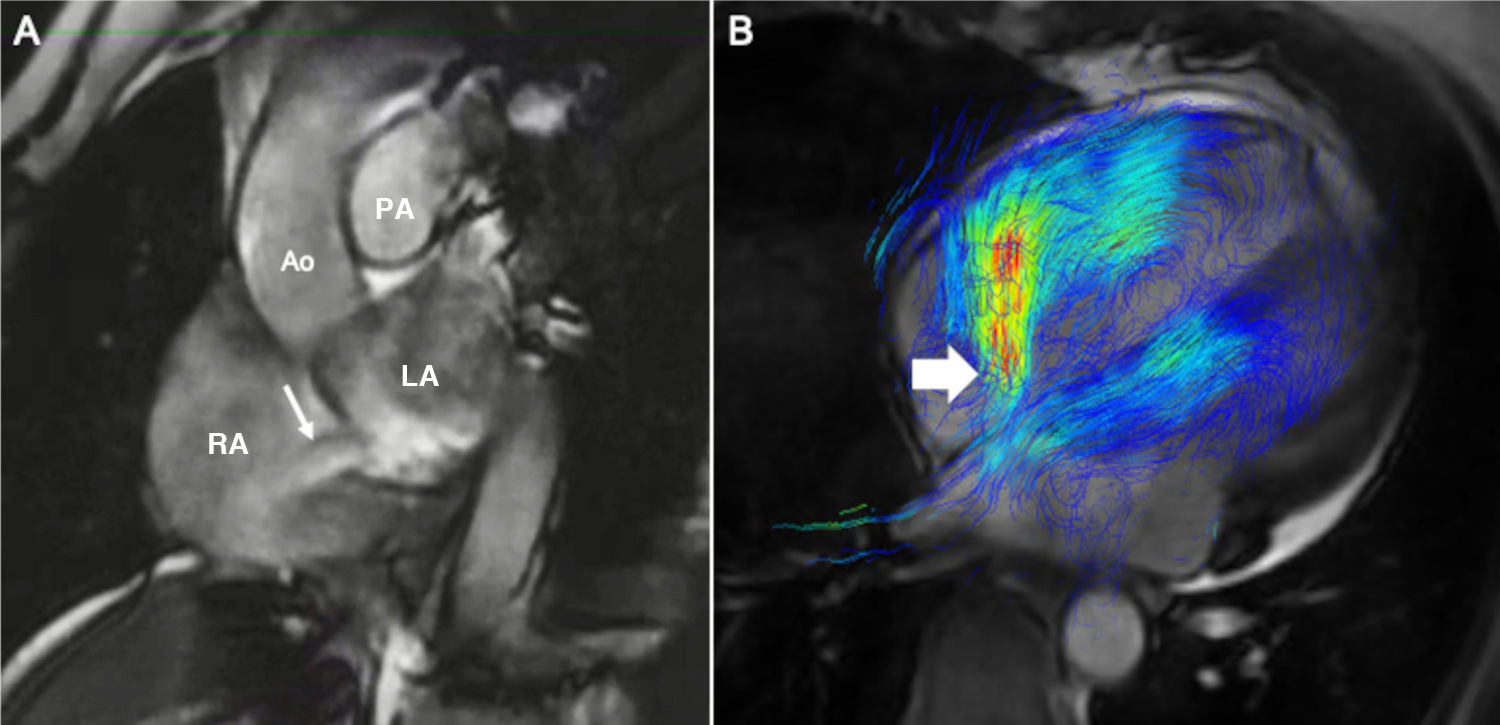

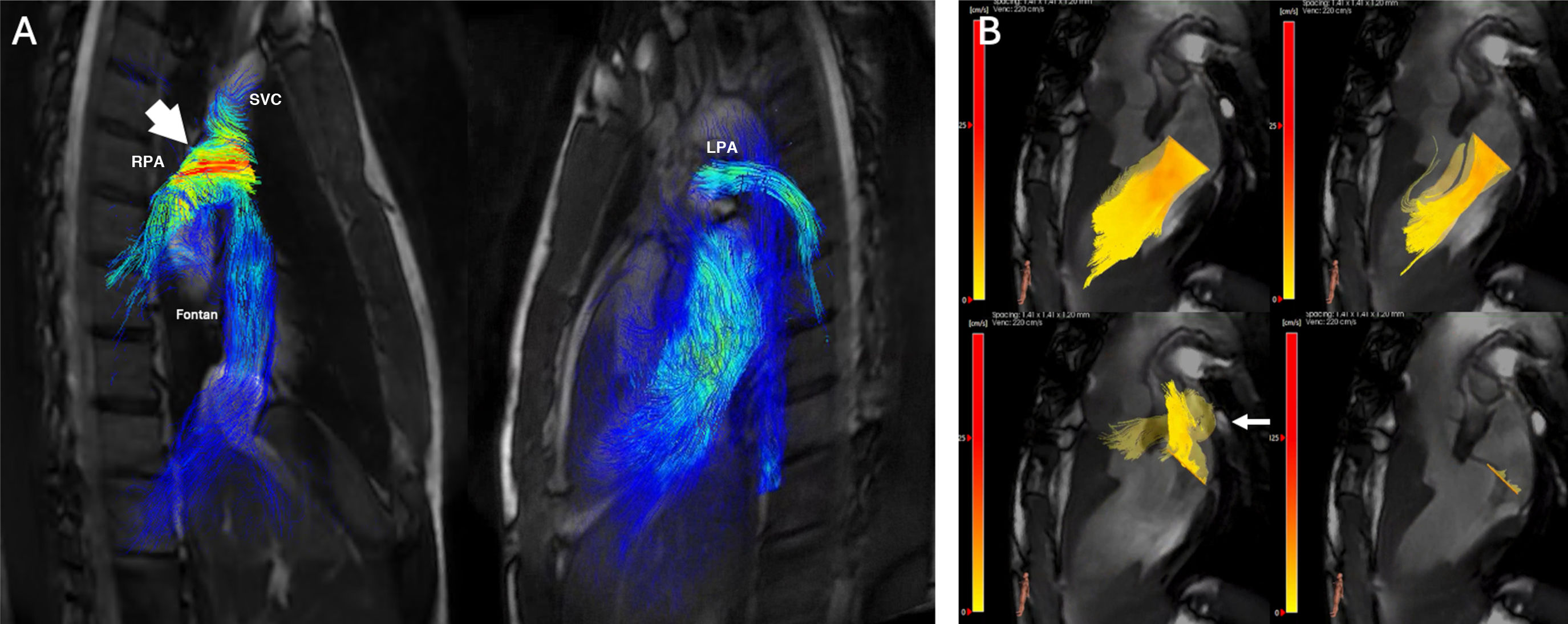
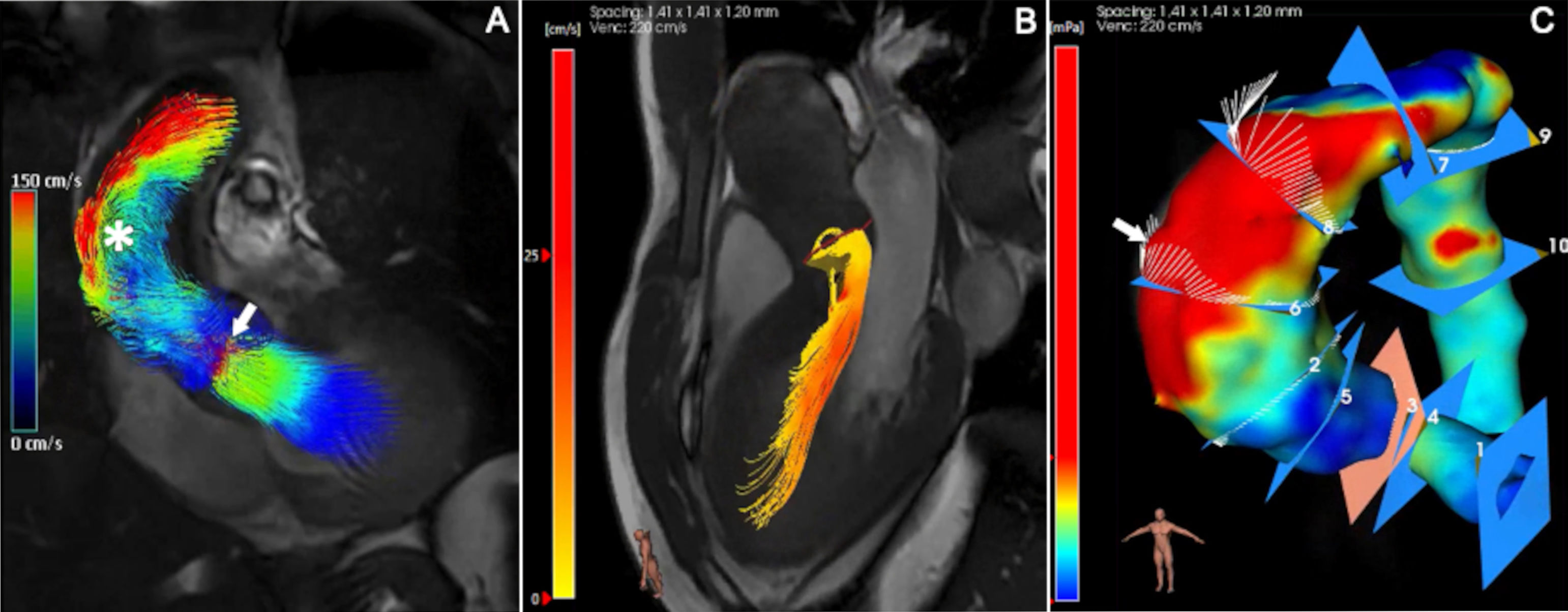
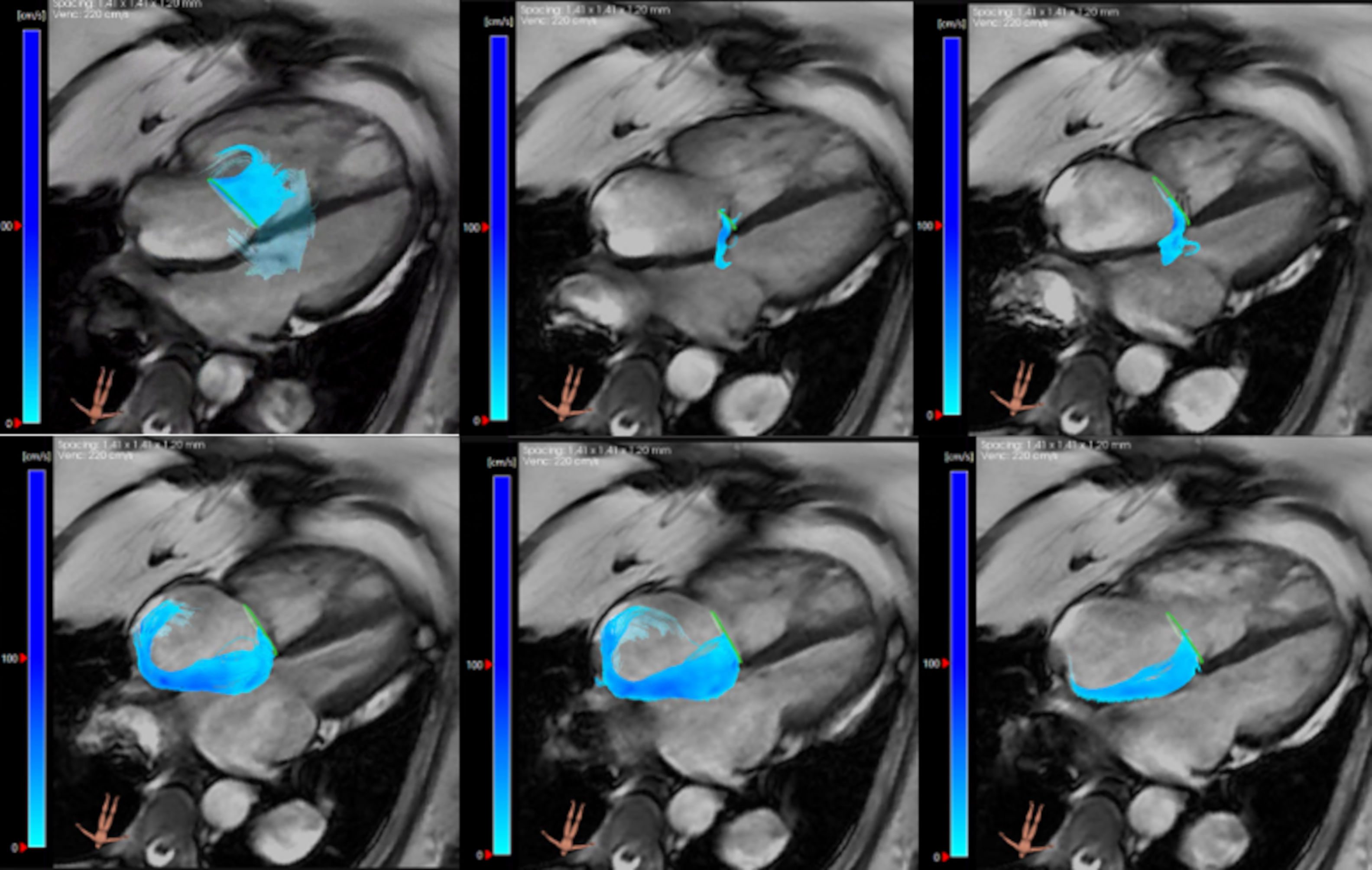

Four-dimensional flow magnetic resonance imaging (MRI) is a time-resolved three-dimensional phase-contrast technique. It provides volumetric information for the cardiovascular system of interest through blood flow velocity mapping in three spatial dimensions throughout the cardiac cycle. The technological advances of MRI over the last two decades have facilitated its transition from the experimental environment into clinical practice, thereby enabling the non-invasive in vivo assessment of haemodynamics across various vascular territories of the human body. This article endeavours to elucidate its inception and fundamental technical principles, to delineate its main clinical indications—particularly in the cardiothoracic domain—, and to review its limitations and future directions. The ongoing evolution of this diagnostic modality continues to develop further understanding of the interplay between abnormal haemodynamics and cardiovascular pathologies, promising enhanced clinical value.
El flujo 4D por resonancia magnética (RM) es una técnica de contraste de fase tridimensional resuelta en el tiempo. Proporciona un volumen con mapas de velocidad del flujo sanguíneo en las tres dimensiones del espacio, a lo largo del ciclo cardíaco, dentro del sistema cardiovascular de interés. Los avances tecnológicos de la RM en las últimas dos décadas han permitido su traslado de las áreas de investigación a la práctica clínica, facilitando la evaluación no invasiva in vivo de la hemodinámica en distintos territorios vasculares del cuerpo humano. Este artículo tiene como objetivo repasar su origen y fundamentos físicos, describir sus principales indicaciones clínicas con especial énfasis en el área cardiotorácica, así como reseñar sus limitaciones y futuras direcciones. La permanente evolución de este método diagnóstico continúa desvelando una mayor comprensión del vínculo entre la hemodinámica alterada y las patologías cardiovasculares, lo que promete aportar nuevos parámetros de valor clínico añadido.


