





Green transformation of food production is an important approach for promoting sustainable agriculture. Based on field survey data from Nanjing Agricultural University’s Chinese Land Economy Survey, this study innovatively explores the relationship between farmers’ livelihood risks and the green transformation of food production. In contrast to previous research, this study employs the finite mixture model to quantify the degree of green production transformation of rice farmers. We apply structural equation modelling to systematically investigate the impact mechanisms of different types of livelihood risks on the green production transformation of rice farmers. The results reveal that livelihood risks affect the green transformation of rice production, with natural risk exhibiting a significant facilitating effect. Conversely, human, social, physical, and financial risks demonstrate significant inhibitory effects. Furthermore, moderating effect tests indicate that agricultural subsidies, agricultural insurance, and agricultural outsourcing services moderate the impact of livelihood risks on the green transformation of rice production. Heterogeneity analysis shows significant differences and implications for farm households with different demographic, production, and business characteristics. The main contribution of this study is providing empirical evidence to help farmers identify and navigate different types of risk and promote agricultural greening and upgrading.
China feeds a fifth of the world’s population using only less than one tenth of the world’s arable land (Walker, 2023). Amidst the pressure on food security caused by the scarcity of land and people, Chinese agriculture has followed a traditional production model dominated by yield. This approach has made Chinese agricultural production dependent on high factor inputs in the long run, while the marginal output of agricultural production inputs has been low, making it challenging to achieve sustainable output growth (Gao et al., 2019). Negative environmental externalities have emerged from the excessive use of chemical fertilisers and pesticides, the irrational use of agricultural waste, and the massive consumption of fossil fuels. Specific examples include the degradation and eutrophication of water bodies (Carpenter et al., 1998; Hanrahan et al., 2019; Varekar et al., 2021), the deterioration of farmland and soil quality (Zalidis et al., 2002; Wan et al., 2018; Wang et al., 2019), and greenhouse gas (GHG) emissions (Burch, 2020; Wang et al., 2021), all of which have increased resource and environmental constraints on agricultural development. GHG emissions from extensive agricultural production patterns in Asia are expected to increase by 37 % by 2050 (Frank et al., 2019). According to the 2017 Bulletin of the Second National Pollution Source Census, chemical oxygen demand, total nitrogen, and total phosphorus in water pollutant emissions from agricultural sources accounted for 49.8 %, 46.5 %, and 67.2 % of the total emission in China, respectively. The China Water Resources Bulletin indicated that 27.3 % of the 209 lakes (reservoirs) examined were in eutrophication in 2021. Furthermore, environmental degradation threatens the quality and safety of agricultural products, establishing a negative feedback loop. Therefore, it is essential to strategically guide farmers to implement green production practices and promote the green transformation of agricultural production. Such actions could reduce the pressure on China’s agricultural environment, ensure the quality and safety of agricultural products, and promote agricultural sustainable development.
The green transformation of agricultural production is the process of shifting from the traditional extensive production model to one that embraces the concept of green production and adopts green production technologies. The aim is to improve the efficiency of resources and to produce environmentally friendly and high quality agricultural products. Many countries and organisations regard it as an important initiative for sustainable agricultural development and have successively developed numerous policies. In 2018, the Food and Agriculture Organization of the United Nations (FAO) published Transforming Food and Agriculture in Support of the Achievement of the Sustainable Development Goals (SDGs), which put forward 20 guidelines for sustainable agriculture and rural development. In 2021, China's Ministry of Agriculture and Rural Development, in collaboration with six other ministries, jointly issued the 14th Five-Year Plan for the Green Development of National Agriculture. The policy set out specific initiatives for the green development of agriculture, including the development of a modern seed industry, the promotion of agricultural mechanisation, and measures to reduce the use of chemical fertilisers. Under the guidance of policies, China’s agricultural production has strategically transformed to green. According to the statistics, in 2023, the use of pesticides and chemical fertilisers in China decreased by 1.18 % and 3 %, respectively, compared to the previous year (Zhou & Gao, 2024). However, there is still a gap compared with developed countries. It has become an urgent issue for China to consider how to strategically guide farmers' green production transformation.
Livelihood risk has been defined as the damage to farmers’ livelihood capital that ultimately results in difficulties in their productive lives (Zeng et al., 2020). An unprecedented challenge to global agriculture is posed by climate change (Deng et al., 2019; Mohapatra et al., 2022). In statistical terms, the 10 hottest Januaries on record have all occurred since 2002, and extreme weather events associated with climate change increased by 50 % between 1950 and 1990 (Polack & Choi, 2007). These events have led to the widespread destruction of forest cover and a decline in agricultural yields, threatening food security (Li & Song, 2022). However, farm households face more common risk shocks due to physical, human, economic, social and political capital vulnerabilities (Bhattacharjee & Behera, 2018; Paul et al., 2019; Zhang & Wang, 2024). Most farmers lack adequate risk management tools, and their productive lives can be significantly affected by risk shocks that compromise long-term sustainable livelihood development.
Previous research has demonstrated that livelihood risks can facilitate farmers’ adaptation to environmental change and subsequent livelihood strategies (Kuang et al., 2020; Sargani et al., 2023). The green transformation of agricultural production incurs higher production costs, more technological inputs, and higher transaction costs for farmers (Menozzi et al., 2015; Mo & Zhang, 2021). Decentralised smallholder groups have shown insufficient initiative and low transformation to agricultural green production practices due to external risks and endowment constraints such as natural disasters, lack of capital, and insufficient information (Shen, 2019). However, to the best of our knowledge, a comprehensive analysis of the mechanisms through which different livelihood risks affect agricultural production’s green transition has not yet been conducted. Considering the continued growth in food demand and the urgent need for a green revolution anchored in sustainable and intensive agricultural development (Tilman et al., 2011; Dash & Rai, 2022), it is crucial to determine the pathways through which farmers’ livelihood risks influence the green transformation of food production. Therefore, this study systematically analyses the mechanisms of different types of livelihood risks on the green transformation of agricultural production. The findings provide empirical evidence for farmers to advance green transformation in the face of different external risks and endowment constraints. This study is also theoretically significant because it enriches theoretical research on farmers’ practices and fills the research gap between livelihood risks and green agricultural development.
Jiangsu Province is located in the centre of the eastern coastal region of mainland China, downstream of the Yangtze and Huai Rivers. It has the highest proportion of plain area among all provinces in China and is one of China’s major grain-producing areas. Furthermore, a certain amount of economic capital is required from producers to carry out green production. With a per capita gross domestic product (GDP) of 150,600 yuan in 2023, Jiangsu has ranked first among all provinces and regions in China for 15 consecutive years. Therefore, it is typical and representative to select Jiangsu’s food farmers to study livelihood risks and green production transformation.
Literature reviewLivelihood risksRisk refers to uncertainty of the costs and benefits between the purpose of production and the fruits of farmers’ labour. Scholars have considered risk shocks as a manifestation of farm households’ inherent vulnerability and uncertainty (Urruty et al., 2016; Cai, Golub, & Hertel, 2017). The definition of livelihood risk includes possibilities of injury, damage, or loss (Su & Yin, 2020). Livelihood risks can hinder farm households’ sustainable livelihoods and rural communities’ sustainable development and are a central issue in transforming contemporary rural regions. The United Kingdom’s Department for International Development (2000) developed the Sustainable Livelihoods Framework (SLF), categorising livelihood capital into human, natural, physical, financial, and social capital. Based on the SLF, scholars have often categorised livelihood risks into these five capital delineations (Sarker et al., 2020; Jin et al., 2020; Kuang et al., 2020). Furthermore, previous research has assessed livelihood risk in terms of market, technology, institutional, education, employment, institutional, and international risks (Moschini & Hennessy, 1999; Nguyen et al., 2020; Adam, Alessandro, & Vincent, 2020). Existing studies have mainly focused on the negative impacts of livelihood risk shocks (Alexander & Moran, 2013; Kumar 2019), concluding that livelihood risks can have negative impacts on agriculture, household economy, and land use (Lehmann et al., 2013; Li & Hartarska, 2019; Reyes et al., 2020; Zeng et al., 2021). However, a lack of systematic analysis of the impact of different types of livelihood risks and comprehensive assessments of the positive and negative aspects of livelihood risks remains.
Green transformation of agricultural productionInnovation and development in the food industry have received increasing academic attention, particularly in relation to eco-innovation, the environment, and sustainability (Bannor & Amponsah, 2024; Torrejón & Medina, 2024; Daniel et al., 2024). The green transformation of agricultural production is usually quantified in terms of farmers’ adoption of green production practices such as reduced use of chemical fertilisers and pesticides, increased use of organic fertilisers, soil testing and compound fertilisers, straw return to the field, and livestock and poultry manure return to the field (Veisi et al., 2016; Cao et al., 2019; Li & Lin, 2023; Huang et al., 2024). In terms of factors influencing farmers’ green transformation of agricultural production, existing studies have shown that farmers’ capital endowment exerts a fundamental influence. Capital endowment includes individual characteristics such as gender (Khoza et al., 2020), education (Makate et al., 2019), and household characteristics (Aryal, Jat, & Sapkota, 2017; Mujeyi, Mudhara, & Mutenje, 2019) such as labour (Zhao et al., 2020) and economic capital (Yiyun et al., 2018). The external environment, including the natural environment (Knowler & Bradshaw, 2007; Fritsche et al., 2010) and political and social factors (Khatri-Chhetri et al., 2019; Tankha et al., 2019; Ge et al., 2020; Jellason et al., 2020), has a driving role in the green transformation of agricultural production. Farmers’ awareness, perceptions of the benefits of green agriculture and technology, and risk preferences can guide the green transformation of agricultural production (Li et al., 2022; Qiu et al., 2020).
In summary, while previous research on evaluation methods and influencing factors in the transformation of agricultural green production has provided a foundation for this study, some limitations remain. First, the majority of existing research has examined a single green production practice, with less comprehensive consideration of green production practices as a holistic concept. This makes it difficult to develop a universal mechanism for advancing green production approaches. Second, previous research has largely focused on examining the impact of factors such as capital endowment and the external environment on agricultural green transformation and less on analysing the impact of livelihood risks.
Impact of farmers’ livelihood risks on green production transformationGenerally, researchers have used regression, path, and quantitative analyses to analyse the impact of farmers’ livelihood risks on agricultural green transformation from production and risk perspectives (Veisi et al., 2016; Cao et al., 2019; Li & Lin, 2023). Based on the assumption of rational choice theory, some scholars have argued that economic efficiency is a significant factor influencing farmers’ green production transformation (Pietola & Lansink, 2001), noting that green production has been poorly transformed owing to higher inputs. Some scholars have contended that risk preference has a crucial influence on farmers’ decision making (Li et al., 2022; Qiu et al., 2020). Furthermore, most farmers are risk-averse and do not easily adopt green production technologies, which hinders agricultural production’s green transformation (Xu & Wu, 2024).
This study reviews research on the relationship between different livelihood risks and agricultural green production transformation. In terms of natural risk, some scholars have argued that farmers with lower natural risks have higher potential benefits from adopting green production practices (Foster & Rosenzweig, 2010). They are more likely to invest in production to improve soil quality and enhance the environmental resilience of agricultural production (Lalani et al., 2016). It has also been argued that individuals increase their environmental behaviour when perceiving the threats that ecological problems may pose (Knowler & Bradshaw, 2007; Fritsche et al., 2010).
In terms of human risk, existing research suggests that agricultural producers with poorer health tend to be less environmentally aware and less inclined to choose green production practices (Aldieri, Barra, & Vinci, 2019). Lack of education makes it difficult for farmers to realise that agricultural products’ quality premium from green production methods is higher than the loss of production profit from reducing chemical inputs (Fu & Xue, 2024). Rural ageing has a direct impact on the greening of agriculture by affecting the quality of human capital and changing the structure of energy consumption (Du et al., 2023).
In terms of social risk, cadre demonstration has a typical charisma effect, and cadres’ agricultural green production awareness and practices have a strong exemplary effect on farmers (Li et al., 2019). The supervision and incentive mechanisms of farmers’ cooperatives can increase members’ awareness of adopting green production practices (Guo et al., 2024; Melia-Marti et al., 2024). Social networks and neighbourhood communication are important means of agricultural green technology dissemination (Qiao et al., 2023). The lack of cadre demonstration, the weak effect of farm organisation, and the lack of social relations tend to hinder farmers’ adoption of green practices.
In terms of physical risk, some scholars have argued that reducing physical risks lowers green total factor productivity in agriculture because agricultural machinery inputs increase fossil fuel consumption, resulting in increased emissions of pollutants such as carbon dioxide (Jiang et al., 2020; Liu et al., 2020). Some authors hold the opposite view, arguing that agricultural technologies play multiple roles such as improving production efficiency (Li & Lin, 2023) and protecting and restoring the environment (Soul-kifouly et al., 2019; Chen et al., 2022). It has also been argued that the impact of green technology adoption on the green transformation of agricultural production has a threshold effect, and that over-application of technology can have a negative impact on the environment (Min et al., 2021).
In terms of financial risk, some scholars have argued that low-income families have difficulty financing green agricultural production, which hinders the transformation of farmers’ willingness to adopt green agricultural production into practices (Gong et al., 2019). Financial constraints, such as imperfect agricultural financial markets and farmers’ financing difficulties, may hinder the process of agricultural greening (Sheng et al., 2019).
While previous studies have focused on livelihood risk and green production transformation in agriculture, the majority of research has focused on the impact of a single livelihood risk dimension or factor on agricultural green production transformation. Few studies have undertaken systematic research on the mechanism of the impact of various types of livelihood risk on the green production transformation of food farmers.
Impact mechanism analysis and hypothesis developmentNatural risk and the green transformation of food productionRogers first proposed protection motivation theory in 1975, contending that protection motivation is an individual’s decision following the comprehensive assessment of a threat and the ability to successfully manage it. The higher an individual’s perceived level of risk threat is, the higher their perceived response efficacy and self-efficacy (the degree to which adopting coping practices will effectively reduce the threat) will be. Therefore, when response costs (e.g. time, money, and effort) are low, the more likely the individual will be to adopt recommended coping practices to address the threat. Natural risks refer to environmental impacts such as extreme weather, geological hazards, environmental pollution, pests, and diseases to which farmers are exposed (Su et al., 2018). Such events can cause significant reductions in agricultural yields, leaving uncertainty about the costs and benefits between the purpose of agricultural production and the fruits of farmers’ labour. When individuals recognise the potential risks and threats posed by current environmental challenges, they will increase green practices to increase the resilience of agricultural production and reduce the risk of agricultural losses (Knowler & Bradshaw, 2007; Fritsche et al., 2010). Therefore, we propose Hypothesis 1 as follows:
H1 Food farmers’ natural risk has a positive impact on the transformation to green production.
The theory of planned behaviour (TPB) is a theory of rational behaviour proposed by Ajzen (1991). The TPB proposes that attitude, subjective norms, and perceived behavioural control determine an individual’s behavioural intentions and behaviour. Human risk refers to the likelihood of a state such as working capacity or health damaging an individual’s ability to earn a living. Previous research has typically assessed this in terms of educational attainment, health levels, and ageing (Su et al., 2019). Food farmers with higher human risk are generally unaware that agricultural products’ quality premium from green production methods is higher than the loss of production profit from reducing chemical inputs (Fu & Xue, 2024). Therefore, farmers cannot develop positive attitudes towards green production practices and are unwilling to pay for the agro-ecological environment. Subjective normative constraints are associated with cognitive limitations, so farmers cannot successfully access green production information and fully understand the specifications of green production technology. In terms of perceived behavioural control constraints, if farmers perceive that they have limitations such as education level and physical fitness that prevent them from effectively using green production resources, then their perceived behavioural control of green production behaviours will be weaker and they will be more inclined to stick to high consumption and non-green farming (Aldieri, Barra, & Vinci, 2019; Du et al., 2023). Therefore, we propose Hypothesis 2 as follows:
H2 Food farmers’ human risk has a negative impact on the transformation to green production.
Social risk refers to a lack of social resources for actors to achieve their livelihood goals. Scholars have predominantly examined the correlation between social risk and green transformation of agricultural production using cadre demonstration, agricultural organisation, and social relations (Li et al., 2019; Guo et al., 2024; Qiao et al., 2023). The diffusion of new things and ideas is often a dynamic development process at the group level. The demonstration of organisations and cadres, as well as communication and interaction within the group, can have a crucial impact on this process. Rural China is more populated by farmers with low education levels and weak cognitive learning capabilities, who consider green production to be something new that they are unwilling to adopt on their own (Qiao et al., 2023). Based on the TPB, it is difficult for food farmers to form positive attitudes towards green production practices without social resources due to the constraints of cognitive limitations. In terms of subjective normative constraints, without social resources, social groups and organisations have a limited influence on farmers’ adoption of green production practices. Even if farmers are willing to adopt green production practices, they can still be constrained by a lack of access to information on green production and incomplete mastery of green production technologies. Therefore, when farmers perceive fewer green production resources and opportunities and expect more obstacles, they have less perceptual and behavioural control over adopting green production practices and are more inclined to remain in high-cost and intensive non-green farming. Therefore, we propose Hypothesis 3 as follows:
H3 Food farmers’ social risk has a negative impact on the transformation to green production.
The essence of transforming agricultural production is a reliance on modern science and technology and agricultural machinery to transition away from crude development models of high input, high consumption, and over-exploitation of resources. Physical risk refers to the lack of tangible productive assets (e.g. infrastructure and tools) and intangible assets (e.g. technology) used by farmers to conduct livelihood activities. Based on rational choice theory, self-interest is the motive for economic behaviour. The primary consideration in farmers’ production decisions is maximising expected utility or profit. Without modern science and technology and agricultural machinery, the green transformation of production means higher production costs, more technical inputs, and greater transaction costs (Menozzi et al., 2015). As rational economic agents, farmers are less inclined to choose the green transformation of production to maximise their own interests. Therefore, we propose Hypothesis 4 as follows:
H4 Food farmers’ physical risk has a negative impact on the transformation to green production.
Financial risk refers to the threat to individuals based on financial transactions. Farmers face substantial financial risks due to factors such as the vulnerabilities of agricultural production, farmers’ lack of collateral, and imperfect agricultural financial markets. When farmers face high financial risk, households’ low income can constrain the financial support for green agricultural production, and financial markets’ imperfections can result in high financing costs. In such cases, farmers are less inclined to choose green production transformation because of its higher cost and lower expected profit (Gong et al., 2019; Sheng et al., 2019). Therefore, we propose Hypothesis 5 as follows:
H5 Food farmers’ financial risk has a negative impact on the transformation to green production.
The Sustainable Livelihoods Framework (SLF) consists of risk shocks, livelihood capital, conversion structures and processes, livelihood strategies, and livelihood outcomes. SLF theory contends that a series of processes in farmers’ livelihood practices are driven by risk shocks that are mediated by the interplay of factors at different levels. These processes can ultimately transform livelihood capital into positive outcomes in farmers’ quest for livelihood sustainability. Conversion structures and processes refer to the external environment and public organisations that can impact risk shocks, livelihood capital, and livelihood outcomes. In this study, conversion structures and processes of agricultural green production are agricultural subsidies, insurance, and outsourcing services. Agricultural subsidies can effectively mitigate farmers’ financial pressures stemming from agricultural prices fluctuations and new technology adoption, which are essential to stabilise farmers’ incomes and increase their cultivation incentives. Agricultural insurance can compensate farmers for post-disaster losses and change their expected marginal returns, therefore influencing farmers’ agricultural production behaviour. Agricultural outsourcing services are an effective way to help reduce costs and improve efficiency. Therefore, we propose Hypotheses 6a, 6b, and 6c as follows:
H6a Agricultural subsidies moderate the pathway of farmers’ livelihood risks to green production transformation.
H6b Agricultural insurance moderates the pathway of farmers’ livelihood risks to green production transformation.
H6c Agricultural outsourcing services moderate the pathway of farmers’ livelihood risks to green production transformation.
The impact mechanism pathway is shown in Fig. 1.
MethodologyData sources
The data used in this study come from Nanjing Agricultural University’s Chinese Land Economy Survey (CLES). The survey was conducted between 2020 and 2022, covering 13 prefectural-level cities, 26 counties, and 52 administrative villages in Jiangsu Province. It covered a wide range of information on household livelihoods, land use, production, and rural industries. The research was conducted using probability proportional to size (PPS) sampling, with 26 research districts and counties selected from 13 prefecture-level cities in Jiangsu Province. Two sample townships were selected from each district and county. One administrative village was selected from each township. Finally, 50 farm households were randomly selected from each village. The total sample size was 52 administrative villages and 2600 farm households. A total of 2402 valid questionnaires from farmers engaged in rice cultivation were retained by removing outliers and linearly interpolating some missing variables. Furthermore, in order to study the process of farmers’ green production transformation, this study screened a sample of farmers with continuous observation. Finally, mixed cross-sectional data were analysed for two years (2020 and 2021), with a total of 779 samples.
Model settingFinite mixture modelFinite mixture models, proposed by Pearson (1894), can distinguish the unobservable heterogeneity of samples relatively objectively. Referencing Everitt & Hand (1981), Cao et al. (2019), we express the distribution function of the full sample as several sub-probability density functions for the consideration of different potential categories of farmers’ production method choices. The specific formula is as follows:
where f(Y|X,θk) denotes the conditional density distribution of the sample y falling under potential category k due to unobservable heterogeneity factors. X is a vector of explanatory variables. θk is the variable to be estimated. πk denotes the proportion of mixing, also known as the weight corresponding to each subdensity fk(X), and ∑πk=1.
In this study, indicators that can characterise the green production practices of rice farmers are introduced as covariates in the finite mixture model. The probability distribution reflecting rice farmers’ input-output relationship can be explained by the selected covariates (Collins & Lanza, 2010). Assuming that there are k potential categories for the full sample of farmers, the posterior probability estimates for each sample to fall into the jth category can be computed by Eq. (2), thus assigning different samples under different potential categories.
Structural equation modelling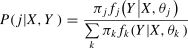
The livelihood risks in this study are latent variables that are difficult to measure directly. However, traditional statistical methods do not deal effectively with these latent variables. Structural equation modelling (SEM) is an extension of general linear modelling that can measure invisible variables using multiple observable variables. The specific formula is as follows:
where B denotes the relationship between endogenous latent variables. Γ denotes the effect of exogenous latent variables on endogenous latent variables and is the regression coefficient from η to ξ. ζ is the vector of residuals.
The measurement model consists of two equations, which are expressed as follows:
where ξ is the m×1order exogenous latent variable (natural risk, human risk, social risk, physical risk, and financial risk). x is the p×1order exogenous observed variable. Λx is the p×morder matrix, which is the factor loading matrix of the exogenous observed variable x on the exogenous latent variable ξ. X is the p×morder exogenous observed variable. δ is the p×1order vector of measurement errors.

η is the n×1order endogenous latent variable (green production transformation). y is the q×1order endogenous observed variable. Λy is the q×norder matrix of factor loadings of the endogenous observed variable y on the endogenous latent variable η. Y is the q×norder endogenous observed variable. ε is the q×1order measurement error vector.
Variable settingVariable setting for finite mixed modelThis study employs the Cobb-Douglas production function to construct a latent class stochastic frontier model to portray the input-output relationship of farmers’ rice cultivation. The specific formula is as follows:
where Yi is the average rice yield per acre for rice farmer i. Li is the average labour input per acre. Ki is the average farm input per acre. Mi is the average farm machinery input per acre. A is the integrated technology level. μ is the random error term. Logarithmising Eq. (6) yields:

According to the requirements of Transforming food and agriculture to achieve the Sustainable Development Goals issued by FAO, the Technical Guidelines for Green Development in Agriculture (2018–2030) and the Key Points of Planting Industry in 2020 issued by the Ministry of Agriculture and Rural Affairs of China, and the characteristics of rice cultivation, the finite mixed model covariates are selected from the substitution of green inputs, the treatment of wastes harmlessness, and energy and water conservation in agricultural production. We use the number of green production practices such as green fertilisation, green pesticides, good seed inputs, agricultural waste recycling, straw return to the field, and energy and water conservation by farmers as a covariate in a finite mixture model. The posterior probability of rice farmers falling into green production practices can be calculated indirectly from the relationship between covariates and outputs. We use this probability as the basis for assessing the green rice production degree, and the change in this probability as a proxy variable for the green production transformation. The variable settings are shown in Table 1.
Variable setting for finite mixed model.
| Variable type | Variable | Variable definition |
|---|---|---|
| Rice production input-output relationship variables | Rice yield (Y) | Average yield of rice per mu1 (kg/mu) |
| Labour input (L) | Self-initiated labour efficiency in rice production (days/mu) | |
| Agricultural inputs (K) | Sum of average per-mu input costs for seeds, pesticides, fertilisers, agricultural films, and irrigation for rice production (yuan/mu) | |
| Machinery inputs (M) | Sum of average per-mu machinery operating costs, depreciation of fixed assets, fuel consumption, and maintenance costs for rice production (yuan/mu) | |
| Covariates for finite mixture models | Number of green production practice (CovX) | Number of farmers adopting green production practice (0, 1, 2, 3, 4, 5, 6) |
| Green fertilisation | Whether organic fertilisers, soil-formulated fertilisers are applied (1 = yes; 0 = no) | |
| Green pesticides | Whether to use efficient, low-toxicity, low-residue pesticides (1 = yes; 0 = no) | |
| Good seed inputs | Whether receiving good seed services (1 = yes; 0 = no) | |
| Agricultural waste recycling | Pesticide packaging, agricultural films recycled or not (1 = yes; 0 = no) | |
| Straw returned to fields | Whether crop residues are returned to the field (1 = yes; 0 = no) | |
| Energy and water conservation | Whether to use energy-saving and efficient facility-based agricultural technologies, water-saving irrigation technologies (1 = yes; 0 = no) |
Referring to the design of livelihood risk indicators in existing studies (Sarker et al., 2020; Jin et al., 2020; Kuang et al., 2020; Zeng et al., 2020; Zeng et al., 2021) and taking into account the actual situation of farmers in the study area, this study sets up a series of subdivided variables to measure natural, human, social, physical, and financial risks. Furthermore, we introduce the control variables of age of the head of household and distance to county from the dimensions of household and village characteristics, and establish the moderating variables of agricultural subsidies, agricultural insurance, and agricultural outsourcing services. The variable settings are shown in Table 2.
Setting of observed variables.
| Measurement items | Code | Variable | Variable definition | Factor loadings | Mean | SD |
|---|---|---|---|---|---|---|
| Green transformation of rice production (GT) | GT | Green transformation of rice production | The difference in the posterior probability of rice farmers falling into the green production potential category for two consecutive years was assigned a value (from 1 to 7 from poor to good, respectively; see Table 6) | / | 4.228 | 1.930 |
| Natural Risk (NR) | NR1 | suffer natural disasters | Whether the farmland is subject to meteorological disasters (floods, droughts, winds, snow, frost, etc.) and crop pests and diseases (1 = yes; 0 = no) | 0.971 | 0.353 | 0.478 |
| NR2 | Number of disasters | Number of maximum parcel disasters 2018–2020 | 0.928 | 0.840 | 1.268 | |
| NR3 | Loss of production due to disaster | Percentage of the most severe single reduction in production (0 = not affected; 1 = 10 % to 30 %; 2 = 30 % to 50 %; 3 = >50 %) | 0.942 | 0.569 | 0.857 | |
| Human Risk (HR) | HR1 | Poor health | Share of medical expenditure in total household expenditure | 0.767 | 0.175 | 0.219 |
| HR2 | Low level of education of business decision makers | Educational level of head of household (1 = college or above; 2 = high school; 3 = middle school; 4 = elementary school; 5 = no schooling) | 0.859 | 3.344 | 0.874 | |
| HR3 | Low level of education of families | Average level of education of family members (1 = college or above; 2 = high school; 3 = middle school; 4 = elementary school; 5 = no schooling) | 0.864 | 3.262 | 0.591 | |
| Social Risk (SR) | SR1 | Lack of cadre demonstration | No one in the family is a cadre (1 = yes; 0 = no) | 0.796 | 0.788 | 0.409 |
| SR2 | Lack of social organisation driven | Not a member of an agricultural cooperative (1 = yes; 0 = no) | 0.677 | 0.947 | 0.223 | |
| SR3 | Simple social relations | Number of mobile phone contacts (1 = >50; 2 = 30 to 50; 3 = 16 to 30; 4 = 1 to 15; 5 = 0) | 0.691 | 2.571 | 1.371 | |
| Physical Risk (PR) | PR1 | Lack of skills among business decision makers | Household head not educated or trained in agricultural technology (1 = yes; 0 = no) | 0.966 | 0.488 | 0.500 |
| PR2 | Lack of skills in households | No education or training in agricultural technology for household members (1 = yes; 0 = no) | 0.966 | 0.462 | 0.499 | |
| PR3 | Lack of agricultural machinery | Number of agricultural equipment (1 = 10 or more; 2 = 6 to 10; 3 = 3 to 5; 4 = 1 to 2; 5 = 0) | 0.653 | 4.186 | 0.924 | |
| Financial Risk (FR) | FR1 | Pessimistic revenue expectations | Attitude towards income growth in the next 1–2 years (1 = very optimistic; 2 = more optimistic; 3 = neutral; 4 = more pessimistic; 5 = very pessimistic) | 0.683 | 2.638 | 1.106 |
| FR2 | Low access to financial information | Usual level of attention to information on economics and finance (1 = very much; 2 = very much; 3 = average; 4 = rarely; 5 = never) | 0.773 | 4.322 | 0.982 | |
| FR3 | Financing is difficult. | No farmer creditors (1 = yes; 0 = no) | 0.752 | 0.698 | 0.459 | |
| Control variables | C1 | Age of the head of household | Age of the head of household | / | 62.234 | 9.602 |
| C2 | Distance to county | Distance of this village from the county (km) | / | 20.026 | 14.016 | |
| Moderator variables | AS | Agricultural subsidies | Amount of agricultural subsidies (yuan) | / | 4271.313 | 18,673.78 |
| AI | Agricultural insurance | Availability of agricultural insurance (1 = yes; 0 = no) | / | 0.503 | 0.500 | |
| AOS | Agricultural outsourcing services | Number of outsourced services in the agricultural production chain (ploughing, seedling raising, planting, pesticide spraying, harvesting, straw return; 0–6) | / | 2.520 | 1.851 |
This study Refs. McLachlan & Peel’s (2000), Cameron & Trivedi, 2022 research on econometric methods for finite mixture models. In the overfitting phenomenon, the Bayesian information criterion (BIC) has a larger penalty term than the Akaike information criterion (AIC), which can effectively prevent excessive model complexity caused by excessive model precision. Therefore, this study uses the BIC metric to determine the number of potential categories in the sample that correspond to the smallest BIC value. Table 3 presents the model fitting results. When two categories are identified, the BIC value is minimised. It is statistically optimal to divide the sample into two categories. Therefore, this study categorises rice farmers’ production methods into green and traditional production methods.
(2) Analysis of the posterior probability that the sample belongs to a potential categoryBased on the finite mixture model, the posterior probability of a sample falling into a latent category determines the latent category to which the sample belongs. As demonstrated previously, it is most reasonable to classify rice farmers’ production methods into two latent categories. Therefore, the following formula can be used to characterise the distribution function and posterior probability of all samples:
where the posterior probability of a sample falling into a category (A) is P, and the posterior probability of falling into another category (B) is 1−P. Therefore, the results of the analysis based on the probability of a sample falling into category A or B are consistent, and we only need to organise the analysis based on the probability of the sample falling into category A (see Table 4).Quantifying farmers’ degree of green production

We next examine whether a significant difference exists between the two production methods in terms of inputs and outputs using a sample mean t-test (see Table 5). Group I consists of samples that are in category A (P>0.5), and Group II consists of samples that fall into category A (P≤0.5). The results reveal that both types of rice farmers have significantly higher means in Group I than in Group II for rice yield and number of green production practice indicators. In addition, Group I exhibits significantly fewer self-initiated days of labour per acre than Group II, which is more efficient in terms of labour input. This indicates that the higher the posterior probability of the sample falling into category A, the more obvious it will be to adopt green production practices. Therefore, we use the posterior probability of falling into category A to quantify the degree of farmers’ rice green production cultivation.
Differences in farmers’ green production across groups.
Note: ***, **, and * indicate significance at the 1 %, 5 %, and 10 % statistical levels, respectively.
The index of farmers’ degree of green production using the posterior probability of falling into category A does not indicate the process of green production transformation. Therefore, we use the difference between two consecutive years of farmers’ degree of green production as the green production transformation index. According to the changes in the index and the potential categories, we categorise rice production of farmers’ green production transformation into seven levels as shown in Table 6.
Assignment of farmers’ green production transformation.
We test the model constructed in this study for reliability, validity, and overall fitness, and the results confirm that the test values are at or near the evaluation criteria of goodness of fit. The results of the main effect test of the variables of the dimensions of livelihood risk on rice farmers’ green transformation of production are presented in Table 7. The findings reveal that natural risks positively and significantly impact rice farmers’ green production transformation, whereas human, social, physical, and financial risks have significant negative impacts on green production transformation. These results validate Hypotheses 1 to 5, confirming that green transformation of food production is affected by farmers’ livelihood risks, and the impacts of different types of livelihood risks are heterogeneous. The policy implication of these results is that farmers must consider and categorically analyse the impact of livelihood risks in the agriculture to green production transformation process.
Test results of structural equation modelling.
| Paths | Results | Acceptance/rejection of hypotheses |
|---|---|---|
| NR→GT | 0.064* | Acceptance |
| HR→GT | −0.088** | Acceptance |
| SR→GT | −0.142** | Acceptance |
| PR→GT | −0.219*** | Acceptance |
| FR→GT | −0.646*** | Acceptance |
| C→GPT | Controlled | / |
Note: ***, **, and * indicate significance at the 1 %, 5 %, and 10 % statistical levels, respectively.
This study introduces agricultural subsidies, agricultural insurance, and agricultural outsourcing services to examine their moderation of the impact of livelihood risks on green production transformation. Referencing Wen et al. (2012), we select the variable with the largest factor loadings in each type of livelihood risk, using the product of this variable and the moderating variable to analyse the moderating effect. Table 8 presents the test results.
Test results of the moderating effects analysis.
Note: ***, **, and * indicate significance at the 1 %, 5 %, and 10 % statistical levels, respectively. Control variables are controlled.
The results demonstrate that agricultural subsidies and insurance reinforce the positive impact of natural risks on rice production’s green transformation. Notably, both factors reinforce the constraints of physical risks on green rice production transformation. Possible explanations are that agricultural subsidies compensate for the expected income declines due to limited green production transformation of rice associated with material constraints, and agricultural insurance provides a good underwriting guarantee for the production risk of farmers who lack material capital. These factors keep farmers’ total expected income constant, enabling farmers to finance the purchase of farm machinery or adopt technologies for green production transformation. Furthermore, farmers are more inclined to choose green production transformation to obtain greater returns after improving physical capital endowments. This finding implies that the development and promotion of agricultural subsidies and agricultural insurance should be integrated to advance agricultural green production. First, governments should provide subsidies to farmers for green production that are focused on material inputs such as farm machinery and green production inputs. Second, policies should aim to develop new types of green insurance that are favourable to environmental protection and increase insurance coverage for agricultural production.
The results demonstrate that agricultural outsourcing services significantly and negatively affect rice production’s green transformation, which aligns with the findings of Chang (2023). A possible explanation is that environment is a typical public good. Outsourced suppliers are not responsible for any negative environmental issues (Arriagada, Sills, Pattanayak, Cubbage, & González, 2010), so they are more inclined to increase agrochemical inputs to improve yields. Therefore, the results demonstrate that agricultural outsourcing services do not moderate the natural risk for rice production’s green transformation and reinforce the constraints of human, social, physical, and financial risks on the transformation. These findings have the following implications. First, policies should regulate outsourced suppliers’ farming practices and shift outsourcing from an output-oriented to a green-oriented approach. Second, policies should strengthen the monitoring of outsourcing services to reduce the bilateral moral hazard of outsourced suppliers and farmers. Third, policies should help outsourced suppliers to reduce the service cost, especially the cost of introducing environmentally friendly production technologies and factors.
Heterogeneity analysis(1) Heterogeneity analysis based on demographic characteristicsThis study examines the differences in the impact of livelihood risks on green production transformation among farmers with different household head ages and family sizes. We use 60 years old as the age classification cut-off point according to the standard of the World Health Organization and use three persons as the family size cut-off point with reference to China’s average household size of 2.62 persons in 2020. Table 9 presents the test results.
Results of heterogeneity analysis based on demographic characteristics.
Note: ***, **, and * indicate significance at the 1 %, 5 %, and 10 % statistical levels, respectively. Control variables are controlled.
The heterogeneity analysis results of different household head (i.e. the production decision maker) ages demonstrate that rice production’s green transformation of older head farmers is more vulnerable to social and financial risks. A possible explanation is that in China’s rural humanistic society, the rural elderly place more emphasis on geographical and kinship relationships and are more influenced by social organisations and groups. Accordingly, their production decisions are more vulnerable to social risks. Furthermore, older heads of households are more conservative and risk-averse than young and middle-aged heads of households. They are less inclined to choose green production practices that involve higher production costs, more technological inputs, and higher transaction costs. This finding implies that policies should popularise green production techniques and knowledge among older households through technology demonstration and training to create a social effect on green agriculture production. Furthermore, financial policy support for older green producers should be increased. The results demonstrate that rice production’s green transformation of young and middle-aged head farmers is more vulnerable to physical risks. A possible explanation is that the trend of increasing labour rigidity constraints in agriculture and rising opportunity costs of labour inevitably induce capital substitution for labour. Young and middle-aged household heads are more inclined than the elderly to adopt part-time farming and substitute capital for labour. Their agricultural production is more dependent on machinery and technology, making their green production transformation more vulnerable to physical capital conditions, which aligns with the findings of Ren et al. (2023). This finding implies that policies should improve the construction of agricultural outsourcing service systems. It is important to encourage and support various types of outsourcing suppliers to strengthen their service capacity in ploughing, planting, prevention, and harvesting. It is also important to encourage outsourcing suppliers to favour agricultural outsourcing services for young and middle-aged farmers.
The heterogeneity analysis results of different family sizes demonstrate that rice production’s green transformation of farmers with a larger household size is more vulnerable to human, social, physical, and financial risks. The possible explanation is that larger households are more likely to form economic division of labour, where they can exploit the demographic dividend of surplus labour by substituting labour with machinery and technology. Accordingly, their green production transformation is more vulnerable to physical risks. Furthermore, the effective use of agricultural machinery and technology requires good human capital, social impetus, and economic support. Accordingly, the green transformation of agricultural production is more vulnerable to human, social, and financial risks. This finding implies that policies for greening agricultural production should focus more on larger households.
(2) Heterogeneity analysis based on production characteristicsThis study examines the differences in the impact of livelihood risks on green production transformation among farmers with different cultivation scales, production use, and land tenure regularisation. China’s Ministry of Agriculture and Rural Development defines the standard for China’s large-scale farming as 50 mu or more of land under open field cultivation in areas with two or more harvests per year. Jiangsu Province is located in the subtropical and temperate monsoon transition region, and its farming system is double cropping of grain (cotton) for oil. Therefore, we divide the sample into small and large scale using 50 mu as the threshold value. In addition, production use is divided into access to market and household demand based on whether farmers sold rice or not. Land tenure regularisation is divided into titled and untitled. Table 10 presents the test results.
Results of heterogeneity analysis based on production characteristics.
Note: ***, **, and * indicate significance at the 1 %, 5 %, and 10 % statistical levels, respectively. Control variables are controlled.
The heterogeneity analysis results of different cultivation scales demonstrate that the green transformation of small-scale households is more vulnerable to social risks. The possible reason is that small-scale households have more difficulty in accessing production information and are more dependent on rural social networks. Accordingly, their production decisions are more vulnerable to social risks. The results demonstrate that rice production’s green transformation of large-scale households is more vulnerable to physical and financial risks. The possible reason is that large-scale households are more mechanised and have greater investment in land. Accordingly, their production practice decisions are more vulnerable to physical and financial risks. This finding implies that policies should strengthen the social drivers of green production for small-scale households and increase material and financial support of green production for large-scale households.
The heterogeneity analysis results of the two production uses demonstrate that the green production decisions of rice farmers whose products have access to the market are more vulnerable to livelihood risks. The possible reason is that the behavioural decisions of rice farmers whose products have access to the market are more constrained by expected economic returns. When external risks change, farmers’ return expectations are affected and their behavioural decisions change. This finding has implications for the construction of green agricultural product markets. First, it is important to establish a mechanism for setting the prices of green products. Second, policies should improve the circulation, sales, and logistics system of green agricultural products. Third, policies should continuously strengthen market supervision and create a trustworthy environment for green agricultural products.
The heterogeneity analysis results of the two types of land tenure regularisation demonstrate that the green production decisions of rice farmers with titled land are more vulnerable to livelihood risks. The possible reason is that the stability of land tenure affects farmers’ willingness to invest. Unstable land tenure makes farmers more inclined to make production decisions with lower market risks rather than adapting to livelihood risks. This finding implies that governments should improve the land titling policy and appropriately extend the number of years of land titling in order to fully utilise ecological and environmental effects.
DiscussionBased on data from 2402 questionnaires from Nanjing Agricultural University’s Chinese Land Economy Survey, this study innovatively explores the relationship between farmers’ livelihood risks and the green transformation of food production. In contrast to previous research, this study employs the finite mixture model to quantify the degree of green production transformation of rice farmers. We apply SEM to systematically investigate the impact mechanisms of different types of livelihood risks on the green production transformation of rice farmers. Accordingly, this study examines the moderating role of agricultural subsidies, agricultural insurance, and agricultural outsourcing services in the impact of livelihood risks on green production transformation. Furthermore, we analyse the differences in the impact of livelihood risks on green production transformation among farmers with different demographic and production characteristics.
Innovative and theoretical contributionsCompared with similar research, the innovations and theoretical contributions of our findings are characterised by four aspects.
Expanding risk differentiation–driven mechanisms and validating the theories supporting the analytical frameworkPrevious research has largely considered livelihood risks as an overall barrier to green transformation but have rarely analysed the direction and intensity of the role of risk categories (Xu & Wu, 2024). This study demonstrates that natural risks and human, social, physical, and financial risks have inverse effects on the green transformation of agricultural production. Natural risks have a positive impact on the green transformation of food production, which differs from the conventional view that natural risks (e.g. drought and floods) have a negative effect on agricultural green production (Lalani et al., 2016) but aligns with the findings of Knowler & Bradshaw (2007), Fritsche et al. (2010). This may be because natural risks motivate farmers to prioritise agricultural sustainability and increase practices to protect the environment to reduce the risk of agricultural loss. This finding challenges the traditional assumption of risk as a threat, extends protection motivation theory, and adds to the micro-evidence of risk-activated adoption of green practices in agricultural contexts. The negative impact of human, social, physical, and financial risks on agricultural green production transformation enriches the empirical studies of the theory of planned behaviour and rational choice theory and broadens the analytical framework of risk-suppression mechanisms. For example, previous research suggests that financial risks (e.g. lack of capital and debt pressure) discourage farmers’ investment and production activities (Sheng et al., 2019). By contrast, this study demonstrates that financial risks also have a significant inhibitory effect on agricultural green production transformation, which aligns with the findings of Gong et al. (2019). This implies that financial pressure not only limits farmers’ ability to invest but also makes them more inclined to adopt short-term, non-green production practices. These findings confirm SLF theory’s contention that a series of processes in farmers’ livelihood practices are driven by risk shocks that are mediated by the interplay of factors at different levels. These processes can ultimately transform livelihood capital into positive outcomes in farmers’ quest for livelihood sustainability.
Cognitive breakthroughs in the one-way role of external moderationPrevious research has emphasised the linear gains of policy instruments and external organisations. By contrast, this study reveals significant heterogeneity in moderating effects, resulting in innovations in the following three aspects of the theory. The first is the moderating role of agricultural subsidies. Agricultural subsidies are often considered important for promoting green production (Zuo & Fu, 2021). We find that agricultural subsidies reinforce the positive impacts of natural risks on the transformation of green rice production but have limited moderating effects on other types of risks. This finding indicates that policymakers should design subsidy policies more strategically to address different types of livelihood risks. The second relevant finding is a double-edged sword effect of agricultural insurance. Agricultural insurance is often considered an important tool for managing agricultural risks because it can effectively compensate farmers for losses following a disaster and alter the expected marginal returns from agricultural production (He, Zheng, Rejesus, & Yorobe, 2020). This study finds that agricultural insurance may weaken farmers’ incentives to shift to green production in some cases. For example, agricultural insurance increases the constraints of physical risks on shifting to green rice production, which may be attributable to farmers’ greater dependence on insurance compensation in the face of risk rather than taking proactive green production measures. The third unique finding is the risk-enhancing effect of agricultural outsourcing services. Agricultural outsourcing services (e.g. land rehabilitation, seed supply, centralised procurement of agricultural production materials, and agricultural mechanisation services) are often considered effective for reducing production risks, improving production efficiency and quality, and promoting green production transformation (Li & Guan, 2023). This study finds that agricultural outsourcing services inhibit green production transformation in agriculture while exacerbating the inhibitory effects of human, social, physical, and financial risks, which aligns with the findings of Chang (2023).
The moderating effects of agricultural subsidies, agricultural insurance, and agricultural outsourcing services on the impact of livelihood risks on the transformation of green production in agriculture confirm the influence of conversion structures and processes in SLF theory. However, the influence of the external environment and public organisations is heterogeneous, limited, and duplicated in the specific application of green production transformation in agriculture. It is essential to integrate policy formulation and implementation with green production and promote more efficient resource allocation by the external environment and public organisations to advance the transformation of green production in agriculture and more positive livelihood outcomes.
Multidimensional heterogeneity analysis frameworkThis study reveals significant differences in the impact of livelihood risk on green rice production transformation among farmers with different demographic, production, and management characteristics using a multidimensional heterogeneity analysis. First, generational differences are evident in risk responses. Older head-of-household farmers are more constrained by social and financial risks, whereas young and middle-aged head-of-household farmers are more susceptible to physical risk constraints. This finding validates generational theory and extends it to the context of green technology. Second, scale differences are found in risk responses in which small-scale farmers are more likely to be constrained by social risks, while large-scale farmers are more likely to be constrained by physical and financial risks. This finding emphasises the need for modelling the fit between risk bearing and operational scale.
Expanding green production research in agriculture from static decision making to dynamic transformationPrevious research has focused on cross-sectional behavioural decision making. In contrast, this study uses a sample of continuously observed farmers, taking the dynamic change in the posterior probability of rice farmers choosing green production as a proxy variable for the degree of green production transformation and classifying the green transformation of rice cultivation into seven grades. This enriches theories of transformation dynamics and subsequent practical applications.
Cross-regional insights and policy adaptationDespite the regional characteristics of risk manifestation, the theoretical framework of livelihood risk-behavioural response constructed in this study reveals the common mechanisms of risk management in green agricultural transformation. For example, the laws of natural risks driving the adoption of green practices and social risks hindering the transfer of ecological knowledge are found in the monsoon regions of Southeast and South Asia (Adnan, Nordin, Rahman, & Noor, 2017; Satpute et al., 2021) and the Mediterranean basin (Iniesta-Arandia et al., 2015).
The evidence concerning Jiangsu can provide lessons for agricultural risk management and green production transformation in regions with similar climatic conditions, crop types, economic environments, and agricultural policies. Based on production, market, and environmental characteristics, Jiangsu represents intensive agriculture in the East Asian monsoon region, a region of agricultural transformation in the context of rapid urbanisation, and a typical sample of the rice culture circle. Specifically, the results of this study can be directly replicated in homogeneous regions such as China’s Yangtze River Delta urban agglomeration, which shares the ecological characteristics of the Taihu Lake basin with Jiangsu and faces similar labour force ageing challenges. Accordingly, it is essential to focus on spreading green production knowledge among elderly households and increasing financial policy support for elderly green producers. Simultaneously, the government of the region can learn from the experience of outsourcing services in the case of Jiangsu and guide outsourcing suppliers to transform from output-orientated to green-orientated approaches. Furthermore, adaptive transplantation can be conducted in regions with similar characteristics. For example, physical risk constraints on the transformation of green production in agriculture in intensive agricultural regions (e.g. the Great Plains of the United States and the facility-based agriculture region of The Netherlands) should be prioritised. Governments and social organisations should focus on financing innovations and the development and promotion of green subsidies and insurance for agriculture to mitigate its unique trade policy risks. Agricultural transformation regions (e.g. Punjab in India and Mato Grosso in Brazil) must pay more attention to the impact of farmers’ livelihood risks and consider the significant context dependency of the direction and intensity of risk effects in different regions. For example, in contrast to Jiangsu’s government-led subsidy regulation mechanism, Punjab in India diversifies social risks through farmer producer organisations and Brazil relies on multinational grain traders to hedge market risks through sustainable sourcing agreements. In addition, traditional rice farming areas in Southeast Asia (e.g. the Central Plains of Thailand and the Mekong Delta of Vietnam) with high land fragmentation and smallholder dominance could reinforce the moderating effect of outsourcing services demonstrated in this study by lowering the threshold for technology adoption through collective action.
Applied casesWhile the quantitative findings of this study demonstrate multi-level explanatory power in internationally comparable contexts, qualitative cases can further reveal the microdynamics of the application. This section focuses on three cross-regional applied cases that echo the quantitative findings of this study.
Andhra Pradesh community-managed natural farmingBased on the natural environmental context of food security concerns, soil crisis, drought, and widespread loss of biodiversity, Andhra Pradesh community-managed natural farming (APCNF) was implemented in 2004. The policy promotes zero synthetic chemical inputs and emphasises four green agricultural practices, setting the goal of achieving 100 % chemical-free agriculture by 2030. The Andhra Pradesh government established Rythu Sadhikara Samstha (RySS) to train the six million farmers residing in the state to implement APCNF practices. As of December 2020, RySS had trained 580,000 farmers in 3011 villages in the state. Research by Lindsay et al. (2022) demonstrated that self-identified APCNF farmers are approximately one third less likely to use synthetic pesticides and have significantly lower pesticide expenditures than conventional farmers. In line with the mechanisms in this study, APCNF established a social leadership mechanism for green production, demonstrating the moderating role of government policies and community action.
China’s agricultural green subsidy policyThe degradation of China’s agro-environment is a multifaceted problem, including increased regional soil pollution, the coexistence of water scarcity and overuse, declining farmland quality, and declining biodiversity. These issues threaten food security and environmental sustainability. In 2024, China’s Ministry of Agriculture and Rural Development issued the Circular on Green High-Yield and High-Efficiency Measures to Promote Yield Improvement in Large Areas, proposing to promote green development as an orientation and lead the transformation of production methods. The circular highlighted the need to focus on primary production areas and advantageous crops to obtain subsidies and promote large-scale cultivation, standardised production, and industrialised management. First, the subsidies include physical inputs such as standardised seed supply, agricultural materials, technology, management, green prevention and control, equipment upgrading and reconstruction, and establishment of subsequent demonstrations. Second, subsidies for socialised services are included such as substitute ploughing, planting, and special pest control. The third is subsidies for technical advice services for agricultural and rural departments to organise experts’ technical guidance, promote high-quality varieties, integrate and assemble new technologies, and tackle bottleneck technologies. Related initiatives can also promote technical experiments, high-yield competitions and project evaluation, acceptance, and other competitions. China’s refined green agricultural subsidy policy reflects the influence of agricultural subsidies on defending against production risks and regulating the transition to green agricultural production observed in this study.
Cooperatives’ green agricultural socialisation services in Long An Province, VietnamIn recent years, the Vietnamese government has promoted the cooperative model to facilitate the green transformation of agriculture. Long An Province, a key agricultural province in the Kulong River Delta, is one of the pilot areas for the reform. The Long An Provincial Department of Agriculture launched the Green Supply Chain Programme in 2021, providing subsidies for cooperatives to purchase biopesticides and reducing costs through cooperatives’ centralised negotiations. The Vietnam Cooperative Alliance 2022 reported that 63 % of cooperatives in the province had centralised input procurement, of which 28 % were involved in pesticide management. These initiatives contributed to a notable reduction in chemical pesticides, which is highly compatible with the moderating mechanism of service outsourcing in this study, demonstrating the influence of organised services in promoting green production.
LimitationsThis study also has certain limitations. The first is the limitation of the research data. The results of the study are mainly applicable to irrigated rice systems in monsoon climate zones, and collective land ownership is an institutional prerequisite for policy regulation. Furthermore, there are limitations in the three-year study data, which do not allow for an in-depth exploration of the long-term impacts of livelihood risks on the green transformation. Future research could be extended to different climate types (e.g. non-monsoon zones and drylands) and cropping systems (e.g. other food crops such as wheat, maize, and cash crops) to validate the generalisability of the mechanisms. It is also possible to compare the situation under different land systems and to consider the adaptive adjustment of policy instruments under different land systems. The study’s time span needs to be extended by continuing to follow the existing sample and introducing historical data.
The second is the limitation of model construction. Despite the model’s good explanatory strength, some indicators may overlook observations. Future research could provide a more comprehensive analysis based on more theoretical models. For example, algorithms such as machine learning can be used to search for key covariates that may have been overlooked. Also, latent variable modelling of implicit risk can be continually explored based on advances in theoretical research.
The third is the lack of more in-depth qualitative analyses. This study examines the impact mechanisms through large quantitative empirical analyses, but it lacks quantitative analyses such as in-depth interviews or case research. Future research could blend quantitative causal inquiry and in-depth qualitative analysis through farmer interviews and behavioural observations.
The fourth is the lack of operationalisation of the cross-regional replication of the conclusions. The lack of publicly available data on livelihood risks across regions has resulted in an inability to benchmark the intensity of risk similarity across regions. Future research could develop global region-specific standards for quantifying livelihood risks and calculate risk similarity indices and transferability strengths of mechanisms across regions. Adaptive portability of policy instruments based on the quantitative indices could also be developed.
ConclusionsWe draw four relevant conclusions based on our findings. First, Jiangsu Province has a relatively high level of green rice production and is steadily transitioning to green production. The production practices of Jiangsu Province’s rice farmers can be divided into green and traditional production methods, of which 87.68 % of the rice farmers in the sample employed green production methods. In the consecutive sample, 47.11 % of the farmers’ production practices were green.
Second, livelihood risk is an important factor affecting rice farmers’ green production transformation, and natural risk has a significant promotional effect on the green production transformation. Conversely, human, social, physical, and financial risks have significant inhibitory effects on the green production transformation.
Third, agricultural subsidies, insurance, and outsourcing services moderate the impact of livelihood risks on green production transformation. Agricultural subsidies and insurance strengthen the facilitating impact of natural risks on the green transformation of rice production as well as the constraints of physical risks. Furthermore, agricultural subsidies weaken the constraints of human risks on green transformation. Finally, agricultural outsourcing services can reinforce the constraints of human, social, physical, and financial risks on the green transformation of rice production.
Fourth, there are significant differences in the impact of livelihood risk on rice production’s green transformation among farmers with different demographic and production characteristics. The green transformation of rice production is more vulnerable to social and financial risks for older head-of-household farmers and physical risks for young and middle-aged head-of-household farmers. Furthermore, the green transformation of farmers from larger households is more vulnerable to human, social, physical, and financial risks. Rice production’s green transformation among small-scale farmers is more vulnerable to social risks, while that of large-scale farmers is more vulnerable to physical and financial risks. The green production decisions of rice farmers whose production is used to access markets and whose land has been titled are more vulnerable to livelihood risks.
In light of our findings, we propose four policy recommendations.
- (1)
Policies should establish incentive mechanisms and guide farmers to adopt green production practices. As cost–benefit considerations can make it difficult for farmers to consciously adopt some more costly but significant green production measures, it is essential to establish appropriate incentives for green production to guide and support farmers’ green production transformation. First, financial support policies for green producers should be implemented, especially for older households and large-scale households. Governments and banks can drive capital into green agricultural projects by developing green credit, green fixed-income securities, and green production funds. Second, governments should provide subsidies to farmers for green production that are focused on material inputs such as farm machinery and green production inputs. Third, policies should aim to develop new types of green insurance that are favourable to environmental protection and increase insurance coverage for agricultural production. Fourth, the government should promote the certification of green food, organic agricultural products, and geographical indications for agricultural products to increase consumer awareness and consumption of green agricultural products. Fifth, governments should improve the land titling policy and appropriately extend the number of years of land titling in order to fully utilise ecological and environmental effects.
- (2)
Policies should establish a social leadership mechanism to drive farmers’ transition to green production. First, during the initial promotion period of new green agricultural technologies, extension services can encourage village cadres to take the lead in adopting green production technologies through the provision of information and the selection of contact households. Second, it is essential to innovate the way cooperatives take on shares. Policies should encourage farmers, especially elderly and small-scale farmers, to join cooperatives by taking shares in technology, capital, and labour. Furthermore, thematic training should be organised to promote green production to the cooperative members. Third, policies should encourage agricultural extension organisations to guide farmers to adopt green production practices through technology demonstration and training.
- (3)
Policies should regulate outsourcing services and encourage their green transformation across the agricultural production chain. First, policies should improve the construction of agricultural outsourcing service systems. Doing so would encourage and support various types of outsourcing suppliers to strengthen their service capacity in ploughing, planting, prevention, and harvesting and to build a market-tested outsourcing service system for agricultural production processes. Second, the problem of excessive inputs of agrochemicals due to outsourcing of production needs to be given high priority. Policies should regulate outsourced suppliers’ farming practices and shift outsourcing from an output-oriented to a green-oriented approach. Third, policies should strengthen the monitoring of outsourcing services to reduce the bilateral moral hazard of outsourced suppliers and farmers. Fourth, policies should help outsourced suppliers to reduce the service cost, especially the cost of introducing environmentally friendly production technologies and factors.
- (4)
Policies should promote the construction of green agricultural markets. First, it is essential to establish a mechanism for setting the prices of green products. Governments and relevant departments should establish a market access policy for green and high-quality agricultural products and establish a grading evaluation system and a traceability system for agricultural products. This initiative would enable producers who adopt green production practices to earn more income. Second, policies should improve the circulation, sales, and logistics system of green agricultural products. It is essential to strengthen the construction of market links for urban and rural green agricultural products and to promote agricultural production bases for online sales. Third, policies should continuously strengthen market supervision and create a trustworthy environment for green agricultural products. It is essential to strengthen the training and supervision of agricultural traders or sellers to prevent illegal agrochemicals from entering the market. It is also crucial to establish a system of supervision and feedback on the credibility of stall traders.
This work was supported by The National Social Science Fund of China [24XGL031].
CRediT authorship contribution statementZhuoying Fu: Writing – review & editing, Writing – original draft, Visualization, Validation, Investigation, Funding acquisition, Formal analysis. Chongmei Zhang: Writing – review & editing, Writing – original draft, Resources, Methodology, Conceptualization. Zeng Huang: Supervision, Software, Funding acquisition, Formal analysis, Conceptualization. Lu Jia: Writing – review & editing, Writing – original draft, Supervision, Software, Resources, Formal analysis. Guanglin Sun: Writing – review & editing, Writing – original draft, Supervision, Methodology, Formal analysis. Wei Wang: Writing – review & editing, Writing – original draft, Resources, Investigation, Funding acquisition, Formal analysis, Conceptualization.
