



The use of herbal products and dietary supplements (HDS) carries a potential risk of liver toxicity. Data on HDS consumption among patients attending liver disease clinics remain unexplored.
ObjectiveTo determine the frequency, types and reasons for HDS consumption in patients attending a specialized liver disease outpatient clinic.
MethodsProspective study including consecutive patients attending the hepatology outpatient clinic at the Hospital Clínic of Barcelona from June 2023 to October 2023. Following a standard medical visit, a trained nurse conducted a structured interview to assess HDS consumption.
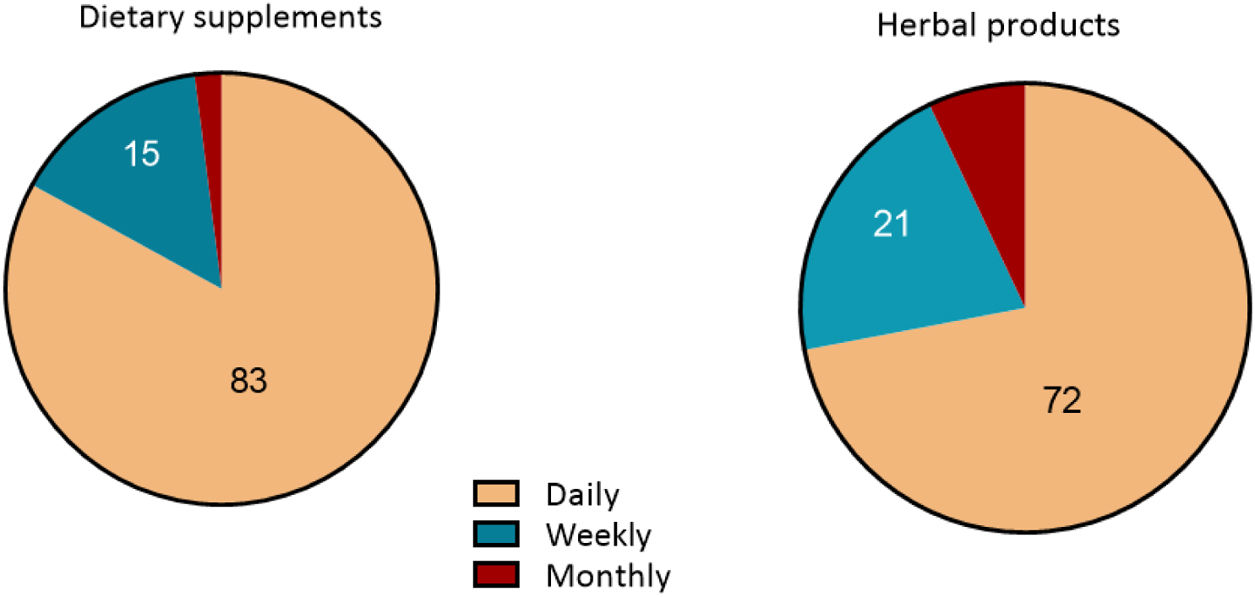
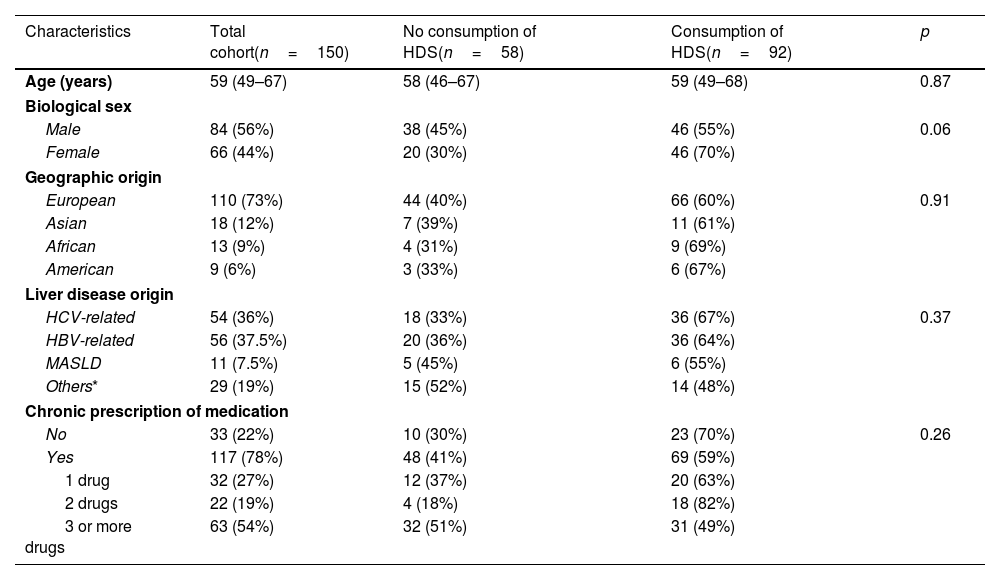
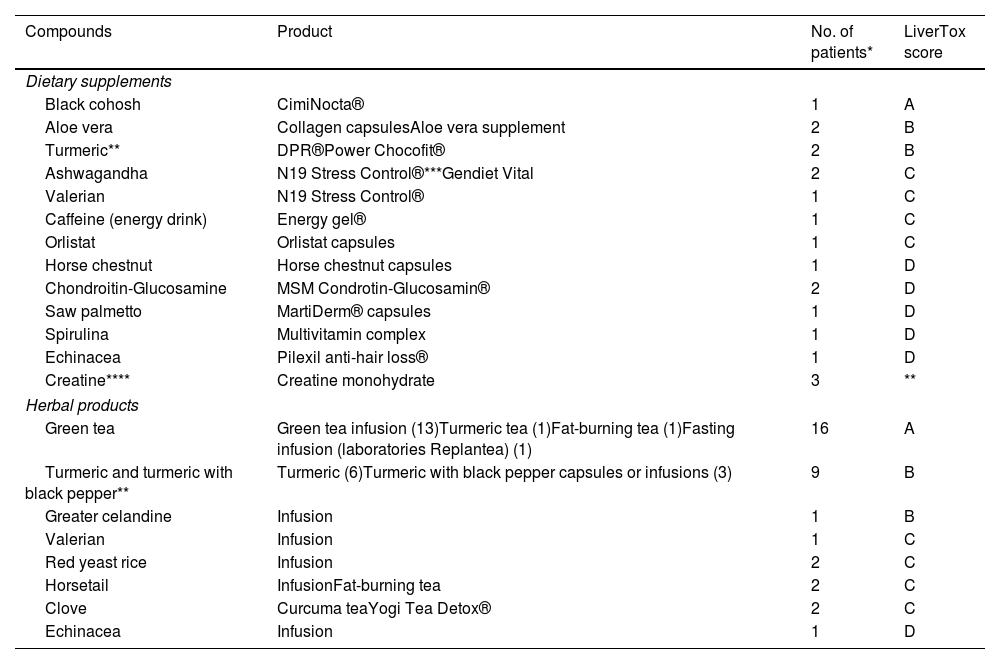
ResultsA total of 150 patients were included, with a median age of 59 (IQR: 49–67) and male predominance (56%, n=84). Only 12 patients (8%) reported HDS consumption during a standard medical interview, while the number increased to 92 (61%) after nurse-led structured interview. The primary reasons for dietary supplements use included vitamin supplementation (43%), fitness improvement (10.5%) and hair/nail health (10.5%). For herbal products, the most common reason for use was pleasure (73%). Reported HDS products with potential hepatotoxicity (levels A and B) were green tea (n=16), turmeric with black pepper (n=11), aloe (n=2), greater celandine (n=1) and black cohosh (n=1).
ConclusionHDS use is highly prevalent among patients with liver disease, but a structured interview is crucial to detect their consumption, as they usually forget spontaneous reporting. Importantly, a significant proportion of these products carry a risk of hepatic toxicity, underscoring the need for increased patient education and clinical vigilance.
El uso de productos de herbolario y suplementos dietéticos (HDS, por sus siglas en inglés) conlleva un riesgo potencial de toxicidad hepática. Sin embargo, los datos sobre el consumo de HDS en los pacientes que acuden a consultas de enfermedades hepáticas siguen siendo escasos.
ObjetivoDeterminar la frecuencia, los tipos y los motivos del consumo de HDS en los pacientes que acuden a una consulta ambulatoria especializada en enfermedades hepáticas.
MétodosEstudio prospectivo que incluyó a los pacientes consecutivos atendidos en la consulta externa de Hepatología del Hospital Clínic de Barcelona, entre junio y octubre de 2023. Tras una visita médica estándar, una enfermera especializada realizó una entrevista estructurada para evaluar el consumo de HDS.
ResultadosSe incluyeron un total de 150 pacientes, con una edad mediana de 59 años (RIC: 49-67) y predominio masculino (56%, n=84). Solo 12 pacientes (8%) informaron del consumo de HDS durante la entrevista médica estándar, mientras que la cifra aumentó a 92 (61%) tras la entrevista estructurada realizada por la enfermera. Los principales motivos para el uso de suplementos dietéticos fueron: suplementación vitamínica (43%), mejora del rendimiento físico (10,5%) y salud del cabello/uñas (10,5%). En cuanto a los productos de herbolario, el motivo más común fue el placer (73%). Los productos HDS reportados con potencial hepatotoxicidad (Niveles A y B) fueron: té verde (n=16), cúrcuma con pimienta negra (n=11), aloe (n=2), celidonia mayor (n=1) y Cimifuga (cohosh negro) (n=1).
ConclusiónEl uso de HDS es muy prevalente en los pacientes con enfermedades hepáticas, pero es necesaria una entrevista estructurada para detectar su consumo. Es importante destacar que una proporción significativa de estos productos conlleva un riesgo de toxicidad hepática, lo que subraya la necesidad de una mayor educación al paciente y vigilancia clínica.
