



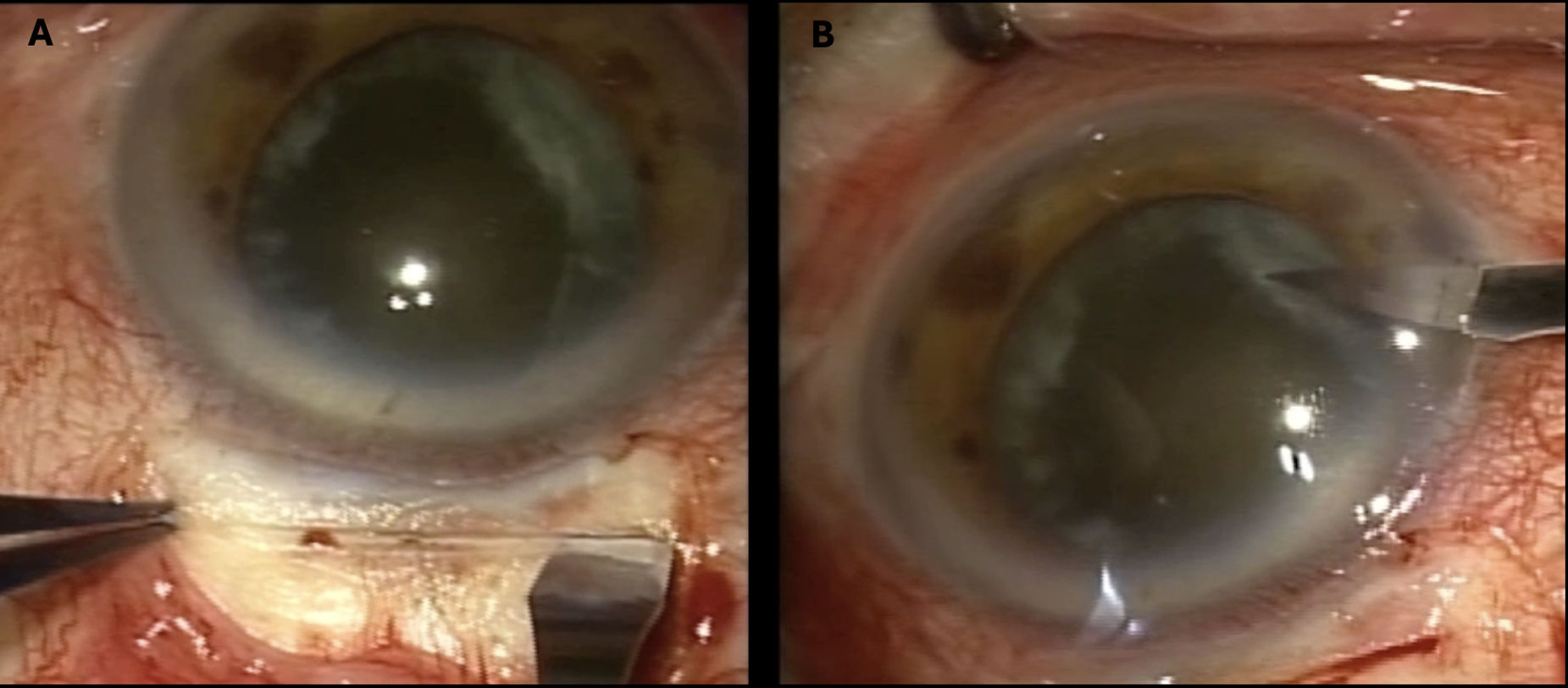
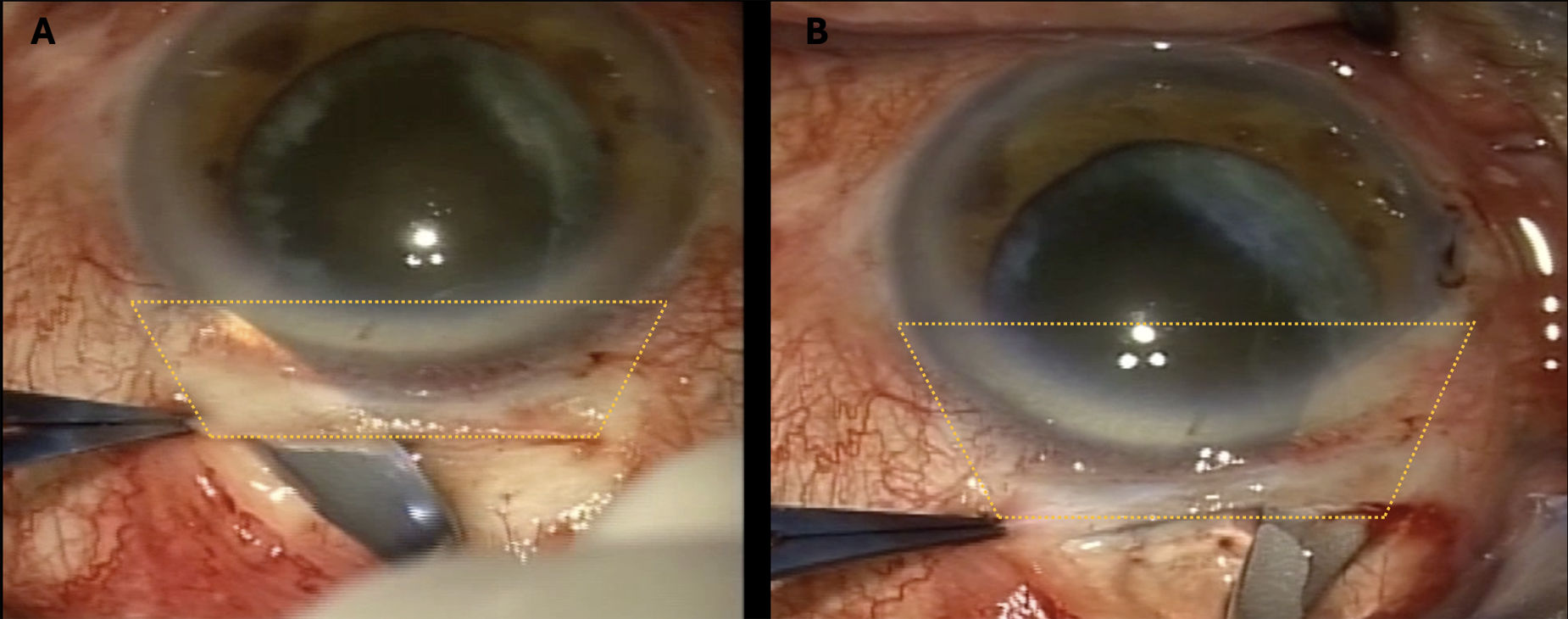
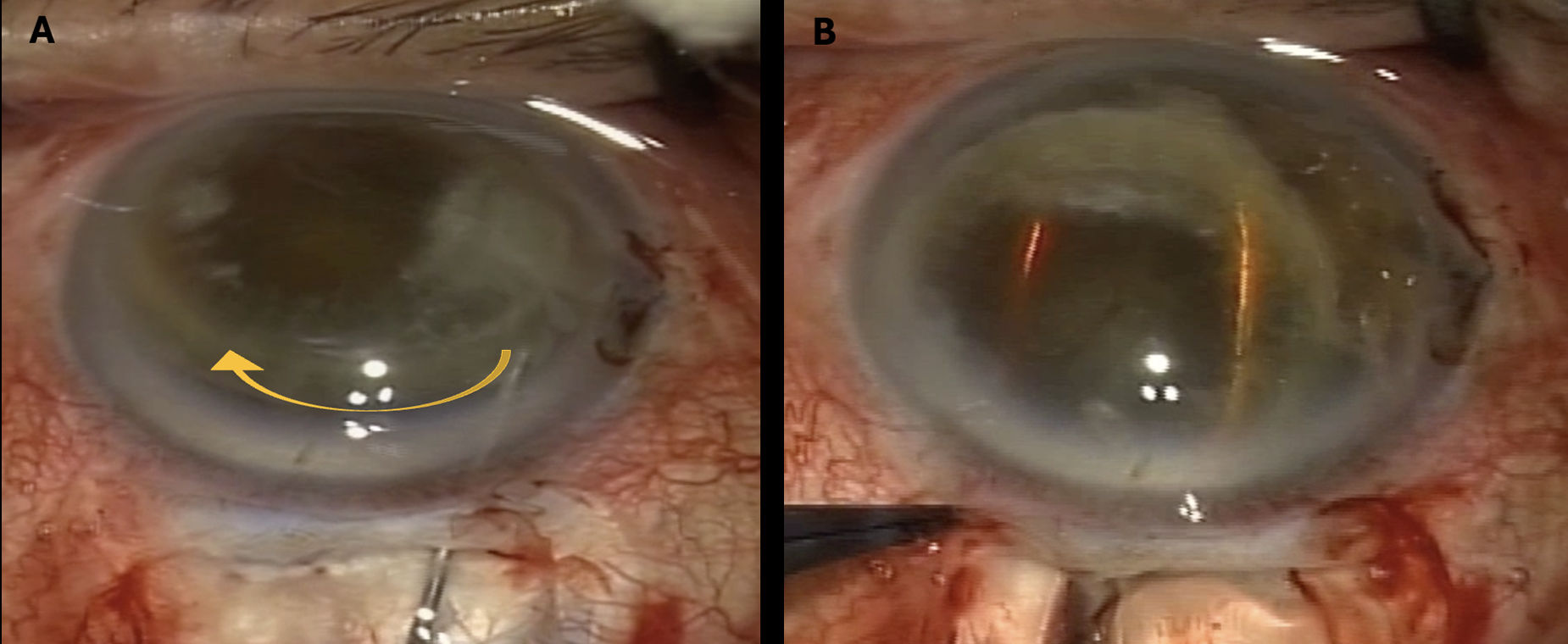
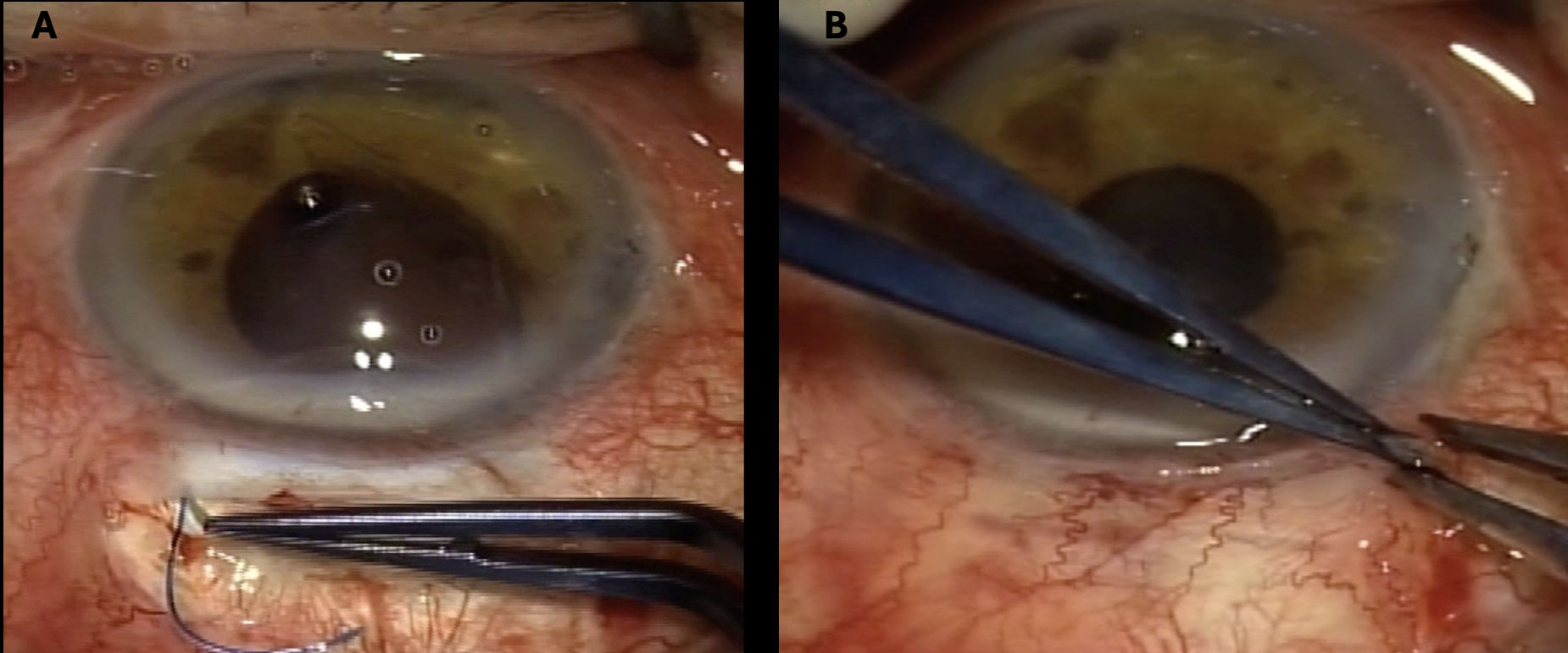
The aim of this article has been, on the one hand, to describe the use of MSICS (manual small incision cataract surgery) for the management of cataracts, especially mature ones, in relation to its particular utility in the field of humanitarian campaigns, for which a description of the MSICS technique has been made, subsequently a review of the available scientific literature has been carried out to verify the results of this technique in comparison with phacoemulsification and extracapsular surgery and to describe the importance of teaching this technique to all cataract surgeons, especially the ones participating in humanitarian campaigns. According to what has been found, MSICS is an excellent surgical technique and according to current evidence it seems to be the choice over phacoemulsification and/or the classic extracapsular technique in hyper mature cataracts, especially in the field of humanitarian campaigns, due to its lower rate of complications and the improvement in visual acuity obtained. According to the studies found, it would be possible for the experienced ophthalmologic surgeon to implement this technique since the learning curve is short. In addition, in the scenario of humanitarian campaigns, the cost per surgery and the surgical time are reduced. It can be concluded that MSICS should be part of the surgical repertoire of every cataract surgeon, especially in those who perform surgeries in humanitarian campaigns, since it provides shorter surgical time, lower cost and better results in complex cases.
El objetivo de este trabajo es describir el uso de MSICS (por sus siglas en inglés: cirugía manual de catarata de pequeña incisión) para el manejo de las cataratas,especialmente las maduras, en relación a su particular utilidad en el ámbito de las campañas humanitarias para lo cual se ha realizado una descripción de la técnica MSICS y posterioremente se ha llevado a cabo una revisión de la literatura científica disponible para comprobar los resultados de esta técnica en comparación con la facoemulsificación y la cirugía extracapsular, de igual manera se describe la importancia de la enseñanza de esta técnica para el aprendizaje de todos los cirujanos de catarata, principalmente aquellos que participan en campañas humanitarias. Según lo encontrado en la literatura, MSICS es una excelente técnica quirúrgica y de acuerdo a la evidencia actual, parece ser de elección respecto a la facoemulsificación y/o a la técnica clásica extracapsular en cataratas hipermaduras, especialmente en el ámbito de campañas humanitarias por su menor tasa de complicaciones y la mejora en la agudeza visual obtenida. Según los estudios encontrados, para el cirujano oftalmólogo experimentado sería posible implementar esta técnica debido a que la curva de aprendizaje es corta. Además, en el escenario de campañas humanitarias se reduce el costo por cirugía y el tiempo quirúrgico.
Se puede concluir que la MSICS debería formar parte del repertorio quirúrgico de todo cirujano de catarata, pero sobre todo en aquellos que realicen cirugías en campañas humanitarias, ya que proporciona menor tiempo quirúrgico, menor costo y mejores resultados en casos complejos.

